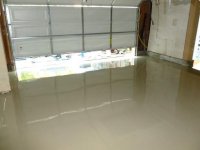
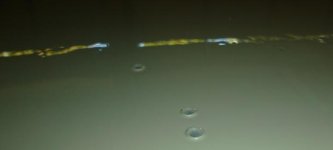
OK, and I would certainly do that test, but it seems to me from reading on here that this comes up all the time and I have to assume that most of these newer slabs have vapor barriers and that they passed that test. This leads me to believe that something else is going on other than slabs that can't pass the moisture vapor pressure test with the plastic square.
So the vapor test has to be done after grinding or etching? I've not heard this before.
If I just assumed that all of the concrete that i've laid floors on were properly installed and cured, then I would have screwed up a lot of floors by now, and lost tons of money. Point being, one cannot just assume everything was done right by the previous guy, or you're opening youself up to potential problems. Unfortunately, there are some shady builders that will cut corners on things like proper underslab waterproofing of garage slabs to save costs. How can you be sure that all the people that have complained about bubbles on this forum have done these tests?
I have had one floor that bubbled due to excessive heat in the slab. It was in a truck repair shop,and it bubbled by the roll up door facing the sun. In El Paso. In July. A double primer coat would have saved me from this, or coating at night, which we did after the one section bubbled, and that solved our problem. It takes a fairly significant heating cycle to get the concrete to outgas like that.
The reason you grind the patch first is because you want to replicate the surface your floor is going on to. You're not installing the floor on the tightly troweled surface, are you? No. So you have to grind it in order to get more accurate results out of your tests.