The main difference is the age of the instrument, the 87 pictured is a much earlier design, and the 'V' the mk 5 version, they also did a 187 and now the current version is a 287.
When buying second hand you're find they either work or don't, very rarely do we need to adjust one.
There is also the difference in the safety protections. The wafer switches used in the Fluke 87 Series I are not nearly as safe as the later space separated traces used in modern multimeters. Also, I have seen these same wafer switches get dirty or if the meter is heavily abused by turning the dial really hard these wafers can get bent. Both of these cause the switches to make bad contact. Both of these are EASY fixes (cleaning and/or bending the switches back in place), just not quite as robust as modern implementations.
Semantics, but the 287 is not a new version of the 87. It is an entirely new line. Much like a BMW 7 series is not a new version of the 5 series. It gets a bit more hazy with the 187, because the 187 started as the 87IV (they are identical) but Fluke realized it was far too different from the other 87s, and as a result shifted to form a new line as the 187. The 87V returned the 87 series to its original feature set line continuing with only minor improvements.
At my shop we have a fair amount of old Fluke multimeters, several over 10 years old one over 15 years old. None have ever been serviced, we check accuracy with a new meter and they are still spot on. ...and it's not like all are high end, some are entry level. Flukes don't die from old age, they get murdered or live forever.
In general true, there are a few failure modes for the older generations. There is the issues with the wafer switches I mention above. There is also the issue with the zebra strip of the display degrading over time. This causes the fading digits/segments issue. Once again, this pretty much affects the older generations. Fluke claims they fixed this issue with a reformulation of the polymers in the zebra strip. Other than these, the parts are of sufficient quality that they hold their specs pretty well.
Note all of this discussion exludes the Chinese mades 77 (I cant remember if it is the 77-III or 77-IV) but that thing is a steaming pile of ****. VERY un-Fluke, in that they broke easily, had difficulty maintaining specs and the inside build quality is much worse. It was Fluke's first attempt at international manufacturing and it showed. Recent Chinese made Flukes like the 101, 105, 107, 115-117, etc. have much better build quality.




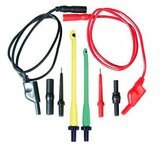

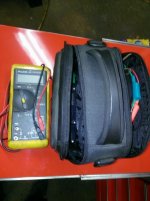


 ) from this thread.
