Dave455
Well-known member
Well, I learned something useful today. Folks may know about these, especially if they get involved with telephones or data cables, but I didn’t.
I was repairing the drivers seat in a Citroen, and broke the connector to the weight sensor. These were relatively thin wires so I couldn’t crimp them. I was going to do something with solder and heatshrink, but the seat was back in so it was going to be a pain.
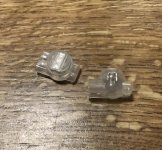
I looked into what the telecoms guys use, and it’s these Gel Connectors. All I can say is “Wow”! How come I didn’t know about these before?
They’re tiny little things, and you just poke the wires in (with insulation) which pierces a gel membrane. You then crimp them (well, squeeze them) which joins and clamps the wires. The gel prevents oxidisation of the bare wires, and keeps moisture out.
I didn’t believe these things would work so well and so easily, but they do! The ones I got work down to 26 Gauge.
Just thought I’d share this around!
I was repairing the drivers seat in a Citroen, and broke the connector to the weight sensor. These were relatively thin wires so I couldn’t crimp them. I was going to do something with solder and heatshrink, but the seat was back in so it was going to be a pain.
I looked into what the telecoms guys use, and it’s these Gel Connectors. All I can say is “Wow”! How come I didn’t know about these before?
They’re tiny little things, and you just poke the wires in (with insulation) which pierces a gel membrane. You then crimp them (well, squeeze them) which joins and clamps the wires. The gel prevents oxidisation of the bare wires, and keeps moisture out.
I didn’t believe these things would work so well and so easily, but they do! The ones I got work down to 26 Gauge.
Just thought I’d share this around!