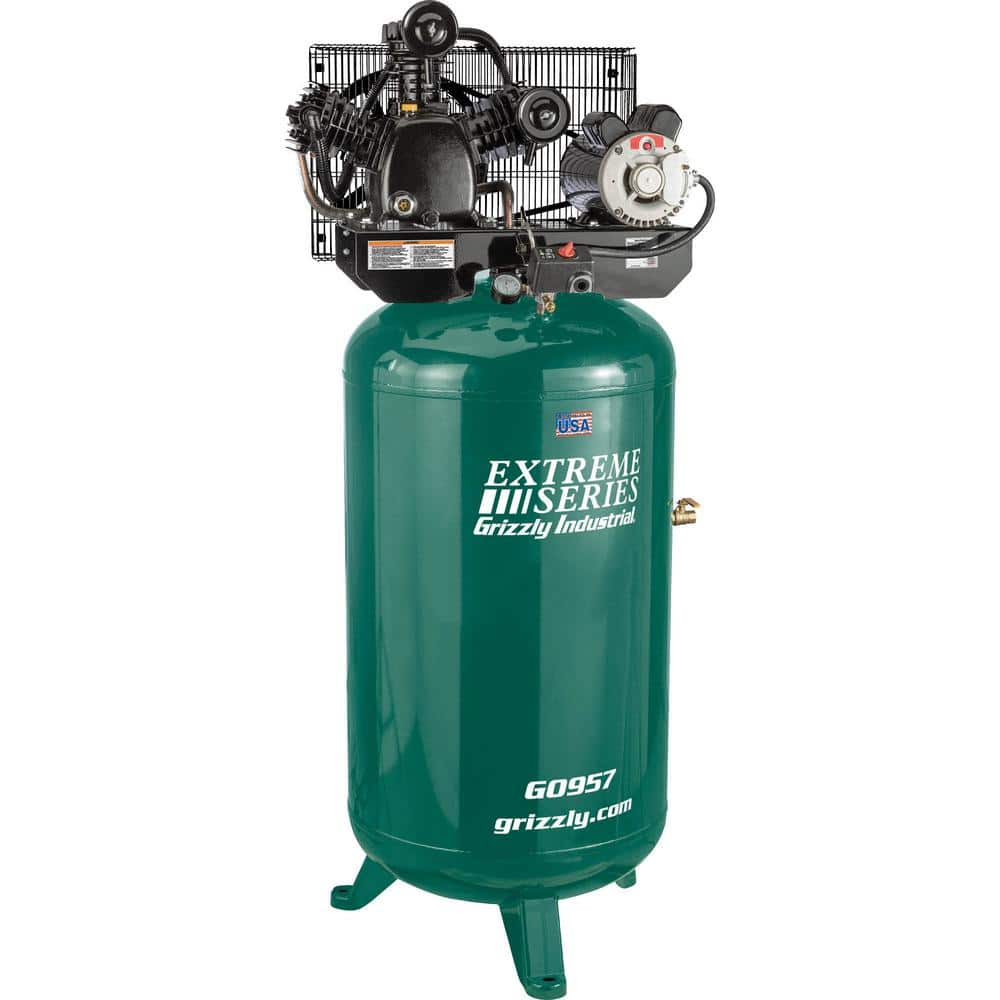
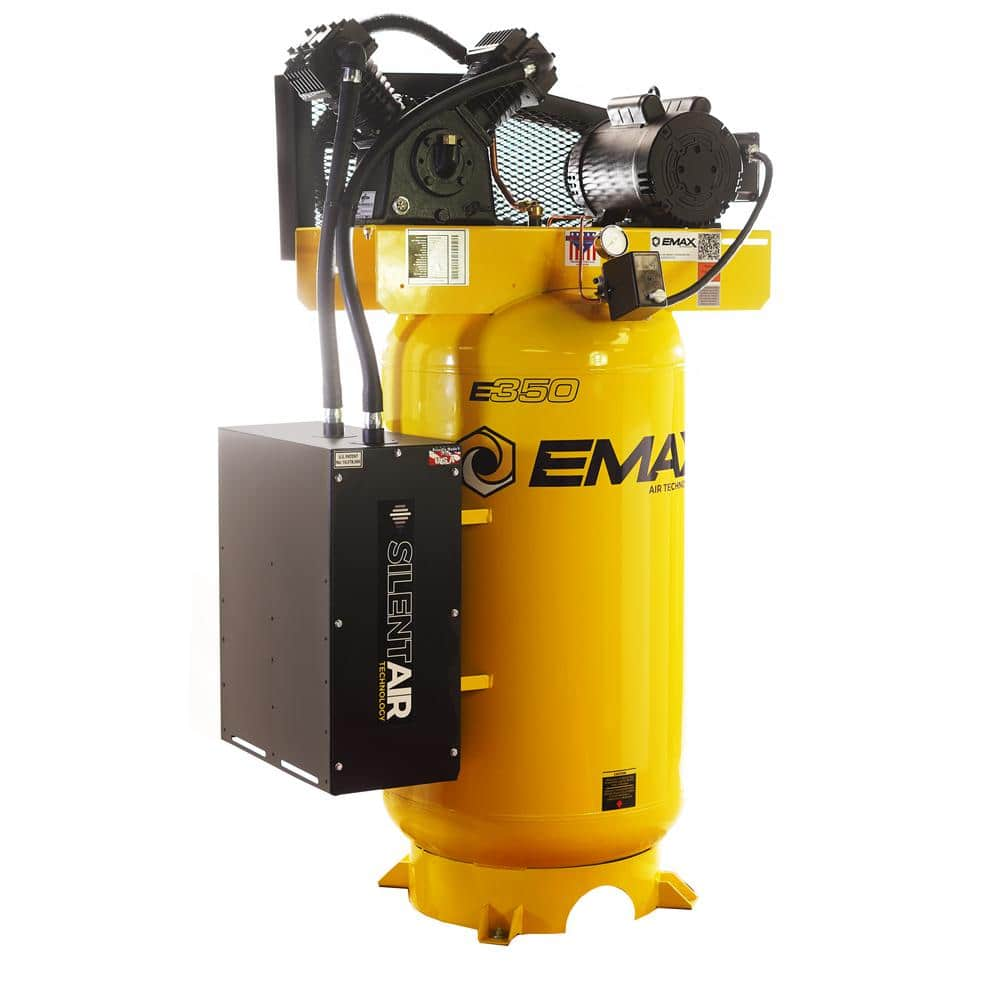
You're going to struggle to get a real answer here. Unless someone (or ideally multiple someones) who own or have owned the Grizzly chime in with their specific experiences, all the responses are going to be be speculation based on what people have heard or have come to believe.
There are some things that are often cited when separating "good" compressors from "bad" compressors such as the motor rpm, pump speed, type of valves, use of a magnetic starter, and of course the country of origin of the motor, pump, etc. You asked what makes it a "bad" compressor? Those are the things people are basing their opinions on. But that said, there are a whole lot of compressors out there that are functioning just fine (and have been for many years) that are built just about like that Grizzly.
Ultimately, it is up to you to decide whether it it worth it to you to spend extra money on features that others are telling you make one compressor better than another. Clearly dnschmidt and jswain value those features, and believe they are worth the extra cost (based on the fact that they recommend the same compressor in every compressor thread regardless of the context), but only you know what your use case is, how you will maintain the compressor, whether you will be repairing or replacing parts in the pump 10 - 15 years from now or if you will even own this compressor at that point.
Good luck.
Just to be clear, my opinion comes from experience. Perhaps I don't have as much of that as some of the guys here, but I've owned a few compressors. Rebuilt the pumps on most of them for different reasons, most needed it and some for peace of mind. Did the typical 10 gallon oops not big enough, 60 gallon 3hp oops not big enough 80 gallon 5hp just about right for 1 guy who actually uses his tools. I actually had a 30 gallon "snap on" from Costco too when I was real young which was probably the worst.
The Saylor beall clone pumps are built very robust, with replaceable parts for a very long service life. If you've had a few different types in front of you in pieces that is very evident.
The valve plates on the husky, which looks about the same style(if not identical) to the grizzly were ****, cheap, didn't work very well and hard to reassemble and make it work proper without leaking. I believe it was also just a straight aluminum piston rod right to the crank so once it wears your most likely pooched unless you can somehow find one.
IR valve plate was much more robust, pump was built lot better, much better gaskets(klingersil) but same non serviceable piston rods, both were LOUD, extremely hot. IR claimed 100% duty cycle with their oil then I believe changed it lower due to failures.
A simple search on IR home grade compressors will bring up a lot of early motor failures, and a quick look at the grizzly and you can bet they probably get wound by the same kids.
But yeah like
@GeoBruin says, you can listen to people with some experience, or just some guys who read **** on the internet with no experience themselves.
And on the electric motors side, if you look at basically any quality piece of equipment, pressure washers, compressors, belt grinders, blah blah blah you'll see a common theme. No need to reinvent the square wheel.
Also just to be clear my advice used to be typically buy a used, quality unit if you're not scared to use your tools. But if you're set on buying new and want a forever compressor to actually use and work, paint and or sandblast. Then that's why I give the recommendation that I do.