
You are using an out of date browser. It may not display this or other websites correctly.
You should upgrade or use an alternative browser.
You should upgrade or use an alternative browser.
Heat Pump Water heater?
- Thread starter mpire
- Start date
thooks
Well-known member
Are you talking about these residential, 40-gallon, ~$1500 water heaters?
They are certainly more efficient than a plain ole electric water heater. What they basically are is an air conditioner with a heat exchanger. The water is circulated and cools the compressor and is heated for your use.
Now you have to do something with the cooled/dehumidified air you've been creating while you are heating the water. Yes, in the summer, it could be ducted inside your home and used to cool it or at least augment your cooling system. In the winter, a damper could be switched and it blown outside. The problem is that you are pulling hot air from inside your home and blowing it outside. Alternatively, you could pull air from the attic in the winter and blow it outside.
I think. I don't know if these residential water heaters have a fan with enough static to duct up like that. But that is the basics. These HP water heaters do have back up elements that will kick on during high use (6-9 pm). Otherwise, the heat pump is basically going to run 20+ hours a day to make hot water.
Now, the larger, commercial units are packaged air conditioning units with the higher static fans that can be ducted. Think of these as the ideal solution to a commercial kitchen. It needs cooling pretty much year-round and produces a lot of heat.
They are certainly more efficient than a plain ole electric water heater. What they basically are is an air conditioner with a heat exchanger. The water is circulated and cools the compressor and is heated for your use.
Now you have to do something with the cooled/dehumidified air you've been creating while you are heating the water. Yes, in the summer, it could be ducted inside your home and used to cool it or at least augment your cooling system. In the winter, a damper could be switched and it blown outside. The problem is that you are pulling hot air from inside your home and blowing it outside. Alternatively, you could pull air from the attic in the winter and blow it outside.
I think. I don't know if these residential water heaters have a fan with enough static to duct up like that. But that is the basics. These HP water heaters do have back up elements that will kick on during high use (6-9 pm). Otherwise, the heat pump is basically going to run 20+ hours a day to make hot water.
Now, the larger, commercial units are packaged air conditioning units with the higher static fans that can be ducted. Think of these as the ideal solution to a commercial kitchen. It needs cooling pretty much year-round and produces a lot of heat.
Its an oven in my garage. The new Garage A/C arrives tomorrow, but I won't be using it all the time. So there is plenty of heat to be had in my garage.
Florida doesn't really get cold. If it hits 32 degrees for a couple hours all the television news anchors act like its the end of the world and I am outside wrapping my plants to prevent them from freezing.
Thats once, maybe twice a year.
That being said, cooling off my garage sounds like a plus.
How long does it take to pay for itself?
Florida doesn't really get cold. If it hits 32 degrees for a couple hours all the television news anchors act like its the end of the world and I am outside wrapping my plants to prevent them from freezing.
Thats once, maybe twice a year.
That being said, cooling off my garage sounds like a plus.
How long does it take to pay for itself?
thooks
Well-known member
I don't know about the return... but since it will be in your garage and you'll be benefiting from the A/C side 10-1/2 months out of the year, you should look at the side benefit.
The COP (co-efficient of performance) is around 2.0 for those, so it's 2x as efficient as what you have now.
I think you have an ideal situation for one. All I've heard is they are great.
The COP (co-efficient of performance) is around 2.0 for those, so it's 2x as efficient as what you have now.
I think you have an ideal situation for one. All I've heard is they are great.
toyotadriver
Well-known member
- Joined
- Dec 30, 2010
- Messages
- 1,586
I'm planning to install one in my next house. I plan to mate it with a gas water heater. The water will flow into the heat pump water heater and then into the gas water heater. In the summer, the garage will have lots of spare heat so we'll set the water temp at 120 or so. In the winter, there is less heat available to use so we'll set the heat pump WH to 100 or so and use the propane to heat it the rest of the way to 120 or so. If the garage is well insulated, you should never have a problem.
Last winter was cold in my area (MO). My garage is pretty well insulated, no windows, and 1 16 ft garage door. The coldest it got when it was below 0 outside was 42 degrees. Now we have 1 vehicle in the garage and it comes and goes daily. As a result, the engine gives off plenty of heat and that helps keep the garage warmer. The new house will have a 2 car garage with vehicles that get used most days. So, there will be a lot of heat coming from both vehicles. We'll also put the deep freeze near the WH so that's some extra heat that the WH will be able to absorb.
In the summer, there is plenty of extra heat to use to heat water and it's just going to waste. It will be nice to have some limited cooling in the garage as well.
Last winter was cold in my area (MO). My garage is pretty well insulated, no windows, and 1 16 ft garage door. The coldest it got when it was below 0 outside was 42 degrees. Now we have 1 vehicle in the garage and it comes and goes daily. As a result, the engine gives off plenty of heat and that helps keep the garage warmer. The new house will have a 2 car garage with vehicles that get used most days. So, there will be a lot of heat coming from both vehicles. We'll also put the deep freeze near the WH so that's some extra heat that the WH will be able to absorb.
In the summer, there is plenty of extra heat to use to heat water and it's just going to waste. It will be nice to have some limited cooling in the garage as well.
Greatbear
Well-known member
Last year I installed a 50 gallon GE "Geospring" water heater in the house, replacing a 21 year old A.O. Smith 66 gallon electric. Installs like any other electric water heater save for needing a place to drain condensed water the thing pulls from the air as a normal part of its operation. I went with this unit for a couple reasons, one, of course, being for efficiency's sake. Because the unit acts also as a dehumidifier when it runs, I also figured that I could forgo using the dehumidifier in the basement (my woodworking shop, tools and machines are there) as a bonus. The unit made a noticeable change in my electric bill right off the bat, and once summer rolled around, not needing the dehumidifier also saved some money. I did begin to notice later in the year the unit running longer and the fans running faster than was normal, my diagnosis led to to conclude the refrigerant was leaking. I called GE, who sent a tech unfamiliar with the units, but who accepted my diagnosis (pretty tough to dispute a leak detector going off) and ordered parts which were shipped to the house. A different tech came to install the parts. Turns out that mine was the first unit his region had performed repairs on in the field, and he was rather glad I knew my way around the unit after studying it as well as the included service literature inside. As it turns out, all the early units suffer from an evaporator coil that fractures and leaks. The repair is a replacement of that evaporator, the expansion valve and the dryer. The tech was cool, we talked shop while we both worked on the unit which is still working as new to this day.
Heat pump water heaters are not for everyone. In addition to needing a drain or condensate pump to deal with the water collected by the evaporator, the units need a freely available amount of air equivalent to a 10x10' room. The precludes cases where the water heater is stuffed away in a cramped closet, though provisions can be made by using a louvered door. The unit also makes some noise when running, this noise is variable dependent on room temperature and humidity. The fans will speed up if the room is cold, and slow down when the room temp is high and/or there is a fair amount of humidity. Since the heater works by taking heat from the installation space for heating the water, the effect is the same as a small room air conditioner. In winter, the interior heat is used for heating water, so using one of these units in a northern climate can be a bit counterproductive. However, if the water heater is located in a furnace room that tends to be overly hot, the water heater can benefit from this surplus of heat. People who have their water heaters on porches or inside of cold, unheated garages or other spaces will not realize the full benefits of the design. Those living in southern climates, especially where there is a lot of humidity will have a perfect installation conditions.
The GE unit is pretty much a high quality electric water heater, complete with the pair of 4500 watt of heating elements which also has a heat pump installed, along with the necessary control circuits. The heater can fall back to standard electric heating if the demand is high or there is a problem with the heat pump system. When I was having problems, I switched my unit to pure electric mode until it was repaired. Having two modes of heat and the ability to program which one (or varying amounts of both) is nice, and this tailors the energy usage to work best with the conditions the heater encounters. Compared to my old electric heater, there is about a 20 to 35 dollar reduction in electricity usage each month that I have realized. The unit is able to be automatically shut down for vacations and extended non-use, simply program the number of days you expect to be away and the unit will keep the water at 50 degrees F. to prevent freezing.
I'm happy with my setup. I can also answer other questions people might have about it or similar units.
Heat pump water heaters are not for everyone. In addition to needing a drain or condensate pump to deal with the water collected by the evaporator, the units need a freely available amount of air equivalent to a 10x10' room. The precludes cases where the water heater is stuffed away in a cramped closet, though provisions can be made by using a louvered door. The unit also makes some noise when running, this noise is variable dependent on room temperature and humidity. The fans will speed up if the room is cold, and slow down when the room temp is high and/or there is a fair amount of humidity. Since the heater works by taking heat from the installation space for heating the water, the effect is the same as a small room air conditioner. In winter, the interior heat is used for heating water, so using one of these units in a northern climate can be a bit counterproductive. However, if the water heater is located in a furnace room that tends to be overly hot, the water heater can benefit from this surplus of heat. People who have their water heaters on porches or inside of cold, unheated garages or other spaces will not realize the full benefits of the design. Those living in southern climates, especially where there is a lot of humidity will have a perfect installation conditions.
The GE unit is pretty much a high quality electric water heater, complete with the pair of 4500 watt of heating elements which also has a heat pump installed, along with the necessary control circuits. The heater can fall back to standard electric heating if the demand is high or there is a problem with the heat pump system. When I was having problems, I switched my unit to pure electric mode until it was repaired. Having two modes of heat and the ability to program which one (or varying amounts of both) is nice, and this tailors the energy usage to work best with the conditions the heater encounters. Compared to my old electric heater, there is about a 20 to 35 dollar reduction in electricity usage each month that I have realized. The unit is able to be automatically shut down for vacations and extended non-use, simply program the number of days you expect to be away and the unit will keep the water at 50 degrees F. to prevent freezing.
I'm happy with my setup. I can also answer other questions people might have about it or similar units.
Well, the other hot water heater I was looking at is a 50 gallon unit priced around $450-500.
So its a $700 premium for this water heater. If it saves me $35 a month, then it will take me 20 months to re-coupe the expense. There is more than enough heat in my garage, that's for sure.
Plus it will keep the garage cooler, and that's a big plus.
So its a $700 premium for this water heater. If it saves me $35 a month, then it will take me 20 months to re-coupe the expense. There is more than enough heat in my garage, that's for sure.
Plus it will keep the garage cooler, and that's a big plus.
SpyderMike
Well-known member
- Joined
- May 1, 2011
- Messages
- 141
Check your utility company - some are giving $ incentives for this technology. WH heat pumps are available for retrofit to existing water heaters too...
toyotadriver
Well-known member
- Joined
- Dec 30, 2010
- Messages
- 1,586
Here's a site that you might be able to get a better price on the unit.
http://www.appliancefactoryonline.com/product-details.php?productid=GEH-GEH50DNSRSA&child=0
I've never ordered from them so can't vouch for how good they are.
http://www.appliancefactoryonline.com/product-details.php?productid=GEH-GEH50DNSRSA&child=0
I've never ordered from them so can't vouch for how good they are.
BadgerBoilerMN
Well-known member
ROI is low or zero on residential heat pumps. We use, and I own, a Marathon super-insulated and off- peek water heater.
We do plumbing and HVAC, but don't send plumbers on heat pump water heaters.
The learning curve will be steep one.
We do plumbing and HVAC, but don't send plumbers on heat pump water heaters.
The learning curve will be steep one.
Check your utility company - some are giving $ incentives for this technology. WH heat pumps are available for retrofit to existing water heaters too...
I am still looking for these. I think I stumbled on them before when looking for a mini-split, but I can't seem to find them now.

I don't know about the return... but since it will be in your garage and you'll be benefiting from the A/C side 10-1/2 months out of the year, you should look at the side benefit.
I read a couple of reviews that said that when the temps are below 70 or so the system doesn't have enough heat to make hot water with the heat pump and the temp isn't low enough to kick on the conventional heating elements. That is a relatively short period in Florida of course, but it still makes me wonder if it will just be a regular water heater for a third of the year.
ROI is low or zero on residential heat pumps. We use, and I own, a Marathon super-insulated and off- peek water heater.
Well, I bought one of these about 5 years ago. Still haven't installed it yet.

Do you think this is worth using or not? Or should I just wrap the water heater with more insulation and call it a day?
Oh, and this just arrived for my garage!


So there may not be much heat in there to absorb.

HoosierBuddy
Well-known member
I've got an aquaintence in California that installed one.
He's got a total PV system (grid tied) and was in a position where he was building power credits with the electric company each month...with no way to get them back and no way to get paid for them. I assume money was no object, so he went with a heat pump water heater in place of his gas unit to balance his load better. He really liked it. It's installed in his garage.
If you had that in your garage, you wouldn't need to cool it as much. It takes heat out of the air and rejects it to the water in the tank. It would work great in the summer. Now, if you heat your garage in the winter? That would be the opposite. There, the heat pump would be fighting your space heater.
Phil
He's got a total PV system (grid tied) and was in a position where he was building power credits with the electric company each month...with no way to get them back and no way to get paid for them. I assume money was no object, so he went with a heat pump water heater in place of his gas unit to balance his load better. He really liked it. It's installed in his garage.
If you had that in your garage, you wouldn't need to cool it as much. It takes heat out of the air and rejects it to the water in the tank. It would work great in the summer. Now, if you heat your garage in the winter? That would be the opposite. There, the heat pump would be fighting your space heater.
Phil
Falcon67
Well-known member
Our setup is perfect for one and we need a new water heater anyway. We are more hot here than cold and the WH sits in a 4x8 elevated closet in the garage. However, when the gubbermint killed the incentives, we decided it wasn't worth the cost. When you could get 30% on income tax and $275 from the state, it was a good deal. Now - not so much on our budget.
A modern heater is already insulated and wrapping the tank isn't going to gain you anything.Do you think this is worth using or not? Or should I just wrap the water heater with more insulation and call it a day?
Last edited:
There are credits for the solar water heater here, but not for the heat pump model.
I need to figure out what all the costs would be though for the solar option. Not sure I want all that fancy stuff.
Install is $3800 and I get 30% off in gub-mint cheese.
Then I get $0.03 back on every KW I save with the water heater.
Now I need to figure out how much power my water heater uses. It says 4600w on the low end of my water heater and 5200w on the high end per year.
I need to figure out what all the costs would be though for the solar option. Not sure I want all that fancy stuff.
Install is $3800 and I get 30% off in gub-mint cheese.
Then I get $0.03 back on every KW I save with the water heater.
Now I need to figure out how much power my water heater uses. It says 4600w on the low end of my water heater and 5200w on the high end per year.
bertristerf150hd
Member
- Joined
- Mar 25, 2007
- Messages
- 17
AirGenerate. I bought one a while back while getting my shop/living quarters built, but have yet to install it. Can't wait...
SpyderMike
Well-known member
- Joined
- May 1, 2011
- Messages
- 141
Yes, airgenerate is one
http://www.airgenerate.com/products.php
E-tech:
http://www.etechbyaosmith.com/wh.html
Geyser:
http://www.nyle.com/water-heating/geyser-r/
Here is the Energystar list:
http://www.energystar.gov/index.cfm?fuseaction=heat_pump.display_products_pdf
http://www.airgenerate.com/products.php
E-tech:
http://www.etechbyaosmith.com/wh.html
Geyser:
http://www.nyle.com/water-heating/geyser-r/
Here is the Energystar list:
http://www.energystar.gov/index.cfm?fuseaction=heat_pump.display_products_pdf
toyotadriver
Well-known member
- Joined
- Dec 30, 2010
- Messages
- 1,586
I think that the rebates are back in place for 2011.
I know some people involved with Air Generate. Seems to be a good unit, although I must say I have no hands on with them. One of things I like about the AG and other sidearm units is that they allow you to replace the tank separate from the heat pump portion and vise-versa. I believe that with the GE and Rheem units they are kinda unibody.
CARS
Well-known member
Never heard of a heat pump water heater till yesterday. What a coincidence!!
I was reading in my electric co-op's newsletter that they are testing some units out right now in my area. We'll have to see how they work in MN. I assume it is going to be similar to trying to heat your house with them... work great till about 30 degrees. Problem is, the last couple winters we have spent the majority of the season below zero
I was reading in my electric co-op's newsletter that they are testing some units out right now in my area. We'll have to see how they work in MN. I assume it is going to be similar to trying to heat your house with them... work great till about 30 degrees. Problem is, the last couple winters we have spent the majority of the season below zero
Freefall_Doug
Well-known member
Sounds like a great thing for my basement boiler room.
It would dehumidify the basement year round. Also the utility room is allways hot from the boiler and washer and drier.
Right now I use a coil off the oil burner to heat water. Cool, learned about something new!
It would dehumidify the basement year round. Also the utility room is allways hot from the boiler and washer and drier.
Right now I use a coil off the oil burner to heat water. Cool, learned about something new!
So bringing this thread back from the dead.
I got a packet from my power company today.
Now they are offering a $650 energy credit towards heat pump water pumps.
So now I am seriously shopping for one.
Any new input?
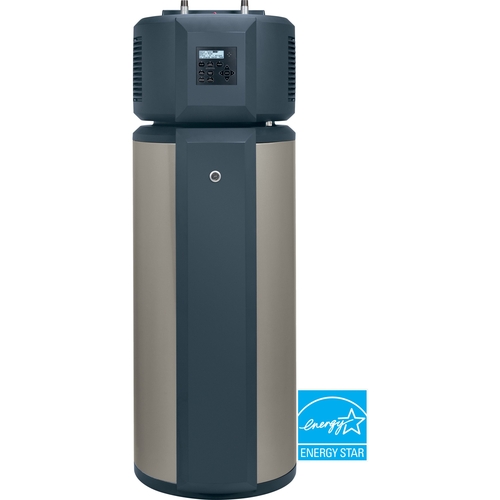
GE GeoSpring 50 Gallon $1250
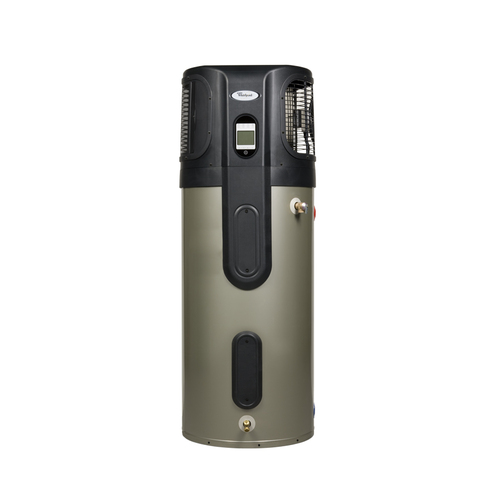
Whirlpool 60 Gallon $1536
Rheem EcoSense 50 Gallon $1300

I got a packet from my power company today.
Now they are offering a $650 energy credit towards heat pump water pumps.
So now I am seriously shopping for one.
Any new input?
GE GeoSpring 50 Gallon $1250
Whirlpool 60 Gallon $1536
Rheem EcoSense 50 Gallon $1300
cj7365
Well-known member
Has anyone compared the Heap Pump Water heater and an tankless water heater, so see which one would be the cheapest to operate???
In this category I like the side arm hp. Reason being, if you loose the tank on the "packaged" units, tank w/hp, do you have to replace the whole thing or can ou simply replace the failed component? What is the cost of the replacement part compared to a standard tank? With the side arm unit you can match it to any standard tank you like.
Last year I spoke of AirGenerate. My friend left the company and I can't recommend them one way or the other, at this point. No new info on them.
Last year I spoke of AirGenerate. My friend left the company and I can't recommend them one way or the other, at this point. No new info on them.
BadgerBoilerMN
Well-known member
Not the same. A mini-split air to air is weather sensitive but very efficient. As most basements are the same temperature given the climate and in a conditioned space, performance will be similar. The problem is with the cost of heating DHW and the return on investment. Again, if you spend $50.00 to heat domestic hot water what part of any savings will finance a fancy electric water heater?
So I have been doing my research... and I have come up with a decision.
My current water heater is a 12 year old A.O. Smith EST-40TJ202172000 40 gallon unit. I seem to be the only one left on the street with the original water heater and A/C compressor.
The water heater has never been maintained or drained or touched for that matter. No maintenance what so ever to be honest. All original.
I am going to go pickup the GE model.

Right now its on sale at Sears for $999.
http://www.sears.com/shc/s/ProductDisplay?productId=42127999&langId=-1&storeId=10153&catalogId=12605&partNumber=04232100000P&mv=sl#specs
My father was a slave at sears for 35 years, so he still gets his employee discount.
So that's good for $100 off.
If he get it at a friends and family sale, he can score another 10%.
So that's $954 with the regular discount, or $848 with the FF discount after 6.5% taxes.
So in a perfect situation, I can pick one up for $850.
Now Orlando Utilities are giving a $650 rebate.
http://www.ouc.com/Libraries/RG_Documents/Residential_Rebate_Form.sflb.ashx
So that leaves me with about $198 out of pocket if I install myself.
My current 40 gallon water heater is rated at 4990 kwh per year.
This GE 50 gallon water heater is rated at 1856 kwh per year.
So that's a power savings of about $341.60 per year.
Out of pocket would be $198 divided by $28.47 per month...
So it would pay itself off in 7 months of use.
So assuming my water heater will die in the next year or two, and the power credit is only good until it runs out, any reason I shouldn't go ahead and buy one?
My current water heater is a 12 year old A.O. Smith EST-40TJ202172000 40 gallon unit. I seem to be the only one left on the street with the original water heater and A/C compressor.
The water heater has never been maintained or drained or touched for that matter. No maintenance what so ever to be honest. All original.
I am going to go pickup the GE model.
Right now its on sale at Sears for $999.
http://www.sears.com/shc/s/ProductDisplay?productId=42127999&langId=-1&storeId=10153&catalogId=12605&partNumber=04232100000P&mv=sl#specs
My father was a slave at sears for 35 years, so he still gets his employee discount.
So that's good for $100 off.
If he get it at a friends and family sale, he can score another 10%.
So that's $954 with the regular discount, or $848 with the FF discount after 6.5% taxes.
So in a perfect situation, I can pick one up for $850.
Now Orlando Utilities are giving a $650 rebate.
http://www.ouc.com/Libraries/RG_Documents/Residential_Rebate_Form.sflb.ashx
So that leaves me with about $198 out of pocket if I install myself.
My current 40 gallon water heater is rated at 4990 kwh per year.
This GE 50 gallon water heater is rated at 1856 kwh per year.
So that's a power savings of about $341.60 per year.
Out of pocket would be $198 divided by $28.47 per month...
So it would pay itself off in 7 months of use.
So assuming my water heater will die in the next year or two, and the power credit is only good until it runs out, any reason I shouldn't go ahead and buy one?
Last edited:
Greatbear
Well-known member
Since you live in a warm climate, you'll benefit well with the HP water heater. With the discounts and credits you are getting a hell of a deal, and you will definitely see a change in your energy bill.
This borders on a You ****.
This borders on a You ****.
On to the planning...
I have a 100" ceiling on the 3rd bay of the garage.
I need 60" for the water heater, and another 14" for the removal of the air filter.
So that gives me a space of about 26" that I want to utilize.
I was thinking of building a small cabinet to set the water heater on.
However, I am now wondering how heavy a water heater will be when its full of water.
Shipping weight is 215 lbs, but net weight is 190 lbs. I have no idea on that part.
So lets just assume water weighs 8.35 lbs per gallon, times 50 gallons....
So its 215 + 417.5 = 632.5 lbs to hold up with my cabinet.
Obviously I can't just use a store bought cabinet, but can I get away with 3/4" plywood on 2x4s or do I need 4x4s and thicker plywood for the top?
Just got me thinking, that's all. Can't waste an inch of space in my tiny garage.
I have a 100" ceiling on the 3rd bay of the garage.
I need 60" for the water heater, and another 14" for the removal of the air filter.
So that gives me a space of about 26" that I want to utilize.
I was thinking of building a small cabinet to set the water heater on.
However, I am now wondering how heavy a water heater will be when its full of water.
Shipping weight is 215 lbs, but net weight is 190 lbs. I have no idea on that part.
So lets just assume water weighs 8.35 lbs per gallon, times 50 gallons....
So its 215 + 417.5 = 632.5 lbs to hold up with my cabinet.
Obviously I can't just use a store bought cabinet, but can I get away with 3/4" plywood on 2x4s or do I need 4x4s and thicker plywood for the top?
Just got me thinking, that's all. Can't waste an inch of space in my tiny garage.
Last edited:
1991Syclone
Well-known member
http://www.lowes.com/SearchCatalogD...Id=10151&N=0&langId=-1&catalogId=10051&rpp=24
Lowes or Home Depot should have a stand that will support it. You could make it, but for the price, I'd buy one and be done with it. This now has me thinking, since I'm over in the Sarasota area these would be good for me too. I'll have to see if FPL has any discounts.
Lowes or Home Depot should have a stand that will support it. You could make it, but for the price, I'd buy one and be done with it. This now has me thinking, since I'm over in the Sarasota area these would be good for me too. I'll have to see if FPL has any discounts.
Those stands must be a yankee thing, no stores in CFL seem to have one.
I will see about special ordering one next time I am at the store.
From what I can tell this is a block grant from the federal government and when its gone, its gone.
I am scrambling to get it all done because the Orange County grants have run out.
I am thinking that this will also cool off the garage a bit, which is a plus for me. My garage is too damned hot as it is.
I will see about special ordering one next time I am at the store.
From what I can tell this is a block grant from the federal government and when its gone, its gone.
I am scrambling to get it all done because the Orange County grants have run out.
I am thinking that this will also cool off the garage a bit, which is a plus for me. My garage is too damned hot as it is.
1991Syclone
Well-known member
Those stands must be a yankee thing, no stores in CFL seem to have one.
I think there are some areas where it's code to have it elevated off the floor, kinda like how they have to strap down gas water heaters in Cali in case of an earthquake.
We're with Florida Power and Light down here, so they may still have some incentives. Also look at the state level. Check out http://www.dsireusa.org/incentives/ for incentives by state.
I like the idea of elevating it, and having a steel frame will make it even better. Will special order it at lowes if they can do that.
I have been meaning to fix up the plumbing connections over there anyways. My pressure relief valve broke on my water heater and I put a new one on about 3 years ago. Never hooked it back up to the drain.

My water heater has a drain line going through the outside wall already.
I am temped to swap the hot water heater with the compressor in my garage to make the lines cleaner.
I have been meaning to fix up the plumbing connections over there anyways. My pressure relief valve broke on my water heater and I put a new one on about 3 years ago. Never hooked it back up to the drain.
My water heater has a drain line going through the outside wall already.
I am temped to swap the hot water heater with the compressor in my garage to make the lines cleaner.
Last edited:
Greatbear
Well-known member
Elevating water heaters is mostly done for gas models, but can be done for electrics as well. A good idea if the area could be prone to flooding or standing water. I cut a circle out of a DRIcore panel to put under mine even though I don't have any water problems. The air can circulate under the panel and the metal is not crunching against the concrete floor. There might even be a slight heat retention savings as well, who knows.
I have no issues with water damage. Its all epoxy flooring, and I just hose it out and scrub it before mopping and waxing it.
I want to elevate it and close in the bottom for storage.
And the higher up the heat exchanger is, the more efficient it will be.
I want to elevate it and close in the bottom for storage.
And the higher up the heat exchanger is, the more efficient it will be.
toyotadriver
Well-known member
- Joined
- Dec 30, 2010
- Messages
- 1,586
I installed one of these water heaters last Oct. I got the GE model. I've been pretty happy with it. Saw a bit of a electric bill drop....probably $20 per month. I have mine mounted in the garage. During the summer, it should make it MUCH more efficient to use. We have ours set so that the water runs into the heat pump water heater first and then into another electric water heater. The second water heater is inside and only runs when we use a LOT of water...like when we do dishes, laundry, and the wife takes a bath and I take a shower. Our old 50 gallon water heater used to run out of water under heavy use but now we NEVER run out of hot water. Looking forward to seeing what happens with the electric bill in the summer.
fghdftyrui
New member
- Joined
- Mar 15, 2012
- Messages
- 1

Heat pump water heaters (HPWH) work using the same premise as any heat pump. Heat pumps transfer heat from one zone to another and most achieve efficiency factors (EF) of 2 to 3. Heat pumps gain their efficiency by using electricity to move heat versus using the electricity to create it.
Dad faxed over the receipt.
Total comes out to $714.70 for the water heater after taxes.
Not sure how he did that to be honest, but they are having an appliance sale.
Whatever, so that means its going to be $714.70-$650 for a grand total of $64.70.
I am not sure how that is even possible, but I am filing the paperwork now to get the energy credit.
Total comes out to $714.70 for the water heater after taxes.
Not sure how he did that to be honest, but they are having an appliance sale.
Whatever, so that means its going to be $714.70-$650 for a grand total of $64.70.
I am not sure how that is even possible, but I am filing the paperwork now to get the energy credit.