I’m a long time lurker first time poster, I have a few questions I would like to ask please
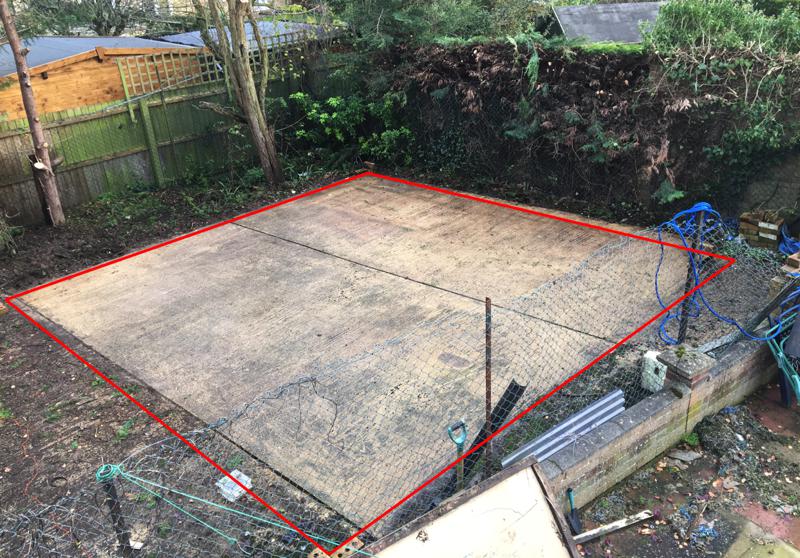
I’m planing on building my own timber garage come workshop, I already have a large concrete pad to build this garage on,
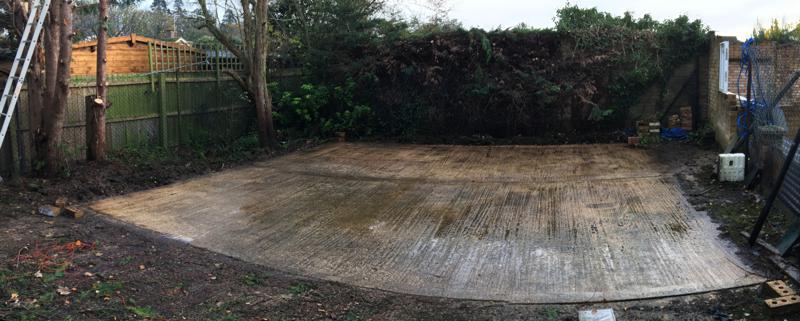
red line mark’s approx spot
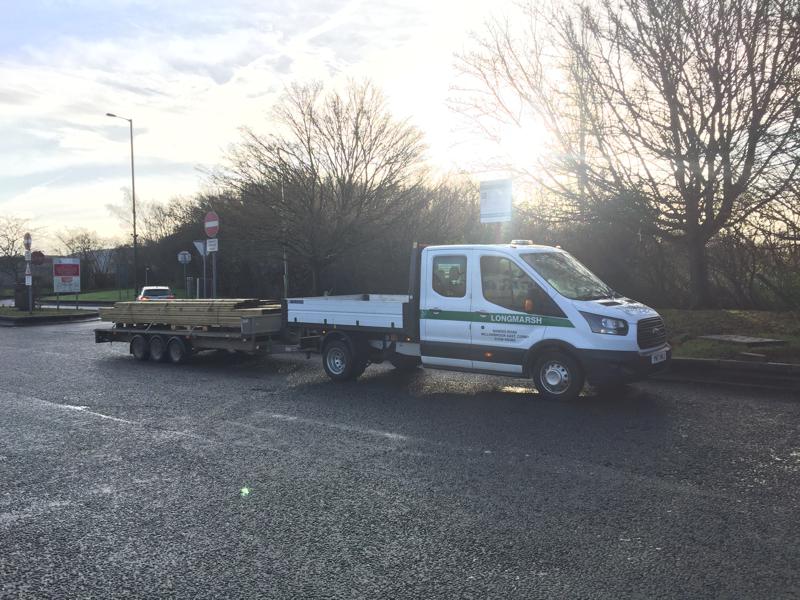
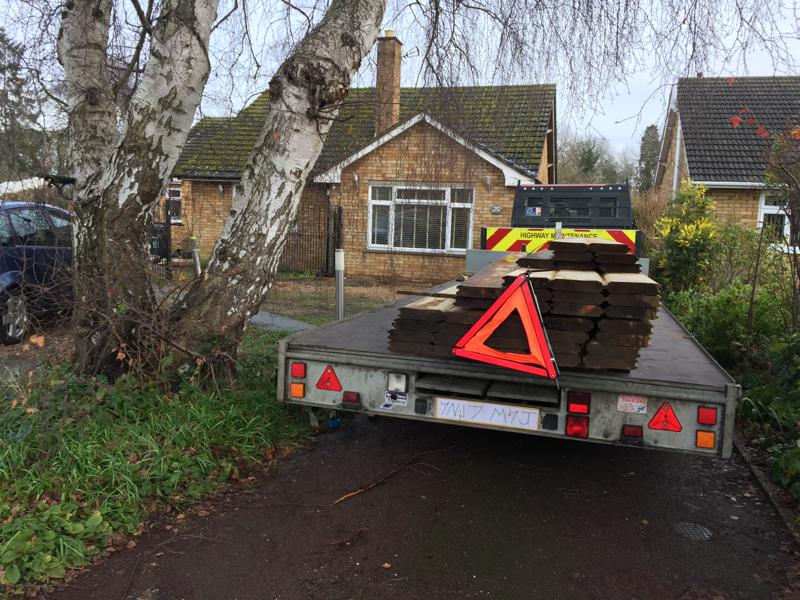
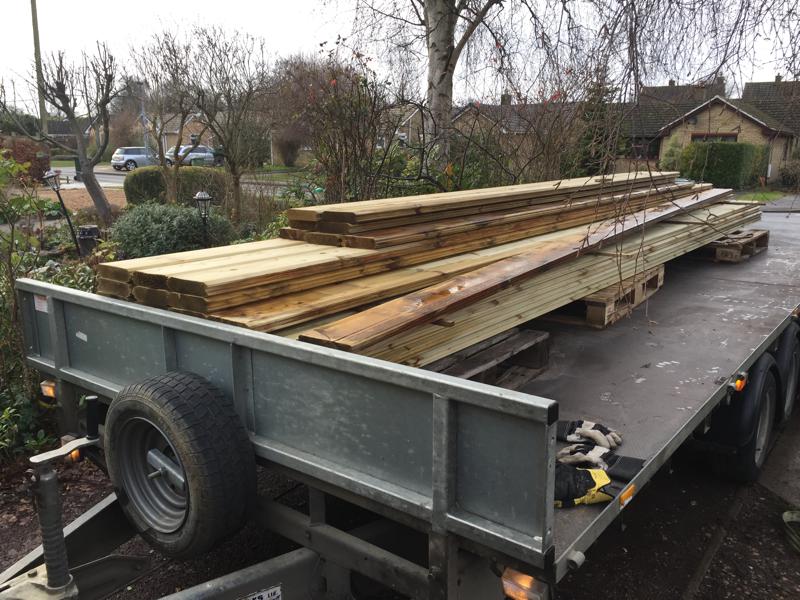
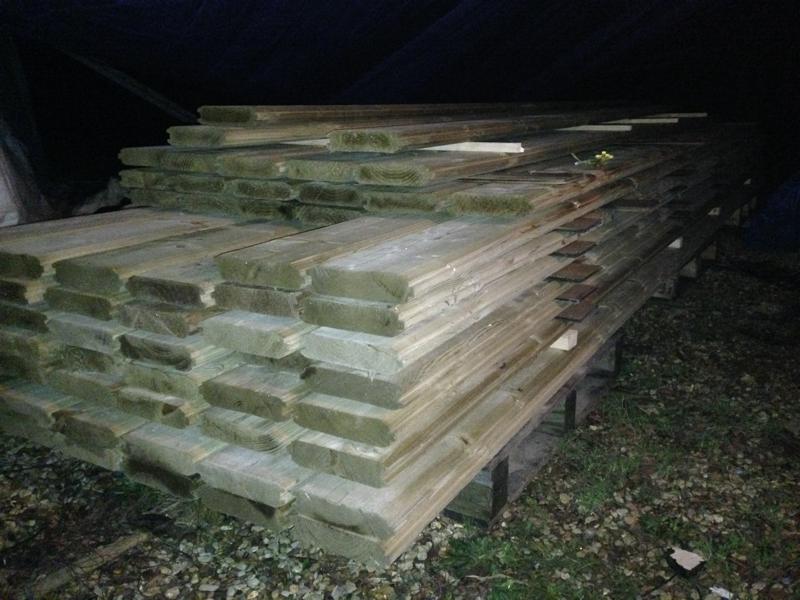
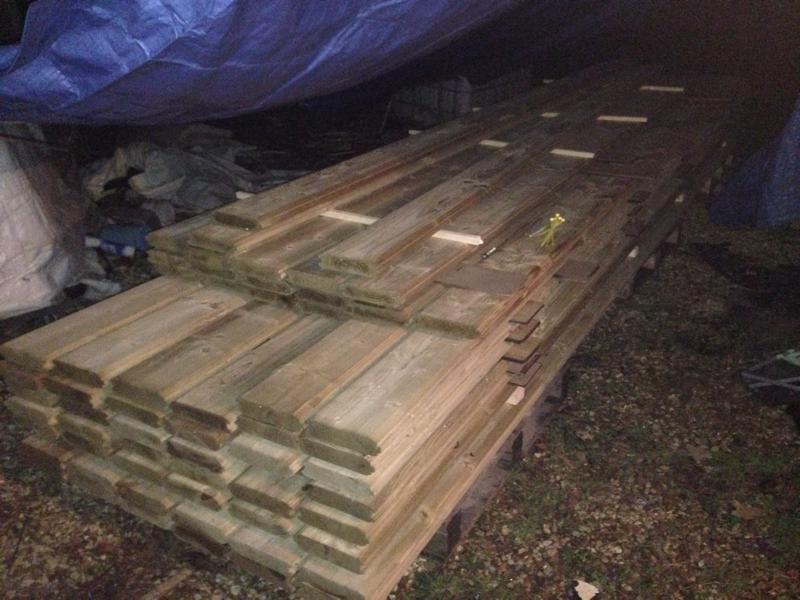
I bought my timber called “Dung boarding” or sometimes “Dung walling” farmers use it a lot and is/was a lot cheaper then buying a ready made log garage,
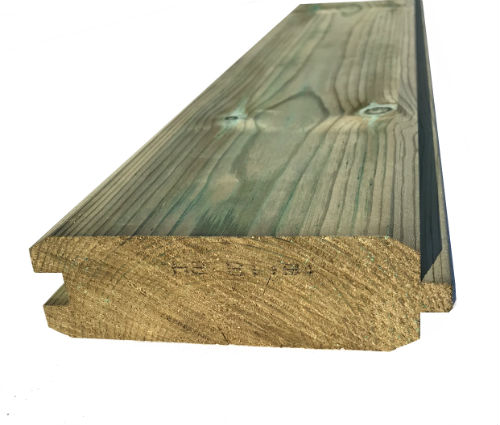
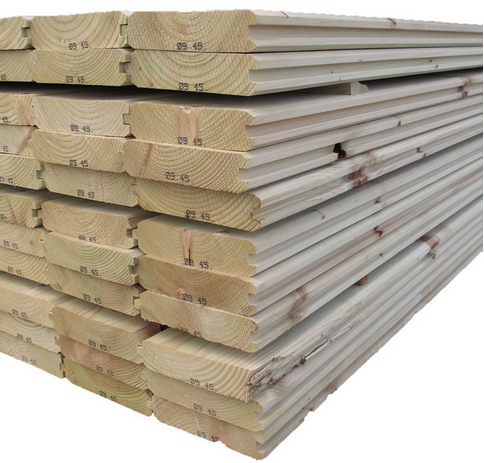
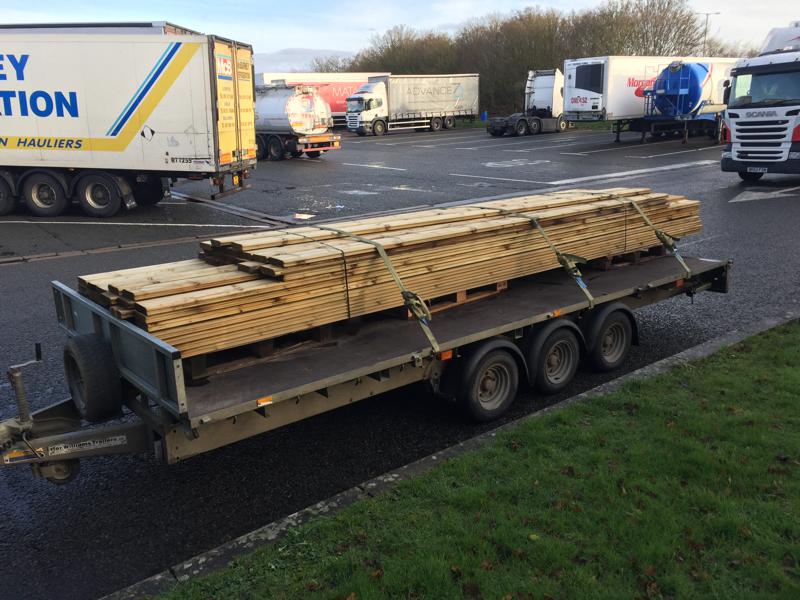
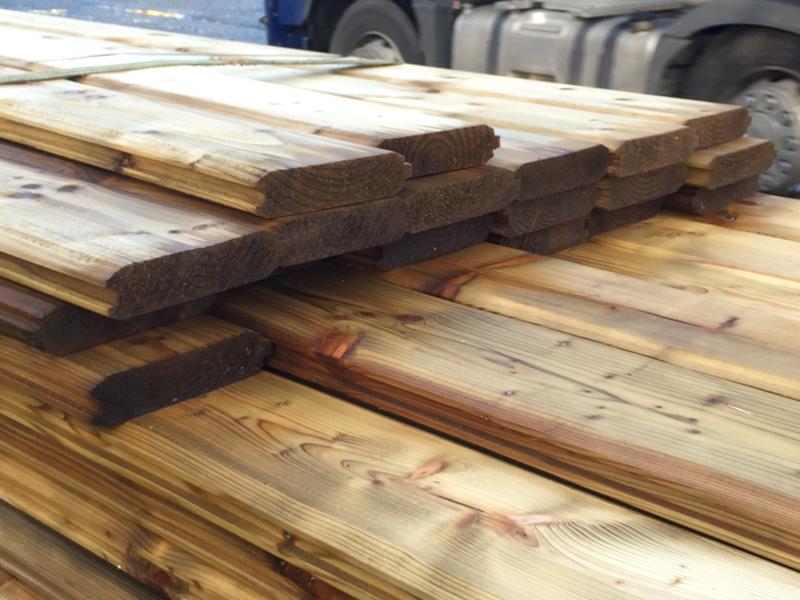
this timber should be enough to build the walls and for the joists, I’ll be buying the timber for the roof and doors as I need them as I’m restricted has to how much timber I can keep sheltered from the rain
the main reason for not taking the ready made route was the size was either too small or too large but nothing in the 6M x 5M / 6MxM range plus the cost I thought was way over what I could get it done for myself if bought the timber individually
this is my home drawn plan (a copy of what I saw on the internet),but to my size
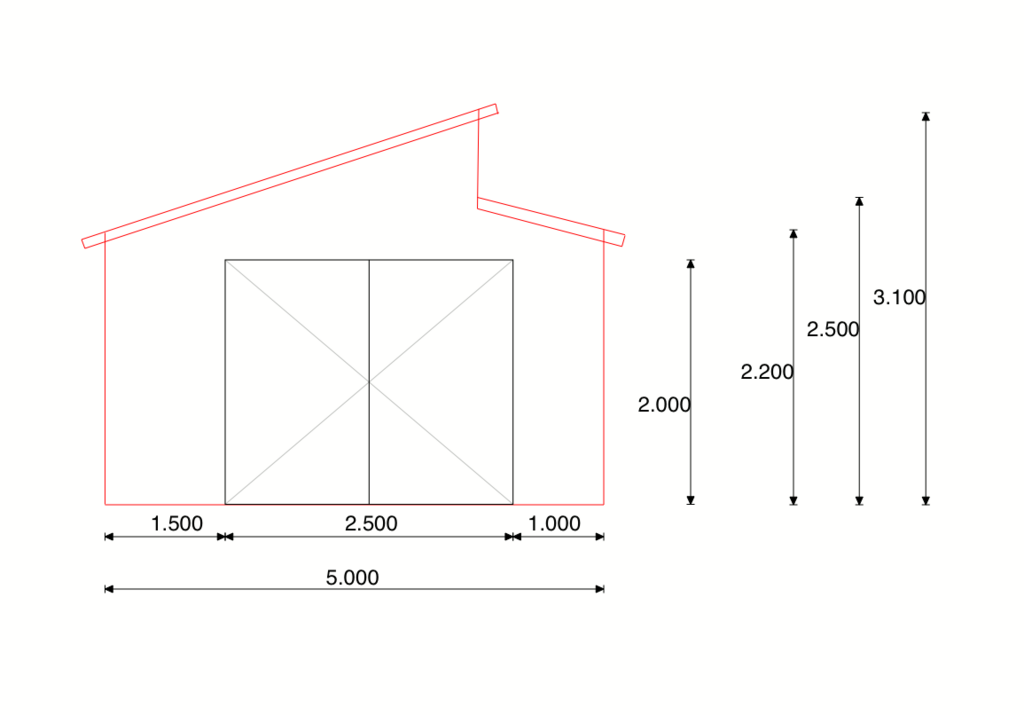
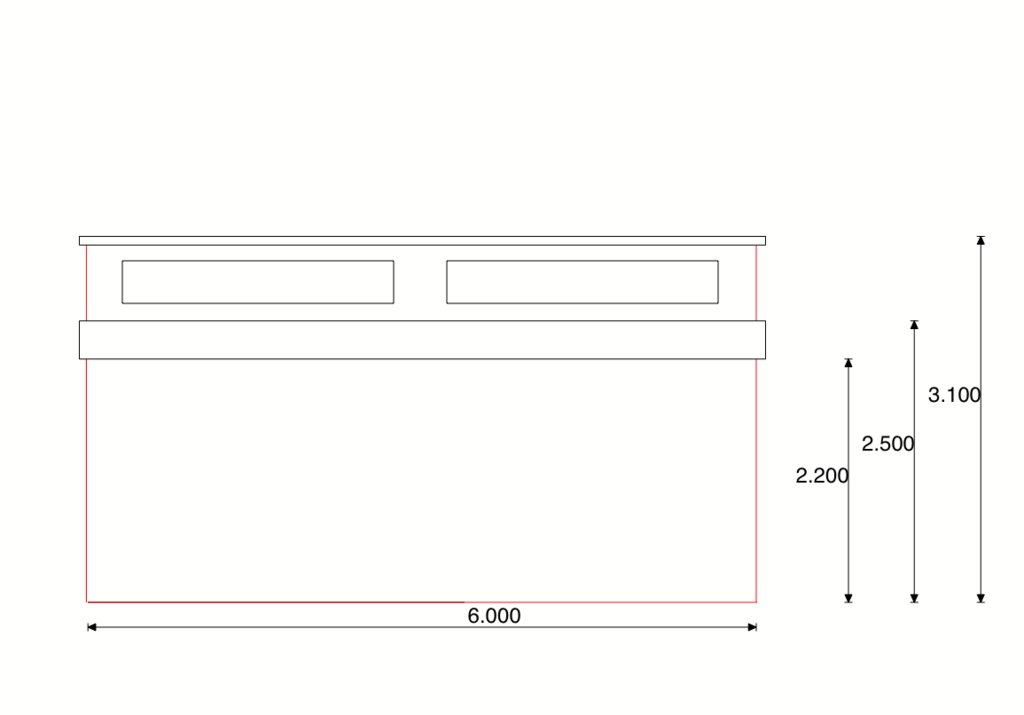
a copy from one of these
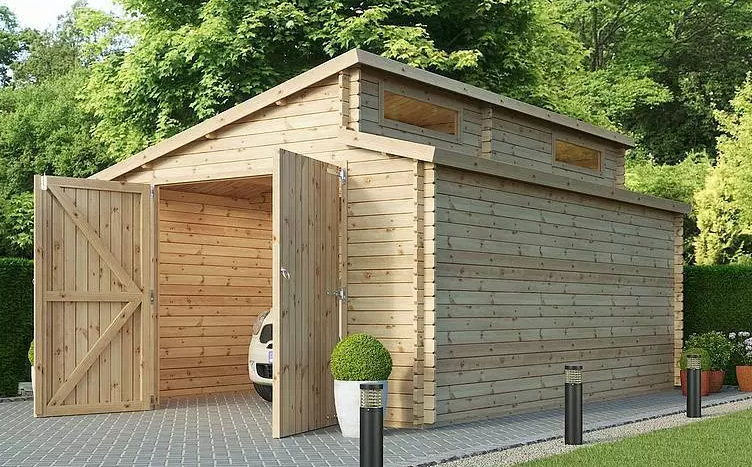
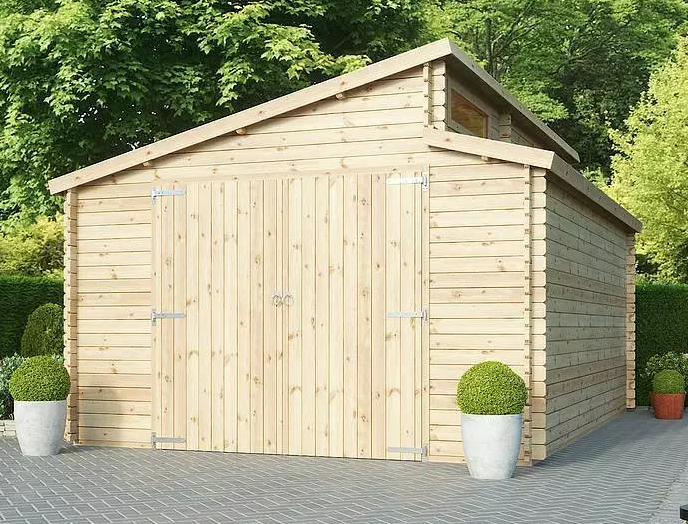
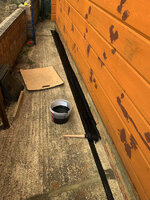
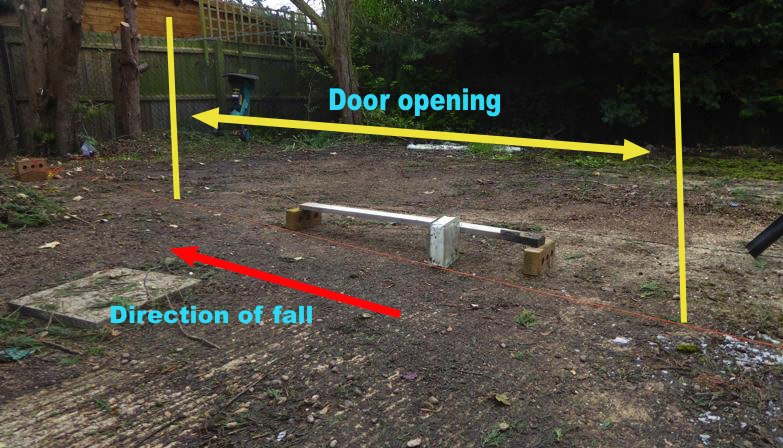
when I had the concrete laid I had it with a slight fall to one side, approximately 70mm drop in 6M
I don’t it to be a good idea to be laying the dung walling timber straight on to the concrete pad even though the timber has been tanalised/ preservative treated.
so two things here, I thinking having a 70mm fall in 6M is a bit on the large side, the fall won’t be running in to the doors but across it as in image 1, an I right in this fall needs levelling?
if so what is the easiest (and maybe the most cost effective) way for a non professional builder like myself to tempt this?
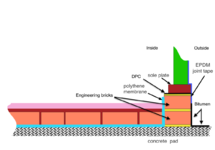
I was planing on laying a corse or two of red engineering bricks as a form of damp proof but I’ll still be having the issue of the fall to sort out, I don’t think I could make up 70mm in two cross of brickwork.
One method that had crossed my mind was to lay a concrete strip covering the garage footprint there by killing to birds with one stone in that this rated concrete will act as a platform for the timber wall and also having the top level, overcoming the 70mm drop
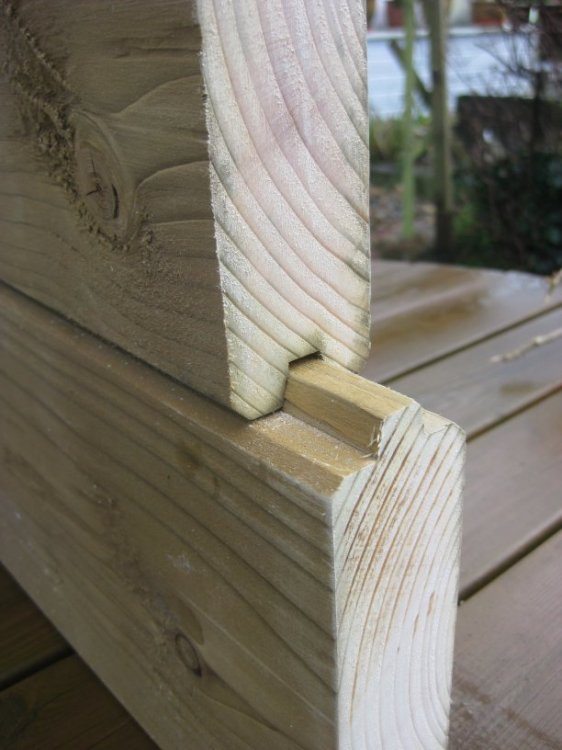
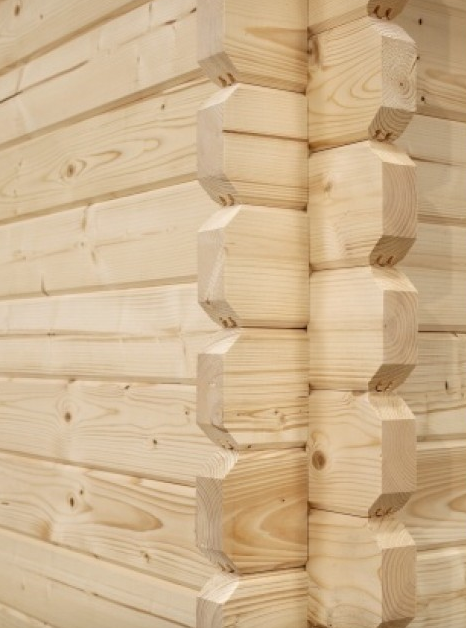
now for the other question, the pre-fab’s have the ends notched to interlock the timbers
like this:
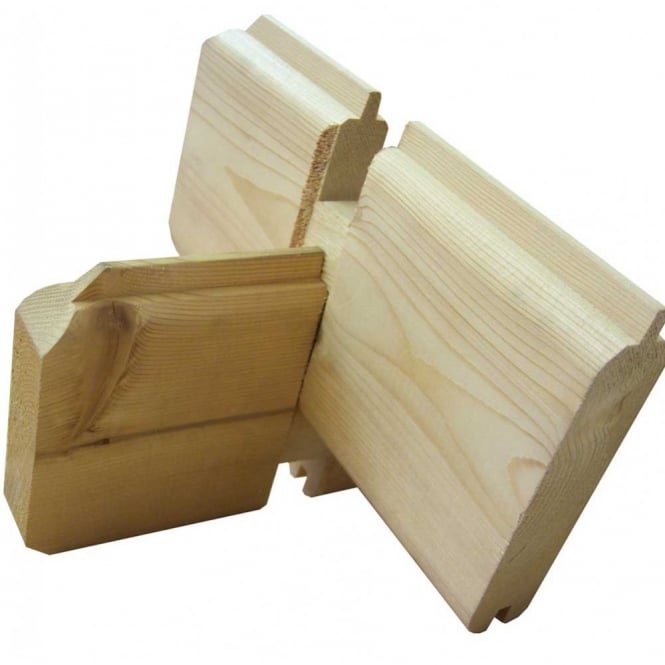
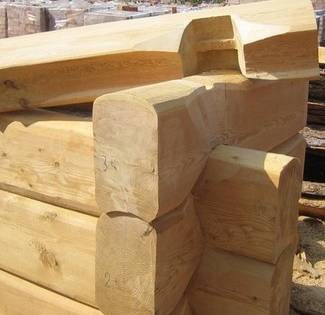
and seen even where only the bottom of one timber plank is notched. something like this one
I’ve seen these kind of corner timber posts, not sure how stable these are
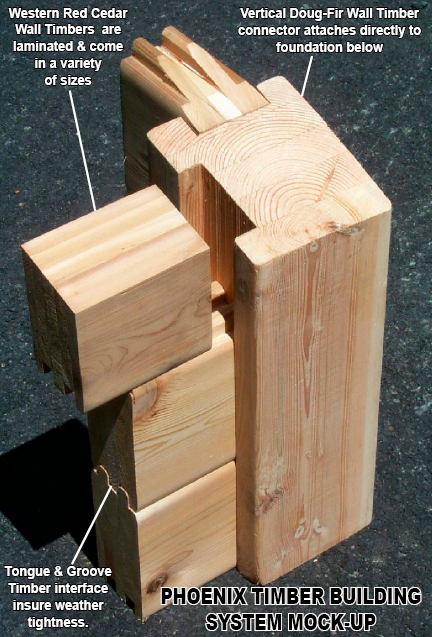
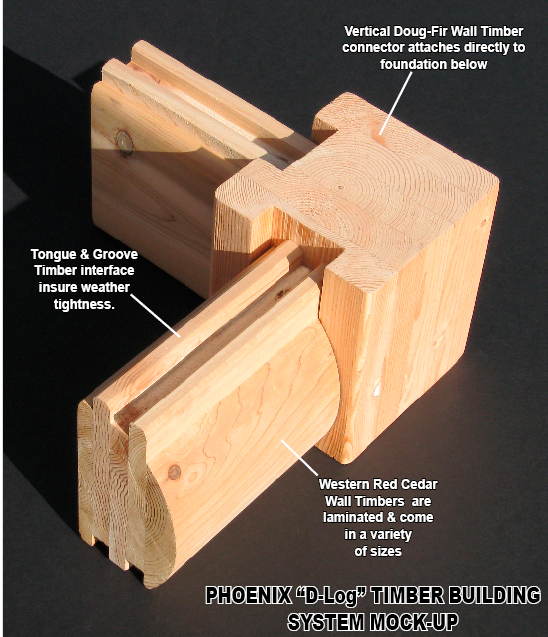
I will be phoning around to see if there are any carpenters that would come to my home to do this notching, but I’m sure it’s either going to cost me as much as the timber or there’s not going to be much consistency to the notched to interlock so looking for other alternatives to notching really
any help, tips or opinions, good or bad very much appreciated