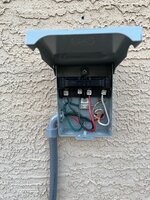
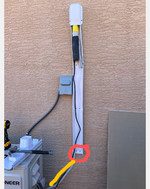
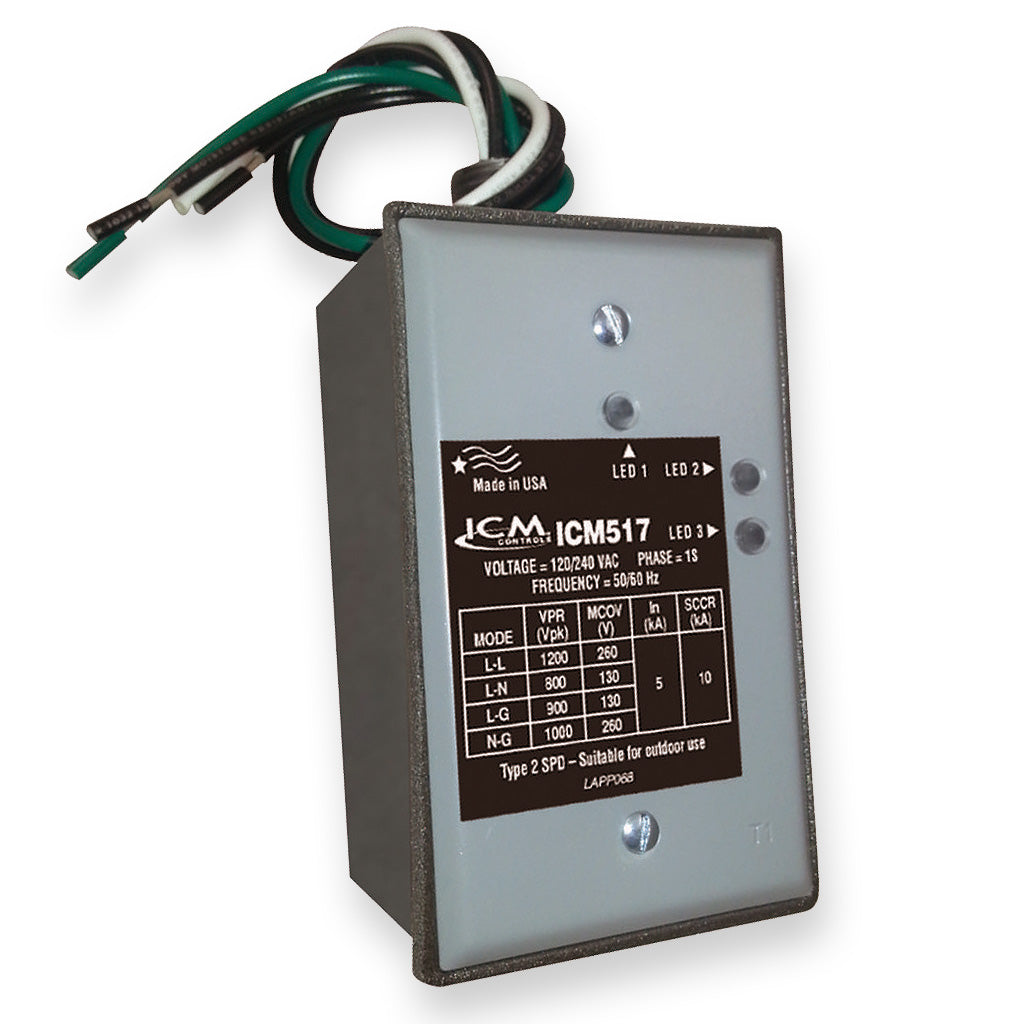
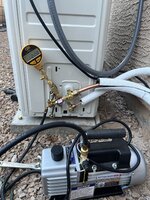
As to placement, the closer to the item to protect the better. Personally I just used MOVs and transorbs purchased on Ebay for a few bucks . If you have no experience with individual components just get the Pioneer surge protector and mount at the disconnect.
"I have surge units on all my a/c's as well as in my panels. The more the merrier."
Same here.
As to the question as to a minisplit need for surge protection. Most devices with electronics are not protected well, if any from surges/spikes, lightning EMF. If protected with some surge protection generally they have some
minimal surge component just to cover their warranty liability. As pointed out by Mike, the more the better.
As to why surge protection closest to the minisplit is best, if lightning EMF (electromotive force) forms on the power lines (including the ground wire) to the device the pulse is traveling both ways, to the device and to the main breaker panel. A surge protector at the breaker panel is not going to help much as the pulse will reach the minisplit before the EMF surge reaches the surge protection device at the breaker panel. If the surge or EMF is coming from the street side of the main breaker box, then a surge protector at the breaker box would help protect minisplits. That said, if you get a very close lightning hit, the EMF could induce a current pulse which no surge protector will take care of.

"I don’t have surge protectors on my main house heat pumps and they have been on the house 20+ years. Is it mini splits are more sensitive?"
Actually the new heat pumps have far more electronics than the older technology, so yes they are more susceptible to power line anomalies and lightning issues.
ANYTHING with electronics is more susceptible.