Question:
What is the height of your truss at the top plate?
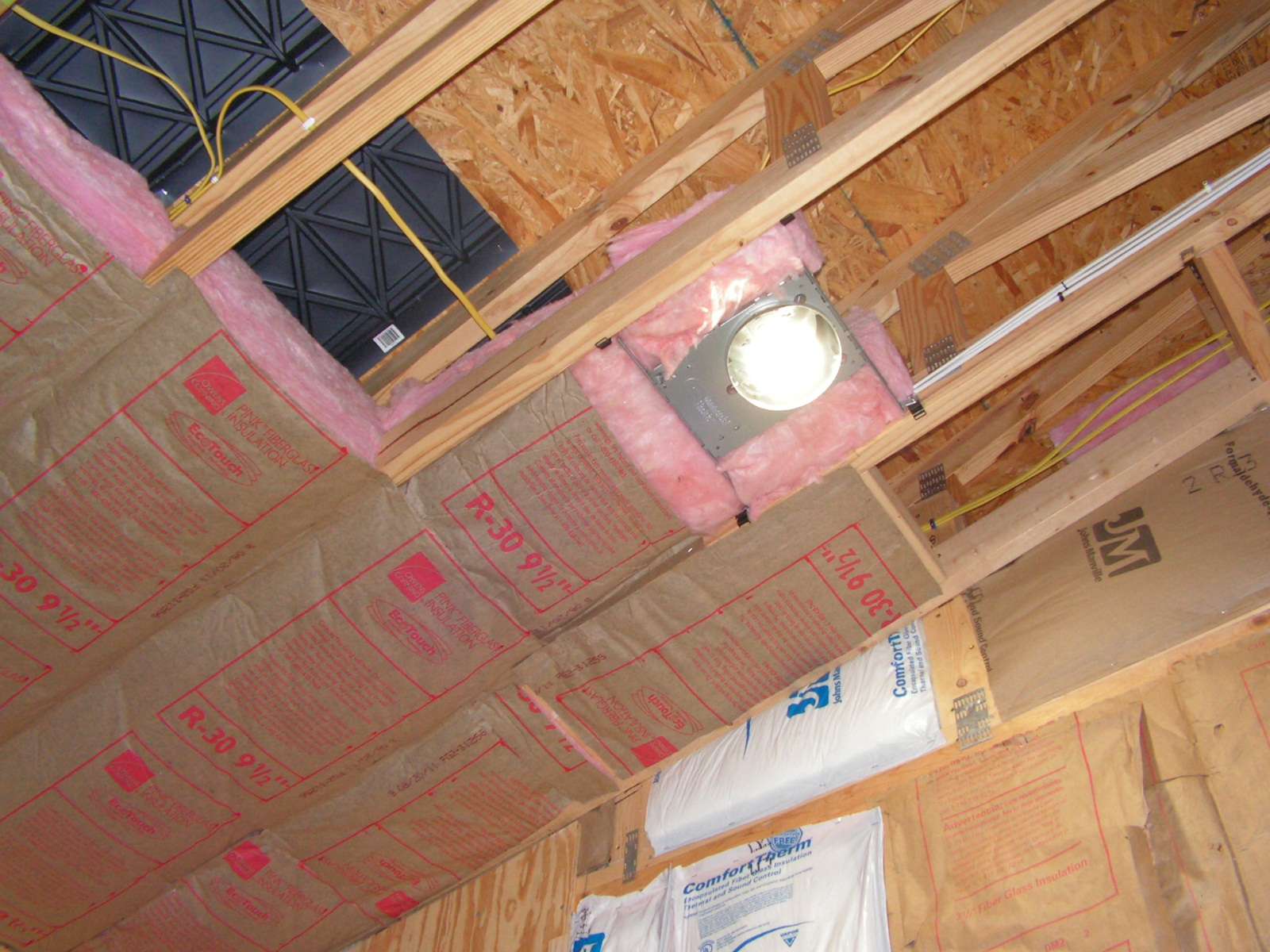
If it is anything less than 10.5" then you should not be using 9.5" thick insulation in that area. The insulation thickness should be reduced in those areas to 1 inch less than the height. This will do a couple things for you: it will ensure the material is not compressed (fiberglass requires full loft to perform to spec), and it will ensure the plastic rafter baffles are not crushed against the roof deck.
As I found out AFTER I started, a "raised heel" scissor truss is the way to go if you want to try to maintain R30 or higher throughout the ceiling envelope. Normal scissor truss usually gets too short at the gable ends to use much more than R19 without risking the above stuff.
The roof insulation absolutely, positively MUST completely cover the top plate of the wall, or go slightly past it. If it does not, moisture and mold is very likely to develop inside the walls per the EPA and department of energy's website (great resource for insulation advice btw). It looks as if you're getting that done?
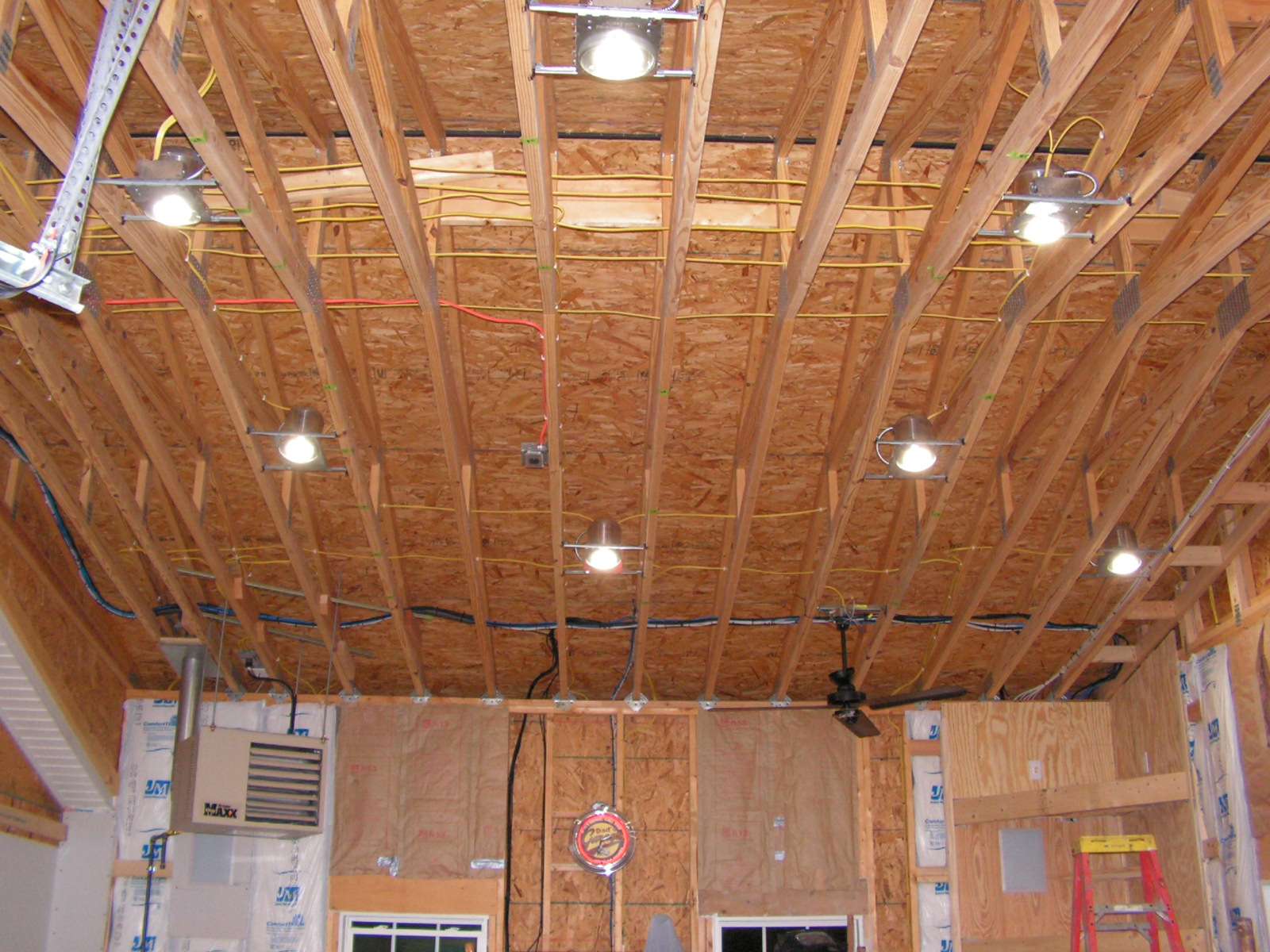
My own scissor trusses were maybe 8" or so tall at the top plate, so I used thinner R19 for the first few feet from the soffits. After that when there was enough space without compressing the batts, I switched to thicker R38. There's no ego driving my comments/I'm not saying that is "better", I am no professional, but I do know for sure there will be good airflow and that the batts were not compressed at all so it made more sense at the time.
If you staple the kraft paper to the insides of the lumber instead of on the bottom face throughout, the odds of the ceiling being straight/not wavy are better. And there will be fewer holes poked in the kraft vapor retarder, which should give you better performance. Might be worth considering.
Looks like you're doing a real good job and I would not want to make discouraging comments, only intended to help and nothing more.
Here is mine:
http://garagejournal.com/forum/attachment.php?attachmentid=136790&d=1316738912