I benefited from the useful info in this thread and am contributing a description of what I ended up doing in case others are interested.
I first consulted the master electrician who performed my "heavy up" a few years ago. I want the flexibility to supply any branch circuit but was told a subpanel would likely be required because an inspector would fail any installation involving a generator of insufficient size to power every conceivable load. Even ignoring the cost of such a ridiculously large generator, a professionally installed transfer switch (such as the
Transconnect) was well beyond my $2K budget, so I decided to tackle it myself and power both load centers via interlocked breakers as legitimized
here.
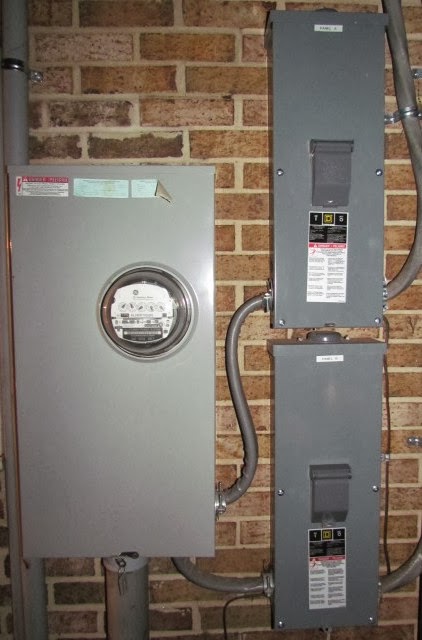
With my 400 amp service, the neutrals are bonded to a ground shared by the two 200 amp exterior disconnects, each of which power a separate 200 amp interior load center.
I installed a
TED 5002 to monitor my energy usage and confirmed that 15KW would suffice.
I installed two
Square D QOCGK2C interlock kits and two 50 amp double-pole breakers to occupy spaces 2 and 4 of each panel.
I used
3/4 in. Flex Aluminum Conduit and
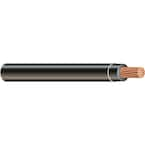
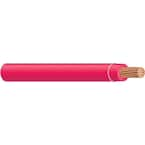
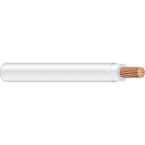
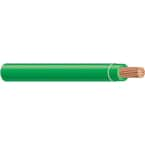
8 gauge THHN wire (rated for 50 amps and much easier to work with than Romex 6/3 with ground).
I also used EMT to go through the wall.
As discussed at length in
this thread, a single inlet box would create a permanent parallel neutral path.

The secondary path would be sized for the generator and not for the utility so could be dangerous in the event of a primary neutral fault.

I opted to go with two inlet boxes as suggested earlier in this thread:
i thought of another more affordable option: you could install an interlock kit in each panel and give each panel its own inlet. Then you have the option of using two generators, or one generator with a Y cable. (you wouldnt want the Y cable connected when on utility power due to the bridging neutral situation)
The Y cable would not be installed unless the generator was connected and operating. With other proposed installations, the neutral connection would remain (both panels to where the generator connected) and this would be a permanent secondary neutral tie between the two panels, which you do not want.
And yes, the primary neutral is still connected, even with the Y cable, so in effect, the original primary neutral becomes the secondary neutral tie between panels when the genny is connected and up and running, but this is not so bad a situation as the original primary neutral is much heavier than the Y cable neutral.
A
Coleman Cable 50 amp Y adapter routes power to two
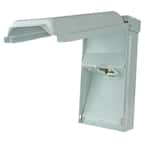
GE 50 Amp Twist Lock Power Inlets (larger and more robust than the popular
Reliance Controls PB50).
A
Conntek 1450SS2-15 Temporary Power Cord with NEMA 14-50P Generator Plug to CS6364 Locking Connector is used to connect a
15KW PTO generator.
The PTO generator takes advantage of the 37hp diesel engine that we already maintain with regular use of our tractor, providing considerable power and confidence that it will work when needed, even if we haven't had an outage for years. We are also able to drive that "genset" to wherever we need electricity on our property or adjacent farms or even a neighbor's house if they have a more desperate need. There will be times during an outage when we may require use of the tractor for other things (plowing out, moving trees, etc.), but not anything that would take long enough to significantly impact comfort, spoil food, jeopardize livestock, etc.
Anyway, this approach worked for me. YMMV