I decided to install a rekluse clutch into my cr500, the only problem was they do not make the model clutch I wanted for that bike. They do make one that will fit (mostly) however the clutch wedges are too light for proper lockup. The biggest hurdle (or so I thoughtat the time) was the lack of an available (deeper) clutch cover from the recluse company that would fit thecr 500. I knew I needed to fabricate one for the project to actually move forward. Unfortunately making one took a back seat to a bunch of other things and the project just sat collecting dust.
Fortunately that gave me time to become familiar with the principals behind its operation and better understand the requirements for it to work on a 500.
measurements from the exp clutch "ring":
Total wedge weight 159g (factory heavy wedges)
wedge spacing diameter (centers) min 124mm, max 131mm
ramp angle 18.5 deg
opposition spring force (not measured)
engine parameters
primary reduction 2.52:1
idle RPM 1500 rpm
F<sub>c</sub> = m v<sup>2</sup>/r
= m (n 2 ? r / 60)<sup>2</sup>/r
= 0.01097 m r n<sup>2</sup>
where
n = revolution per minute
Or in this case
.01097*m*r*(n*n)
m = .0159kg
r = .062m
rpm = 595
.01097*.0159*.062*(595*595) = 38.3N
Which lead me to wonder how one would calculate how much torque a clutch could theoretically hold (hello unform wear theory)
Uniform wear theory
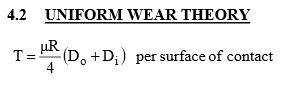
Once I had that I was able to put together a spreadsheet to play around with the clutch parameters

With that done I came to the conclusion that the factory "heavy" wedges were going to slip too much at low RPM. I needed more weight in the wedges but being somewhat limited on space the only viable method in adding mass was to use a more dense material. I had wanted to use a machinable tungsten but it was deemed too expensive. The next best option I could think of was using bronze or brass and making them slightly larger.
I picked up a brass "drop" from ebay for $7 and started machining
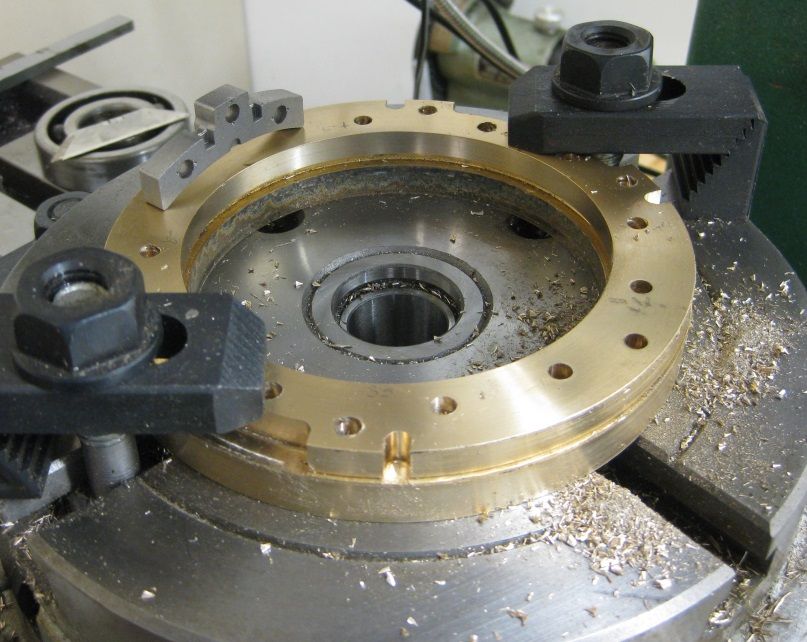
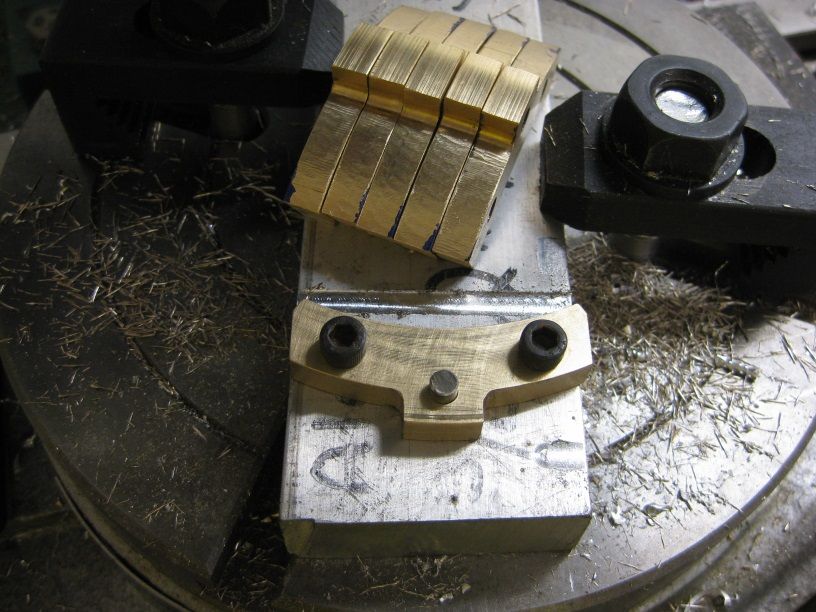
custom wedge finished on top, the original wedge on the bottom
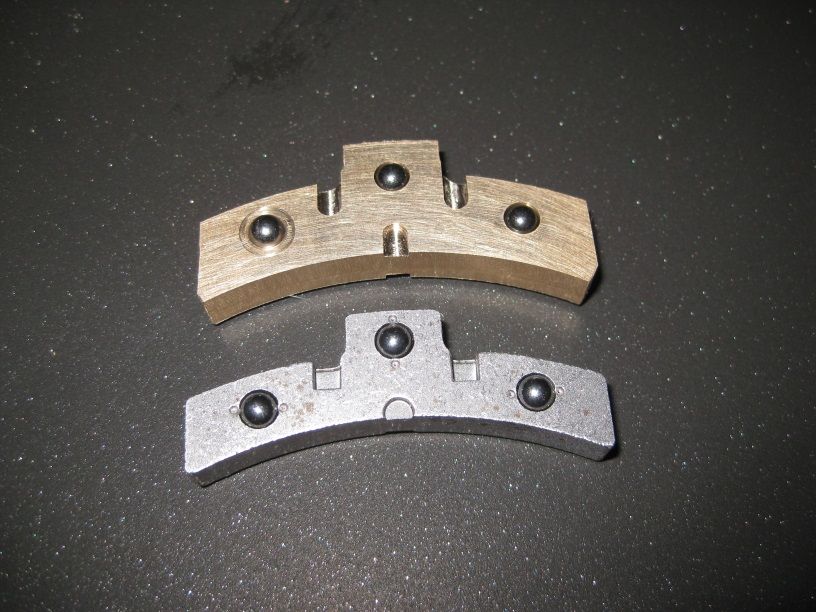
Once they were finished I weighed them and plugged the numbers into my spreadsheet.
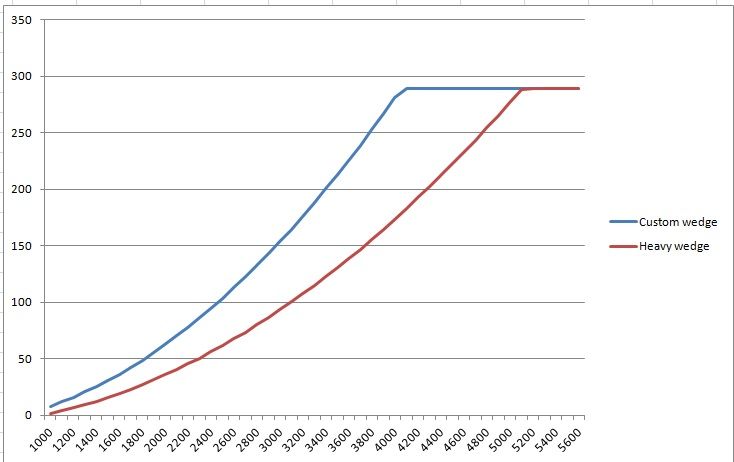
Installed in exp ring


With that done i still needed to make the clutch cover. So i ordered a chunk of aluminum and got started machining it to fit.
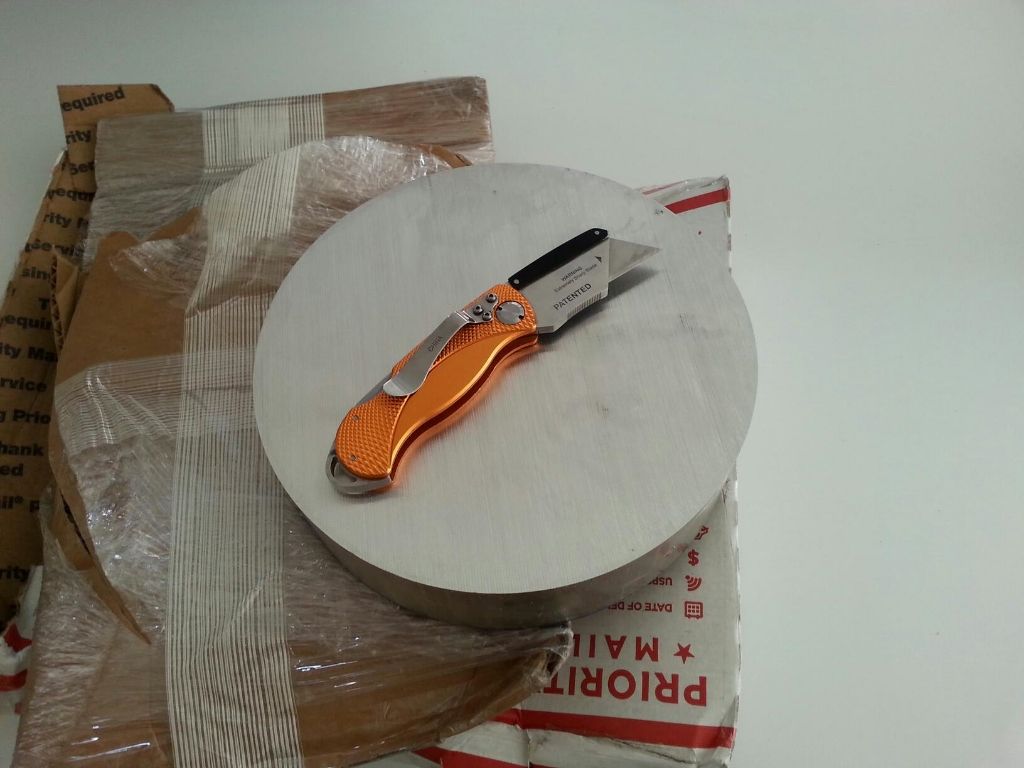


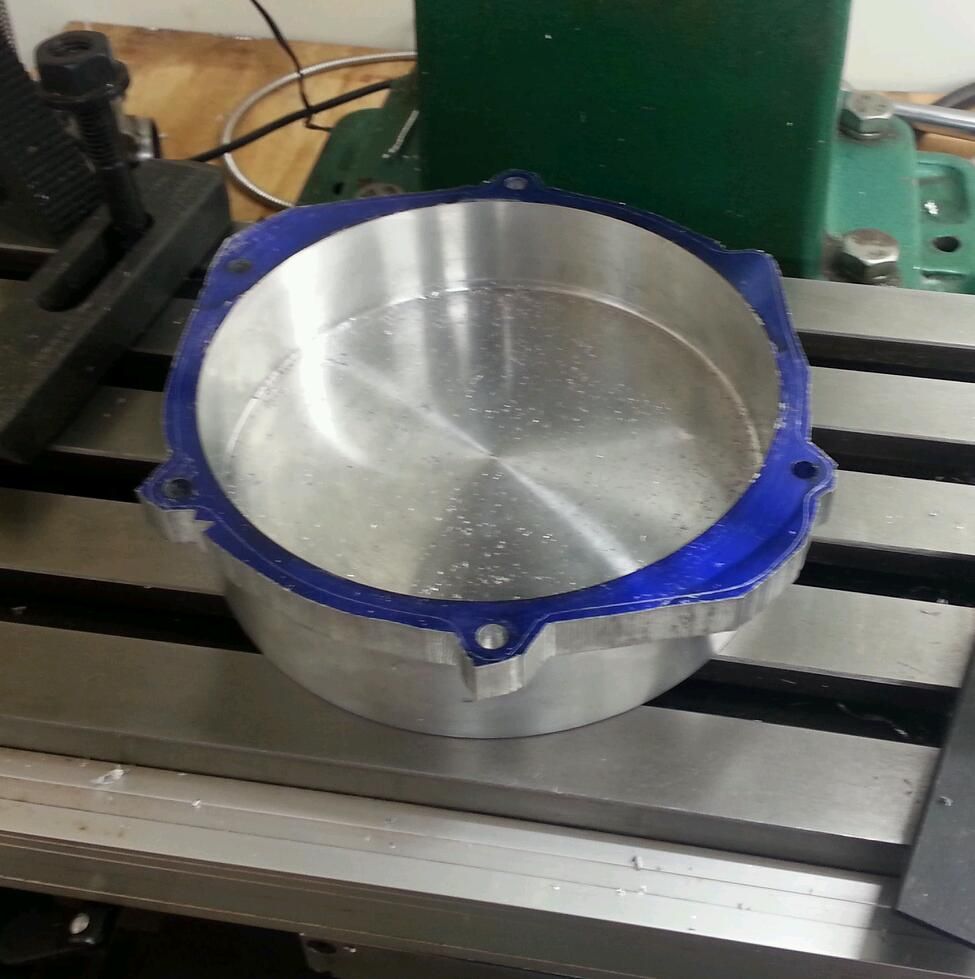
after final machining
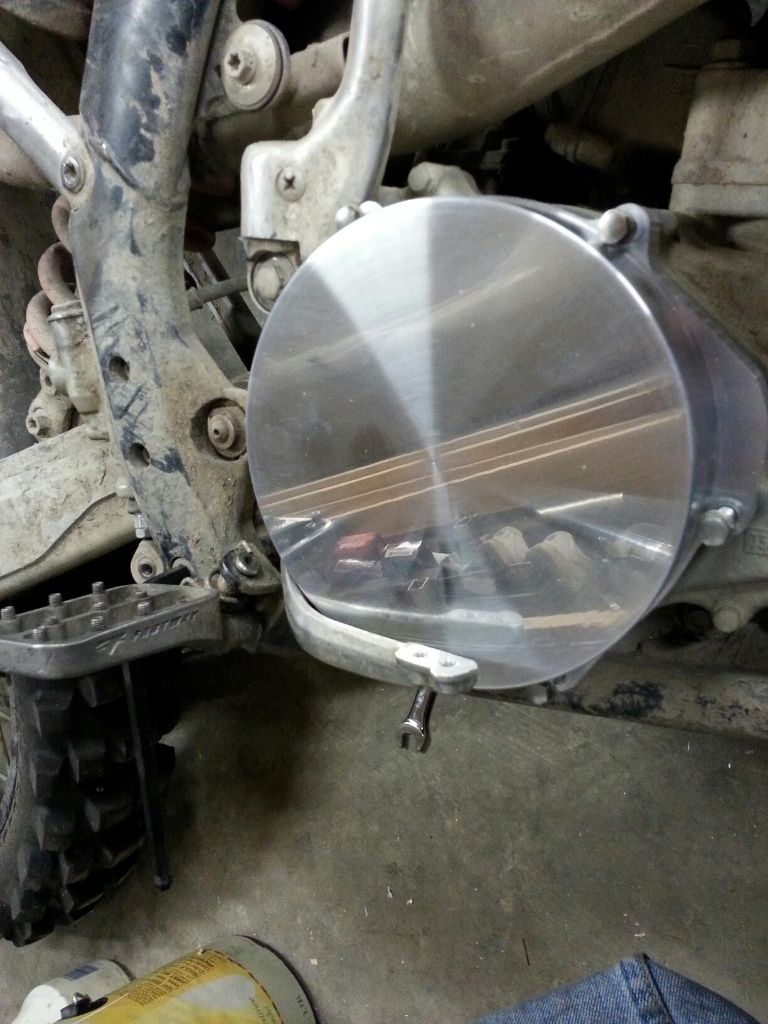
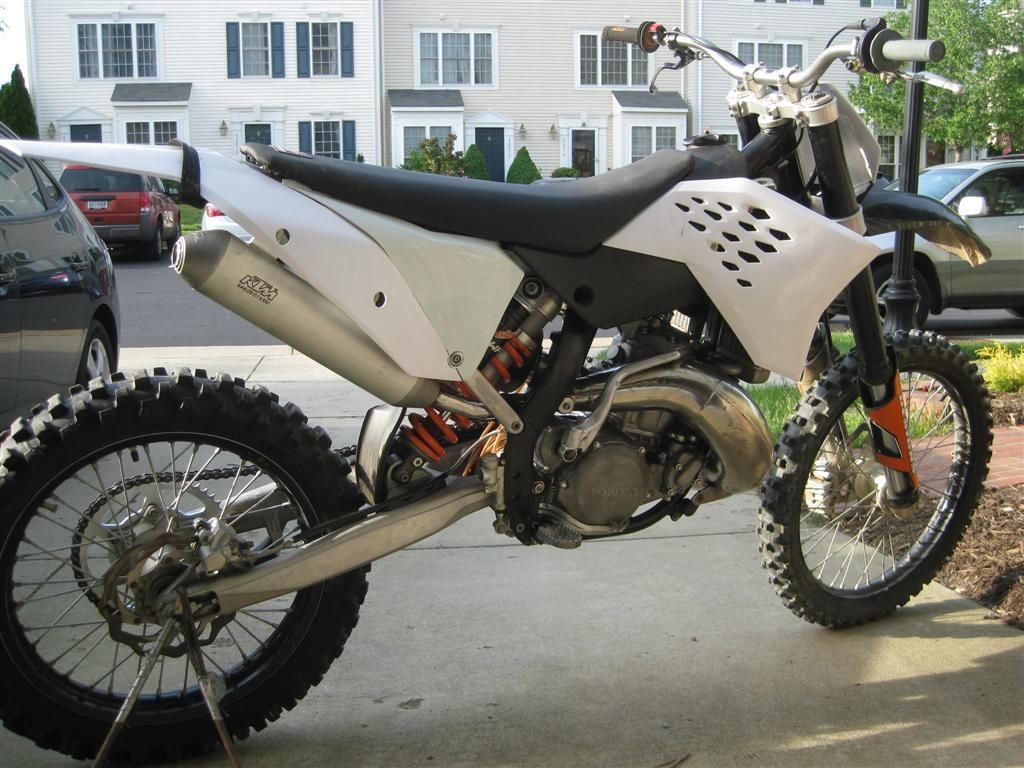
and with the cover finished, the clutch installed and after a test ride.











 Thanks.







 yeah a bit


