AI Overview
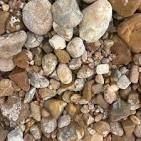
For a septic system, you should generally use clean, washed rock specifically designed for leach fields or drain fields. This type of rock, often called "septic rock" or "leach rock", is typically 1-2 inches in diameter and allows for proper water flow and drainage, while also preventing the soil from compacting. Clean road rock, while potentially suitable for some drainage purposes, may not be ideal for a septic system due to its composition and potential for clumping or compacting, which can hinder water filtration.
Here's a more detailed breakdown:
Septic Rock/Leach Rock:
- Composition: Washed, clean rock, typically 1-2 inches in diameter.
- Purpose: Designed for septic system leach fields to facilitate drainage and prevent soil compaction.
- Benefits: Allows water to filter through the voids between rocks and into the soil, preventing pooling and potential system failure.
Clean Road Rock:
- Composition:
Can vary, but generally consists of larger, angular rocks with minimal fines (small particles).
- Purpose:
Can be used for various drainage applications, including driveways, French drains, and erosion control.
- Potential Issues for Septic Systems:
May not be ideal for septic systems as it can compact over time, especially if it contains fines, and may not allow for optimal drainage.
Why septic rock is preferred:
- Drainage:
The larger size and rounded or angular shape of septic rock allow for better water flow and filtration compared to finer materials that might compact.
- Soil Protection:
Prevents the soil from compacting, which can hinder the septic system's ability to properly filter wastewater.
- Longevity:
Septic rock is chosen for its durability and ability to withstand the pressures of the soil and system without breaking down.
In summary: While clean road rock can be used in some drainage applications, septic systems require a specific type of rock designed for optimal drainage and soil protection, making septic rock the preferred choice.

