woodstockva - In that second video, you mention the caveat "as long as you use the correct size fastener" multiple times. What exactly do you mean by that?
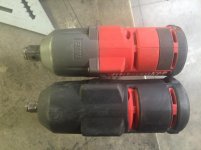
Well, I specifically asked Milwaukee "how did you achieve the 100 ft-lbs rating that you are claiming", and they talked to the engineers that made that particular tool & found that it was when they tested it with a 5/8" coarse thread grade 8 bolt.....which is the exact bolt I used in my video.
The problem was (prior to me making this video), that no one thought it would make more than 40 ft-lbs or so of torque. Even when people called the customer service hotline, the reps supposedly said it wouldnt make that much. I figured since they claimed it, then they must have done some testing to back it up in case they got sued.
If someone is using it in mode one to tighten smaller lug nuts (for example), it will not tigheten them to 100 ft-lbs. That would be the ideal use when you see that rating advertised in my opinion. However, if they bumped this up & people just hammered on it until it stopped....most likely you would end up with stripped studs & ruined lugnuts. So, they had to make the choice to prevent accidental damage & I think it was a smart move.
So, to answer your question....the reason I said "if you use the correct sized fastener", is that this test cannot be replicated unless you are using the same bolt & thread pitch that I used.
For the record, it would NOT remove the bolt torqued to 105 ft-lbs.....so they are dead on with their claims. I find that Milwaukee either meets or exceeds ALL torque claims with their products, where other manufacturers sometimes have a fairly creative imagination when it comes to the abilities of their tools.