To avoid these ads, REGISTER NOW!

MP&C Shop Projects

To avoid these ads, REGISTER NOW!
Joined
May 16, 2014
Messages
7
If it works for Robert, surely it will work for me.

Right? Hopefully? Maybe? NO!!!!!

Robert talks about using a flattened drill bit to clean EPOXY PRIMER (emphasis mine) to prep for a plug weld. Well, haven't yet made a flattened drill bit so sat there and scraped the receiving end of several plug welds clean with a jewelers screw driver. Got everything well and nicely cleaned.

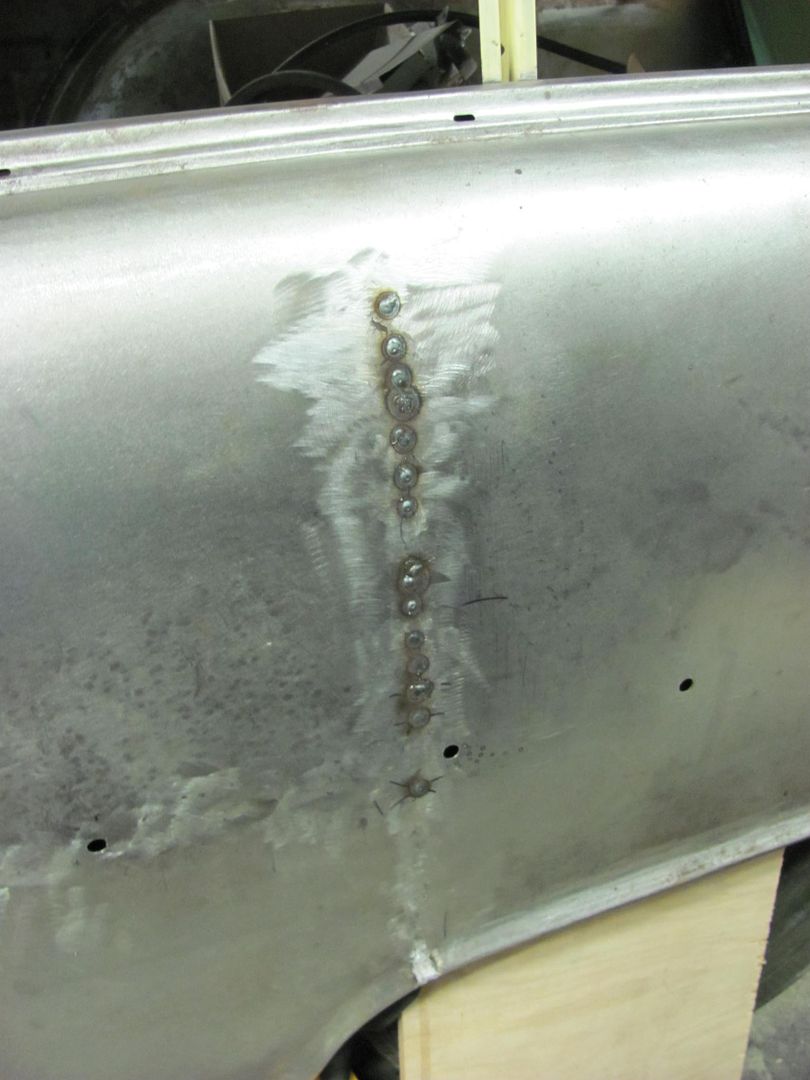
First weld, stunk and smoky. Should have stopped then and reevaluated. Other 3 welds all awful smelling and smoky. Wasn't happy with the way the welds looked but couldn't think of anything I did wrong. All my settings were good. Finally after things cooled checked the welds, and 2 of them failed.

Finally 24 hours later I realized Robert clearly said EPOXY PRIMER, not undercoating. Don't know what I was thinking. Should have gone to bare metal over a much larger area than I did.

Getting ready to order some spot weld cutters from HF.

So my "If it works for Robert, surely it will work for me." failed this time. Maybe I'll have better luck next time.

Robert - Great thread. I am about 1/3 through. Thank you for your willingness to teach us all.

Ivan
 
OP
M

MP&C

Well-known member
Joined
Oct 21, 2009
Messages
4,396
Location
Leonardtown, MD
Undercoating is a product that more readily liquefies when exposed to the heat from welding, which results in a petroleum based product that runs into and contaminates your weld. Epoxy primer will tend to remain in its cured state better than undercoating, and you will see even better results once it has fully cured over welding the same day as paint applied. My results have been through the use of House of Kolor epoxy. Not telling you to go out and buy some, but rather a test of the product you do use would be prudent. I wouldn't expect the same results with some of the more inferior paint products, especially those coming from an aerosol can.
 
OP
M

MP&C

Well-known member
Joined
Oct 21, 2009
Messages
4,396
Location
Leonardtown, MD
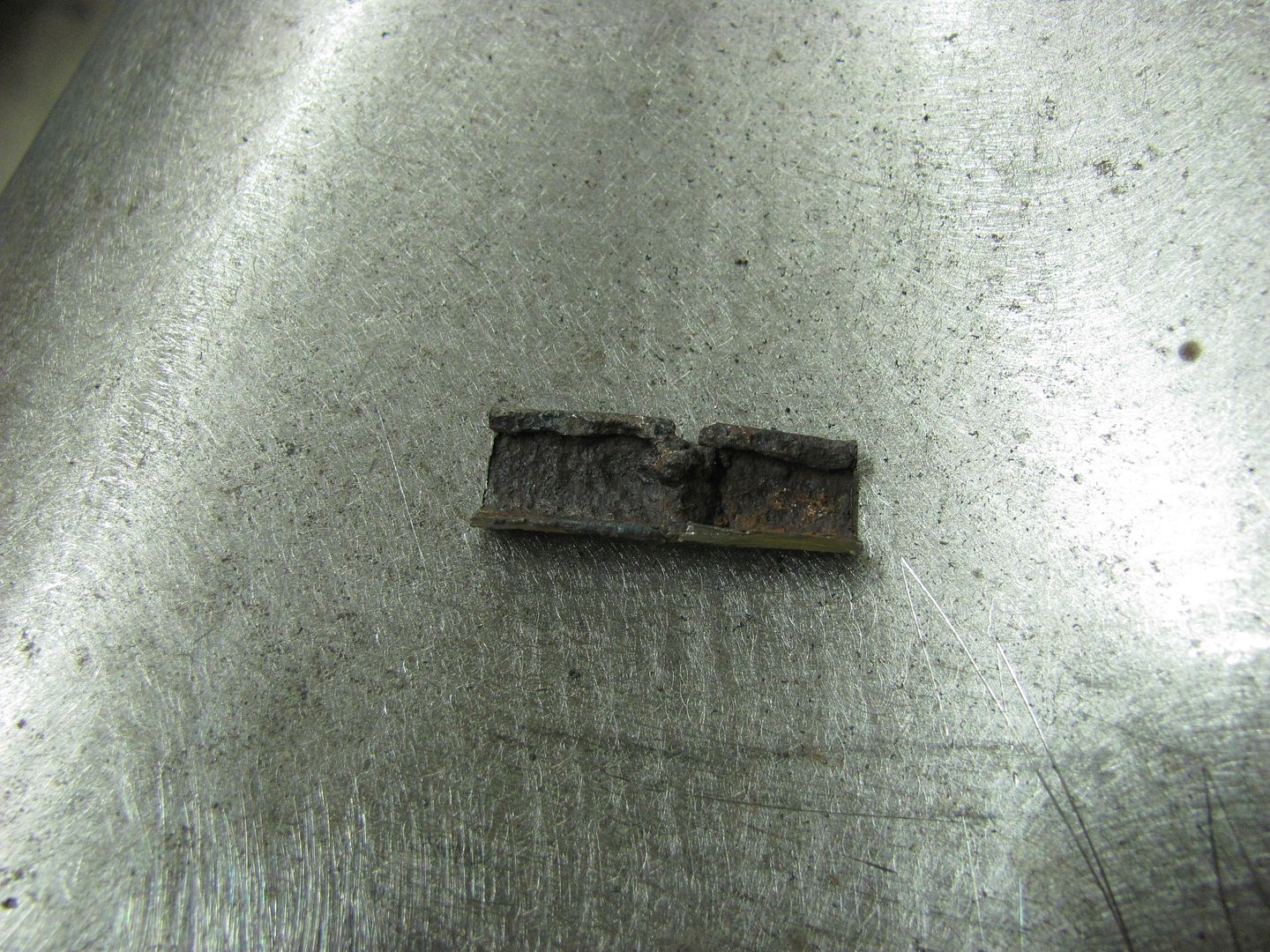
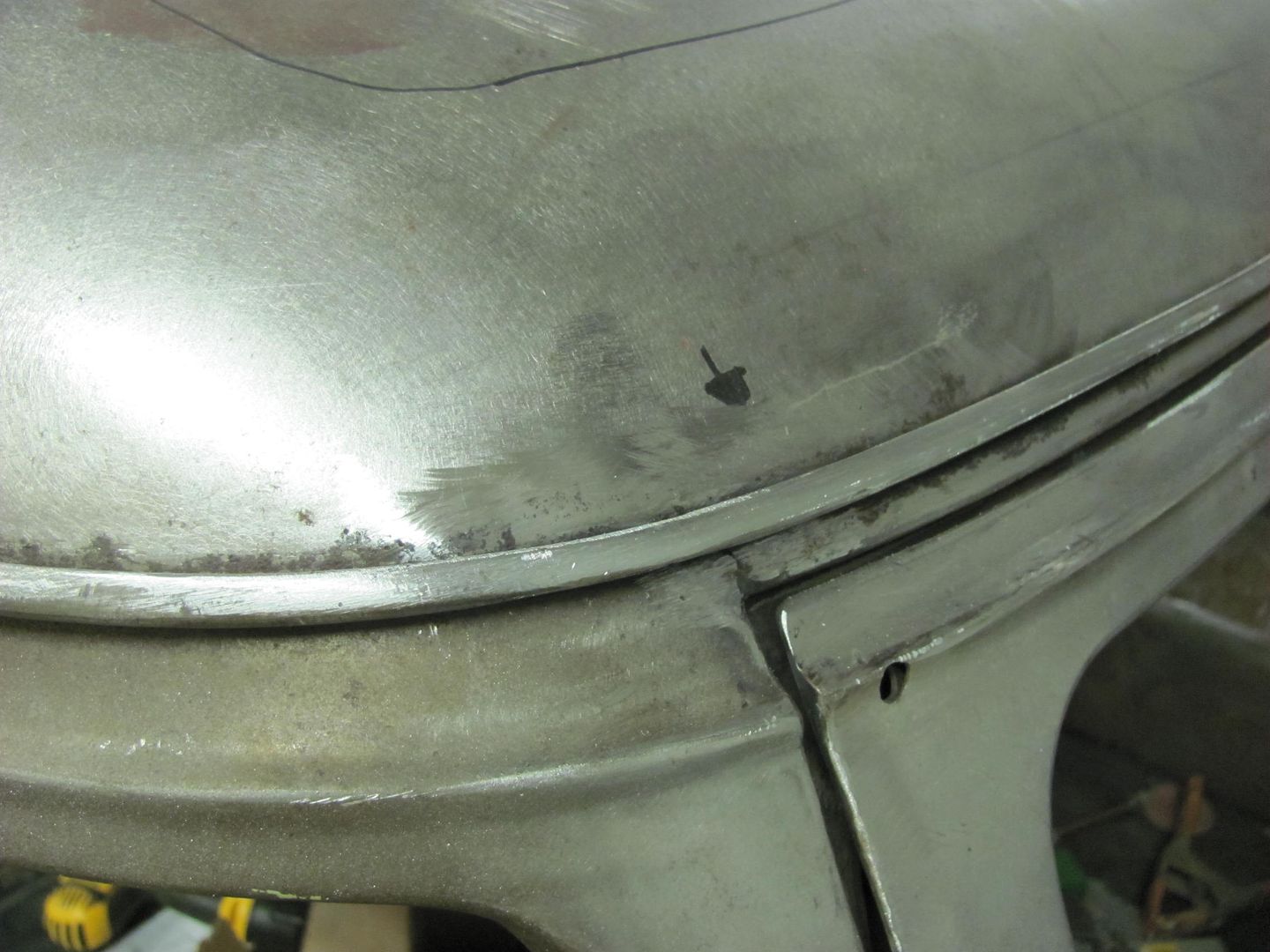
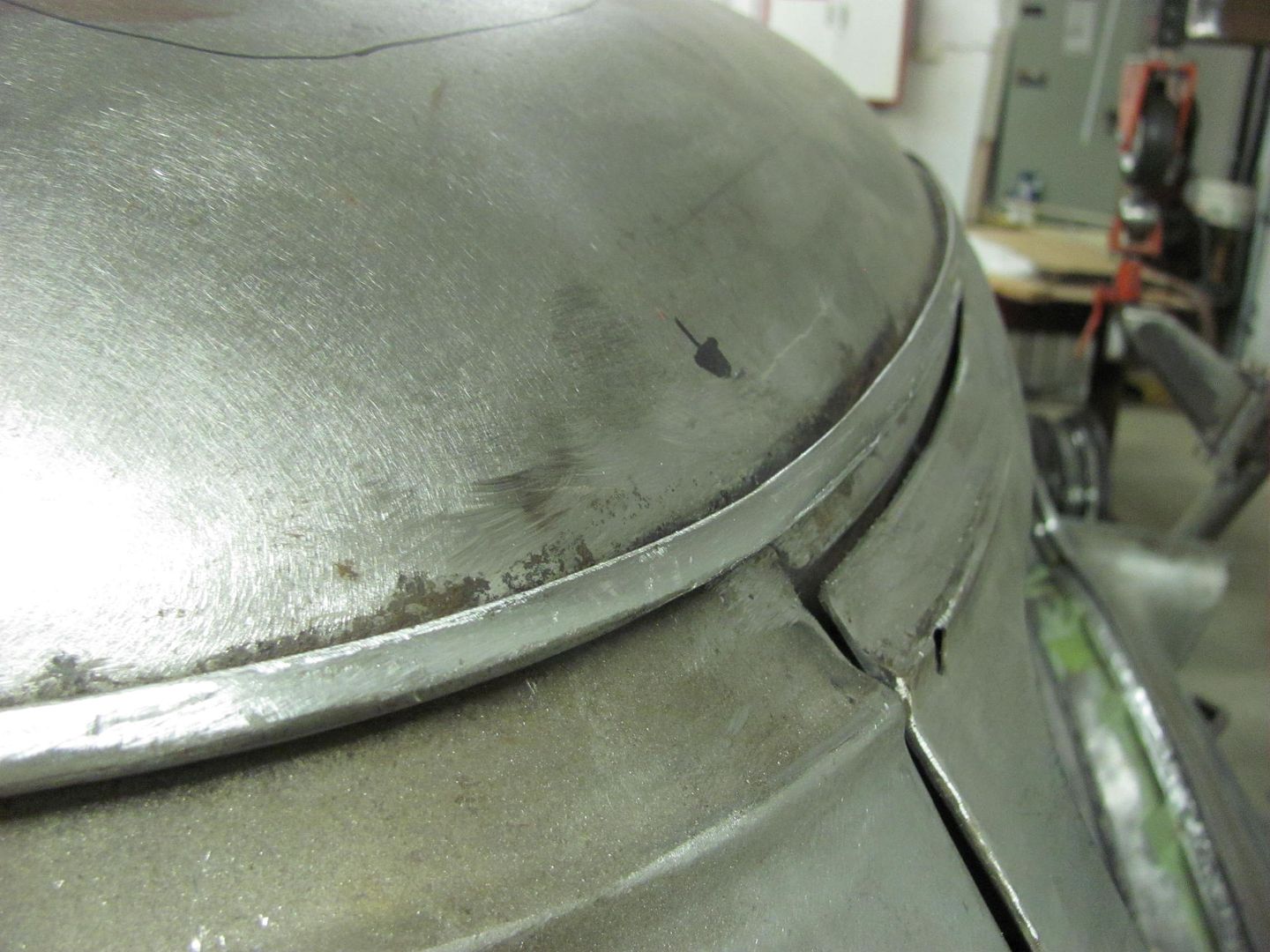
Another item to get crossed off the list, there was a questionable spot on the drip rail above the lift gate.


Picture808.jpg


Picture810.jpg


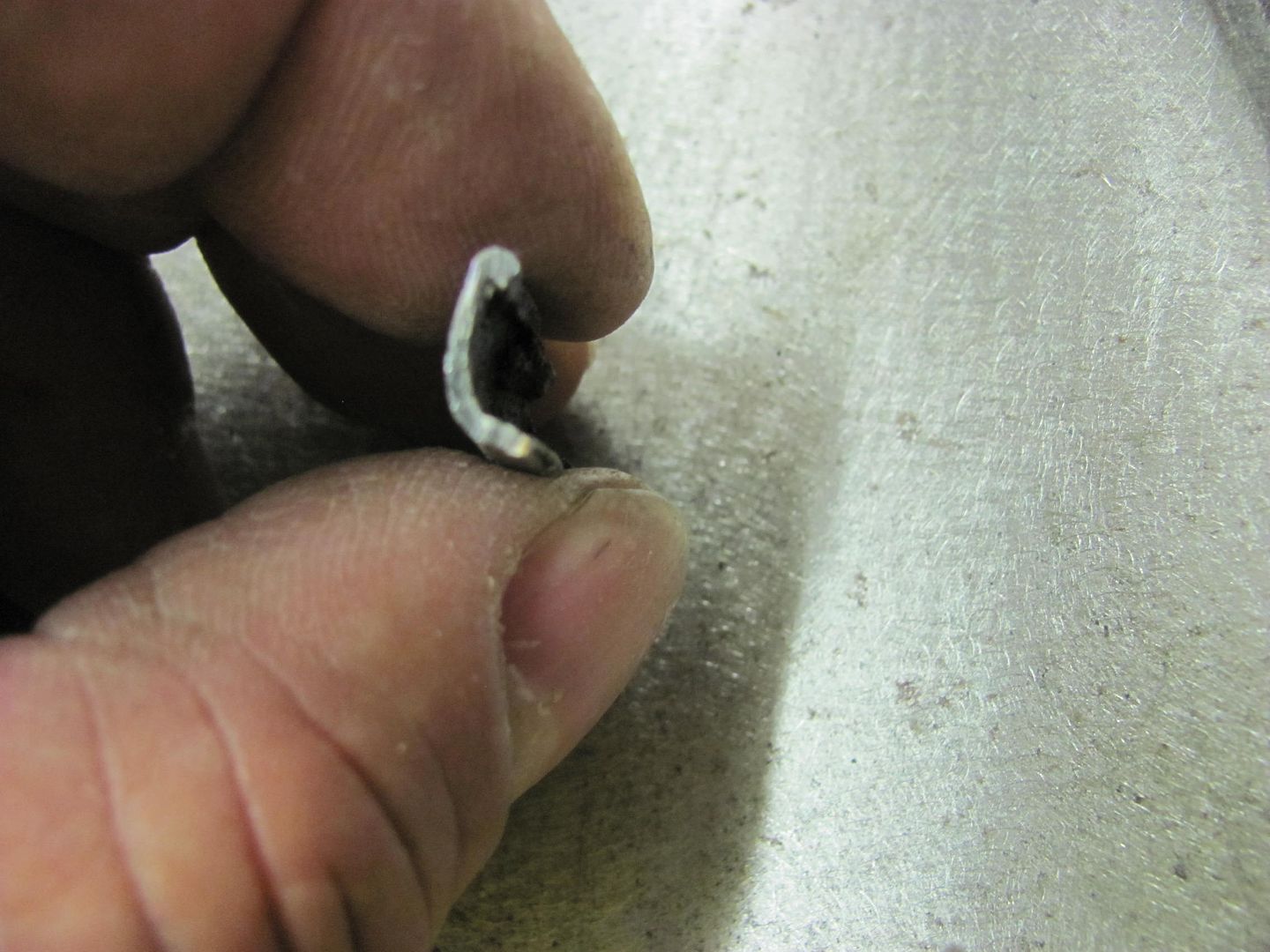
After cutting it out, this appears to be the factory seam for joining two sections.


Picture812.jpg


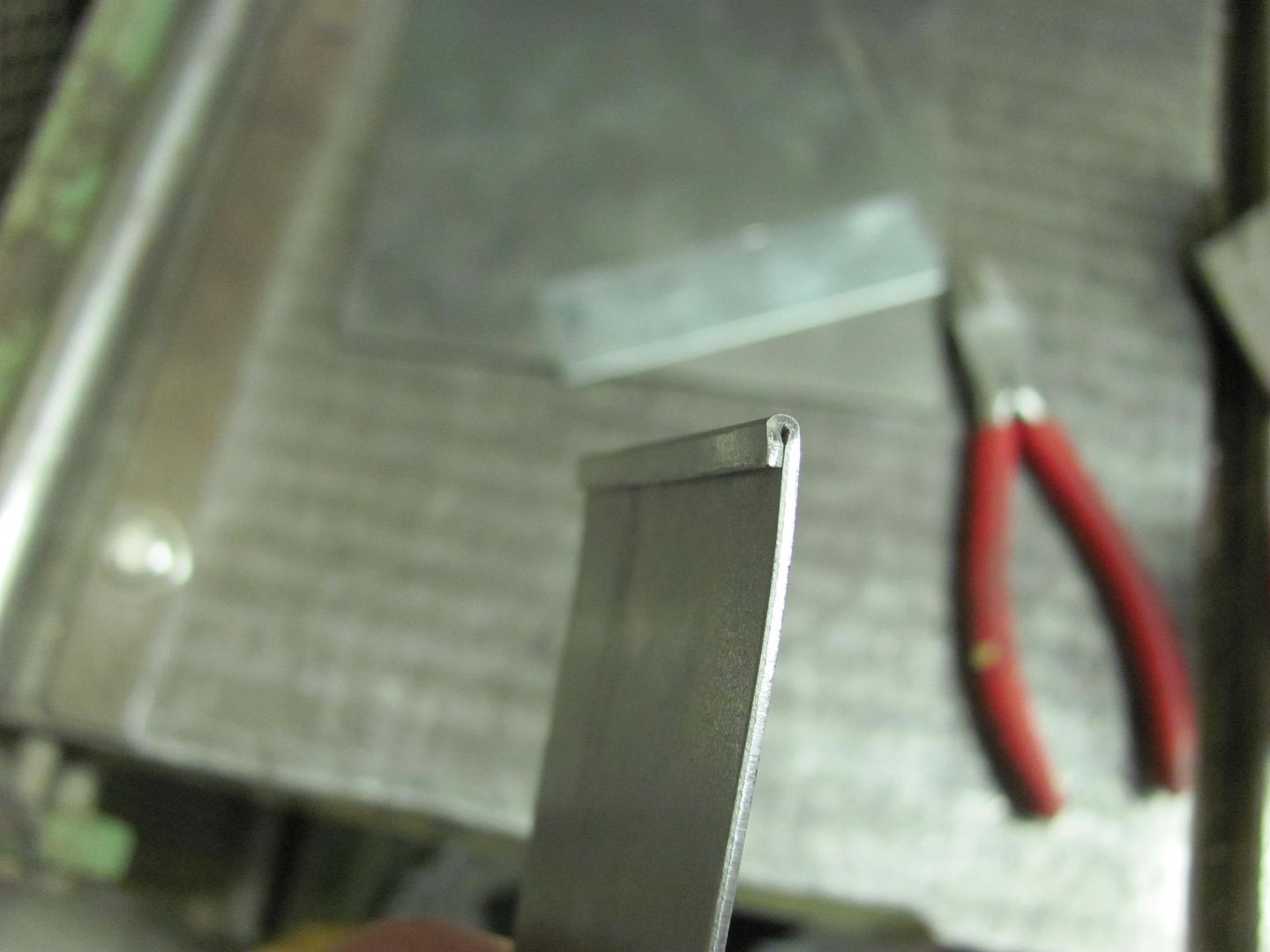
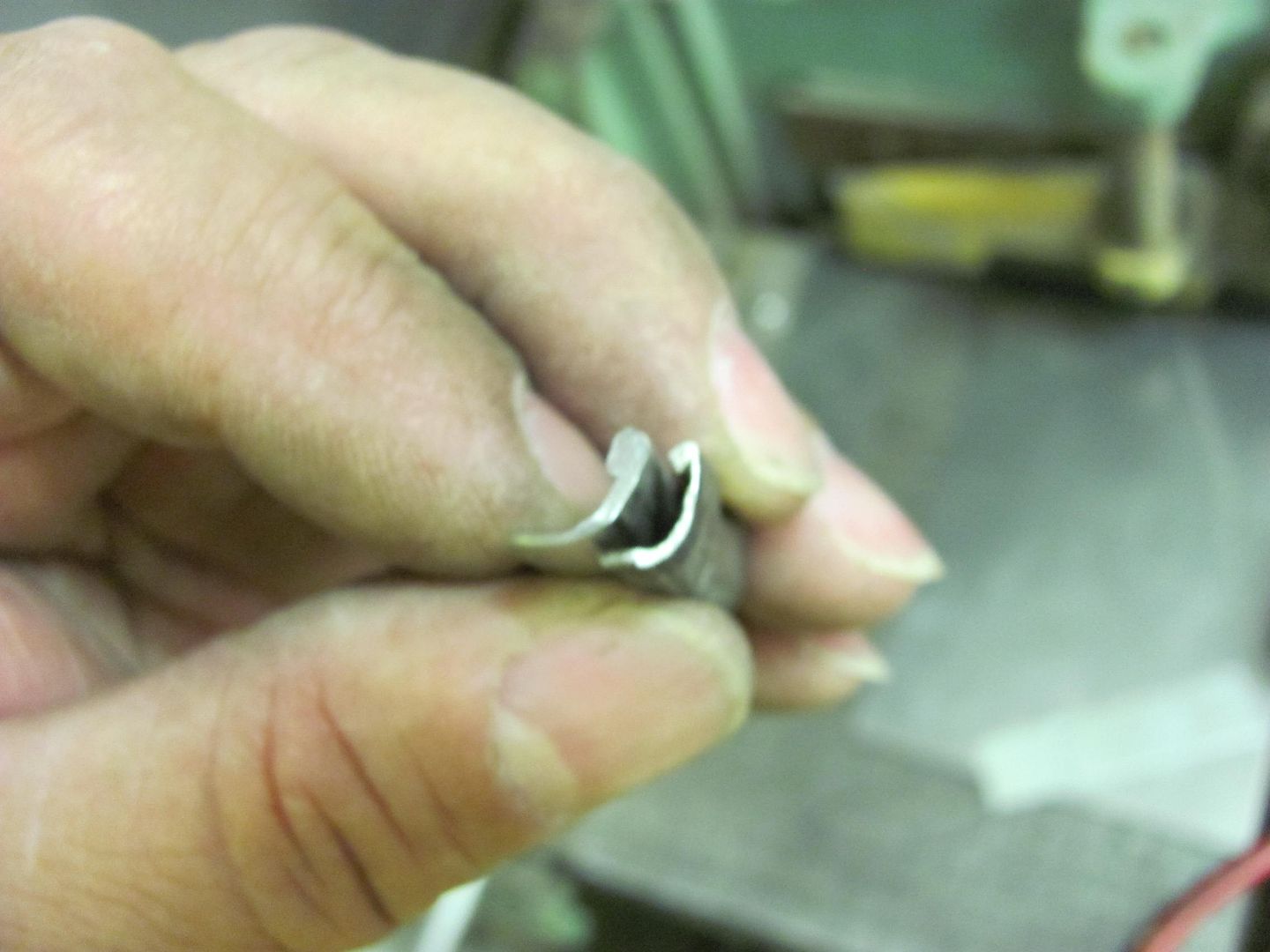
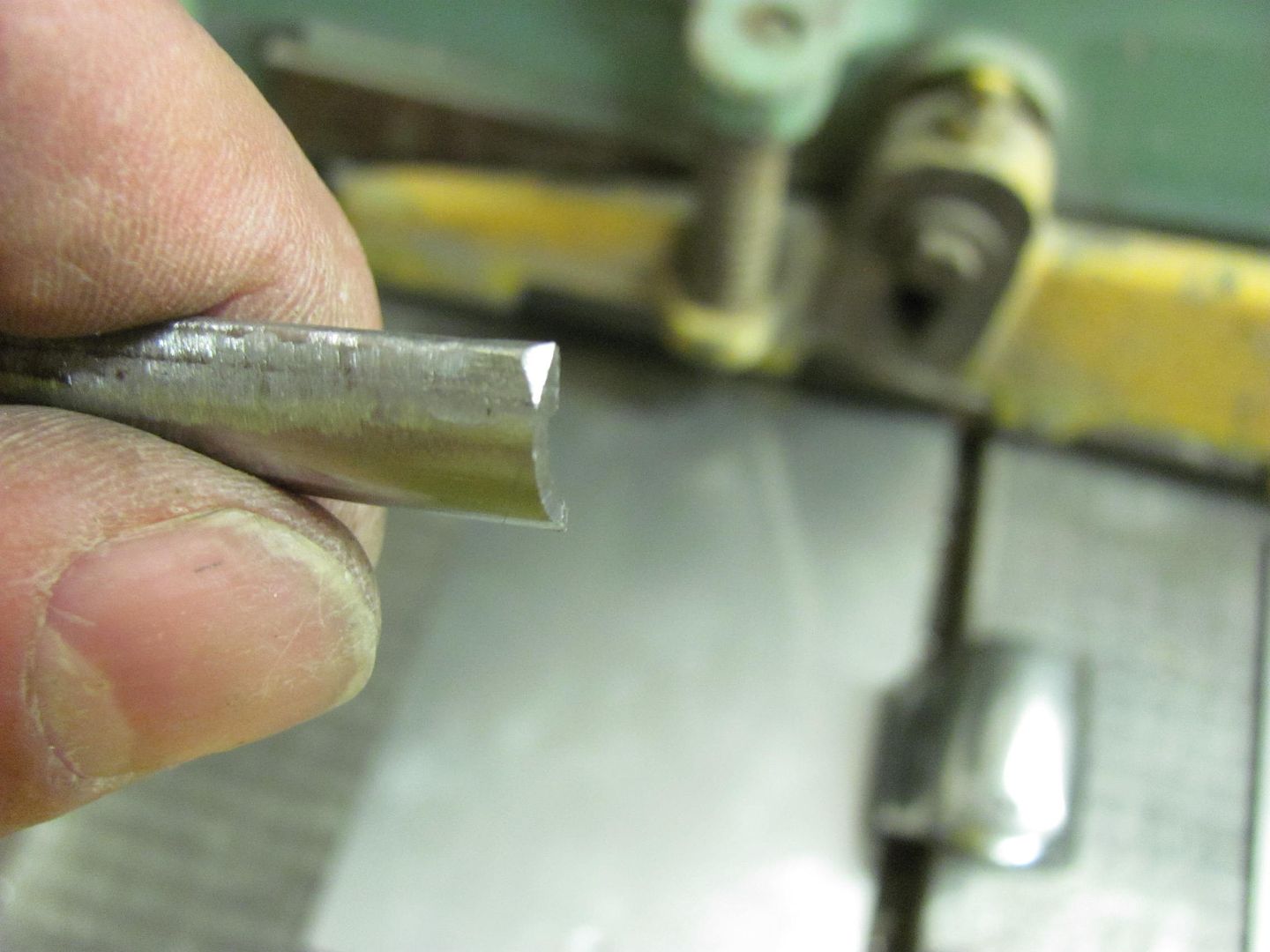
Looking at the profile, we'll add the top hem first...


Picture813.jpg


Picture814.jpg


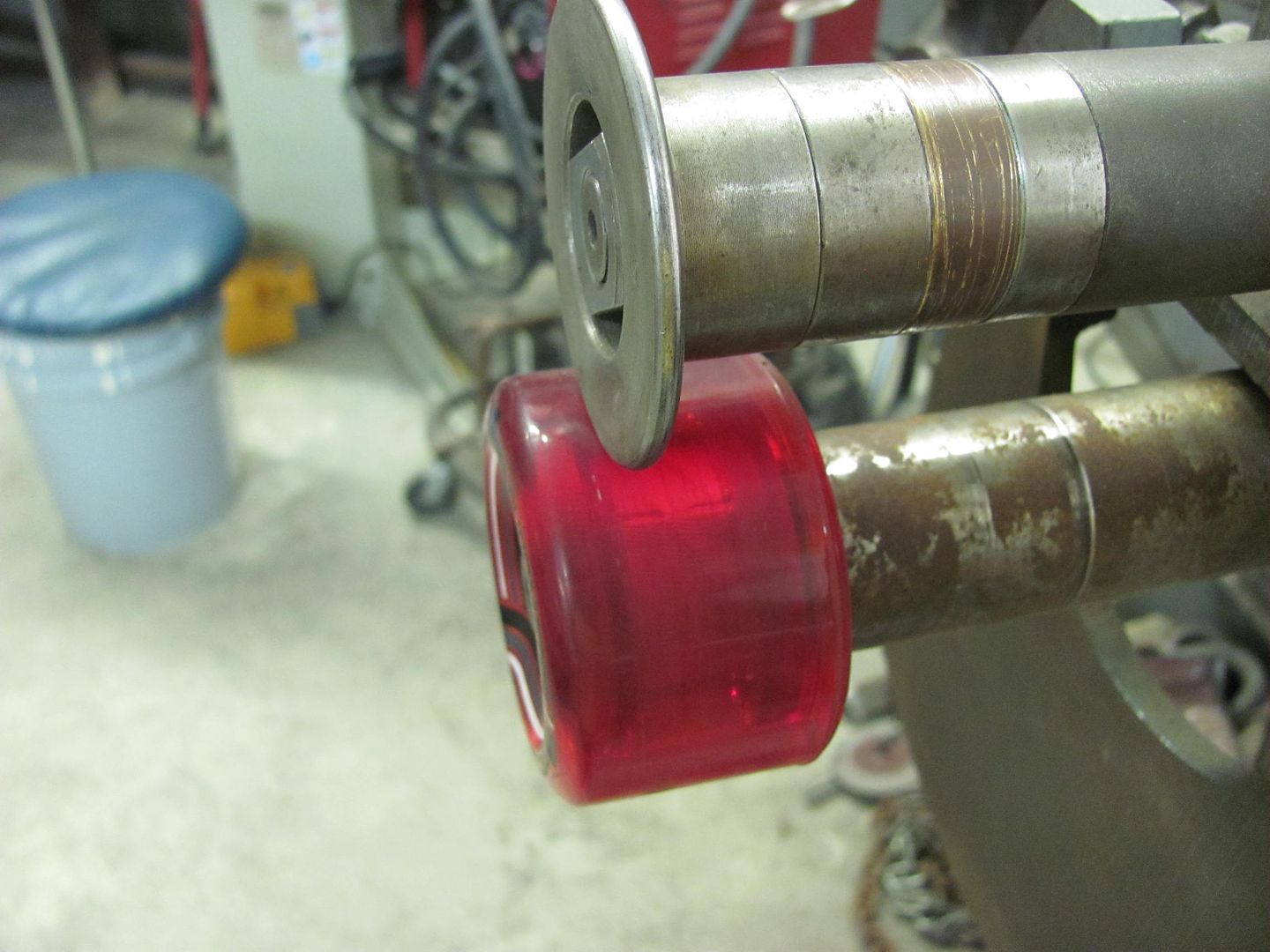
Then a radius die and the skateboard wheel in the bead roller was used to add the profile to the replacement...


Picture819.jpg


Picture817.jpg


The area where the hem adds another thickness is chamfered to insure good weld penetration...


Picture816.jpg


All welded in place and welds dressed...


Picture820.jpg


Picture821.jpg


Much better!
 
Joined
May 16, 2014
Messages
7
Thanks for the reply Robert. The whole time I was prepping it, welding it and for 24 hours after I kept thinking "I'm using epoxy primer". When my I'm so stupid moment finally came I realized right away what my mistake was. Oh we'll, live and learn.

Ivan
 

jfdestree

Well-known member
Joined
Jun 15, 2012
Messages
105
Location
Belgium, Europe.
I would like to thank you, Robert. Reading your topic give me confidence to start body jobs I would never dare to do before!
Like changing full panels on my VW van ...

bay+panneau+lat%25C3%25A9ral+4+1.jpg
 

jfdestree

Well-known member
Joined
Jun 15, 2012
Messages
105
Location
Belgium, Europe.
Nice! Are replacement panels made for those or are you wheeling your own?

I wish I have that kind of skills. As vw van where build up to last year in brazil, oem panels are readily available through classic parts retailer over here in Europe.
Wheeling and crafting panels is a whole different job than welding new one... I'm an amateur and never have tech classes. Each job I tackle is new to me, so I try to get basics body jobs correctly done at first.
And I feel lucky as my in laws own a full on body shop! The guy's there are very kind with me and always point me in the right direction when I need it.
But, that's when reading your posts that I learn some of the most interesting tips (Especially regarding welding) and most of all a way of thinking that stuck in my mind ; It is classic car restoration, not collision repairs ;)
 
Last edited:
OP
M

MP&C

Well-known member
Joined
Oct 21, 2009
Messages
4,396
Location
Leonardtown, MD
Some CL shopping today, picked up two hammers, a Porter Ferguson BH-9, Fairmount 152-G, and drip rail pliers, a Herbrand BF-81 ..


IMG_20140531_155507_551.jpg


IMG_20140531_155528_818.jpg


IMG_20140531_155539_394.jpg
 

1971gsfan

Well-known member
Joined
Dec 19, 2009
Messages
84
Location
Wilmington NC
Hey Robert that first hammer in the pics looks bent:D:bounce:
That is a good score, some day I hope to have a collection of proper tools like you have:thumbup: Your work is an inspiration as always Thanks for posting
 
OP
M

MP&C

Well-known member
Joined
Oct 21, 2009
Messages
4,396
Location
Leonardtown, MD
I've always given advise for guys to watch CL and other local sales, especially for body tools. All these were from the same guy, too good to pass up.
 

DoghouseForge

Well-known member
Joined
May 11, 2013
Messages
374
Location
Lakeland, Fl
The guy's there are very kind with me and always point me in the right direction when I need it.
But, that's when reading your posts that I learn some of the most interesting tips (Especially regarding welding) and most of all a way of thinking that stuck in my mind ; It is classic car restoration, not collision repairs ;)

Nice! Are replacement panels made for those or are you wheeling your own?

man talk about jogging a memory...

Robert,
I wish something like GJ and your how to thread was around when I was 16...:lol: I could have saved a fortune on filler and my "prime it again when it needs to be washed" technique...

JFdestree...we can keep it secret, but i know every spot your bus was keeping rust from you... :lol:

Good times...but whoever thought it was a good idea to let a 16 year old have the Porsche pancake 2.0 with aluminum heads in a Bus! was crazy... THANKS DAD!


Sorry for the momentary high-jacking...:bowdown:
 

8man

Well-known member
Joined
Oct 16, 2013
Messages
630
Location
Bryan, Texas
Robert, do you use a grinder when working on your welds. I tried planishing some welds this weekend with a hammer and dolly, but I still had to resort to the grinder to smooth them down enough to work.
 
OP
M

MP&C

Well-known member
Joined
Oct 21, 2009
Messages
4,396
Location
Leonardtown, MD
When using a mig each weld "dot" shrinks or pulls from all directions around the weld. This is why your planishing efforts will be more effective if done while each weld is planished in it's isolated "one dot" state. Then use the cutoff wheel to grind down to just above panel surface. This gets the bulk of the weld out of the way that the next weld dot can be planished by itself without interference. Your planishing effort is only to counter some of the shrink from the weld cooling, not to try and get everything flat again.
 
OP
M

MP&C

Well-known member
Joined
Oct 21, 2009
Messages
4,396
Location
Leonardtown, MD
That hem is slightly less that 1/8". The initial bend was started with a few passes through a sharp tipping wheel and red skateboard wheel on the bead roller, and then bent in the press brake. The narrowest lower die for my press brake limits the bend to about a 1/4" minimum fold (1/2" wide VEE die), so the tipping wheel helped to get the bend started so it would bend in that die. The final folding/hemming was done on a flat piece of steel and the flat body hammer. Of course, if someone had a good bench vise with flat (non-serrated) jaws, the same thing could be done using a flat bar "punch" and hammer to fold over a hem.
 

jfdestree

Well-known member
Joined
Jun 15, 2012
Messages
105
Location
Belgium, Europe.
When using a mig each weld "dot" shrinks or pulls from all directions around the weld. This is why your planishing efforts will be more effective if done while each weld is planished in it's isolated "one dot" state. Then use the cutoff wheel to grind down to just above panel surface. This gets the bulk of the weld out of the way that the next weld dot can be planished by itself without interference. Your planishing effort is only to counter some of the shrink from the weld cooling, not to try and get everything flat again.

That's how I proceed now, following your advices, and I should say that it works just great!
Man, if I could have those kind of tips before, it would have save me a lot's of headaches, disappointments and works!

@ DoghouseForge
Nice Bay window! Flat4 914 engines are the same as type4 engines used in later VW T2. So, it's a pretty straightforward way to get a nice and much needed powerful power plant :eek:
Engine I plan will either be a 1915cc or 2100cc type1, depending on budget ...
 
To avoid these ads, REGISTER NOW!
Joined
May 16, 2014
Messages
7
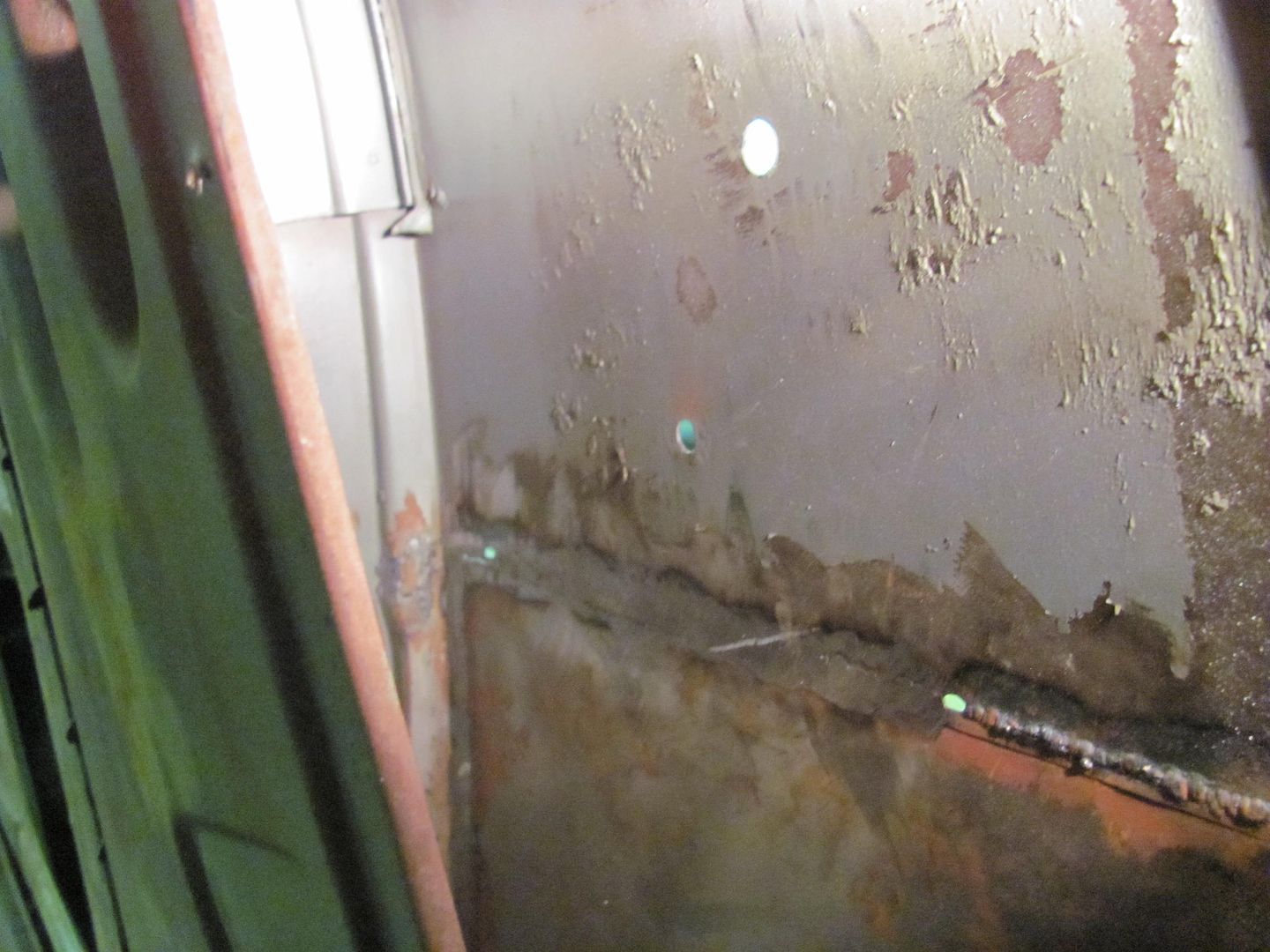
Finally got out in the garage and drilled out the failed plug welds. The undercoating had melted and bubbled over a radius of 1/2 - 3/4 of an inch from the center of the welds. You could definitely see that the undercoating material had gotten mixed in with the weld. Only one out of the four welds actually held. Looks like I need to remove the undercoating for a good inch radius around the welds.

Robert - sorry to briefly intrude, but wanted to add this for completeness.

Ivan
 
OP
M

MP&C

Well-known member
Joined
Oct 21, 2009
Messages
4,396
Location
Leonardtown, MD
Ivan, thanks for the update!

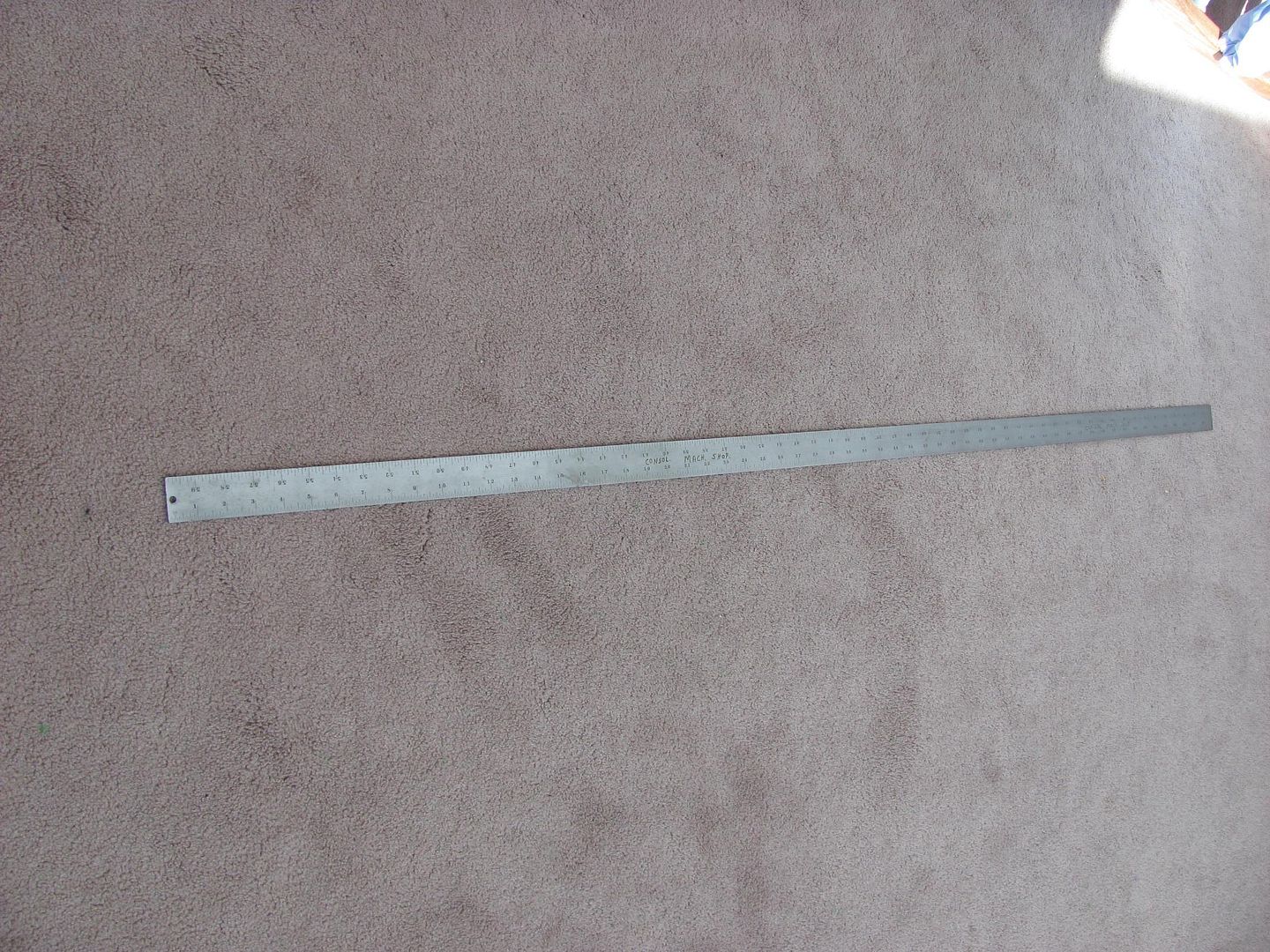
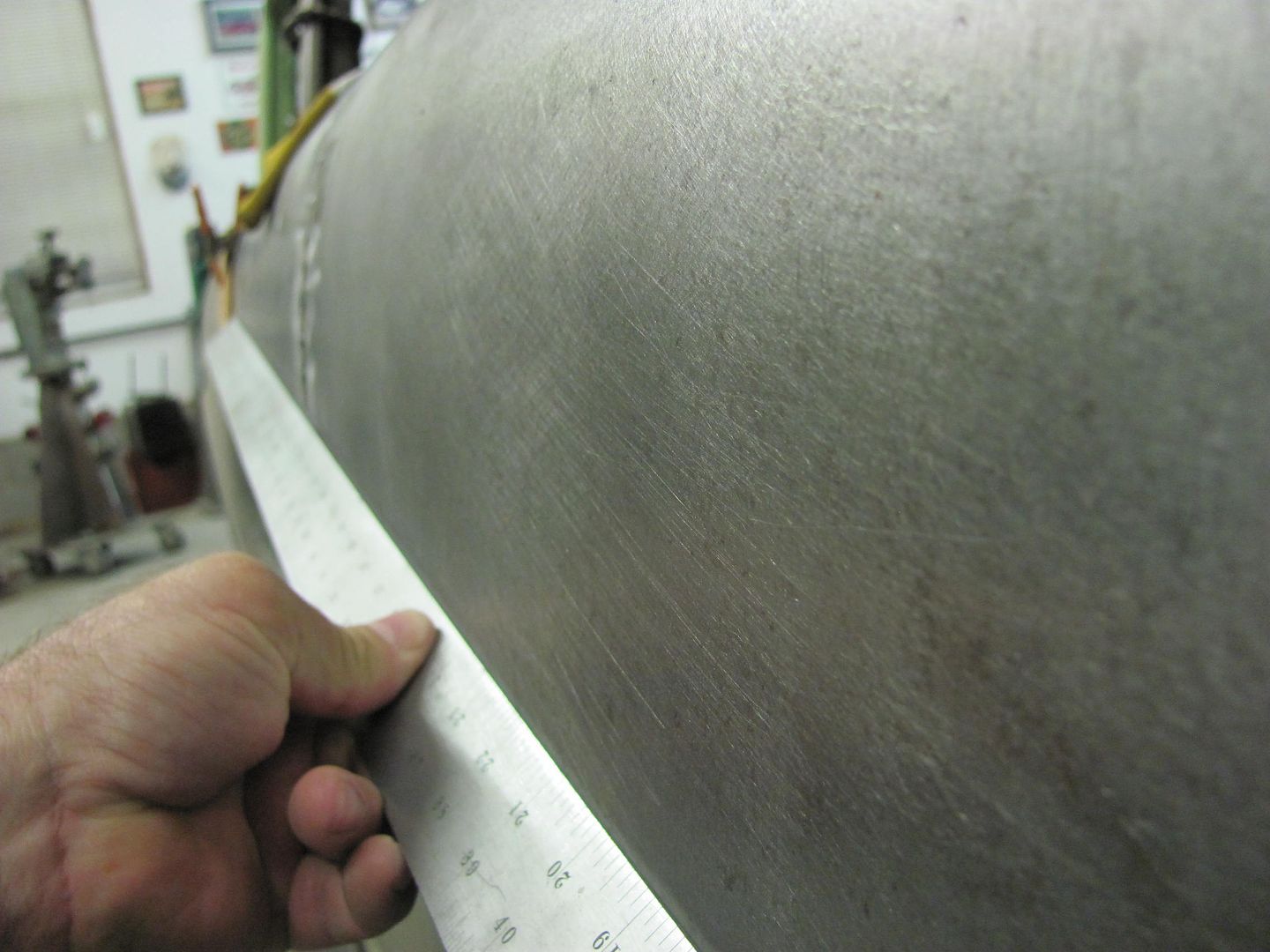
A few months ago, I had bought a 60" Starrett rule.


Picture636.jpg


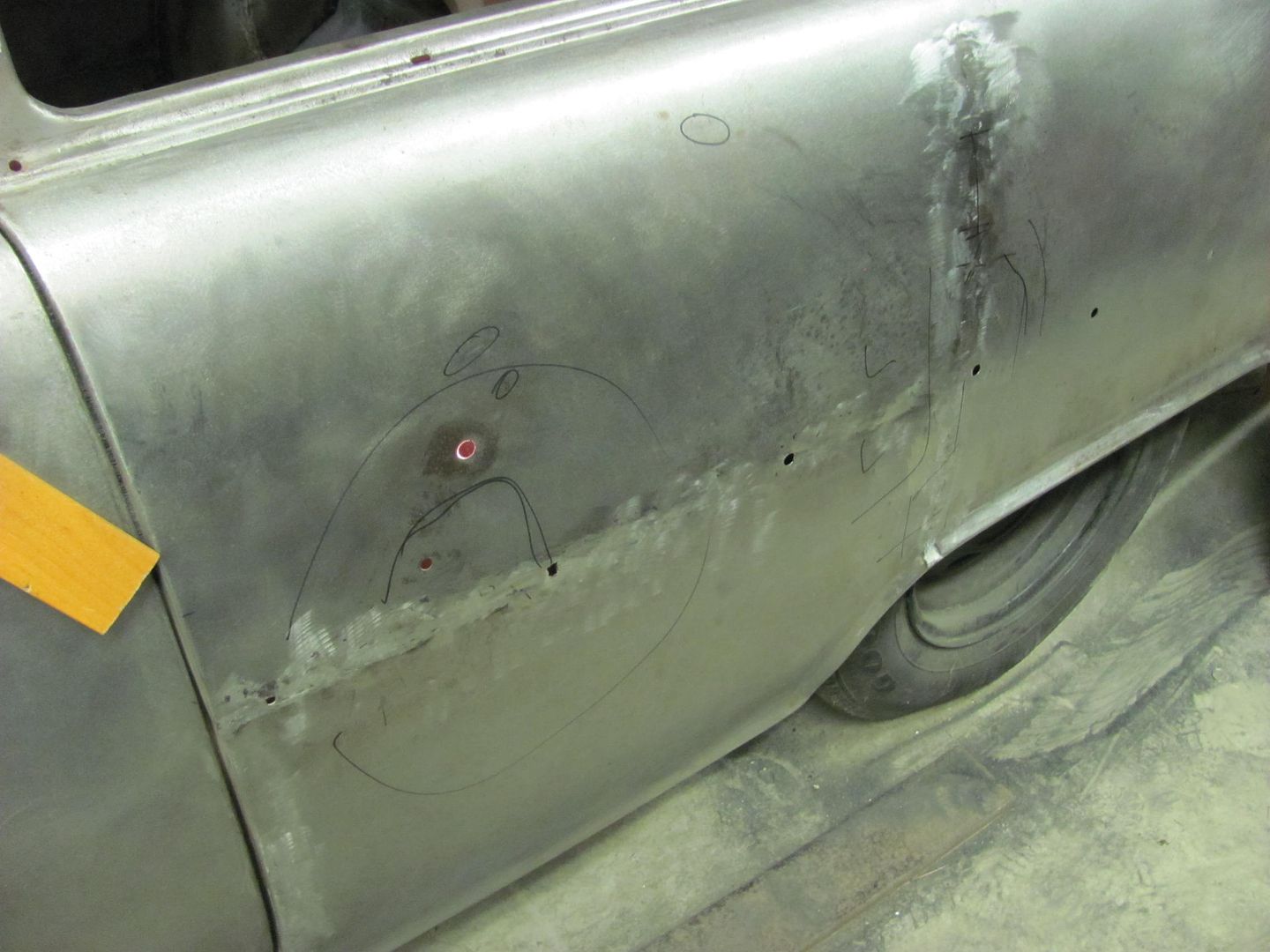
One of the first things I checked with it was the vertical weld that joined the 4 door NOS quarter on the drivers side of the 55. Previous to this the largest rule I had was a 24", which did not show the deflection as well. When the 60" rule spanned the joint, it showed a pronounced high spot at the vertical weld instead of the gradual crown that the panel should have. I'm not one to overload something with bondo to cover up something like this, so the vertical weld as well as part of the horizontal was sliced open to re-adjust the panel and get the correct contour.


After the slicing was complete, despite the panels coming together slightly, the gap was slightly wider than the first time welded. The **** weld clamps did not work all that well in keeping the panels where they needed to be, and after about the third time of the square peg falling out of the hole, I made a slight modification to better keep the peg from falling out. About one third the way down, the peg was punched on all four sides to keep from falling out.
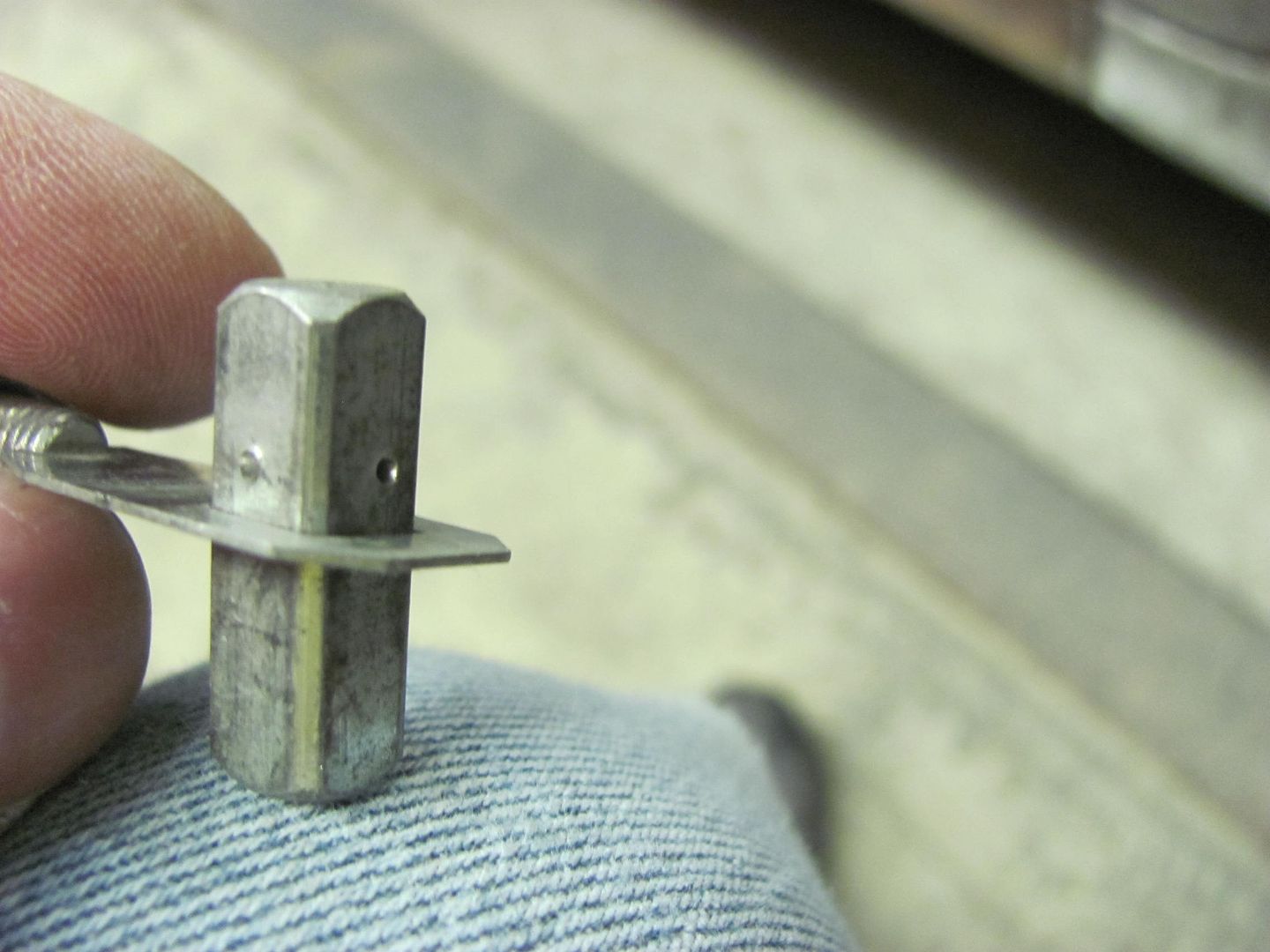
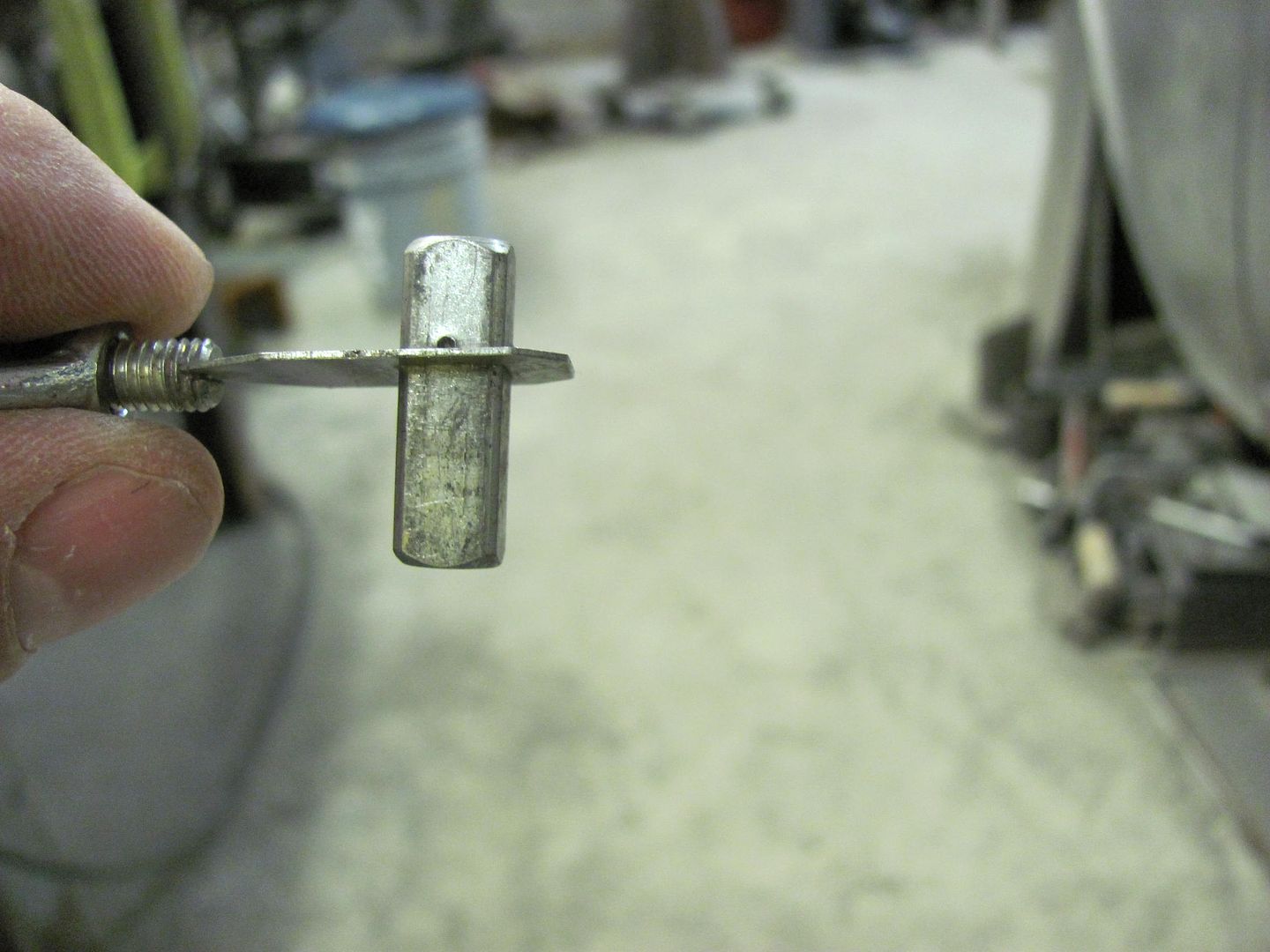
Picture834.jpg


Picture835.jpg


Although I didn't get pictures of this part, the modified clamp worked especially well in gapping the horizontal weld joint to better fit the profile template for the crown of the panel. Basically with the peg no longer falling out, the portion of the **** weld clamp shown above was used to pull out on the panel until it filled the profile template, then the panels were tacked at that point. Move another couple inches, repeat. This got the vertical crown back where it should be. This was process was repeated for the vertical weld to correct the horizontal crown along the length of the quarter, checking across the vertical seam with the 60" rule. This picture was taken afterwards with the smaller rule so I could hold all the components and the camera, but gives an idea how the "partial clamp" was used to get the panel's crown correct.
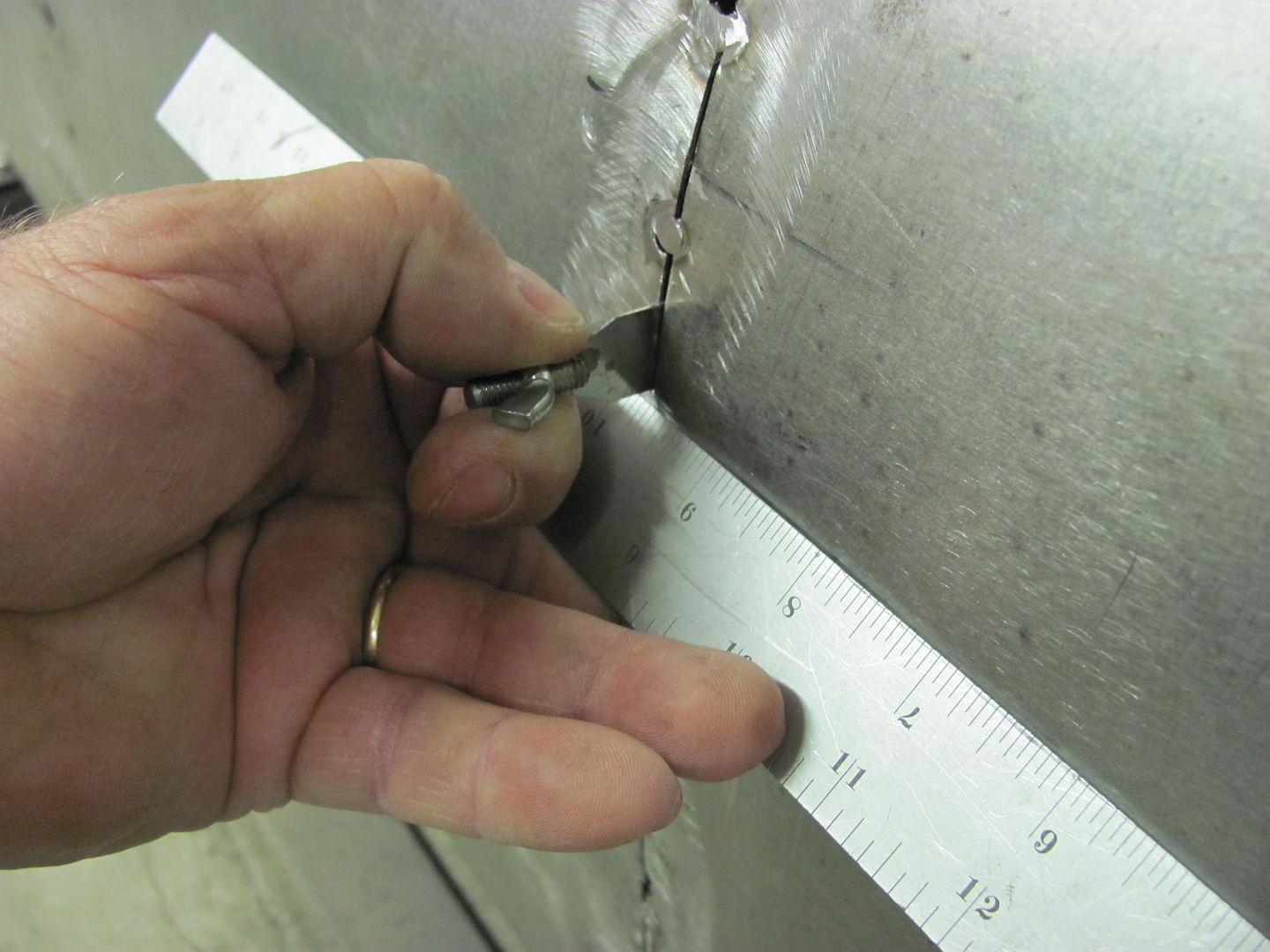

Picture836.jpg


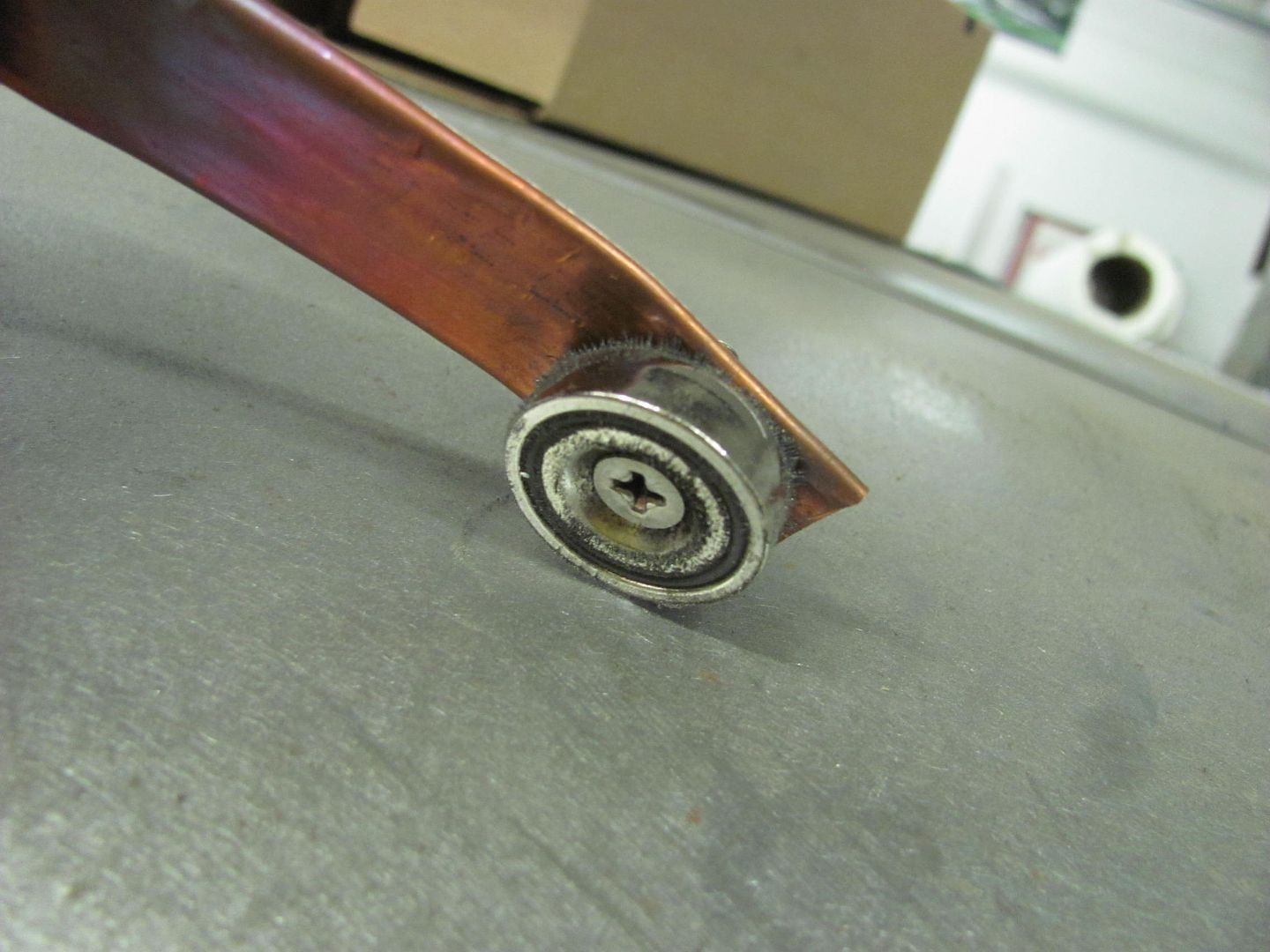
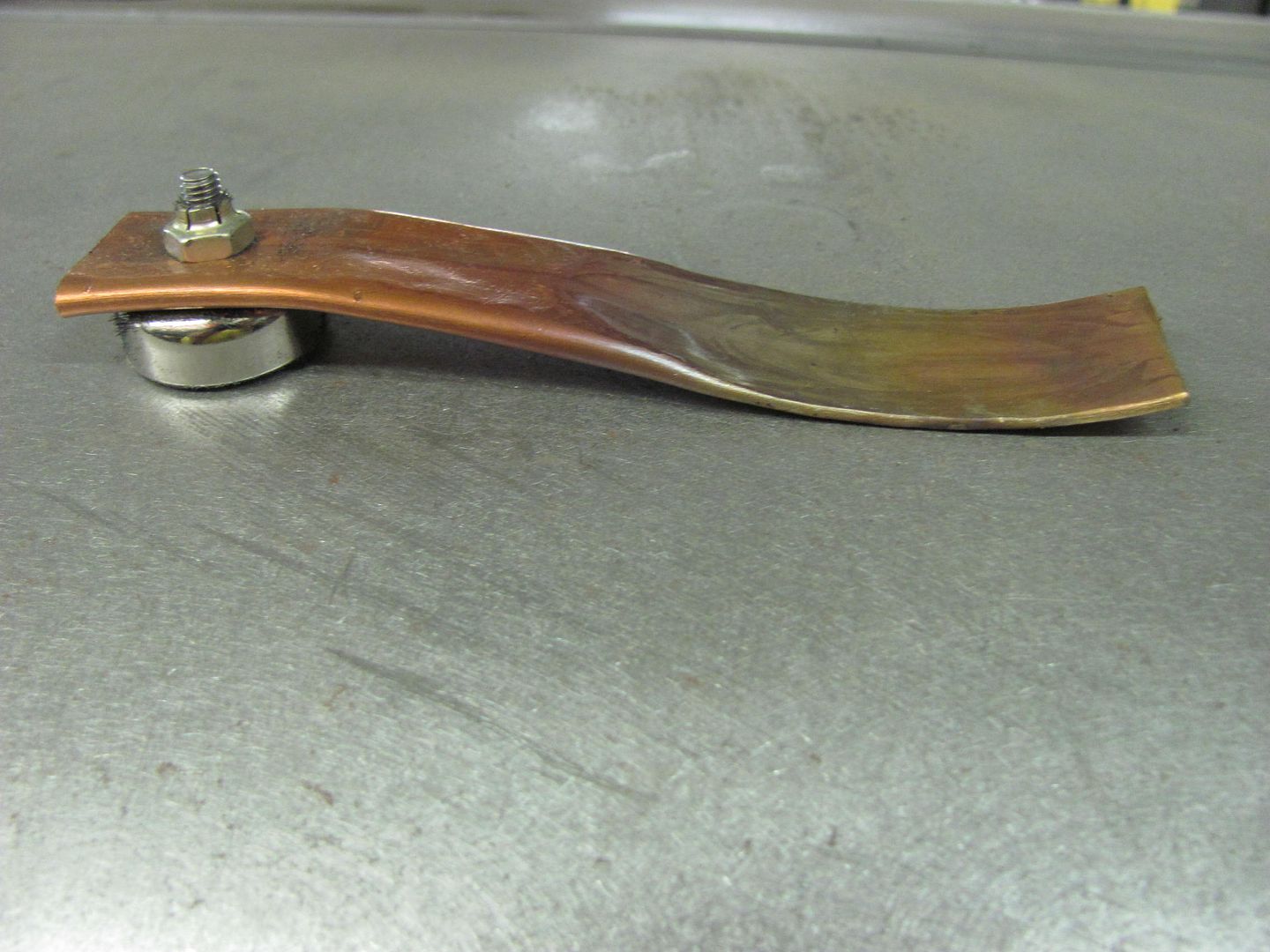
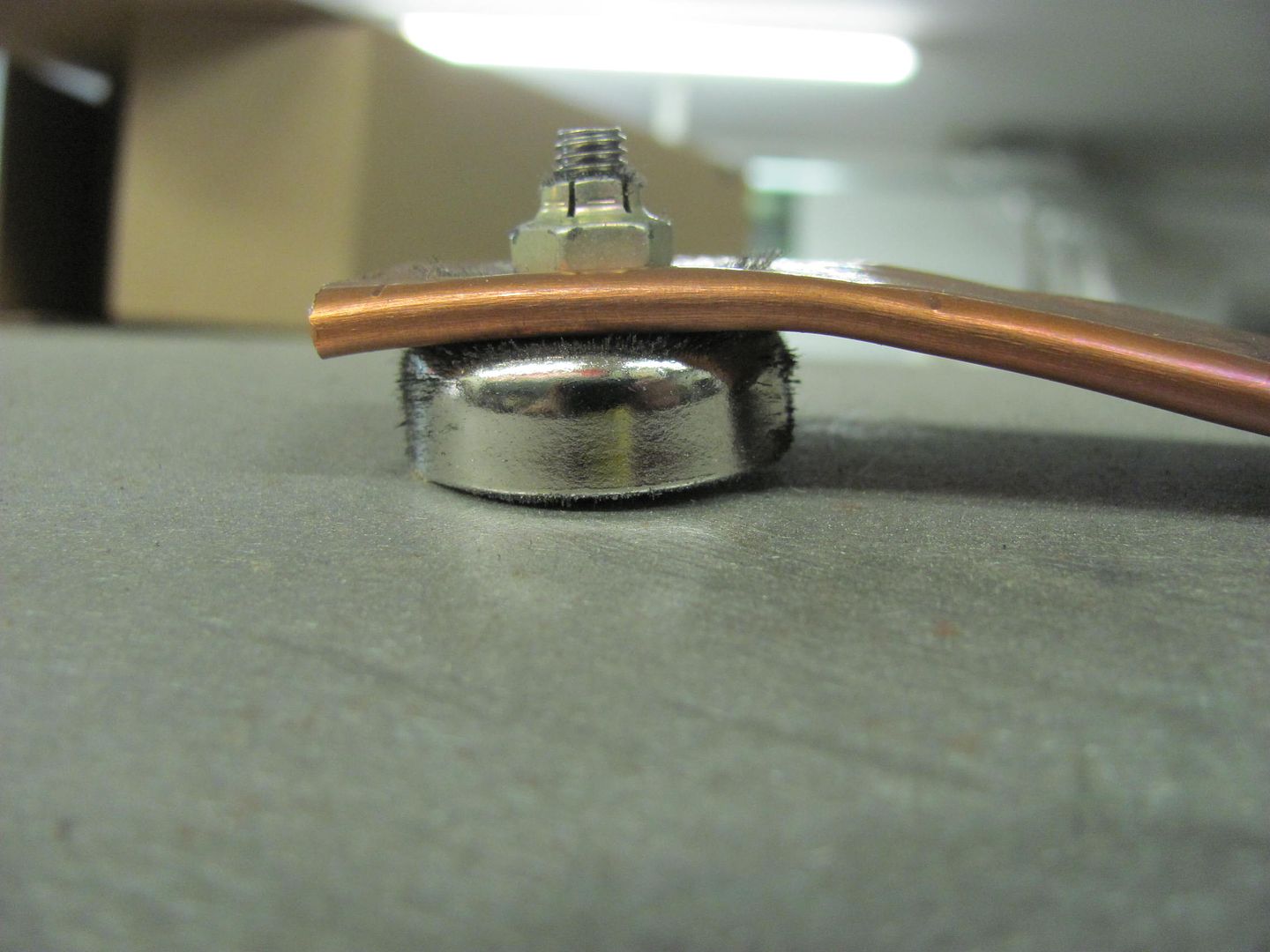
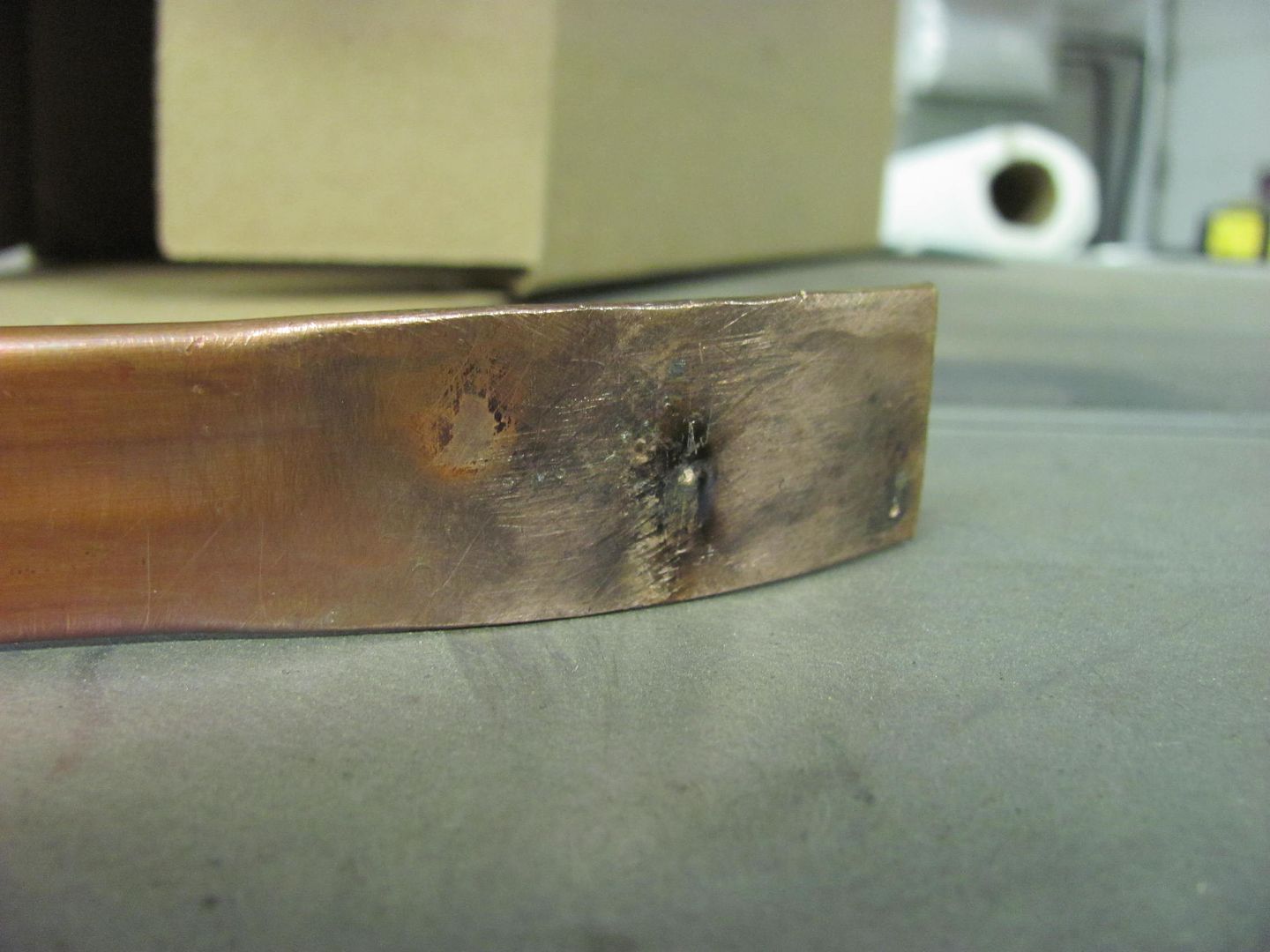
I don't typically used gaps in welding panels, was kinda forced into this to get the crown corrected, so I needed to make a copper backing tool. I had some rare earth magnets so I used one along with some flattened copper pipe. Note the magnet is ever so slightly raised to insure the copper is pulled good and snug to the panel..


Picture839.jpg


Picture837.jpg


Picture838.jpg


Each use will tend to leave the copper soot covered, so I used a welding brush to clean the copper between each weld.


Picture843.jpg


Welds all complete, just a few left to planish and dress, then some panel bumping and we should have one more thing crossed off the list..

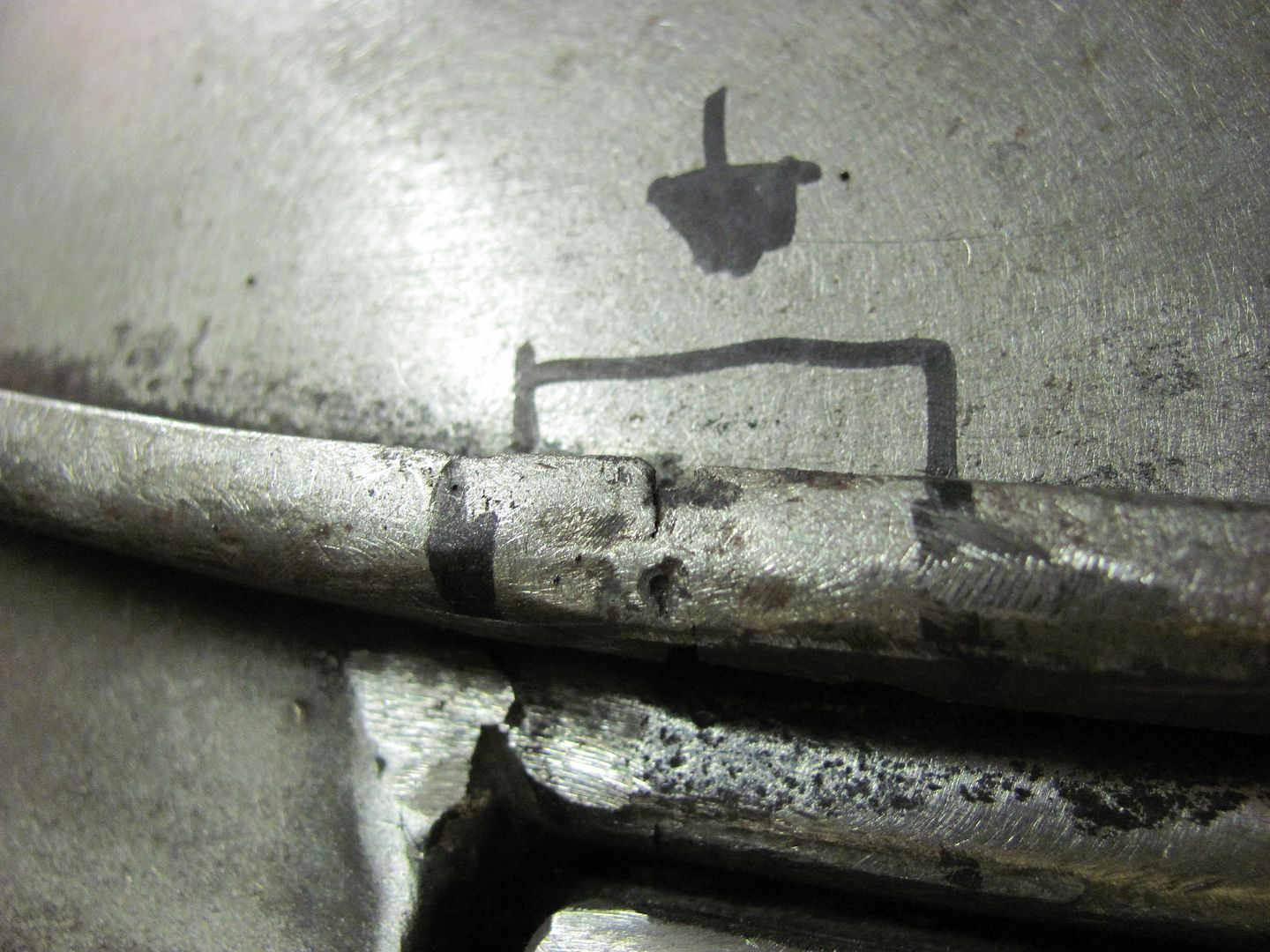
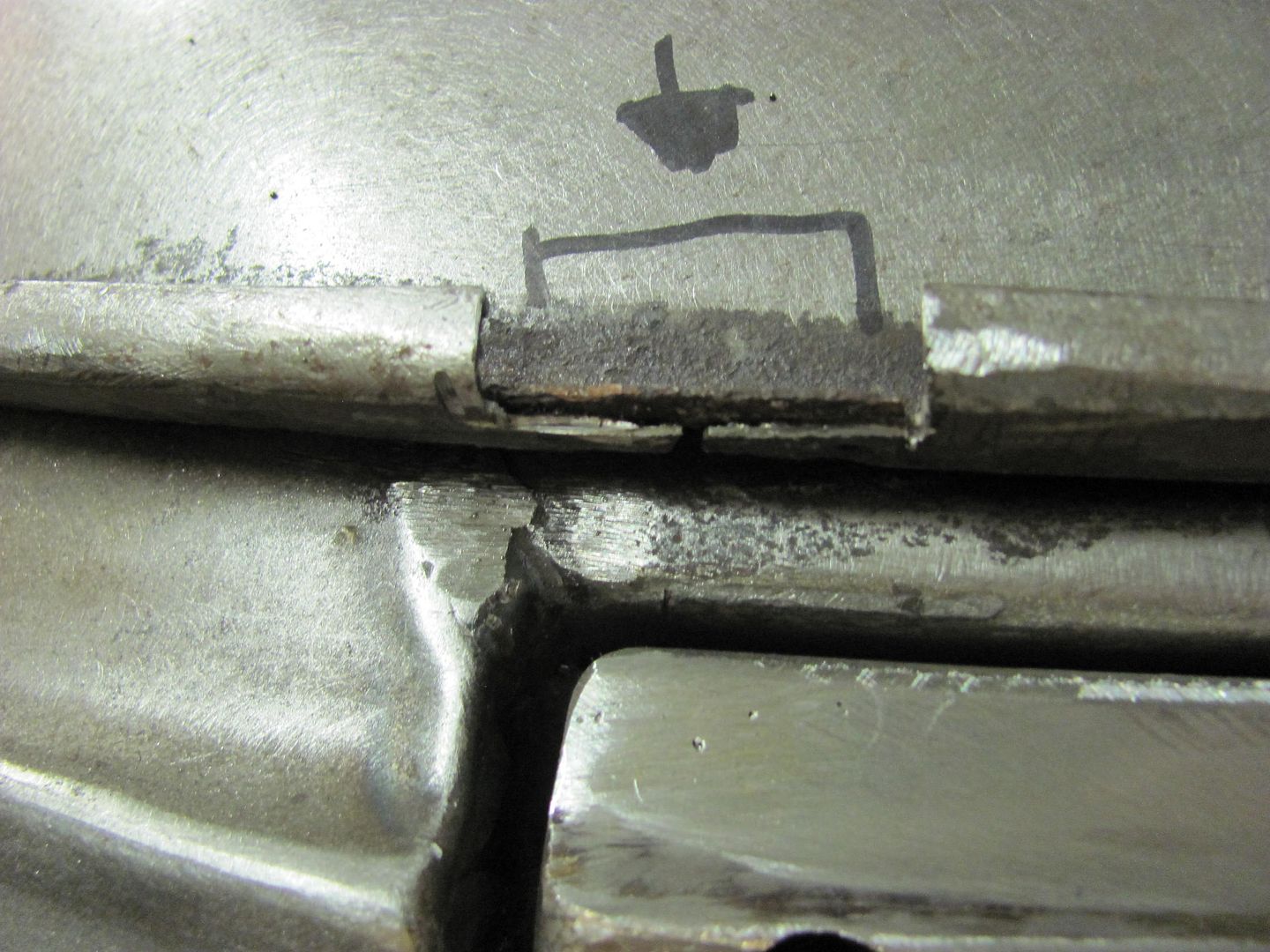
Picture845.jpg


Picture844.jpg
 
OP
M

MP&C

Well-known member
Joined
Oct 21, 2009
Messages
4,396
Location
Leonardtown, MD
For re-doing those two weld seams, there's probably about three to four hours work. For part of it my nephew helped out with the planishing and grinding, on the rest I was enough of a contortionist to reach through the window access hole with the dolly and planish the welds myself.
 

Kevin54

MEMBER EMERITUS
Joined
Jan 12, 2005
Messages
29,341
Location
Urbana, Ohio
Robert....I have a question. What do you do on a side panel when you can't get behind the panel to planish the weld(s). The reason I ask is that I am going to get ready to weld the patch panels in my truck before long. This is where the bed is rusted at the wheel openings. I'll be able to get thing fitted up alright, but there will be no way to get behind the panels. And I really don't want to load things up with mud.
 
OP
M

MP&C

Well-known member
Joined
Oct 21, 2009
Messages
4,396
Location
Leonardtown, MD
LMC had the whole bed side for about 600. Quite a bit more money, but would be a cleaner install with the only welds at the flanges where the factory did them. And I've found that if LMC has them for **, someone else has them cheaper...


From what I'm seeing in their online catalog, the inner fender liner in those Dodge's should be plastic, (or at least that's what they're selling) so they should be removable, making easy access to the back side of your welds if you choose to do the wheel arch patches..
 

impala4speed

Well-known member
Joined
Oct 11, 2009
Messages
194
Location
Youngstown, Ohio
Robert,
I've finally gotten through your entire thread ( I'm a slow reader). Just wanted to says thanks for providing all this information. Many have already said what a terrific craftsman you are and I agree wholeheartedly. I have only done a little body repair and never knew the correct way to do things, just kinda' plowed my way through and lived with whatever results I got. Since I have a project car to restore I've been looking for any sort of info that would help me out. Your threads, especially this one, have been a huge help in my understanding of what to do. I know that doesn't mean I'll get the same results you do but at least I now know the proper way to go about it. Just one example: the info you gave on how to mig weld sheet metal and then planishing the welds and how you grind them was a huge tip to me. I had not seen this method anywhere else and the manner in which you explained it and the pics provided was very educational. Thanks very much.
 

Kevin54

MEMBER EMERITUS
Joined
Jan 12, 2005
Messages
29,341
Location
Urbana, Ohio
LMC had the whole bed side for about 600. Quite a bit more money, but would be a cleaner install with the only welds at the flanges where the factory did them. And I've found that if LMC has them for **, someone else has them cheaper...


From what I'm seeing in their online catalog, the inner fender liner in those Dodge's should be plastic, (or at least that's what they're selling) so they should be removable, making easy access to the back side of your welds if you choose to do the wheel arch patches..

I'll have to pull the bedliner out to see then. I know absolutely nothing about a Dodge other than they are very notorious for rust. That and they get super ****** gas mileage.:lol:
 
OP
M

MP&C

Well-known member
Joined
Oct 21, 2009
Messages
4,396
Location
Leonardtown, MD
Kevin, there should be a steel floor and wheelwells, I think the plastic piece is on the underside to "fill" the void between the outer quarter and inner bedside.


Denny, glad to be of help, thanks for the comments!
 
Last edited:
OP
M

MP&C

Well-known member
Joined
Oct 21, 2009
Messages
4,396
Location
Leonardtown, MD
Thanks! All in the details..


Back to some finish work on the driver's quarter, we do have a few low spots to address.


Picture847.jpg


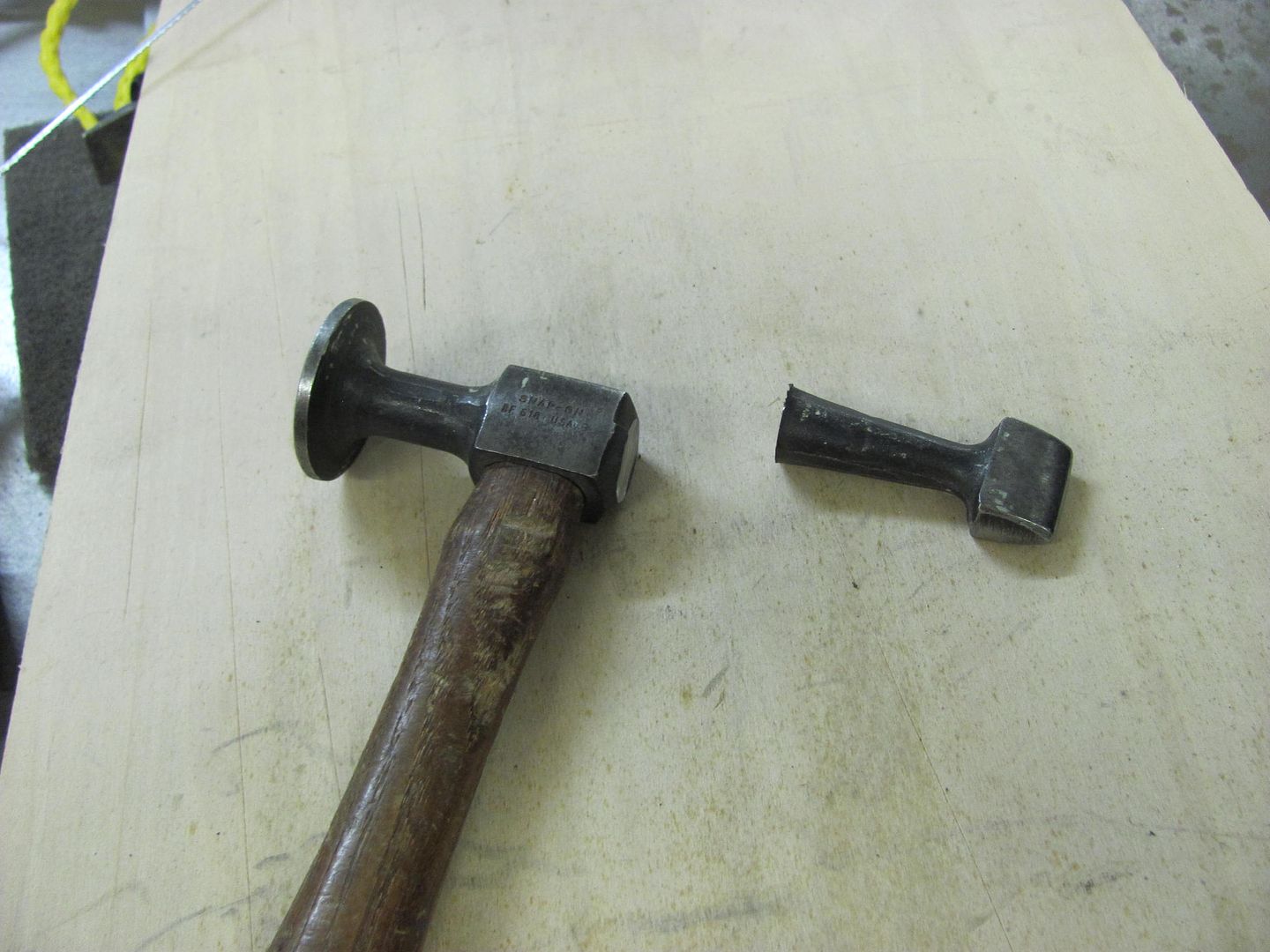
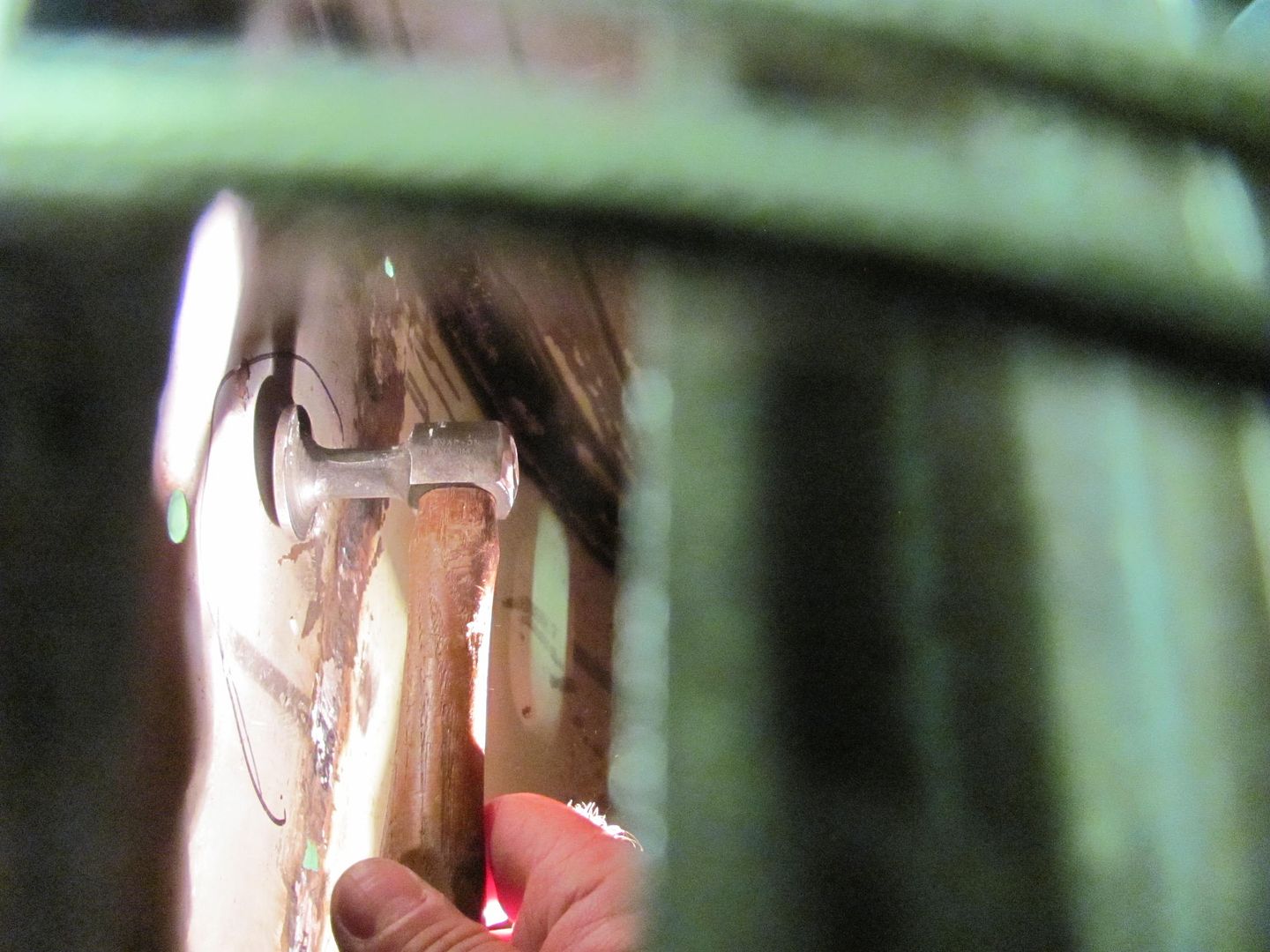
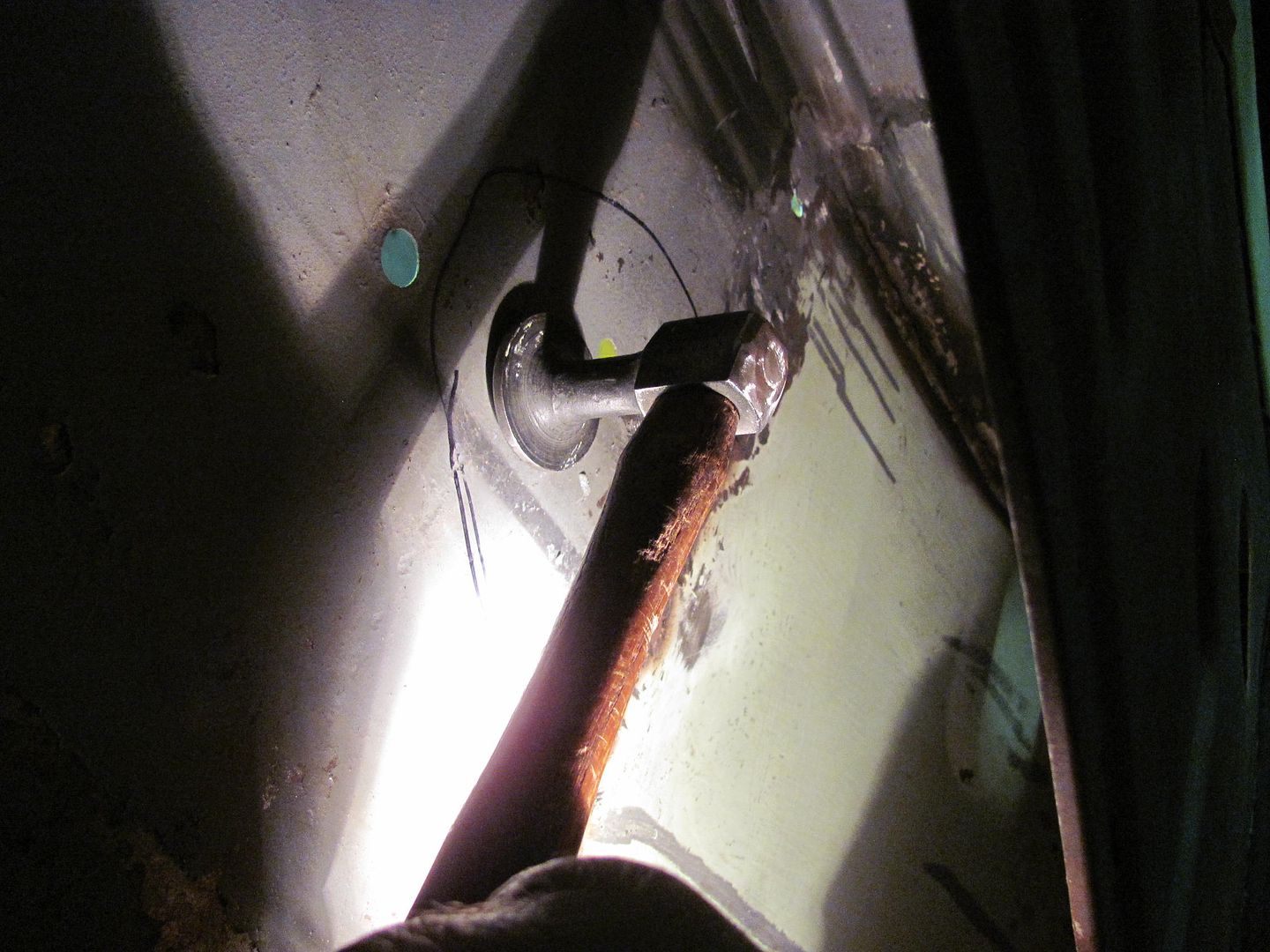
Where the wheelwell and rearward offers quite spacious accommodation for hammer work within the quarter, the window area forward of the rear wheel does not fall in the same category. So as much as it pains me, one of the Snap On body hammers was given a top chop..


Picture846.jpg


Yeah, this will do the trick...


Picture848.jpg


Picture849.jpg


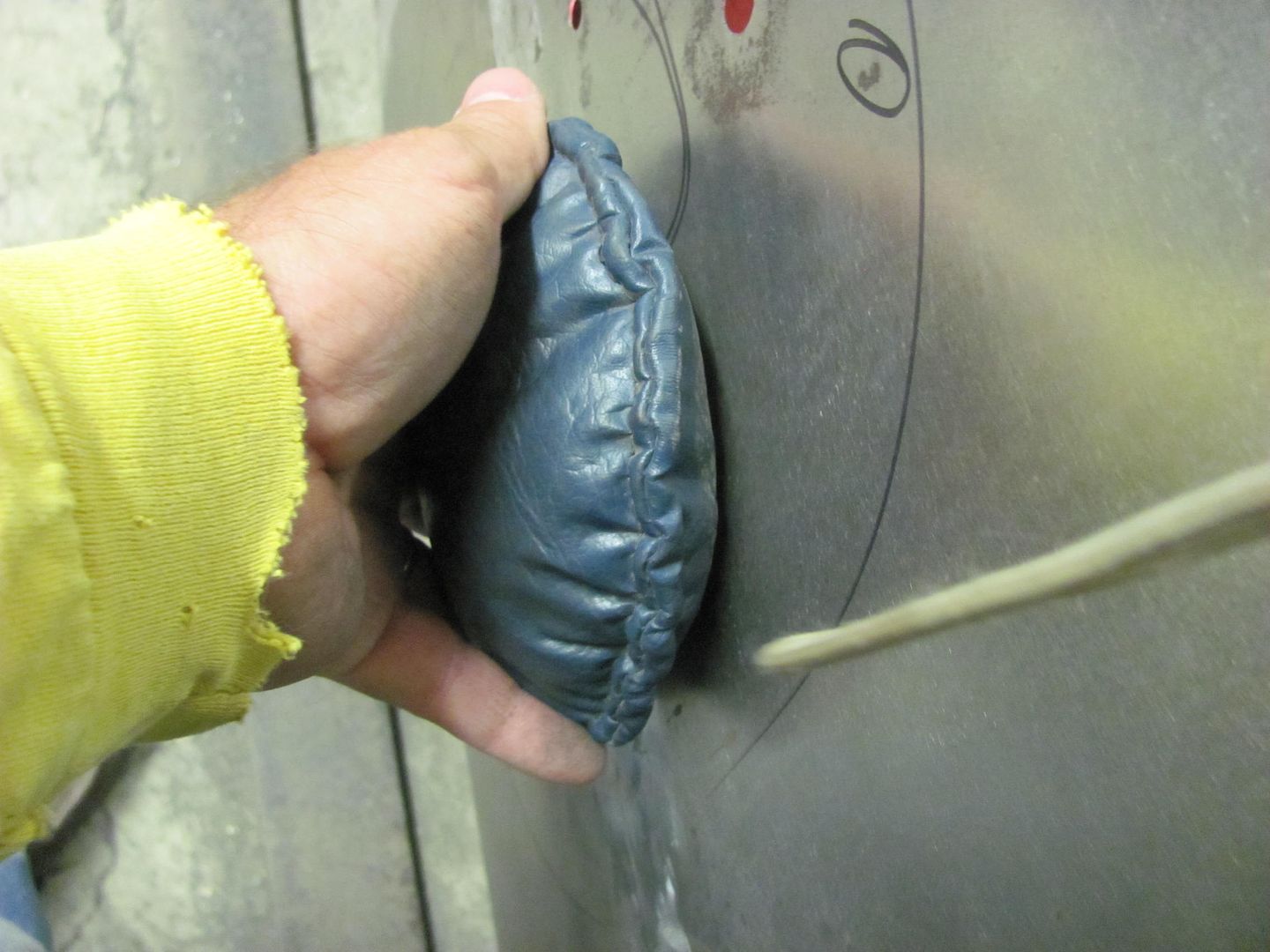
For a dolly on the outside, the small shot bag is used to promote small, controllable stretches.


Picture850.jpg


After the hammer work, placing the rule at a slight angle across the seam to use as a profile gauge, the area is much better than before.


Picture853.jpg


This should hold this spot until paint. For now, another item checked off the list...


Picture860.jpg


Picture859.jpg


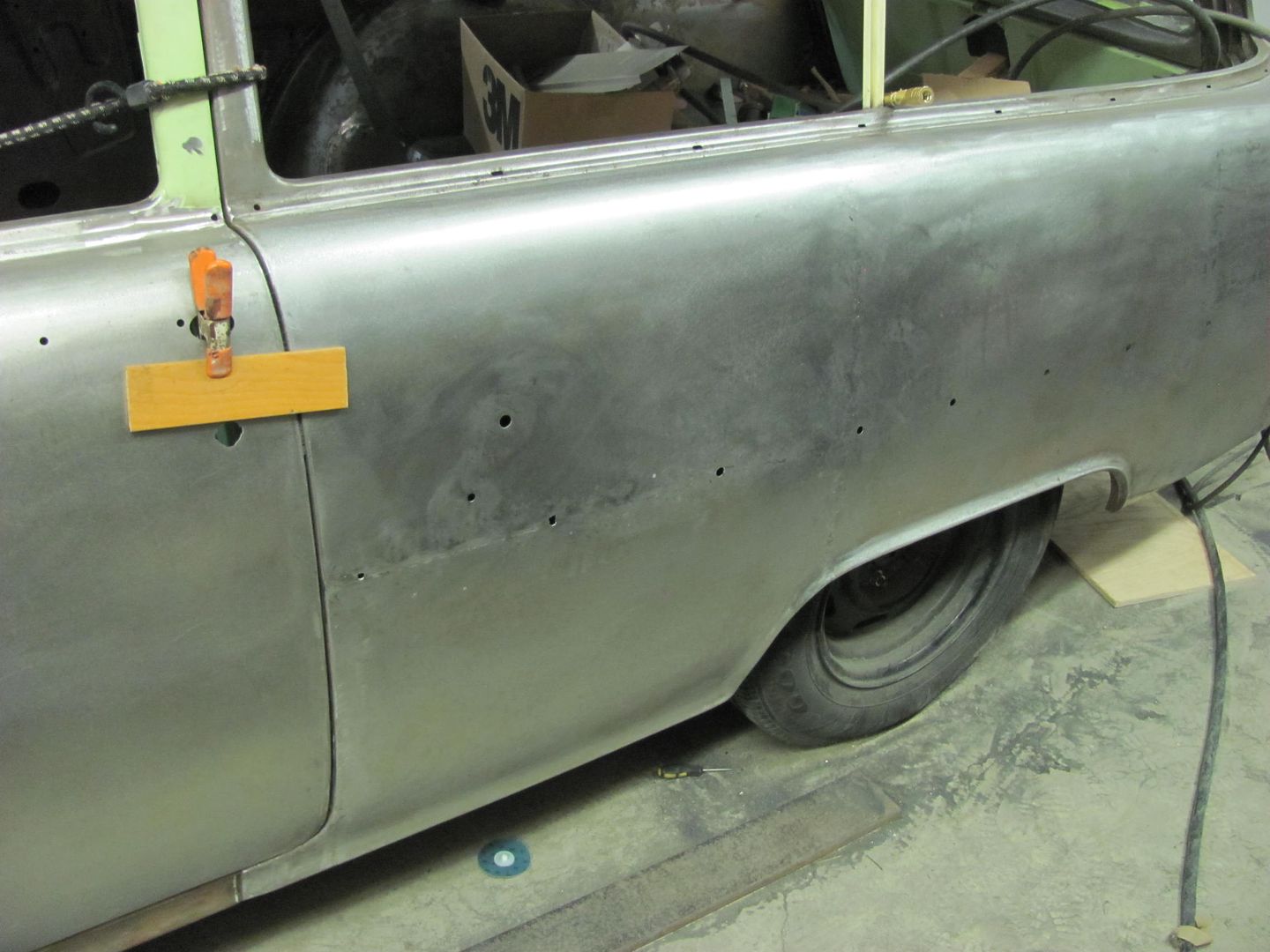
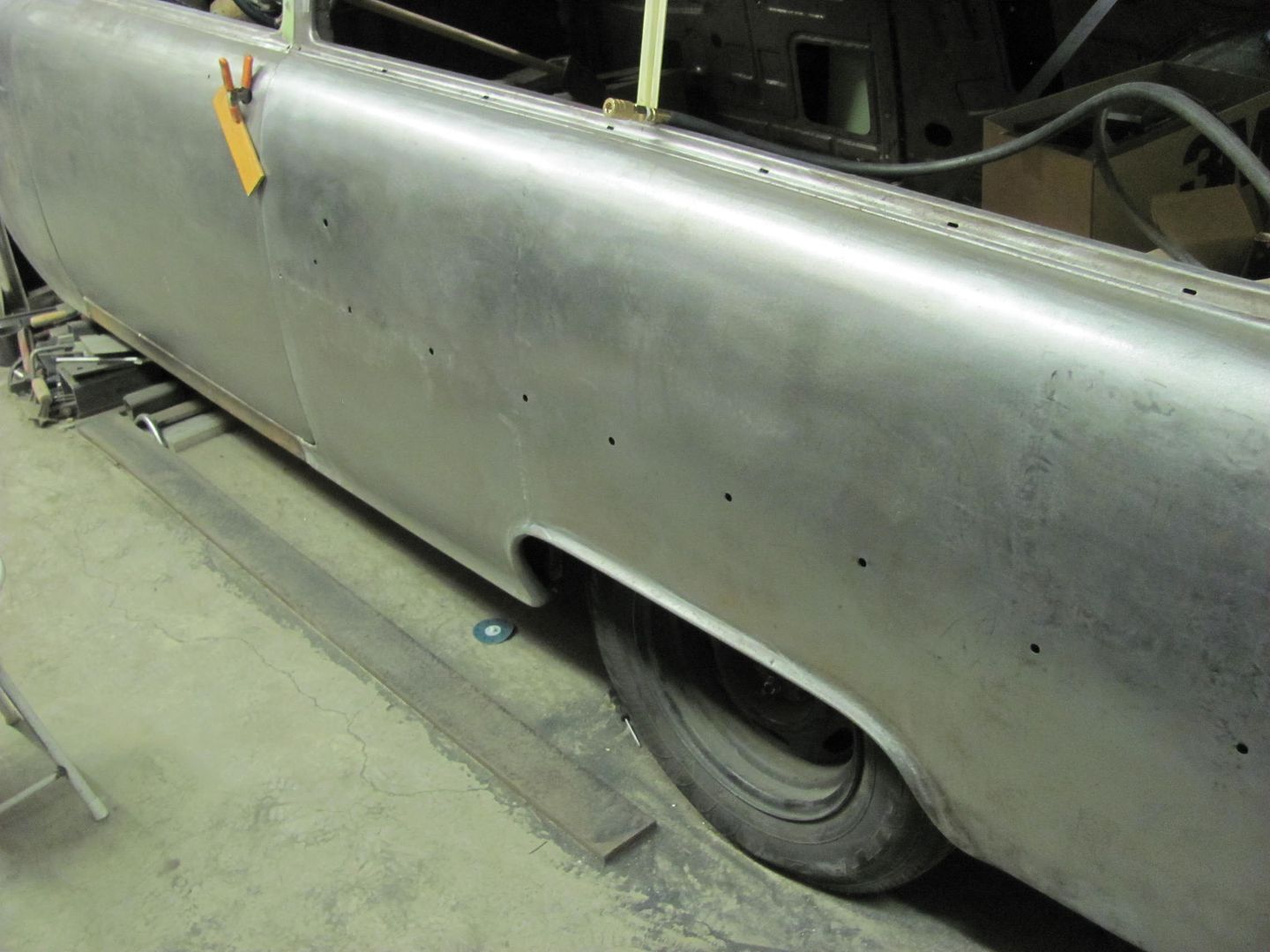
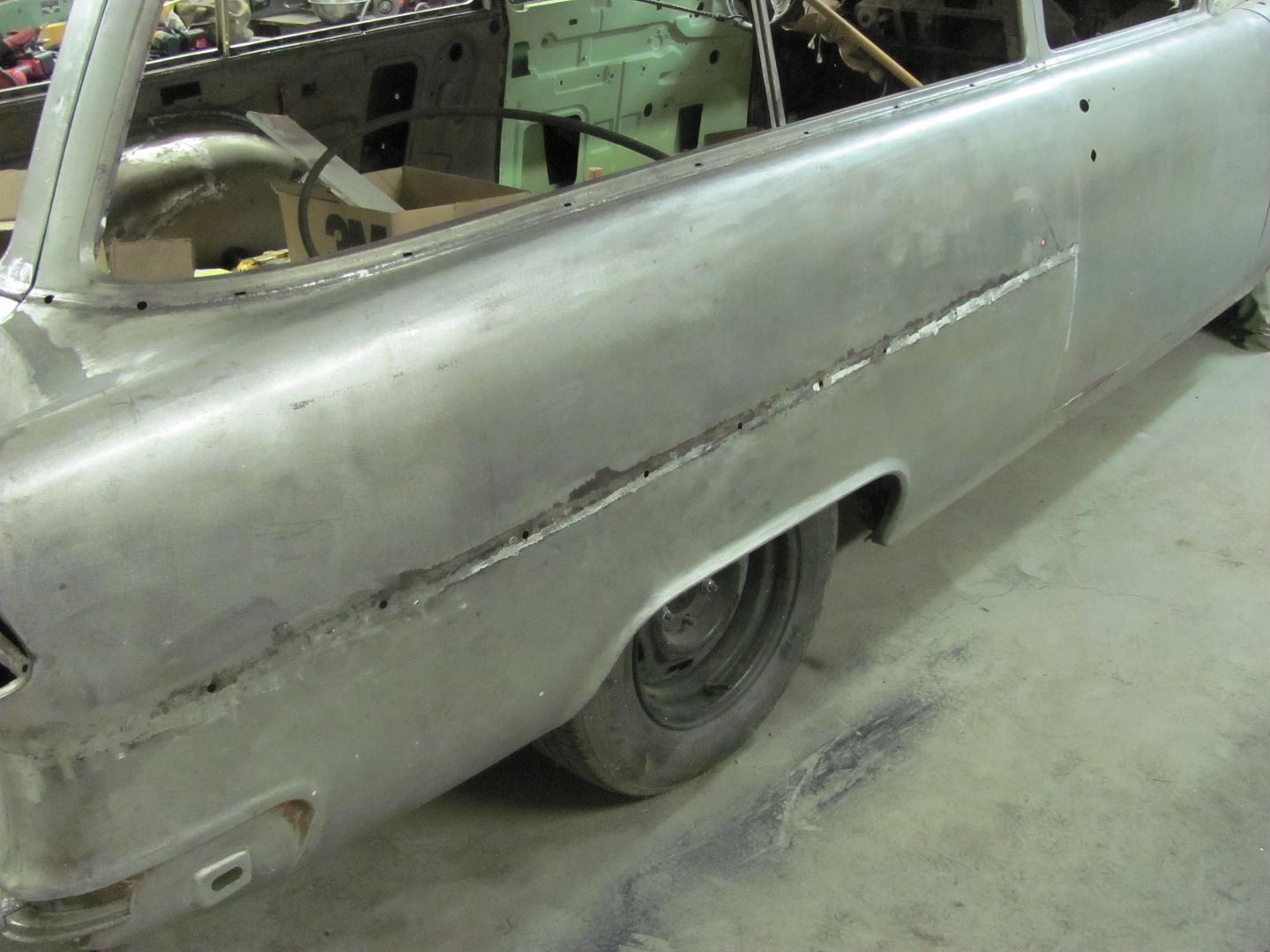
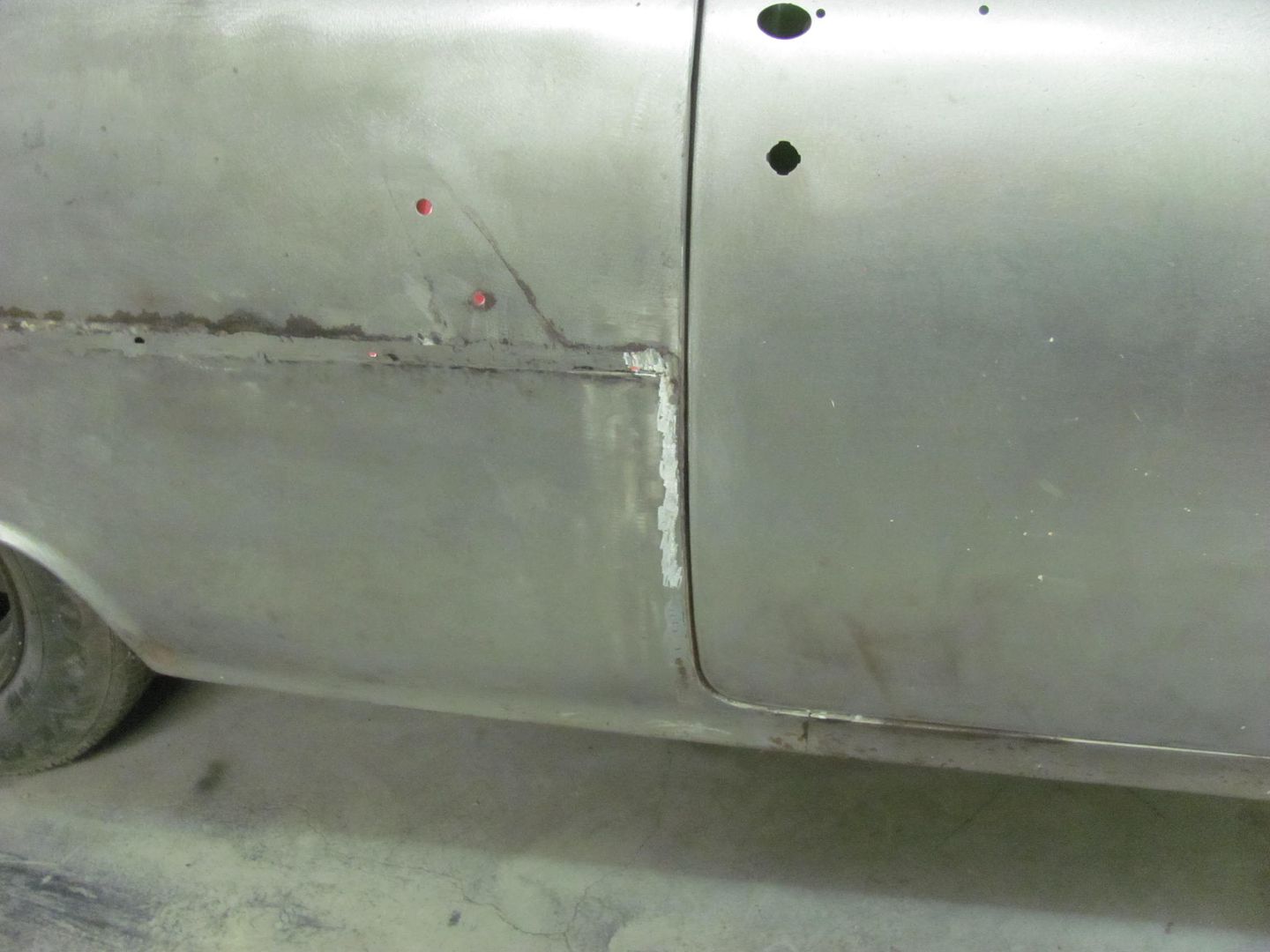
Moving to the other side, got about half of the quarter's weld seam ground flush on the outside, more to come.


Picture861.jpg
 
Last edited:
OP
M

MP&C

Well-known member
Joined
Oct 21, 2009
Messages
4,396
Location
Leonardtown, MD
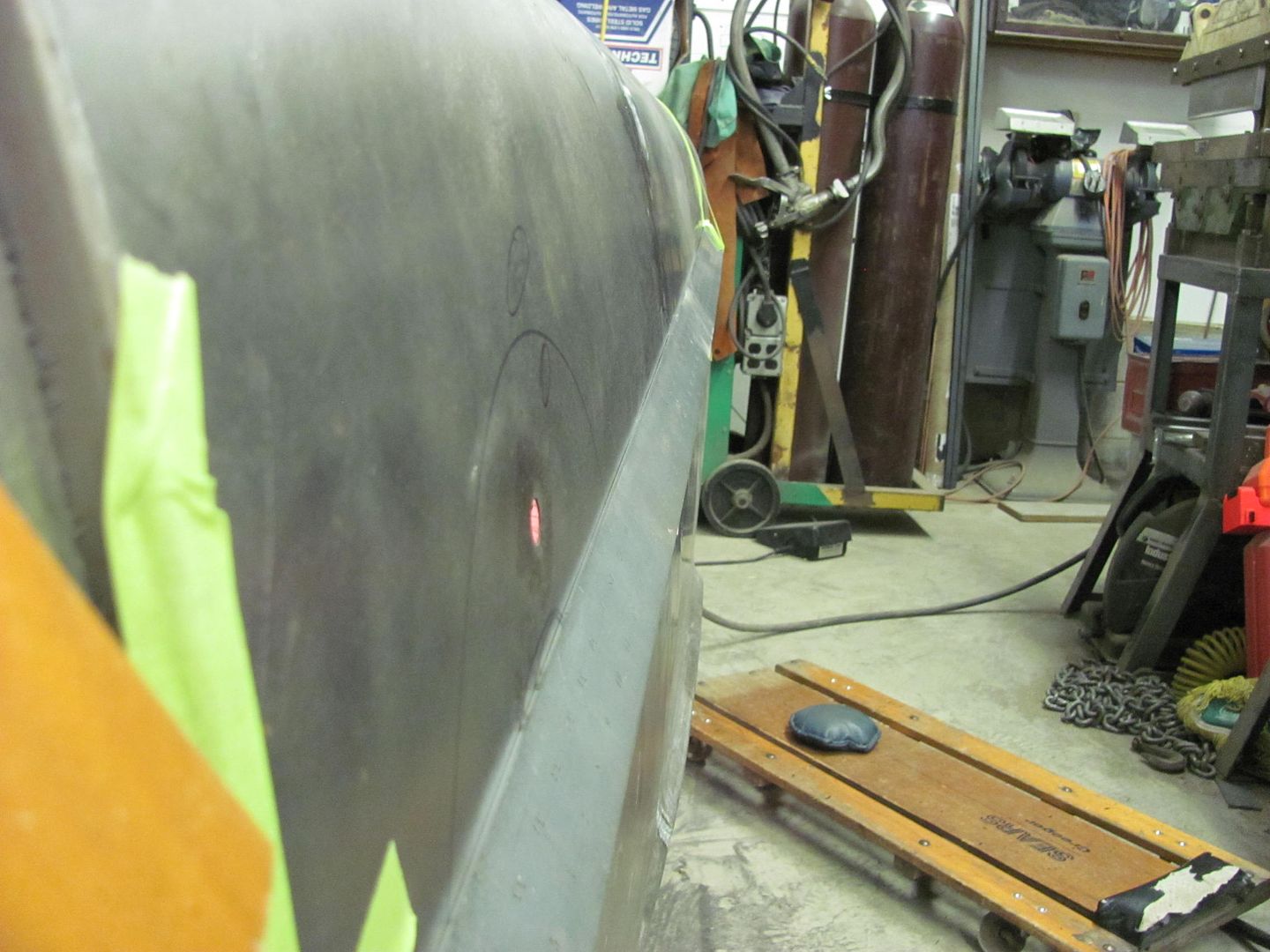
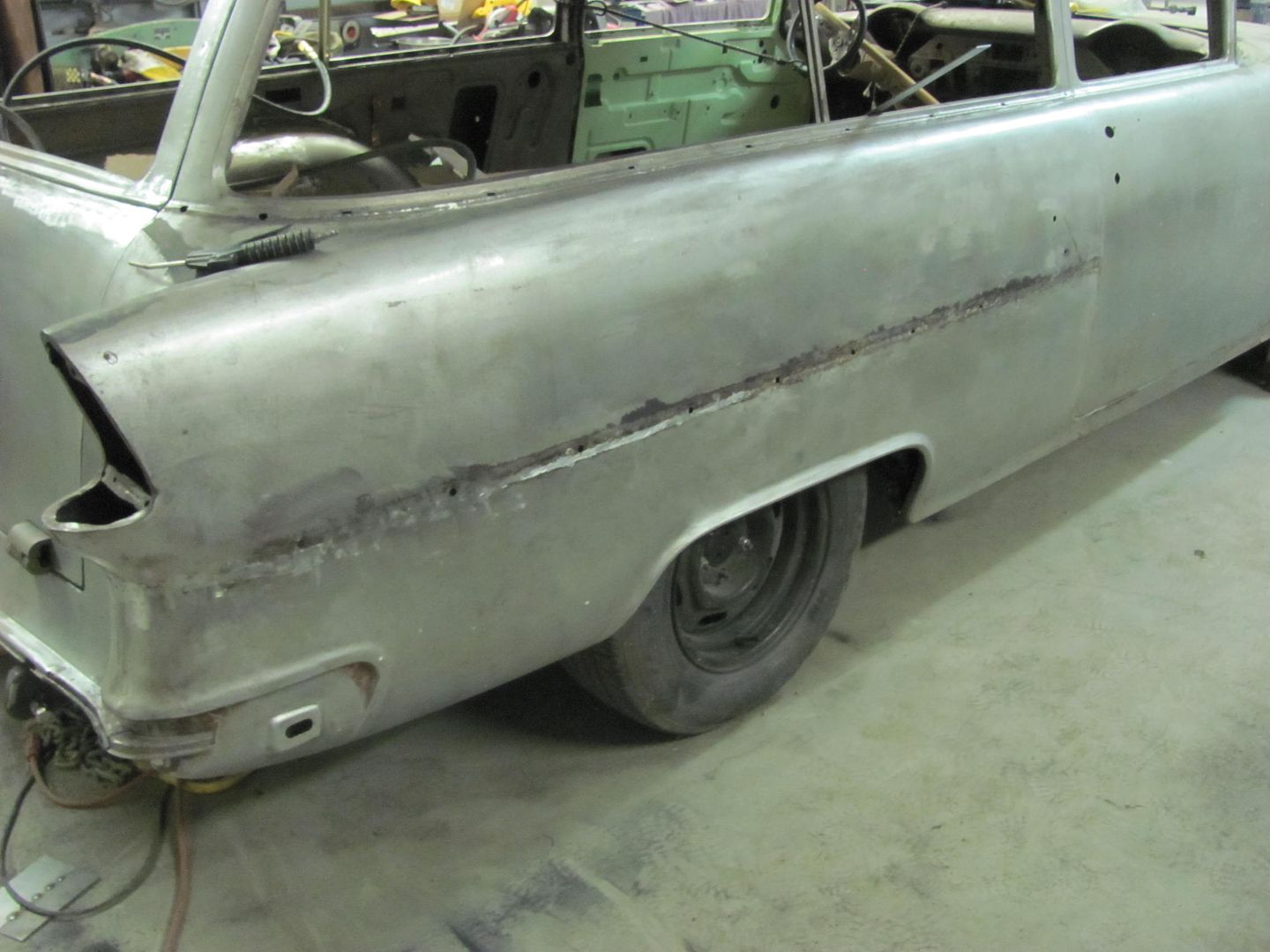
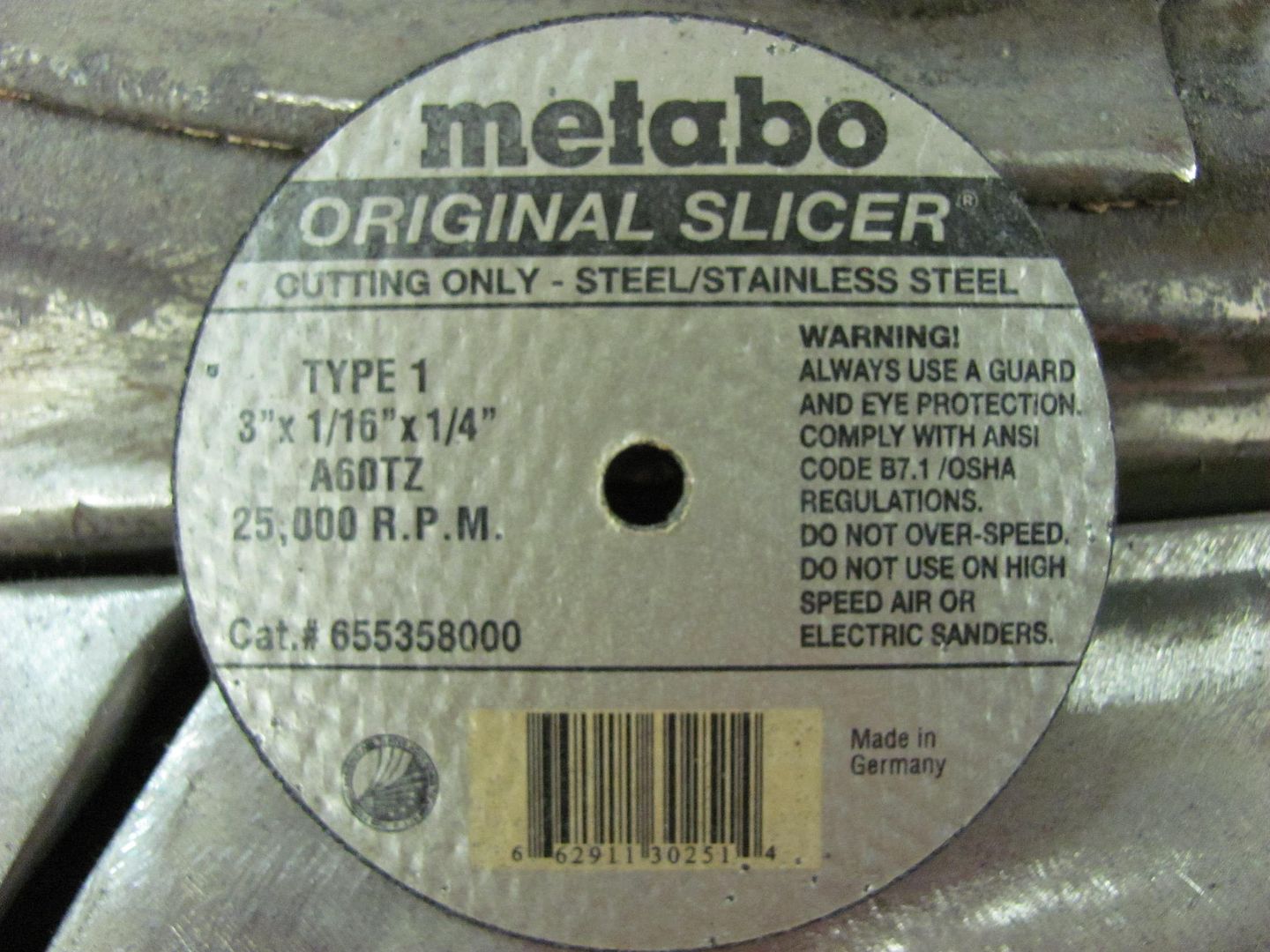
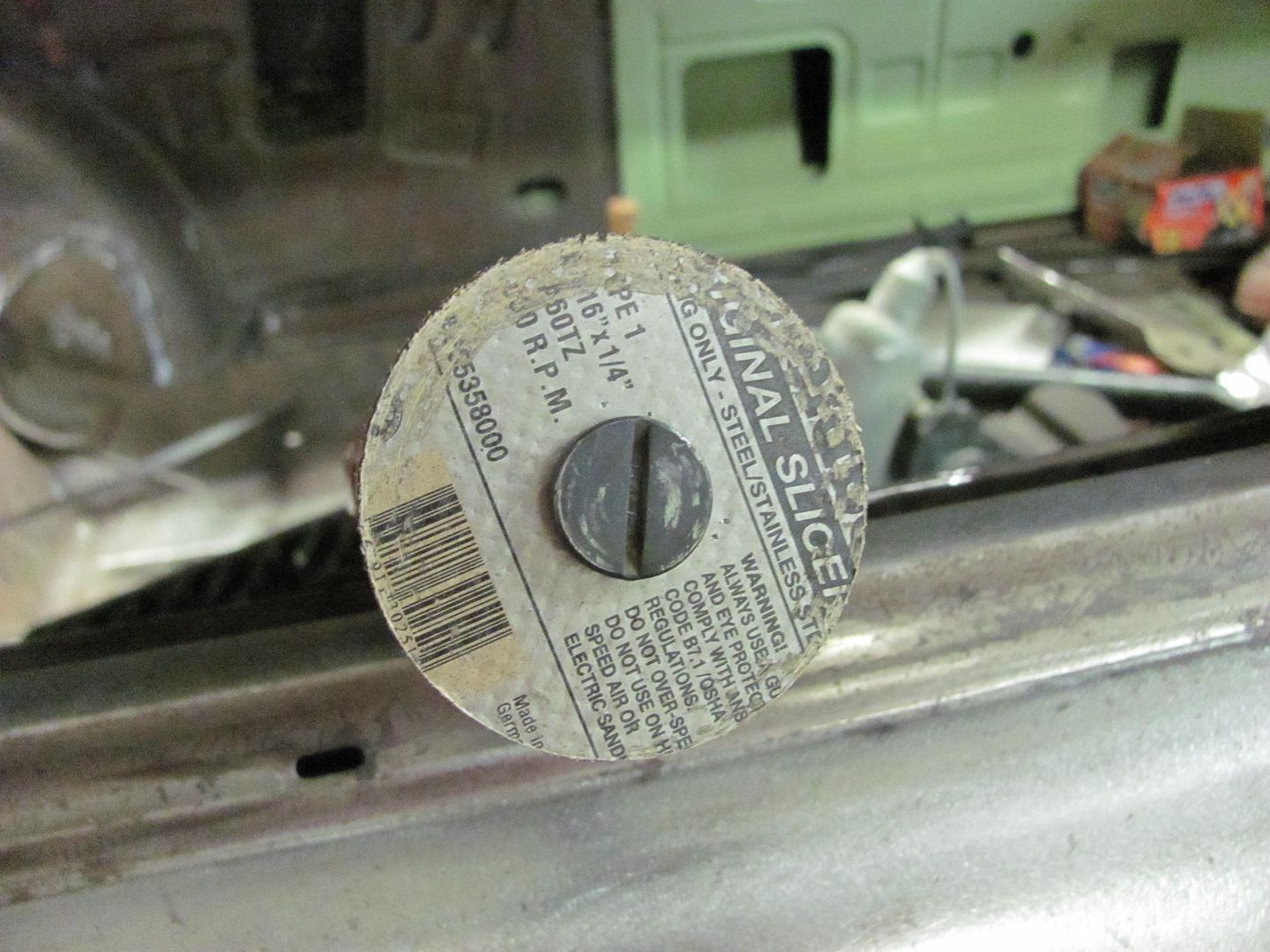
Doesn't look like much progress but got more grinding done on the quarter panel seams, a little over 6' of weld length done. Here's where the stainless rated cutoff wheels work so well. When I was using the cheap discs (the brown cloud makers) this much weld would have taken well over two discs to grind. One stainless rated disc did this amount, and diameter went from 3" to 2-1/2, so still have quite a bit left in it..


Picture940.jpg


Picture941.jpg


Picture943.jpg


new disc

Picture944.jpg


after tonight's grinding

Picture945.jpg


So despite how appealing those cheap cutoff wheels may be to those on a tight budget, cheap ain't always cheap. The stainless rated wheels are the only ones I buy anymore, money ahead.

Here's the weld grinding process...

 
Last edited:

Guster

Well-known member
Joined
Mar 11, 2012
Messages
1,543
Location
Auckland, New Zealand
Second on the Inox zip discs. Always loved the Norton ones over everything else till I tried to buy bulk and a supplier gave me a few samples including Rhodius and Pferd branded products. I've been buying the 50-100 packs of Rhodius discs at a time for the last 5 years now. Every time I get a new pack they have changed something for the better. They last 3-4 times longer than Norton which was great compared to everything else you could get retail and haven't had any disintegrate on me either.

You can imagine my shock when I was struggling helping my dad using some budget discs and have one explode in my face simply by turning the grinder on. It's replacement didn't even last the cut(brown cloud indeed) hence why my dad always thought using grinders for cutting was wasteful compared to hacksaws. I gifted him some discs and he's never looked back.

Best part is I'm still saving 50% on the cost of what I used to buy just on the cost of discs alone before you take longevity and safety into account. My supplier is always shocked when I turn down his discount saying that I am already saving by buying from him and would hate it if he ever closed down. As a result he always asks what I'm using and always offers me new samples to try.
 
Last edited:
OP
M

MP&C

Well-known member
Joined
Oct 21, 2009
Messages
4,396
Location
Leonardtown, MD
Thanks for the feedback on your findings. Good to hear others are shying away from the brown cloud makers.


My nephew recently bought a used Honda Shadow, and had asked me what to get for saddle bags. I had some that I kept when I sold my Softail Custom, so we made some brackets this evening to bolt the bags up, it was time to get some of the dust blown off anyhow. :lol:


IMG_20140619_211246_129.jpg


IMG_20140619_211300_362.jpg


IMG_20140619_211323_884.jpg


IMG_20140619_211309_494.jpg


IMG_20140619_211316_333.jpg
 

-Eli-

New member
Joined
Jun 25, 2014
Messages
2
Hey Robert, just finished reading through all the posts and had to sign up to the forum so i could say a huge thank you for the wealth of information you have shared with us.

I have a quick question, after you've finished welding the patch in and have sanded down the seam, what do you do if there a few pinholes or pits? do you just go back and place a tack and then grind it back down?

Thanks again
 
OP
M

MP&C

Well-known member
Joined
Oct 21, 2009
Messages
4,396
Location
Leonardtown, MD
I prefer to go back and weld any pin hole and dress the panel smooth again. A strong light from the back side will help to highlight any pin hole..
 
Last edited:
To avoid these ads, REGISTER NOW!
Top Bottom