Kirk, thanks for the kind words... I don't always post pictures of my scrap pile, but consider it to be my learning curve. Trying something and then modifying the approach to get the results needed. Probably the best example of this was the cowl repair we did on the wagon. Our first approach was to use the bead roller even though I knew it needed to be done on the Lennox. I guess I needed that first approach to see how the metal would respond. Even after we made some dies for the Lennox, we had to modify them as well to dial in the shape needed:
So whenever I see a scrap pile such as shown above, in my mind someone is learning. I try to show that scenario whenever I can to help instill in people that even though you may not get something "acceptable" the first time, use those challenges to fine tune your approach so you are in a constant mode of self-improvement. Thanks again for the feedback!
MP&C said:As we found with some of the practice pieces, when you try to shove metal too much into a hole it tends to pull in from the edges, which distorts what you started with.
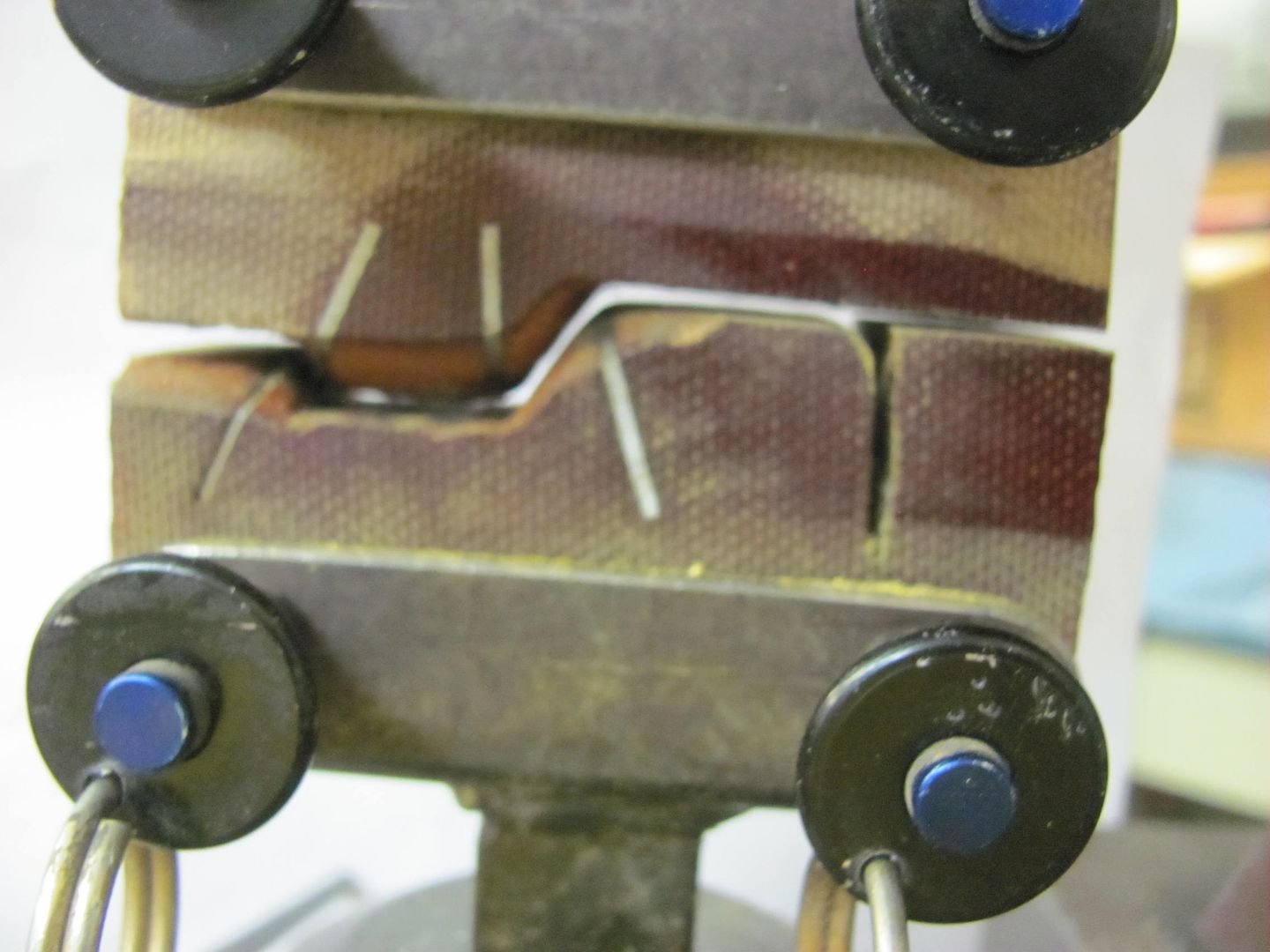
So to fix that we'll make up a new bottom die to form the ramp fold fully, then change back to the above die to form the step..
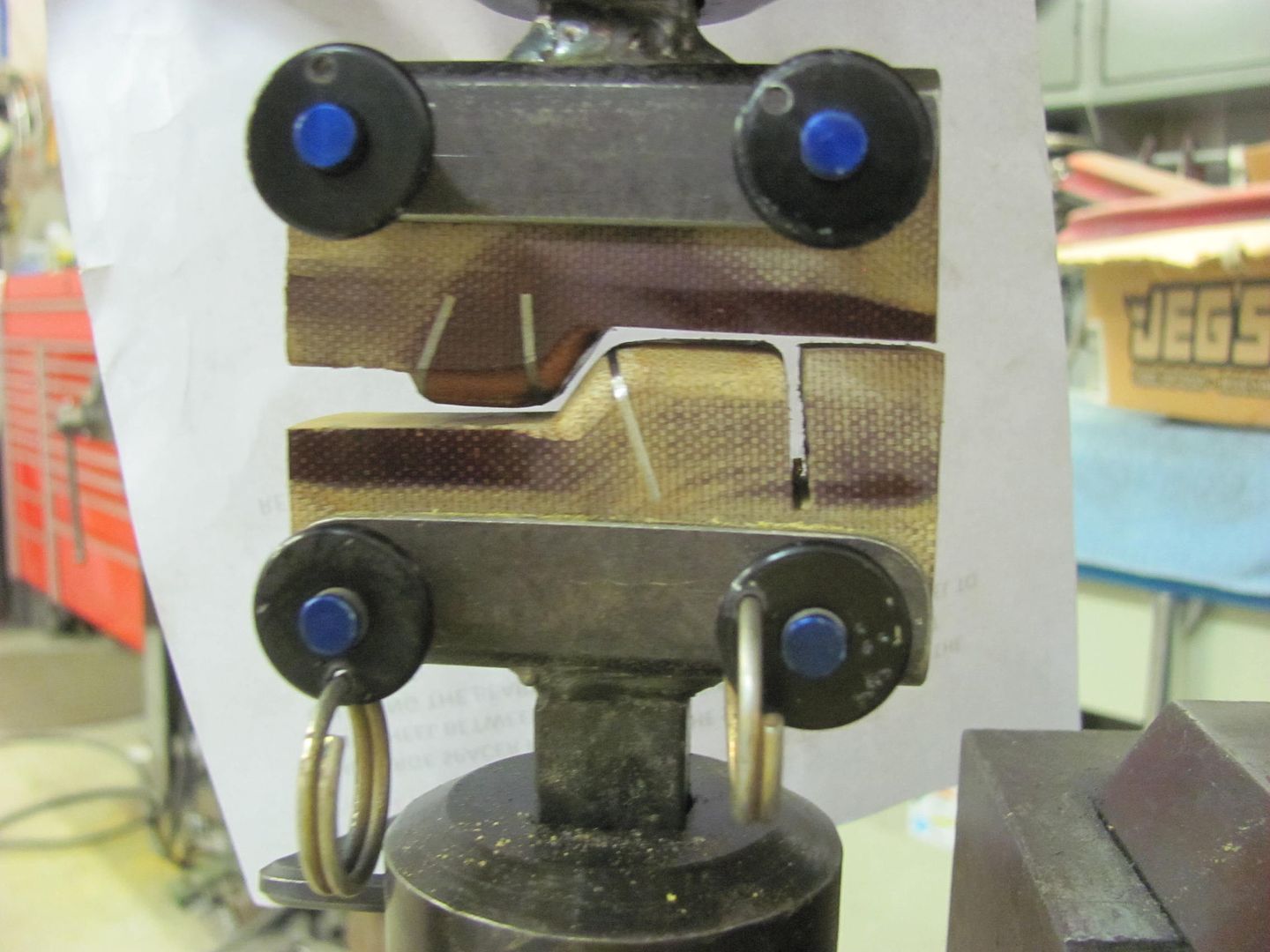
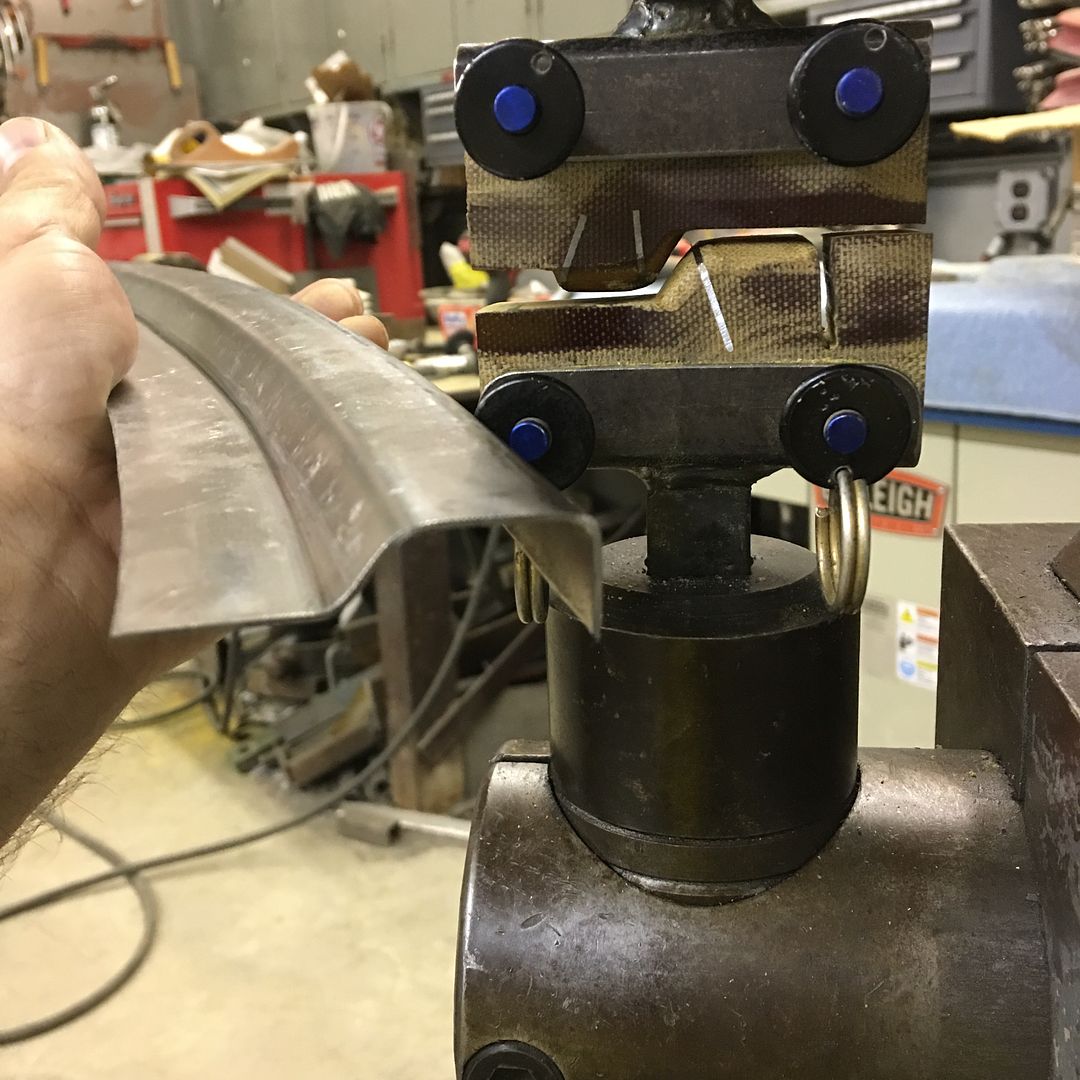
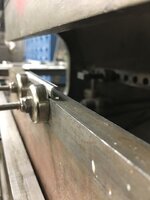
The down side to using phenolic is that it gives a bit where it doesn't make sharp creases well or short reverse folds either. The initial practice pieces wouldn't fold the step down flat, so a wrap of steel was added to the top die to better persuade the step flat...
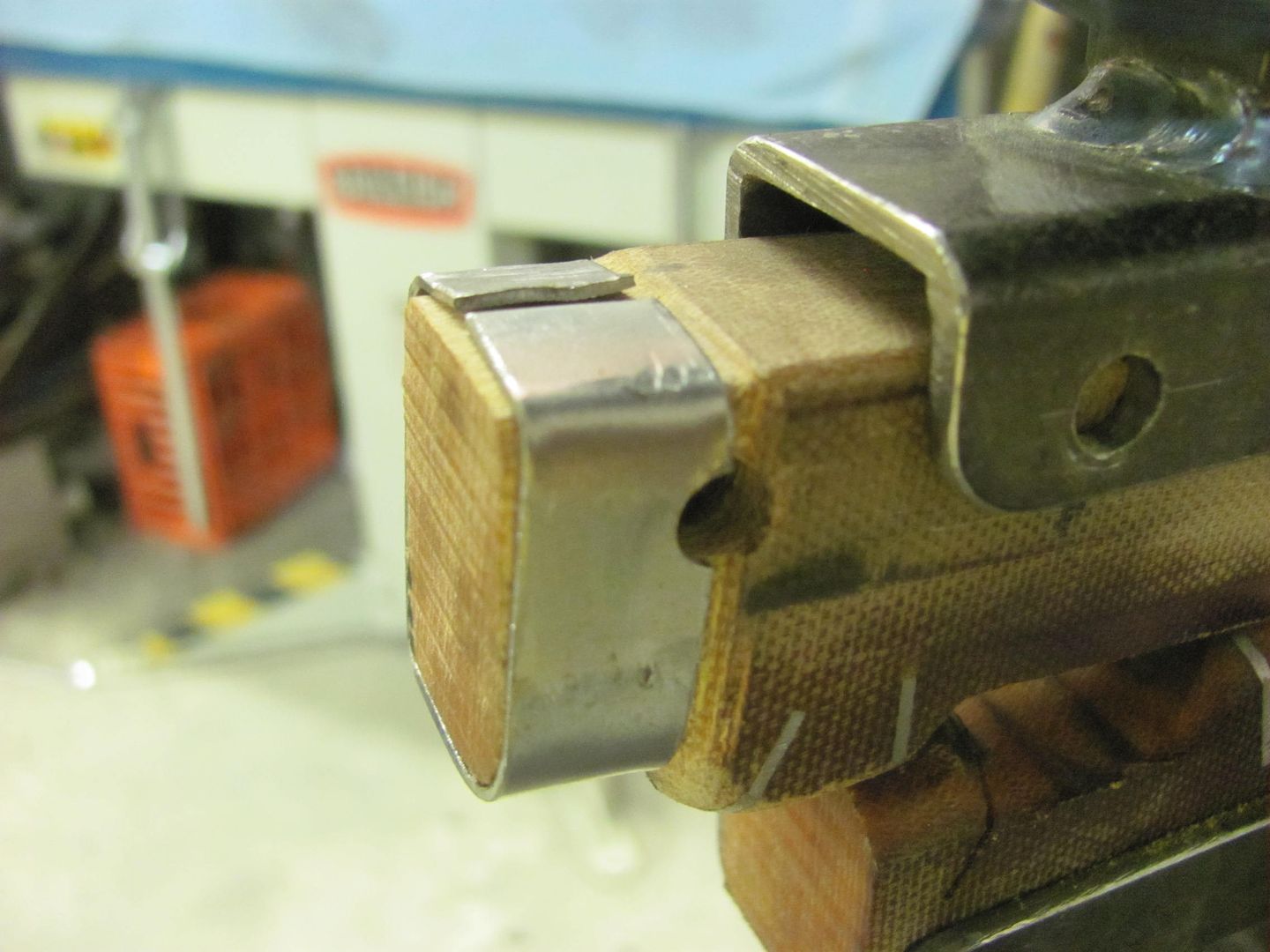
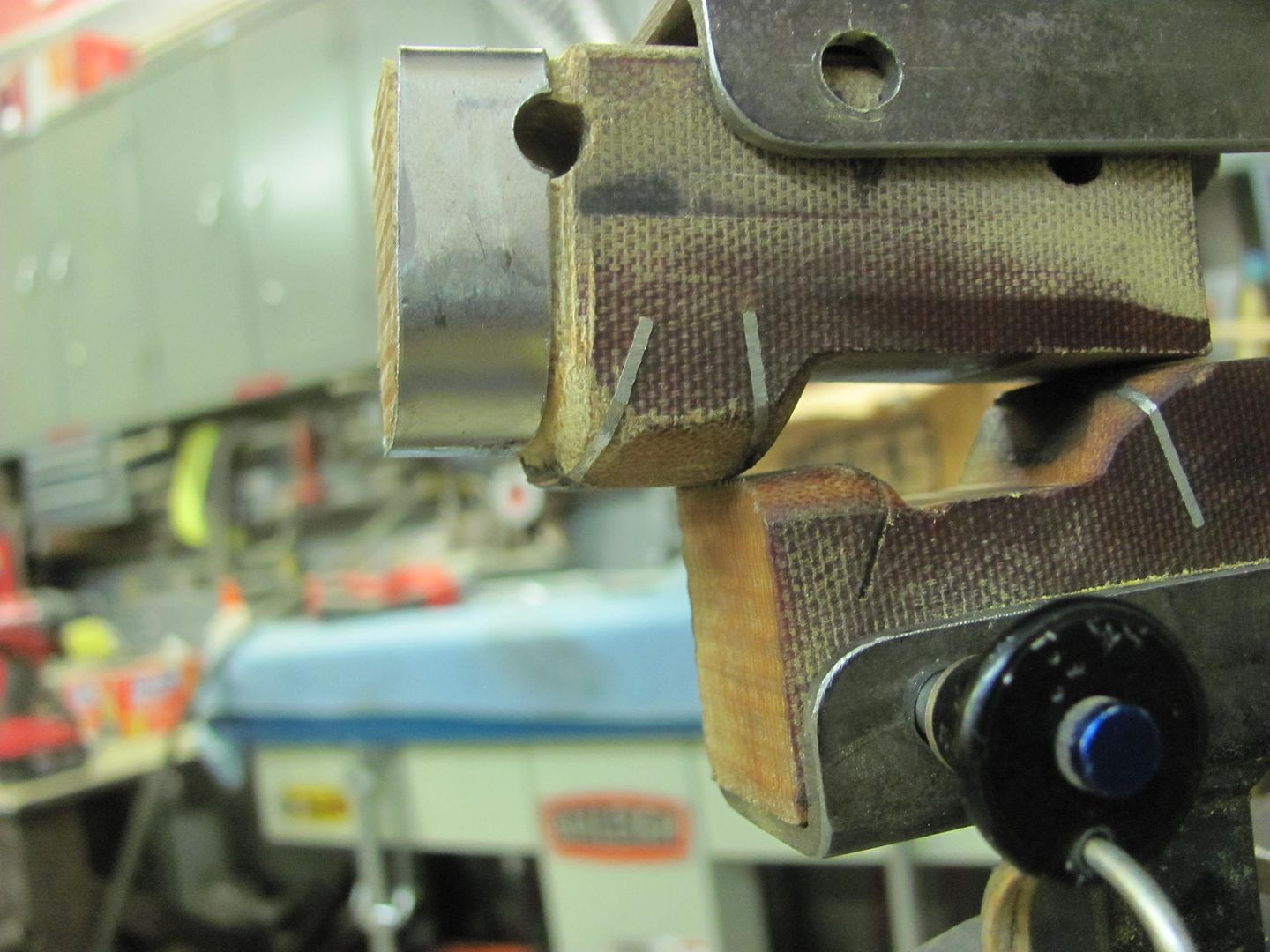
The upper die holder helps keep the wrapped steel in place.
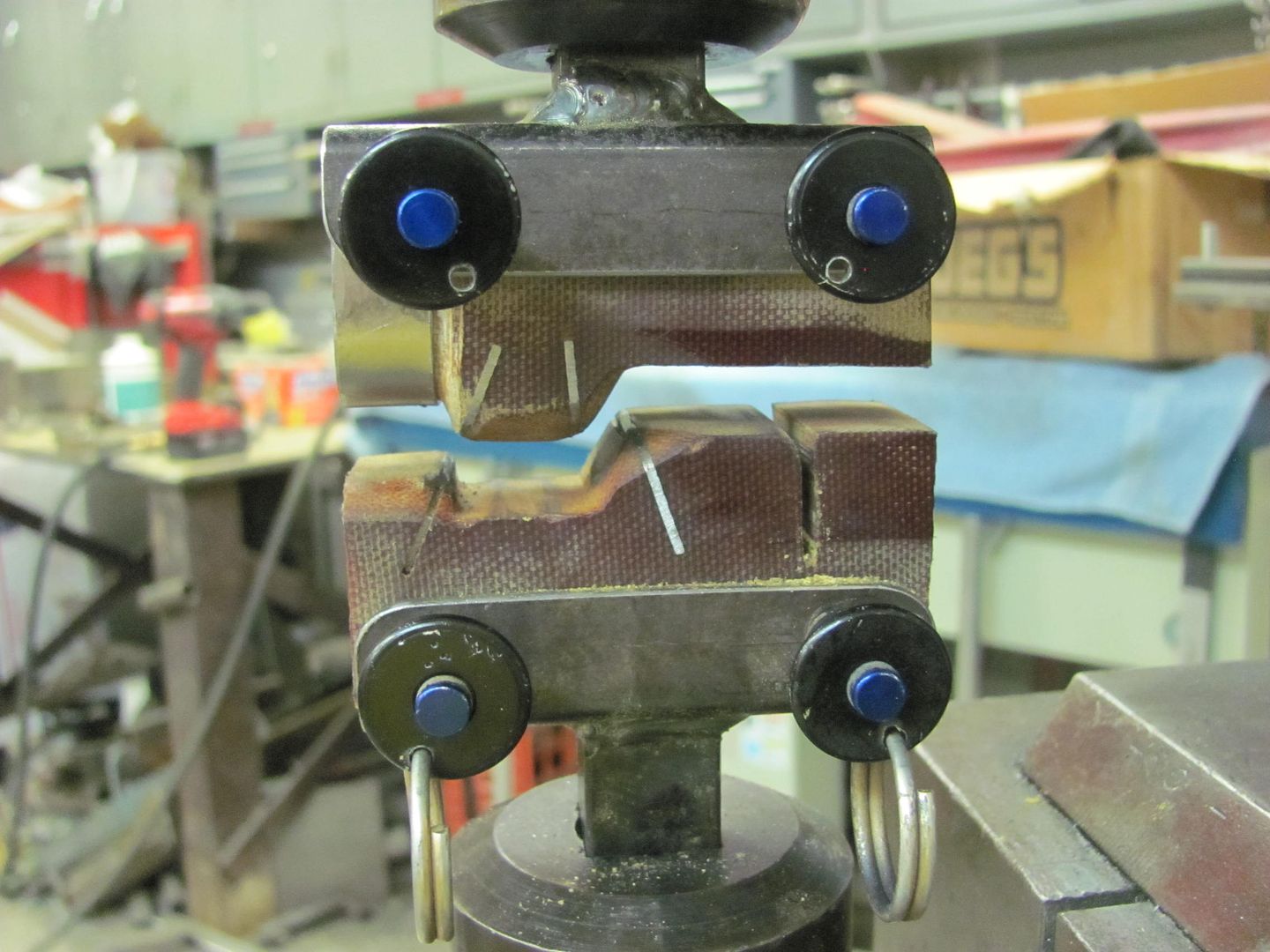
That did the trick, step is laying down nice and flat..
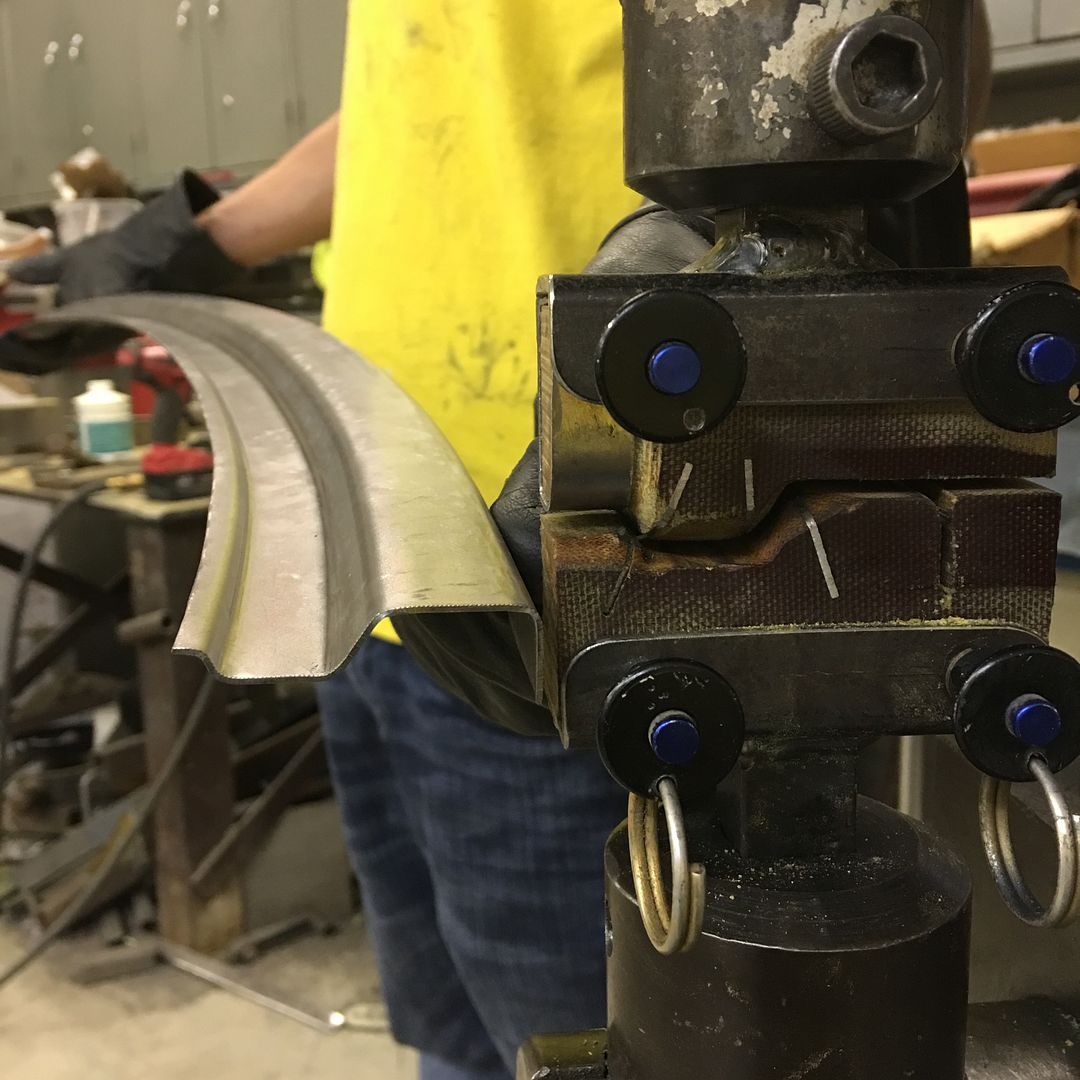
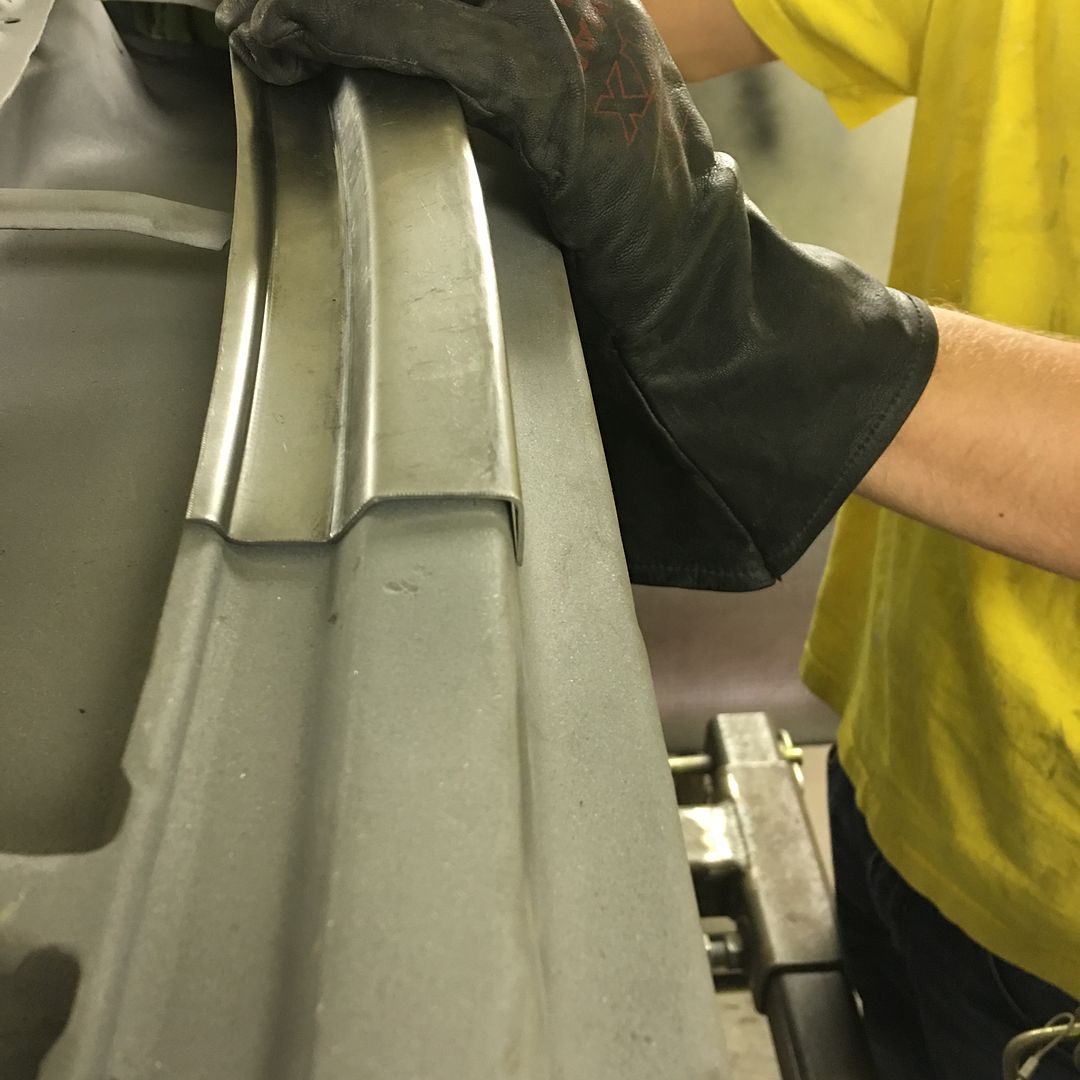
The front flange hangs over just a bit too much, some hammer action will bring it back in place. Real pleased with how well this turned out..
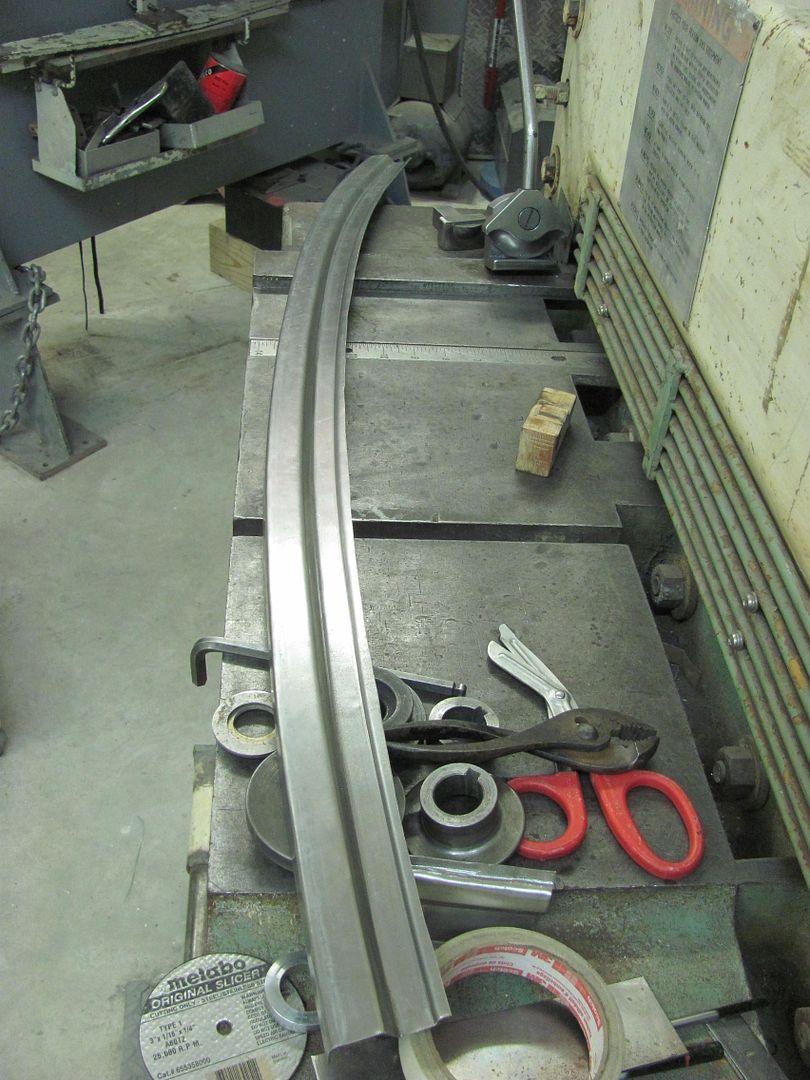
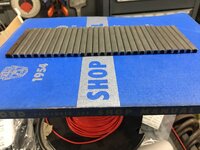
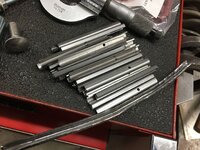
Some of the practice scraps..
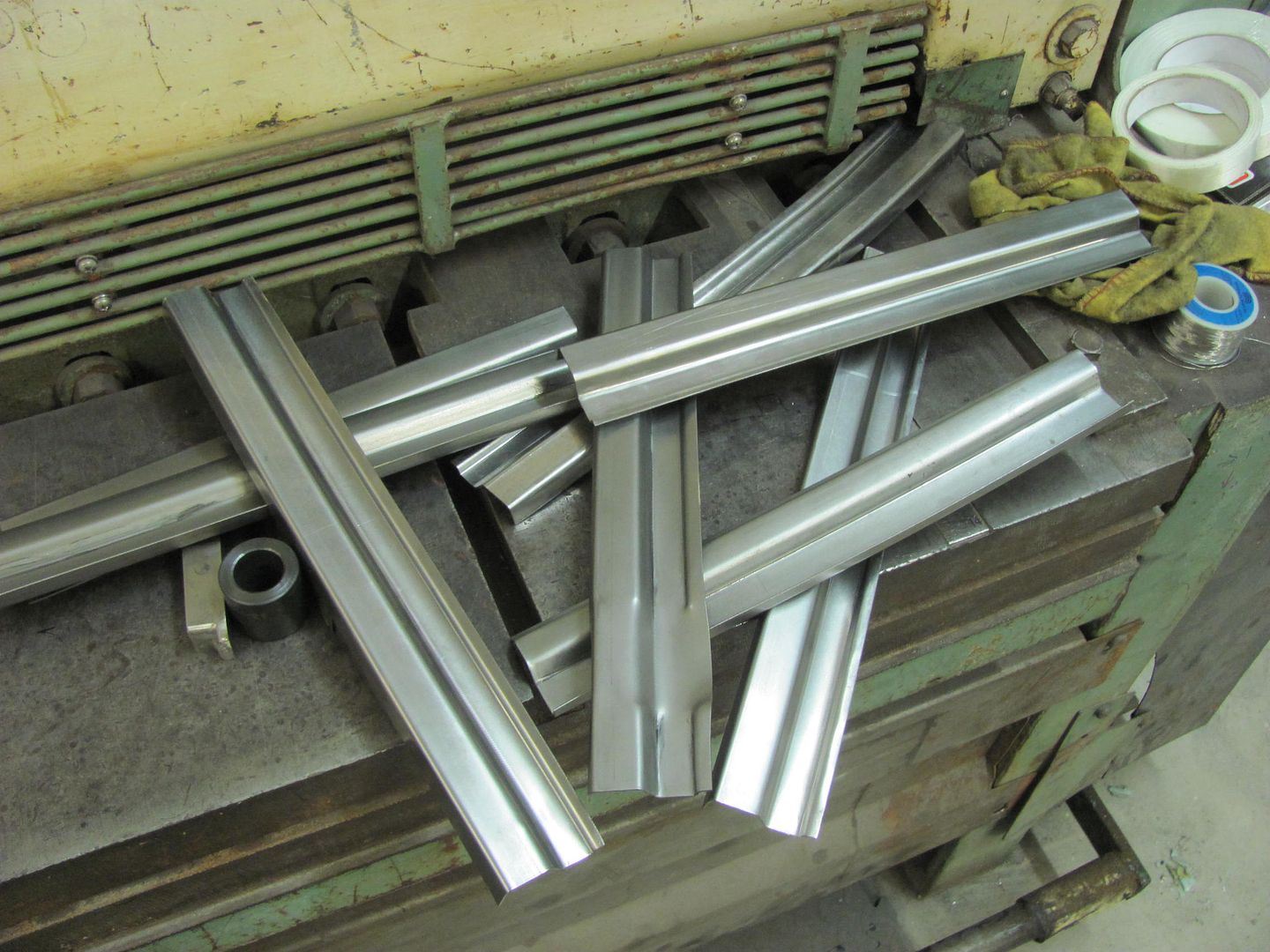
So whenever I see a scrap pile such as shown above, in my mind someone is learning. I try to show that scenario whenever I can to help instill in people that even though you may not get something "acceptable" the first time, use those challenges to fine tune your approach so you are in a constant mode of self-improvement. Thanks again for the feedback!



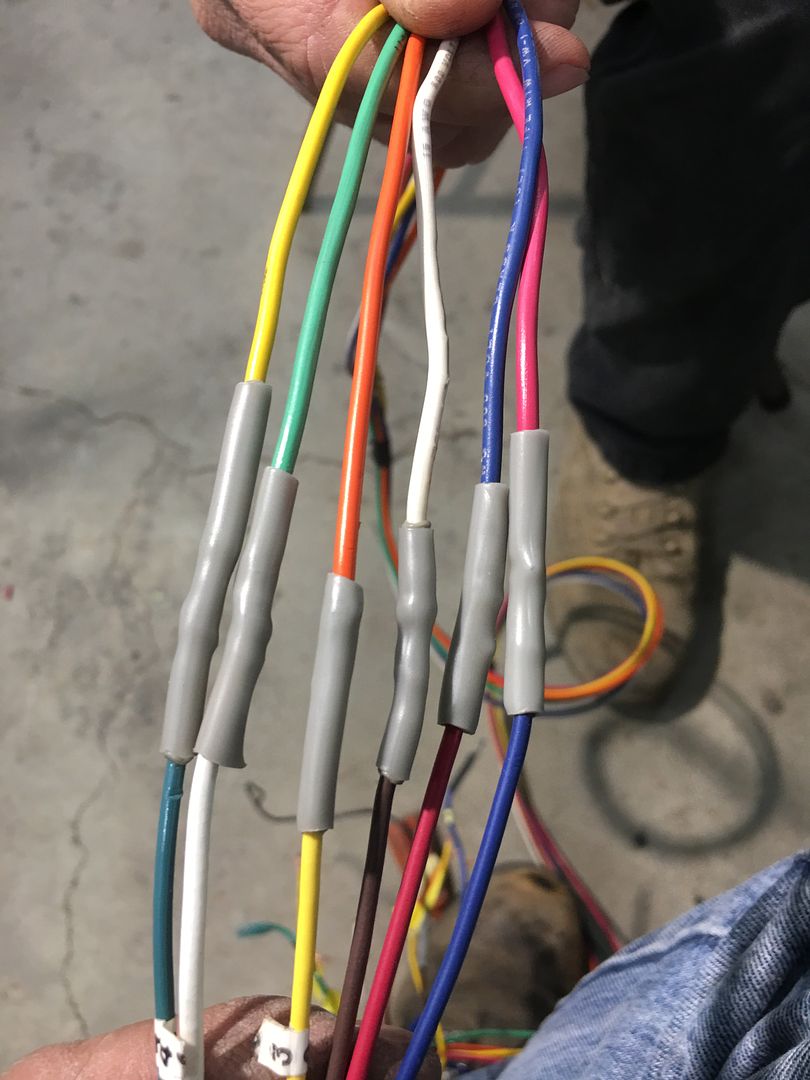
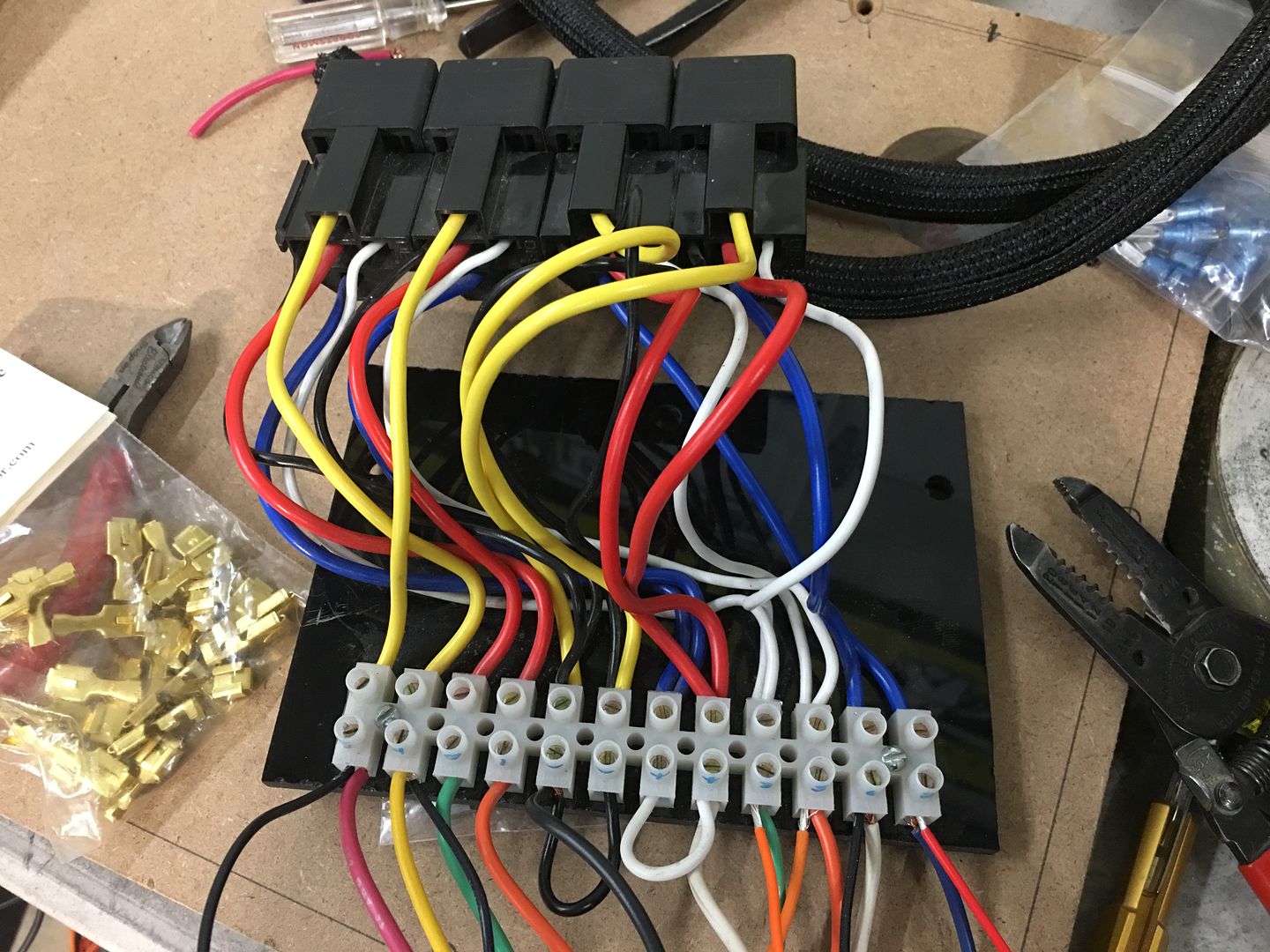
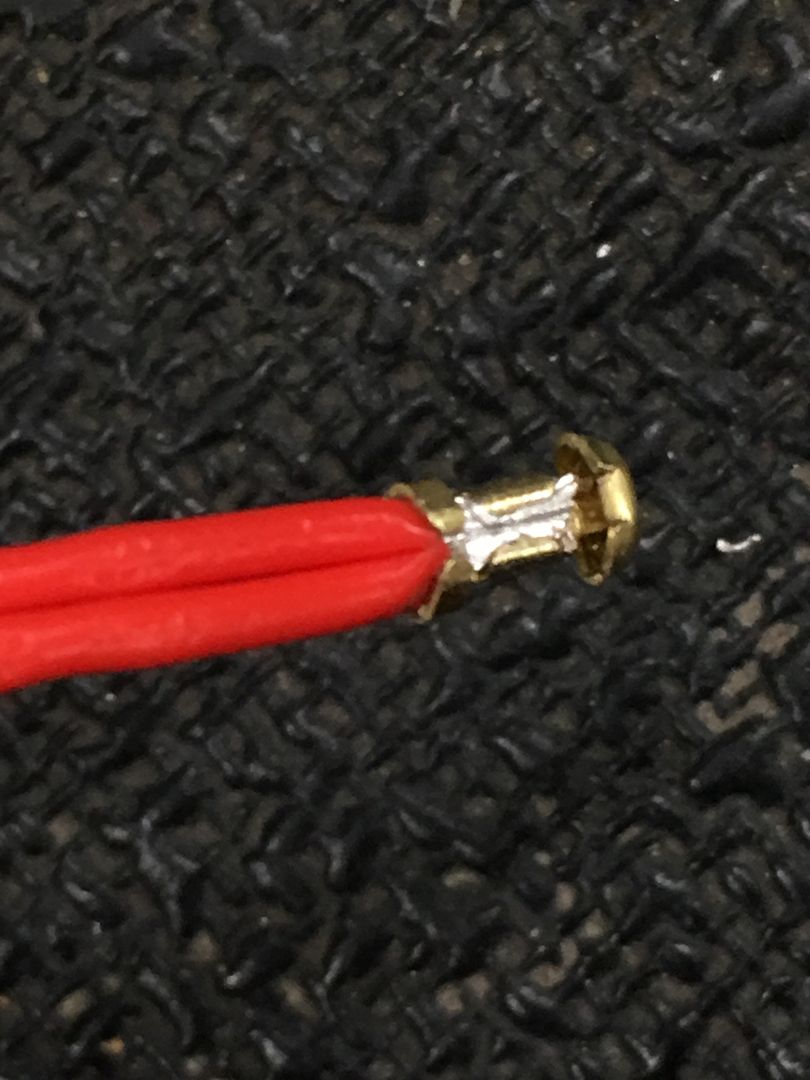
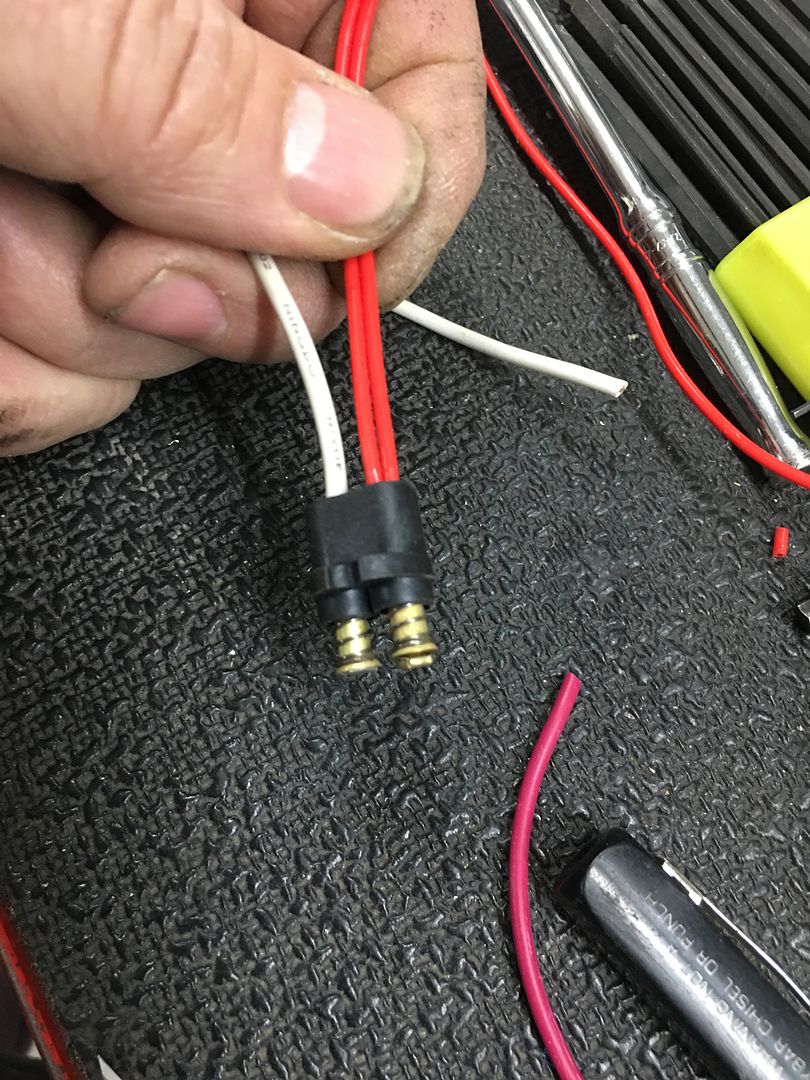
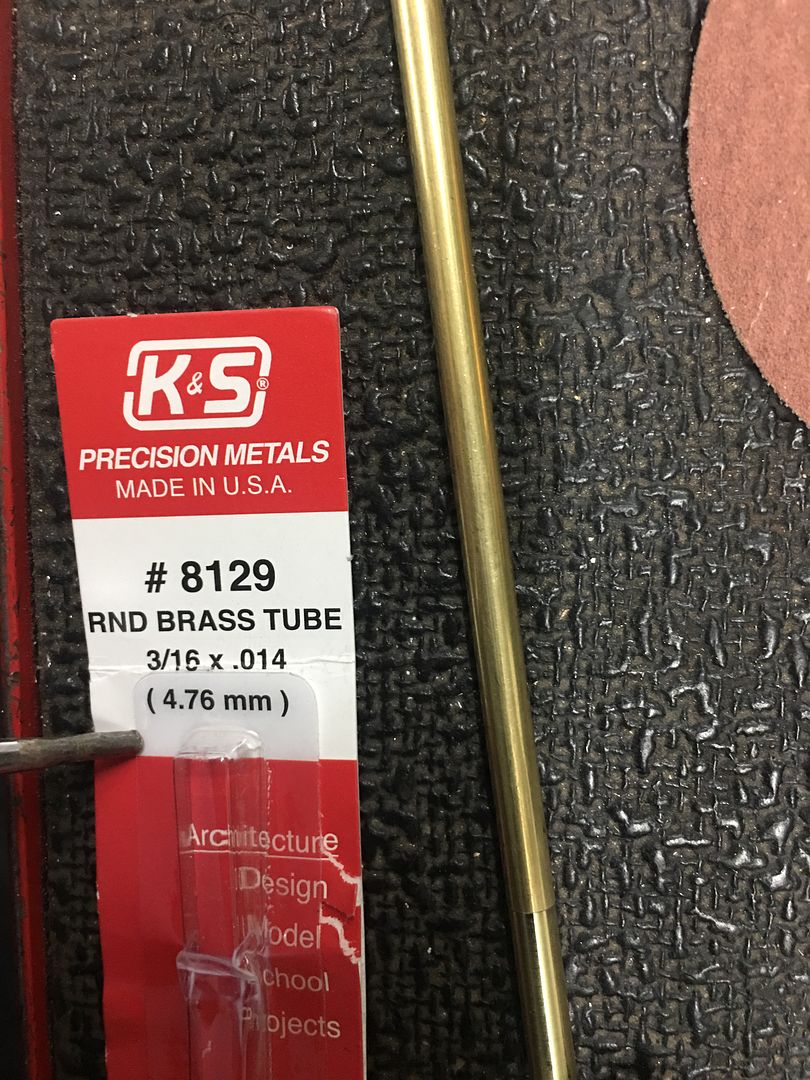
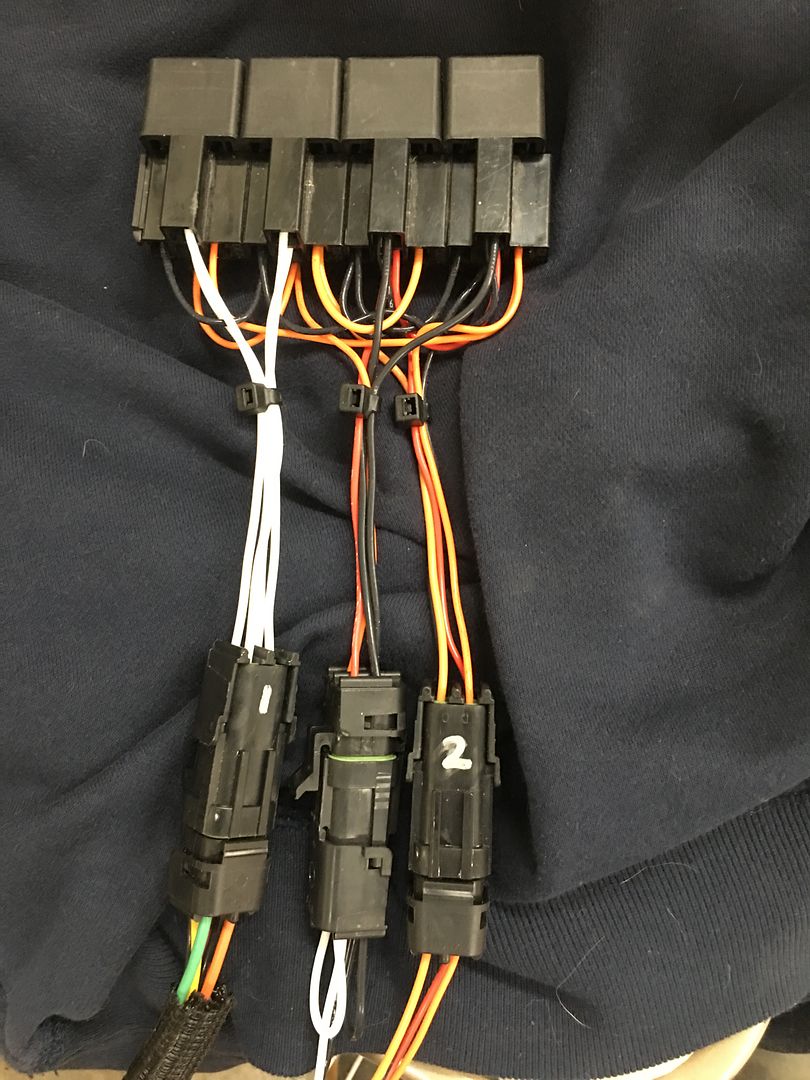
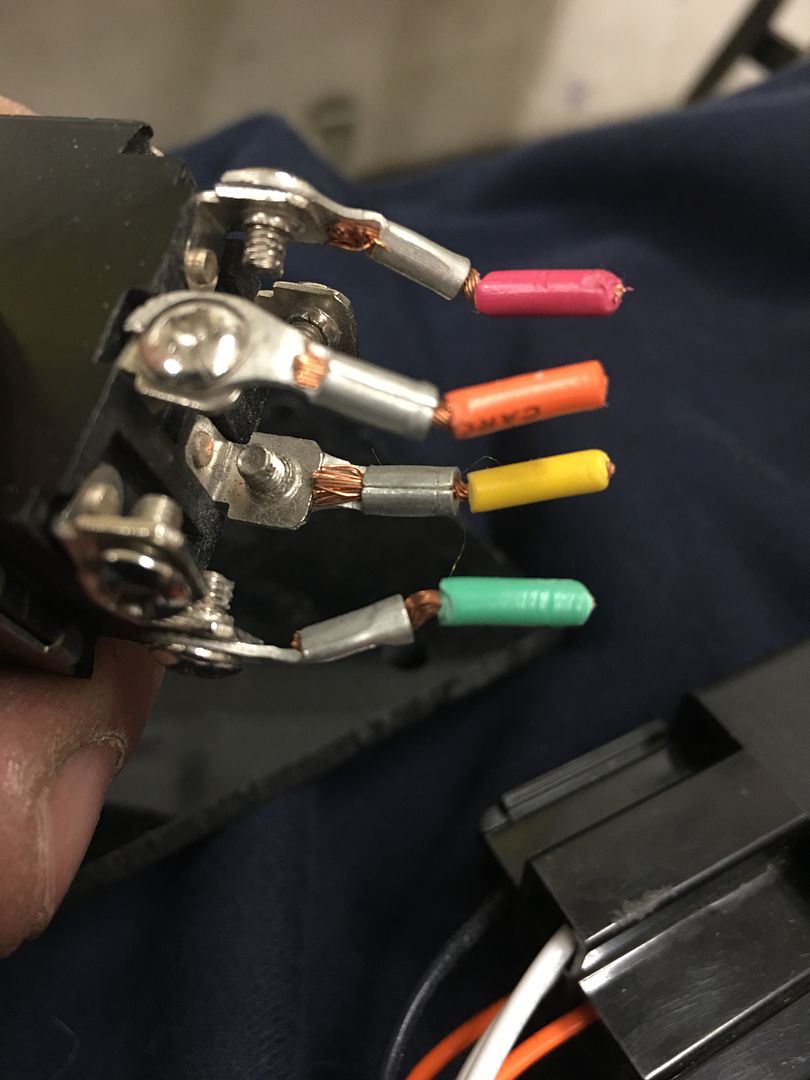
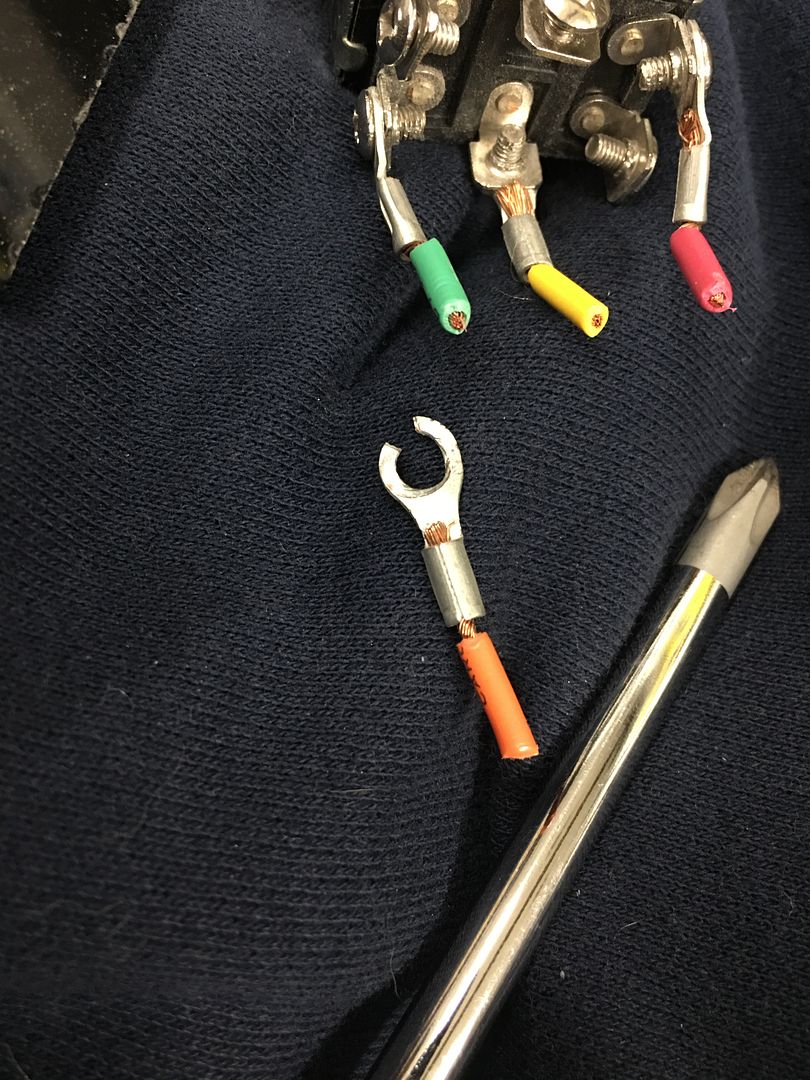
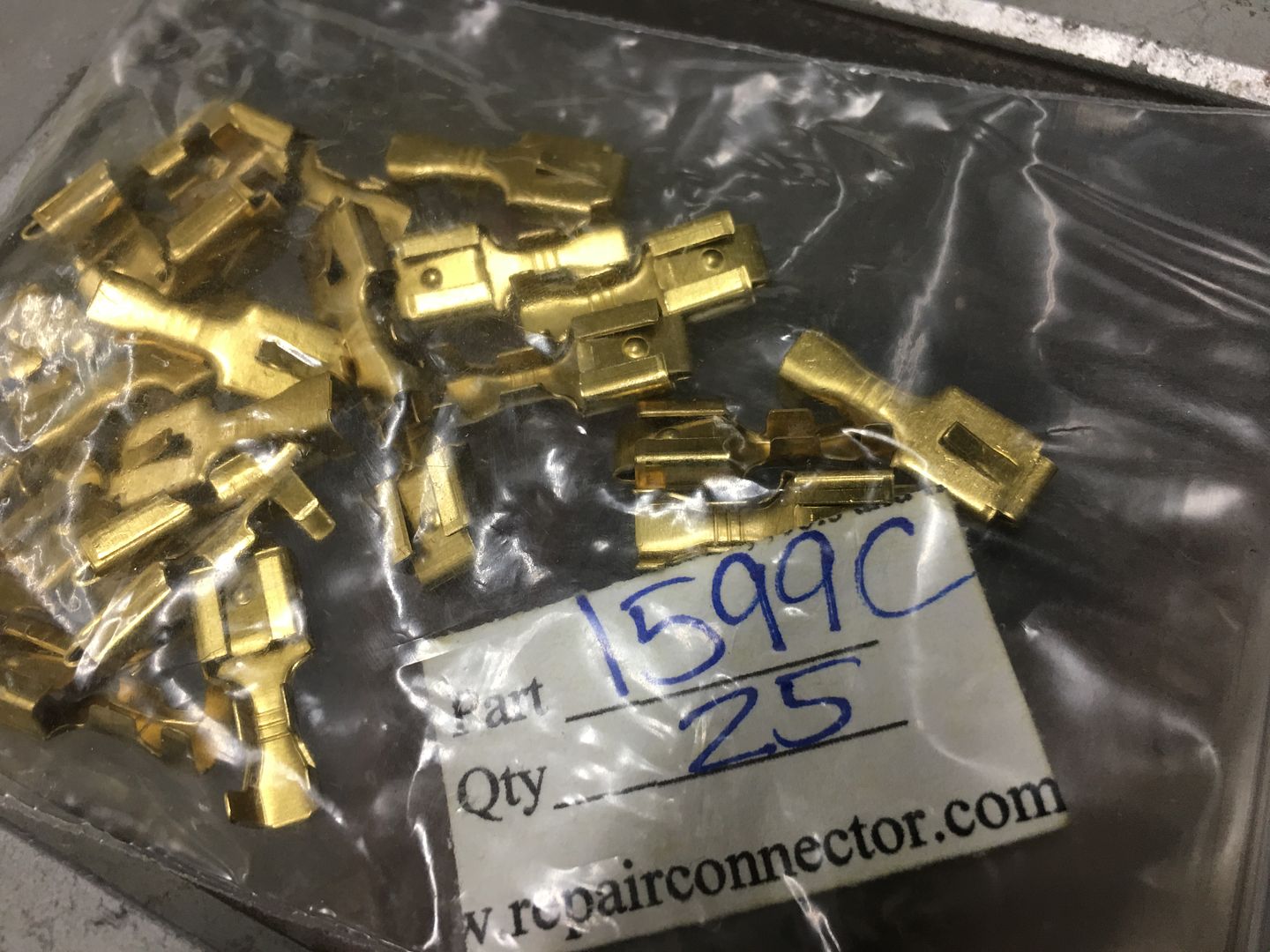
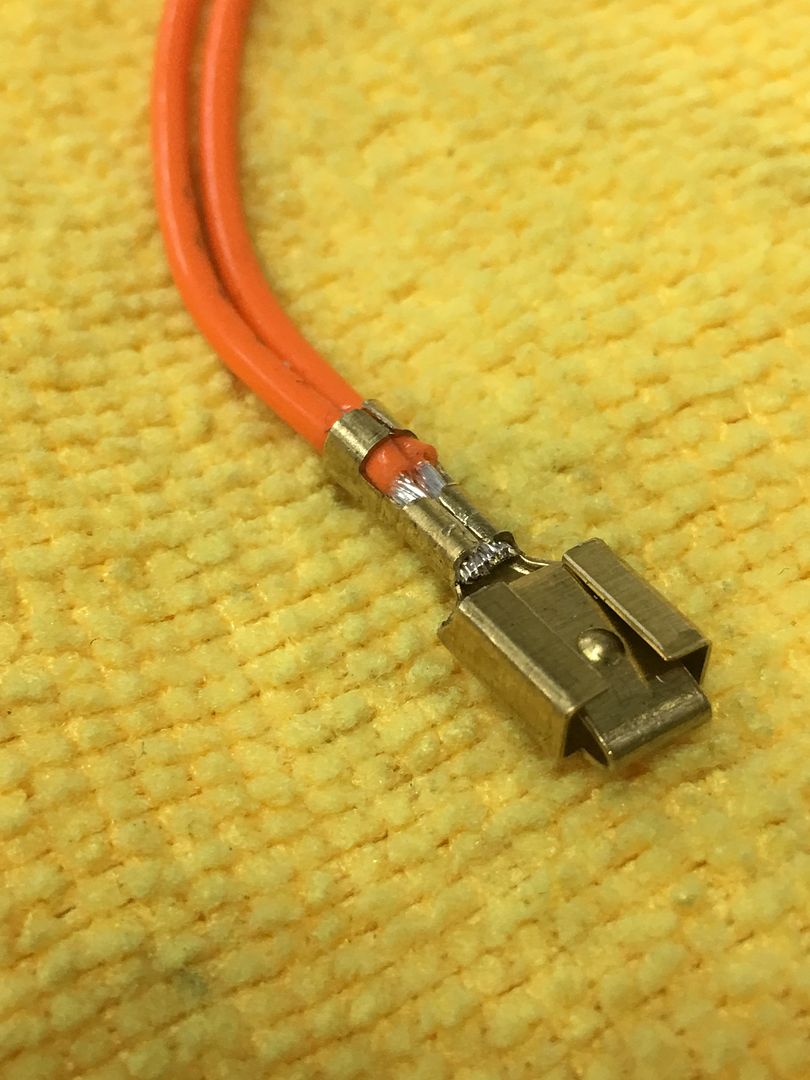
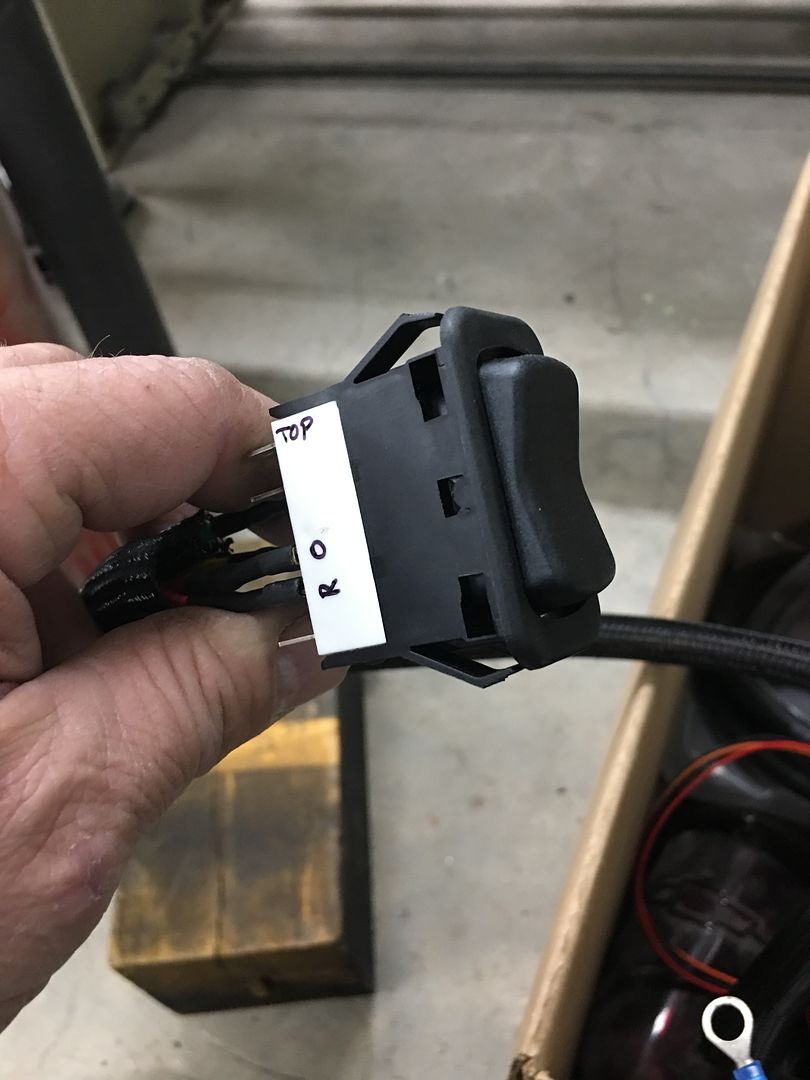
 What about a reversing relay and the cigarette pushbutton