Hohn
Well-known member
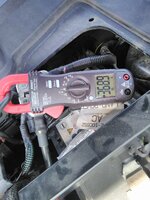
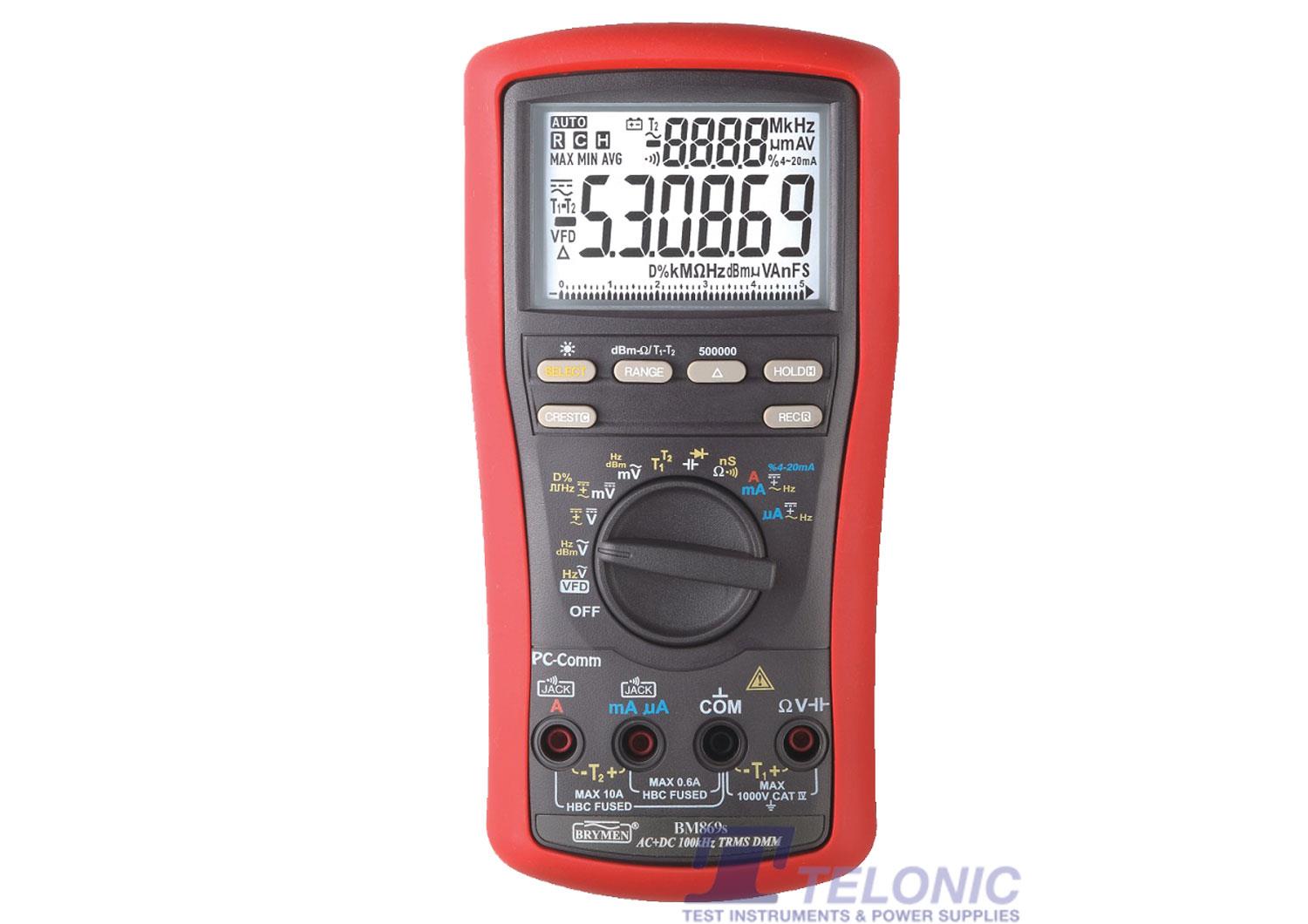
Agreed, but in that case I could buy two back up Brymens and have double redundancy and still have less money ******* in it.Ever work on equipment out in the field? Makes working on a car in the garage like being in a fine dining establishment. Field work is generally nasty work, out in whatever condition the equipment was operating in. Be it mud, slime, water, dust, rain, snow, frost, sun ect, and the tech is crawling around in it. All the support you have is what's on your truck. Some of these operations are hours away from civilization and the customer is paying travel time charges as well as the repair costs. Break a cheap meter or tool and have to make a 4 hour round trip for a replacement and not only is your boss going to be pissed, but also the customer that has 4 more hours of downtime waiting on his half million dollar or more machine to be back in action....The broke machine that has idled up a dozen other machines and crew and is costing them 100,000$ an hour or more.
Sometimes inexpensive is fine, but in some places, you can't afford inexpensive.
Those massive data centers that store huge amounts of data still do it on a standard 3.5” hard drive. Well, actually on hundreds of thousands of them, because no single huge hard drive is close to being as reliable (or cost effective) as the array of small ones. They replace lots of failed hard drives every day, but no data is lost.
Based on this logic, I’d suggest that redundancy and backups are probably ultimately more cost effective than just trying to buy the best you can find of one thing.
I have some experience with middle-of-nowhere type applications and you are absolutely right that you simply cannot have your repair ability fail when so much is at stake. But simply spending more on a single point of failure may not have the ROI that redundancy does.