What is the best way to do girts for inside? Ive read and looked at tons of commercial vs bookshelf type gerts and 2x6 vs 2x4 and running the lumber vertical vs horizontal..if i wanted to have osb over the insulation and then cabinet on wall 2x6 lumber be best?
What a can of worms that question is.
First, the skin that you put on the inside wall, weather steel, osb, or even drywall carries all the vertical weight of the cabinets. The wall needs no reinforcement what so ever to support that weight. There would be no issues if the weight was close to the wall. The issue is the cantilevered load away from the wall, if too great, will tend to pull out of the wall and bend it to the inside.
If you know exactly where you want the cabinets, then its easy to preplan/prepare the wall for it in the construction phase. In my opinion the best way to do so is the way that provides a strong enough connection and has a minimum of thermal conductivity/insulation cracks/seams.
A lot of people use vertical stud walls in between the post. While that provides the ability to hang nearly anything anywhere on the wall in the future it is the worst from the insulation stand point and the most wasteful of material(wood framing).
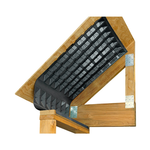
The method I prefer, that was shown to me 25 years ago, is to attach a 2x4 on edge in between the post to the back side of the inside girt. The girts are applied to the inside face of the post as normal. Use construction adhesive/construction screws to attach it to the girt(not drywall screws) Of course you should be using 20' 2x4's for the inside girts and this T beam that you are building wont have the reinforcement the entire length as it will have to have gaps for the post to reside. This T beam will resist the cantilevered loads. It will compress the insulation some but there will be no seams or thermal conduction like a vertical stud wall or bookshelf girts will.
It should be common sense but I have seen it not to be so I will say it. All the girts and the osb skin should be attached with construction screws, not drywall screws or nails if you have cantilevered loads.