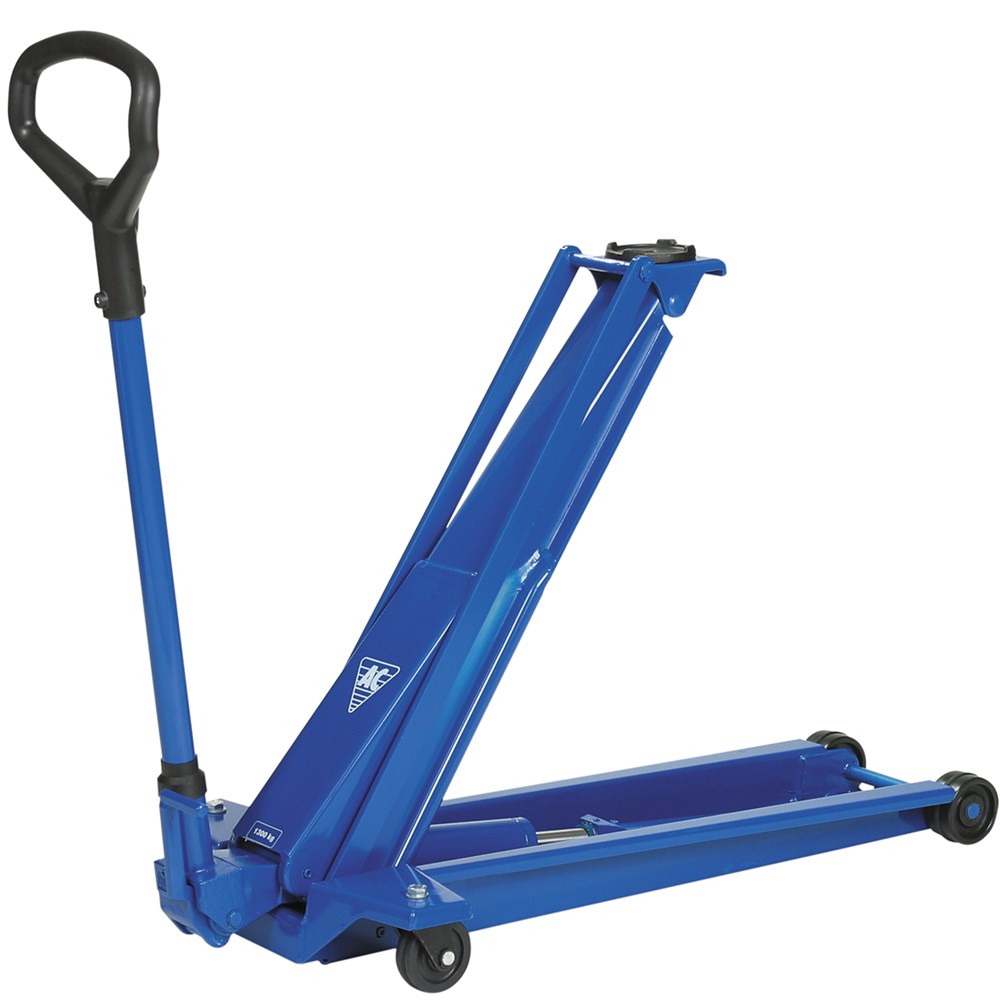
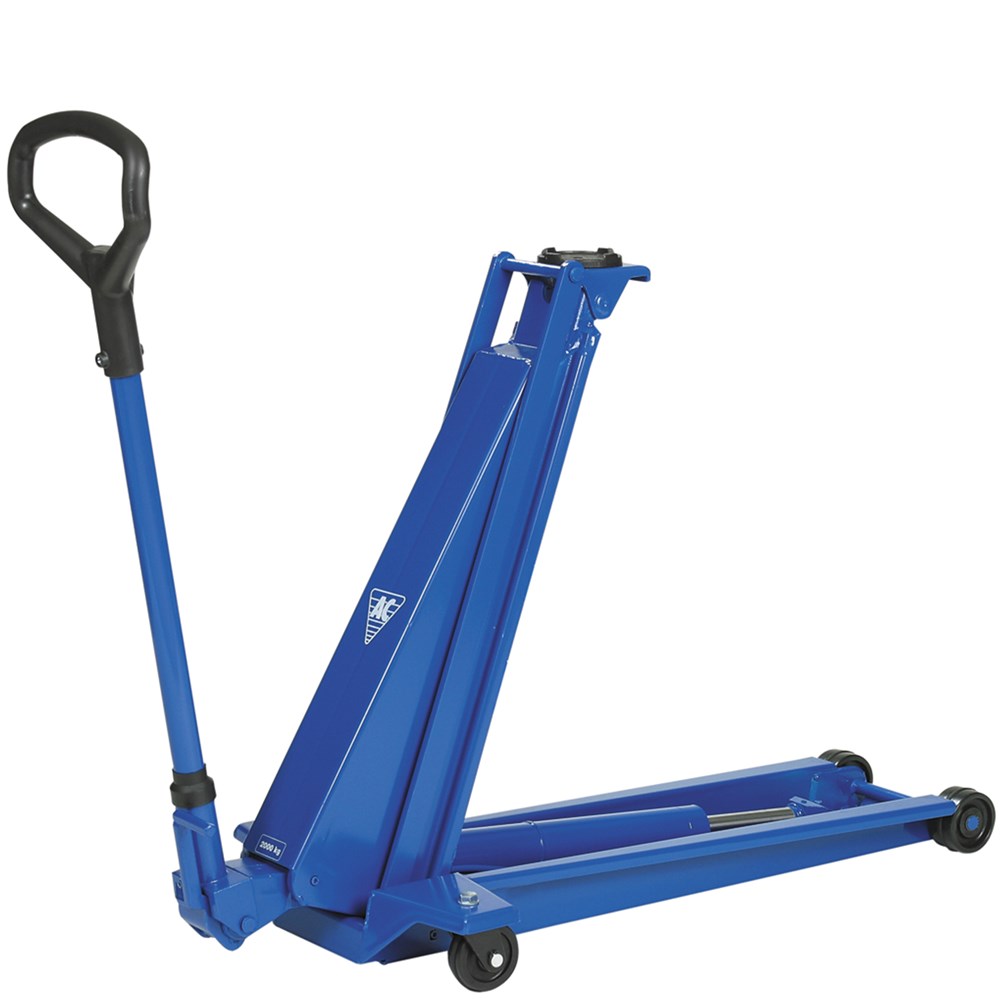
I haven't seen that HF had any functional patents at all. That would be highly unusual for an ODM-built product unless they developed/co-developed it and then were just using the factory in China as pure contract manufacturer. I also haven't heard that they had any design/ID patents, which would be unusual for similar reasons plus there's not really any "art" in the shape.
That leaves trade dress, which is pretty murky and has a pretty high bar to meet for a successful claim. I do think this is where SO's suit was focused, but in reality it was dead before they every got to court. You can't "own" a color (though IBM and others have tried...), and functional aspects of design often militate against claiming trade-dress (which is why, despite a much-closer visual similarity between the Knipex and HF pliers wrenches, Knipex would almost certainly lose a trade dress claim in court if their execs were as clueless as Snap On's were).
[EDIT] I'm wrong and
@Hiball is correct. Snap On
did have a design patent (one), though indirectly, on the jacks. I finally found
the case in the fun, dry legalese instead of the press mixing up the terminology (e.g.
this article, which describes a trade dress complaint more than a design patent infringement). But I just found a much more direct-from-the-court summary.
tl;dr they had a design patent, but it ultimately didn't cover very much - just the specific ornamental design of the jack - and they essentially lost before they really even started.
For those who don't want to wade though the caselaw.com text, the "net" (hey, at least it's shorter than what's at the link

) appears to be that SO worked with a company called VIS, LLC to design the look of the jack (I'm guessing VIS was a design firm hired by SO). VIS applied for and eventually got a design patent, which they later assigned to Snap On. SO saw the Daytona, bought one and decided it infringed on the SO/VIS design patent and sued, asking for an immediate injunction for HF to stop selling the Daytona. The judge ruled SO didn't meet the basic qualification for an injunction, and ruled against one. From there, it was a short step by the judge to conclude that the two designs wouldn't pass the "ordinary observer" test, and proceeded to tear down the functional vs. ornamental aspects of the two jack designs. A LOT was deemed functional, and what ornamental elements were left were different enough. And then the judge pretty much dumped the complaints SO used as examples about the similarities as biased and anecdotal (not to mention lacking any indication of understanding the functional vs. ornamental differences and what that implies). And that pretty much ended things.
Stuff like this is pretty tough if you're someone like Snap On. You think you need IP/patents to defend yourself, but they're not a guarantee and definitely not the silver bullet most execs think. On the other hand (but not necessarily in a good way), if you have IP you've got to defend it, even when it sounds like you're being overly litigious, because failure to defend it ultimately means you lose it. I'm not an attorney (though I've been dragged through this kind of stuff many times over the years), but I have to think SO's attorneys told them they were going to lose, and might have suggested less-public things (cease-and-desist, etc.) to see if they could shake HF off the product. It wouldn't have worked, as HF probably has a pretty-solid legal team and knew what SO would claim almost-certainly wouldn't stand. Reading the stuff at the link above, the HF team clearly came to court more prepared than SO did, and just as clearly it wasn't close.
I used to "own" a product line that was triple-digit millions of both revenue and profit, but was getting smacked in various places in the world with crappy copies that were visually identical but generally poorly-executed. I griped loudly to our legal team and they essentially said we'd never win with just a design patent. So I took the opportunity to move things to an entirely new design that had multiple functional patents that were highly unique as well as multiple design patents. It was a big effort. Within six months I began it see multiple types of copies. Several were actually done nearly as well as ours (I really had to look to tell), and some of them went even further by putting the damn warranty sticker on the product, which moved it in my mind from a "copy" to a "counterfeit".
What did the lawyers do? They shrugged and said it would still be very challenging, and taking it to court risked more people being made aware of and buying the copies.
That wasn't my only trip to the rodeo, but easily my most painful. So that's the lens I'm looking through when I posts that clearly aren't aware of how UP law works. What HF did with the Daytona jack isn't remotely what I went through (in the example above and others). With the jack I'd say they met both the spirit and the letter of the law in this area (and the judge did too).