I am a very inexperienced TIG welder. I took a class and have dabbled a bit on my own, that is the extent of my experience. However shopping for a machine I can help to explain some of the things you will be looking at.
If you have done Oxy-gas welding you will find some similarities with TIG. For youtube Welding Tips & Tricks (link was provided in a post above) is an excellent choice. He covers a variety of welding, but his TIG videos have been really helpful to me because he actually gets good close up video of the weld being done so you know what it should look like as you are doing it.
As mentioned AC TIG steps the price up significantly, so you need to decide if you want to be able to weld aluminum. That is the main feature of AC Tig (as well as a couple other exotic metals). Steel, including stainless can be done with DC TIG and the right gas, you can also TIG braze with DC TIG. AC TIG can easily add $1000 to the price of a decent machine.
As far as features to look for, I'd look at the bottom end as well as the upper. Some TIG welders can go down to single digit amps for very fine light work, but many only go down to 20-30amps. 20 amps will be more than low enough for most people, but if you want to weld very thin sheet metal, being able to go down to 5 amps could be something to look for.
Just as a point of reference my Miller only goes down to 20A, which is recommended for 24ga steel or aluminum. In class we had Miller Dynasty welders that could go down to 1A, which could probably weld aluminum foil. That is the difference between a $2000 machine and a $6500 machine.
The other place it seems many machines save money is by using lift start. This requires that the tip of the torch starts in contact with the material. I've never used a lift start machine to know how much this really matters, but TIG is very sensitive to contamination.
The better quality machines use HF (high frequency) start, a non-contact method. Basically the machine uses a quick burst of high energy to make the arc jump to the work when in close proximity, then it drops back to the set amps.
Pulse rate is another feature to look at, as this can help moderate the temperature of the arc. Not all TIG have a pulse option, and these that do range from a preset on or off, to a wide range of pulse rates and even variable types of pulse on the higher end machines. My Miller allows a setting from 0-150 pulses per second. The high end Miller Dynasty I used in class not only allowed much greater rate of up to 500 pulses / second, but also offered 3 pulse "wave shapes". At my skill level the range offered on that Dynasty was well beyond my abilities to notice.
If you do want AC TIG, then like DC pulsed TIG, settings range from very minimal adjustment to a lot of adjustability in rate and wave shape.
As with all welders you will want to look at duty cycle.
The brand of TIG torch, foot pedal and connections matter. You don't want to get stuck with something that uses weird proprietary hardware, that may be hard to replace. CK seems to be a common, and well respected brand of TIG torch used by many brands including some of the cheaper welders.
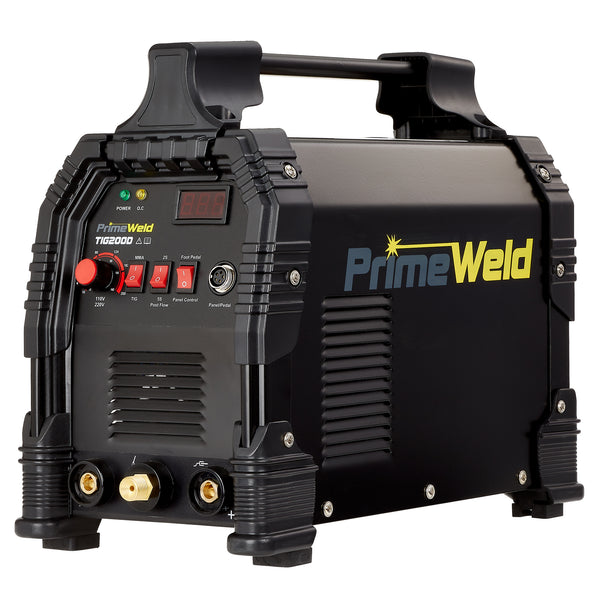
Being in another country, I'm not sure how helpful machine recommendations based on the US are, but HTP (again already mentioned) is an Italian company that gets good reviews. A lot of the inexpensive welders coming from China get much better reviews than I'd expect. Like anything cheap from China it seems like if you get a good one, they are pretty good, but if you don't it is a big headache. Return / replacement policy seems to be the most important factor for these. PrimeWeld is an affordable brand that receives a lot of positive comments on forums I belong to (including here).