Yes, I believe some makers call it *Island Protection* so if the grid tie inverter detects the line loss, it will shut down the inverter.
As you stated clearly, it is still bad practice and it only assumes work is being done while a power outage.
I am sure maintenance work is being done while normal power is present.
Back on point: Is there a huge difference in purchasing a low efficiency vs a high efficiency solar panel?
No. Watts is watts, and efficiency when talking about modules is typically refering to how much physical space they take up.
Also, I understand that a lot of installers spec out higher wattage panels to ensure 10 years down the line the stated power generation output the client is looking for will be there.
Case in point: The client is looking for 200 watts for the long term. The installer specs out a 250 watt panel. The intent is that the panel over time, will lose output performance. For the sake of argument lets just assume the so called 80% rating is not accurate.
So, if Joe average went this route he would be totally covered in this example right?
If that's what you're looking for. Sizing a system based on usage is typically not an exact science. Usage can be all over the place, and can change dramatically from month to month. If one of your main criteria was production potential in 20yrs, I would size accordingly. Typically though, most customers have no idea what their usage will be that far down the road, so we concentrate on present conditions. Usually, space available for modules, budget and price determine system size more than usage.
Because the panels are 250 watts, some where down the road say 15 years it loses some performance. It would still be above 200 watts thus ensuring that *projected* power generation?
Clear as mud?

As always your insight and time is greatly appreciated.
Based on your experience when you look at my daily Kwh usage. What is a reasonable sized system for this type of load? My intent is either to be net neutral, or reduce my annual electrical costs.
What would the associated costs for said unit, and how much is labor?
Teken . . .

 Also, what were the terms etc with respect to your install. If I could find someone to provide the entire solar array on a lease. I would jump all over it like a rabid dog!


 I did not even consider the whole separate inverter scenario at all.
 I really wish I had the property to install a ground solar array.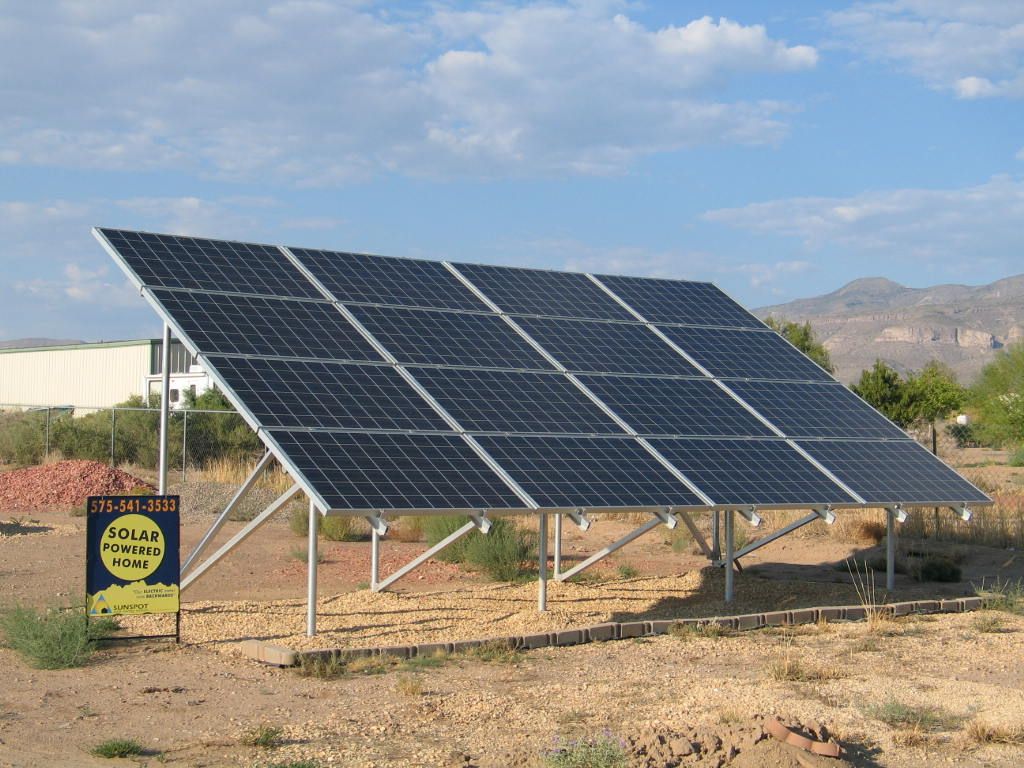
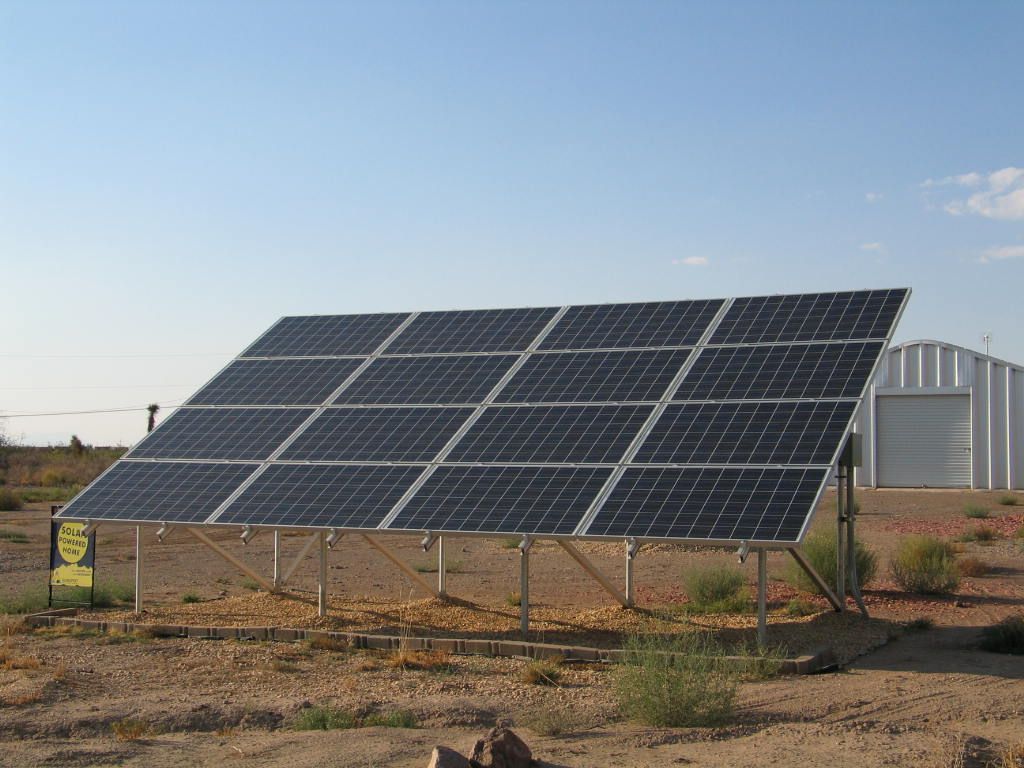
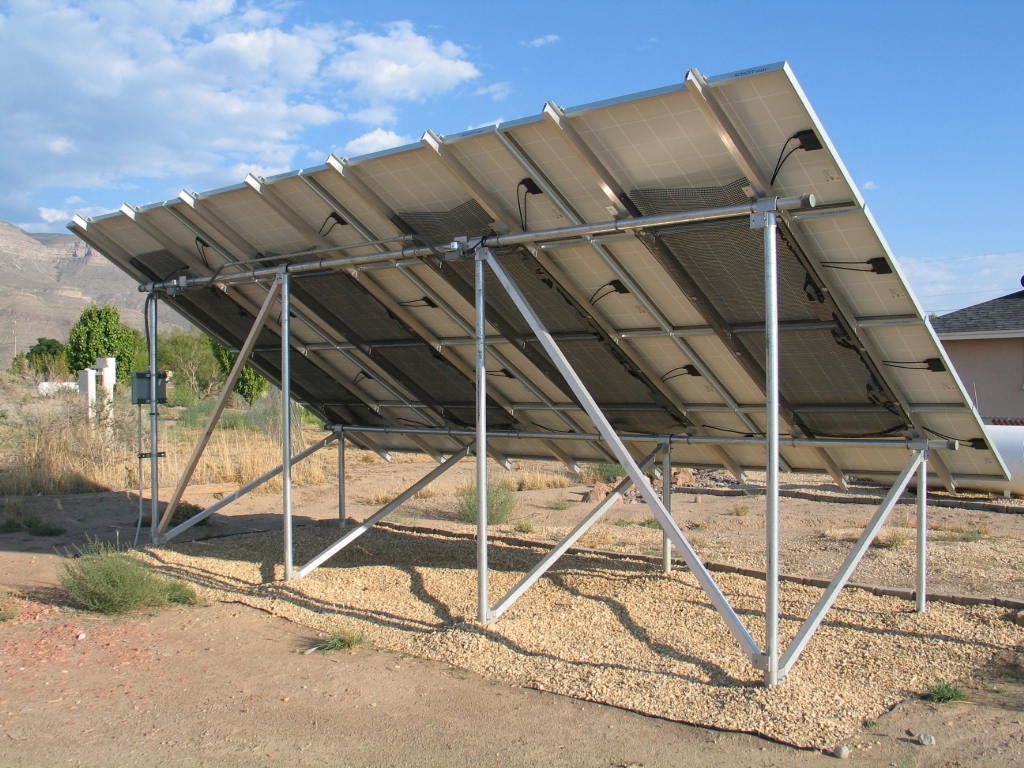


 This guy I spoke to (Tim) got all bitchy when I asked him for referrals and sites he had completed over the last year.
 I think having independent and separate inverters is also the future and the way to go.