Could he use Mobile Home Feeder for his project? This is more-or-less a copy of my project I did (I used 90A breakers as I found a better deal on them on eBay).
I have a main breaker powering an outdoor irrigation pump at 200A service. I fed the Mobile Home Feeder down through conduit until it ran horizontally where I did not use any conduit and then back up into a conduit elbow up the exterior wall of my barn and then through conduit along the rafter of the lean-to shed roof through the wall of my barn and then down an LB and short conduit into my sub-panel.
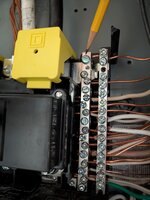
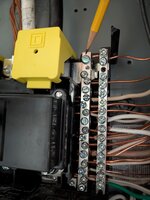
I used a Square D Homeline brand sub-panel with the 100A main (remember its only fed by a 90A breaker) and then I wired everything off that (three additional smaller panels that are 40A or less). I would use 2" conduit with these big wires. I used 1.5" as it was "code", but bigger would have been better in the long run. I had to pay for help pulling the Mobile Home Feeder because I couldn't get it on my own and that added $500 to the project when if I had used bigger conduit (marginally more expensive), I would have not needed the hired help and I'd have been further ahead on my overall savings.
I'll include the link if you'd like to see it. If you're using Mobile Home Feeder, it was $3.**/foot at Lowes, its stiff, and already color coded for hots, neutral, and ground.
Starts on page 3 with photos of my location, what I was working with, and my thought processes. I researched wiring/electrical for quite some time, asked a TON of questions here, and went slowly so I made sure I would be accurate and correct in my project. The invaluable help here saved me $4100 on that project alone.
You can drive grounding rods with a fence post driver if your ground is soft enough. If not, you can bury them horizontally away from your structure (I believe you need 6' between rods FYI).
A big benefit of running conduit underground as well is being able to get the trunch dug, lay the conduit then backfill. You can then deal with the wiring later. If you run it exposed underground, you have to leave the trench open until the wire is placed. The conduit also protects the wire in...

www.garagejournal.com