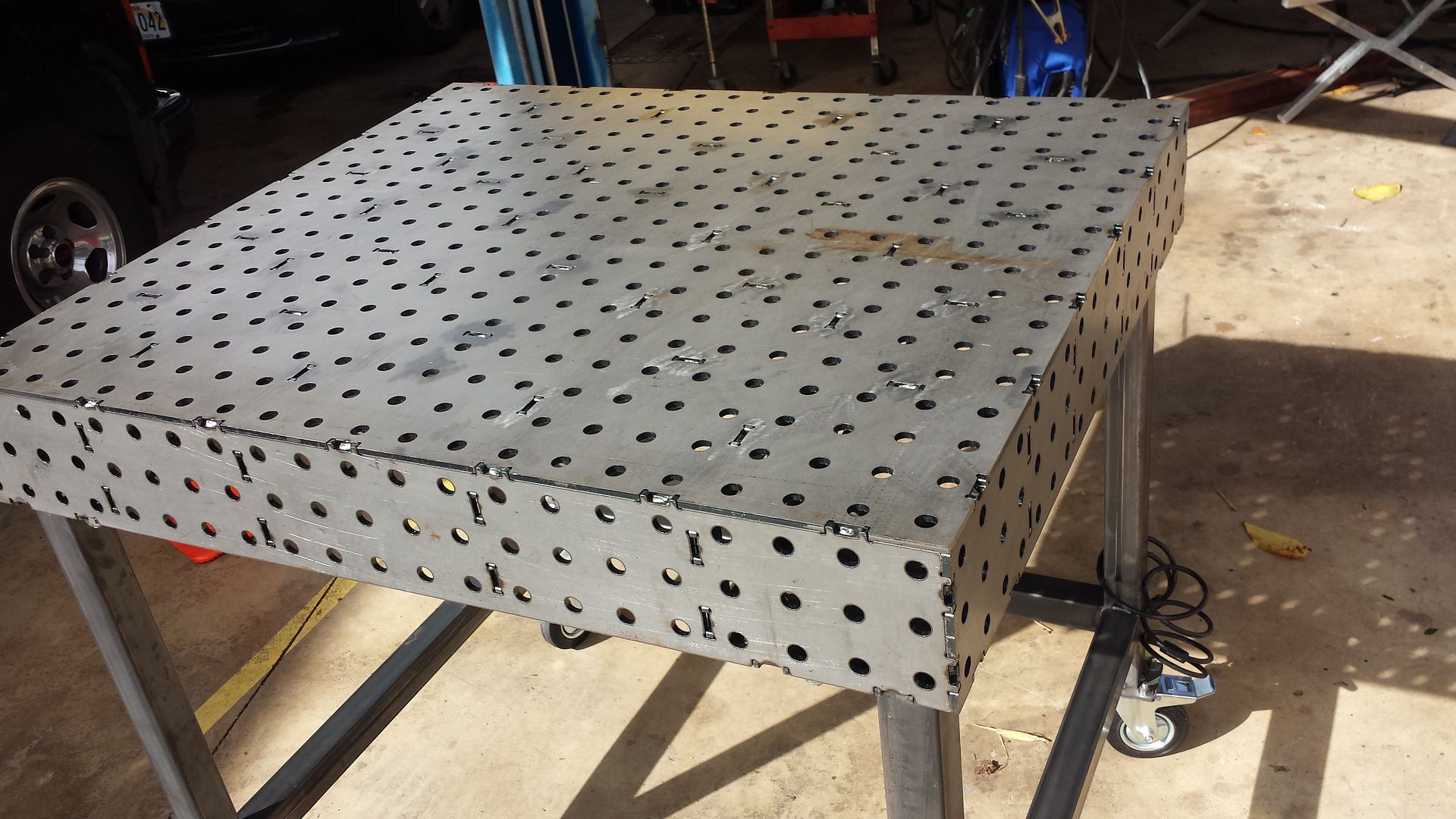
Cool concept and more affordable than I would've guessed! The only downfall I see is its not overly flat, and I can only imagine it would be susceptible to warping. These tables are perfect for a garage fabricator or for products that don't require extreme loads or tolerances. I wouldn't think small tig tack's would be much of an issue. I might consider a 2x4' for my garage.......I just have to keep my friends from grinding male genitalia into it like my last table!
The manufacturer claims it is accurate to 15 thousandths over the surface of the table. That isn't as good as the tables that cost thousands of dollars, but it is far more flat than the particle board top, plywood bench top, saw horses with scrap steel on them, or the concrete driveway I build on now. The work I do does not require extreme precision, but I think this table should be as flat as a section of plate I might have bought from the local steel shop, especially when you consider that plate flexes and bends and is not perfectly flat to start.
I don't know if you watched the videos or checked out the web page for the tables, but there is a theory behind how the table is cut and built/welded.............hopefully that proves to be true after I build mine. Hopefully houdni can put a straight edge on his and show how it turned out.
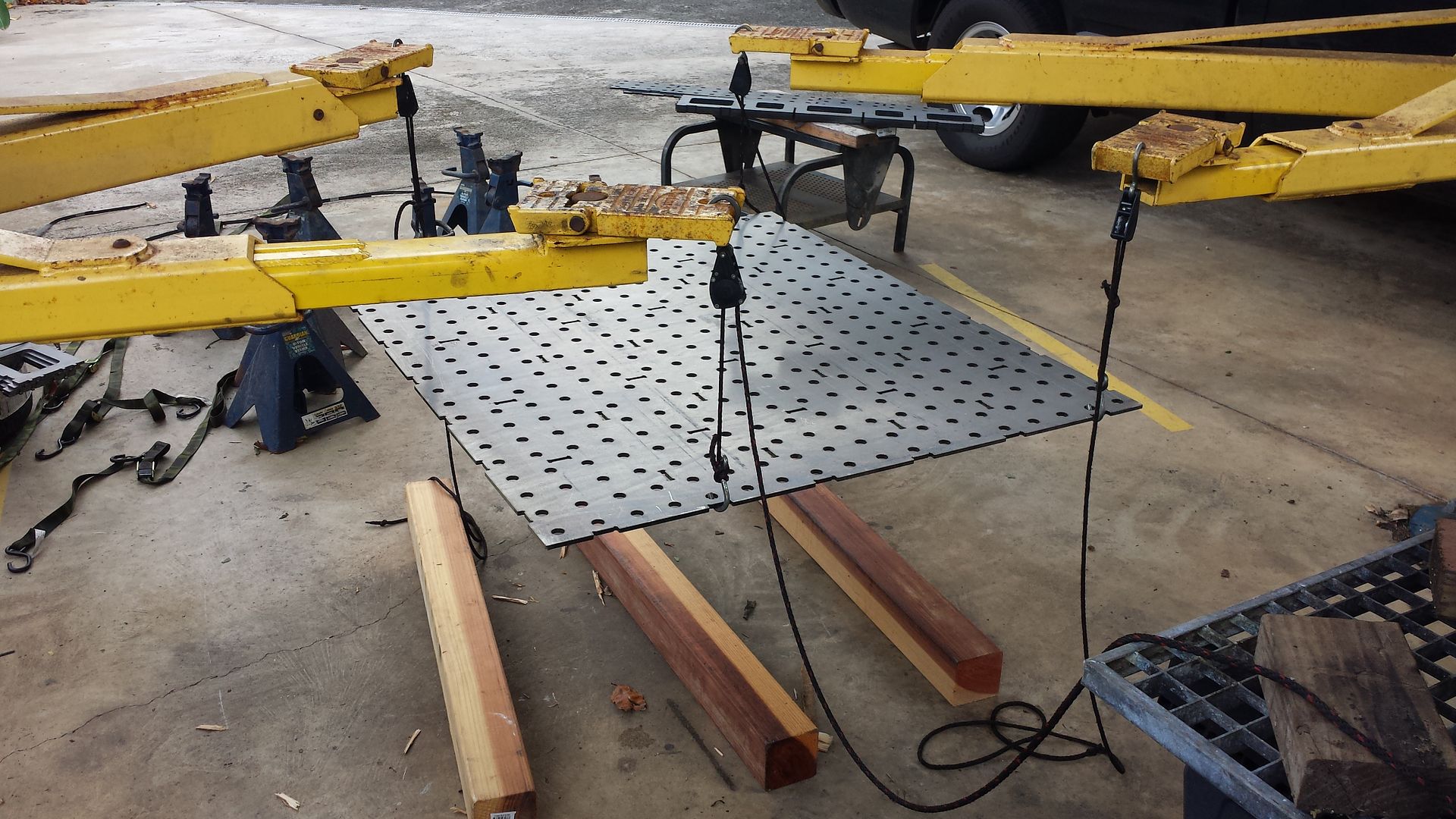
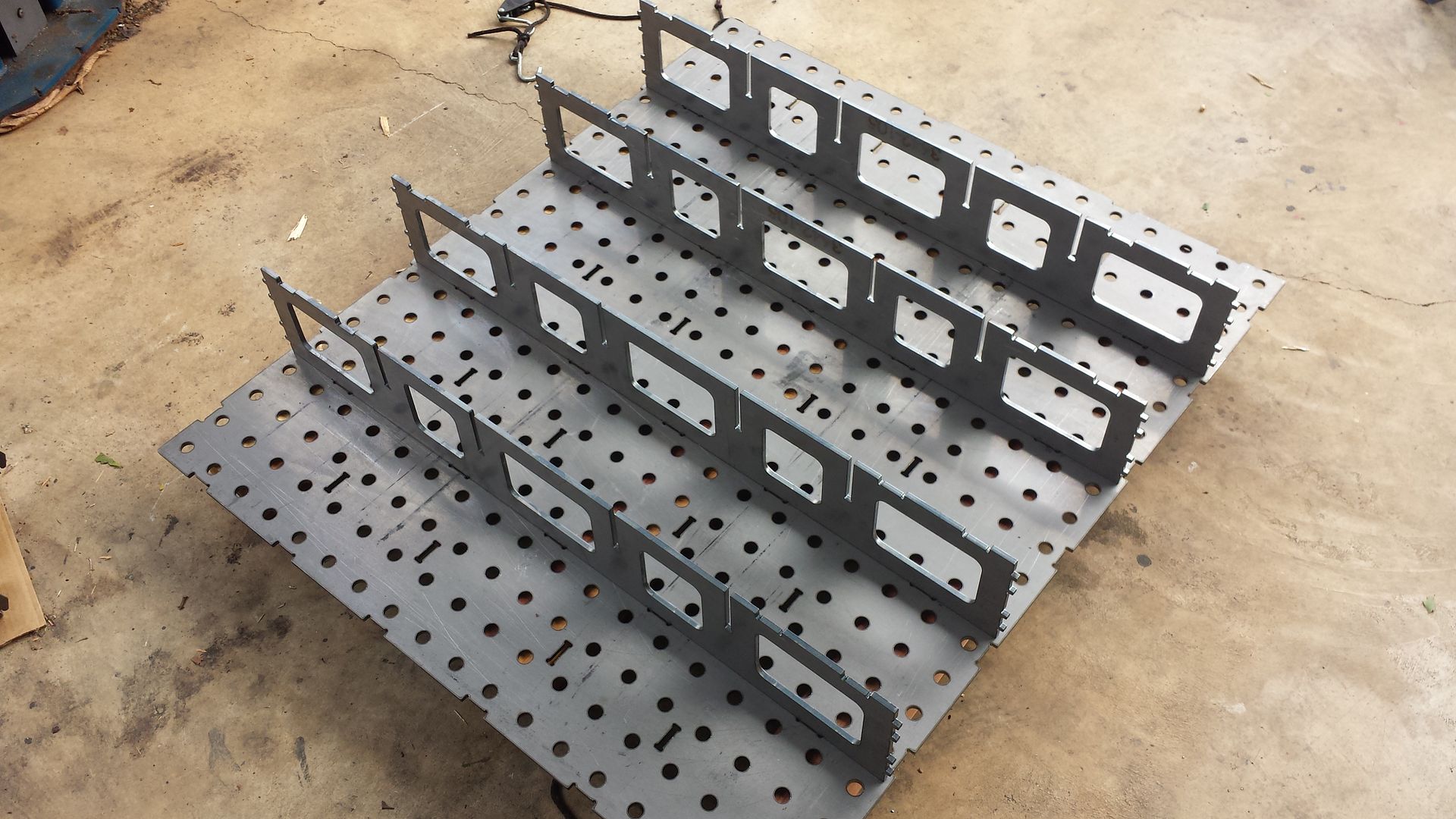
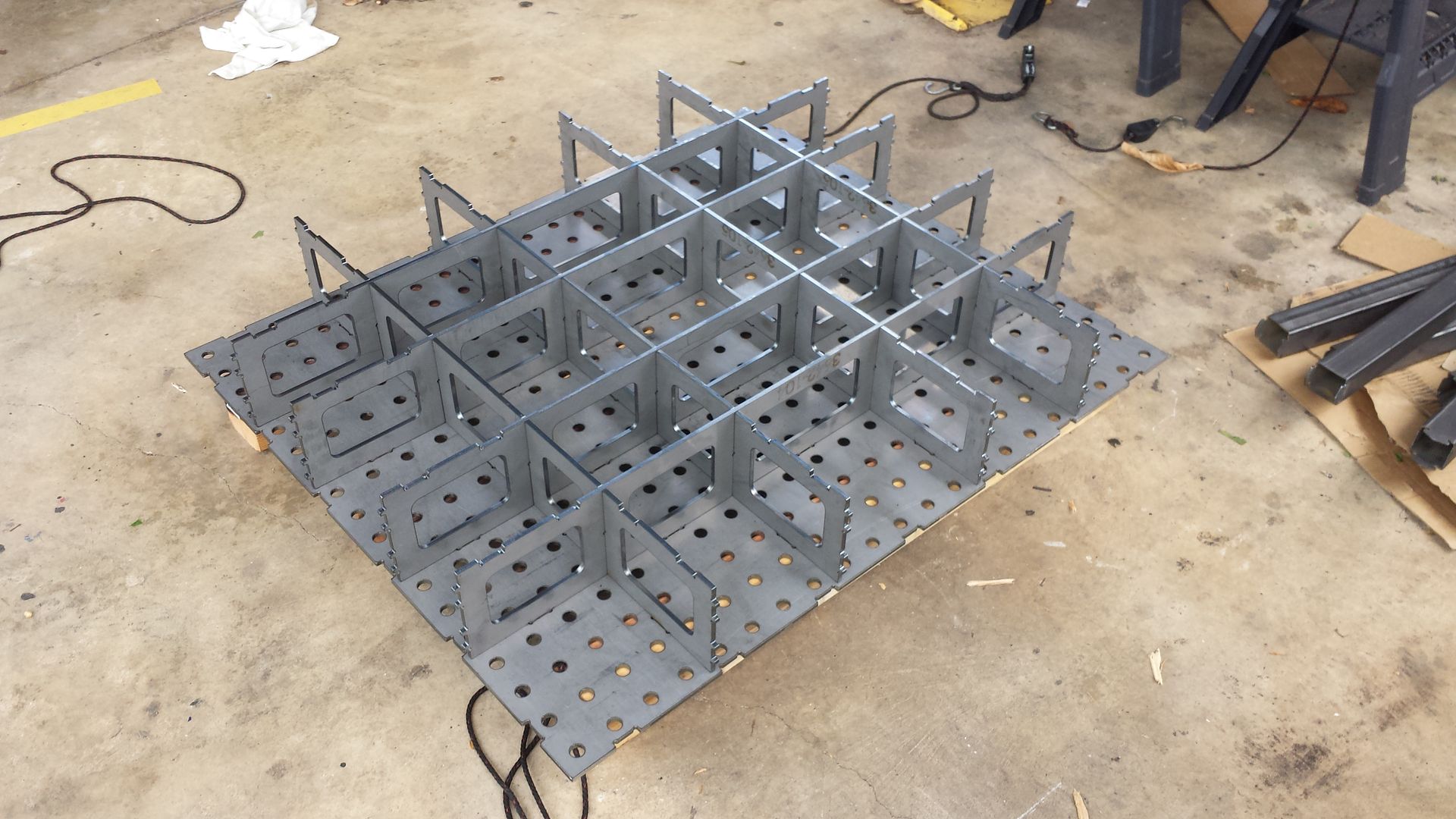
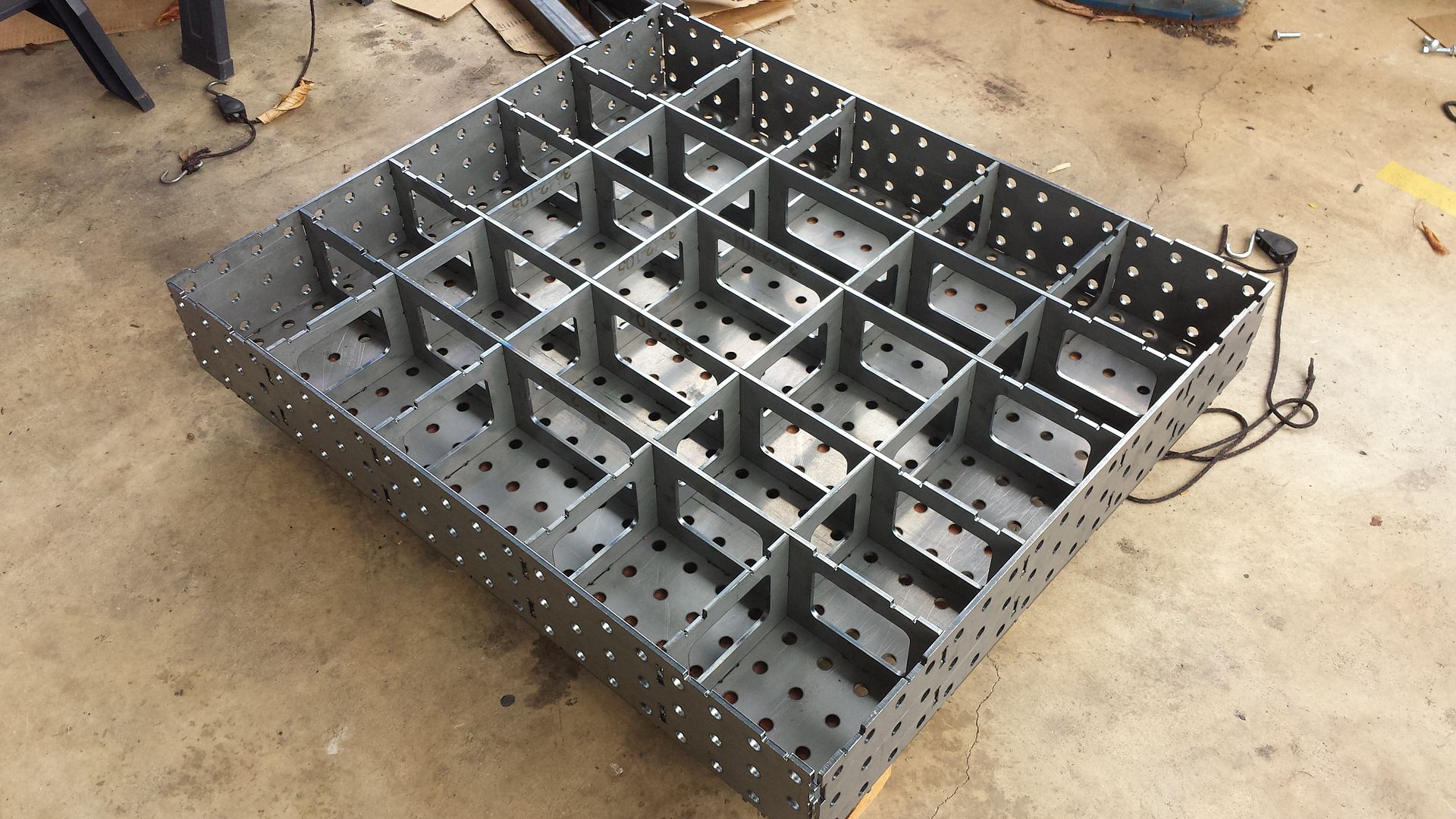
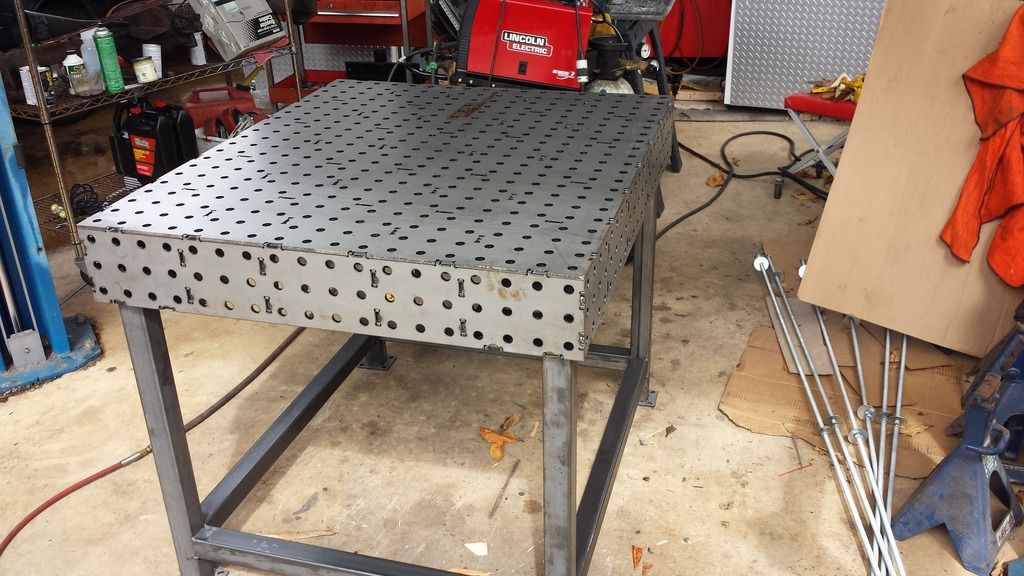
They claim to run the steel in groups so that all the parts are the same thickness. It is laser cut and the idea is that the laser is extremely accurate so that the edges are square to each other. When you clamp the top plate to the square edges of the supporting ribs, the top should end up flat. You clamp the parts together and the tighter the clamps the better the fit. When it doesn't move anymore, it should be flat, and you shouldn't be able to clamp too much, as the steel should not compress. The welds are only on the edge of the supports, where the slots are in the top. The direction that the welds pull the steel, should be in the same direction as the clamps. The welds are small and are done in a certain order. I bought the theory, and the product, but time will tell.
By tacks, I hope you don't mean to the actual table. I will not weld to the surface of mine and that is the whole point of these tables. You need clamps and jigs to hold parts. You can use standoffs to get the work above the table. This would put less heat into the table if you do weld out the seams of a project while it is clamped. I am not sure if the heat from fully welding an item will effect the fab table. It seems like it shouldn't. There is a lot of cross support and mass, but also a lot of holes to allow airflow for it to cool. One side would be clamped to the table anyway, if you don't use riser blocks.
These tables are a compromise between other options out there, but I think the advantages will outweigh the compromises. I am a serious hobbyist and do occasional jobs for others. I just finished a decent size job building some sign frames for a local college. The biggest one was 3x3x3/16" steel square tube and was 36"x82.5" and two of us were able to pick it up. Most of the projects are smaller.
Your friends deserve a shock to the nuts from a high frequency TIG torch for drawing "junk" on your table. That would piss me off. I might use a sheet of 16ga steel or some hardboard to cover the top when I don't need to clamp parts down. The top will already be smooth and flat so the thin material would protect it nicely. My goal is to have the base raise enough that can start out as low as 24" from the ground and go up to about 42" (the height of my bench vice that I often weld small parts in). The extra thickness (6" thick) of the blocks will complicate the leg height a bit. The pro tables are only 2" thick.
There isn't a lot of info on this brand of table, on the net (they claim that they have built them for years, but have only offered them to the public for a year) so I will post something up on how mine turn out. They should be about 10 days out from being ready to ship and another 4 days for shipping.


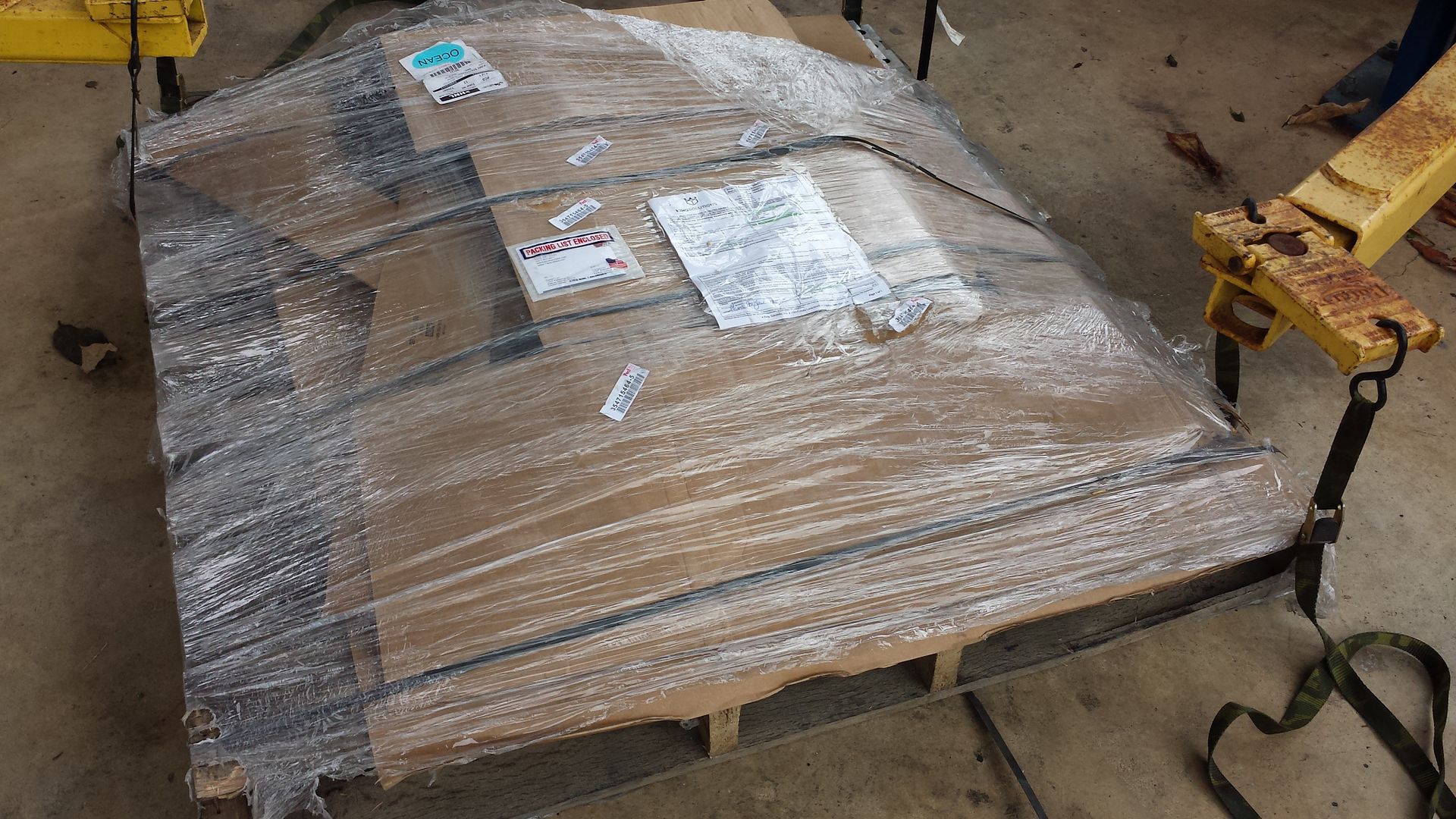
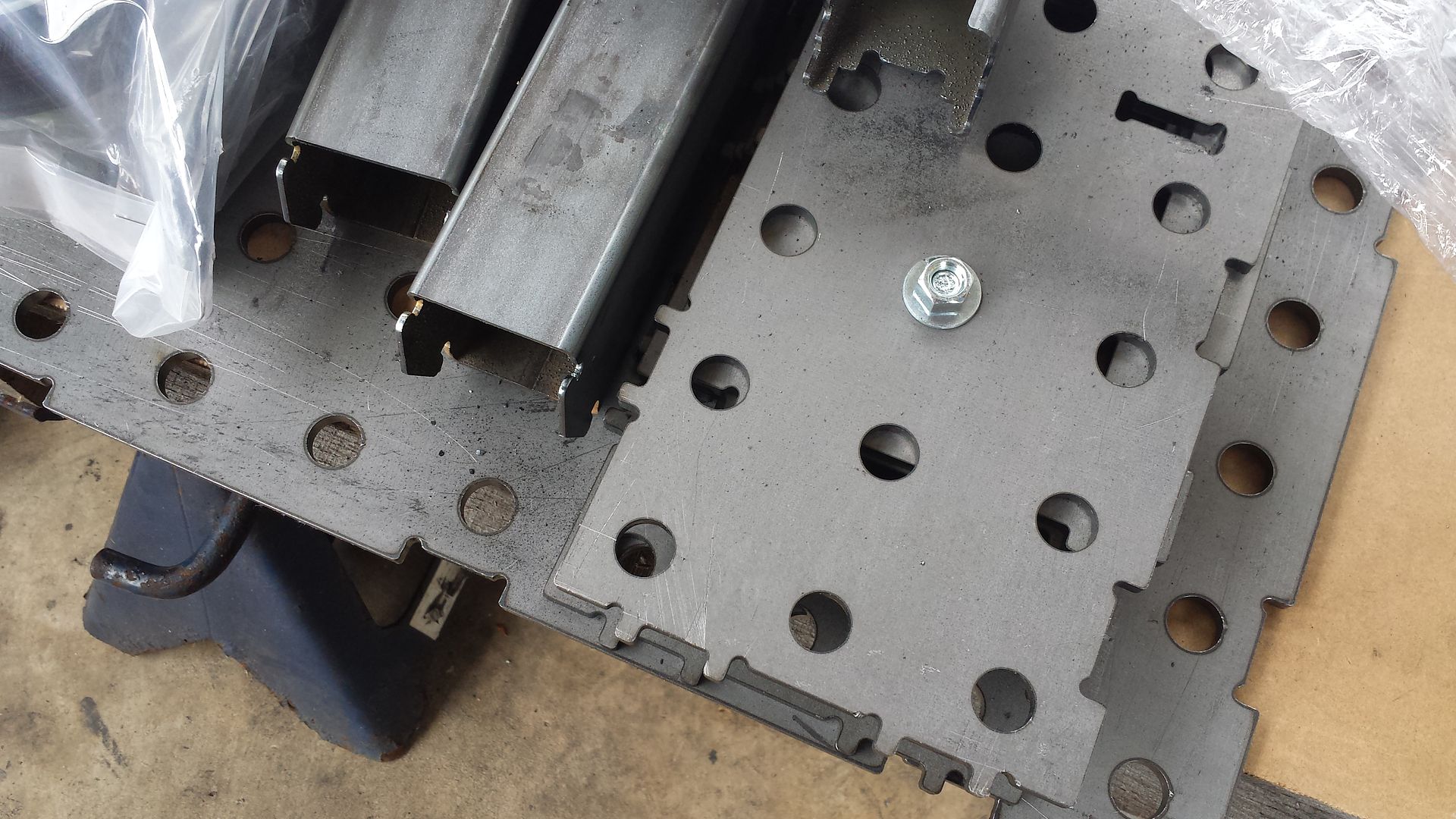
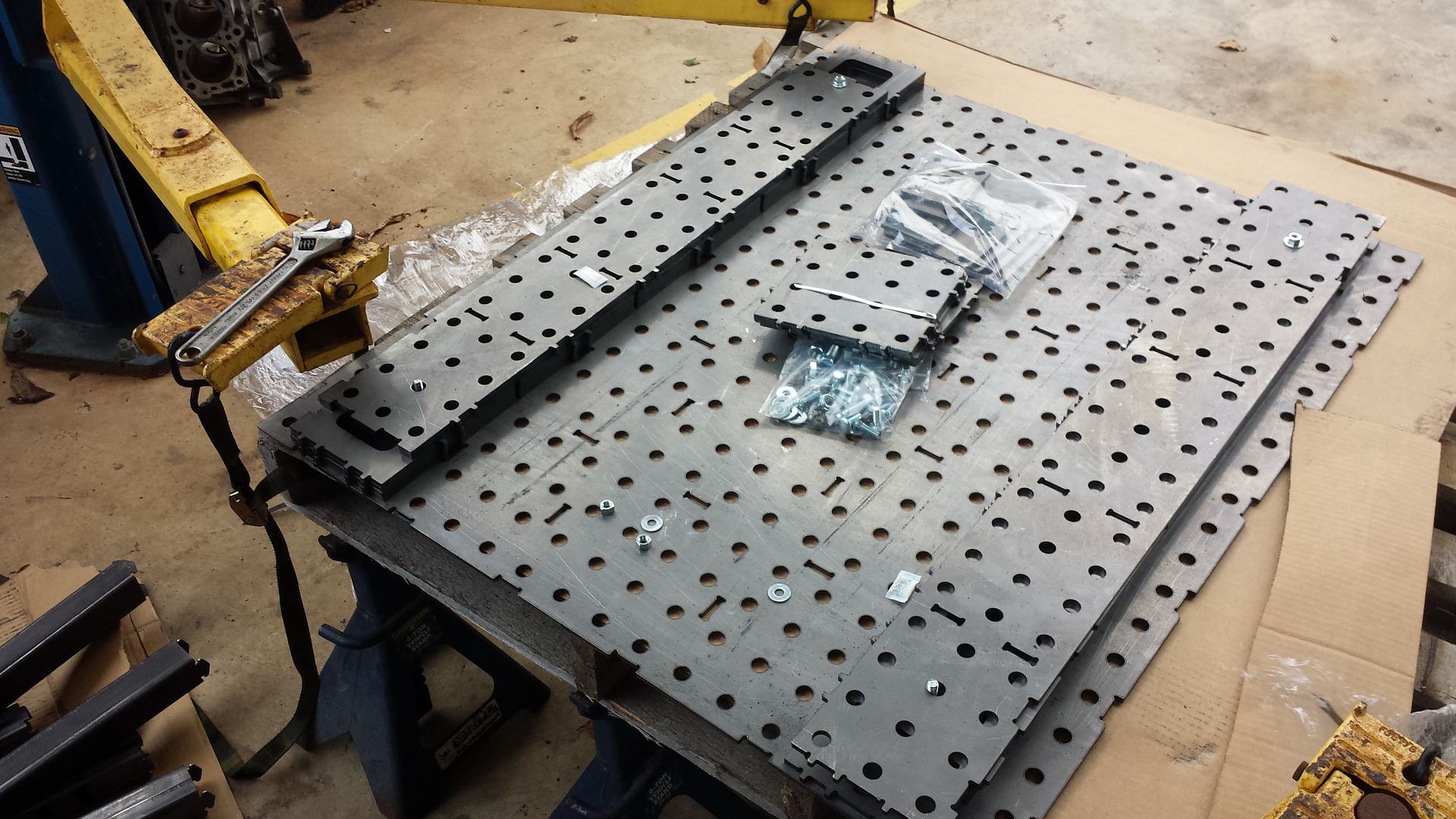

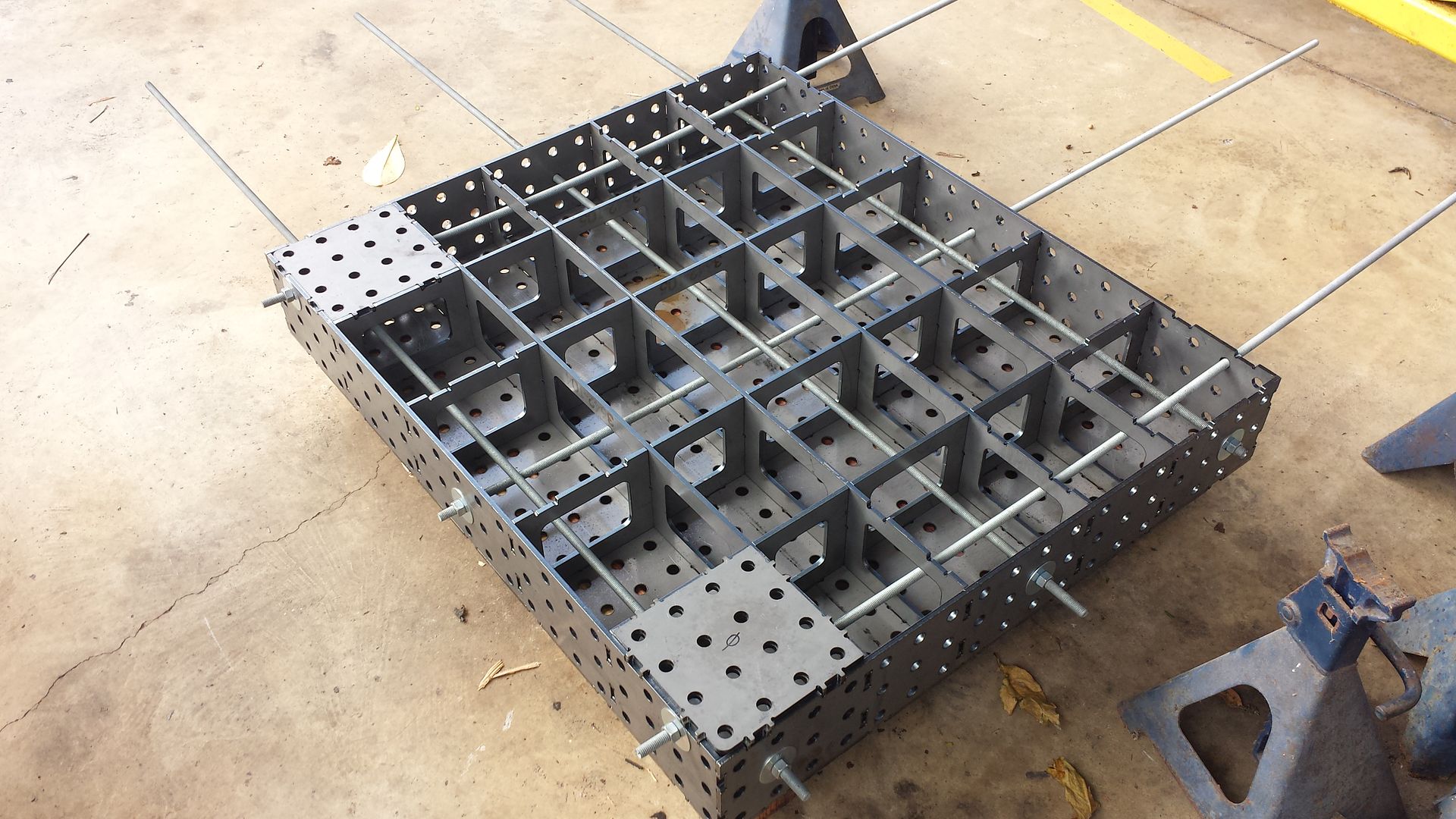
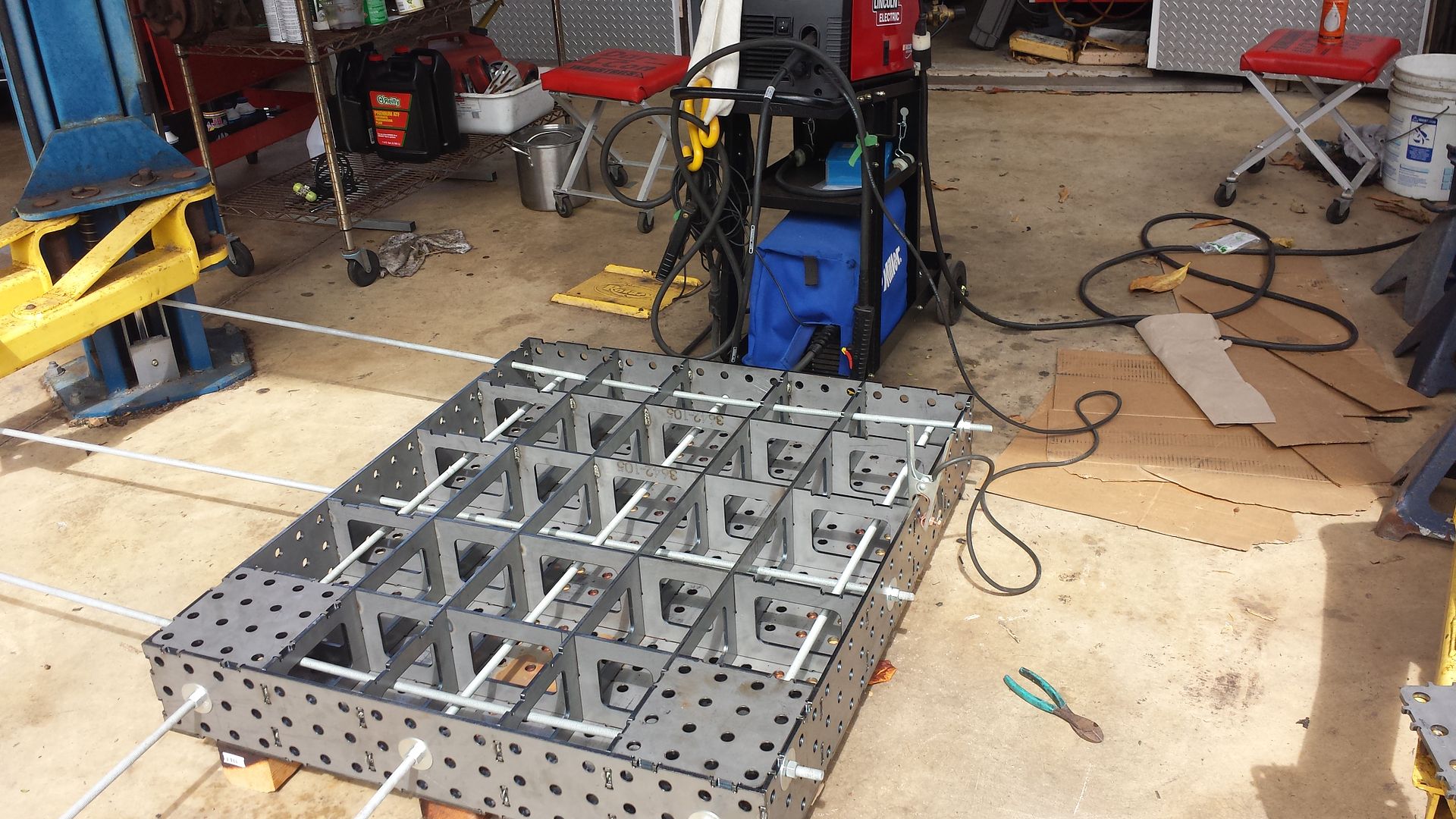


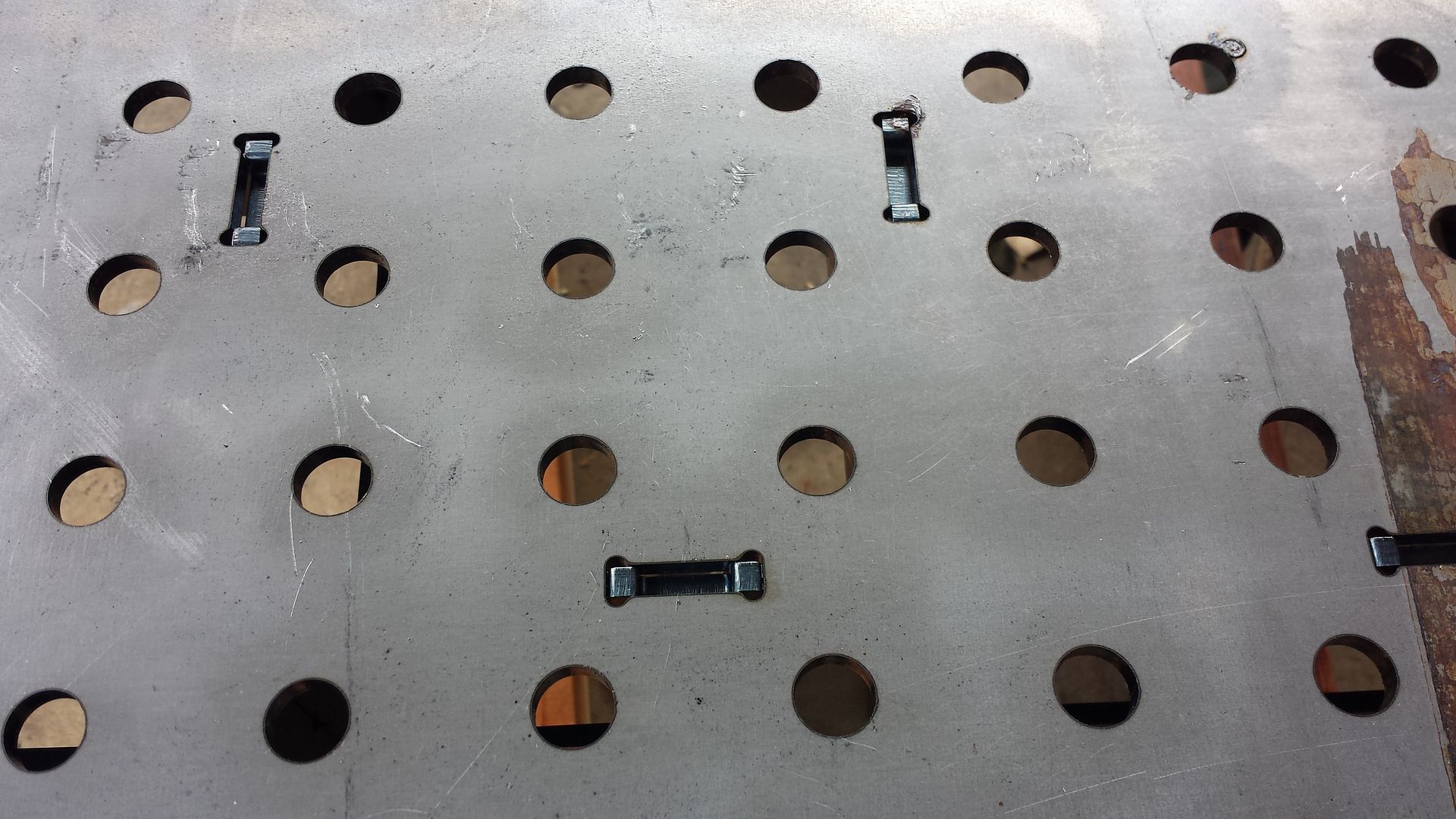
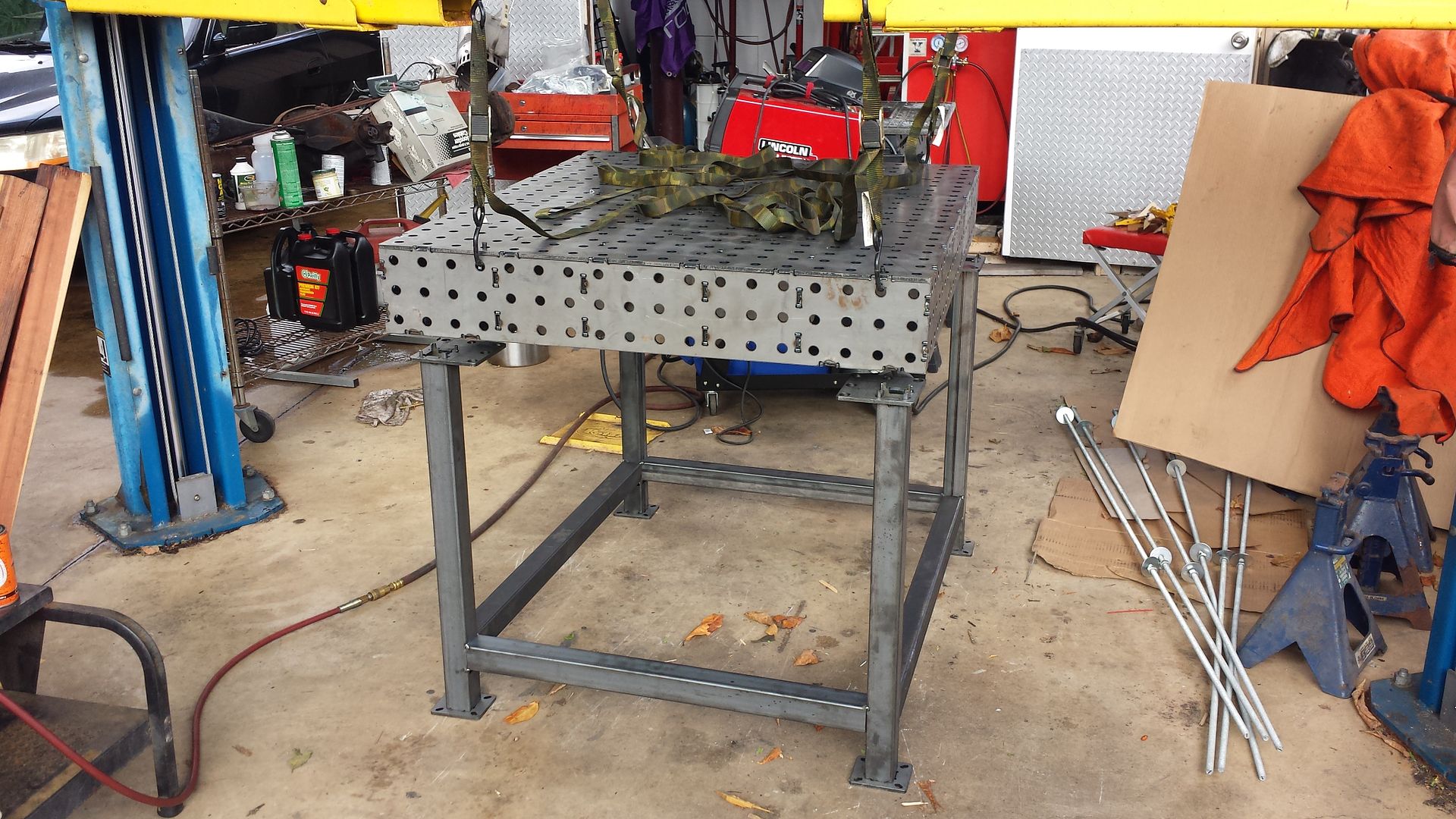
 happy fabricating!