OP
machine_punk
Well-known member
This is posted a little out of order, from when the events actually happened. I recently attended the inaugural Wine Country Metal Meet, in Cloverdale, California, US. Here is my write-up of the event...
A Tale of One Metal Meet
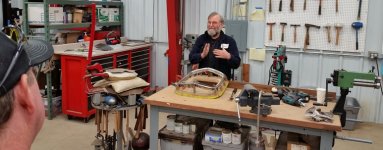
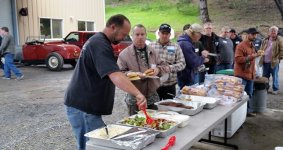
It was the quietest of meets. It was the noisiest of meets. It was the largest of meets. It was the shortest of meets. There were the most-experienced of metal shapers. There were the newest of metal shapers. Some people came from across town. Some people came from across the world. There were those who have been to many metal meets. There were those who had never been to a metal meet before. There were demonstrations on metal shaping. There were demonstrations which had nothing to do with metal shaping. There were breathtakingly-beautiful, rolling hills covered in trees. There was a huge, modern shop. The Inaugural Wine Country Metal Meet was a study in opposites.
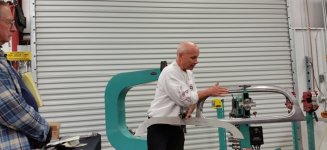
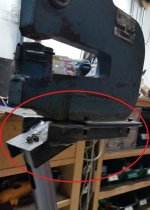
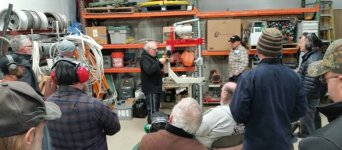
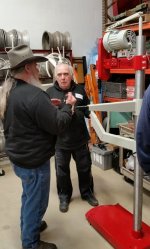
Ben VonBerlo came all the way from Holland, to demonstrate his Mechammer II metal shaping machine. He has them manufactured in the United States and Bill Longyard was kind enough to transport the Mechammer II across the country for the demonstration. The Mechammer II uses a commercial sewing machine motor as a power source. The plans for the machine have been available for years. Ben recently started manufacturing them for the folks who don’t have the skills or resources to make their own. While it is not the quietest way to shape metal, Ben emphatically states that the Mechammer is the one tool in his shop he must have. You could take away just about everything else, but he wouldn’t give up the Mechammer.
Lazze presented a much quieter demonstration. He shaped the rear window frame for a 33-34, three-window coupe. The trick here is that the glass is flat, but that part of the car has shape. He shared how he uses patterns to figure out the outline you need to cut from the sheet metal to get the shape you want. He brought along some machines for the demonstration: the Lazze English wheel, bead roller, a shrinker and a stretcher.
Ron Covell used John’s English wheel and shrinker to make a 32 Ford grill shell. He has a wonderful buck for making this part. It combines solid rod, which actually serves as a hammer form, and a classic plywood buck to guide the rest of the metal shaping. Ron had a tip on picking where to put the joint between two parts of a grill shell. When deciding where to weld a joint, split the middle of the sharpest curve on the buck and share the difficulty between two panels.
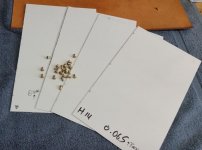
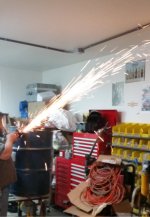
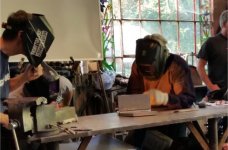
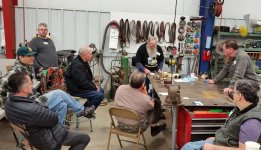
Jere Kirkpatrick demonstrated all-things-oxyacetylene. He showed the benefit of a Henrob torch for thin sheet metal. He also demonstrated hammer welding. He had a tip for getting flat welds in thin sheet metal. Use a ‘zero’ gap, set your torch up to produce a weld three times wider than the thickness of the metal, and use just a little filler rod. This will give you 100% penetration and minimal material to remove in your welded panels.
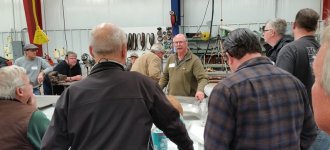
Don Housemen demonstrated the use of Kirksite dies to form panels for a 32-33 Ford roadster pickup cab. Kirksite is a low-melting-temperature metal, based on a zinc alloy. He uses Kirksite to form dies for a Pullmax. He walked through several of the difficulties he had in forming this part and what techniques he developed to overcome those challenges.
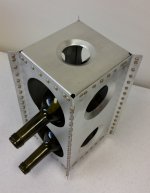
Kevin West [me] demonstrated the tools and techniques used for fastening parts with solid rivets, using the same techniques used to build aircraft. He also showed a couple of recent projects from his studio: A riveted briefcase portfolio for holding large pads of art paper and a stand for a portable bandsaw, made from aluminum crutches which were cut up and brazed back together.
John Alden, aside from being the gracious host of this Metal Meet, demonstrated the TM Technologies air power hammer. John has an encyclopedic knowledge of the people and machines involved in metal shaping.
Lane makes hard-to-find metal shaping educational materials available for purchase, including videos by Peter Tommasini and the book series by Tim Barton and Bill Longyard.
I routinely attend the Cuesta College, Santa Cruz and now, the Wine Country metal meets. One thing I’ve noticed, after years of attending Metal Meets is that there are so many ways to do the same thing. If you list to Paul Bragg, he tells you to always do it this way and never do it that way. Then, listen to Gene Winfield for a while and he will always tell you to do it that way, and never this way. While they may disagree with each other on how it is done, nobody can deny that they both get amazing results. While the first-ever Wine Country Metal Meet was full of opposites and contradictions, it was clear that we were all there for one reason…to learn and share more about this mysterious thing we call metal shaping.
Kev
A Tale of One Metal Meet
It was the quietest of meets. It was the noisiest of meets. It was the largest of meets. It was the shortest of meets. There were the most-experienced of metal shapers. There were the newest of metal shapers. Some people came from across town. Some people came from across the world. There were those who have been to many metal meets. There were those who had never been to a metal meet before. There were demonstrations on metal shaping. There were demonstrations which had nothing to do with metal shaping. There were breathtakingly-beautiful, rolling hills covered in trees. There was a huge, modern shop. The Inaugural Wine Country Metal Meet was a study in opposites.
Ben VonBerlo came all the way from Holland, to demonstrate his Mechammer II metal shaping machine. He has them manufactured in the United States and Bill Longyard was kind enough to transport the Mechammer II across the country for the demonstration. The Mechammer II uses a commercial sewing machine motor as a power source. The plans for the machine have been available for years. Ben recently started manufacturing them for the folks who don’t have the skills or resources to make their own. While it is not the quietest way to shape metal, Ben emphatically states that the Mechammer is the one tool in his shop he must have. You could take away just about everything else, but he wouldn’t give up the Mechammer.
Lazze presented a much quieter demonstration. He shaped the rear window frame for a 33-34, three-window coupe. The trick here is that the glass is flat, but that part of the car has shape. He shared how he uses patterns to figure out the outline you need to cut from the sheet metal to get the shape you want. He brought along some machines for the demonstration: the Lazze English wheel, bead roller, a shrinker and a stretcher.
Ron Covell used John’s English wheel and shrinker to make a 32 Ford grill shell. He has a wonderful buck for making this part. It combines solid rod, which actually serves as a hammer form, and a classic plywood buck to guide the rest of the metal shaping. Ron had a tip on picking where to put the joint between two parts of a grill shell. When deciding where to weld a joint, split the middle of the sharpest curve on the buck and share the difficulty between two panels.
Jere Kirkpatrick demonstrated all-things-oxyacetylene. He showed the benefit of a Henrob torch for thin sheet metal. He also demonstrated hammer welding. He had a tip for getting flat welds in thin sheet metal. Use a ‘zero’ gap, set your torch up to produce a weld three times wider than the thickness of the metal, and use just a little filler rod. This will give you 100% penetration and minimal material to remove in your welded panels.
Don Housemen demonstrated the use of Kirksite dies to form panels for a 32-33 Ford roadster pickup cab. Kirksite is a low-melting-temperature metal, based on a zinc alloy. He uses Kirksite to form dies for a Pullmax. He walked through several of the difficulties he had in forming this part and what techniques he developed to overcome those challenges.
Kevin West [me] demonstrated the tools and techniques used for fastening parts with solid rivets, using the same techniques used to build aircraft. He also showed a couple of recent projects from his studio: A riveted briefcase portfolio for holding large pads of art paper and a stand for a portable bandsaw, made from aluminum crutches which were cut up and brazed back together.
John Alden, aside from being the gracious host of this Metal Meet, demonstrated the TM Technologies air power hammer. John has an encyclopedic knowledge of the people and machines involved in metal shaping.
Lane makes hard-to-find metal shaping educational materials available for purchase, including videos by Peter Tommasini and the book series by Tim Barton and Bill Longyard.
I routinely attend the Cuesta College, Santa Cruz and now, the Wine Country metal meets. One thing I’ve noticed, after years of attending Metal Meets is that there are so many ways to do the same thing. If you list to Paul Bragg, he tells you to always do it this way and never do it that way. Then, listen to Gene Winfield for a while and he will always tell you to do it that way, and never this way. While they may disagree with each other on how it is done, nobody can deny that they both get amazing results. While the first-ever Wine Country Metal Meet was full of opposites and contradictions, it was clear that we were all there for one reason…to learn and share more about this mysterious thing we call metal shaping.
Kev
Attachments
-
 WCMM 2017 Ben Mechammer 2 a.jpg124.9 KB · Views: 110
 -
 WCMM 2017 Jere welding b.jpg145.1 KB · Views: 103
 -
 WCMM 2017 Jere welding a.jpg54.4 KB · Views: 105
 -
 WCMM 2017 Don pickup cab c.jpg125.5 KB · Views: 90
 -
 WCMM 2017 Don pickup cab b.jpg123.5 KB · Views: 89
 -
 WCMM 2017 Don pickup cab a.jpg137.6 KB · Views: 107
 -
 WCMM 2017 Ben Mechammer 2 b.jpg115.9 KB · Views: 115
Last edited: