OP
Sparkynutz
Well-known member
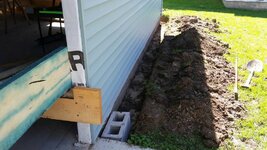
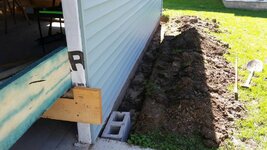
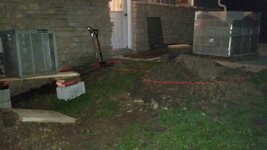
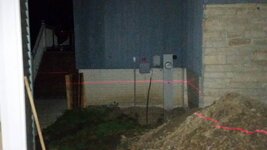
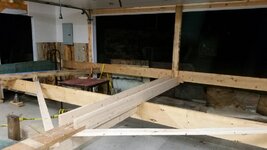
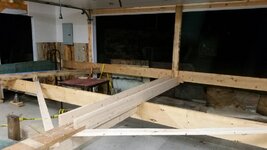
I was initially going to do block but block would be very labor intensive, definitely a huge pain to fill every core with bracing in way for some blocks. Would have been more difficult to install rebar too. Blocks are more porous and probably more likely to crack at joints. Pouring should be much easier and not cost much more. It should be stronger with ability to run a lot of rebar in it and bolts all the way from existing up.Sounds like you have an idea to follow for pouring the walls. I think I might have considered laying block under three walls and then core filling them. The front wall with the O/H door, I'd pour that and carefully tie it together with the old floor/foundation.
When I did the new floor in my garage, I was worried about the water making it's way under the new floor and trying to push it up. If you follow the link in my "Garage Refurb" thread, you can see how I tried to tie it all together and followed it up with an apron to cover it up.
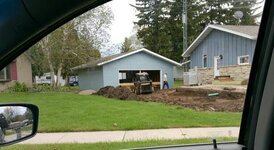
Next year I will be adding an 8x10 garage door on side wall and eventually in a few years a driveway to street on side of my house. I was going to pour slab into door openings and only have top 7 inches of wall 4 inches wide so that slab went wall to wall but that added an immense amount of extra framing to the forms. It would give easier chance for top part of wall to crack or break off if anything settles or shifts and chance for cracks from corner protrusions at doors. My old 1952 garage had frost walls poured 8 inches wide all the way around outside perimeter including doors and slab was poured inside after. It didn't look the greatest but I lived there 15 years and cared more about the cracks in the crappy floor than I did the transition joint from footing to slab. The added strength and ease of forming that way out-weighs the minor cosmetic issue of seeing a joint all the way around. I'll get some good self leveling caulk and ignore it's there.
Sent from my SM-G900V using Tapatalk