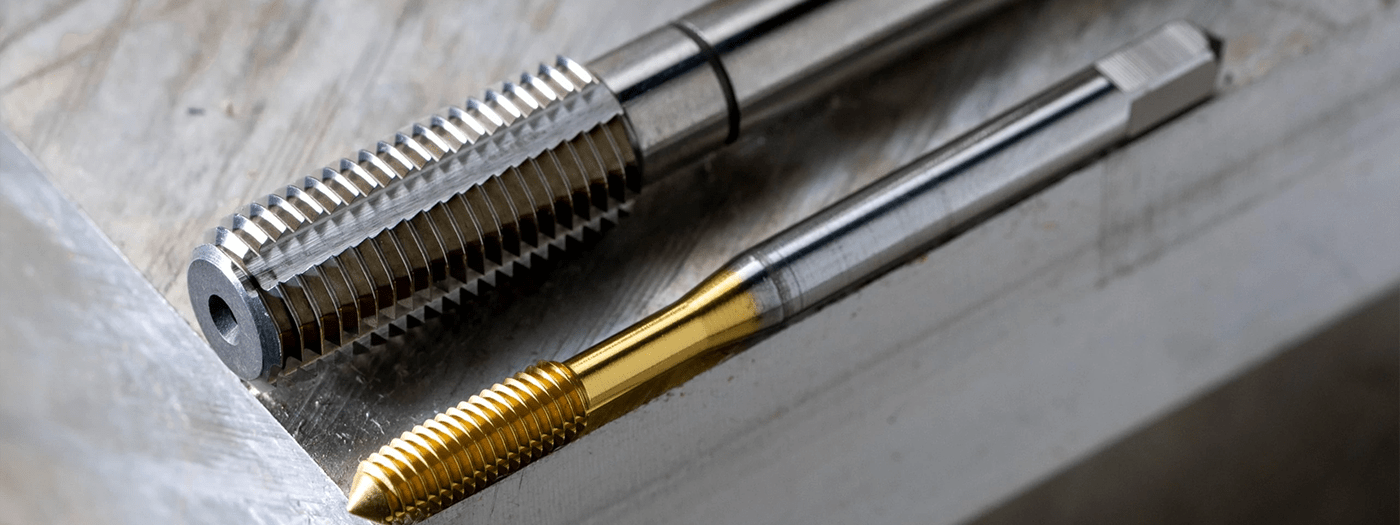
The slot is for lubrication.
That tap is a thread forming tap, not a "thread restoring tap".
Thread forming taps don't cut the material to make the threads, they "form" the threads (cold deform the material to make the threads).
Done right, formed threads are typically stronger than cut threads (because they are cold-forged into the material and not cut into the material).
Also, no chips are produced during the forming process.
But not all materials are good candidates for using thread forming taps. If the material is brittle or forms a powdery chip when machined (ahem, looking at you cast iron) or is too 'soft' (many plastics) then it is not a candidate for using a thread forming tap.
And they take more power to use than a cut tap. And can distort the material more than a cut tap, requiring either generous chamfers at the entrance and exit of the hole or clean-up after threading.
And thread forming taps require a different starting hole diameter than a thread cutting tap (because of the material flow from the thread forming process).
Unlike most CNC cutting tools, Thread Forming Taps, otherwise known as Form Taps, Forming Taps, or Roll Taps, work by molding the workpiece rather than

www.harveyperformance.com