mapesken
Active member

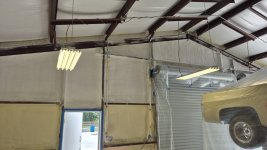
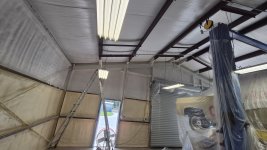
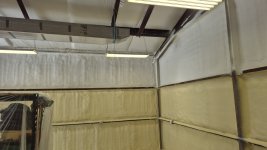
My first shop. Circa 1996 and the 1977 C10 I've held onto through it all.
Let us begin a journey spanning from the origins to the present day—and looking toward what lies ahead.
Please stand by as I unpack the last 30 years.




 Let’s hear more.




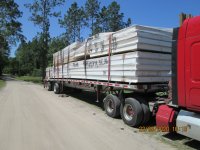


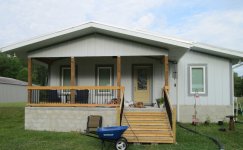


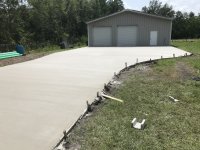
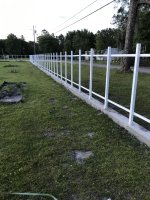

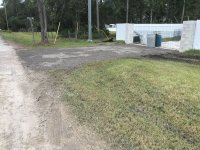


While this entire build is impressive, this is what stands out to me - absolutely phenomenal! Not having to take a loan and doing this out of pocket is inspiring, great work and looking forward to see the rest of the story unfold.On April 2022—ironically my wife’s birthday—we got our final CO. We built the entire house out of pocket with zero construction loans.
We were the only house that day to pass inspection and get a CO from our inspector.While this entire build is impressive, this is what stands out to me - absolutely phenomenal! Not having to take a loan and doing this out of pocket is inspiring, great work and looking forward to see the rest of the story unfold.


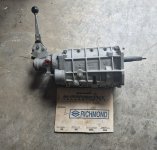
My vision is now highly modern and refined: The Detroit Speed SpeedMAX front suspension, a MaxxECU controlling an L83 5.3L Direct-Injection engine, utilizing a LOJ transmission adapter, an 8HP70 8-speed automatic, and the Camaro IRS.The Math: $6,400 (Ford 9") vs. $950 (Camaro IRS). A guy with a welder and some patience can do an immense amount of high-level fabrication with a leftover $5,400 budget plus I can liquidate the original 9" and associated parts.
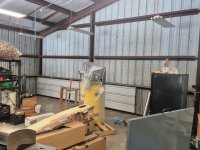
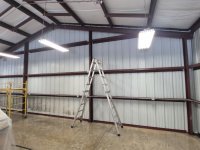
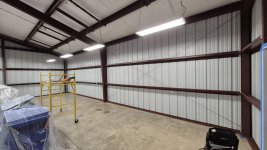

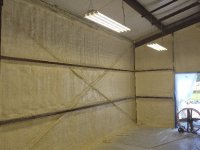

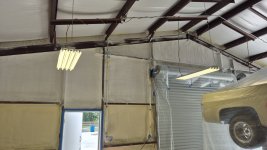

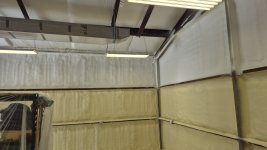

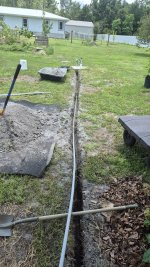

Yes thankfully we are still married.This is amazing...did all that with your wife and still married!? (in jest) but props to you both, what an accomplishment.
I have sprayed at least 25 gallons of paint with it.That can't be the sprayer you used for that job. It's not covered in fine paint color mist! Lol. How often do you ever see a sprayer not layered in paint to the point you can't even read the dang labels.
I like the bottom feeder, cool idea.
Paint looks great!
I did this rather quickly but would like to refine the design.Great idea on the bucket. I usually either blended the little bit into another 5’r or precariously tipped one edge up to get the last bit out. My painting days are coming to a close but I have a few projects left that I might steal your idea!


Yes two Amazon fittings and two paint buckets.That bottom feed bucket contraption looks clever. DIY?