TIG, doing a 'field' repair (actually in a field

) on a broken jeep/truck/motorcycle?
Not the usual process or machine for that type of job IMHO.
And then you want to try to run it off of a small 120V generator that maxes out at 2000W?
Nope. Again, IMHO.
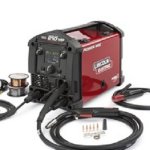
The logistics of doing TIG mean you need not just the machine, and an 'appropriate' power source for THAT machine, but you also need a cylinder of argon for the shielding gas. And some TIG filler rods. And a way to CLEAN the broken part of pretty much ALL dirt, grease, mud, roadkill, rust, and anything else that is not clean bright shiny metal. And that usually means some sort of solvent(s) to remove the grease and oil, and then some grinder action with some wire brushes (to remove surface rust and dirt) and then solvent clean the part(s) again. Then some more grinder action with some sort of abrasive (flap disk, grinding wheel, etc) to get down to clean bright shiny metal. Then some more solvent cleaning. Then you start thinking about the welding.

Of all of the home welding processes (not going to consider plasma welding or electron beam welding or laser welding here
), TIG tolerates the least amount of dirt and crud when welding. It's just the way that process works. MIG can tolerate a little bit of non-clean metal, FCAW and SMAW can (with the appropriate selection of filler/electrode) tolerate the most amount of crud.
But you ALWAYS get the best weld when you weld actual metal. Not grease or oil or dirt or rust or paint. Clean shiny metal.
And you're going to be trying to do all this while upside down, on a trail, trying to fix a broken tie rod on the Jeep, with a breeze trying to blow your shielding gas away from the weld puddle? Nope.
Want to do 'field' repairs on a trail for a broken STEEL part on a Jeep or motorcycle?
The more preferred way to do that would be SMAW, aka stick welding.
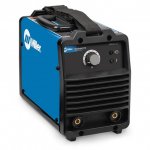
A small inverter-based SMAW machine (for portability because of size and weight, and for electrical efficiency) and some stick electrodes and a can or two of spray solvent and a hand-powered wire brush to knock off most of the rust and dirt and roadkill and you might be able to make a field repair to enable you to get off the trail.
Real '********' trail welding fix? Two 12V batteries in series (need decent cables to connect them together) and two welding cables (stinger and work clamp) and some 60xx electrodes and one can (with some practice
) make a trial repair.