To avoid these ads, REGISTER NOW!

Upgrading air compressor plumbing, any advice?

pcmeiners

Well-known member
Joined
Aug 13, 2009
Messages
7,913
Location
In the only town in Pennsylvania, Bloomsburg.
"Black iron is not ideal as it does not dissipate heat well. "
Black iron may not conduct heat better then copper, but is a much better radiator of heat. Aluminum fins, not copper, are added to baseboard elements, not because of cost, aluminum gives off heat better then copper.
That said, black pipe runs are a lot of work, even if you have an electric threader. Personally, I use a compressor with an aftercooler which removes a good bit of water, so it does not matter black or copper pipe; my preference is copper, no rust, scale and the pipe/fitting produce less friction loss, and running it is a lot less work.

Was a building Engineer for years. The building I took care of was renovated which had black pipe for the old building sections (1/2 of the building), and copper for the other half. In the boiler room I had a manifold for the black pipe and another manifold for the copper, with about 4 feet between them, basically the same amount of pipe in each manifold . Had to work on both manifolds as the contractor screwed up both systems.
The black pipe gave off so much heat I had to create a shield from aluminum foil so I could work up in the manifold area. The copper pipe gave off little heat compared to the black pipe, so I did not need a shield; only bad part to the copper was I was burned a number of times accidentally leaning against it.
 
To avoid these ads, REGISTER NOW!

LHC

Well-known member
Joined
May 10, 2010
Messages
48
"Black iron is not ideal as it does not dissipate heat well. "
Black iron may not conduct heat better then copper, but is a much better radiator of heat. Aluminum fins, not copper, are added to baseboard elements, not because of cost, aluminum gives off heat better then copper.
That said, black pipe runs are a lot of work, even if you have an electric threader. Personally, I use a compressor with an aftercooler which removes a good bit of water, so it does not matter black or copper pipe; my preference is copper, no rust, scale and the pipe/fitting produce less friction loss, and running it is a lot less work.

Was a building Engineer for years. The building I took care of was renovated which had black pipe for the old building sections (1/2 of the building), and copper for the other half. In the boiler room I had a manifold for the black pipe and another manifold for the copper, with about 4 feet between them, basically the same amount of pipe in each manifold . Had to work on both manifolds as the contractor screwed up both systems.
The black pipe gave off so much heat I had to create a shield from aluminum foil so I could work up in the manifold area. The copper pipe gave off little heat compared to the black pipe, so I did not need a shield; only bad part to the copper was I was burned a number of times accidentally leaning against it.

I've been round and round on the black iron vs copper approach but in the end, I figured I would use black iron - even for the radiator portion. My thought process is that I am going to have almost 40' of pipe between the compressor and the first point of use, so both are probably a good cooler. The aftercooler between the compressor and the tank is an optional addition for me as well. Also, I'm about 6 hours up the road from Stouty so in the general geographical area as him and something close to what he's done will probably work for me if it worked for him.

Regardless of material, I wonder if painting the pipe a flat black would increase the heat-shedding ability of it. Seems to me the flat paint would increase the surface area considerably? Might be over thinking this (has happened before).

Thanks for the input,
Lewis
 

Outlawmws

Well-known member
Joined
Aug 9, 2011
Messages
39,269
Location
The Badlands
Two basic things affect how an object radiates heat: Its surface finish, and for getting heat through it, its thermal conductivity. (There are other factors as well, but these two are primary for radiation of heat...)

Here is a table to get some ideas for getting the heat out (or in...), and what surface conditions might affect that:

http://www.engineeringtoolbox.com/emissivity-coefficients-d_447.html


Note the differences between polished copper vs, oxidized copper or polished iron ys. iron in other conditions as a for instance.

That example of copper vs black pipe might be true, but likely only for shiny or near shiny copper pipe....
 
Last edited:

pcmeiners

Well-known member
Joined
Aug 13, 2009
Messages
7,913
Location
In the only town in Pennsylvania, Bloomsburg.
"I wonder if painting the pipe a flat black would increase the heat-shedding"
Definitely, if you notice heat exchangers, aluminum or copper finned, are painted dark colors, very few are left with shinny fins.
Now baseboard heat elements are bright aluminum dust collectors, I guess it is to expensive to darken the aluminum fins, and people would be moaning about the dark color anyway.

"That example of copper vs black pipe might be true, but likely only for shiny or near shiny copper pipe...."

Agree, the less oxidized copper pipe is, the less it radiates, the darker it becomes due to oxidation or chemical treatment the better it radiation quality. The copper manifold I was dealing with was only 6 years old, dark but not close to black. I have seen that chart before, very dark oxidized copper is not a natural occurrence, to get the black color it would require chemical or paint treatment; copper pipe in a garage will never be close to black (unless a fire occurs :sad: ). Interesting how great a difference there is between a polished surface and a dark/oxidized surface.
 

MTW

Well-known member
Joined
Aug 6, 2013
Messages
294
Location
SE Michigan
I've got a couple of questions that maybe MTW can answer as they came into my head as I was reading his detailed dissertations on drain lines.

I'm planning to run a radiator on the wall behind my compressor in a vertical fashion with the bottom "U"s having a downward pointing tee and then some drain lines off of them. Because of cramped space, I have to remote the drain lines to another location about 10' away on the wall and up a few feet. If I simply fashion the drain line into a loop or like a P trap, can I then count on the air pressure driving the slug of water that distance to the valve when I open it 10' away?

Also - this brings up another question - could I not use the same technique to remote the drain for the tank itself? (It's a 60 gallon upright) - i.e. line coming off the bung on the bottom of the tank will have a bit of a P trap fashioned into it before it goes up the wall and along the wall about 8 feet away?

As to the drain lines themselves, I have come across a local Parker store and the lads there were showing me this push-lock hosing that, while not clear, would certainly handle the pressure for the drains - I would probably be using 3/8 or 1/4. Have not come across any clear stuff - at least with the proper fittings - yet.

Thanks again for the great thread and all the input here. It's really helped me to understand the dynamics of the situation and hopefully will save me countless hours of re-work and wasted money.

Lewis

For the vertical radiator I would build a collection manifold into the bottom of it, with the same materials used for the radiator. Use some drip leg space between the bottom collection manifold and the bottom of the return loops. You don't want your air supply ever passing over water collected in the drain manifold. Then I would slope the collection manifold to the direction you want the poly tube to head. One fitting and one tube from the radiator manifold to the drain collection system.

As to the example posted earlier, some drain point's were at floor level and about 15' away from the collection point. They were attached to the piping and went up to the main trunk line about 10' above the floor. Others originated at the trunk level, they all drained equally well. You want all of the lines the same size so that when the drain valve opens they all flow a like amount.

It will only remove the "slug" that is collected in the poly tube trap. Think of it as a pulse drain, not a continuous drain. Make all of the poly traps a similar size, don't get carried away with this. Set the drain timer for regular short pulses, not long opening times with infrequent actuation's. Long open time settings waste air, and the water slug moves quickly down the tube.

This method will work fine for all system collection points, whether high or low, it relies on the collected slug in the tube trap and pressure difference to work. Arrange the tube discharge runs to not have sags in them on the way to the collection system. Just like the air lines themselves, you want the water to flow with gravity to one end or the other, not trapped in low pockets of the tube.

In the examples shown earlier 3/8" tube was used to connect all system components, including the 300+ gallon storage tank that was more than 60 years old. The 3/8" line could handle the sludge and particulate that the tank was passing out without clogging.

The polyethylene tubing is not clear, it's whats called natural, no color added. Nylon is much tougher but not as translucent. Nylon is more amber colored and get's more so with age and use. I gave some links earlier for examples of the tubing and fittings for comparison. Parker is top shelf, but there are many manufacturers to source from. Translucent is not necessary, but is helpful in determining if the system is flowing properly.

Use brass constructed push lock fittings not plastic. It could be hazardous if someone (you) bumped into a continuously pressurized drain line or fitting and broke it off. A loose whipping plastic drain line can do some serious damage to you and the surroundings, before you know what hit you. Be sure to strap the tubing down securely to prevent it from moving in pulsating drain use, and whipping if it comes apart. Ty-rapping it securely to the air trunk lines is easy and cheap. Don't allow sags in the tubing where it will collect water and sediment. Just like the air lines, you want the water to flow under gravity to one end or the other, not trapped in the tubing.

I placed some sags in the drain tubing around the pipe unions in the main trunk piping, to have some pipe wrench room at the unions, for future service, when required. There are also some plastic 90 fittings in use at the drain manifold, but this is a restricted area in the plant and not subject to the tight quarters scenario where someone might bump it.

Go back and have a close look at the photos in post 140 and 144. It's there for you to see. Look closely, can you find all of the collection points? See the difference from before and after of the drain system? It's more meaningful to look at them again, once you read the diatribe, and understand the concepts.

Your layout is sure to be different than the one presented in the example, but the problem is the same. The concepts if applied properly and your system is plumbed correctly, should work just as effective as it did in this example. It's been many years now since this was installed, and I have yet to hear a complaint that it's not functioning as intended. The only maintenance required is to empty out the oil and water separator tank. That's on a combined 150HP screw compressor system that pumps a lot more oil into the system, than a reciprocating compressor system.

MTW Ω
 
Last edited:

LHC

Well-known member
Joined
May 10, 2010
Messages
48
For the vertical radiator I would build a collection manifold into the bottom of it, with the same materials used for the radiator. Use some drip leg space between the bottom collection manifold and the bottom of the return loops. You don't want your air supply ever passing over water collected in the drain manifold. Then I would slope the collection manifold to the direction you want the poly tube to head. One fitting and one tube from the radiator manifold to the drain collection system.

As to the example posted earlier, some drain point's were at floor level and about 15' away from the collection point. They were attached to the piping and went up to the main trunk line about 10' above the floor. Others originated at the trunk level, they all drained equally well. You want all of the lines the same size so that when the drain valve opens they all flow a like amount.

It will only remove the "slug" that is collected in the poly tube trap. Think of it as a pulse drain, not a continuous drain. Make all of the poly traps a similar size, don't get carried away with this. Set the drain timer for regular short pulses, not long opening times with infrequent actuation's. Long open time settings waste air, and the water slug moves quickly down the tube.

This method will work fine for all system collection points, whether high or low, it relies on the collected slug in the tube trap and pressure difference to work. Arrange the tube discharge runs to not have sags in them on the way to the collection system. Just like the air lines themselves, you want the water to flow with gravity to one end or the other, not trapped in low pockets of the tube.

In the examples shown earlier 3/8" tube was used to connect all system components, including the 300+ gallon storage tank that was more than 60 years old. The 3/8" line could handle the sludge and particulate that the tank was passing out without clogging.

The polyethylene tubing is not clear, it's whats called natural, no color added. Nylon is much tougher but not as translucent. Nylon is more amber colored and get's more so with age and use. I gave some links earlier for examples of the tubing and fittings for comparison. Parker is top shelf, but there are many manufacturers to source from. Translucent is not necessary, but is helpful in determining if the system is flowing properly.

Use brass constructed push lock fittings not plastic. It could be hazardous if someone (you) bumped into a continuously pressurized drain line or fitting and broke it off. A loose whipping plastic drain line can do some serious damage to you and the surroundings, before you know what hit you. Be sure to strap the tubing down securely to prevent it from moving in pulsating drain use, and whipping if it comes apart. Ty-rapping it securely to the air trunk lines is easy and cheap. Don't allow sags in the tubing where it will collect water and sediment. Just like the air lines, you want the water to flow under gravity to one end or the other, not trapped in the tubing.

I placed some sags in the drain tubing around the pipe unions in the main trunk piping, to have some pipe wrench room at the unions, for future service, when required. There are also some plastic 90 fittings in use at the drain manifold, but this is a restricted area in the plant and not subject to the tight quarters scenario where someone might bump it.

Go back and have a close look at the photos in post 140 and 144. It's there for you to see. Look closely, can you find all of the collection points? See the difference from before and after of the drain system? It's more meaningful to look at them again, once you read the diatribe, and understand the concepts.

Your layout is sure to be different than the one presented in the example, but the problem is the same. The concepts if applied properly and your system is plumbed correctly, should work just as effective as it did in this example. It's been many years now since this was installed, and I have yet to hear a complaint that it's not functioning as intended. The only maintenance required is to empty out the oil and water separator tank. That's on a combined 150HP screw compressor system that pumps a lot more oil into the system, than a reciprocating compressor system.

MTW Ω

Excellent - thanks very much for this. I`ll go back and have a close look at the pics again and re-read your explanations.

My layout is such that I had planned to have short drip legs under the Tee's at the bottom of the black iron regulator, but, the radiator will be behind the compressor, and there is no easy way to reach around there and crack the ball valves for each drip leg. If I manifold the drains back there with no valves, I would be defeating the radiator by providing short circuits for the air so so speak..... So - I was going to run the flexible drip lines down from the Tees, then up and off to the side about 8', where I would have the ball valves there, and a manifold after them. At the moment I am not planning for an automatic drain (that's phase 2 or 3 !) so I would have a manifold there but feeding a boiler drain or spout affair to catch the water in a little container underneath. There will be 4 ball valves, and I can have them all in one place, then crack each one in turn to blow out the slugs of water. That takes care of the radiator. The drip legs further on that are coming off the drops from the main line are some distance away, and there may only be 2 of them. Phase 1 for me is getting the radiator and the draining set up for that. There will be an air usage point close to the radiator, but the radiator has almost 40`of pipe in it so I should be getting reasonably dry air even from that initial point.

I`ll may sketch something up and run it by you and the other folks here when I get further along (before I start spending money). It might help others if they have a similar physical layout as mine in the future.

Today`s task was searching out a source of unistrut and pipe fasteners which was successful. I am feeling pretty good about this now that I have come across this thread and almost absorbed all the information in it.

Thanks very much again for your assistance.
 

MTW

Well-known member
Joined
Aug 6, 2013
Messages
294
Location
SE Michigan
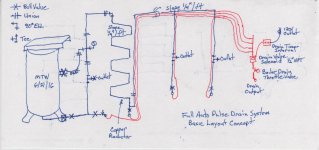
Automatic Airline Pulse Drain System
Back of the napkin sketch = concept.
AutoDrainSystem.jpg


For the radiator I would use copper and solder it together with the 1/4"/ft slope in each section, then add fittings on the ends to convert to the pipe of your choice. Put as many passes as you can afford and have space for. Much easier to solder the 1/4" /ft slope in place, than to accomplish that with screwed pipe connections. Build it on the bench, then hang and pipe it on the wall.

Auto drain valve priced less than 4 manual ball valves.
http://www.ebay.com/itm/1-2-Automatic-Electronic-Timed-Air-Compressed-Gas-Tank-Drain-Valve-AC220V-/161320356350
It only has a 5mm (13/64") port size, 3/8 or 1/2 is my preference, but waddua want for $20. The timer could be reused on a larger port solenoid valve with the same DIN connector on the coil, if it proves to not work well enough (flow restricted)
s-l500.jpg


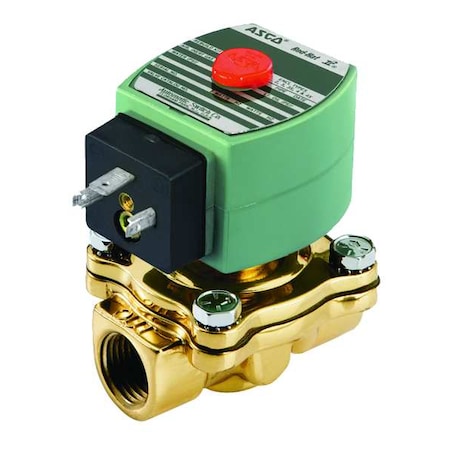
Real 1/2" drain solenoid with full 5/8" port, this will pass the sludge and particles at light speed. It has the DIN coil connection, to fit the above timer. Not cheap at $128, but guaranteed not to clog and stick open.
https://www.zoro.com/redhat-solenoid-valve-22-12-in-nc-120110v-sc8210g002/i/G2013627/
Shopping around could yield a better price on a similar unit.
Z109Dyfo5oy.JPG


Sample Fittings:
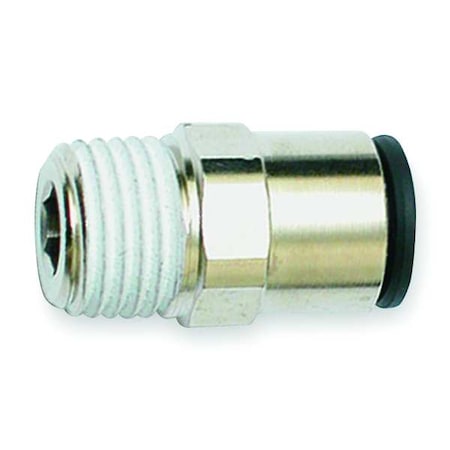
https://www.zoro.com/legris-male-cnctr-pushcx-38-tube-x-mnpt-pk10-3175-60-14/i/G1297037/
Z_B41wfo5oy.JPG

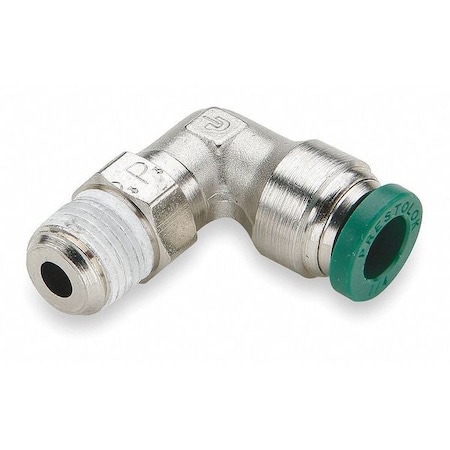
https://www.zoro.com/parker-male-elbow-90-deg-np-brass-38-in-pk10-w169plp-6-4/i/G1089532/
Z_y89xfo5oy.JPG


Tubing: 3/8" OD polyethylene $22/100'
https://www.zoro.com/atp-tubing-38-in-od-100-ft-l-natural-hdpe38ana/i/G3410766/?q=
Z13Bpzfo5oy.JPG


Manifold 2)1/2" NPT input 5)1/4" NPT Output $39
http://www.ebay.com/itm/Airline-Aluminum-Manifold-2x-1-2-NPT-In-5x-1-4-Out-/311634321587?hash=item488eda60b3:m:mUJ12HT6676QVEEaqLjoOpQ
!BgGcw)wCGk~$(KGrHqYH-C4EsMLP8z9dBLD9mku3,w~~_12.JPG


MTW Ω
 
Last edited:

dnschmidt

Well-known member
Joined
Oct 3, 2014
Messages
7,282
Location
Phoenix, AZ
Actually the hot setup is actually aluminum. All of the major compressor manufacturers now sell aluminum based systems using special connectors that are solder and threaded fitting free. They look great, they are sky blue in color, and cheaper than copper. Might want to look into one of those systems. DanAm, importer of SATA spray guns, sells such a system and so do many other sources, Reading Technologies (RTI) is another source.
 

LHC

Well-known member
Joined
May 10, 2010
Messages
48
MTW - A wealth of info in your latest post. When I get back to a real computer later I can look it over better as I'm squnting at the ph
 

LHC

Well-known member
Joined
May 10, 2010
Messages
48
Squinting at the phone and hitting the wrong keys with my thumbs as you can see from the last incomplete post !!! I'm no teenager with tapping on the glass screen....
 

Ing3018

Well-known member
Joined
Sep 3, 2009
Messages
188
Location
Michigan, USA
In planning for my new detached garage, I was considering running an air line back to the house basement while I had the 4' deep, 45' long trench open. This got me thinking that I could perhaps loop this line back to the garage and use it as a means to condense moisture from the air; a sort of ground-source heat sink. I am in Michigan, the soil is sandy and ground temperature at that depth around 50 degrees Fahrenheit.

Picture the piping from the compressor pump going through an aftercooler radiator, then underground to the basement. At the basement, the air would run through a small tank, and tee to the basement. Right where the tank would be, there happens to be a drain that would be used for the condensed water. The piping would then run back to the garage and to the main storage tank.

I think I could pitch the piping sufficiently to allow for flow back to the small tank.

My reasoning in even thinking about this is to achieve drier air at the main tank and since I would have the trench open, take advantage of the opportunity. As a standalone project, I wouldn't consider doing this.

What are the problems I would have in actual operation with this setup?
 

RickP

Well-known member
Joined
Jan 15, 2013
Messages
1,549
Location
Annapolis, MD
Sounds like a good idea - that's definitely a lot of piping! I'd recommend using some type of flexible pipe underground, especially if you might have any ground settling in the future. Alternatively, you could run PVC drain pipe and put your air lines inside it. That would allow the air lines to be pulled out if necessary.

With that much piping, it's going to be tough to get rid of slow leaks completely. For my air line from garage to basement, I don't worry about the slow leaks because I just shut off the valve at the compressor and let the air line leak out overnight. But my piping is downstream from the air tank. With your upstream piping, a valve might be a problem if you ever forget to turn off power to the compressor with the tank valve closed. With a slow leak, the compressor might short cycle all night. Also, how will you handle the unloader valve at the motor? Will you have a check valve after the unloader to prevent the basement air line from emptying each time the motor turns off?

I just like to plan the installation so I can't mess it up by forgetting to do something (which I know I will inevitably do someday). So I just decided to keep it simple and put the basement downstream from the garage air tank. But you have a good idea about a ground loop heat exchanger loop - that's a pretty easy way to get cool air for free. Would it still work for your needs if the loop was downstream from the air tank?
 

MTW

Well-known member
Joined
Aug 6, 2013
Messages
294
Location
SE Michigan
What are the problems I would have in actual operation with this setup?

The head unloader problem as mentioned earlier. You would be relieving the entire line set of head pressure with a standard compressor piping arrangement. A colossal waste of air.

Using a separate line check valve after the after-cooler could remedy this situation but add more complexity.

For the drain end (basement) the piping would need to enter the foundation wall below grade, with the same pitch that it enters from the outside. It needs gravity to drain the line, any upturn will cause the condensed moisture to collect at the low point in the run. In Michigan sometimes the frost line can exceed 48" under the right circumstances (saturated soil). Foundation penetration below grade can be successfully sealed with hydraulic cement and due care.

If it were me I would leave the existing compressor piping arrangement to the tank, and install an auto drain on the main tank. Then I would pipe the tank supply thru your underground cooler piping, then back to your shop trunking. I would eliminate any tank in the basement and just use a drip leg in the return loop to drain off the condensate.

I did something similar to my house 25 years ago, but didn't use a return line to the garage. It was for air supply in the house. I used 3/4" soft copper tubing (coil) to avoid any joint leaks, added a water and gas line as well. It worked fine for the 25 years that I was there. You need to carefully uncoil the tubing on a hard surface to avoid high and low spots in the run that will allow water to collect. And your trench bottom needs to be carefully scraped and reasonably flat. I modified a hand hoe with a stick of conduit for the handle to easily reach the trench bottom to smooth it out.

MTW Ω
 
OP
S

Strouty

Well-known member
Joined
Mar 21, 2010
Messages
38,215
Location
Southern Maine
If you add sand to the trench, then sand over the plumbing that will help keep it protected as well. It would definitely keep the air cool.
 

Ing3018

Well-known member
Joined
Sep 3, 2009
Messages
188
Location
Michigan, USA
I already cored 2 4" diameter holes through my basement wall. I ran 20' of 3" PVC schedule 40 pipe horizontally at 4' and 2' depths below the exterior ground surface. (A 3" coupling just fits through a 4" hole.) I ran the conduit from the basement outwards as my A/C compressor, irrigation valves, and other landscaping are above where i needed the conduits to be. I'm am in sandy soil, and so can tunnel pipes by just using a shop vac and slowly push the pipe forward. The space between the concrete wall and the conduit was sealed on the basement side with some quick curing epoxy. I then injected expansive high density polyurethane foam into the joint to to seal it against water intrusion. I wish I could run the conduit the rest of the way to the garage with this method, but I have to put sweeps in to line up where I want to come into the garage.

My plan was to run a water supply line, coax, Ethernet and electrical lines in the conduits. A natural gas line will need to be run differently, as that line can't pass through the basement wall.

I had not fully considered unloading the compressor after each cycle and agree that unloading all this piping would be a big waste.

Also, the line that returns from the basement will need to climb up to the elevation of the garage system. I think I would have the potential for condensate to build up there unless I created some sort of underground drip leg.

Good thing this was just a thought exercise! I was heading for too much complexity and cost.
 

RickP

Well-known member
Joined
Jan 15, 2013
Messages
1,549
Location
Annapolis, MD
I had not fully considered unloading the compressor after each cycle and agree that unloading all this piping would be a big waste.

Also, the line that returns from the basement will need to climb up to the elevation of the garage system. I think I would have the potential for condensate to build up there unless I created some sort of underground drip leg.

Good thing this was just a thought exercise! I was heading for too much complexity and cost.

I like how you planned ahead with installing two pvc pipes. Are you thinking about using one pipe for the 240v electrical cable, or would you run smaller electrical conduit inside the pvc pipe and pull THWN wires? I've been considering running conduit-inside-a-pipe for some high and low voltage wires that have to go in the same 3" pipe.

I still think your idea for running air lines to your basement is a good one -- maybe just downstream from the air tank in the garage. I also decided to put a small air tank in my basement and I'm really happy to finally have compressed air there (without having drag out a portable compressor every time I need air).
 

Ing3018

Well-known member
Joined
Sep 3, 2009
Messages
188
Location
Michigan, USA
I like how you planned ahead with installing two pvc pipes. Are you thinking about using one pipe for the 240v electrical cable, or would you run smaller electrical conduit inside the pvc pipe and pull THWN wires? I've been considering running conduit-inside-a-pipe for some high and low voltage wires that have to go in the same 3" pipe.

When I built this house, I ran direct bury cable out to where the garage will be built, coiled up the excess and buried it under some plastic sheeting. It's good for 80 amps, though I would like to have a full 100 amp capability. For the cost, I think I'll just stick with the existing supply wire for now. The double conduits will give me the flexibility to run a new service, if the need arises. As a practical matter, I doubt I will ever need to.

So, while the double 3" conduits will likely be underutilized, it's not a long run of pipe. I would have used a smaller pipe as conduit, but a 4" wet core drill bit and rig was what I had available to me.
 
To avoid these ads, REGISTER NOW!

jrcampbe

Well-known member
Joined
Sep 13, 2014
Messages
100
Fantastic thread, guys. I want to put my airline system in this weekend. I'm going to use copper because I know how to sweat solder it and I don't have a pipe threader.

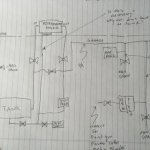
Can you take a quick look at this and give me some feedback?

I have a used refrigerated drier that I want to put in the attic and I've put valves in to be able to bypass it. I've neglected to call out a flexible coupling from the compressor to the main air line, but I know that is necessary. I was planning to use the tractor supply hydraulic hose.

This is for a home garage. I want to be able to paint, blast, and run a plasma cutter, so I want clean, dry air. I live south of Denver where it is very dry.

Thanks for all of the great discussion!

Jim

BHN-MjVBSTs
 

Outlawmws

Well-known member
Joined
Aug 9, 2011
Messages
39,269
Location
The Badlands
Do this from the "advanced posting" menus; and at step 5 copy it into the URL field after hitting the "postcard" button:

attachment.php
 

LHC

Well-known member
Joined
May 10, 2010
Messages
48
Automatic Airline Pulse Drain System
Back of the napkin sketch = concept.
AutoDrainSystem.jpg


For the radiator I would use copper and solder it together with the 1/4"/ft slope in each section, then add fittings on the ends to convert to the pipe of your choice. Put as many passes as you can afford and have space for. Much easier to solder the 1/4" /ft slope in place, than to accomplish that with screwed pipe connections. Build it on the bench, then hang and pipe it on the wall.

Auto drain valve priced less than 4 manual ball valves.
http://www.ebay.com/itm/1-2-Automatic-Electronic-Timed-Air-Compressed-Gas-Tank-Drain-Valve-AC220V-/161320356350
It only has a 5mm (13/64") port size, 3/8 or 1/2 is my preference, but waddua want for $20. The timer could be reused on a larger port solenoid valve with the same DIN connector on the coil, if it proves to not work well enough (flow restricted)
s-l500.jpg


Real 1/2" drain solenoid with full 5/8" port, this will pass the sludge and particles at light speed. It has the DIN coil connection, to fit the above timer. Not cheap at $128, but guaranteed not to clog and stick open.
https://www.zoro.com/redhat-solenoid-valve-22-12-in-nc-120110v-sc8210g002/i/G2013627/
Shopping around could yield a better price on a similar unit.
Z109Dyfo5oy.JPG


Sample Fittings:
https://www.zoro.com/legris-male-cnctr-pushcx-38-tube-x-mnpt-pk10-3175-60-14/i/G1297037/
Z_B41wfo5oy.JPG

https://www.zoro.com/parker-male-elbow-90-deg-np-brass-38-in-pk10-w169plp-6-4/i/G1089532/
Z_y89xfo5oy.JPG


Tubing: 3/8" OD polyethylene $22/100'
https://www.zoro.com/atp-tubing-38-in-od-100-ft-l-natural-hdpe38ana/i/G3410766/?q=
Z13Bpzfo5oy.JPG


Manifold 2)1/2" NPT input 5)1/4" NPT Output $39
http://www.ebay.com/itm/Airline-Aluminum-Manifold-2x-1-2-NPT-In-5x-1-4-Out-/311634321587?hash=item488eda60b3:m:mUJ12HT6676QVEEaqLjoOpQ
!BgGcw)wCGk~$(KGrHqYH-C4EsMLP8z9dBLD9mku3,w~~_12.JPG


MTW Ω


MTW - Just getting back to this now. Life keeps getting in the way of my projects ! I've done a bit more research and unless the fellow at the local plumbing supply place made a mistake, I have discovered they are 1/2 the price of the Home Depots for copper tubing and fittings ! I would have to get the black iron threaded and so add that cost to the black iron and I am not that far away from the copper. So, once again, I have flip flopped on the material and am back to copper !

If I make the radiator out of copper, I will end up with a vertical run with a Tee at the top, where I want to branch the main line in two directions from a corner of the room. I was thinking that I would go with a flexible connection here when I was considering the black iron, so that I could pitch the line the 1/4"/ft. This raises a question. Let's say I have a copper tee at the top of a vertical run (last leg of the radiator) - if I go with some sort of short flexible hoses here to connect to the main lines, the stuff the fellows at the Parker store were showing me looks to be steel fittings (hydraulic fittings maybe?). This will cause a dis-similar metals issue with the copper won't it? Or do I use a brass "go between" connection to prevent or minimize this ?

I am going to be using strut on this radiator etc, and I have already discovered the "cushion" connectors so that the copper pipes are not touching the strut or the clamp.

There is much to learn......

Thanks !
Lewis
 

MTW

Well-known member
Joined
Aug 6, 2013
Messages
294
Location
SE Michigan
LHC,

Where you are changing piping materials from copper to steel and are worried about electrolysis from dissimilar metals, use a dielectric union. It has a plastic molded ring to separate the metals.

lfdu-bs-g.jpg


As to material pricing, a good contractor wholsale house will normally be better stocked and less expensive than the typical box store. There will be some exceptions on some items that are sold in mass quantity's. I like supporting my local businesses whenever possible.

MTW Ω
 

LHC

Well-known member
Joined
May 10, 2010
Messages
48
MTW - Thanks very much. I think I only need a couple of these things. The more I am looking things over, and considering the pleasant shock of the copper pricing at the local plumbing distributor I might just put copper in the whole system now. It's not a huge amount of extra money when I factor in the cost to get the black iron threaded and the system is not that large to begin with. I really only need to fuss with the dielectrics if I have some short flexible sections in a couple of places, as it looks like those will have something like hydraulic hose whips or something like that with steel fittings.

Still amazed and very thankful I came across this thread - it's been a great help with my planning and understanding.

Will be back when I start to scratch my head again ...
 

Ironhorse74

MEMBER EMERITUS
Joined
Nov 10, 2014
Messages
998
Location
The Pacific North Wet
Got some more done. Glad I am not charging myself by the hour. Picked up an enclosed flexzilla hose reel. Not sure how well I will like it so plumbed for a third hose reel but not purchased yet.


ajcz

New member
Joined
Aug 9, 2014
Messages
1
At the shop where i work. we had a steel pipe blow out before i started and it killed the compressor, we are just now ordering a compressor, and they want to run all new lines through the warehouse/shop, I feel like they shouldnt run the new lines out of the material we have an abundance of... but they wont listen. How dangerous is it to use PVC gas line? its roughly 3x the wall thickness of standard pvc, pressure rated to 300psi all day, 100psi burst, immune to corrosion and will be run mounted high on the walls and rafters free from damage chance. and i convinced them to atleast run steel pipe down from the lines to air reels. Any thoughts on how it how they want to set it up?
 

stonesfan68

Well-known member
Joined
Apr 19, 2012
Messages
2,760
Location
Houston, TX
It is against OSHA regulations to use PVC piping in above ground applications. If they install it then they are needlessly risking your safety, and if it were me I'd report it to OSHA.


Sent from my iPad using Tapatalk
 

Outlawmws

Well-known member
Joined
Aug 9, 2011
Messages
39,269
Location
The Badlands
If it isn't RATED for air, then its against all codes everywhere, as well as OSHA. Stupid move on there part, and the lawsuit(s) if it does blow and injures anyone will bankrupt them...
 
To avoid these ads, REGISTER NOW!
Top Bottom