rust in the eye
Well-known member
I find them useful for lots of things but have never employed them for anything resembling a water pump of any sort.


A left-over name from the 30s and 40s when they were used for that purpose I would guess.I find them useful for lots of things but have never employed them for anything resembling a water pump of any sort.

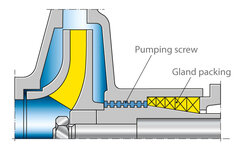
But many of us have used them for water pumps. Many industrial water pumps, industrial valves and old cars water pumps used rope seal packings to keep them from leaking. Over time the rope packings wear or take set and they start to leak. Most have some meathod of adding additional pressure to the rope packings to swell them and stop the leak. The most common at one time was a gland nut, Still used some places, that a mechanic would take his trusty water pump pliers and add a 1/8 turn or so to stop or slow the leak. If it still leaked it was time to shut things down and install new rope packings. Rope packings are still used on many industrial pumps even new. I worked on a 200 hp 10,000 psi pump, and the plungers all had rope packings that required tighening every month or so and replacement every year. The majority of low pressure pumps(under 100 psi) use mechanical carbon face seals so they are not nearly as prevelent as they used to be. The majority of large valves still have adjustable packing glands on the stems, but many are not rope but a polymer of some kind.I find them useful for lots of things but have never employed them for anything resembling a water pump of any sort.
That's what I've always called them too and I have several. I never heard them called water pump pliers except here on GJ.I always grew up calling them Channel Locks, even though I don't think I owned an actual set of Channel Locks until I was in my mid-20s.


 I even worked for pumber, don't remember him having any.
 www.harborfreight.com
I remember for years fighting those type of hose clamps, a friend handed me a pair of those type to use one day, I've never been without a pair again.I have a pair of Craftsman "water pump pliers" or that is what I was always told what they were for.
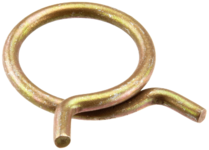
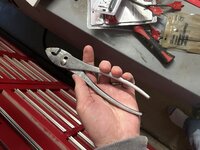
The jaws are totally unique and are for grabbing wire type hose clamps. Work well. Otherwise useless as normal pliers.
Those are spring clamp pliers. Whoever called them water pump pliers was misinformed.I have a pair of Craftsman "water pump pliers" or that is what I was always told what they were for.
The jaws are totally unique and are for grabbing wire type hose clamps. Work well. Otherwise useless as normal pliers.

Stupid question, but why wouldn't they just use a wrench on it?I believe that the name comes from early car engine water pumps rather than yard pumps. Most likely cars like the Model T. The nut for the packing is too large for regular slip-joint pliers. Hence "water pump" pliers.

Then just another name for tongue and groove pliers.Farmers and Ranchers with windmill driven water pumps usually did not have very complete sets of tools, but those pliers fixed a lot of water pumps and earned their own name.

Which strikes me as funny because while I am not old, I am not young and have lived in Georgia for all but a few of my years. And in all that time I have always called them channel locks or slip joint pliers. Guess it just goes to show that regional peculiarities are by no means universal.Those are spring clamp pliers. Whoever called them water pump pliers was misinformed.
The water pump pliers terminology seems to be both generational and regional. I hear it more from older guys and southerners. Slip-joint pliers and channelocks seem to be younger and northeastern. YMMV
jack vines

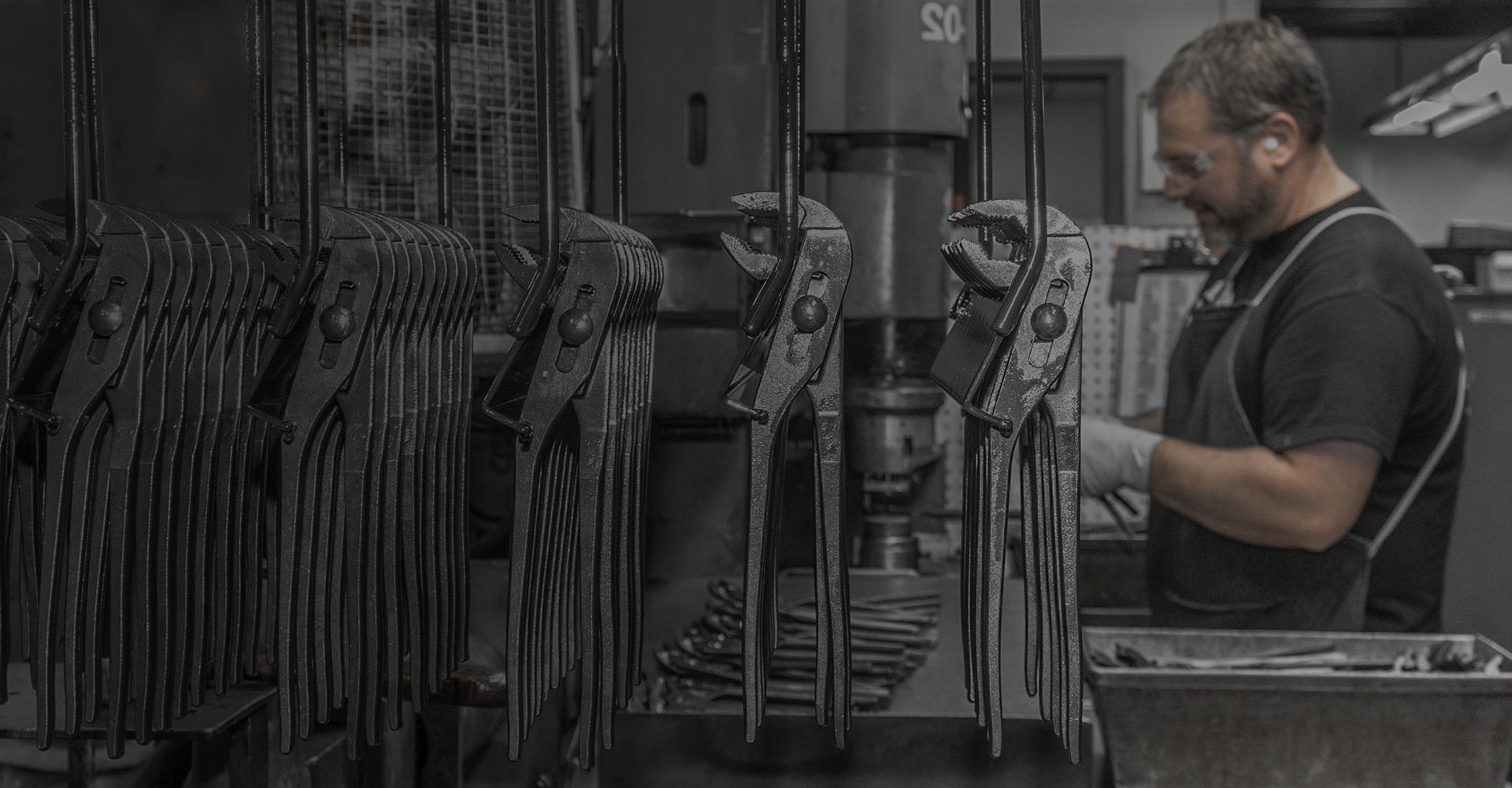
If you ask for a pair of channel locks this is what most people would hand you. It's like asking for a crescent wrench, vise grips, or an allen wrench.Which strikes me as funny because while I am not old, I am not young and have lived in Georgia for all but a few of my years. And in all that time I have always called them channel locks or slip joint pliers. Guess it just goes to show that regional peculiarities are by no means universal.
Except that tongue and groove pliers were had the patent applied for in 1932, long after the rotary water pump was introduced, and nearly every car and most tractors had a water pump by this time, as the thermosiphon systems couldn't handle the heat from the higher horsepower engines being introduced.Farmers and Ranchers with windmill driven water pumps usually did not have very complete sets of tools, but those pliers fixed a lot of water pumps and earned their own name.
 channellock.com
Them there pliers.Packing gland nut pliers ! How’s that description
No, those are Corbin hose clamp pliers and were the rage about 40 years ago before constant pressure clamps became the automotive norm.I have a pair of Craftsman "water pump pliers" or that is what I was always told what they were for.
The jaws are totally unique and are for grabbing wire type hose clamps. Work well. Otherwise useless as normal pliers.
I remember for years fighting those type of hose clamps, a friend handed me a pair of those type to use one day, I've never been without a pair again.
This is where its at, will do both round and flat clampsNo, those are Corbin hose clamp pliers and were the rage about 40 years ago before constant pressure clamps became the automotive norm.
Slip joint pliers are different. Those are groove joint pliers.Which strikes me as funny because while I am not old, I am not young and have lived in Georgia for all but a few of my years. And in all that time I have always called them channel locks or slip joint pliers. Guess it just goes to show that regional peculiarities are by no means universal.
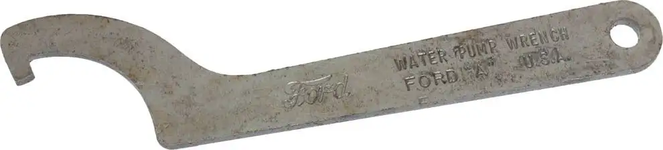
My 1930 Model A Ford, and all Model A's have a water pump with a packing nut. Behind the nut is a rope packing. The nut has to be tightened periodically to prevent it from leaking. The nut is not hexagon but rather a round cylender with groves in it so water pump pliers are the ideal tool to tighten the nut.I find them useful for lots of things but have never employed them for anything resembling a water pump of any sort.
The classic “I can’t see this tool being used on a passenger car, therefore I don’t understand why it exists” mantra.To many youngsters around this forum that only think of vehicles and the tools to support them. There are a lot of water pumps in the world both rotary and piston that use a packing nut as described above. Many maintenance men were responsible for making sure that the packing nuts were kept adjusted on pumps, valves, and steam engines. Those men carried water pump pliers in the leg pocket of their overalls.
lg
no neat sig line
One of my maintenance duties, when I worked at the mill, was to check and maintain the lube levels on dozens of gearboxes driving the various roll lines around the reheat furnace and roughing stands. Lots of different kinds of boxes, with different configurations of fill plugs. Fortunately, a pair of Channellocks fits ALL of them!At work I've used Channellock's lots of times when I should have used a better tool. It's easier to carry a pair in your back pocket and use them and not have to walk back to the shop and sometimes something needed tighten right away.
Umm, ok. Sort of a broad statement.To many youngsters around this forum that only think of vehicles and the tools to support them. There are a lot of water pumps in the world both rotary and piston that use a packing nut as described above. Many maintenance men were responsible for making sure that the packing nuts were kept adjusted on pumps, valves, and steam engines. Those men carried water pump pliers in the leg pocket of their overalls.
lg
no neat sig line
My 1930 Model A Ford, and all Model A's have a water pump with a packing nut. Behind the nut is a rope packing. The nut has to be tightened periodically to prevent it from leaking. The nut is not hexagon but rather a round cylender with groves in it so water pump pliers are the ideal tool to tighten the nut.


 eaiainfo.org