Chances are good they're toast.
They might light up and leave a bead, but the flux absorbs moisture from the humidity in the air. This moisture will break apart into hydrogen and oxygen when exposed to the arc, causing hydrogen embrittlement in the resulting deposit. Hydrogen solubility in molten metal is higher than solid metal, so as the weld cools, the tiny hydrogen atoms will find their way out of the weld.
This usually will manifest as tiny bubbles or porosity, sometimes as bad as cracks. Aluminum is especially prone to hydrogen entrapment as the solubility difference is very high between the two phases.
You might be able to get a reasonable weld out of them if you bake them in a rod oven or toaster oven for a while before use, but I wouldn't trust them for anything you care about. Basically you need to heat them above the boiling point of water for long enough for any moisture to evaporate out of the flux. Above 220° for an hour or two will usually get them useable.
This is why structural steel welding codes require low hydrogen rods kept in a rod oven. Hydrogen embrittlement and cracks can cause failures in critical welds. 7018 is a rod designed for low hydrogen welding, and are supplied in hermetically sealed canisters. As soon as you crack the seal on the can, you're not supposed to let them fall below the specified temperature or they'll lose their low hydrogen qualities.
That said, if you're just wanting some practice rods, bake 'em and use them. They'll be fine for most non-structural repairs.

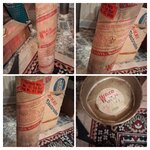

 ds when I moved into my new home. Can anyone let me know if these are still good, and what a decent price range is if it salavgable? Thank you in advance since I know nothing about tools and the miscellaneous things that go-to them.