There are two broad types of aircraft mechanics.
An “A” rating means you can work on anything in the plane but the electronics and power plant.
A “P” rating means you can work on the power plant.
(It used to be "A&E” for “engine”, but the jets changed that.)
Most guys get both and are called an “A&P”
Electronics is almost always a separate guy.
I believe there is another level called “With inspection authority” or something similar.
If the plane is going to be forever parked or hung from a ceiling in a museum, you have nothing to worry about.
But if anybody in the future might want to fly it, you have to do it by the book or it will mean a complete teardown and re-inspection.
The FAA has the records of every plane built in the US.
When it was built, by who, who has owned it, where it has been owned, everything.
Some of these records are over 100 years old.
The are classic bureaucrats,
Everything by the book and never throw anything away.
Airplanes are by far the most regulated machines in America.
Even to the point of what gas you put in it.
You have to get government permission to run auto gas in them because it is so hard to get the leaded gas the engines were designed for.
And I believe the permission is only granted after a licensed mechanic has gone through a step by step conversion of anything that may be affected.
I can see you do good work.
And if this project helped you learn something, all the better.
Unfortunately, it is not a case of if you do good work.
It is a case of if you are allowed to do any work.
If your owner has “Inspection” authority, you both should be OK.
BTW
I am not an A&E or even a licensed pilot.
But my dad was WW II Naval Aviation and then a flight instructor and A&E in civilian life.
I have been around air planes all my life and kick myself regularly for not getting my pilots license.
But, at the time, flying was just something my dad did to put food on the table.
No different than the other guys dads delivering milk, or clerking at the hardware store.

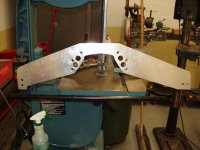
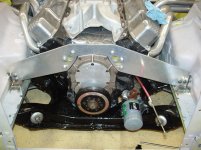

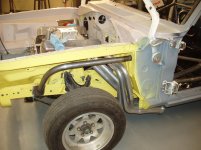






 Would love to see that!