pembol, fitter30 and BillK are all giving you good advise.
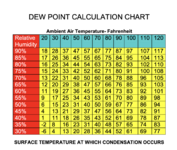
Let me tell you about my similar experiences. Living in north central New Mexico, we do have real winters here. I was using a wood stove for primary heat in my house, stove produced about 65k Btu/hr. The stove was in a south facing "sun room" which was originally built as a greenhouse, attached to the house. At some point this was converted to living space. I had fished electrical cable above the ceiling here, and saw there was about 2-3 inches of cellulose insulation above the ceiling. Cellulose was on clods like it was just dumped from the bags before the roof was decked, so minimal insulation in the ceiling since it was not mixed through the blower. Walls were almost all double pane windows, wood with aluminum cladding. Even with the wood stove in this room (about 12 ft wide and 24 ft long) the windows, especially the windows furthest from the wood stove had condensation on the glass which ran to the bottoms on the panes. I drilled holes in the ceiling (cathedral ceiling) at 2 ft OC and blew in fiberglass insulation until refusal at every hole. The next winter, there was no condensation as heat loss through the ceiling was greatly reduced, and the heat always takes the path of least resistance, through the windows now. So in my case, I warmed the window surfaces with ceiling insulation. Could do the same with wall insulation, but in both cases, it depends on what you have in place now.
So there you go, basic building science. Also warming the window glass by installing better windows will certainly help, you may have to do more.
By the way, my windows were wood with aluminum cladding. The worst ones rotted out from the inside out.
Not saying this is the fix for you, but this is something to consider. Here we are in the desert, so condensation on bottom of the roof deck is something to consider mostly in wetter climates. It has been about 5 years, but decking still feels solid to walk on. Will be reroofing this year so I will be pulling a couple of sheets of the decking and checking for moisture issues. If this is an issue, will replace the removed decking and install rigid foam over the deck then and deck over the added foam, and install new roof.
if you have to add rigid foam to the bottom or top of your roof deck, your international building code books prescribe how much rigid foam you need for your climate zone.
You may want to find an experienced person with a blower door and an infrared camera to look at your house. Improving performance of the building envelope conserves energy and makes the home more comfortable (warmer in winter), which would reduce the window condensation.
Good luck.