The Wonderful World Of Helicoils

Last fall I found some threads stripped on the '66 Corvette convertible top frame. In the back two corners are...

...two locating/latch pins. Look closely at the right side and you'll see the pin, the arrow on the left is pointing to where the left pin should be. Note the towels and plastic sheet in place to protect the paint while working on the frame.
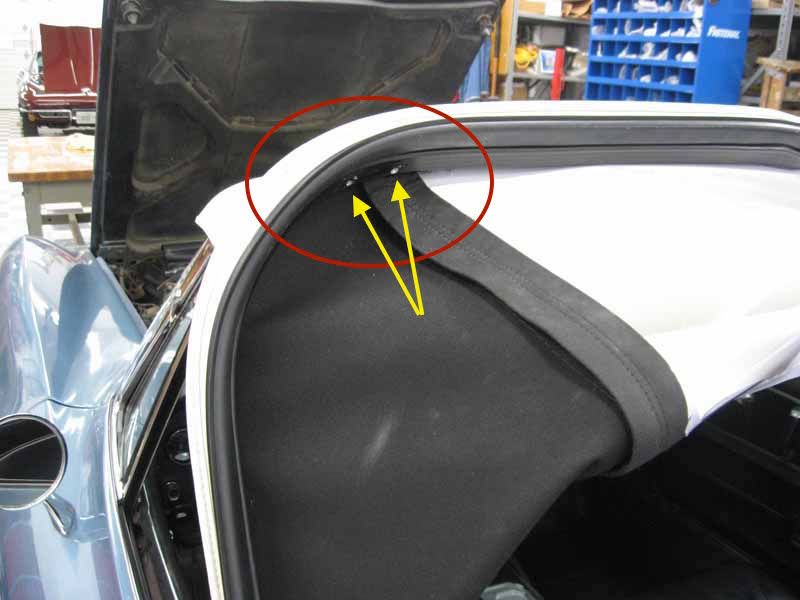
That locating pin is missing because these two holes in the aluminum frame had been stripped out.
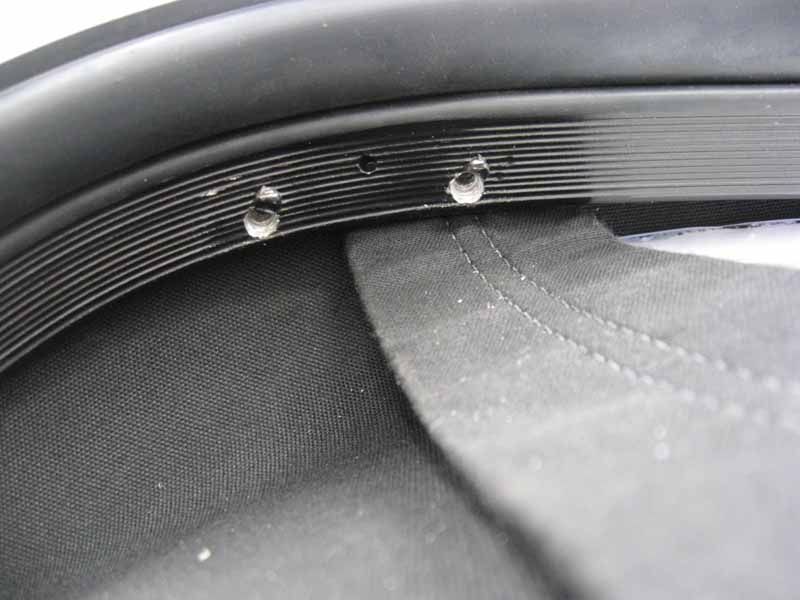
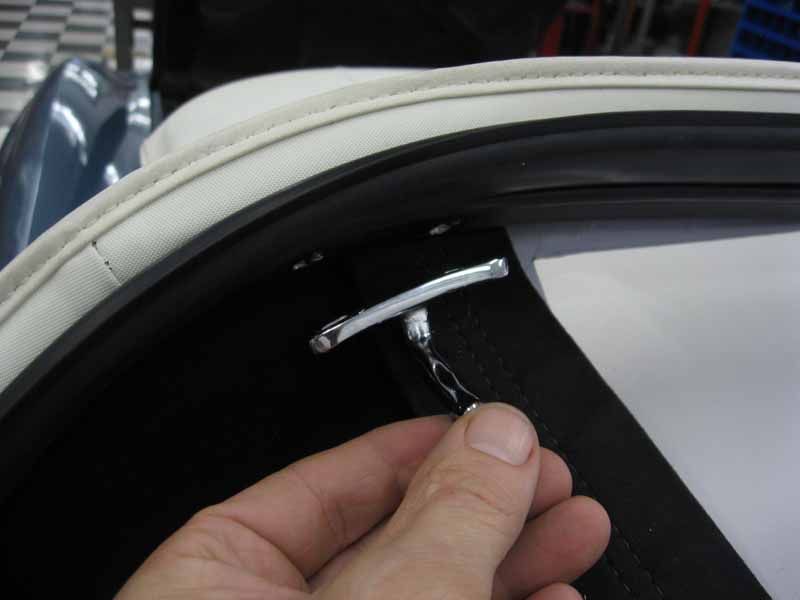
Not a pleasant situation but there is a relatively easy way to repair it. Here's how to repair the frame or any part that has been stripped out for that matter. Think..... Helicoil!


A helicoil, seen on the left, is basically just a thread insert that can be installed to repair previous threads that have been damaged. For more technical information about heilcoils click here:
http://www.repairengineering.com/helicoil.html
The old, damaged threads are drilled out, a special
STI tap is used to tap threads for the helicoil.

Helicoils come in various sizes and thread pitches. For my repair I needed a 12-24 pitch helicoil since that's the screw size that was damaged. Note the drill size for the
STI tap is clearly stated on the package, 15/64" drill size in this case.

Each helicoil repair kit comes with the correct size
STI tap, yellow arrow.
STI stands for "
Screw
Thread
Insert" tap. Those are the only taps that should be used with a helicoil. Also included with each kit is an insertion tool, red arrow.

Here are the metal chips from the holes that were drilled out with the 15/64 drill. That's why I had a plastic sheet over the back of the car to keep those chips off the paint and out of the interior.

Next the holes were tapped using the proper
STI tap. To insert the helicoil...

...the helicoil is threaded onto the insertion tool. Note the yellow arrow pointing at the drive "tang" on the bottom of the helicoil. (I'll come back to the small notch the white arrow is pointing to in a moment)

That drive tang engages a special spot on the bottom of the insertion tool and allows the helicoil to be turned by the insertion tool...

...threading the helicoil into the newly tapped hole.

Not the greatest picture I know

, but it was the best my poor camera was capable of. Use your imagination to see a clear, sharp, in focus image here. Insert the helicoil approximately 1/4 to 1/2 turn beyond where it first starts to engage the threads. When done, peen the threads on the frame to prevent the helicoil from backing out.

Now we'll come back to that white arrow 4 pictures back. It was pointing out a small notch on the helicoil that is provided to help remove the drive tang once the helicoil is installed. The removed drive tang is seen on the right.

Here's what the drive tang looks like at the bottom of the now installed helicoil. Again my apologies for poor a quality picture.

The drive tang is removed by using a flat bottomed punch and a hammer to contact and sharply bend the drive tag, breaking it off.

So if we could look in cross section at everything installed, here's what the helicoil with the screw threaded onto it would look like.


Inside the car, here's a look at that locating pin...

...securing the convertible top frame.

Helicoils are a very clever invention that can be used in many applications. They're especially helpful when working with threads in aluminum which is soft and can be easily stripped out. Aluminum Muncie transmission cases and aluminum intake manifolds have all benefited from repairs over the years utilizing helicoils as have small lawn mower engines with stripped spark plug holes.
So here we have
another successful repair greatly aided by a wonderful working environment. Thank you Mr Johnson.

Thomas


 ****, I must have fell asleep in class again...


