rlitman
Well-known member
I'm not sure how you got either of those interpretations from my posts, so let's try again.ummm spec grade has never been the cheap bulk ones.... spec grade is a step up from the cheapo ones.
ummm youre mixing up the push-wire terminal on the back of the receptacle with the retention strength of the tangs in the front of the receptacle. 2 different things on a receptacle. not sure why youre comparing them...
BTW the push-wire terminals ARE dangerous. they cause fires due to that spring loosening up....
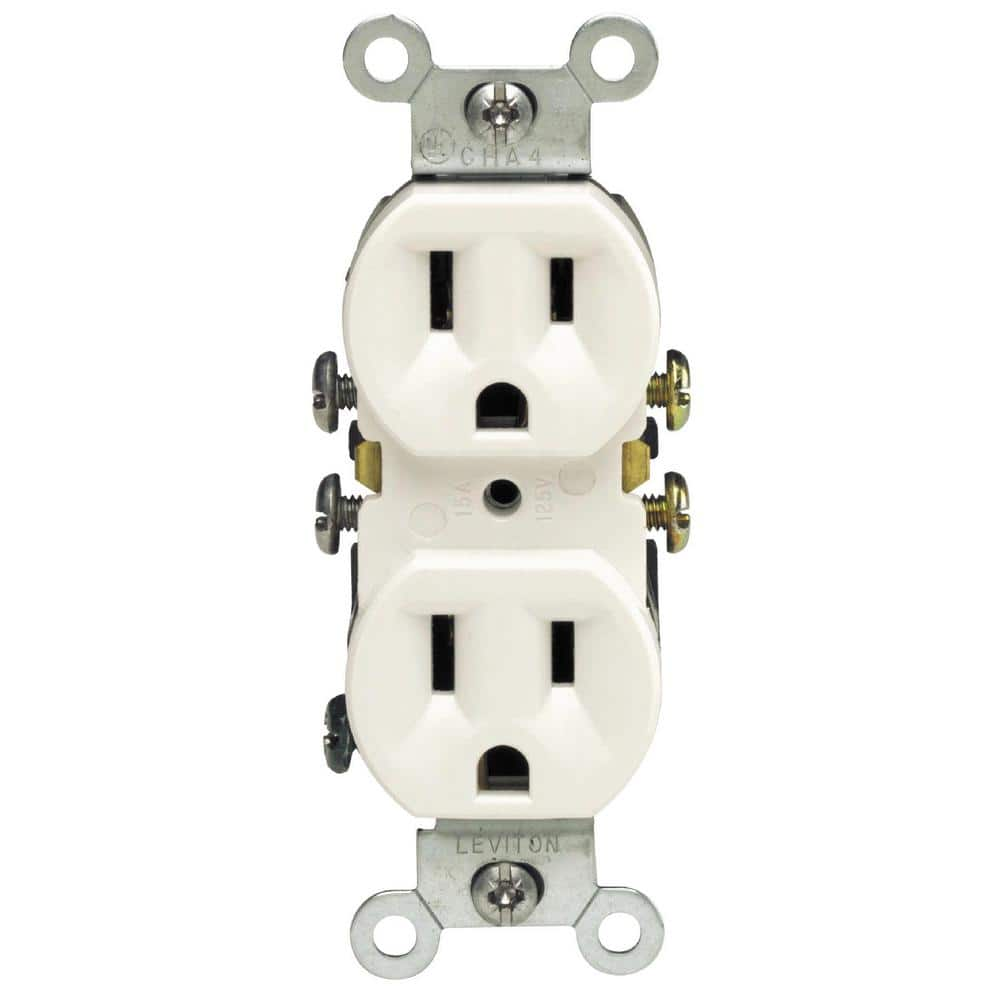
30+ years ago, bulk outlets were dangerous ****. They had brittle face plates that could fall off and terminal screws with a flat surface under the head that pushed wires out, among many other fatal flaws. I'd seen way too many outlets exposing their live guts when a face plate ripped off or snapped after someone carelessly pulled out a plug by tugging on a cord.
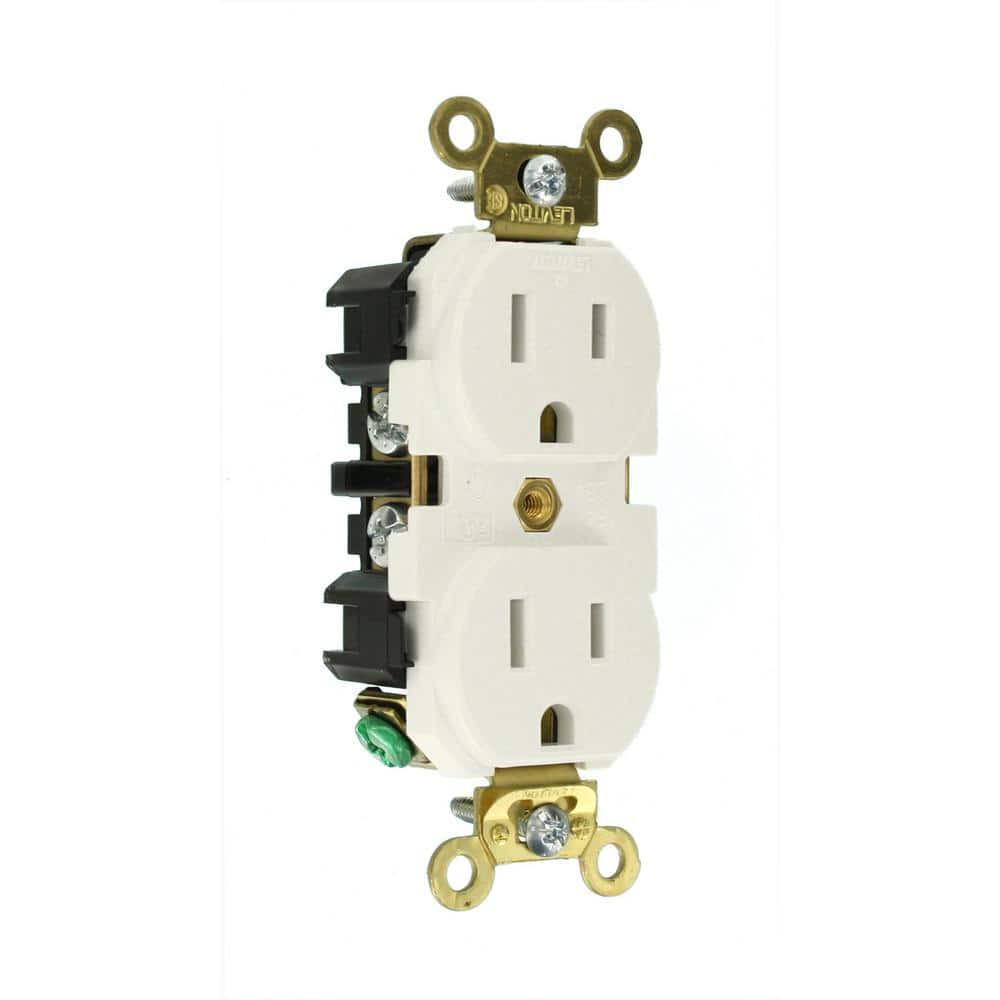
The spec grade outlets I was buying at the time (30 or more years ago) had unbreakable face plates that were permanently riveted onto a solid steel backstrap that connected to an embedded nut which better grounded the plate cover, and they had screws with vaulted square washers that did an excellent job of securing straight in wires.
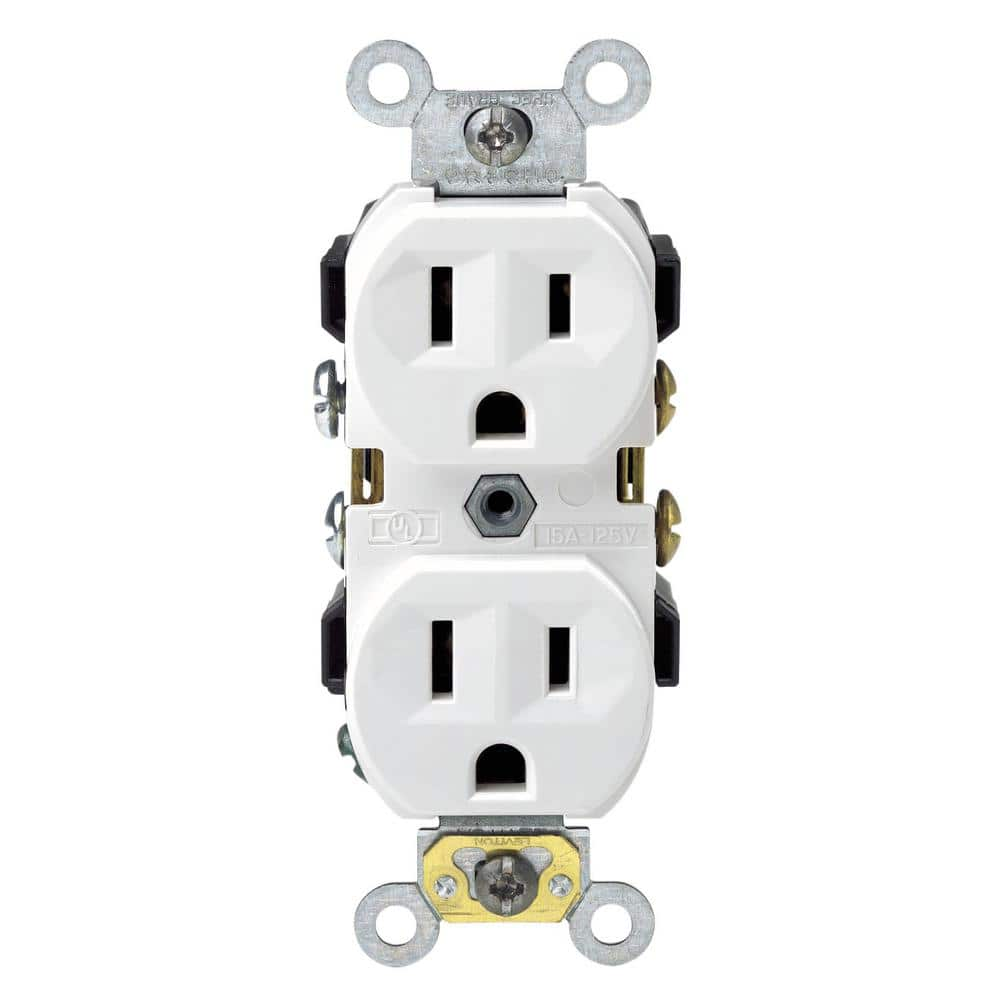
Today, even the cheapest of outlets have terminal screws with a cupped profile under the head that pulls your wire in securely, and they all have unbreakable faceplates that are generally welded on ultrasonically.
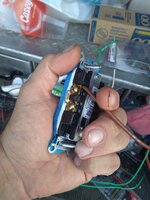
What better outlets still lack are better plug terminals parts. I'm NOT talking about back-stabbing, which I'll leave to the PVC air line people. I'm talking about cheaping out on brass. Cheap outlets have fingers stamped straight off the bus, which puts all the flexing on one small part of the brass. They fatigue easily. Better outlets have their brass stamped into a U or other elongated and curved shapes that spreads the flexing out over a wide area as a spring should be. These will stand up to many times more insertions that the cheap ones. Break apart a hospital grade outlet for example and look inside (not that hospital grade has that as part of it's spec...).
I've had Robertsons strip, and my Leviton stuff doesn't even accept Robertson. Right now, I use a Milwaukee ACX screwdriver for brands that have the square center, and a Wera PlusMinus Philips for the other type. But I do agree that neither Phillips nor slotted do a good job on brass screws.No way!! Sorry operator error.......Loop the wires so they are CW under each screw - the wire will wrap under the screw head as you tighten. Use a #1 Robertson or #1 Combo tip. You will be surprised how much tighter connections are than with phillips or flat head.
Actually becomes a PIA to remove wires!
Look into Klein# 665 or 7314 or equals.
Most GFCI's I've worked with have wire clamps. They're excellent, easy to use, hard to mess up, and can make it easier to have lots of wires in one box, BUT "better", well, both styles work just fine.I believe that the push in style where the screw tightens against the wire is better than wrapping the wire around the screw. But, what do I know. I can't even tighten a screw properly.