designer485
Well-known member
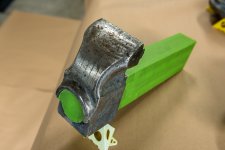
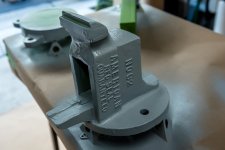
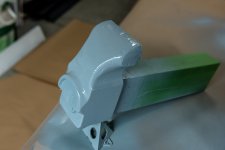
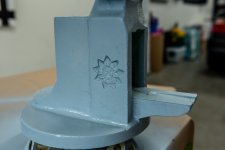
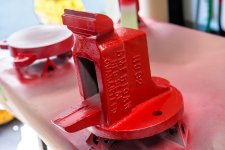
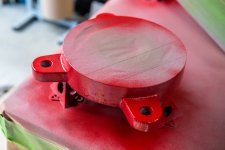
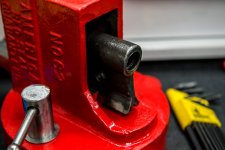
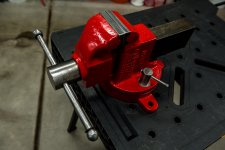
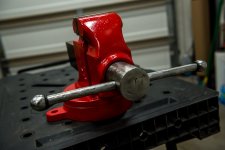
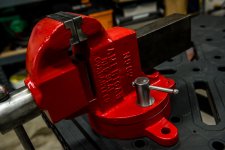
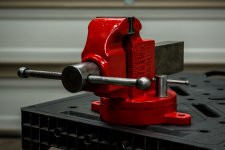
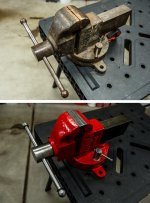
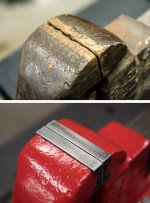
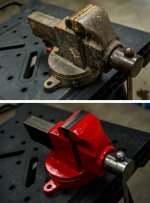
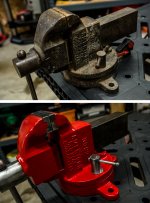
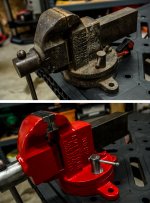
Preview (added after completion) - Before and After:
About this project:
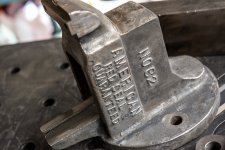
A few months ago, my Dad and Brother were at an estate sale and sent me a photo of this vise attached to a workbench. "Last day, want it for $100...American Scale Red Seal 62". Yep, absolutely. I'm ready for another vise project.
The Plan:
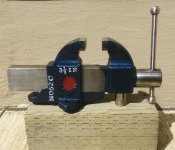
Once again, I will give this one the same spa treatment I have given my past restorations (Desmond Stephan 41P, Desmond Stephan 33S, Wilton Bullet 9300). Disassemble, clean, polish, paint and replace worn / damaged / missing parts. When I picked this vise up, I was shocked how big it was for a 3.5" vise. It absolutely dwarfs my 3in Wilton Bullet. It weighs close to 50lbs and opens to 7in.
American Scale Catalog Page (Extra Heavy Machinists' Vise w/ Swivel Base):

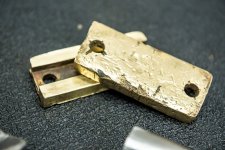
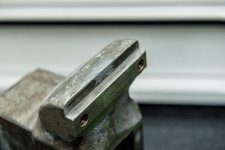
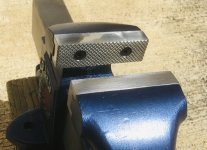
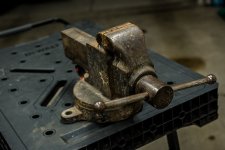
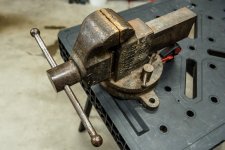
Here is what we are working with...dirty, rusty, but complete and in great shape all things considered. It does have some handmade brass jaws instead of the factory steel jaws, but I will be replacing those, so not a problem. The only real issue is the bend swivel lock handle, but again, not a concern as it will be replaced.

 +
+



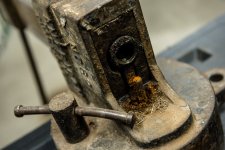
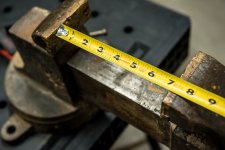
Jaw opens safely to 7in even though the catalog page says 6in.

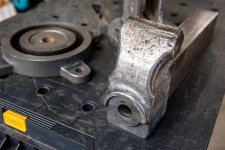
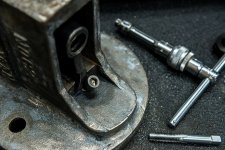
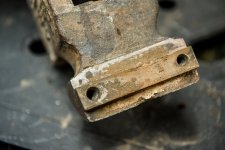
The jaw screws are quite mangled, they will take some work to remove.


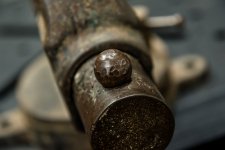
Quite a beefy handle for a 3.5" vise.


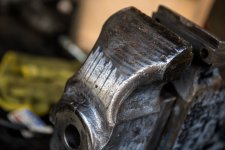
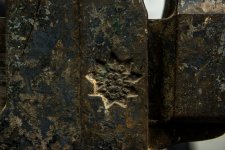
A few different past paint colors showing through.
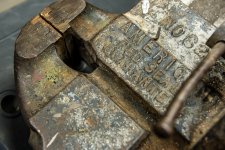


Check out the size difference between the Red Seal 62 and the Wilton 9300.


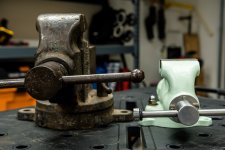

Now, lets take it apart.

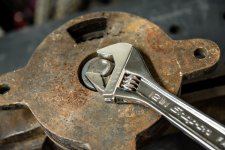
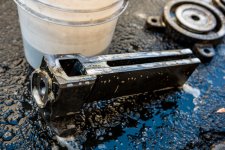
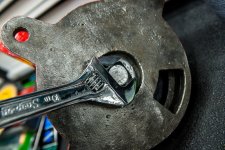
The swivel has a replaceable steel insert where it bolts to the main casting.
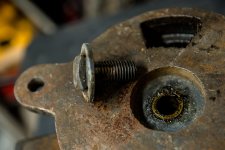
This vise uses a shaft collar on the main screw to lock it in place.
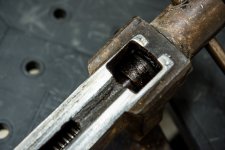

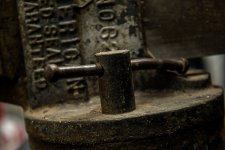
The main nut uses a bent pin to hold it in place.
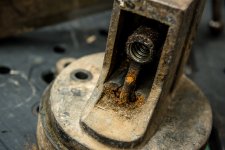
The pin can be knocked out from the bottom.


The shaft collar looks to be made from bent flat bar stock wrapped around the screw instead of being machined from round stock.
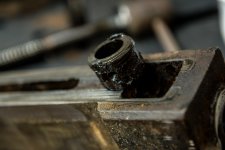
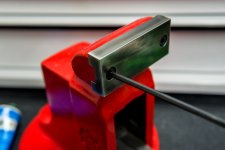
Now to remove the jaws. All of the screws were mangled and need extraction.


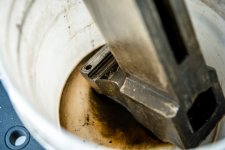
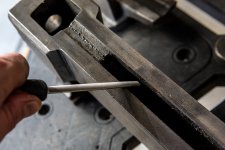
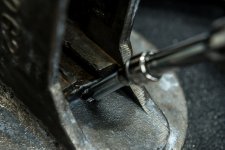
I used a Dremel cut of wheel to create a slot for a large flat blade.

First casualty of the project...bent flat blade tip.

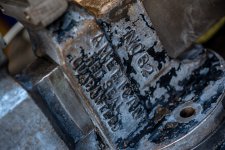
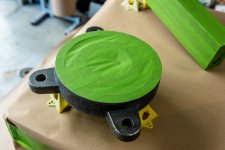
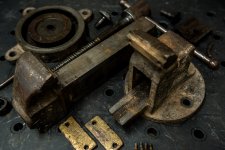
Here are all the parts laid out ready for refurbishment. Time to tackle all of the grease, saw dust, rust and faded paint.

About this project:
A few months ago, my Dad and Brother were at an estate sale and sent me a photo of this vise attached to a workbench. "Last day, want it for $100...American Scale Red Seal 62". Yep, absolutely. I'm ready for another vise project.
The Plan:
Once again, I will give this one the same spa treatment I have given my past restorations (Desmond Stephan 41P, Desmond Stephan 33S, Wilton Bullet 9300). Disassemble, clean, polish, paint and replace worn / damaged / missing parts. When I picked this vise up, I was shocked how big it was for a 3.5" vise. It absolutely dwarfs my 3in Wilton Bullet. It weighs close to 50lbs and opens to 7in.
American Scale Catalog Page (Extra Heavy Machinists' Vise w/ Swivel Base):
Here is what we are working with...dirty, rusty, but complete and in great shape all things considered. It does have some handmade brass jaws instead of the factory steel jaws, but I will be replacing those, so not a problem. The only real issue is the bend swivel lock handle, but again, not a concern as it will be replaced.
+Jaw opens safely to 7in even though the catalog page says 6in.
The jaw screws are quite mangled, they will take some work to remove.
Quite a beefy handle for a 3.5" vise.
A few different past paint colors showing through.
Check out the size difference between the Red Seal 62 and the Wilton 9300.
Now, lets take it apart.
The swivel has a replaceable steel insert where it bolts to the main casting.
This vise uses a shaft collar on the main screw to lock it in place.
The main nut uses a bent pin to hold it in place.
The pin can be knocked out from the bottom.
The shaft collar looks to be made from bent flat bar stock wrapped around the screw instead of being machined from round stock.
Now to remove the jaws. All of the screws were mangled and need extraction.
I used a Dremel cut of wheel to create a slot for a large flat blade.
First casualty of the project...bent flat blade tip.
Here are all the parts laid out ready for refurbishment. Time to tackle all of the grease, saw dust, rust and faded paint.
Last edited: