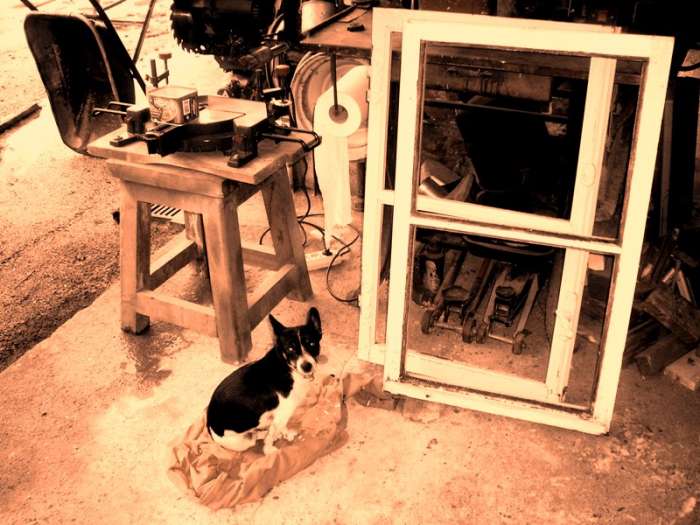
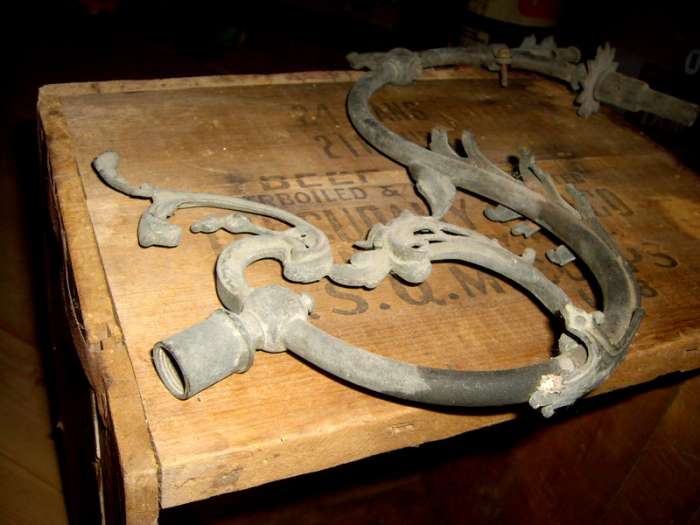
This thread can't miss the complete chapter of 2010 Citrogarage windows restoration:
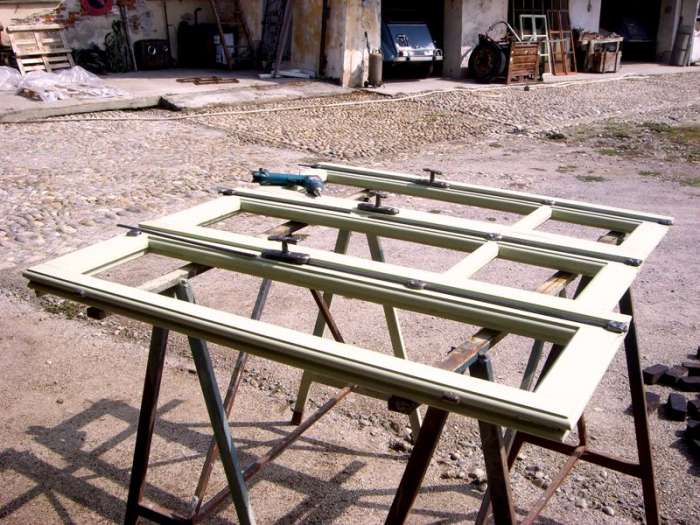
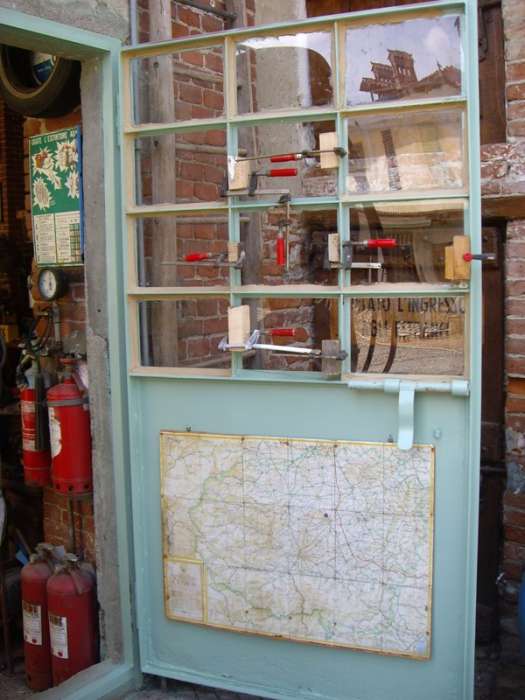
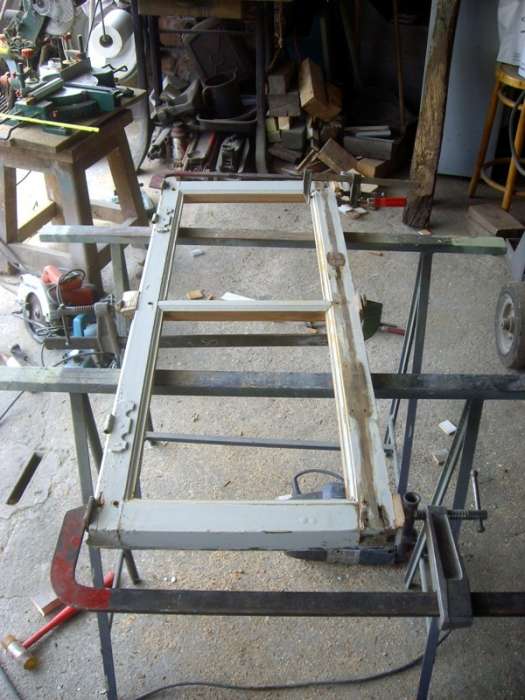
An initial stock of old windows had already been restored, painted in
Vert Tillieul colour, equipped with the necessary hardware and sent to the glazier, where they will receive -when possible- a contemporary double-glazed low-emissive windowglass. 12 mm (K=1,6) * and partly laminated glass (6 mm) or in the case of the oldest windows a single glass thin (2-3 mm), both around K = 5 (but the stratified at least reduces a little the railway noise..)
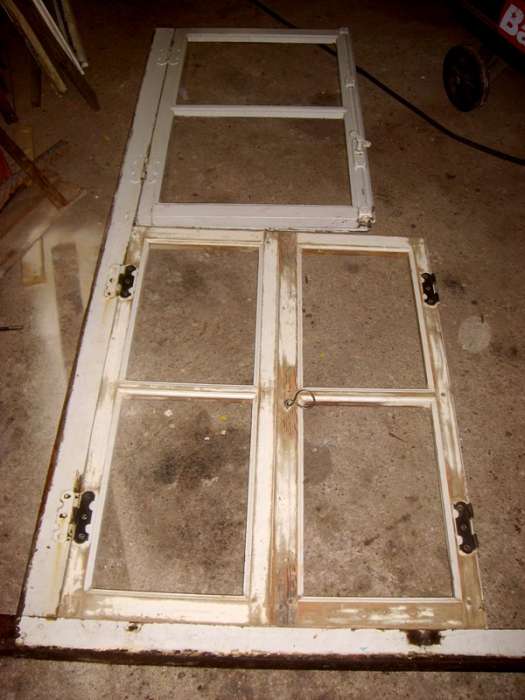
Here are the tree windows coming from Sixties, ready to recieve the double glass: their destination will be the two bathrooms and the attic sleeping room..
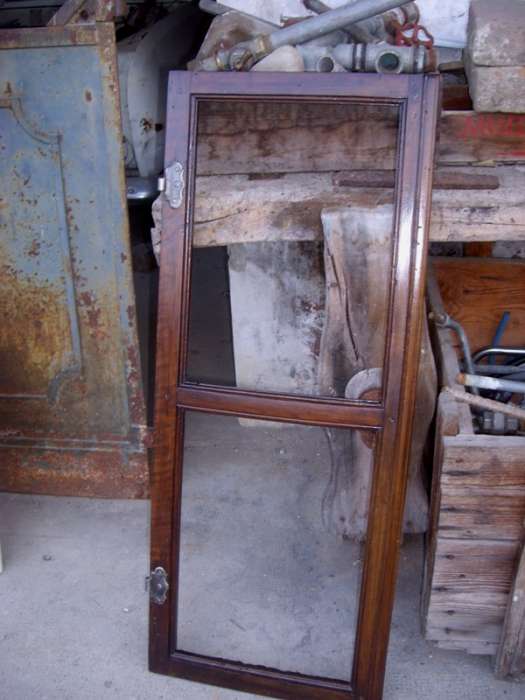
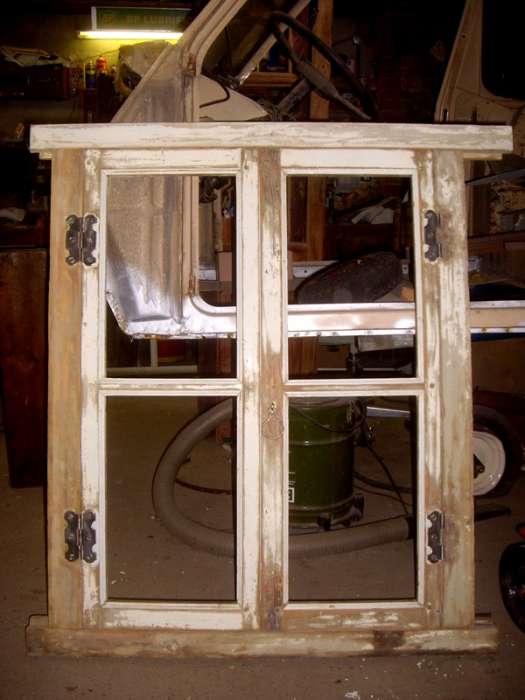
This one (mixed oak-larch) is instead an original '20 window, and refers to a room on the ground floor..
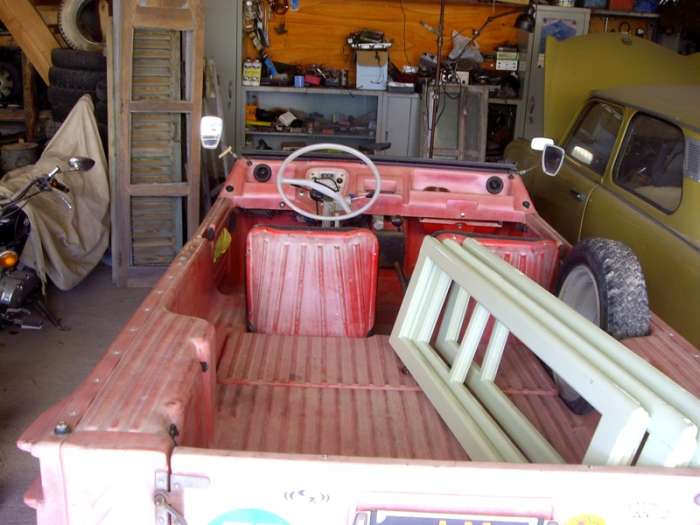
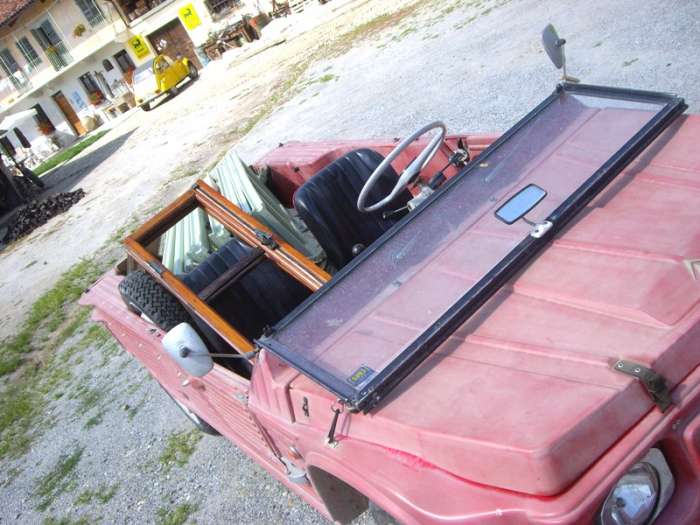
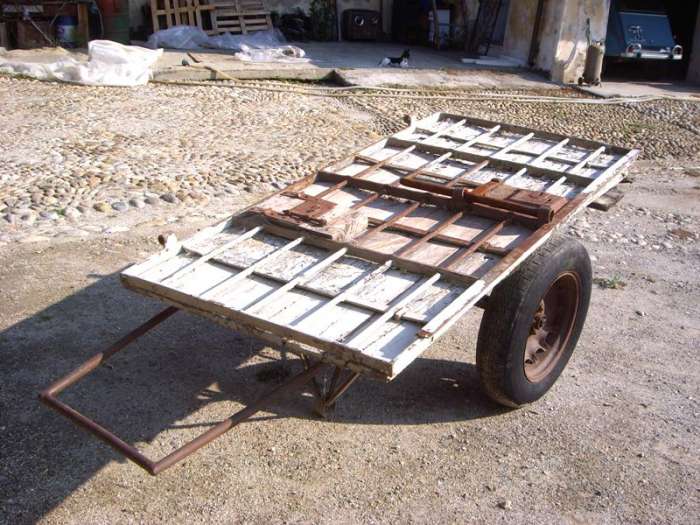
The first installment takes the path of the glazier, with a practical transport vehicle..
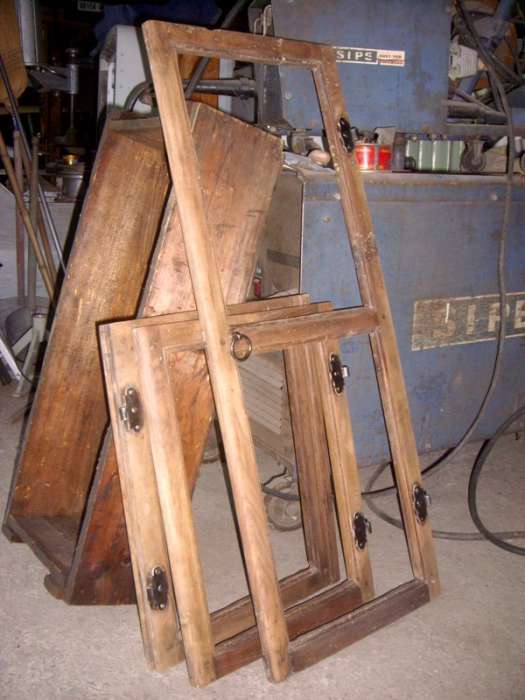
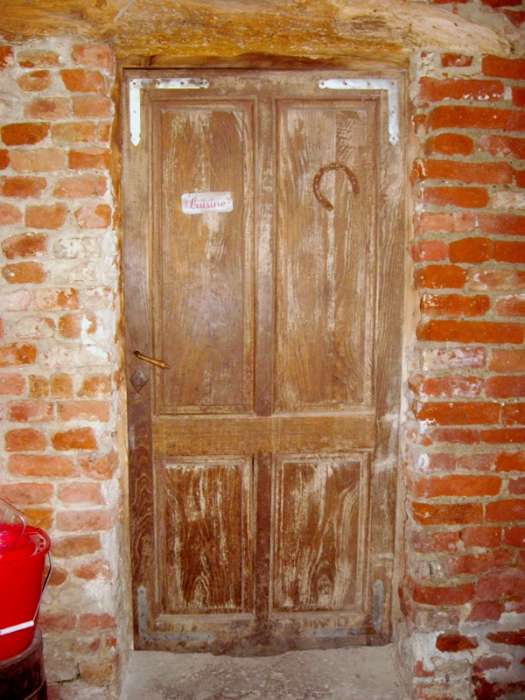
The frames adopted we receive from various eras. I learned that the oldest, from the beginning until the end of the eighteenth century, in this area were made of wood such as poplar or read similar in the case of interior doors in walnut or oak for windows.
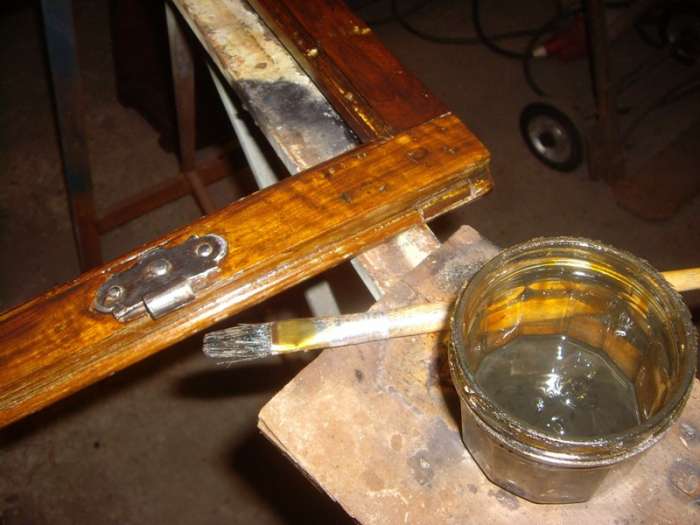
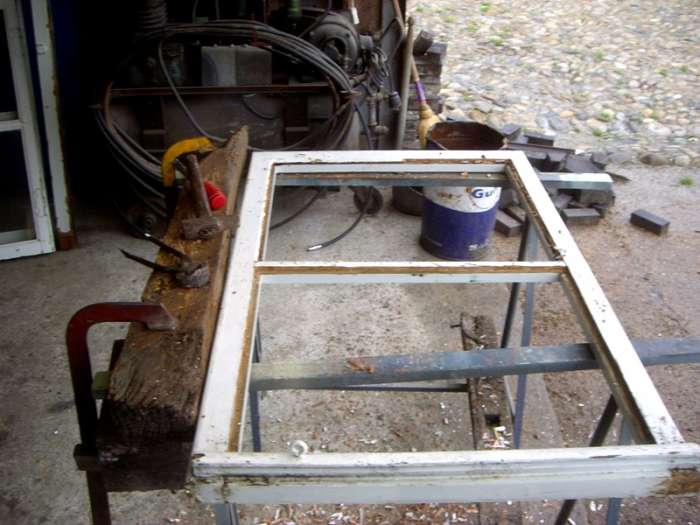
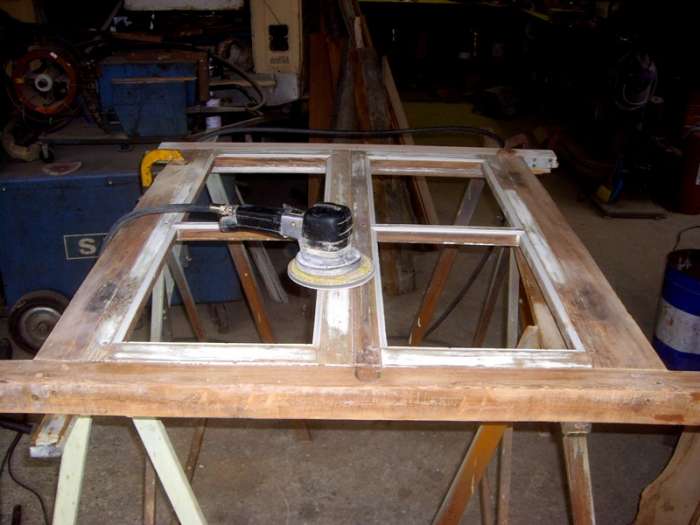
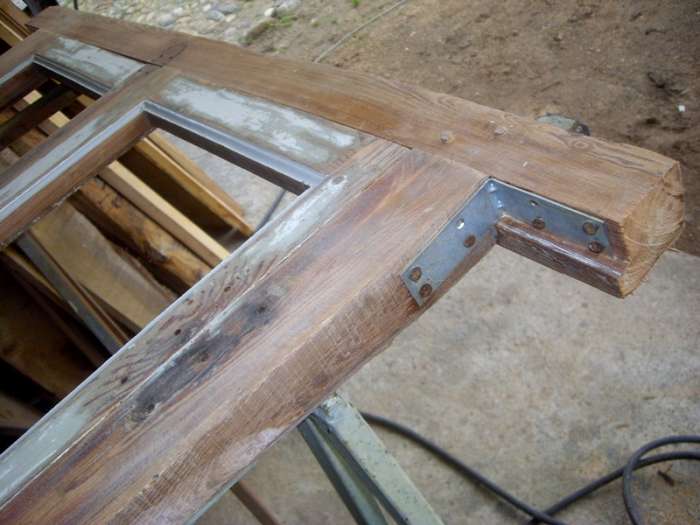
In both cases were paintd with mysterious paints based on fatty substances that we receive battered and multi-layered, to remove.. In one case there was also a layer of paper handwritten, type pasted wallpaper glued on the wood..
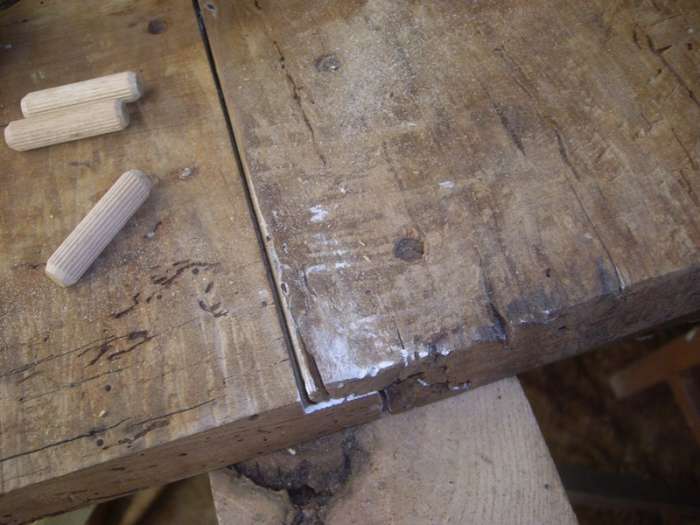
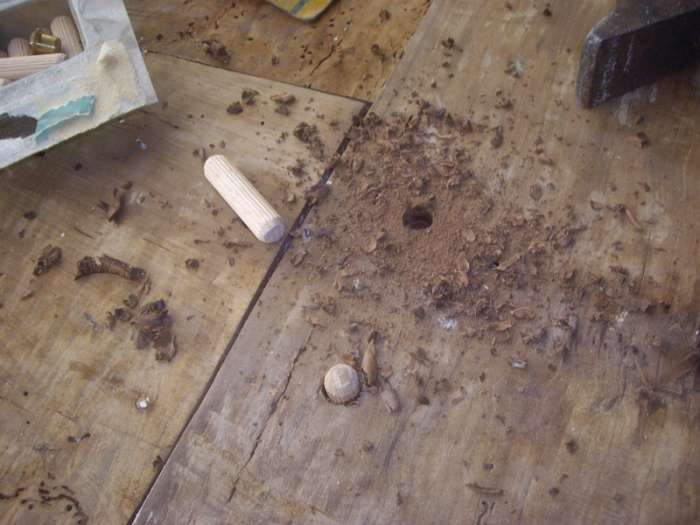
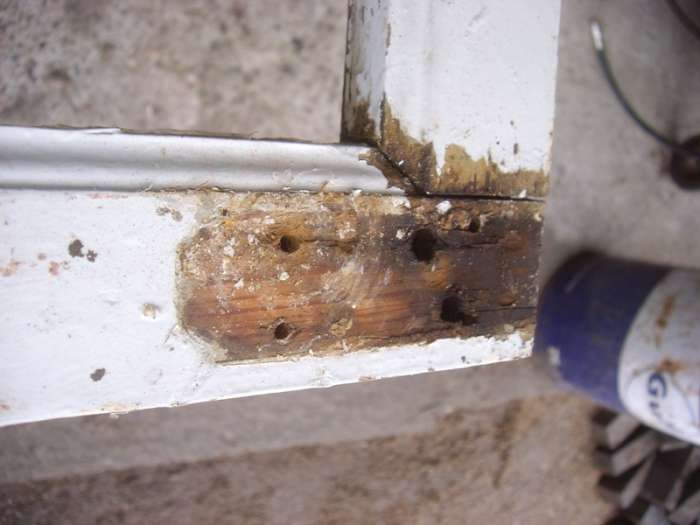
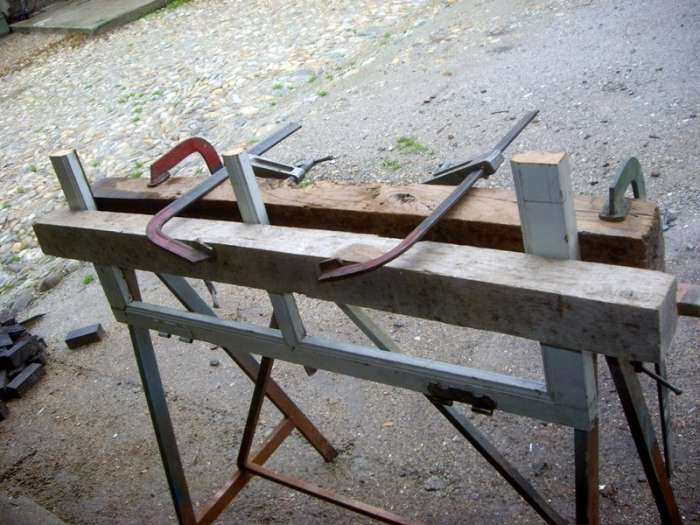
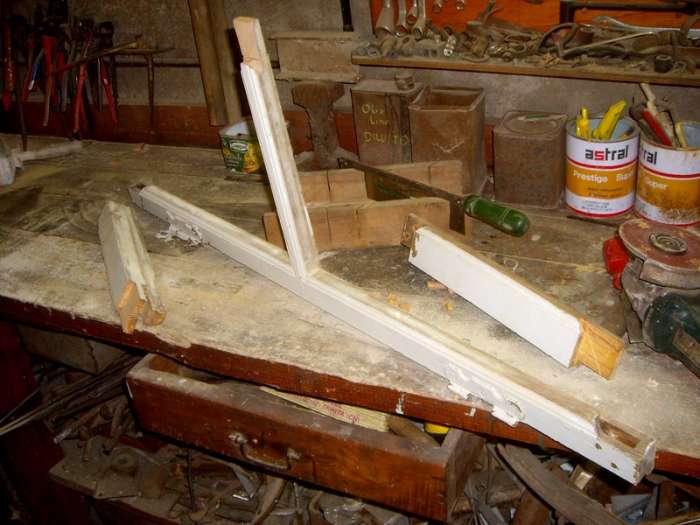
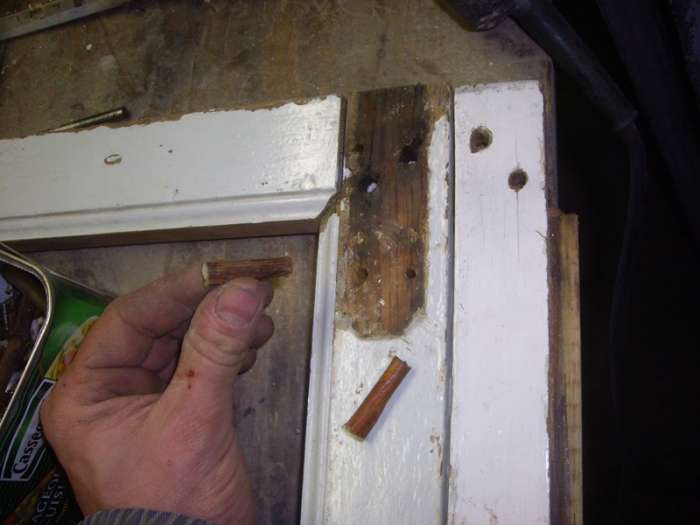
And if a window has been in place for decades without glasses, parts are not completely deteriorated (in this case can be replaced by removing the pegs that hold the joints can be disassembled and reassembled incredibly well centuries later), you can use body-repair techniques (such as fiberglass..) and then grouted.
Over the past two centuries, I suppose the improved railway network permitting the use in plain some mountain-woods: larch and pine prevailed for exterior doors. Especially in the case of frames, larch or spruce ensured a greater resistance to moisture present in ground-floor walls.
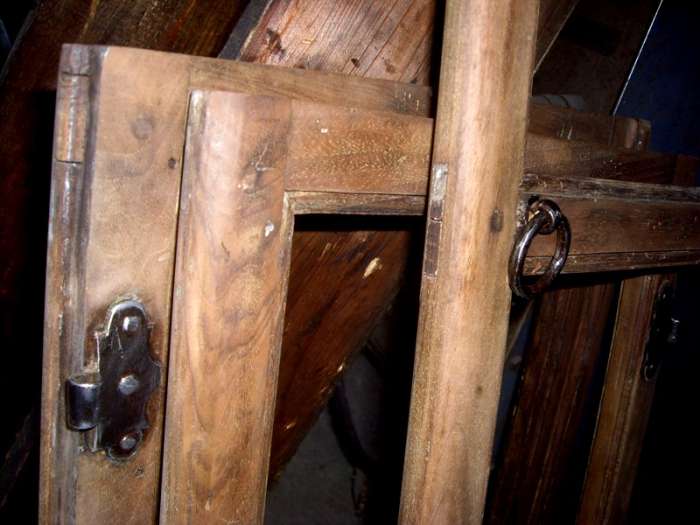
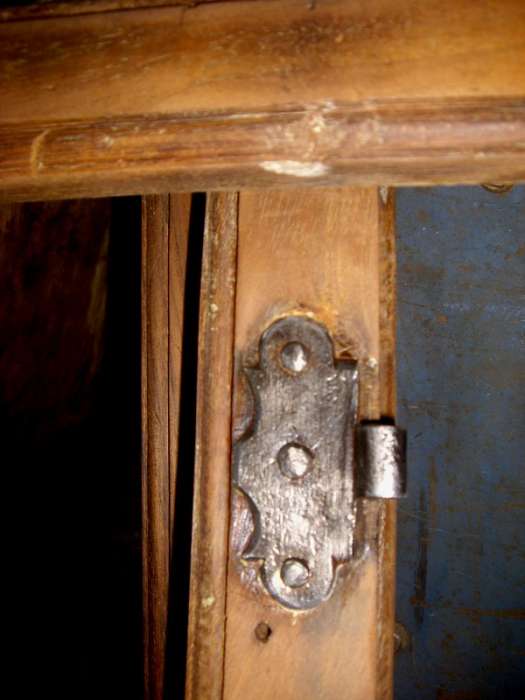
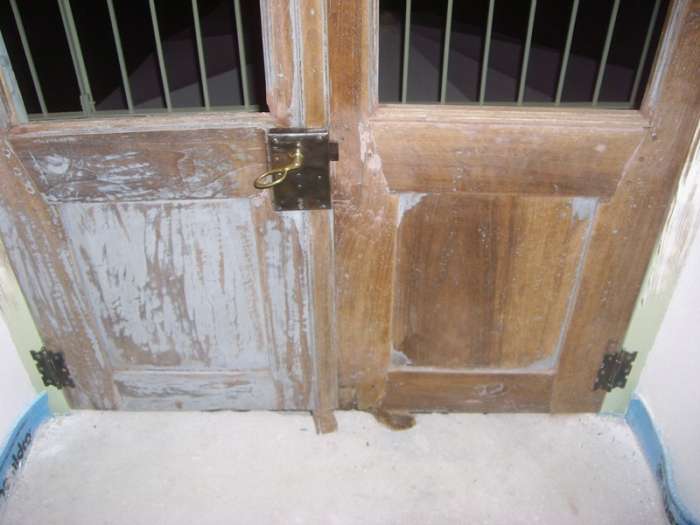
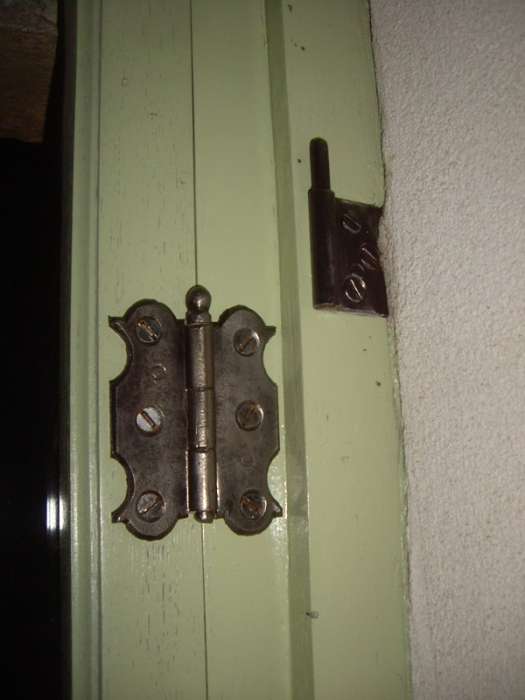
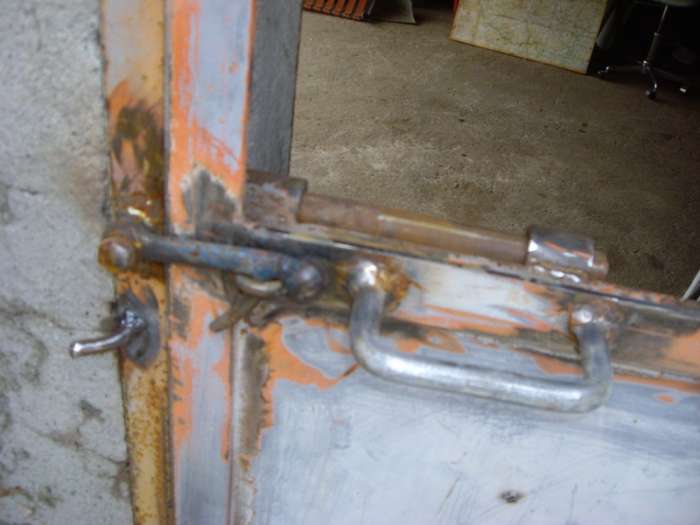
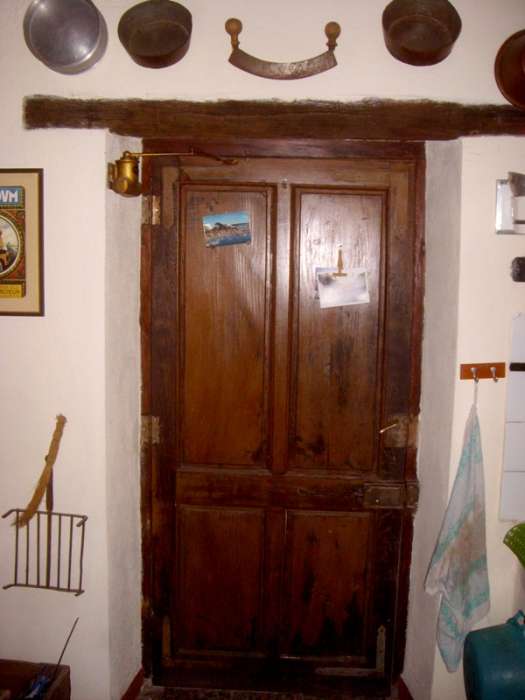
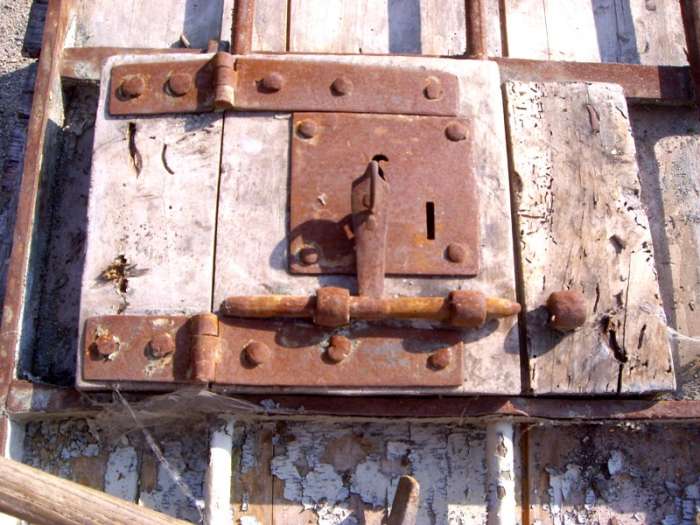
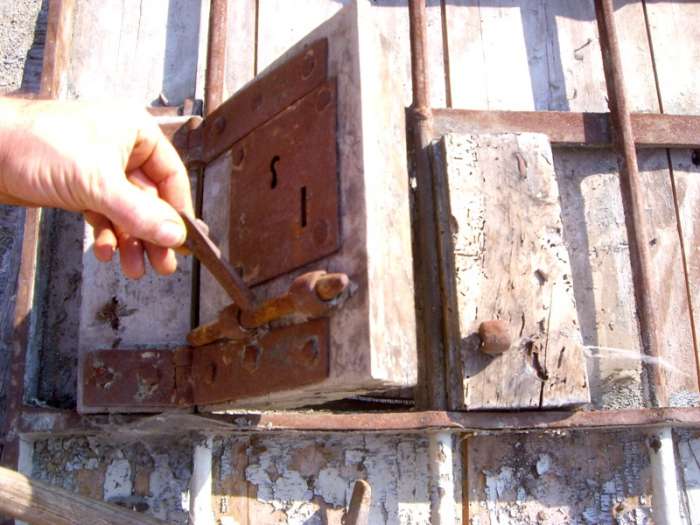
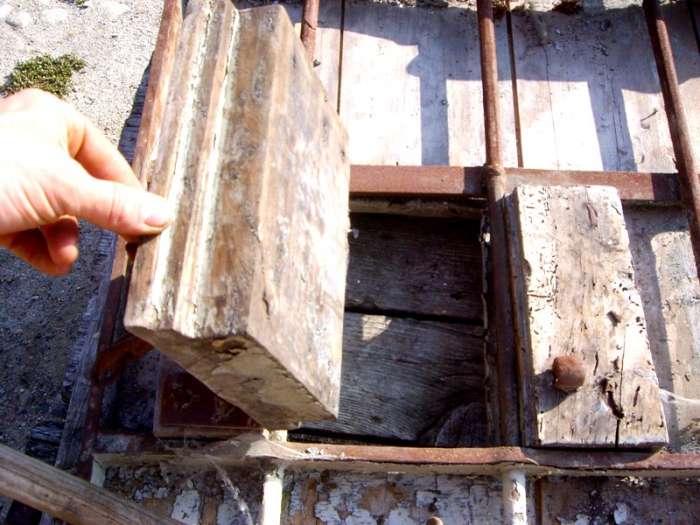
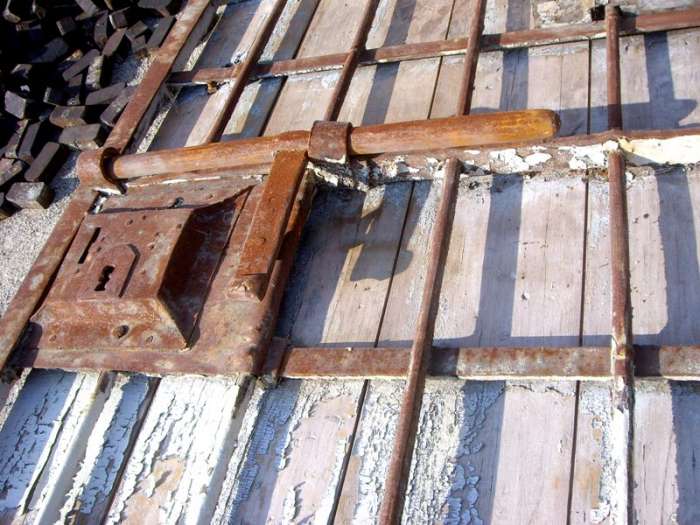
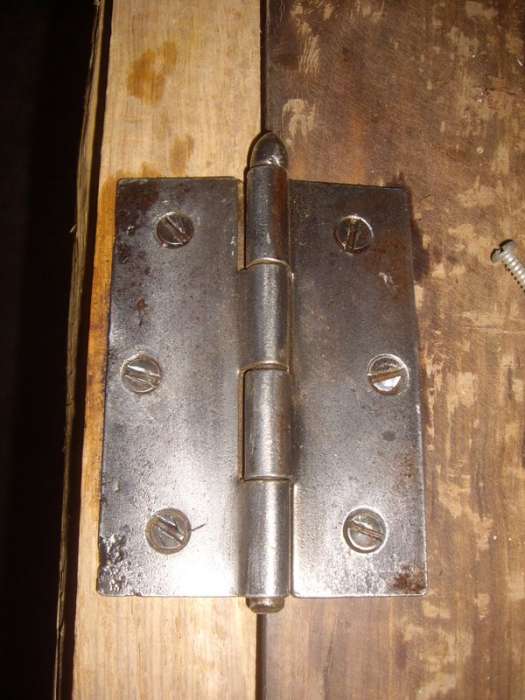
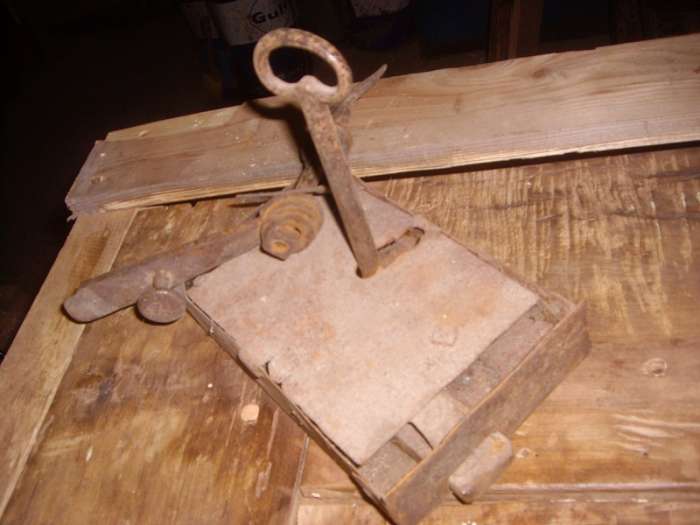
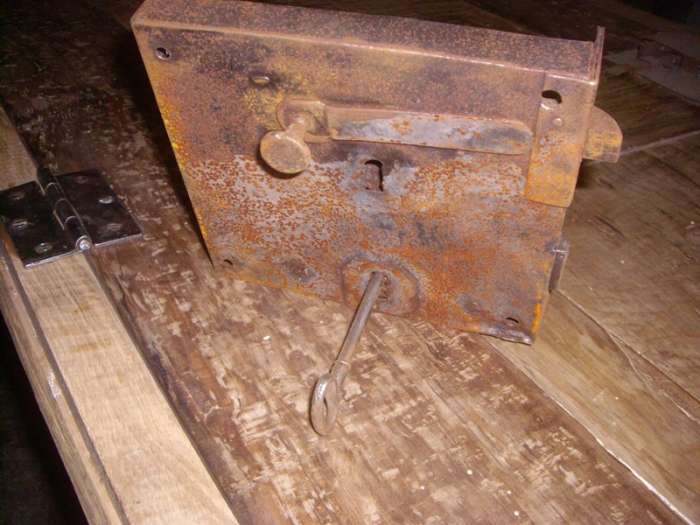
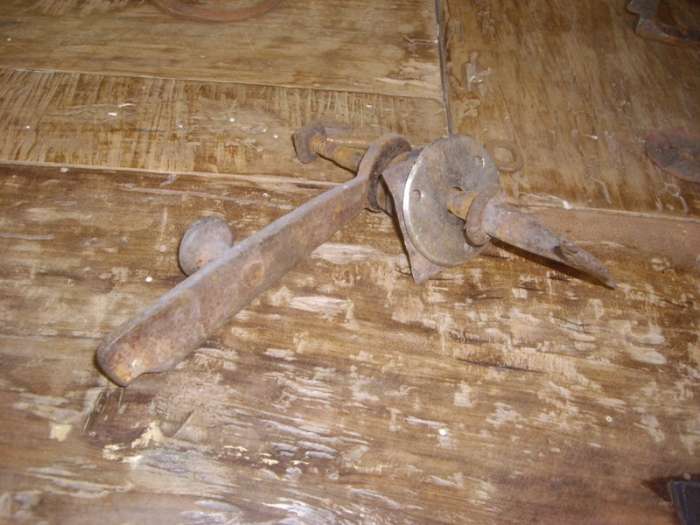
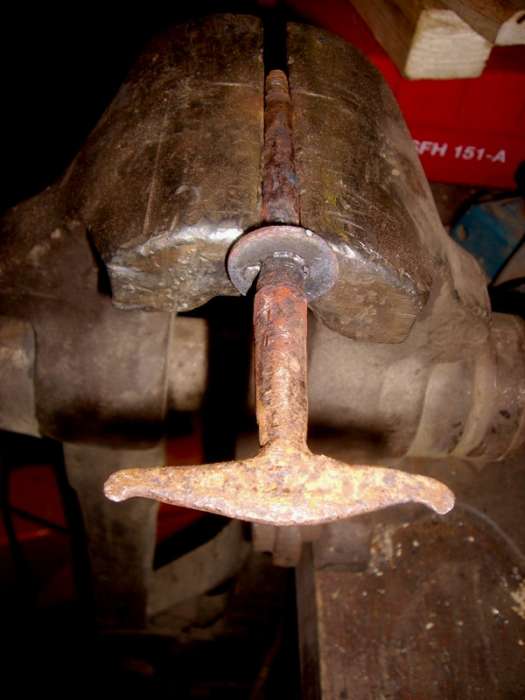
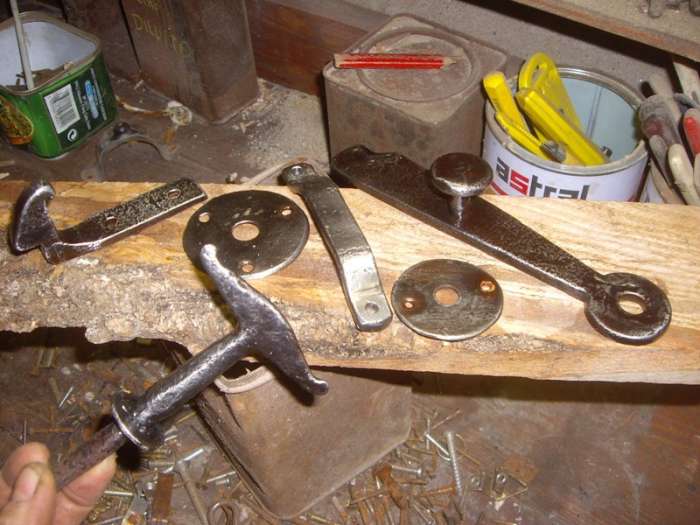
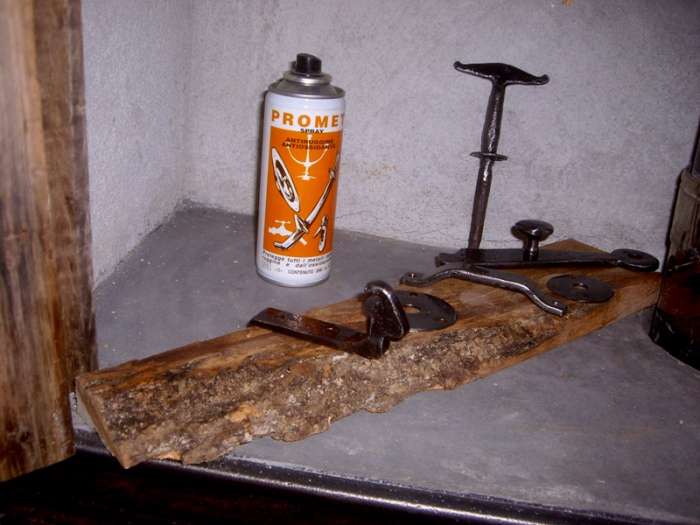
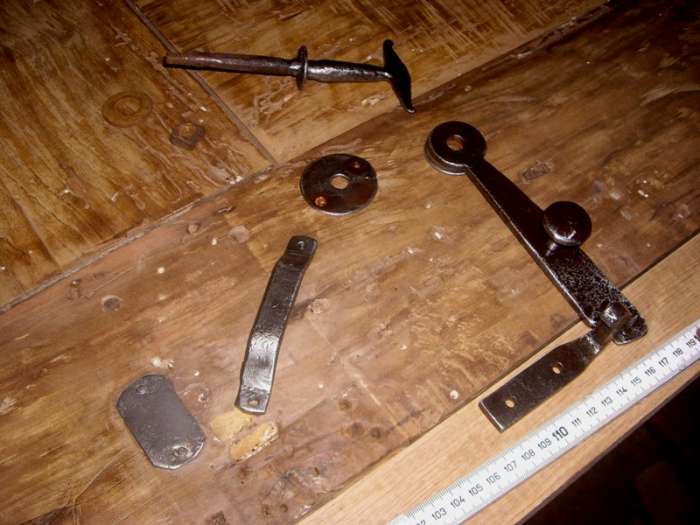
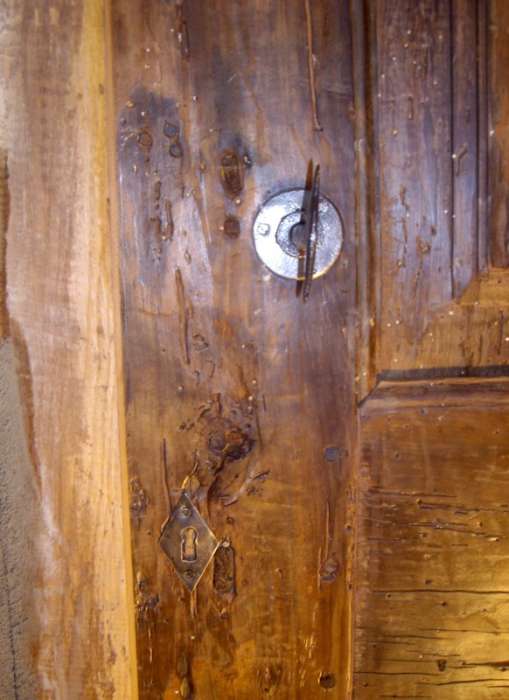
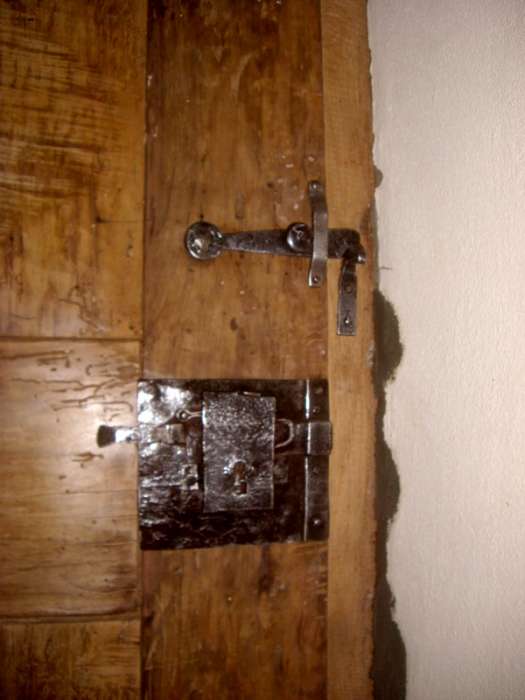
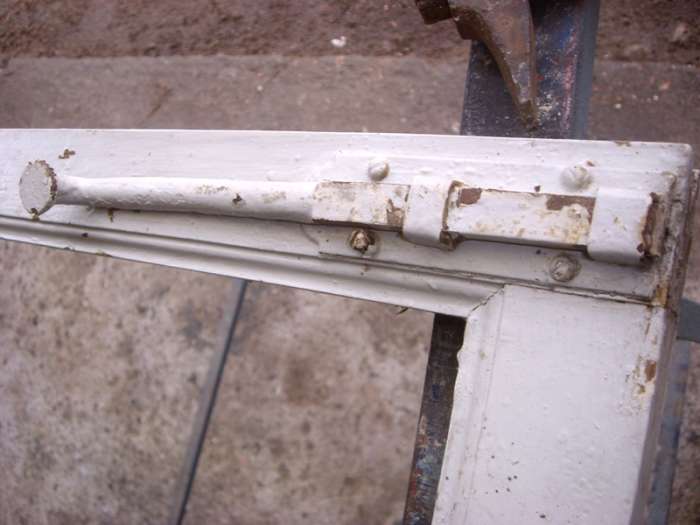
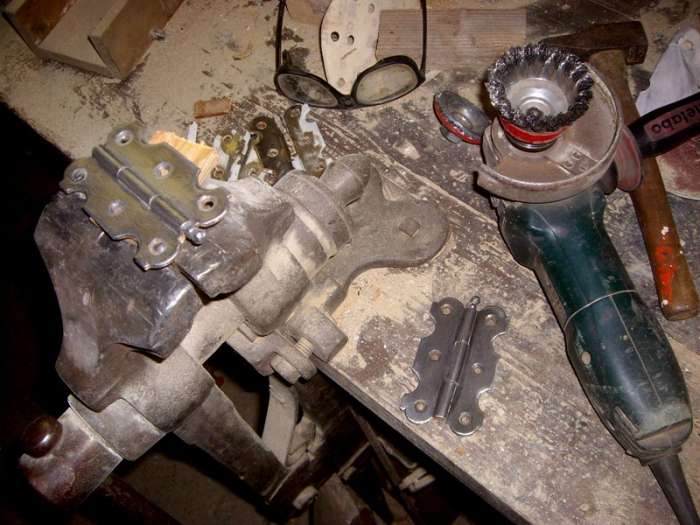
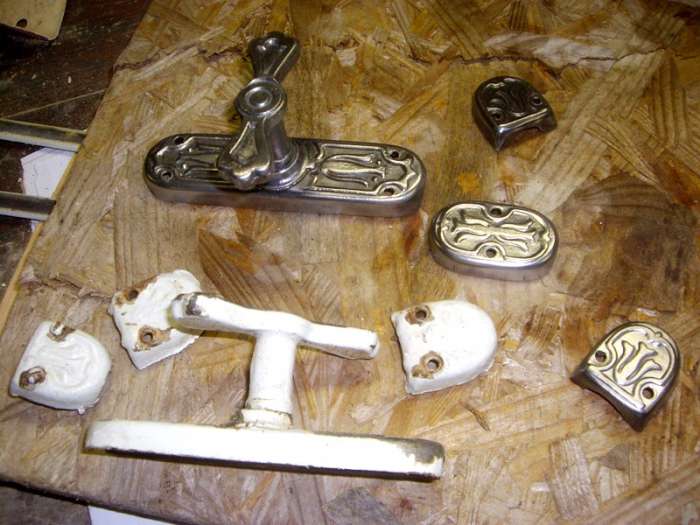
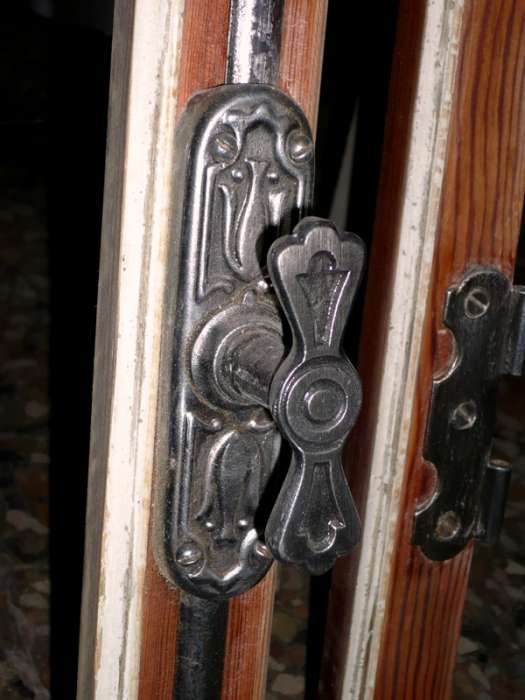
In some cases I have made every effort to save and finish with walnut glaze the oldest windows. Even the original handmade hardware is specific and wonderful ..
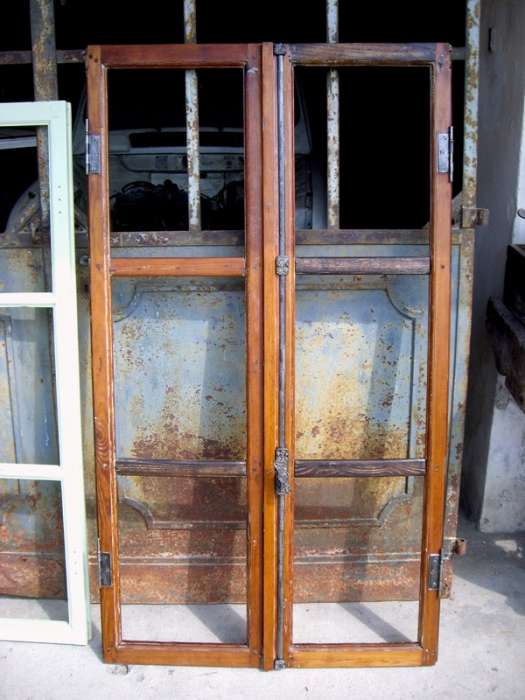
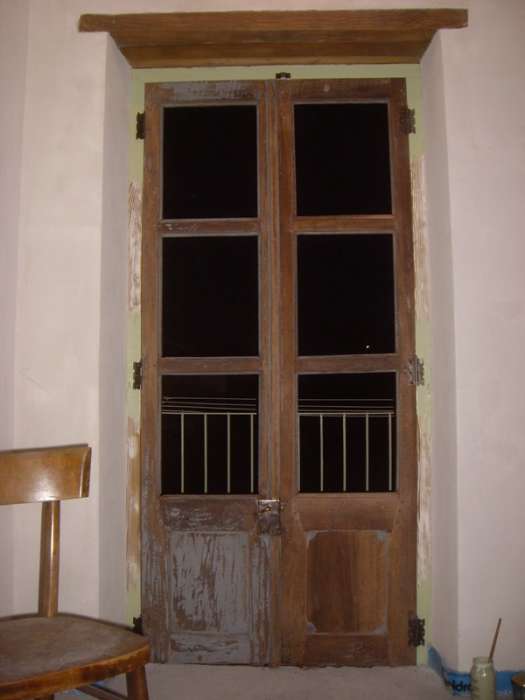
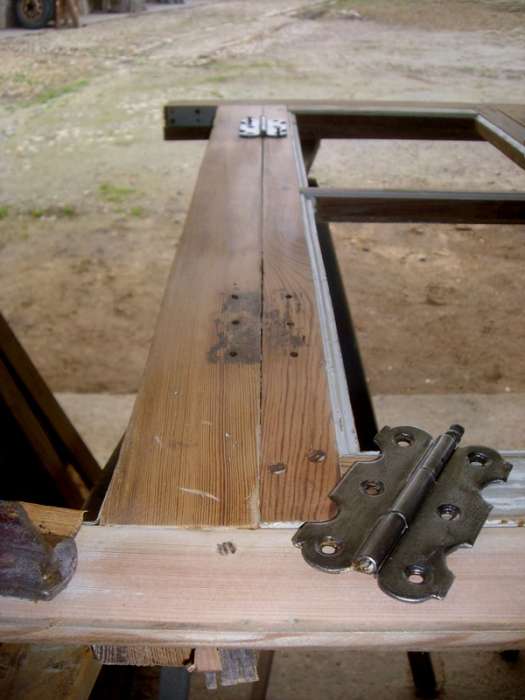
In other cases them were patched so that it was better to paint them, as this walnut french door. We can see the signs of the oldest metal hinges and note the larch frame:
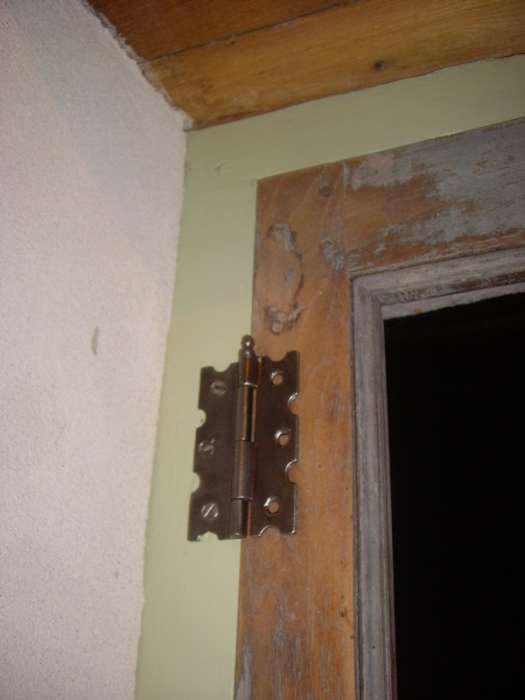
Same painting for this eighteenth window, also walnut ..
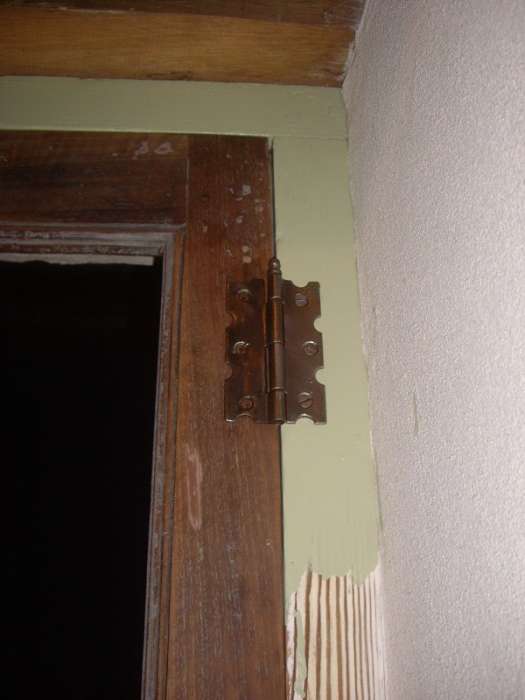
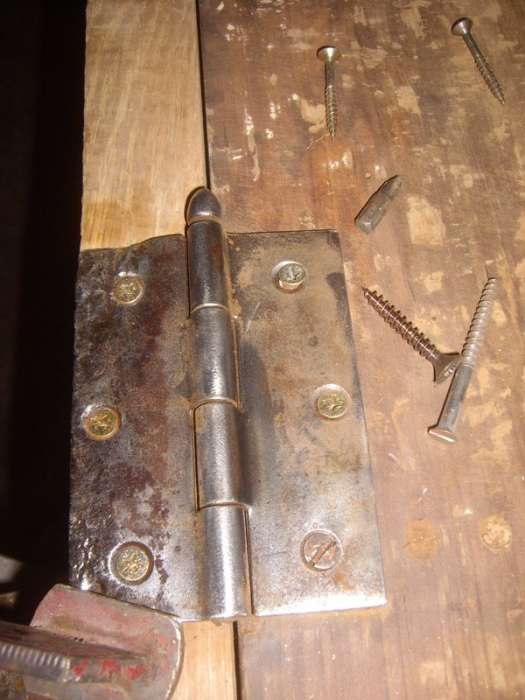
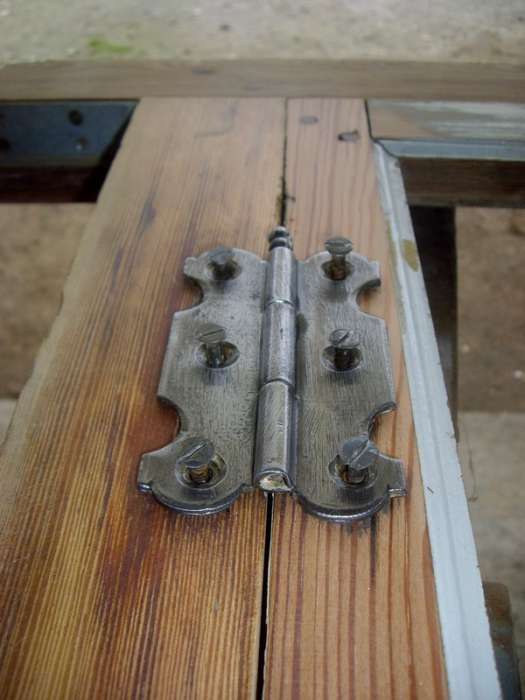
.. with beautiful pre-industrial hinges, now screwed:
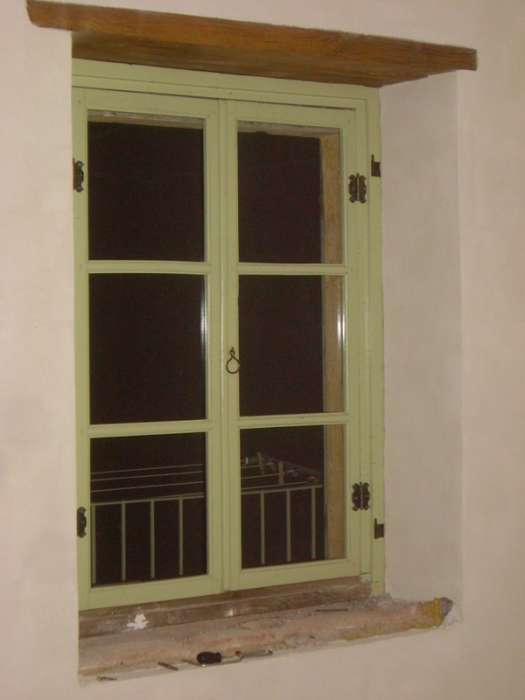
Et voilà!
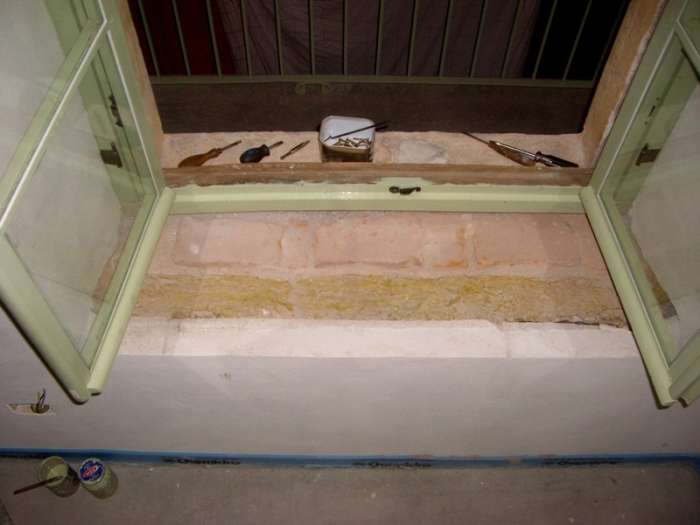
Painted the whole thing:
* Coefficient K: coefficient of overall heat transmission indicating the amount of heat that is transmitted from one room to another through the glass. Kw=K espresso in Watt K cal=K espresso in chilocalorie. Kw = K expressed in watts cal K = K in kilocalories. The heat transfer coefficient of the wall is determined by the amount of heat per unit of time, expressed in watts, transmitted through a square meter of surface for each degree of difference between inside and outside.




 keep up the good work