OP
lucajack2cv
Well-known member
That camelback drill press is a beauty. My cousin have one in the shop on farm, that our grandfather bought used in the 1950s, probably it's prewar. Cousin says I can have it the same day he finds a modern one that suits his needs better. I'm waiting!
Wow, a drill of the 30's made in CCCP...
 It should be a terrific device!
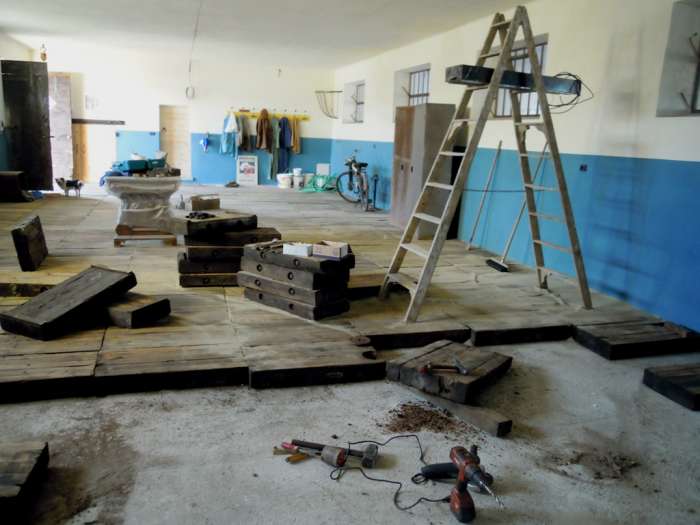
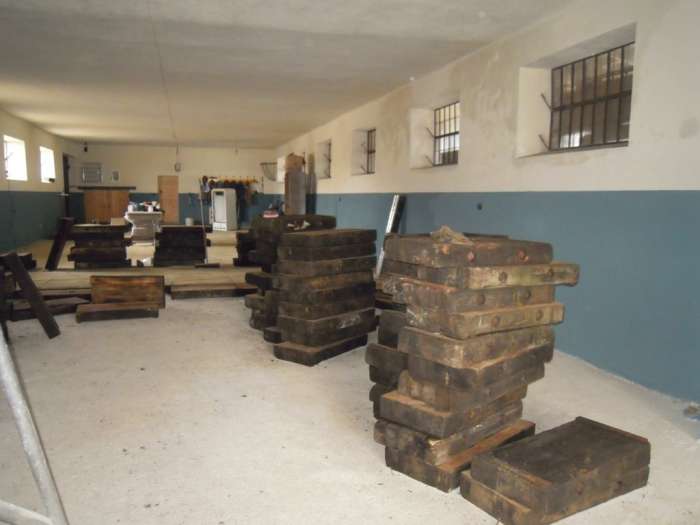
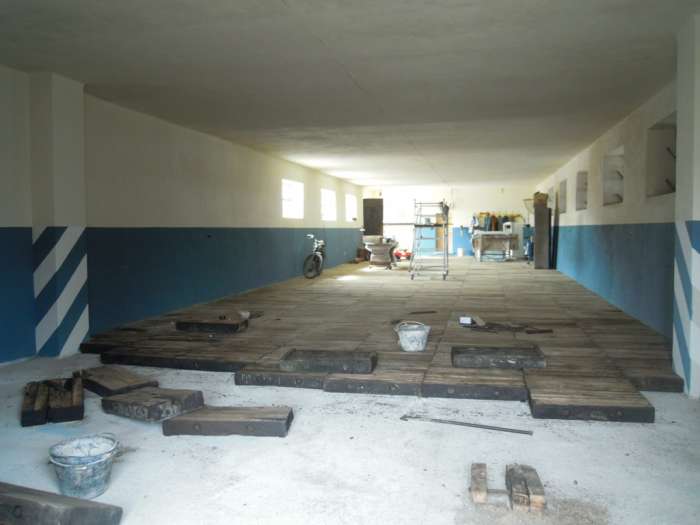
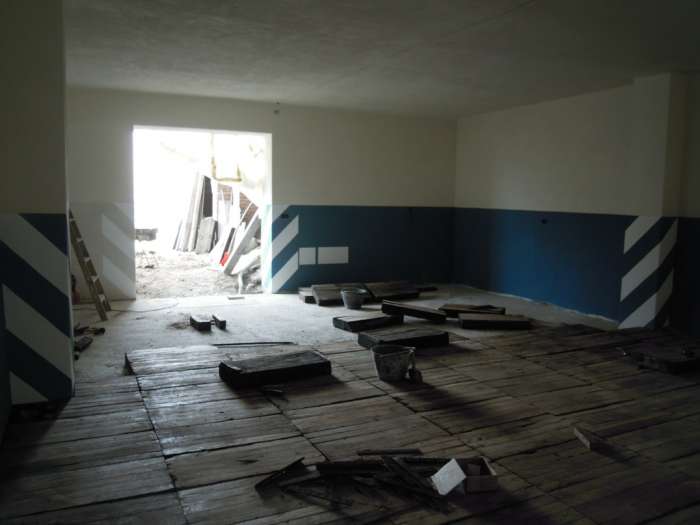
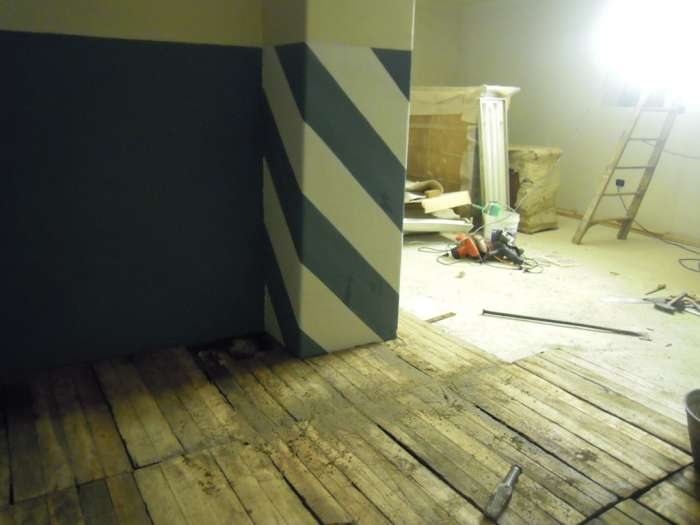
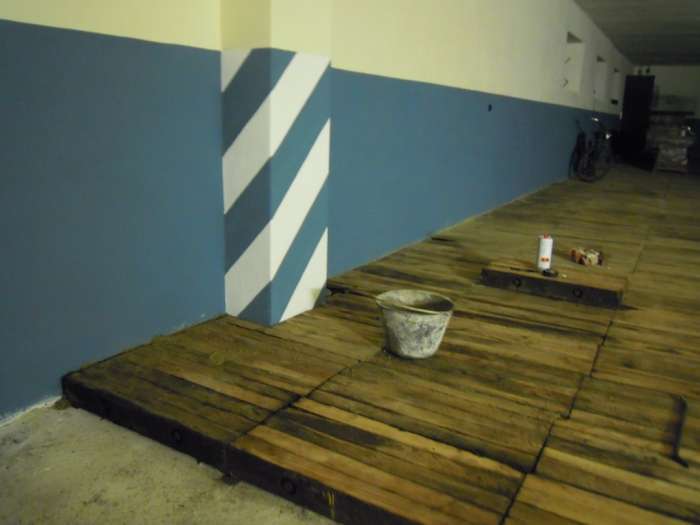
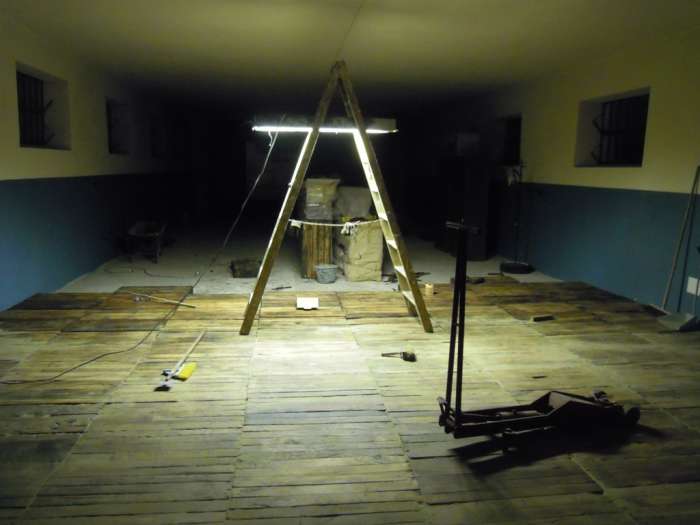
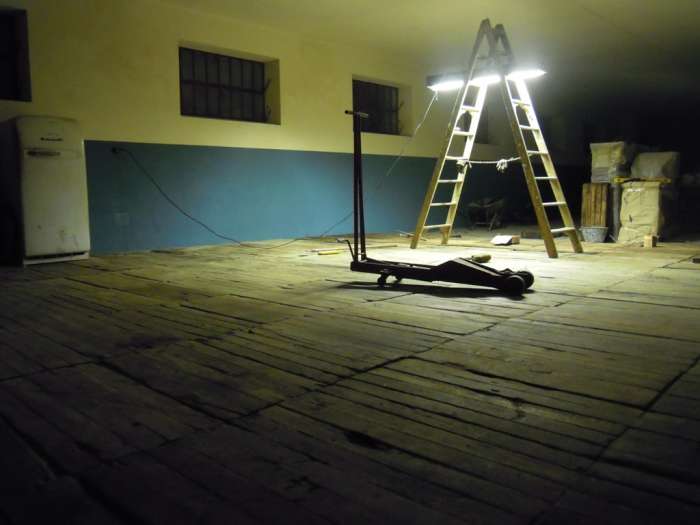
 Meanwhile the laying of wooden blocks advances gradually and the surface finished already allows some functions, such change tires:
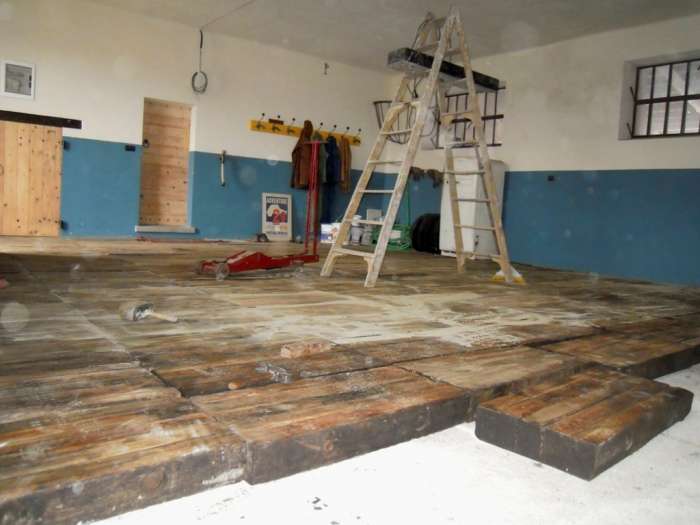
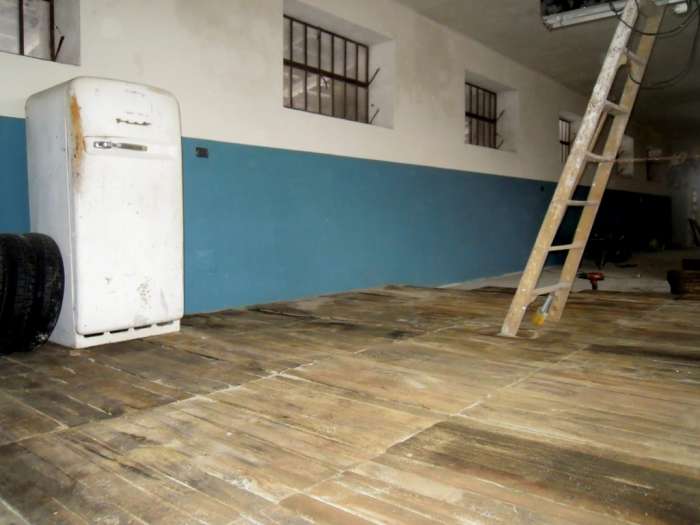
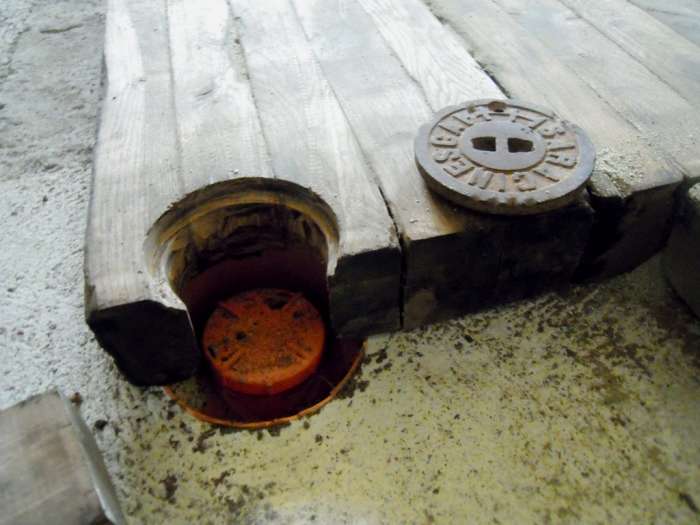
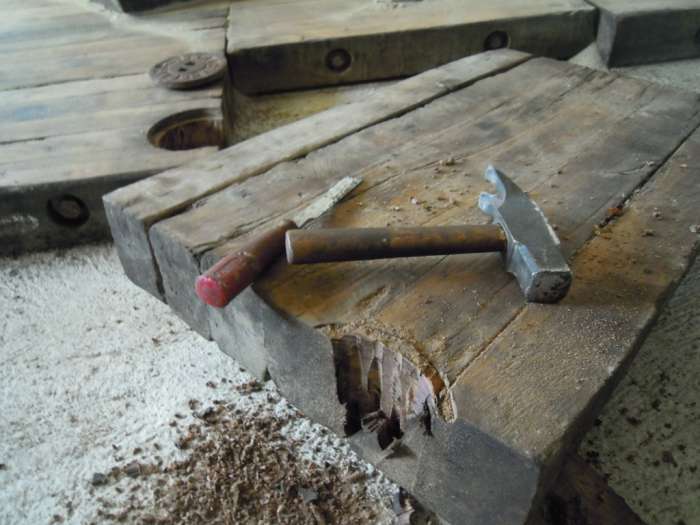
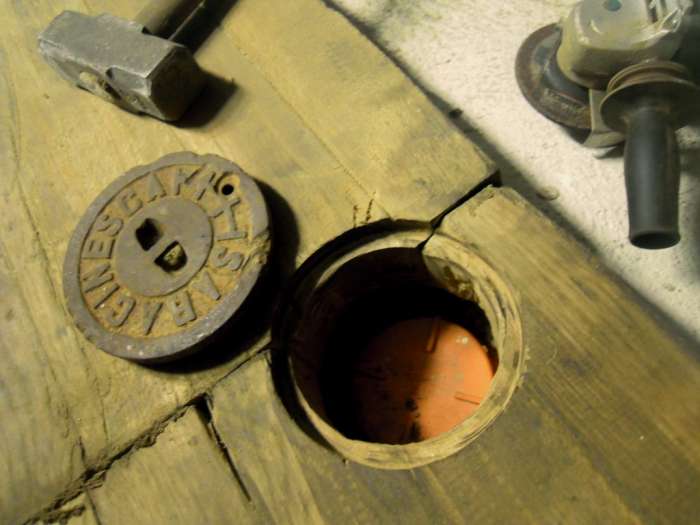
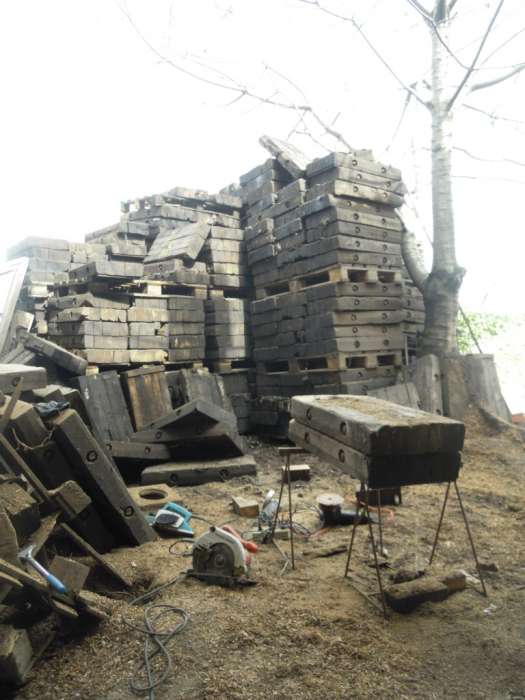
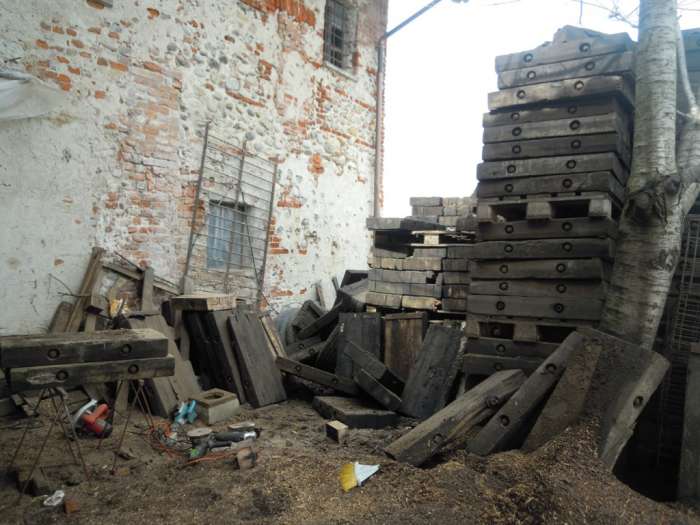
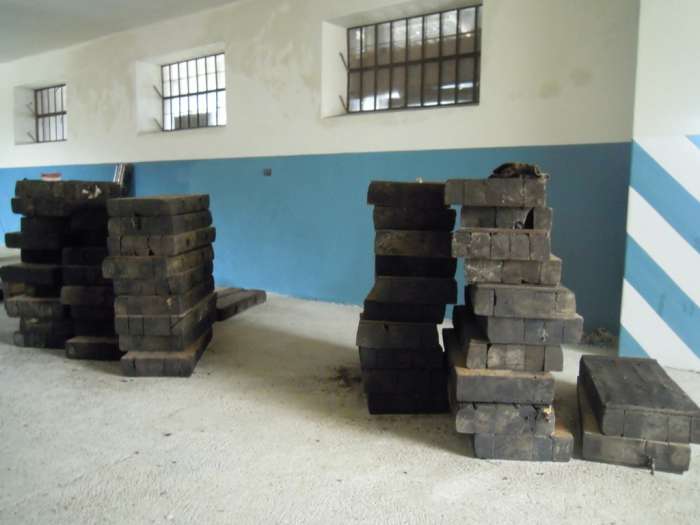
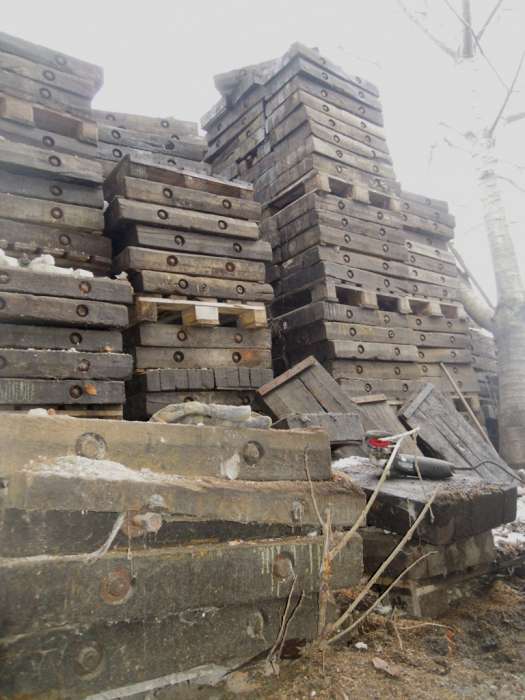
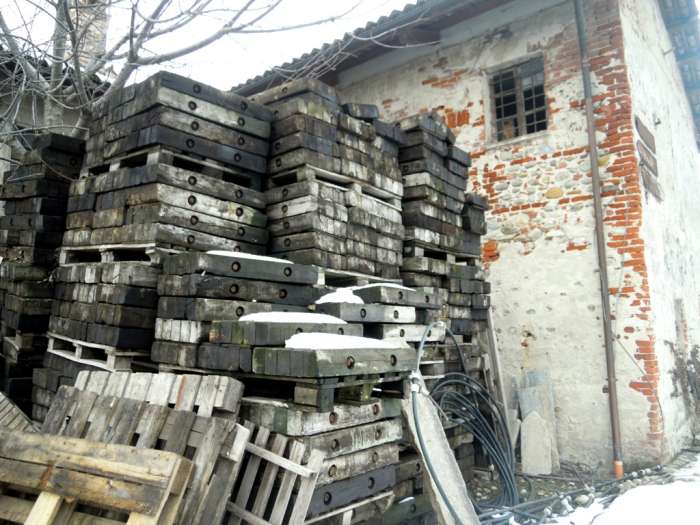
The following slides illustrate the standardized procedure for cleaning the wood blocks that have spent several winters stacked outdoor:
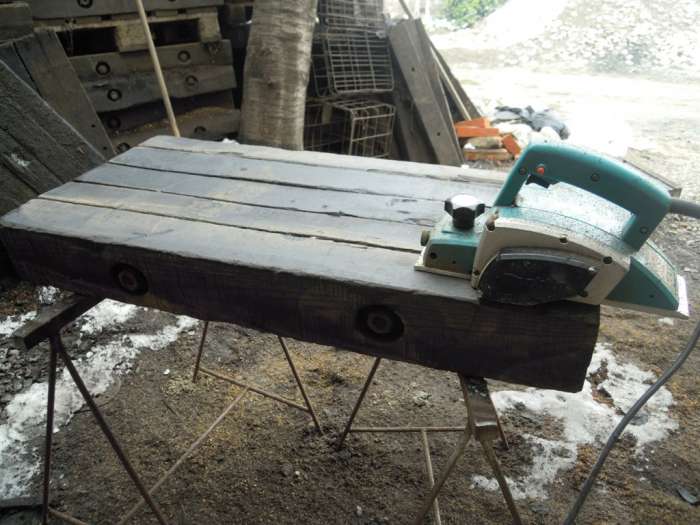
The winner tool is this Makita planer allows to remove decades of grime and grease in the form of compact chip, avoiding to spray too much poisonous dust in the air:
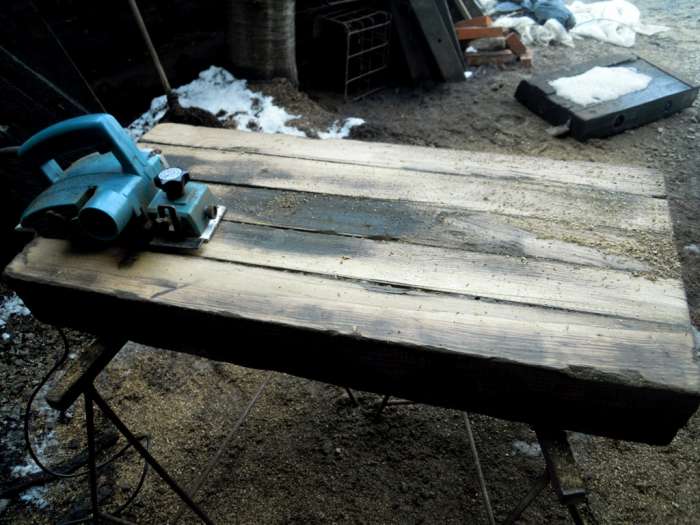
Sides and bottom just need a light and fast brushing, so for those grooves on the upper side where the planer does not arrive. At this point it is possible to sand with paper 40 gr/mq without the paper becomes immediately a mixture of grease..
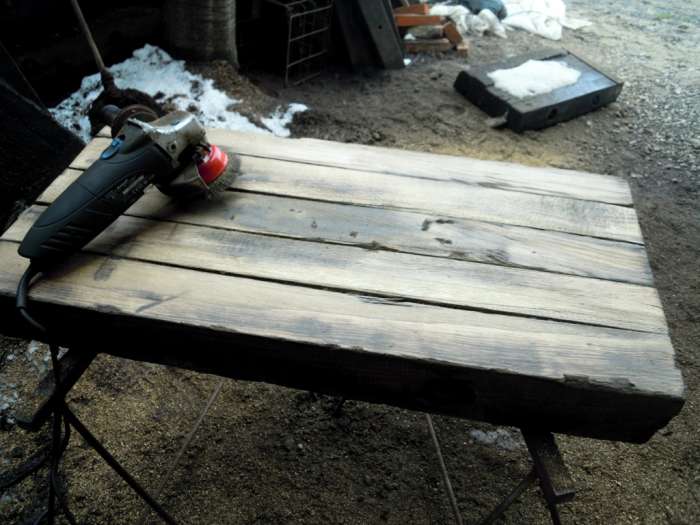
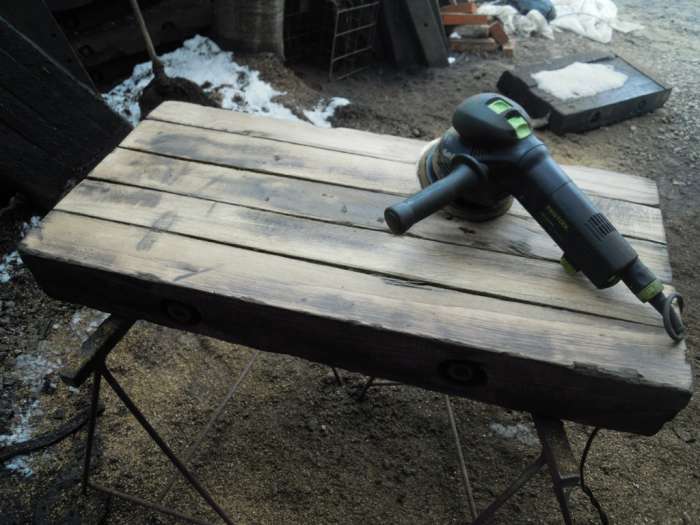
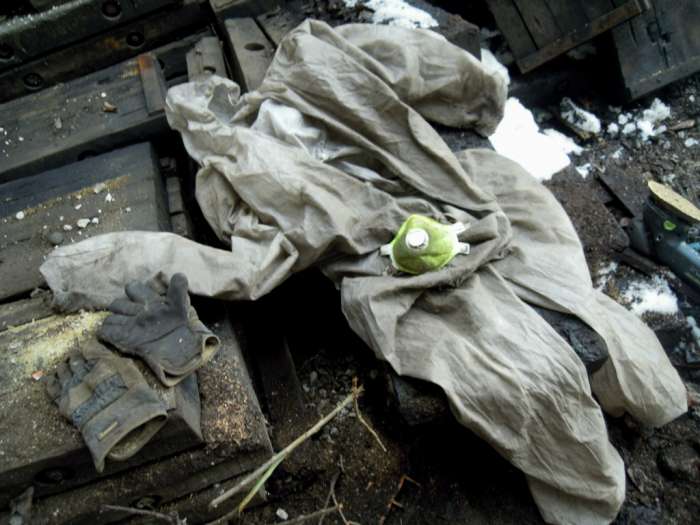
Fortunately except the superficial greasing, these blocks was intended to a local closed since the beginning so have not received protective treatments similar to those of the railway sleepers or telephone poles based on creosote, tar or folmaldeide: this fact technically allows to avoid to consider them as a special waste.. Anyway the conditions of protective clothing after a couple of cleaning sessions make evident that the operation is not healthy at all..
In the evening, two or three rows of blocks can be added to the floor extending the wooden horizon..
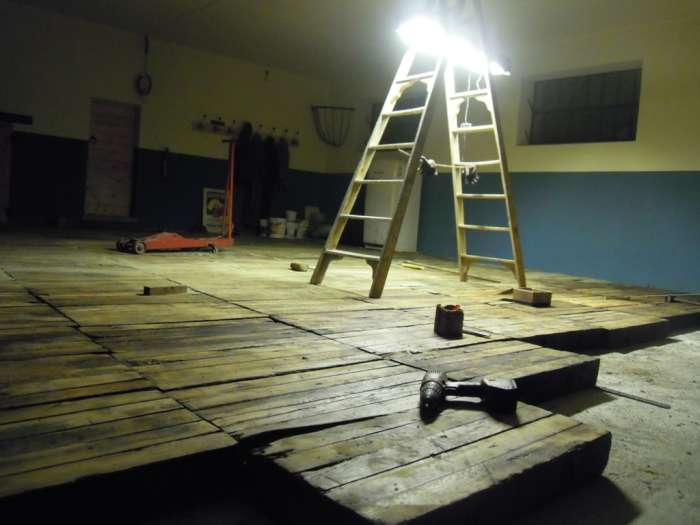
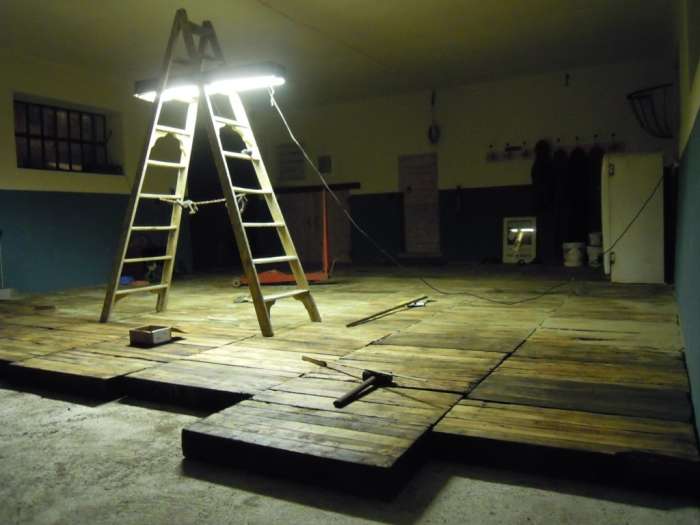
This is the surface, before and after sanding the slits:
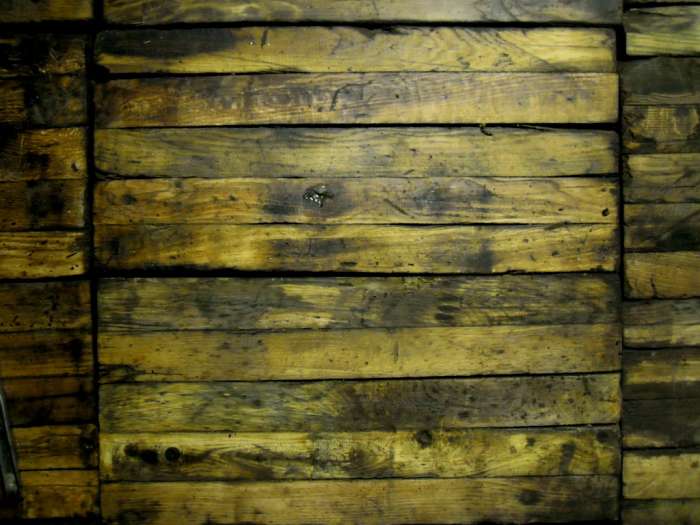
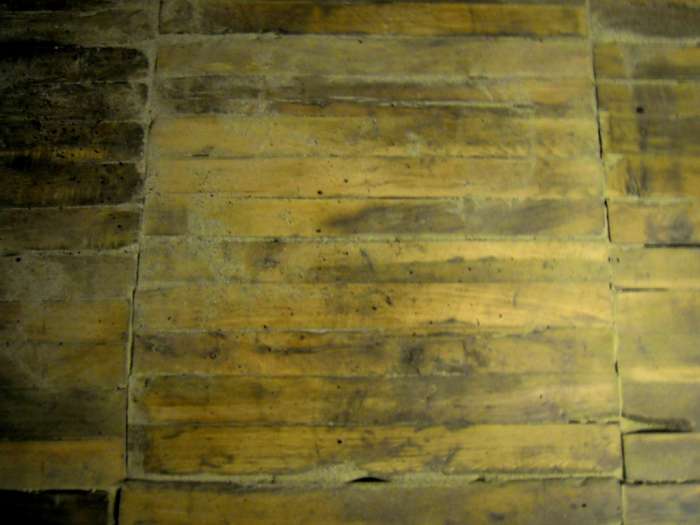
Probably a final smooth will be required because the perfect shim of the blocks is really impossible, I hope that the operation does not erase the wear and tear that makes a good 50% of the charme of this floor. At that point also decide if varnishing or less, there's a lot of time to think about it!
Ciao, Lj
Last edited:








 great image Dittle fart around!