To avoid these ads, REGISTER NOW!

Clausing 5400 Lathe Restoration

OP
C

Cahark

Well-known member
Joined
Sep 28, 2016
Messages
340
Location
Dayton,Oh
Nice job on that ahaper. I usually keep two machines going at any given time. Right now they are a Bridgeport mill and a flywheel grinder.


You should do a write up on them. Crazy folks like myself will definitely follow along. Haha


Sent from my iPhone using Tapatalk
 
To avoid these ads, REGISTER NOW!
OP
C

Cahark

Well-known member
Joined
Sep 28, 2016
Messages
340
Location
Dayton,Oh
I’m curious how you got the spindle pressed back in. I had to make an alignment bushing to keep the dust cover in the rear bearing from catching on a ledge on the spindle. It was a massive pain because I don’t have access to another lathe and had to do it on the mill.


https://www.hobby-machinist.com/threads/clausing-5428-rebuild.80801/post-704431


Sent from my iPhone using Tapatalk Pro


I’m not sure why you were having those issues. I had the spindle in and out of the last machine twice and it was tough, but not bad using the stud set to install/remove.

Did you have the front bearing fully seated and installed to the shoulder before you started? Or were you using the threaded rod to do it all at once?

I’ll be installing the spindle on this machine in the next week or two. I’ll keep you updated on how it goes.


Sent from my iPhone using Tapatalk
 
OP
C

Cahark

Well-known member
Joined
Sep 28, 2016
Messages
340
Location
Dayton,Oh
Wow, that’s a great shaper. I’ve never used one, and I really wish I had more time and money, would love to play around with one, see what kinds of possibilities it had, ha ha, maybe even do a CNC shaper build [emoji4]


Sent from my iPhone using Tapatalk Pro


Thanks a ton. It was a cool machine with very little use. There were hardly any wear items that needed to be replaced other than the belts. All it really needed was a bit of cleanup to remove the horrible paint and mouse droppings.

I sold it last month. It ran very well, but with limited space, I need to be careful with the machines that I choose to hang on to.

Sent from my iPhone using Tapatalk
 

AndySomogyi

Member
Joined
Sep 2, 2018
Messages
23
Location
My house
I’m not sure why you were having those issues. I had the spindle in and out of the last machine twice and it was tough, but not bad using the stud set to install/remove.

Did you have the front bearing fully seated and installed to the shoulder before you started? Or were you using the threaded rod to do it all at once?

I’ll be installing the spindle on this machine in the next week or two. I’ll keep you updated on how it goes.


Sent from my iPhone using Tapatalk


Yes, the front bearing was fully seated.

The rear bearing has a pressed on black cover, and a floating dust cover between the bearing and outer cover. This basically rides on the spindle. I kept the cover in place when pressing the spindle in.

So what I did was pull the spindle in until the drive gear fully seats, pulling against wood, then take out the wood and pull the spindle in the rest of the way.

But there’s a ledge on the spindle, and that floating cover catches on the ledge, and presses against the outer dust cover. So I make this guide busing to center the floating dust cover so that it slides over the ledge onto the larger section of the spindle and then the spindle pulled in all the way.

I’m going to have to pull the spindle out again when I install the new back gear bushings.

Hey, what do you think about installing new spindle bearings when I have the spindle out again? Right now it seems to spin fine, and had about 2-3 tenths random runout, probably due to some bearing rollers not quite round. There seem to be two different prices bearings, some for about $35, and others for about $60.


Sent from my iPhone using Tapatalk Pro
 
OP
C

Cahark

Well-known member
Joined
Sep 28, 2016
Messages
340
Location
Dayton,Oh
Hey, what do you think about installing new spindle bearings when I have the spindle out again? Right now it seems to spin fine, and had about 2-3 tenths random runout, probably due to some bearing rollers not quite round. There seem to be two different prices bearings, some for about $35, and others for about $60.

I picked up some new old stock Timken bearings on eBay for $15-16 bucks each. They probably didn’t need it, but it’s a good selling point for the machine, and it made me feel happy inside haha.

That said, 2-3 tenths sounds pretty good. Are they noisy at all? How do your races look?

If those answers are “no noise” and “races look good” I would probably leave them, but for 30 bucks it’s cheap insurance to not have to remove the spindle again.

Let me know which sleeve bearings you pick out. I need to get on McMaster and order some myself.


Sent from my iPhone using Tapatalk
 

AndySomogyi

Member
Joined
Sep 2, 2018
Messages
23
Location
My house
I picked up some new old stock Timken bearings on eBay for $15-16 bucks each. They probably didn’t need it, but it’s a good selling point for the machine, and it made me feel happy inside haha.

That said, 2-3 tenths sounds pretty good. Are they noisy at all? How do your races look?

If those answers are “no noise” and “races look good” I would probably leave them, but for 30 bucks it’s cheap insurance to not have to remove the spindle again.

Let me know which sleeve bearings you pick out. I need to get on McMaster and order some myself.


Sent from my iPhone using Tapatalk


I haven’t had the lathe really running yet, well I did a little, but the belt tensioner bearings were so fried, couldn’t hear anything over them. The races look essentially OK, some minor putting, and rollers also look OK from a visual inspection. Shaft feels basically OK, but IDK, it’s a little notch, or at least not as smooth as other lathes I’ve felt. Anyways, It’s good enough to turn those bushings.

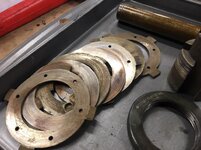
I picked up these bushings on eBay for $8 for both. McMaster has them, you’ll have to look at sizes that will work, I attached prints I got from Clausing on the bushing sizes.

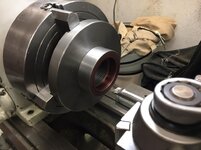
My plan is turn them with the lathe itself to factory specs, then take apart and install them.

f594c67eb5f6a78c4be49e4700cdcf6f.tif
02545b9106787c5ab472bb40c73226e2.tif
fab0443d8d953c6af555e515a5f80270.jpg


Sent from my iPhone using Tapatalk Pro
 

Attachments

  • fab0443d8d953c6af555e515a5f80270.jpg
    fab0443d8d953c6af555e515a5f80270.jpg
    568.7 KB · Views: 0
OP
C

Cahark

Well-known member
Joined
Sep 28, 2016
Messages
340
Location
Dayton,Oh
I picked up these bushings on eBay for $8 for both. McMaster has them, you’ll have to look at sizes that will work, I attached prints I got from Clausing on the bushing sizes.

My plan is turn them with the lathe itself to factory specs, then take apart and install them.

f594c67eb5f6a78c4be49e4700cdcf6f.tif
02545b9106787c5ab472bb40c73226e2.tif
fab0443d8d953c6af555e515a5f80270.jpg


Sent from my iPhone using Tapatalk Pro


8 bucks!? Send me that link


Sent from my iPhone using Tapatalk
 

Attachments

  • fab0443d8d953c6af555e515a5f80270.jpg
    fab0443d8d953c6af555e515a5f80270.jpg
    568.7 KB · Views: 0
OP
C

Cahark

Well-known member
Joined
Sep 28, 2016
Messages
340
Location
Dayton,Oh
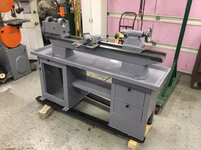
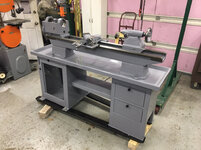
Today I started off by installing the feet on to the bed, and then installing the bed on the machine. Since the machine isn’t on a great foundation, I was not able to level it perfectly. I did however get it very close for now with my starrett setup level. I plan to do a final leveling once I get it on a more solid setup. At that point I can start adjusting the gibs and spindle.

As I was assembling the tail stock, I noticed that some of the parts that were originally black oxided had seen better days. I decided to use my Caswell black oxide kit to bring them back to life. This is a cold process and as much as it’s not perfect, it does a very good job at a much cheaper cost than running to my local black oxide shop. I’m very happy with how it turned out.

There are quite a few worn out oilite bushings on this machine. They are fairly cheap to replace so I went ahead and ordered them from McMaster Carr. They should be here tomorrow. Unfortunately, some of them are custom sizes, so I was able to order bushings that were very close to size but will need to be turned down or cut to length. I have another lathe so this won’t be a problem.

229e78ea483cfa2c563d32e0630eebf0.jpg
c22593f9eb64dbd24ae356f5440a5659.jpg
da2fa9640166acd3aa063bfb04933d7d.jpg
6e55762a998e7f461df75e6c37377057.jpg
45bc93fdc6fae75c24083def7e7eead9.jpg


Sent from my iPhone using Tapatalk
 

Attachments

  • 45bc93fdc6fae75c24083def7e7eead9.jpg
    45bc93fdc6fae75c24083def7e7eead9.jpg
    588.9 KB · Views: 0
  • 6e55762a998e7f461df75e6c37377057.jpg
    6e55762a998e7f461df75e6c37377057.jpg
    708.3 KB · Views: 0
  • da2fa9640166acd3aa063bfb04933d7d.jpg
    da2fa9640166acd3aa063bfb04933d7d.jpg
    690.6 KB · Views: 0
  • c22593f9eb64dbd24ae356f5440a5659.jpg
    c22593f9eb64dbd24ae356f5440a5659.jpg
    757.8 KB · Views: 0
  • 229e78ea483cfa2c563d32e0630eebf0.jpg
    229e78ea483cfa2c563d32e0630eebf0.jpg
    800.9 KB · Views: 0

Wardmoto

Well-known member
Joined
May 20, 2016
Messages
45
Location
Carlisle PA
Cahark, once again, I learn something new from your pics. Second to the last of the series you just posted I see a black rod that is a rest for the quill locking lever on the tail stock. I don't have that and it appears that the hole that it goes into on mine isn't much of a hole...like something is plugging it or broken off in it. Is it a threaded piece or an interference fit? Just curious before I try to remove whatever is in mine. If it is threaded, I want to try and preserve them. Thanks again.
 
OP
C

Cahark

Well-known member
Joined
Sep 28, 2016
Messages
340
Location
Dayton,Oh
Cahark, don’t you just love it when you bring a machine back to life and make it easy on the eyes?


Absolutely. Plus it makes the machine just that much more easy to work on. Needless to say, the assembly process is much cleaner than the disassembly ha ha.


Sent from my iPhone using Tapatalk
 
OP
C

Cahark

Well-known member
Joined
Sep 28, 2016
Messages
340
Location
Dayton,Oh
Cahark, once again, I learn something new from your pics. Second to the last of the series you just posted I see a black rod that is a rest for the quill locking lever on the tail stock. I don't have that and it appears that the hole that it goes into on mine isn't much of a hole...like something is plugging it or broken off in it. Is it a threaded piece or an interference fit? Just curious before I try to remove whatever is in mine. If it is threaded, I want to try and preserve them. Thanks again.


cd8d3a7afd782553355159188598f06a.jpg

On my machine it’s a 1/4 x 1 1/2 long roll pin. If for some reason the hole on your machine is messed up, you could open the hole up to .257 (letter F drill) and tap it for a 5/16-18 SHCS or shoulder bolt.

I’m very happy that this thread was able to help a few people.


Sent from my iPhone using Tapatalk
 

Attachments

  • cd8d3a7afd782553355159188598f06a.jpg
    cd8d3a7afd782553355159188598f06a.jpg
    597.9 KB · Views: 0

OccupantRJ

Well-known member
Joined
May 15, 2009
Messages
10,977
Location
Eastern North Carolina
Absolutely. Plus it makes the machine just that much more easy to work on. Needless to say, the assembly process is much cleaner than the disassembly ha ha.


Sent from my iPhone using Tapatalk

I have a heat pump in my shop. I create so much sanding dust stripping machines that I have to constantly monitor the intake filter to keep it from overloading with particles and caving in. The blast cabinets handle the smaller parts. Respiratory protection is a must.
 

Wardmoto

Well-known member
Joined
May 20, 2016
Messages
45
Location
Carlisle PA
I am very happy you took the time to bother with making this thread in the first place! Thanks again, I will get mine fixed up directly. Look forward to your updates.
 
OP
C

Cahark

Well-known member
Joined
Sep 28, 2016
Messages
340
Location
Dayton,Oh
The machine is still coming along nicely. I had some time yesterday evening to continue assembling. This is how far I made it

63c8cf45b46d3a06ebafd140ff2d6ea9.jpg

4f50b1395ffc4608411cc1d07977c204.jpg
201b778928fb877524462c3d10dcfc77.jpg


Sent from my iPhone using Tapatalk
 

Attachments

  • 4f50b1395ffc4608411cc1d07977c204.jpg
    4f50b1395ffc4608411cc1d07977c204.jpg
    728.2 KB · Views: 0
  • 63c8cf45b46d3a06ebafd140ff2d6ea9.jpg
    63c8cf45b46d3a06ebafd140ff2d6ea9.jpg
    782.8 KB · Views: 1
  • 201b778928fb877524462c3d10dcfc77.jpg
    201b778928fb877524462c3d10dcfc77.jpg
    676.5 KB · Views: 1
OP
C

Cahark

Well-known member
Joined
Sep 28, 2016
Messages
340
Location
Dayton,Oh
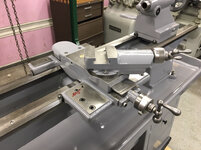
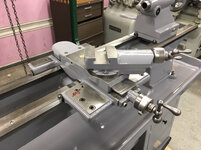
Yesterday I was able to get the apron, quick change gearbox, and the end support installed. The previous owner installed some shims on the quick change and the end support. Initially I set them aside thinking that I would need to re-size them due to wear in the machine. Surprisingly, the shims must have been installed recently because everything fit perfectly. This saved me a ton of time.

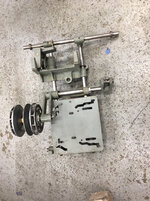
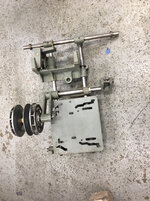
This morning I stopped by my buddies house to use his large parts washer to finish cleaning the under-drive unit. It cleaned up pretty well, and due to it being hidden in the cabinet of the machine, and the good condition or the existing paint, I decided against re-painting the parts. Once they were cleaned I filed the set screw marks from the vertical shafts so each part could be easily adjusted.

My lovely wife was able to come out to the garage and help me install the under-drive unit. She is very supportive of the shop and always willing to help. It went well, but I forgot to get a picture of it.

More to come

001fb340295d678f54c9e87c6b5bf5dc.jpg
e6b12f979586e06c9a8839907eb9b1cd.jpg
f2547b215840d89d2579b47faf83ca19.jpg


Sent from my iPhone using Tapatalk
 

Attachments

  • f2547b215840d89d2579b47faf83ca19.jpg
    f2547b215840d89d2579b47faf83ca19.jpg
    933.7 KB · Views: 0
  • e6b12f979586e06c9a8839907eb9b1cd.jpg
    e6b12f979586e06c9a8839907eb9b1cd.jpg
    818.4 KB · Views: 0
  • 001fb340295d678f54c9e87c6b5bf5dc.jpg
    001fb340295d678f54c9e87c6b5bf5dc.jpg
    762.2 KB · Views: 0

81turbota

Well-known member
Joined
Oct 29, 2019
Messages
260
Location
USA
Excellent progress, you’ll have a fine machine when finished. Thanks for sharing the pictures!
 
OP
C

Cahark

Well-known member
Joined
Sep 28, 2016
Messages
340
Location
Dayton,Oh
It’s been a few days since the last update. I spent quite a bit of time out here but seems as if I haven’t gotten all that much done. Most of the tasks have been small and time-consuming.

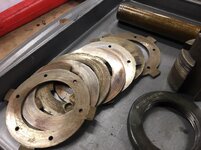
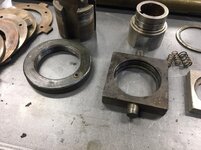
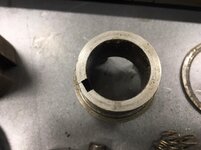
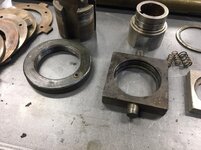
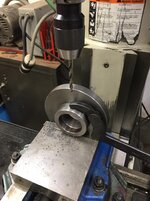
I started the week off addressing the bronze bushings in the Headstock pulley. These bearings come in to use when the back gear is engaged. They were extremely sloppy in my machine. Most likely due to a lack of lubrication, however it’s not outside of what I would’ve expected for a 62 year-old machine. As shown in previous pictures in this thread, I had some prints from the manufacture pertaining to the dimensions that the bushings were supposed to be. After further investigation I determined that they would not work for my machine as drawn. The bushings on the prints were not the proper size for the pulley section, but they were the proper size for the gear section. Someone used retaining compound on the old bushings, so I believe this was a known problem. It looks as if the pulley section was machined about .002-.003 oversize. This would mean that there bushings would not have the .0015 Press fit That it should have, and instead slip right into place with .001-.002 clearance. Given the Situation I designed The bushings so that they would fit properly. After installation I set the whole assembly up and bored them in place to the final dimensions. Everything worked perfectly.

I continued my progress by installing the spindle. I have addressed this earlier in the thread so feel free to check out the previous photos.

I followed that up this evening by installing the gear train. I did need to install one bushing in the pull out gear. It was fairly straightforward. Another pressed in bushing then bored in place.

83292421a750d5a06ddc3ff6d0cebe71.jpg
0ed3716e4dd606fc454de6842c82cc49.jpg
75833719859c9272ab13854a1047c980.jpg
7c721dd8f0cb74c513ddb2f153d301ee.jpg
e5b9fd476a3c0a49cc57b49a3e10ff23.jpg
e65f5a07b0eed26020f57818e5f9b2a1.jpg
15d69822883741569dcaa23d7aa552e8.jpg
623662318d5fd5a1926c3ff1cef3194b.jpg
bdbc22d9103c7b90fc0dece0e39eb7fc.jpg


Sent from my iPhone using Tapatalk
 

Attachments

  • 7c721dd8f0cb74c513ddb2f153d301ee.jpg
    7c721dd8f0cb74c513ddb2f153d301ee.jpg
    103.4 KB · Views: 0
  • 0ed3716e4dd606fc454de6842c82cc49.jpg
    0ed3716e4dd606fc454de6842c82cc49.jpg
    85.4 KB · Views: 0
  • 83292421a750d5a06ddc3ff6d0cebe71.jpg
    83292421a750d5a06ddc3ff6d0cebe71.jpg
    86.6 KB · Views: 0
  • e5b9fd476a3c0a49cc57b49a3e10ff23.jpg
    e5b9fd476a3c0a49cc57b49a3e10ff23.jpg
    109.8 KB · Views: 0
  • e65f5a07b0eed26020f57818e5f9b2a1.jpg
    e65f5a07b0eed26020f57818e5f9b2a1.jpg
    88.4 KB · Views: 1
  • 75833719859c9272ab13854a1047c980.jpg
    75833719859c9272ab13854a1047c980.jpg
    98.3 KB · Views: 1
  • bdbc22d9103c7b90fc0dece0e39eb7fc.jpg
    bdbc22d9103c7b90fc0dece0e39eb7fc.jpg
    92.7 KB · Views: 1
  • 623662318d5fd5a1926c3ff1cef3194b.jpg
    623662318d5fd5a1926c3ff1cef3194b.jpg
    76.1 KB · Views: 0
  • 15d69822883741569dcaa23d7aa552e8.jpg
    15d69822883741569dcaa23d7aa552e8.jpg
    86.4 KB · Views: 1
To avoid these ads, REGISTER NOW!
OP
C

Cahark

Well-known member
Joined
Sep 28, 2016
Messages
340
Location
Dayton,Oh
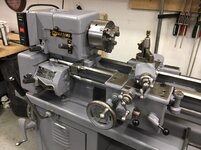
What is the big lathe in the background?


The Guys have it right. 1957 Monarch 10EE. Square dial, WIAD drive. Originally sold to NCR in Dayton, OH.

I never thought I would own one. I just got lucky.


Sent from my iPhone using Tapatalk
 
OP
C

Cahark

Well-known member
Joined
Sep 28, 2016
Messages
340
Location
Dayton,Oh
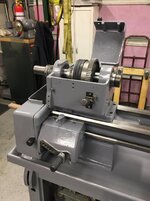
So far so good. I was able to get the clutch assembly back together and operating smoothly. All the bearings were shot as usual. I also found a broken key. It broke exactly where you would expect it to, so when making the replacement I milled a radius at the bottom of the groove. Additionally, I found that the sleeve that tightens and loosens the clutch had a crack right down the keyway. Luckily, included with the machine was extra parts for the clutch assembly. Just so happened that this exact sleeve was in there and in good condition. I did however need to machine down the key slightly because the keyway was not broached as deep on the new sleeve. I didn’t measure it, but I believe it was somewhere around .010-.015”. This came off easily with a file.

Last but certainly not least I polished the face of the clutch fingers. They were pitted, swaged, and had dings all over the face. This caused it to hang up when moving in and out of the sleeve. Due to size constraints I wasn’t able to take it down to a factory finish but I was able to smooth out any major inconsistencies.

5c9dc9e7fa24afbfc725f20bbc73abc7.jpg
4eb5500113f12334e6e007f9f44493bd.jpg
5f220f34a4c031c4e8f213f82c206c37.jpg
1c779f7d752916c613f4393dc777f39f.jpg
adb4498093152c147df49e174f2f4b8b.jpg

After I was done with the clutch I was able to get started on some of the wiring. I was planning to replace all of it, but after doing some cleanup I found that the wire was in excellent condition. No cracks and perfect flexibility. It looks to have been replaced recently.

I also took the time to clean up the switch. I scraped the old paint out of the letters and used a paint marker to repaint the white. Then I Wiped off the excess with lacquer thinner. I got everything taped off and then put a good coat of black on the switch. I decided to go with Black since it was an area that your dirty fingers would be all over. Hopefully the Black will hide the dirt. I think it turned out pretty nice

7015b244d8b8daca130785e857e22edb.jpg
81e77cecc0626da81df4ea1a329db287.jpg


Sent from my iPhone using Tapatalk
 

Attachments

  • 4eb5500113f12334e6e007f9f44493bd.jpg
    4eb5500113f12334e6e007f9f44493bd.jpg
    94.2 KB · Views: 1
  • 5c9dc9e7fa24afbfc725f20bbc73abc7.jpg
    5c9dc9e7fa24afbfc725f20bbc73abc7.jpg
    105.6 KB · Views: 1
  • 81e77cecc0626da81df4ea1a329db287.jpg
    81e77cecc0626da81df4ea1a329db287.jpg
    80.7 KB · Views: 1
  • 5f220f34a4c031c4e8f213f82c206c37.jpg
    5f220f34a4c031c4e8f213f82c206c37.jpg
    101.7 KB · Views: 1
  • 1c779f7d752916c613f4393dc777f39f.jpg
    1c779f7d752916c613f4393dc777f39f.jpg
    83.1 KB · Views: 2
  • 7015b244d8b8daca130785e857e22edb.jpg
    7015b244d8b8daca130785e857e22edb.jpg
    87.2 KB · Views: 2
  • adb4498093152c147df49e174f2f4b8b.jpg
    adb4498093152c147df49e174f2f4b8b.jpg
    126.4 KB · Views: 1

Wardmoto

Well-known member
Joined
May 20, 2016
Messages
45
Location
Carlisle PA
Cahark, looking good! I got lucky as my clutch assembly was in pretty good shape, I know, in my searching, parts are pretty hard to come by. However, the square piece that has an unsealed sloppy inner bearing and two dowel pins on opposing sides on flats of the square (your thumb is on it in the first pic) was kind of notchy and noisy on mine. If i go "over center" with the clutch engagement lever, its real noisy. Fortunately, after cleaning the clutch plates it takes very little pressure to get it to engage and spin the chuck with no slippage so hopefully I get some more life out of it. The rest of the machine is so well built, but I feel like that piece is just waiting to fail based on the axial loads it must see with such small and loose ball bearings. I marked the linkage before disassembly and everything went back together fine, so I am pretty confident I have things set up correctly. As I said before, it takes very little pressure moving the clutch lever to the right to make things work well...why is the lever allowed to be moved much further and go over center and lock in place? Is that how Clausing designed it to be run? I am at work so I can't check now, but maybe my pre-load I have set on the clutch plates isn't right causing the engagement/disengagement point to be shifted too far in one direction...sorry for the rambling. I actually had another question for you until I saw your recent post and went down this rabbit hole.

Question:

This past weekend we had 65 degree weather in central PA after a week of seasonal 30 ish degree weather and I opened the house garage to warm things up a bit. My lathe is in that garage and I briefly thought twice about it because of condensation. The lathe is covered and while I felt the painted surfaces for sweating during the weekend, I never lifted up the cover. I did last night and there is flash rust on every painstakingly polished bare metal piece on the lathe except the ways due to their coating of way oil. Beyond commonsense of applying WD40 regularly, using the machine regularly and controlling the humidity, is there any better tricks in the machinist world to help control this? I am not going to clear coat things and it will eventually be moved in a shop I am building that will have conditioned air in it, but weeks could go by without me using the lathe and I'd rather not have clean up flash rust every time.

Thanks!
 

OccupantRJ

Well-known member
Joined
May 15, 2009
Messages
10,977
Location
Eastern North Carolina
When the humidity is above a certain level that I can feel in the air, I do not leave my door open. It takes very little humidity to make machined surfaces rust.
 
OP
C

Cahark

Well-known member
Joined
Sep 28, 2016
Messages
340
Location
Dayton,Oh
parts are pretty hard to come by.

Let me know if you need anything. By the end of this, I will have a near complete clutch assembly that I would be willing to part with for a fair price.


However, the square piece that has an unsealed sloppy inner bearing and two dowel pins on opposing sides on flats of the square (your thumb is on it in the first pic) was kind of notchy and noisy on mine.

Mine was noisy as well. I tried to find an off the shelf replacement, but I was unable to track one down for a reasonable price. I disassembled the bearing, cleaned and re-greased. It’s not perfect, but it seems to be doing okay so far. If I had problems with it, I was planning to try out a sleeve bearing in its place made from nylatron or oilite. I should have asked clausing if a replacement was available when I had them on the phone.


I marked the linkage before disassembly and everything went back together fine, so I am pretty confident I have things set up correctly.

On my machine it helped greatly to align the clutch assembly using the u bolt and set screw shown. When it was out of alignment I was getting odd feedback, high engagement pressures and noises. Took me a few tries and a bit of trial and error, but it worked out in the end. Initially I left the adjustment where it was when I received the machine, but it was way off.
fe78319854d5ece8a49ade6c6856fd5e.jpg

It also helped greatly to file smooth and polish these faces. You can’t remove too much material and you want the geometry on both fingers to stay pretty close to the same, but it allowed the clutch to fall into place instead of catching and binding like it was before.

6c6c2a024ccc06c2623d619da16c670c.jpg

why is the lever allowed to be moved much further and go over center and lock in place? Is that how Clausing designed it to be run?

I think I understand this correctly. By over center I assume you are talking about the position of the clutch lever. This can be changed by using this arm. There is a pinch bolt that will allow you to move the clutch arm to where you want it, and lock it in place. I will also note that when the fingers are fully engaged into the slots in the clutch slide, the tension on them is allowed to repeat. That way it’s not left up to the operator on how hard he or she decides to lean on the lever. It has a positive location where the tension stays the same once in position. I hope that makes sense. Hard for me to explain.

da4b61c028f2d54eacf5e9633363864f.jpg


Beyond commonsense of applying WD40 regularly, using the machine regularly and controlling the humidity, is there any better tricks in the machinist world to help control this?!


The best advice I can offer is to keep it oiled and clean. Before I had heat, every time I got a few minutes, I would wipe the machine down with a coat of oil. This did well, but it wasn’t perfect. A little flash rust may get through here and there, but as long as I caught it fast, it wasn’t much of a problem. I know you don’t want to, but on handwheels, dials, and non precision surfaces I would use rust oleum crystal clear enamel in a rattle can after a quick wire wheel or polish. This works very well and keeps them looking new. I’ve also used 2 parts boiled linseed oil mixed mixed with 1 part mineral spirits to coat non precision surfaces. It takes a while to dry, but it is easy to apply and re-apply with a rag.


Sent from my iPhone using Tapatalk
 

Attachments

  • da4b61c028f2d54eacf5e9633363864f.jpg
    da4b61c028f2d54eacf5e9633363864f.jpg
    100.2 KB · Views: 0
  • 6c6c2a024ccc06c2623d619da16c670c.jpg
    6c6c2a024ccc06c2623d619da16c670c.jpg
    84.6 KB · Views: 0
  • fe78319854d5ece8a49ade6c6856fd5e.jpg
    fe78319854d5ece8a49ade6c6856fd5e.jpg
    50.3 KB · Views: 0
OP
C

Cahark

Well-known member
Joined
Sep 28, 2016
Messages
340
Location
Dayton,Oh
Let me know if you need anything. By the end of this, I will have a near complete clutch assembly that I would be willing to part with for a fair price.


Mine was noisy as well. I tried to find an off the shelf replacement, but I was unable to track one down for a reasonable price. I disassembled the bearing, cleaned and re-greased. It’s not perfect, but it seems to be doing okay so far. If I had problems with it, I was planning to try out a sleeve bearing in its place made from nylatron or oilite. I should have asked clausing if a replacement was available when I had them on the phone.


On my machine it helped greatly to align the clutch assembly using the u bolt and set screw shown. When it was out of alignment I was getting odd feedback, high engagement pressures and noises. Took me a few tries and a bit of trial and error, but it worked out in the end. Initially I left the adjustment where it was when I received the machine, but it was way off.
fe78319854d5ece8a49ade6c6856fd5e.jpg

It also helped greatly to file smooth and polish these faces. You can’t remove too much material and you want the geometry on both fingers to stay pretty close to the same, but it allowed the clutch to fall into place instead of catching and binding like it was before.

6c6c2a024ccc06c2623d619da16c670c.jpg


I think I understand this correctly. By over center I assume you are talking about the position of the clutch lever. This can be changed by using this arm. There is a pinch bolt that will allow you to move the clutch arm to where you want it, and lock it in place. I will also note that when the fingers are fully engaged into the slots in the clutch slide, the tension on them is allowed to repeat. That way it’s not left up to the operator on how hard he or she decides to lean on the lever. It has a positive location where the tension stays the same once in position. I hope that makes sense. Hard for me to explain.

da4b61c028f2d54eacf5e9633363864f.jpg


The best advice I can offer is to keep it oiled and clean. Before I had heat, every time I got a few minutes, I would wipe the machine down with a coat of oil. This did well, but it wasn’t perfect. A little flash rust may get through here and there, but as long as I caught it fast, it wasn’t much of a problem. I know you don’t want to, but on handwheels, dials, and non precision surfaces I would use rust oleum crystal clear enamel in a rattle can after a quick wire wheel or polish. This works very well and keeps them looking new. I’ve also used 2 parts boiled linseed oil mixed mixed with 1 part mineral spirits to coat non precision surfaces. It takes a while to dry, but it is easy to apply and re-apply with a rag.


Sent from my iPhone using Tapatalk



Also, if I plan to put something in storage where there is the possibility of it getting rusty, or if I know I won’t be using that item for a while, I will coat it with lithium spray grease or lanolin oil. So far it hasn’t stained any of the metal that I am protecting as long as the surface is good and clean before I spray it on. It definitely takes a little more elbow grease to remove so I reserve these options for Long term storage.


Sent from my iPhone using Tapatalk
 

Attachments

  • da4b61c028f2d54eacf5e9633363864f.jpg
    da4b61c028f2d54eacf5e9633363864f.jpg
    96.1 KB · Views: 0
  • 6c6c2a024ccc06c2623d619da16c670c.jpg
    6c6c2a024ccc06c2623d619da16c670c.jpg
    80.9 KB · Views: 0
  • fe78319854d5ece8a49ade6c6856fd5e.jpg
    fe78319854d5ece8a49ade6c6856fd5e.jpg
    46.9 KB · Views: 0

Wardmoto

Well-known member
Joined
May 20, 2016
Messages
45
Location
Carlisle PA
Good news/Bad news...

Bad news is, last night a I typed a detailed reply to your last post and somehow it didn't post and all was lost.

Good news is I am wordy and I probably saved you a lot of time reading it.

Once I got finished with the lathe "restoration" I was so excited to make chips and that is what I did. I didn't pay much attention to the under drive other than rechecking the belt tension. The clutch worked great straight out of the gate with no issues but I couldn't understand why the clutch lever would move through its arc another foot after the clutch was positively engaged with no slippage. I never ran it that way, but I was just confused as to why that could occur...the machine is very well built and everything is well laid out and logical, the extra travel in the lever was not in line with the logical layout of the lathe and I just assumed there should be a positive stop for the lever. I looked at the clutch assembly in detail last night and I understand what is occurring and everything is working as it should, based off of the arraignment of the linkage mine is a horizontal under drive with stepped pulleys, it’s a bit different than yours.

It actually is a pretty neat design and because of the surface area a multi-plate clutch offers it requires little to no pressure on the clutch lever to have it function as it should which explains why the undersized and crappy looking bearing on the clutch pusher (that square piece) really isn't crappy or undersized at all...I was forcing the lever and linkage where it didn't need to be!
Thanks again for all your help. I am interested in what parts you might have left when you are done and I think I am going to take your advice and shoot some clear on the hand wheels and such to prevent some of the rust issues…I think it will just be easier in the long run.
 
OP
C

Cahark

Well-known member
Joined
Sep 28, 2016
Messages
340
Location
Dayton,Oh
Good news/Bad news...


Bad news is, last night a I typed a detailed reply to your last post and somehow it didn't post and all was lost.


Good news is I am wordy and I probably saved you a lot of time reading it.


Once I got finished with the lathe "restoration" I was so excited to make chips and that is what I did. I didn't pay much attention to the under drive other than rechecking the belt tension. The clutch worked great straight out of the gate with no issues but I couldn't understand why the clutch lever would move through its arc another foot after the clutch was positively engaged with no slippage. I never ran it that way, but I was just confused as to why that could occur...the machine is very well built and everything is well laid out and logical, the extra travel in the lever was not in line with the logical layout of the lathe and I just assumed there should be a positive stop for the lever. I looked at the clutch assembly in detail last night and I understand what is occurring and everything is working as it should, based off of the arraignment of the linkage mine is a horizontal under drive with stepped pulleys, it’s a bit different than yours.


It actually is a pretty neat design and because of the surface area a multi-plate clutch offers it requires little to no pressure on the clutch lever to have it function as it should which explains why the undersized and crappy looking bearing on the clutch pusher (that square piece) really isn't crappy or undersized at all...I was forcing the lever and linkage where it didn't need to be!

Thanks again for all your help. I am interested in what parts you might have left when you are done and I think I am going to take your advice and shoot some clear on the hand wheels and such to prevent some of the rust issues…I think it will just be easier in the long run.


Here are the parts that I have. Please note that the sleeve with the keyway has a small crack in the corner. I know that it needs repaired, but I figured somebody could measure it and make a replacement if they decided to purchase the parts. Not everything is here so please look at the pictures carefully to ensure that I have what you need. To you or anyone, Feel free to make me a fair offer in a private message.


ec222b4efd15b815eae38389ddad839b.jpg
5dd05c9cbaf5031cdbe5353158c38462.jpg
b6c95c3501150454cbaaf4e6d3543e64.jpg
32df394fbd8a9986c827f43b29b6e74c.jpg
25d0891f449669a4e214bad84a6aedd3.jpg
191e2a4b8ac4c0c3db2bf75c51c7fb9b.jpg


Sent from my iPhone using Tapatalk
 

Attachments

  • ec222b4efd15b815eae38389ddad839b.jpg
    ec222b4efd15b815eae38389ddad839b.jpg
    63.4 KB · Views: 1
  • 32df394fbd8a9986c827f43b29b6e74c.jpg
    32df394fbd8a9986c827f43b29b6e74c.jpg
    122.5 KB · Views: 0
  • 191e2a4b8ac4c0c3db2bf75c51c7fb9b.jpg
    191e2a4b8ac4c0c3db2bf75c51c7fb9b.jpg
    107.8 KB · Views: 0
  • 25d0891f449669a4e214bad84a6aedd3.jpg
    25d0891f449669a4e214bad84a6aedd3.jpg
    116.1 KB · Views: 0
  • b6c95c3501150454cbaaf4e6d3543e64.jpg
    b6c95c3501150454cbaaf4e6d3543e64.jpg
    103.1 KB · Views: 0
  • 5dd05c9cbaf5031cdbe5353158c38462.jpg
    5dd05c9cbaf5031cdbe5353158c38462.jpg
    93 KB · Views: 3
OP
C

Cahark

Well-known member
Joined
Sep 28, 2016
Messages
340
Location
Dayton,Oh
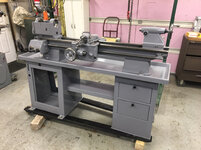
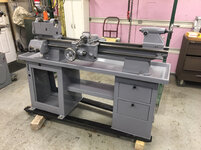
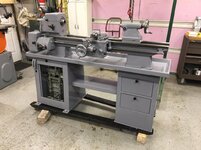
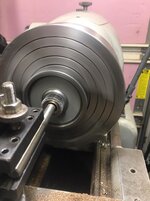
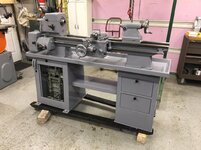
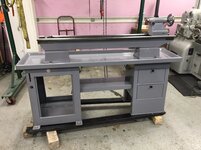
Well that’s the last of it! Over the last few days I was able to fit the chuck, install the badges, and knock out all of the final touches. I’m really happy with how it turned out.

1d9ab15603bf5fe35bd3cd642988cf0f.jpg
8d6a3cd8ff4e9cceb657cfdbe9bc64ce.jpg
e962b7f4a899d408c895fcfa1c662958.jpg
c56ee6691e063f1b9a6fce914c2ad076.jpg
51d47af0ae3299849ad7f5d4d008500b.jpg
5a389a13ad7c65db050ebab64d9c6f9a.jpg
baf70367ba4b9dfcd53b88dd658135f2.jpg
f9fe30cdc2c21f9b049f0ed5374837dc.jpg
ca4ec689e4293beb65da29513b11e28e.jpg


Sent from my iPhone using Tapatalk
 

Attachments

  • 1d9ab15603bf5fe35bd3cd642988cf0f.jpg
    1d9ab15603bf5fe35bd3cd642988cf0f.jpg
    114.6 KB · Views: 2
  • 8d6a3cd8ff4e9cceb657cfdbe9bc64ce.jpg
    8d6a3cd8ff4e9cceb657cfdbe9bc64ce.jpg
    95.5 KB · Views: 2
  • 51d47af0ae3299849ad7f5d4d008500b.jpg
    51d47af0ae3299849ad7f5d4d008500b.jpg
    102.9 KB · Views: 1
  • ca4ec689e4293beb65da29513b11e28e.jpg
    ca4ec689e4293beb65da29513b11e28e.jpg
    96.9 KB · Views: 1
  • c56ee6691e063f1b9a6fce914c2ad076.jpg
    c56ee6691e063f1b9a6fce914c2ad076.jpg
    94.9 KB · Views: 2
  • e962b7f4a899d408c895fcfa1c662958.jpg
    e962b7f4a899d408c895fcfa1c662958.jpg
    106.9 KB · Views: 1
  • 5a389a13ad7c65db050ebab64d9c6f9a.jpg
    5a389a13ad7c65db050ebab64d9c6f9a.jpg
    76.7 KB · Views: 1
  • baf70367ba4b9dfcd53b88dd658135f2.jpg
    baf70367ba4b9dfcd53b88dd658135f2.jpg
    94.1 KB · Views: 1
  • f9fe30cdc2c21f9b049f0ed5374837dc.jpg
    f9fe30cdc2c21f9b049f0ed5374837dc.jpg
    99.3 KB · Views: 1
OP
C

Cahark

Well-known member
Joined
Sep 28, 2016
Messages
340
Location
Dayton,Oh
Sell it...?


Yes. This machine was sold last weekend. It’s a nice way for me to fund the garage, while enjoying the hobby of repairing machines.

The guy I sold it to had a South Bend Heavy 10 that we were able to work into a trade in deal. It will be the next machine going under the knife!


Sent from my iPhone using Tapatalk
 

AndySomogyi

Member
Joined
Sep 2, 2018
Messages
23
Location
My house
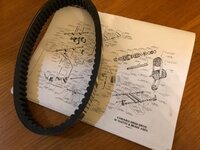
I can confirm that the variable speed drive belts for both the horizontal and vertical motor configurations are identical.

Chris, what grade bearings did you use for the spindle? Those part number spindle bearings seem to sell for about $30 some places and $50 other places. I was wondering if there’s a difference.

bde3b14509cc5c2453aa23f5c53469ff.jpg


Sent from my iPhone using Tapatalk Pro
 

Attachments

  • bde3b14509cc5c2453aa23f5c53469ff.jpg
    bde3b14509cc5c2453aa23f5c53469ff.jpg
    31.4 KB · Views: 1
OP
C

Cahark

Well-known member
Joined
Sep 28, 2016
Messages
340
Location
Dayton,Oh
I can confirm that the variable speed drive belts for both the horizontal and vertical motor configurations are identical.

Chris, what grade bearings did you use for the spindle? Those part number spindle bearings seem to sell for about $30 some places and $50 other places. I was wondering if there’s a difference.

bde3b14509cc5c2453aa23f5c53469ff.jpg


Sent from my iPhone using Tapatalk Pro


Andy,

I replaced the bearings with what was existing in this machine, and the previous machine. I believe these to be “Industrial” grade. Not sure where that lands on the ABEC scale. Personally, given the grade of these machines, and the existing wear, I believe that this is more than adequate.

I was able to find new old stock timken bearings on eBay for about $15 each, shipping included.


Sent from my iPhone using Tapatalk
 

AndySomogyi

Member
Joined
Sep 2, 2018
Messages
23
Location
My house
Andy,

I replaced the bearings with what was existing in this machine, and the previous machine. I believe these to be “Industrial” grade. Not sure where that lands on the ABEC scale. Personally, given the grade of these machines, and the existing wear, I believe that this is more than adequate.

I was able to find new old stock timken bearings on eBay for about $15 each, shipping included.


Sent from my iPhone using Tapatalk
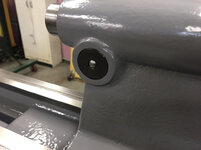


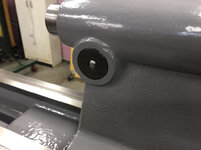
I’ll look for those. On yours, how true of a cut could you get?

On mine, even after leveling the bed, still get about a 5 tenths bulge near the chuck. The bed seems to have about a 6 thousands wear right about that area.

The other weird thing is the bed flats and V are not co-planar. So if I level using just the flats, it’s different than if I put the level on the cross slide. I’m using a Starrett 199, so 0.0005 per foot.


Sent from my iPhone using Tapatalk Pro
 
To avoid these ads, REGISTER NOW!
Top Bottom