Hey, guys. I apologize for making yet another thread on air compressors, but I'm a bit curious and wanted your advice. I'm looking to get my hands on a 20 or 30 gallon compressor, 110V. I'd like to be able to run a sander, an impact, die grinder, needle scaler, and hammer for enthusiast use, not professional. The ones I've narrowed my search down to are as follows:
https://www.aircompressorsdirect.com/DeWalt-DXCM303.COM-Air-Compressor/p153850.html (Tractor Supply Co. offers one for 600 right now)
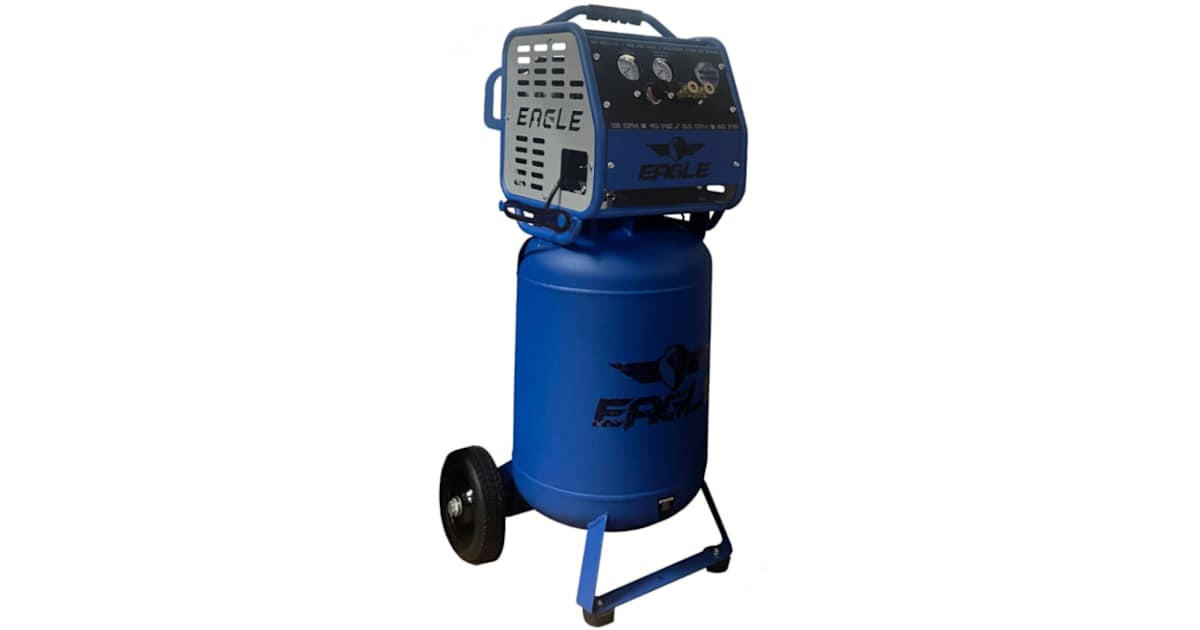
Save on the Eagle EA-6500 from Ferguson Home. Low Prices + Fast & Free Shipping on Most Orders. Find reviews, expert advice, manuals, specs & more.

www.aircompressorsdirect.com
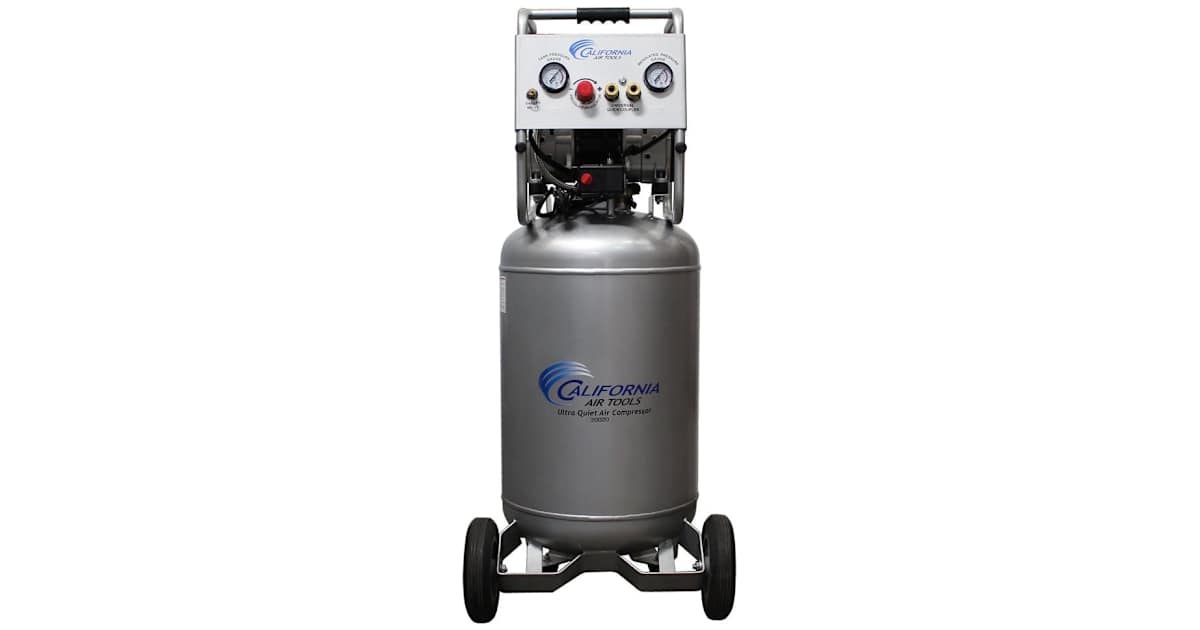
Save on the California Air Tools CAT-20020 from Ferguson Home. Low Prices + Fast & Free Shipping on Most Orders. Find reviews, expert advice, manuals, specs & more.
www.aircompressorsdirect.com
I'm under the impression that a higher CFM and a bigger tank are absolutely the most important things to focus on for comps, with noise being a very close second. but I was wondering if 6CFM would be much better than 5, given the same tank size. Aside from that, do any of you have any experience with any of these, or recommendations to steer clear from a particular model? Should I look for a different brand altogether?
Snap, you won't be able to run an air sander and an air die grinder well enough with a 110V compressor for them to be useful for anything serious.
I run die grinders off my 120V compressor because I'm only using them for quick touch ups with roloc wheels. For any "sustained" use, my die grinders will stabilize around 30psi on my compressor. I have an air angle grinder that also gets used only for short blasts because I simply don't have the air for it to run for extended use.
More than anything else, air compressor selection is about duty cycles-- of the tool and of the compressor.
On the compressor side, you want to assure that whatever compressor you buy can handle 100% duty cycle-- running continuously, indefinitely. Most oil free compressors cannot do this (although there are likely some out there). Air output is in SCFM but the "per minute" part is the devil that bites you when you buy a cheap compressor only rated 25% duty cycle.
A 25% duty cycle compressor is real world only 25% of the output of a 100% duty cycle compressor, even at identical SCFM ratings.
On the tool side, the tool maker is often (but not always) assuming a duty cycle and derating. That sander rated 5 CFM is more like 25CFM because they are assuming you only use it 20% of the time. Industrial tools are rated for continuous use. That's why a Sioux 1.0 hp die grinder shows an honest 30SCFM air draw, while Aircat shows a paltry 6 CFM for their 1.0 hp die grinder. The Aircat is rated 20% duty cycle and the Sioux is rated 100% duty cycle.
Unfortunately, air tool makers do not publish the assumed duty cycle of their tools uses to make the consumption appear less. Some tool makers are using 20%, some are 25%, some are 100%. If it seems to good to be true, it is.
For a Vane Motor tool, you can assume 30 SCFM needed per HP at 100% duty cycle.
A Divide-and-conquer strategy can overcome 120V compressor limitations. Meaning, divide your tools and tasks into those things where a short blast or touch up is all you need and the duty cycle is short. Those things can be air tools. But you'll need non-air tools for extended or particularly hard use. A 120V compressor IME is perfectly adequate for things like impact guns, air ratchets, air hammers, smaller spray guns, etc. But for grinders and sanders, you'll run out of air quickly.
This is why I have many corded electric tools that are angle grinders, die grinders, sanders, etc. Abrasive work in general often requires extended operating times.
I've been able to make a 120V compressor of unimpressive 6 SCFM output suffice for near 20 years now. I'd love to upgrade (it's loud) but it's been sufficient for so many uses that a huge compressor just isn't justified for me.
PS: One "hack" you can deploy with a 100% duty cycle compressor is adding an extended air tank or tanks. Another 30--40 gallons of air tank is often just enough more capacity that you can make the 120V compressor work where it otherwise wouldn't. Because you wisely bought a 100% rated compressor, you don't need to worry about extended operating times for the compressor to recover from the larger tanks.