Tunajoe
Well-known member
Anyone done this before and if so, what is the process?

Anyone done this before and if so, what is the process?
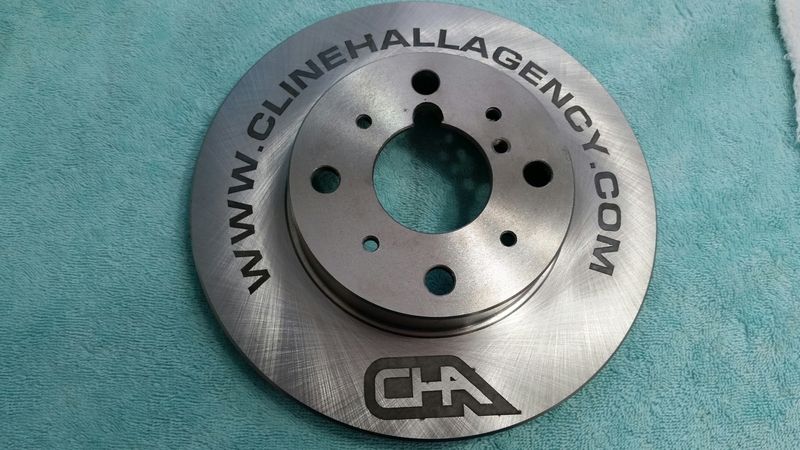
Find a pattern you like on the computer, and print it on adhesive paper; available at any office supply store.
Apply it to the metal already covered with electrical tape, and cut the pattern out with a cheap razor knife. Peel off what you like, then simply apply the acid and wait. You can get it as deep as you want.
You can also use a laser printer and a normal iron (you're melting the toner onto the metal, as laser printers essentially powder coat a page), certain markers, melted crayon, wax, transfer paper... Any number of ways. In this case, whatever you've just melted or transferred onto the metal will be what's blocking the acid.
Just make sure that metal is spotless. Clean the hell out of it and use gloves to touch it after you've done so. This is such an easy process because it doesn't take much to block the acid; even one fingerprint can be enough.
Basically, either get a stencil on there, or get the pattern into something you've melted on there and carefully cut it out. Transfer paper may require permanent marker, but you've got to be sure it's going to work, so test a few.
You can honestly get extremely beautiful results with very little practice. Most of that time will be spent messing around and deciding the easiest way to get what you want.
Last time I did it I used muriatic acid. It depends on what you want, as well as what sort of steel you're using, and concentrations required will vary. It pretty much just effects the time required to get your depth. You want it to take a while, so you can carefully keep track of it all.
After one or two tries, you'll be pulling pretty damned professional results. I've done a few saber blades in the past, for others; as well as a number of computer parts.
Blasting is an entirely different process, but it can be used in tandem if you've used tape to mask things off, because you can get in there and texture the etched areas. They end up with a different sheen anyway, but that really drives the look home, if you like it.
Acid etching is about the easiest way to do it, though. It's genuinely not something with hidden complications. Safety precautions apply, and do it outside with protection, but it's not like the fumes are going to eat a hole in the universe.
You can use incredibly weak stuff like lemons, but it'll take a long time and you may have trouble with uniformity. Electronic supply places sell acid that works well, too. There's a lot of art involved. Everything reacts a bit differently.
Thanks everyone,
I'm looking to acid etch steel like Bushmechanic outlined.
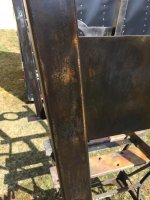
I'm getting ready to make an entryway table and wanted to do something different with the steel legs

Curious to hear how you develop a patina on steel.
What exactly do you use?