I am not a machinist, I'm just a guy who has playing with machine tools in the basement for about 5 years now.
Since you really have no idea on where you want to go with this I'd suggest either a Chinese 9x20 or a 10x22. My reasoning is these are big enough to do some real work, but small enough that almost anybody can find a spot for it in the garage. The 9x20s weigh 250lbs so two big guys can move it, you might want an engine hoist for the 10x22, or get a couple of weight lifters from the gym to stop by and help. These are also cheap enough at $1500-2500 new, that if you just keep it for a few years until you know enough to actually have a dream lathe you aren't out a ton of money. Figure you can get 50-60% back by selling it.
The 7" and 8" mini-lathes are not bad, but really all they get you is small. A decent mini-lathe is going to cost you $1200+ (no the $600 Harbor Freight 7x10 is not a decent mini-lathe, at least not until you have put a lot of time, effort and money into it).
I started out with a tiny mini-lathe, a Sherline 3.5x17 and a whopping 35lbs. I love this little lathe for making model parts. It comes up short for making bigger things, but I use it more than any of the other machines.
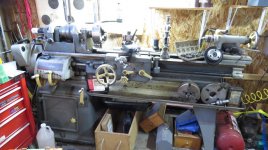
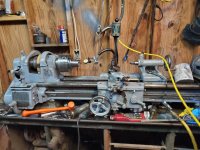
Since then I've added a bunch of machines, most I bought used, most are 40+ years old USA iron but I had a little more experience by the point that I bought them. I also had met several far more experienced (real) machinists who could help me evaluate older used machines.
There are definitely some deals out there for used machines, but you do need to know what you are doing or you can end up buying scrap.
Again, I think the small 9" and 10" Chinese (or Taiwanese if you get lucky) machines are a pretty safe bet buying used as well. These machines are not likely to be found in ********* industrial use, at most maybe in a shop to do some light work. Most of these machines are sold to hobbyists, probably half get used a few times and then sit in a corner for a few years before they go up on CL during a garage clean up. The other ones get used by a more serious hobbyist who uses it for awhile, before learning enough to know what they really want. The result is they might be abused, but they probably won't be worn out. This is good, because wear is harder to detect, but abuse and neglect is pretty obvious even to the inexperienced. Parts are readily available for most of the machines. I have an Enco 9x20 made in the 90s that I picked up cheap. I was able to get all the parts I needed to fix it up, because it is still in production and sold under several different brands.
These lathes are by no means high end, and those that say a small Southbend, Logan or even Atlas is better, are not wrong. I would gladly swap my Enco for a nice Southbend 9A, but for somebody brand new I think these are a decent starting point to learn with.
Also agree with Downwindtracker, with a mill, lathe and welder it feels like you can do just about anything. I've had a lot of fun with mine.
Also be aware with a lathe, even a small one you will soon find you need a bandsaw and a bench grinder. The bandsaw to cut material (portaband works). You will want a bench grinder for grinding lathe tooling.
The book how to run a lathe is a classic and cheap, originally published by Southbend. Still in print, and available from a couple of publishers on Amazon for $5-10.


 Seriously, buy once cry once. Just realize that you will likely have more in tooling and set up equipment than you do the actual lathe itself.