To avoid these ads, REGISTER NOW!

MP&C Shop Projects

michjacket

Well-known member
Joined
Apr 27, 2016
Messages
72
Location
SE Michigan
Your craftsmanship is impressive! Can you please give us an idea how long it takes you to accomplish one of these projects? I know I would take days and it would not come out nearly as nice as yours! Thanks for sharing.
 
To avoid these ads, REGISTER NOW!
OP
M

MP&C

Well-known member
Joined
Oct 21, 2009
Messages
4,396
Location
Leonardtown, MD
Thanks, which project?


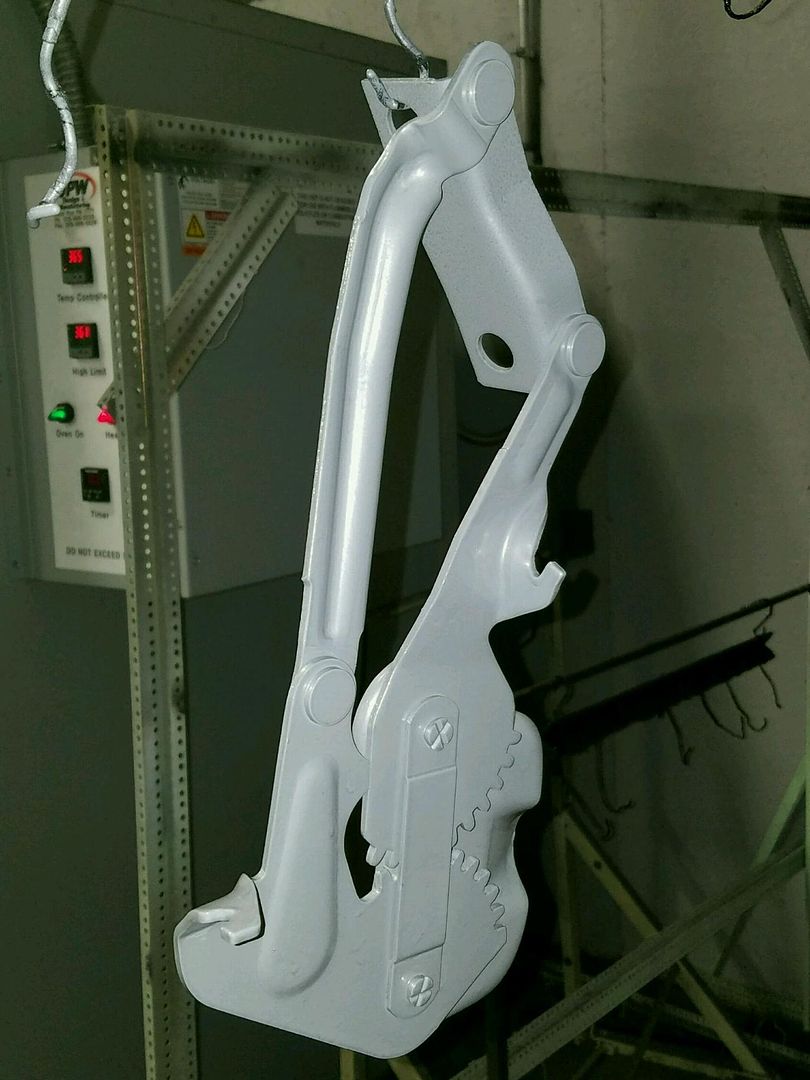
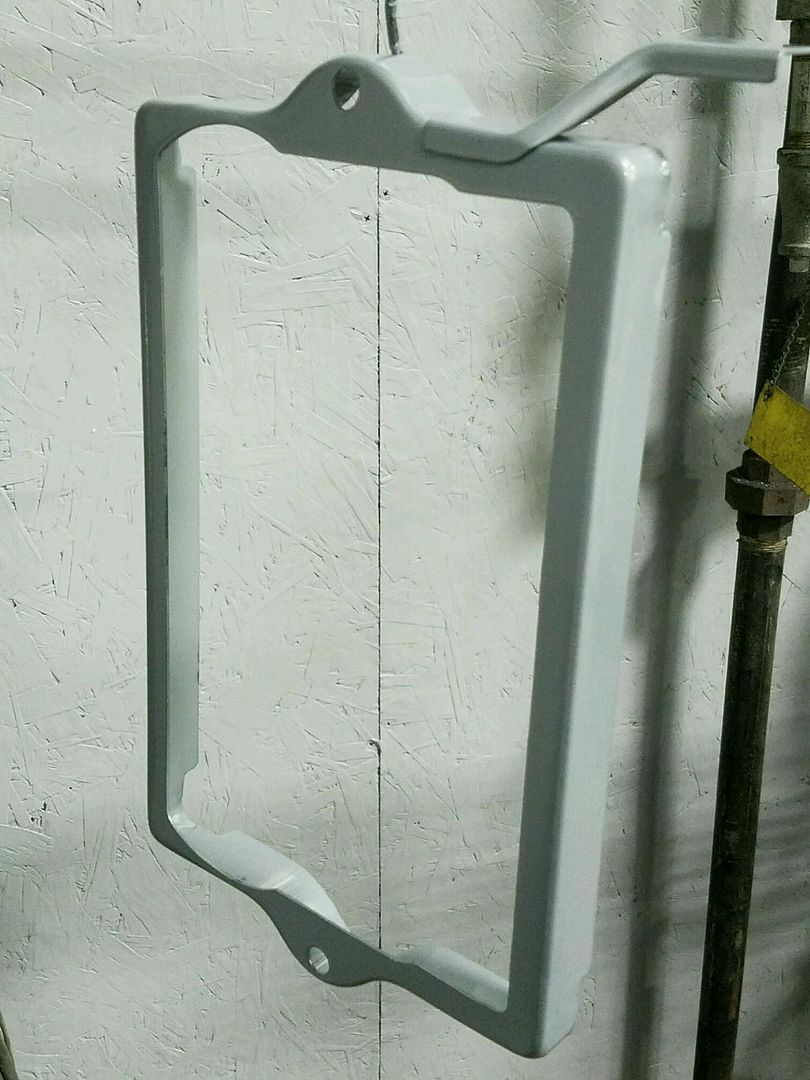
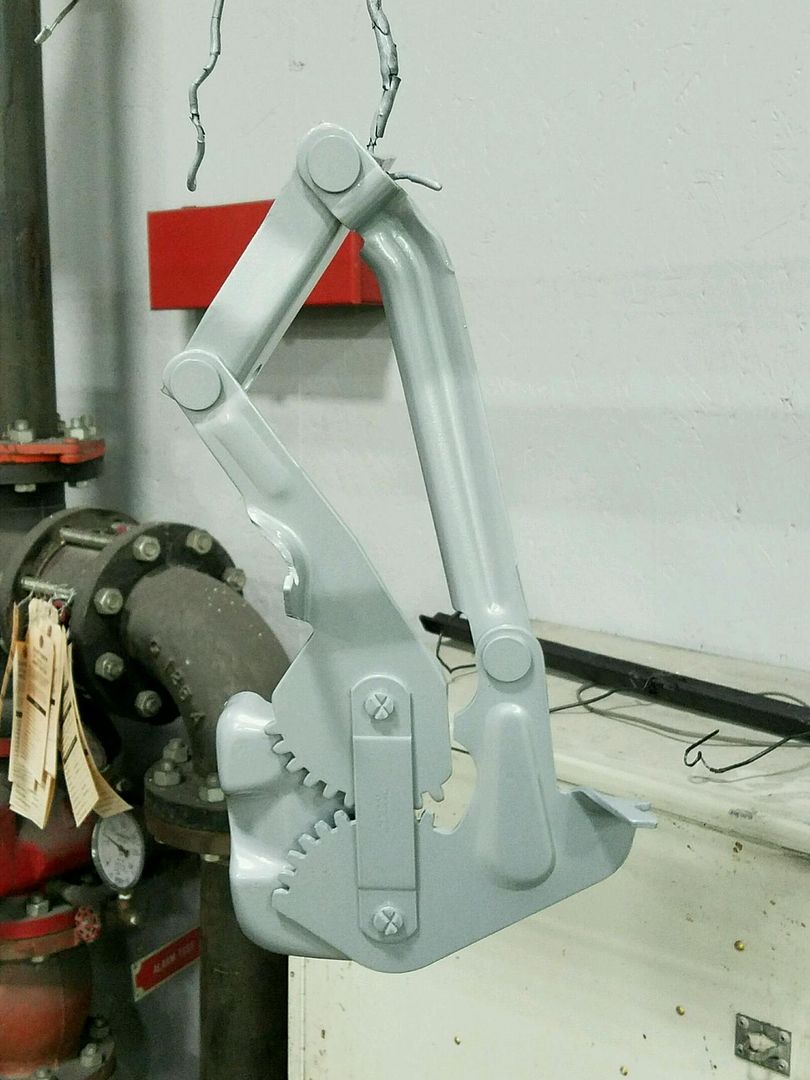
Well last night's efforts saw us media blasting, hanging the next batch of small parts for epoxy primer, and general cleanup.......which has been sorely needed. So we don't have much of interest to show, so let's turn it over to Dana (the owner) who got these parts powder coated yesterday for us...
IMG_1229.jpg


IMG_1230.jpg


IMG_1231.jpg
 

EdT

Well-known member
Joined
Sep 21, 2010
Messages
1,104
Location
North Georgia
Quite a milestone to get the wagon body off to the next step. You must feel like you're making headway. I really appreciate the time you put into showing what you're doing and how. It is very helpful. One question. When you have a body in bare metal sitting around in the shop for long periods of time, how do you keep the rust off it. I live in north Georgia where I imagine the climate is not that different from where you are and bare metal seems to have rusty handprints and flash rust on it pretty quickly. I see similar things in a lot of the car publications where there is a naked metal body all shiny and smooth, but no rust is visible. What's the trick?
 
OP
M

MP&C

Well-known member
Joined
Oct 21, 2009
Messages
4,396
Location
Leonardtown, MD
It has been DA'd a couple times but for the most part, humidity control. I have heat and AC in the shop, so in the humid summer months I have the AC on enough to dehumidify.... Hindsight and all that, I'd suggest stripping something to bare metal and getting it in epoxy primer soon thereafter. Then as you perform your body repairs, just re-prime those areas as you go..
 

EdT

Well-known member
Joined
Sep 21, 2010
Messages
1,104
Location
North Georgia
Thanks!! I have heat and AC in my shop, but I only run it when I'm in there and it needs to be hotter or colder. I am about to embark on a "just needs a bit of clean up and some light hammer and dolly work" resto. Actually it needs two lower quarters, rear trunk panel, right side door jamb, radiator support, few places in the floor, oilcan in the cowl and a couple of rockers. So, I am planning to brace it up, get it off the frame, onto a rotisserie frame and then get it media blasted so I can see what other adventures await. I'm pretty sure none of the existing opportunities will heal up in the process. So, I guess I'll shoot some epoxy on it when it gets back from the blaster or maybe on the way back. Thanks again!!
 
OP
M

MP&C

Well-known member
Joined
Oct 21, 2009
Messages
4,396
Location
Leonardtown, MD
We normally have the tstat set a few degrees cooler than the high average, enough for it to come on a few times a day and dehumidify.. On work nights we bump it a little cooler..
 
OP
M

MP&C

Well-known member
Joined
Oct 21, 2009
Messages
4,396
Location
Leonardtown, MD
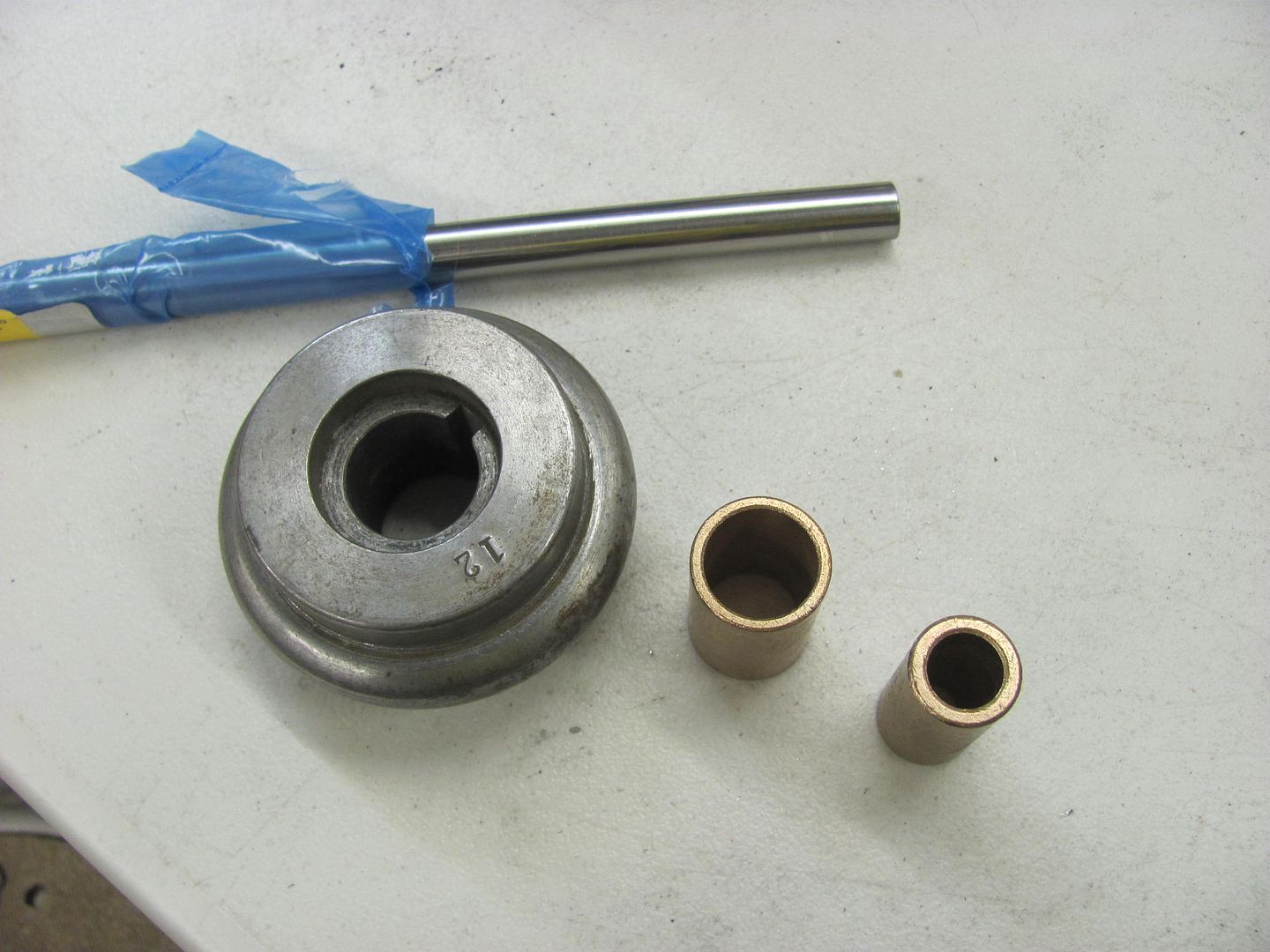
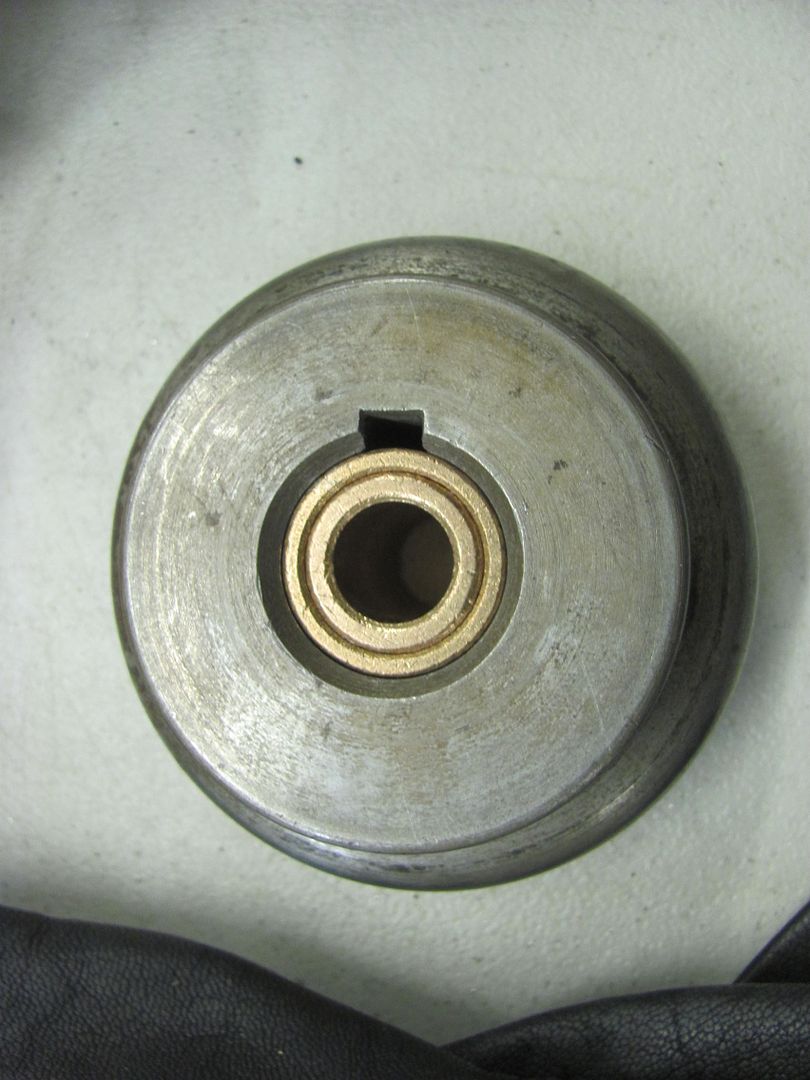
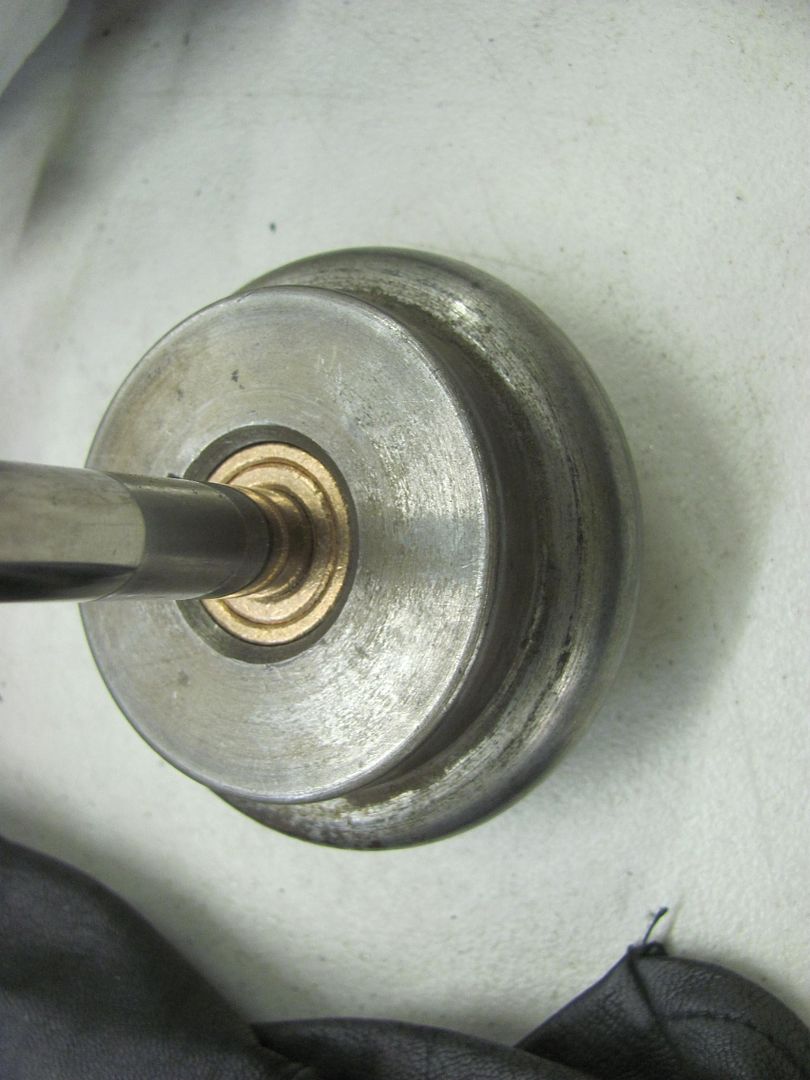
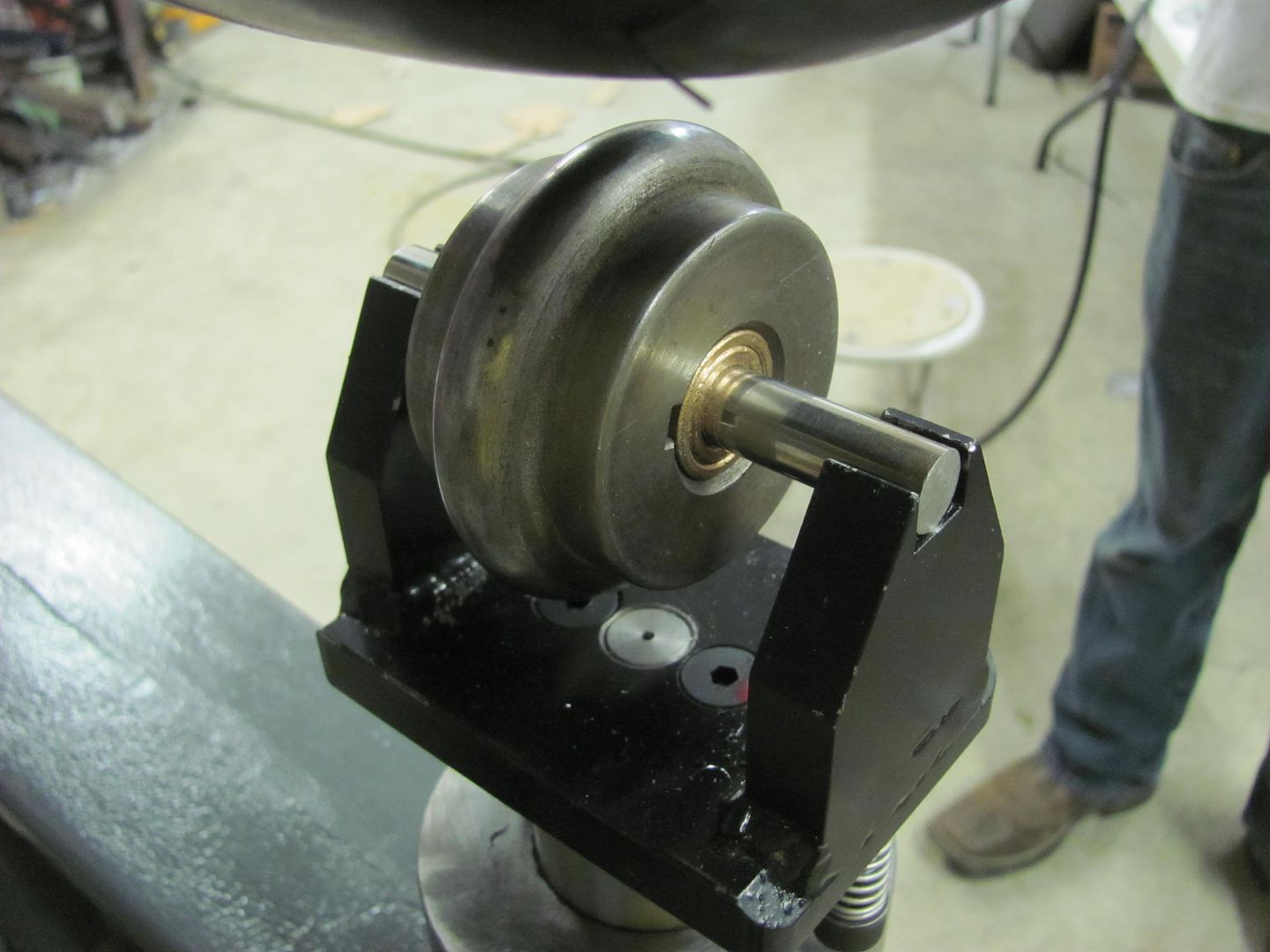
I've got a pretty good selection of dies for the bead roller and thought these may come in handy if we could adapt them to the lower anvil cradle on the Wheeling Machine.. I've got a couple dies I use for tipping, and you never know when some other odd shape may help out in a pinch. The Fasti bead roller uses a .94 shaft for the dies, so we started with an oilite bearing, 15/16 outer to 3/4 inner diameter, then a 3/4 outer to 1/2 inner, supported on a piece of 1/2" diameter hardened Stainless..


Picture%204423.jpg


The two oilites were a tight fit, so they were "pressed" together in the vise..


Picture%204435.jpg


Picture%204436.jpg


Picture%204438.jpg


And to finish it off we have a couple of shaft collars on the way so the die won't walk on us while in use..


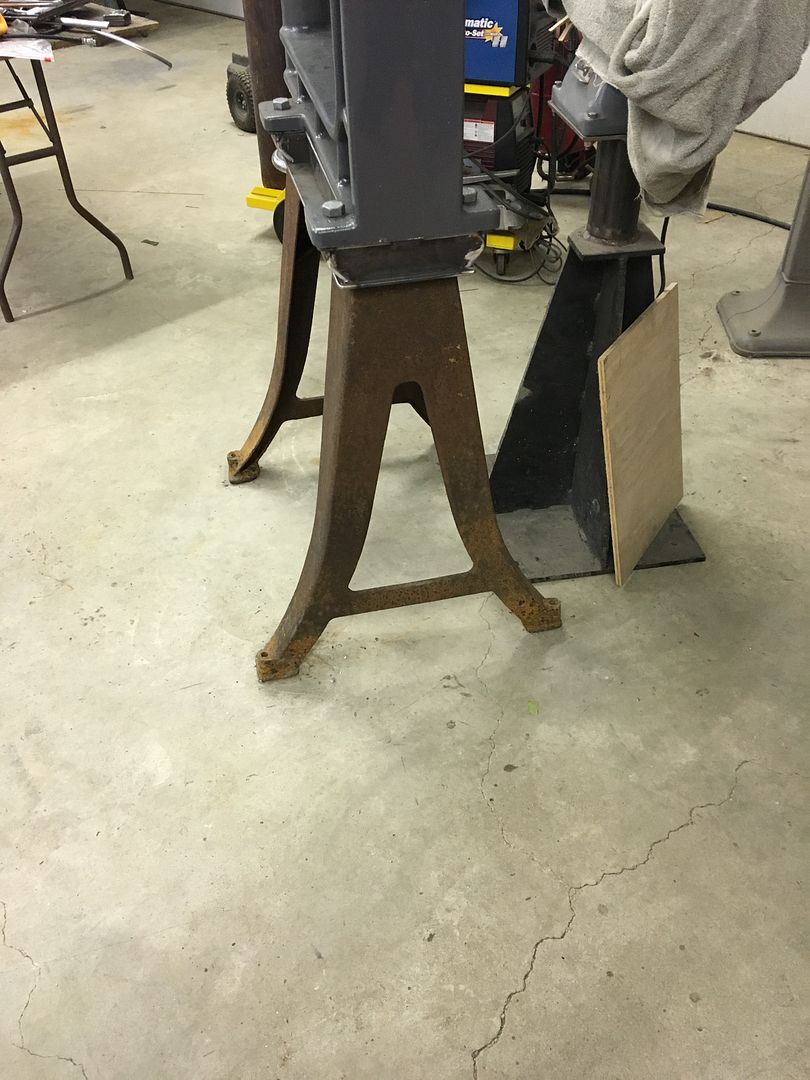
Saturday had us performing major shop cleanup so we could better get to an assembly line efficiency in polishing stainless trim and block sanding painted parts. I guess we walked past this one too many times...


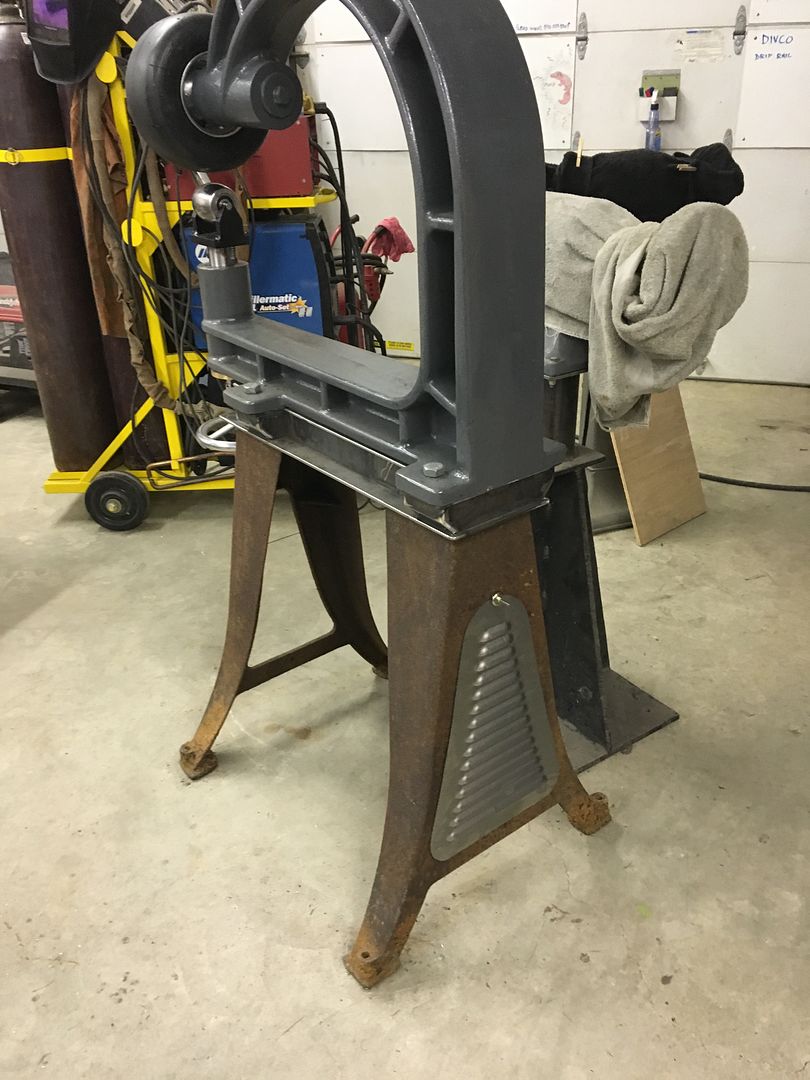
English%20Wheel%20027.jpg


....and since the Lennox still had some dies in it from last week....


English%20Wheel%20028.jpg


The outer perimeter will get trimmed a bit more and we'll add a small bead detail on the very edge prior to bolting it on...


English%20Wheel%20030.jpg
 

RickP

Well-known member
Joined
Jan 15, 2013
Messages
1,547
Location
Annapolis, MD
Now I've seen it all - a vented wheel stand! Next are you going to show us how the inside of the legs are ported and relieved? :)
 
OP
M

MP&C

Well-known member
Joined
Oct 21, 2009
Messages
4,396
Location
Leonardtown, MD
Still can't make up my mind on the other two (side) openings. Almost want a pull out drawer for storing the extra wheels/anvils.. Vented, of course, to remove humidity.. :thumbup:
 

Fan Attic

Member
Joined
Dec 7, 2015
Messages
12
Location
SW Idaho
Hey Robert, how about 2 or 3 hinged "drawers" on each side of that wheel stand like the one in front of the sink in a bathroom vanity but sized and outfitted for your tooling?
 
OP
M

MP&C

Well-known member
Joined
Oct 21, 2009
Messages
4,396
Location
Leonardtown, MD
Still trying to source some short slides.. we'll see.


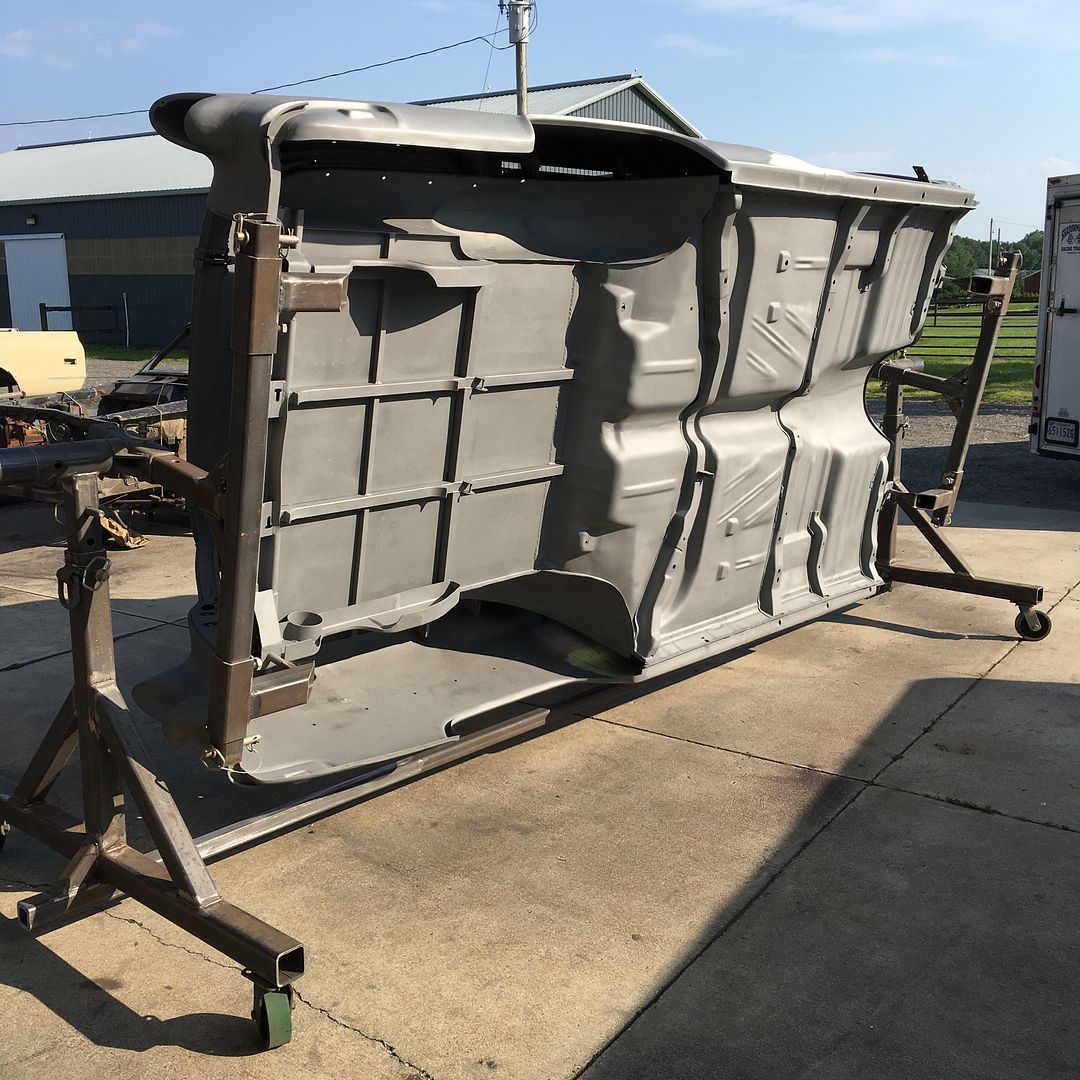
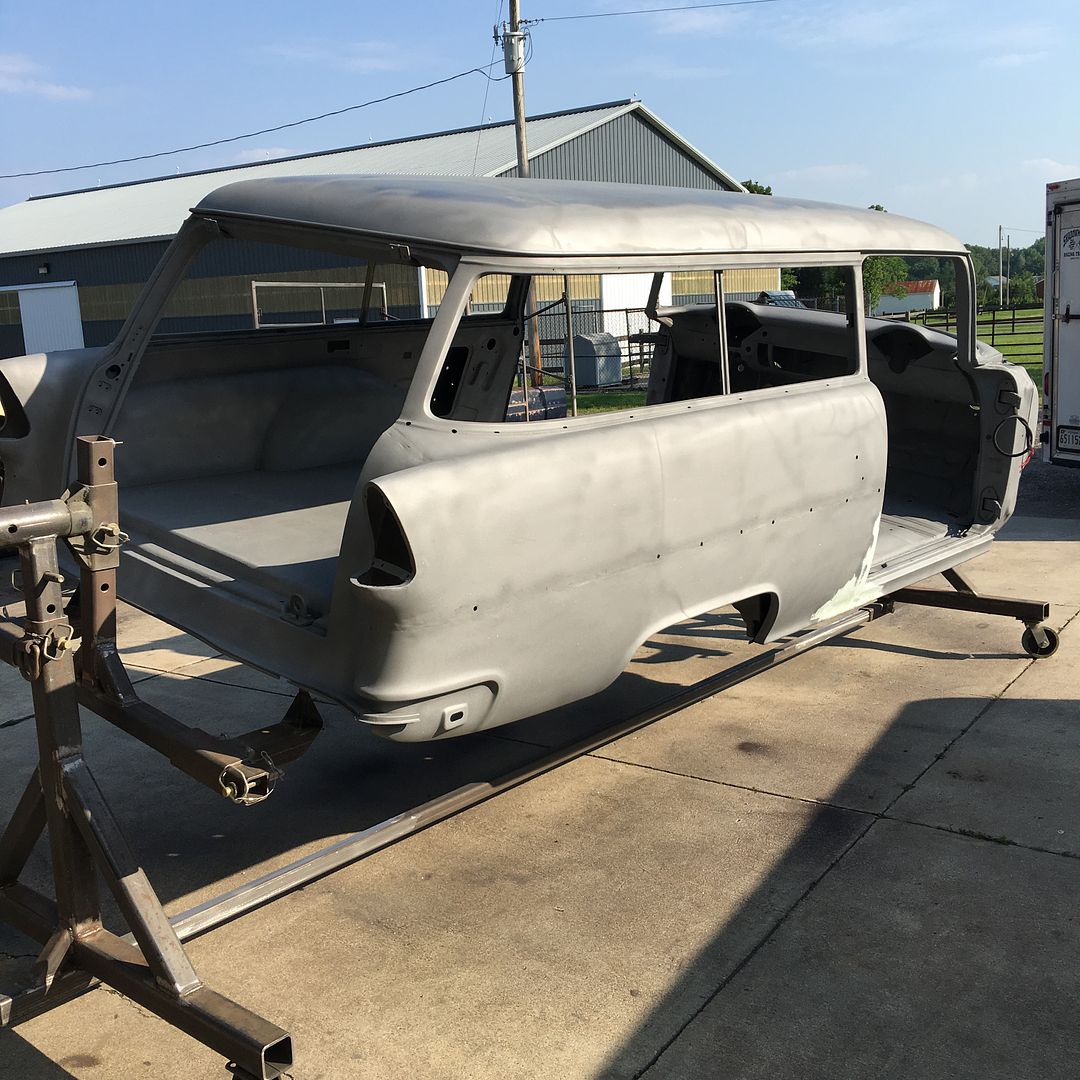
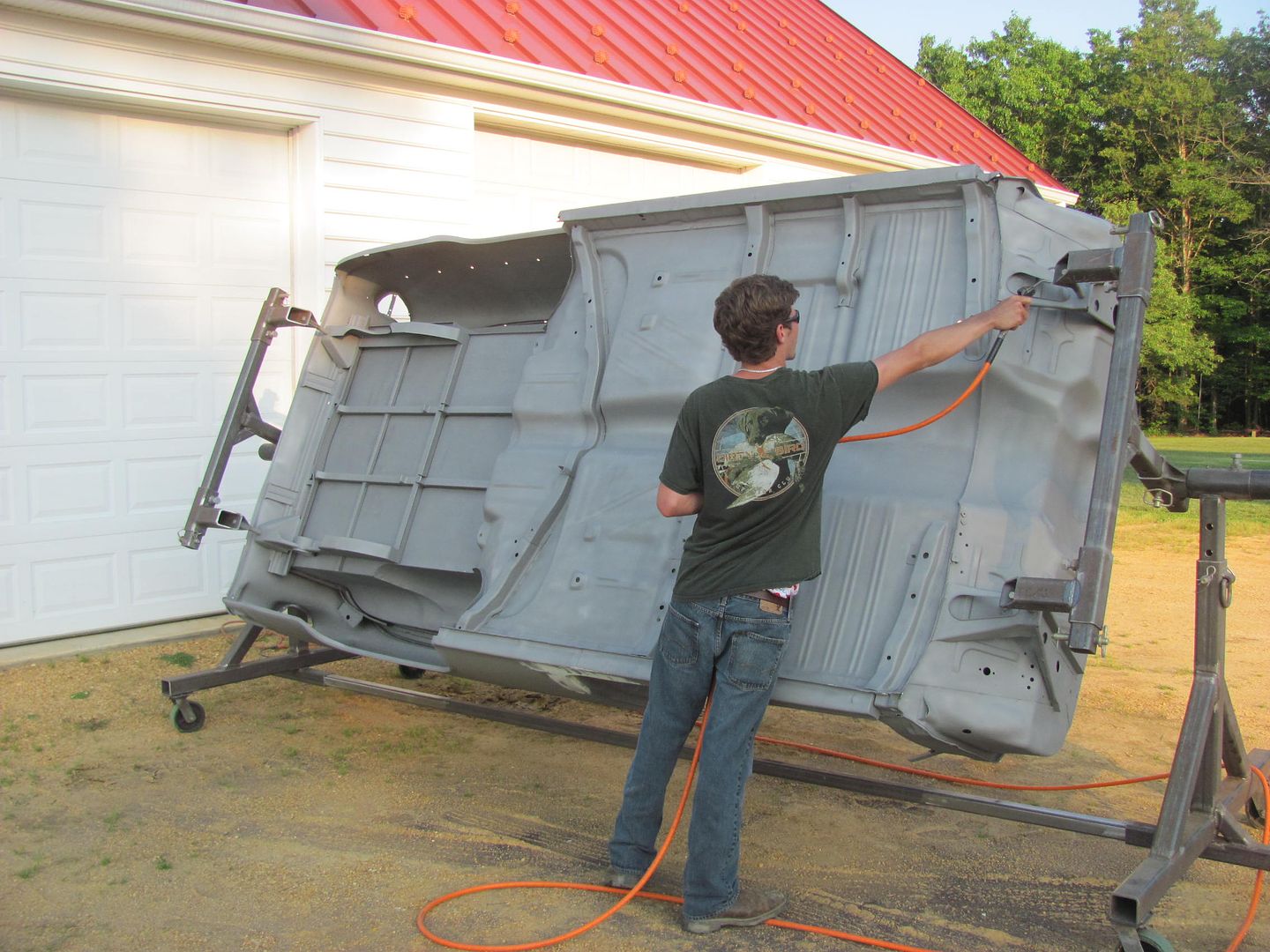
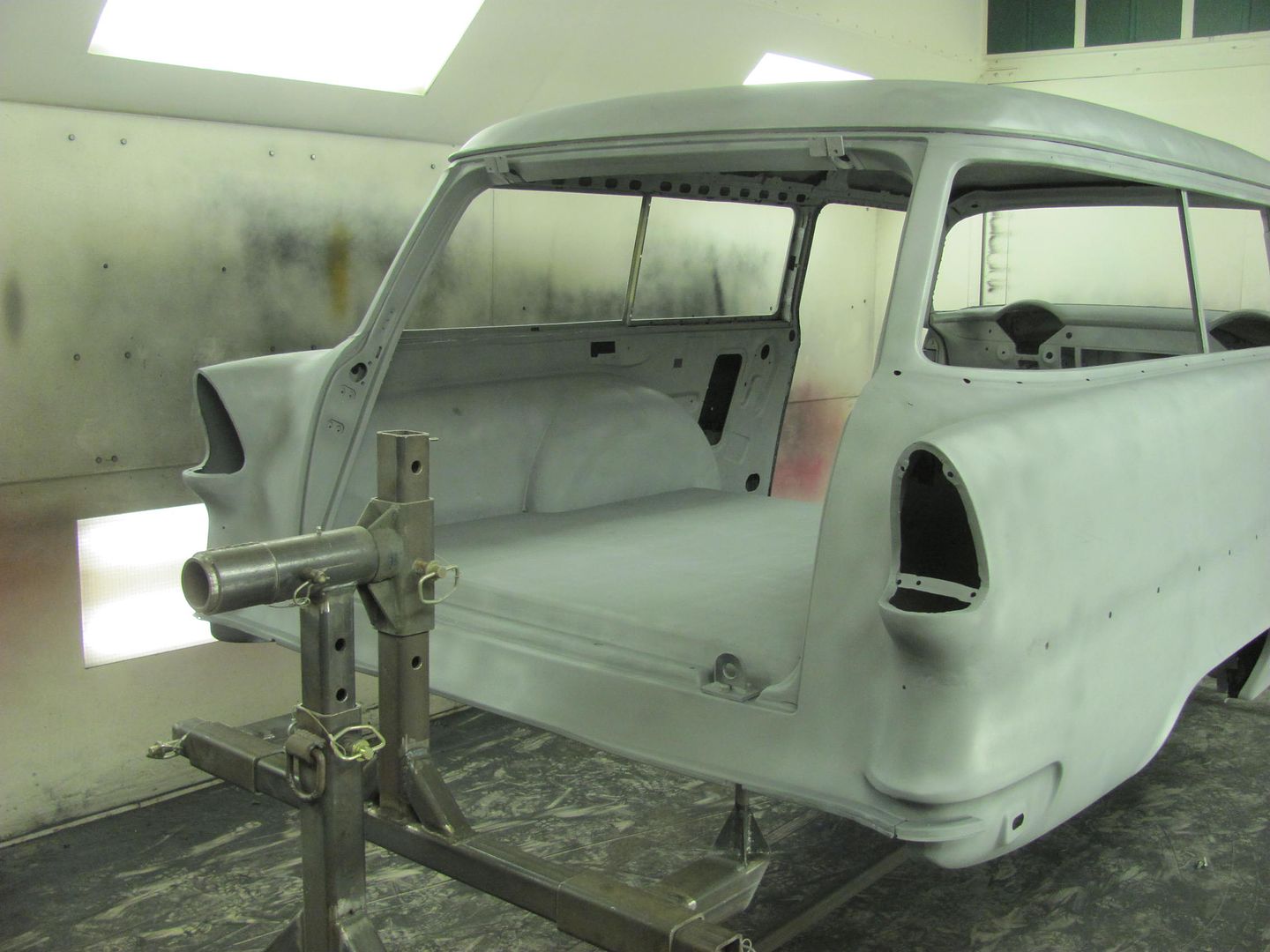
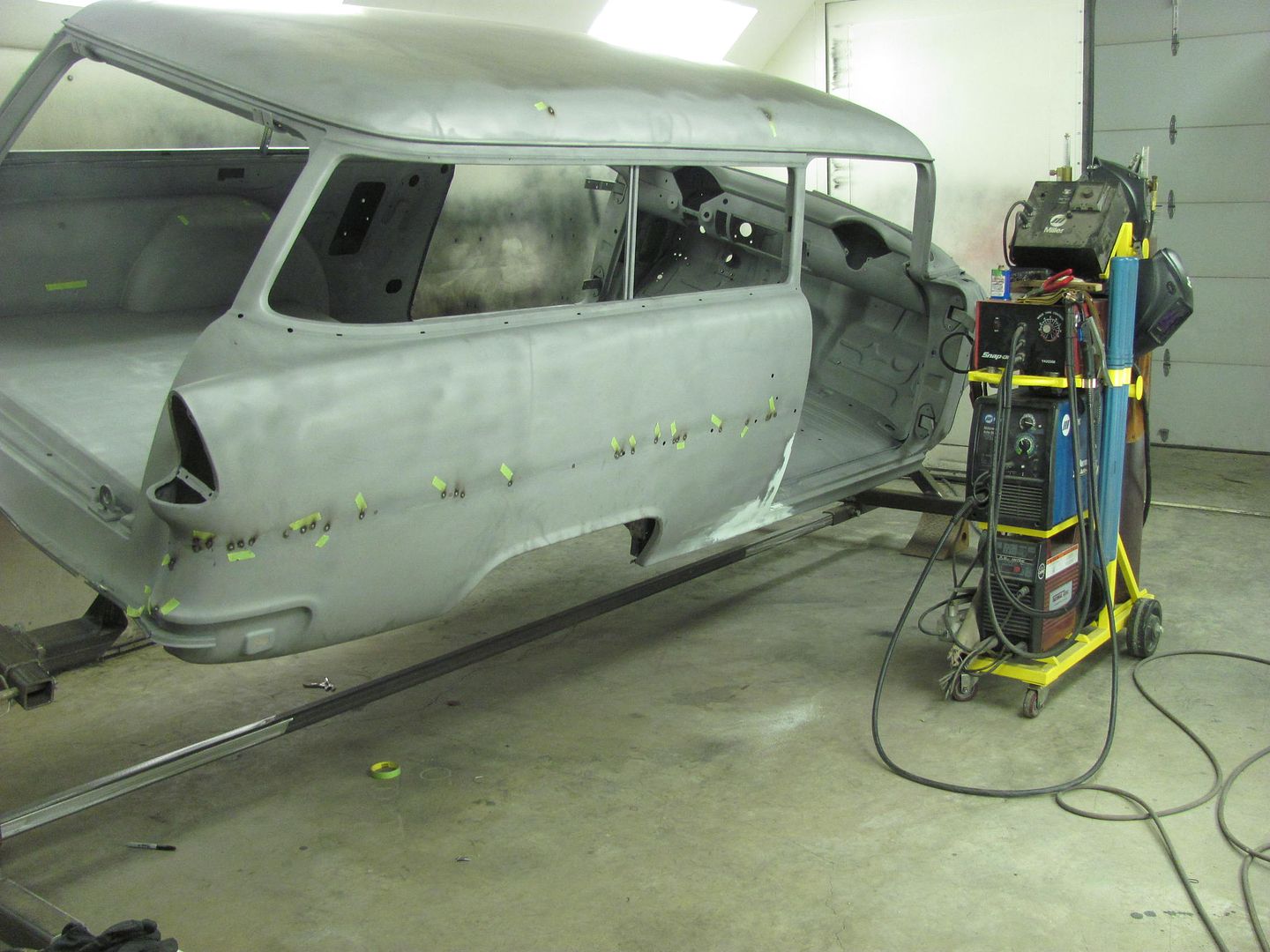
Well the two weeks plus of non stop rain has finally subsided where the media blasting could commence. Got a phone call today that the car was ready to pick up.. Here it is before we loaded it up..

Picture%204455.jpg


Picture%204456.jpg


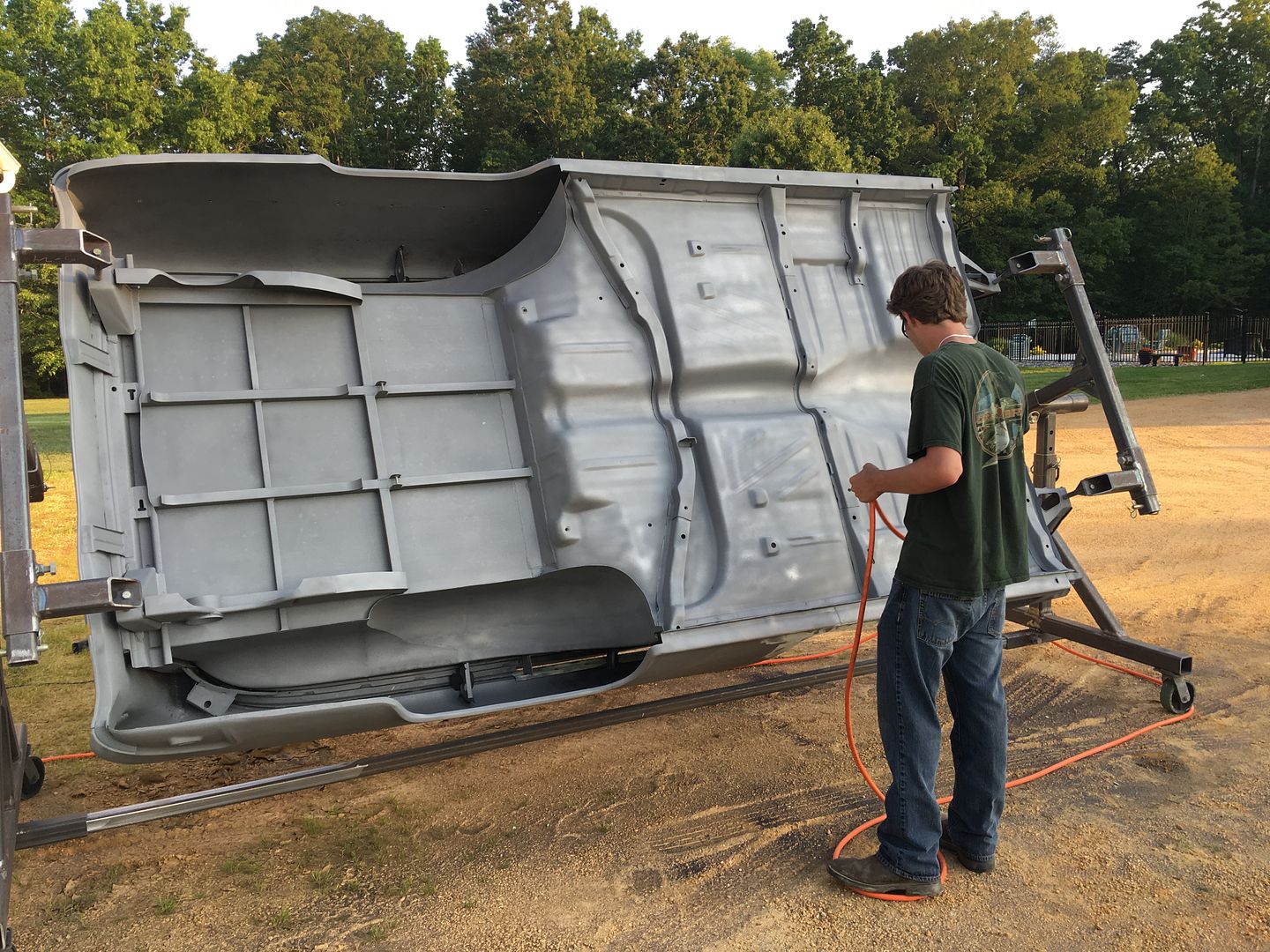
This is the part where you wish you had a tilt bed trailer so any media residue would be persuaded on out on the return trip home... But alas, we found a combination of using the air hose and a shop vac best to evacuate most of the media. That and about 50 or so revolutions on the rotisserie.....

Picture%204457.jpg


Picture%204450.jpg


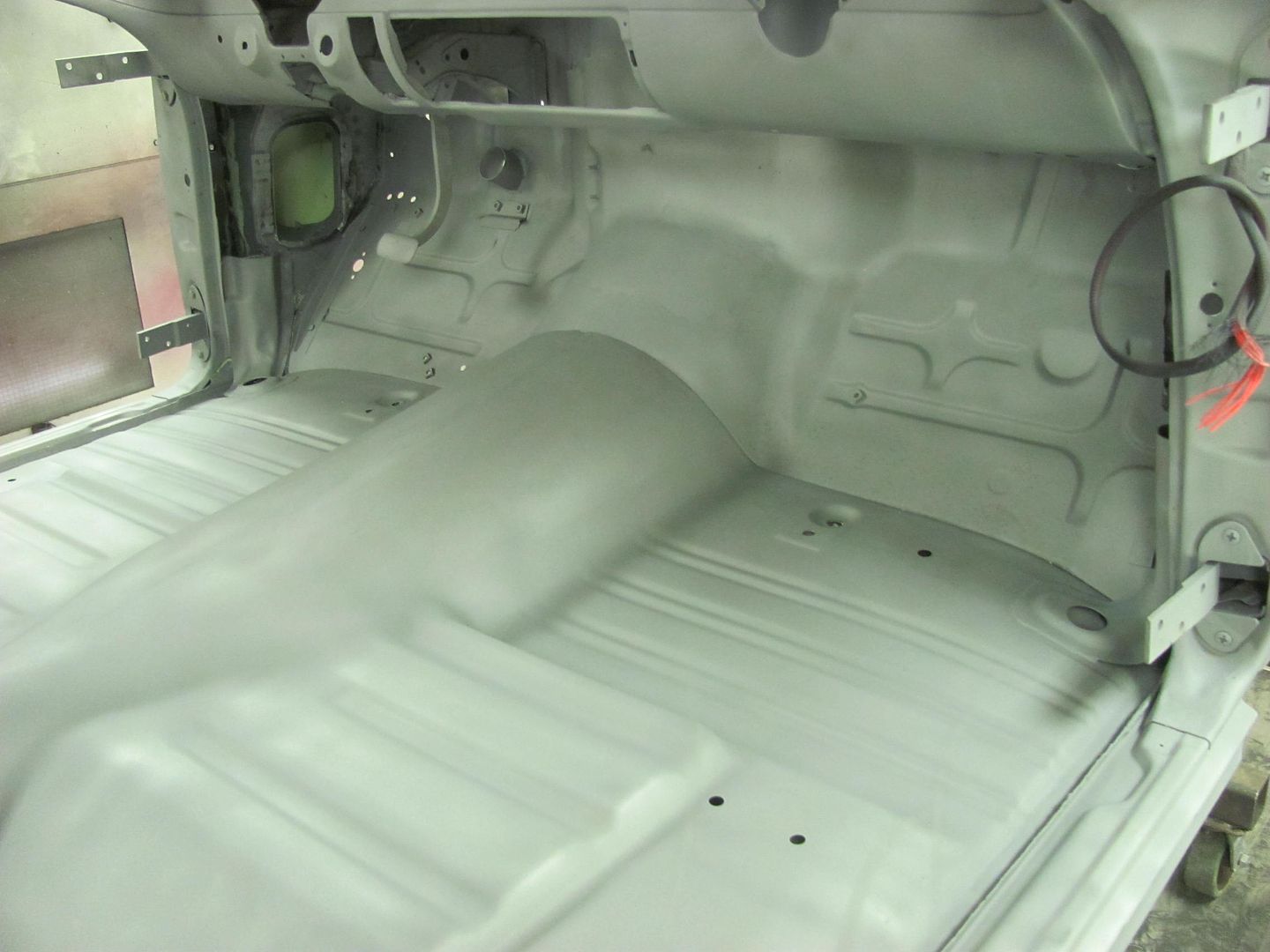
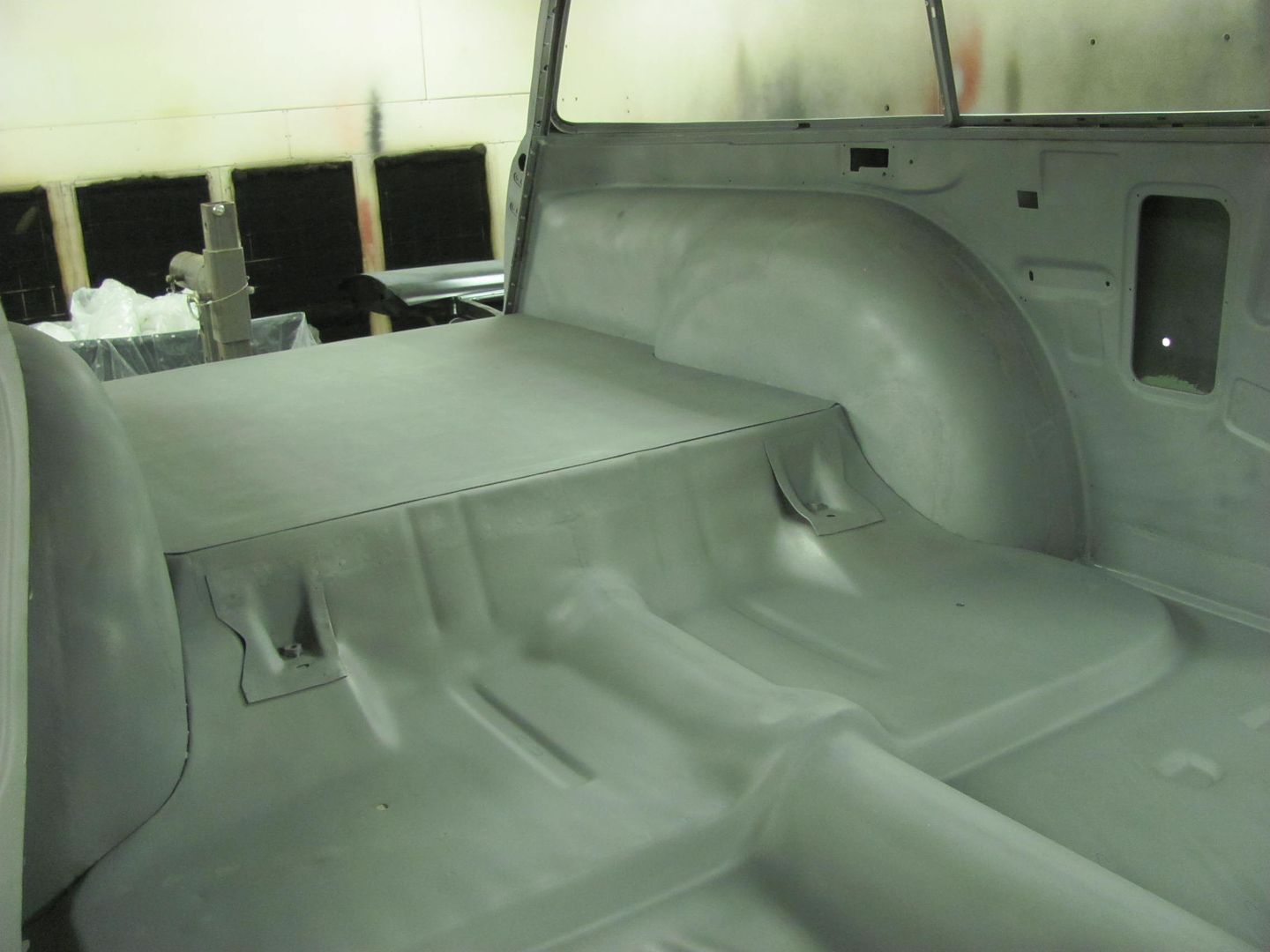
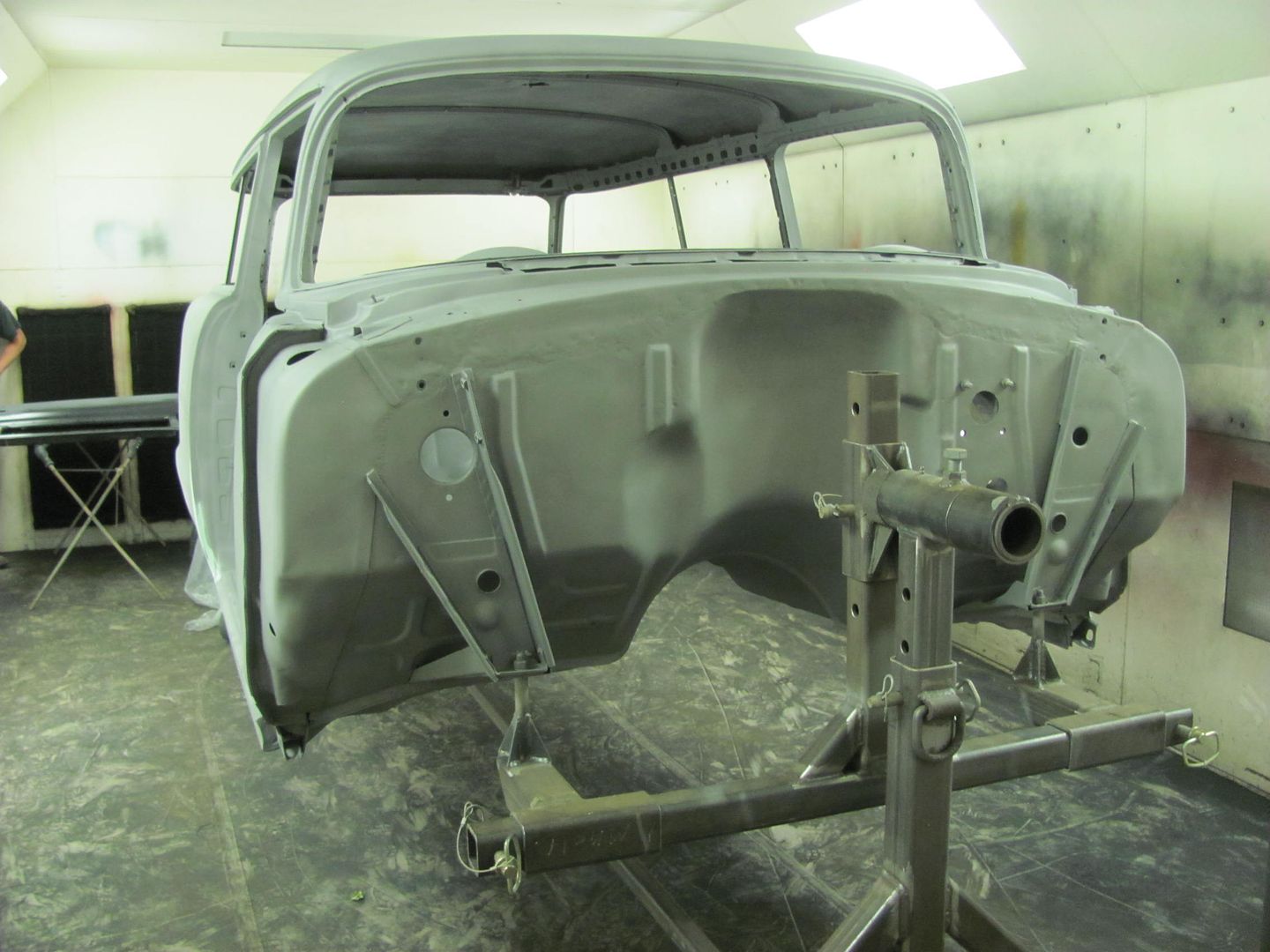
Real pleased with how well it turned out... here moved into the booth and the dehumidifier energized.

Picture%204451.jpg


Picture%204452.jpg


Picture%204453.jpg


Picture%204454.jpg


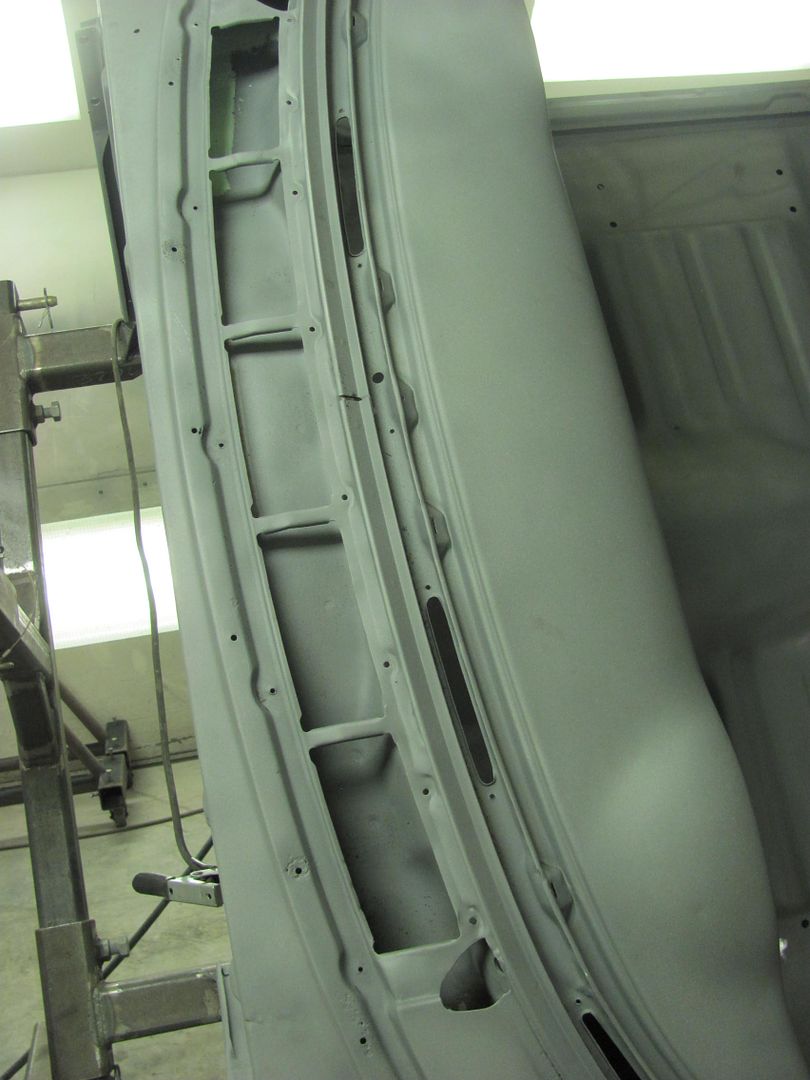
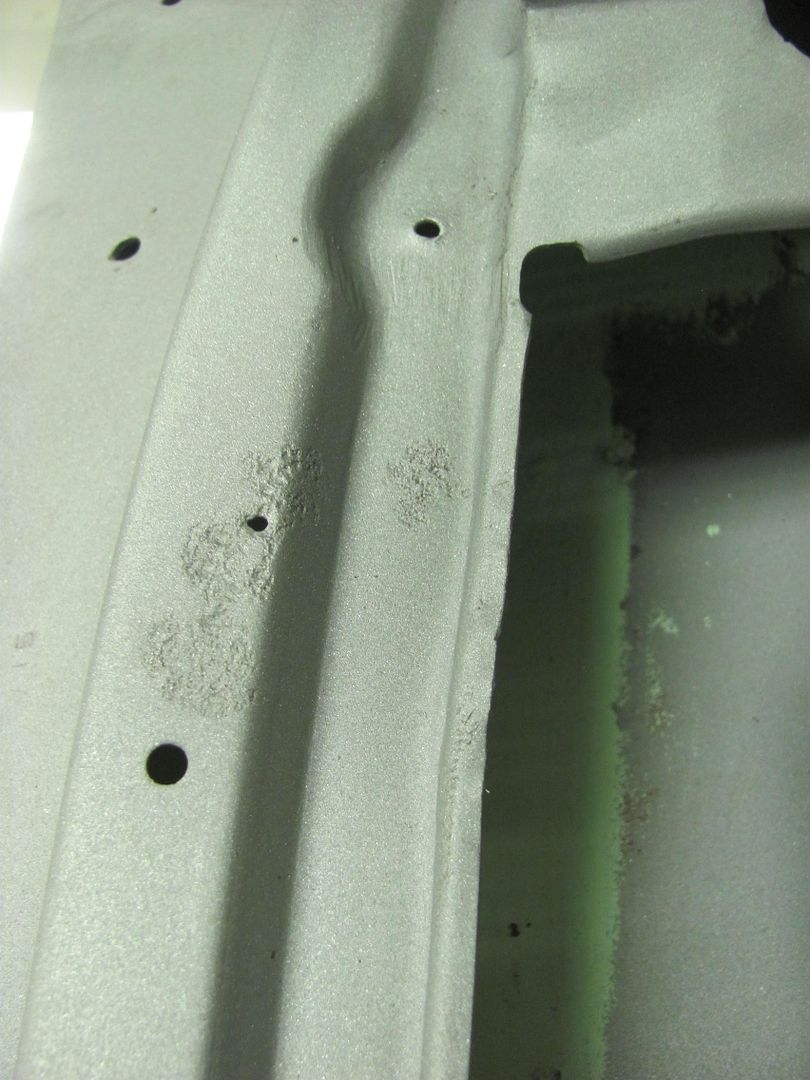
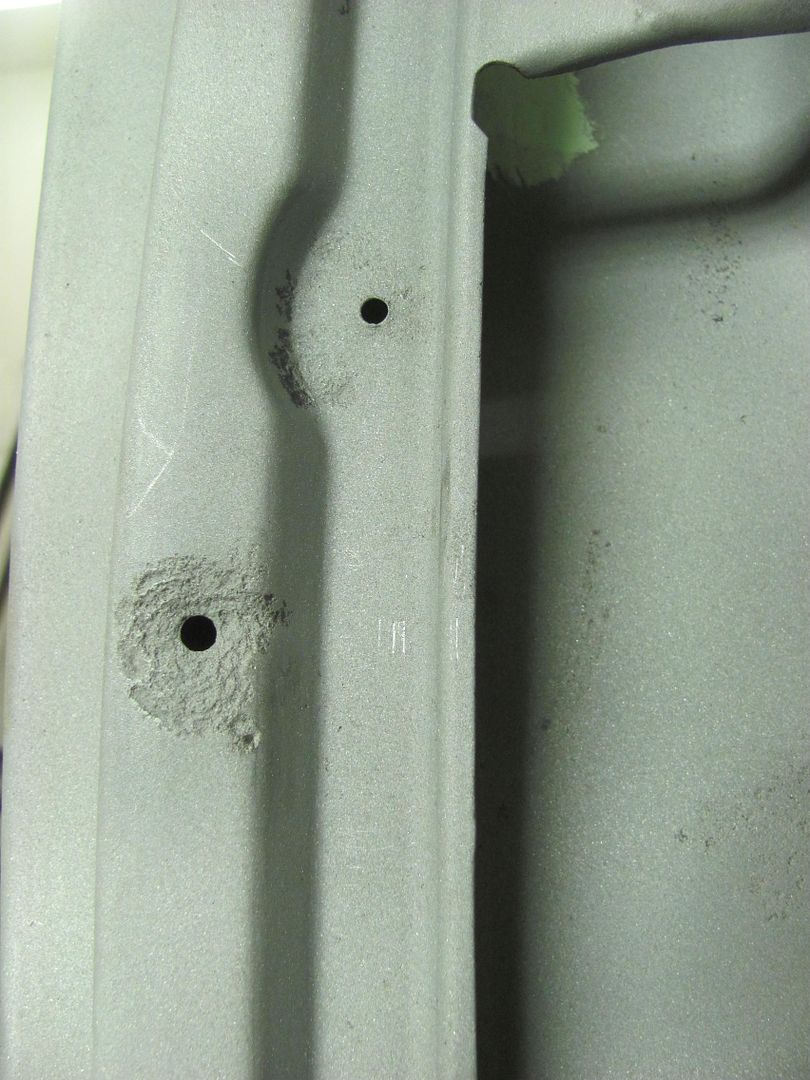
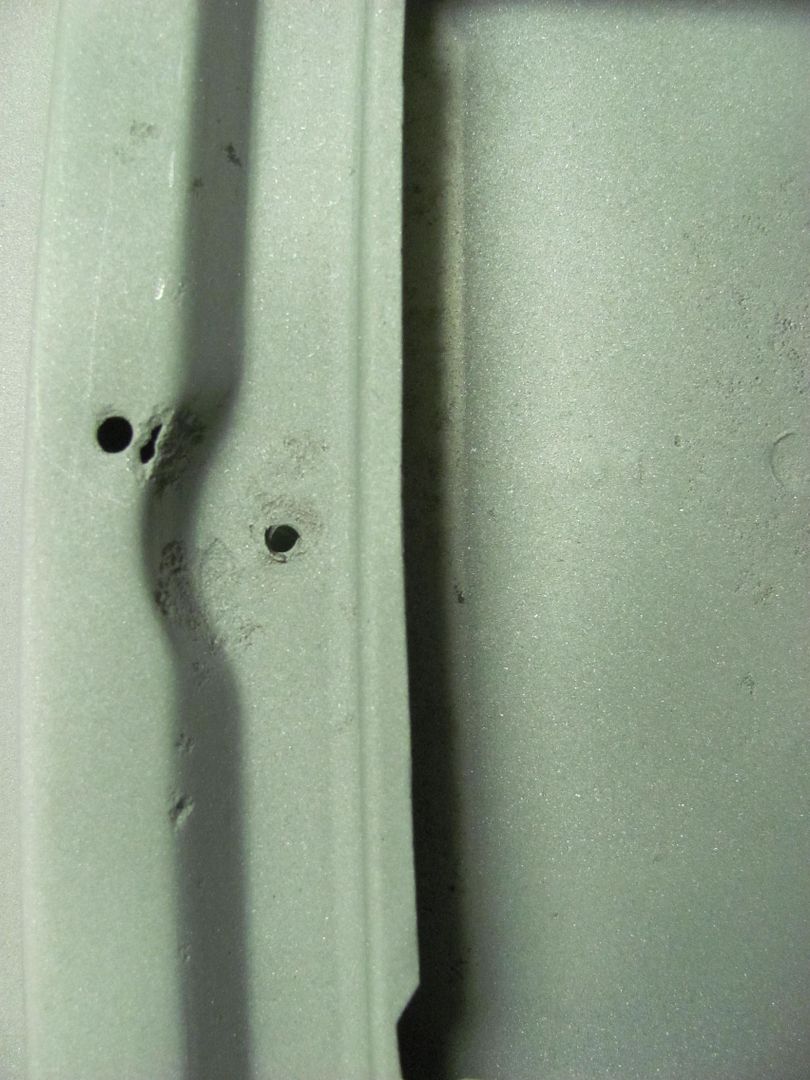
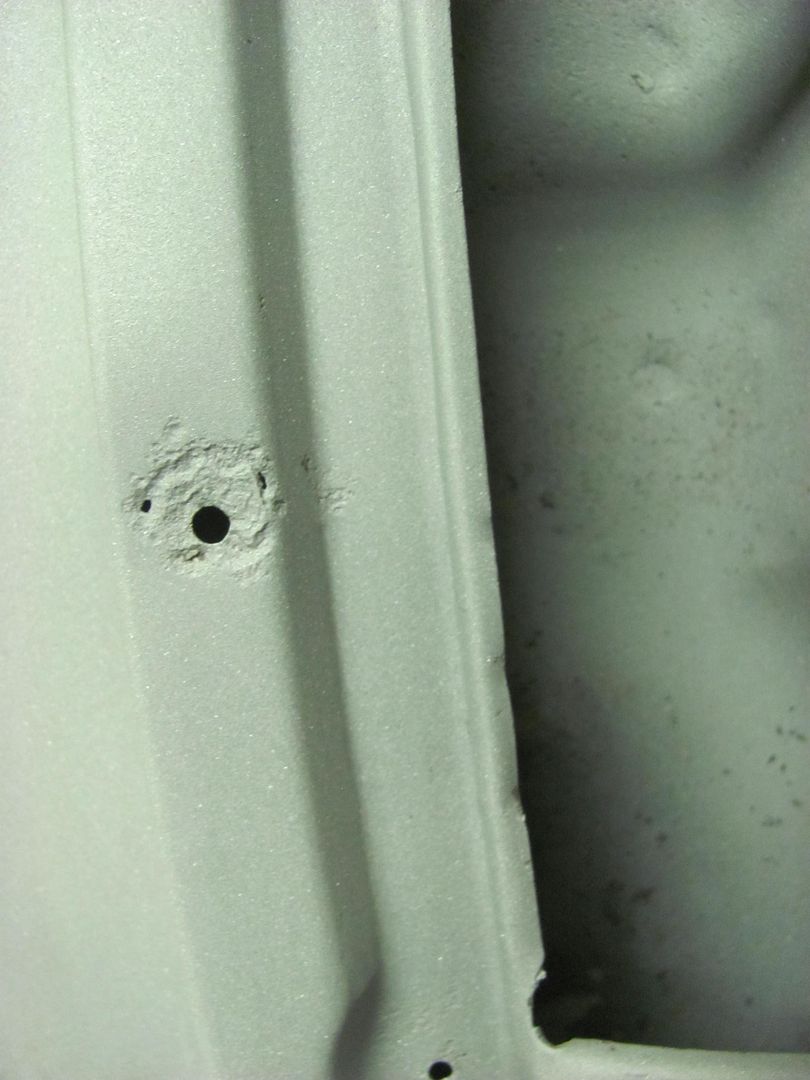
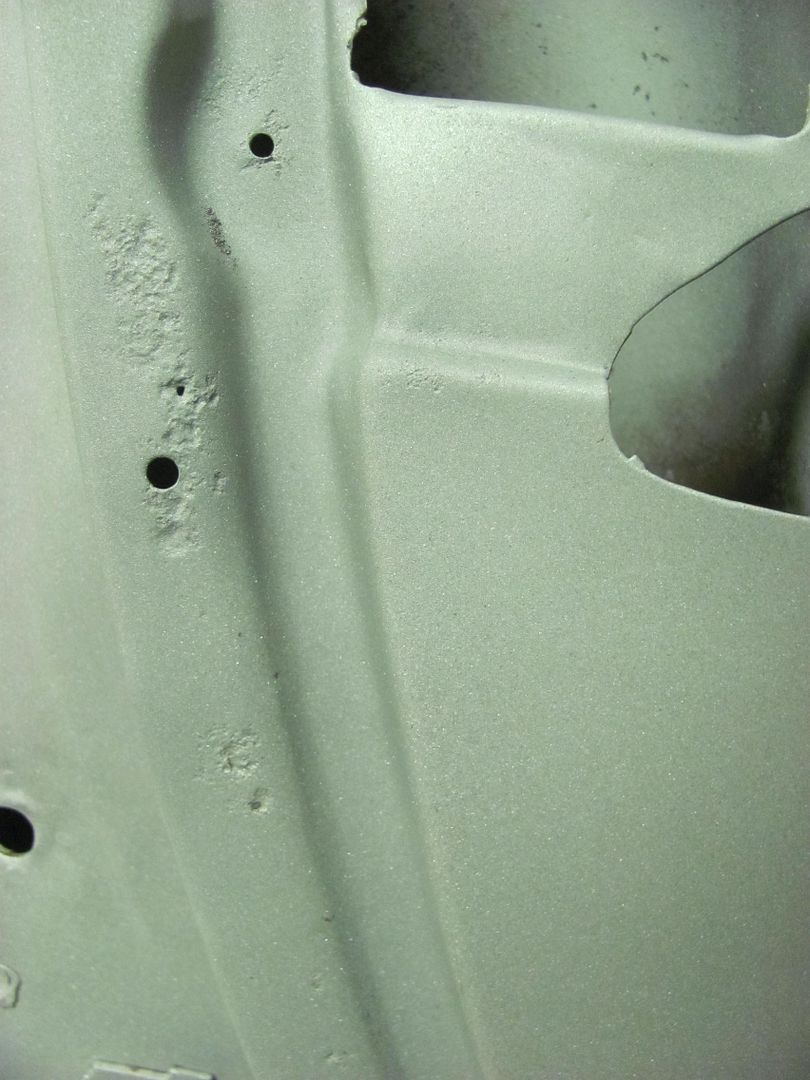
We do have some pin holes that are more apparent now, so we'll get those fixed Saturday morning and see how the weather looks for priming in the afternoon..
 

TimeWarpF100

Well-known member
Joined
Aug 21, 2010
Messages
6,784
Location
not here
Still trying to source some short slides.. we'll see.


Well the two weeks plus of non stop rain has finally subsided where the media blasting could commence. Got a phone call today that the car was ready to pick up.. Here it is before we loaded it up..

Picture%204455.jpg


Picture%204456.jpg


This is the part where you wish you had a tilt bed trailer so any media residue would be persuaded on out on the return trip home... But alas, we found a combination of using the air hose and a shop vac best to evacuate most of the media. That and about 50 or so revolutions on the rotisserie.....

Picture%204457.jpg


Picture%204450.jpg


Real pleased with how well it turned out... here moved into the booth and the dehumidifier energized.

Picture%204451.jpg


Picture%204452.jpg


Picture%204453.jpg


Picture%204454.jpg


We do have some pin holes that are more apparent now, so we'll get those fixed Saturday morning and see how the weather looks for priming in the afternoon..

Looks really nice! Congrats on that HUGE milestone for getting it to this point.
What media did they use? Looks very similar to the byproduct of coal that I use.
 
Last edited:

Capt Chrysler

Well-known member
Joined
Mar 6, 2011
Messages
1,160
Location
Middle of nowhere.
Robert, pick up a leaf blower. They work great for blowing blast media out of body.

As any man would do. Get the biggest, baddest one $$$ will allow.

Capt. Chrysler
 
OP
M

MP&C

Well-known member
Joined
Oct 21, 2009
Messages
4,396
Location
Leonardtown, MD
Oh, it almost looks like the body was shot with an off green color primer.
Thank you!
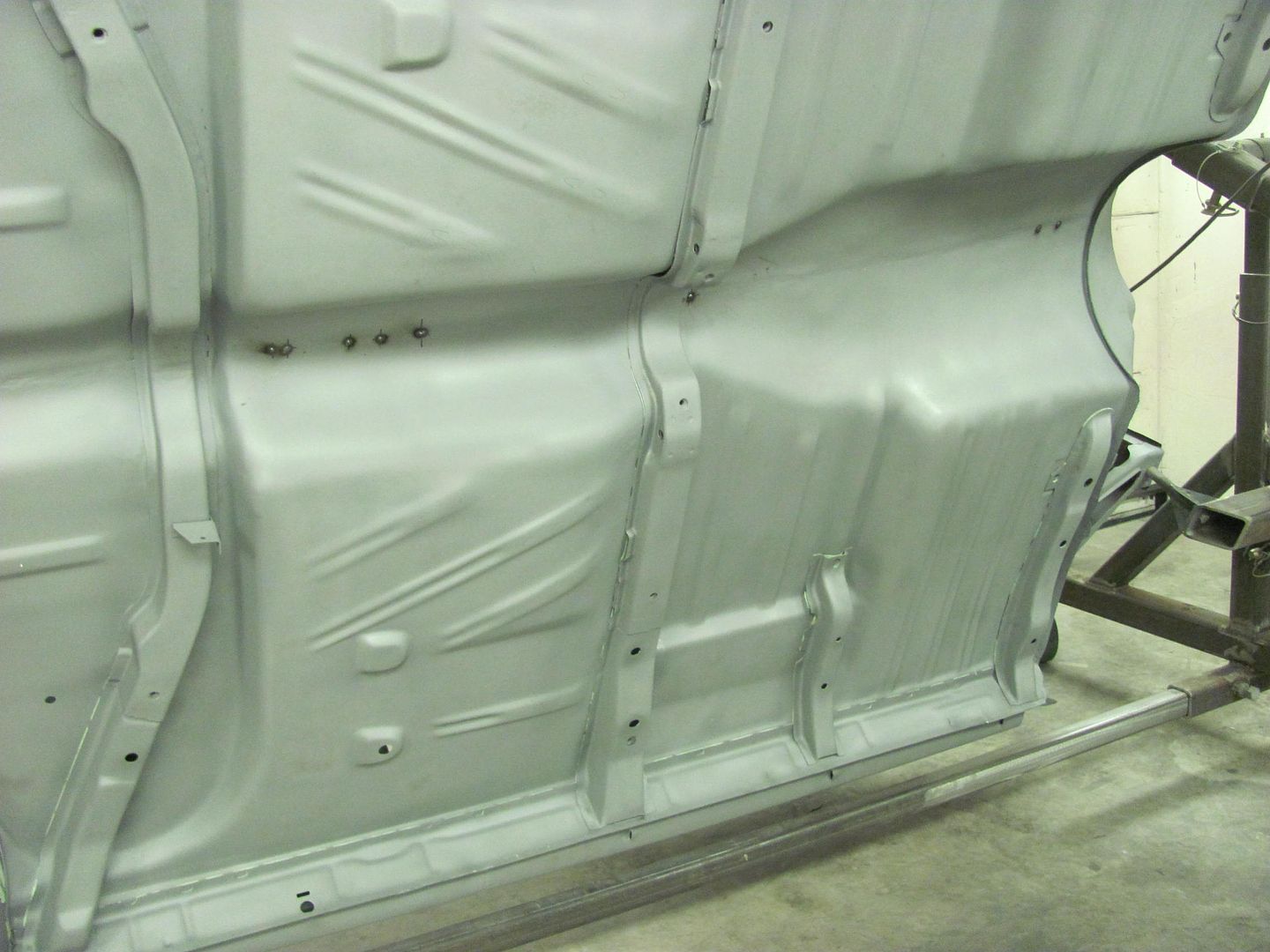
Those last pics were of it in bare metal..


Well, no primer just yet, while Kyle was taking care of some pin holes that became more obvious after media blasting...

Picture%204458.jpg


Picture%204480.jpg


I ran across this...

Picture%204464.jpg


Picture%204463.jpg


Picture%204462.jpg


Picture%204461.jpg


Picture%204460.jpg


Picture%204459.jpg


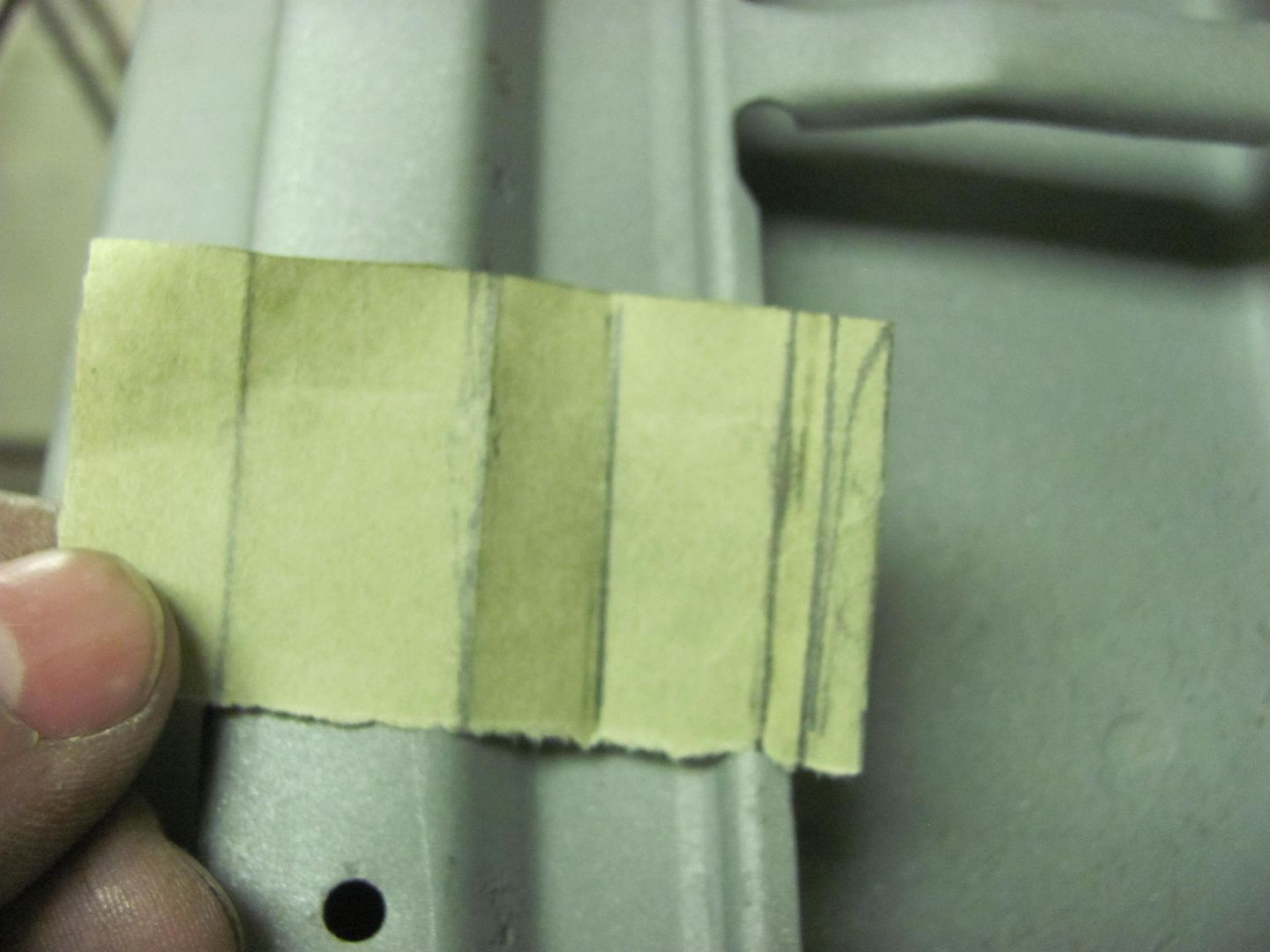
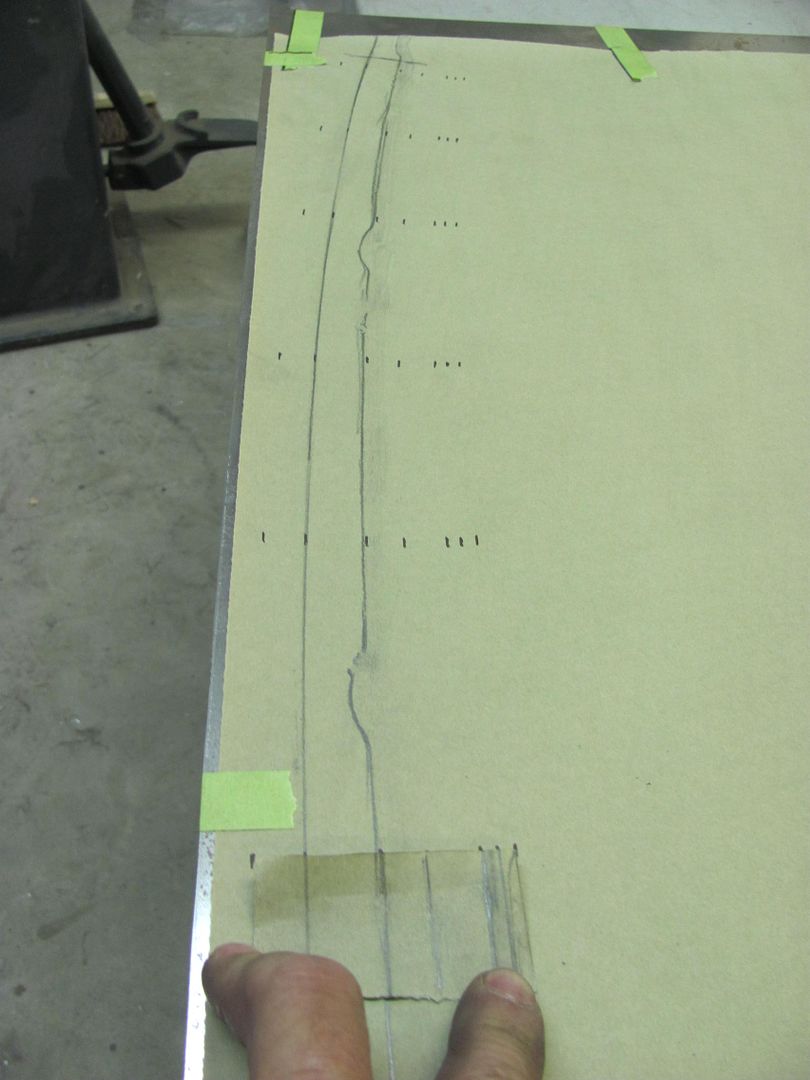
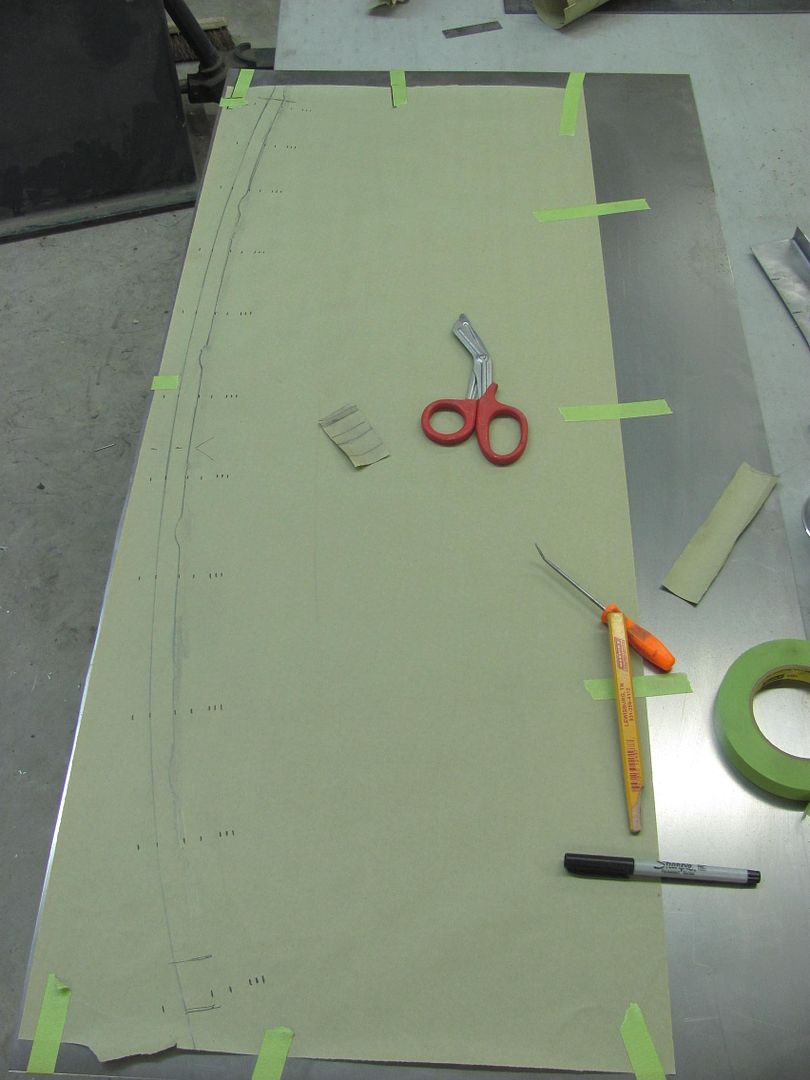
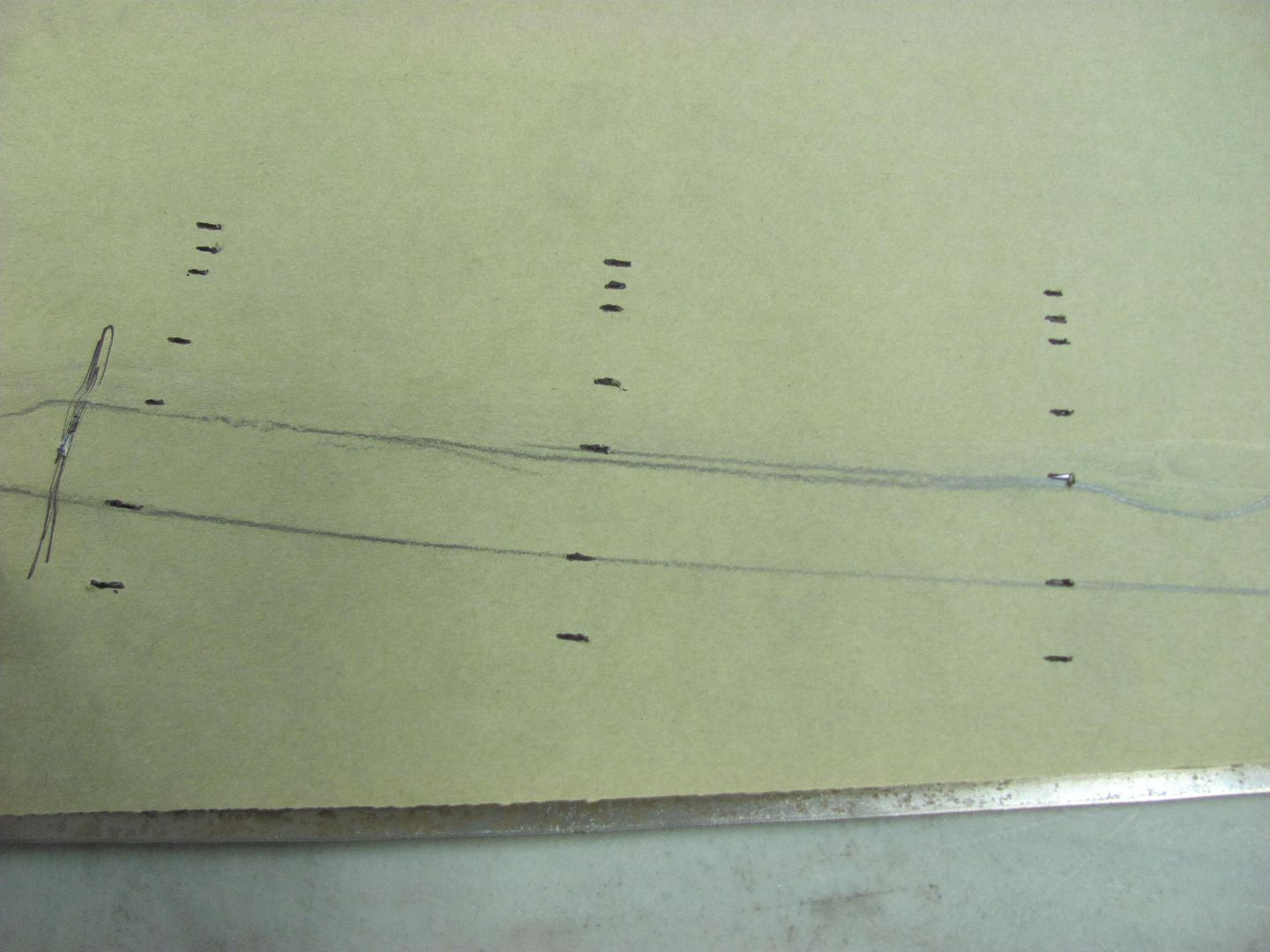
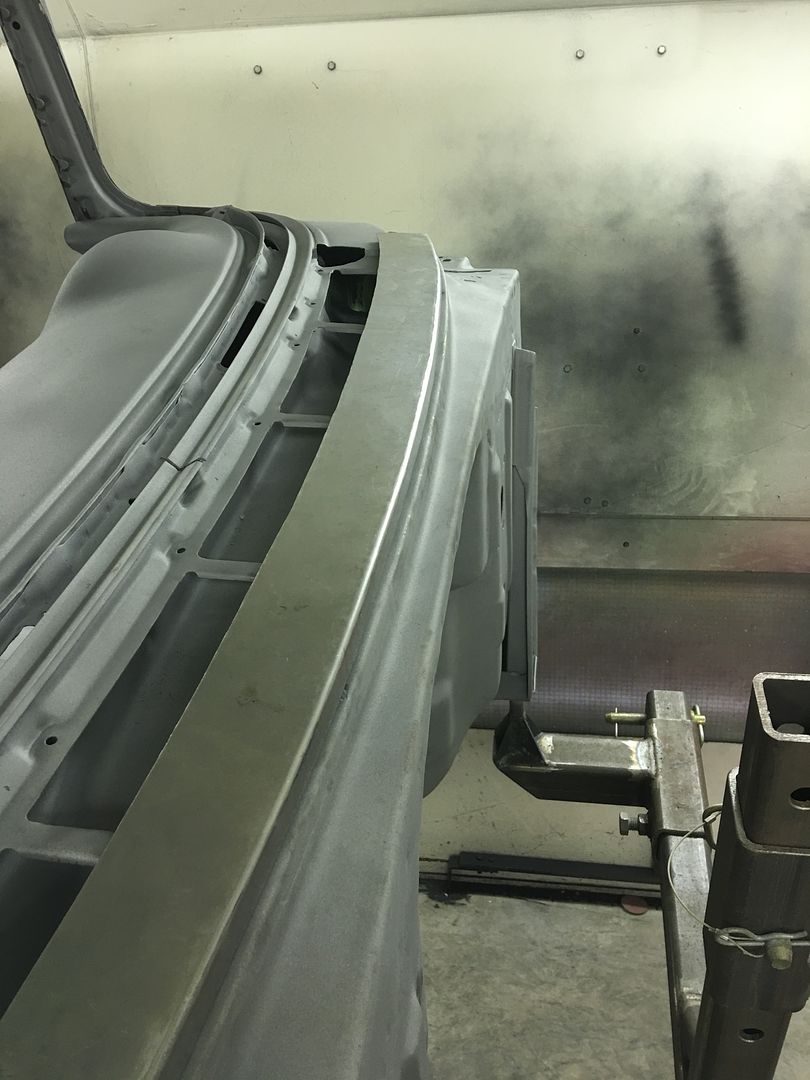
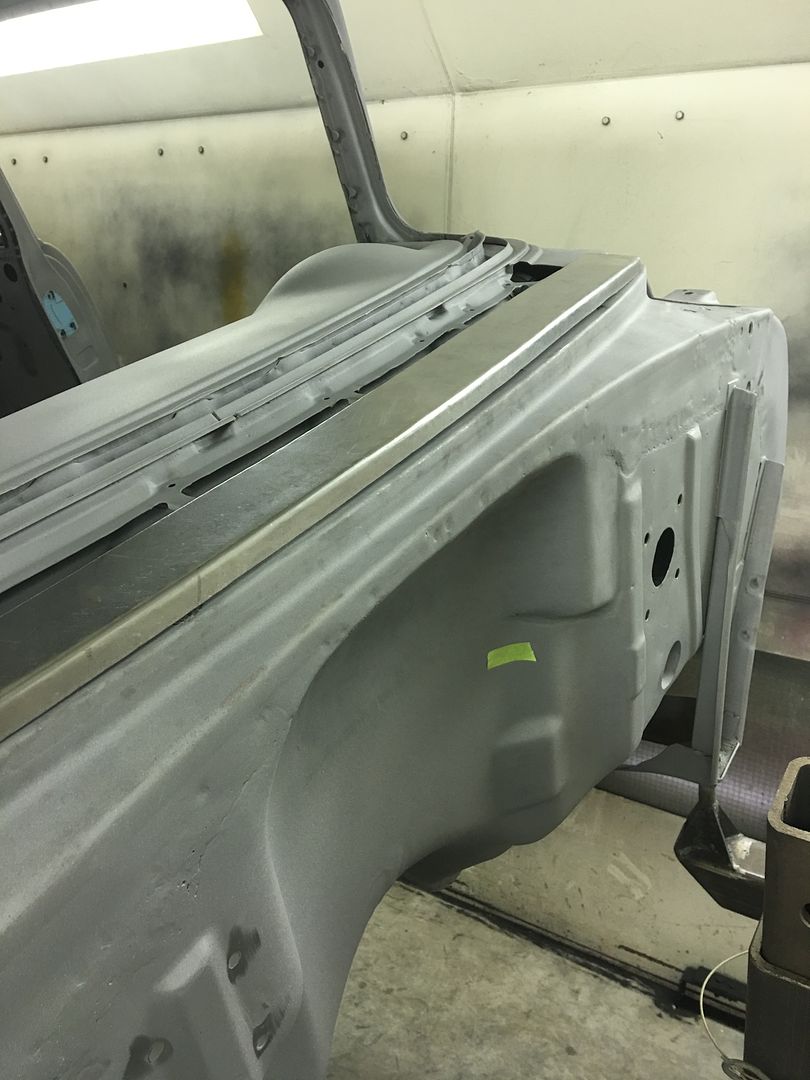
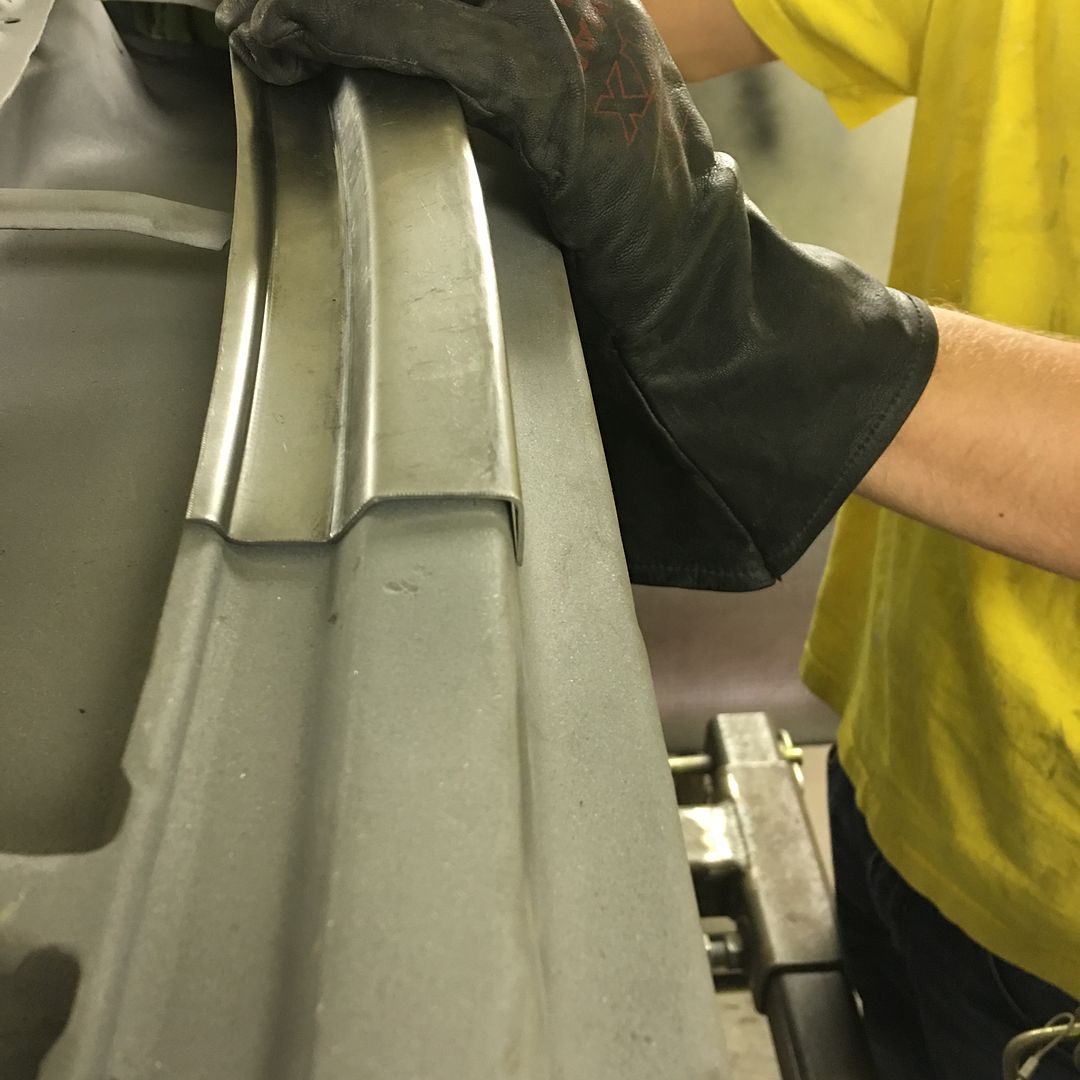
With so much widespread "issues", let's see if we can come close to duplicating this.. Taking a paper pattern..

Picture%204465.jpg


Picture%204466.jpg


Picture%204467.jpg


Picture%204468.jpg


Picture%204469.jpg


Here laid out on some 19 gauge AKDQ...

Picture%204470.jpg


Picture%204471.jpg


Picture%204472.jpg


Picture%204473.jpg


Trimming...

Picture%204474.jpg


But I always prefer a test sample first... this done on the tipping wheel

Picture%204475.jpg


Picture%204476.jpg


Step dies on the Lennox add the final detail...

Picture%204477.jpg


Need to fine tune the dimensions, but this looks close. I think I'll make up some dies for the Lennox for better consistency on the good piece..

Picture%204478.jpg


Picture%204479.jpg


Should be priming soon... once the dominos stop falling.
 

brittf

ALLIANCE MEMBER
Joined
Jun 19, 2014
Messages
91
While a bummer for you and your customer it is another opportunity for us to learn from your amazing skills. Thank you for sharing.
 
To avoid these ads, REGISTER NOW!
OP
M

MP&C

Well-known member
Joined
Oct 21, 2009
Messages
4,396
Location
Leonardtown, MD
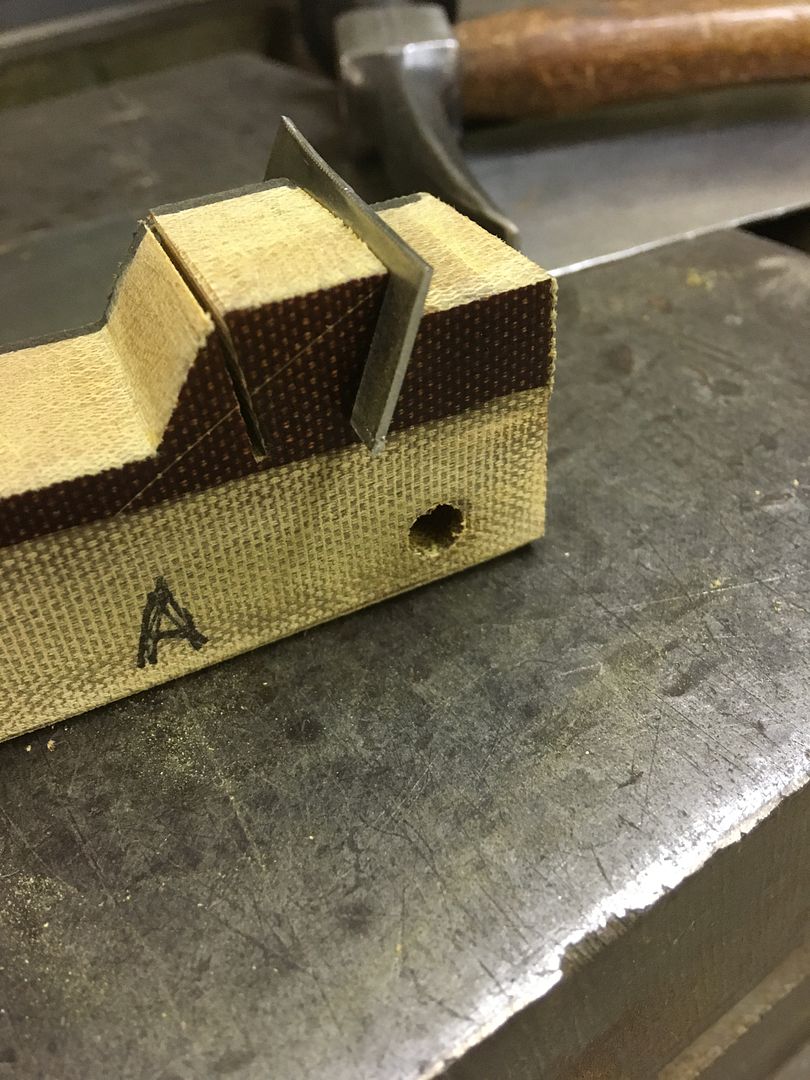
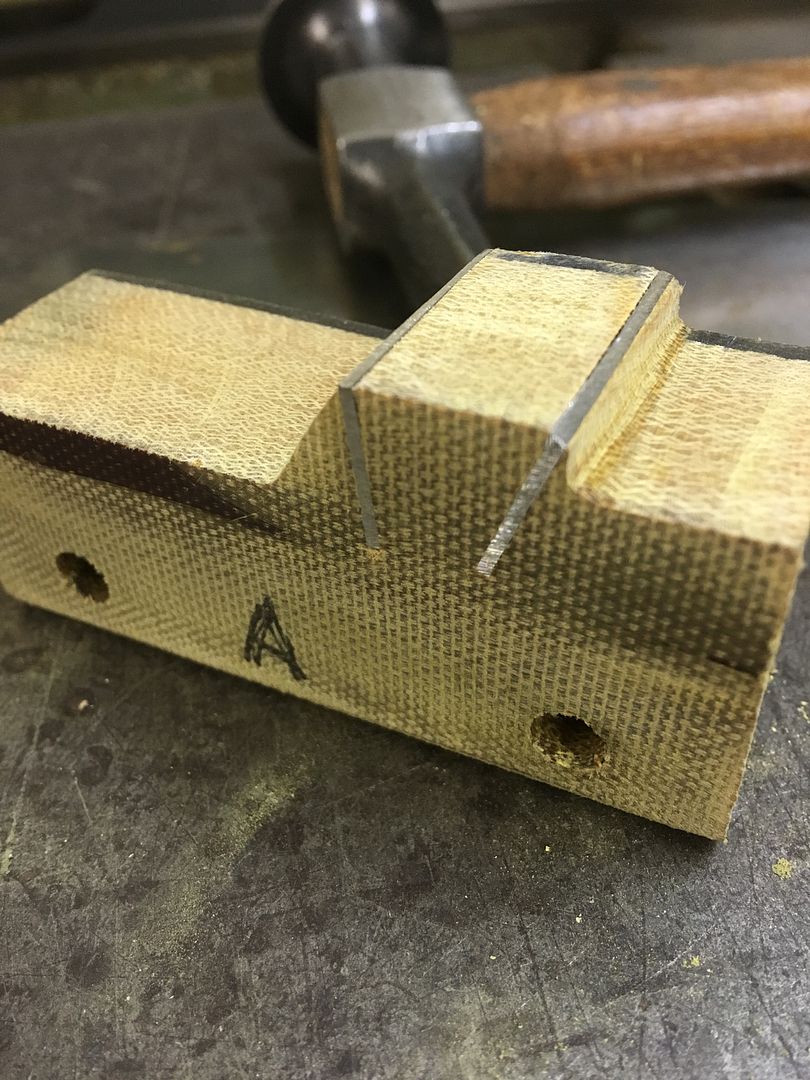
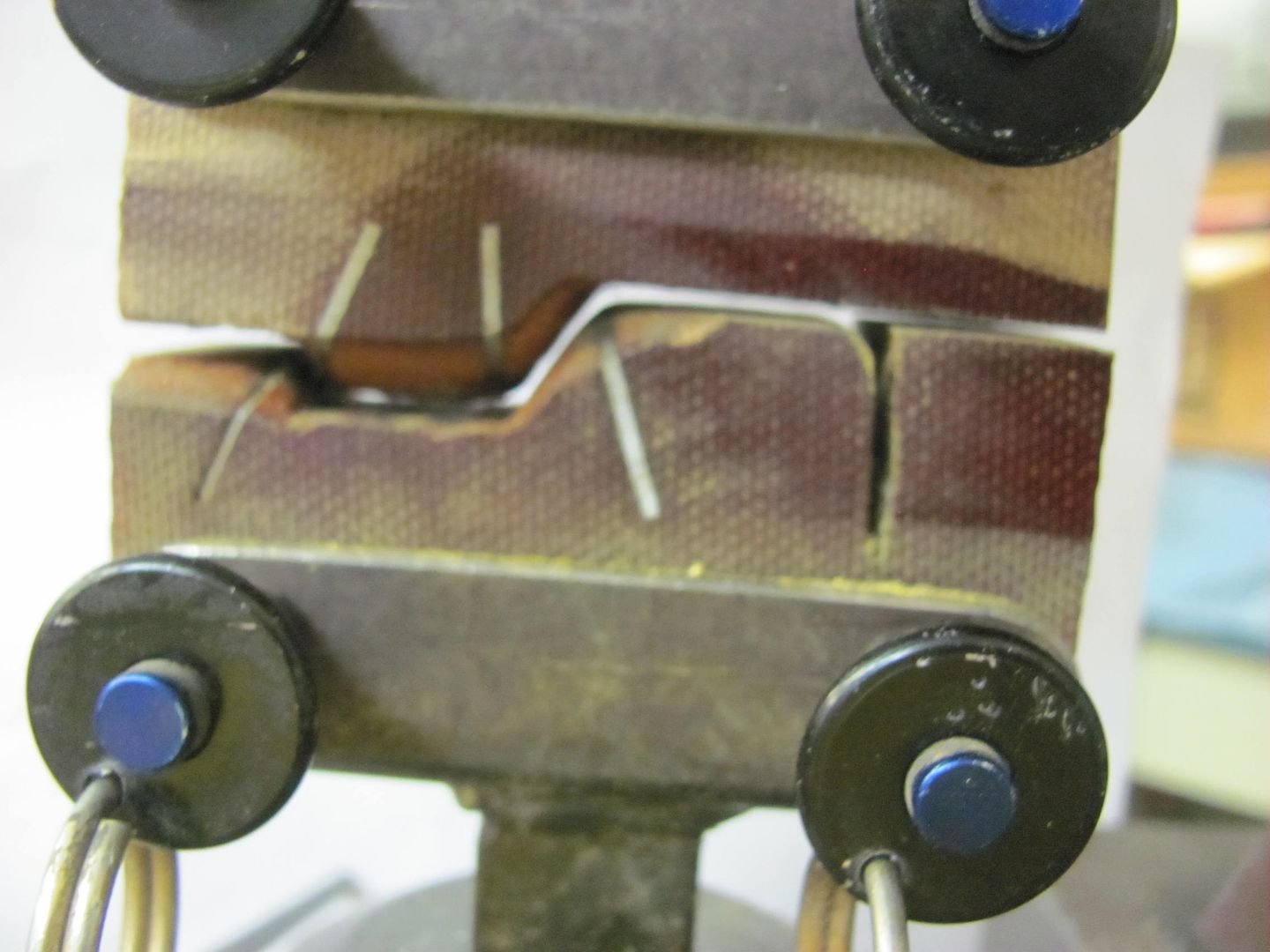
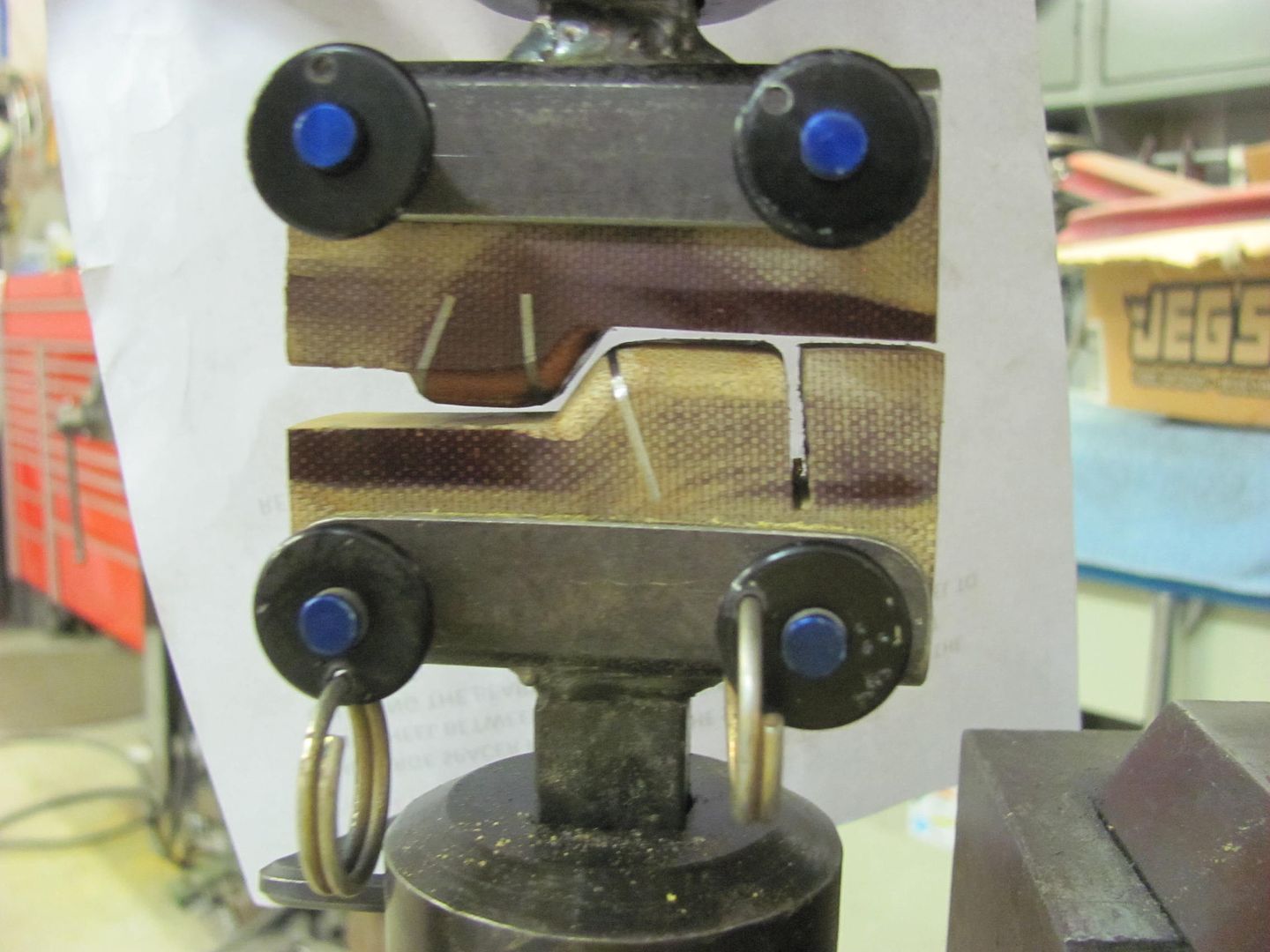
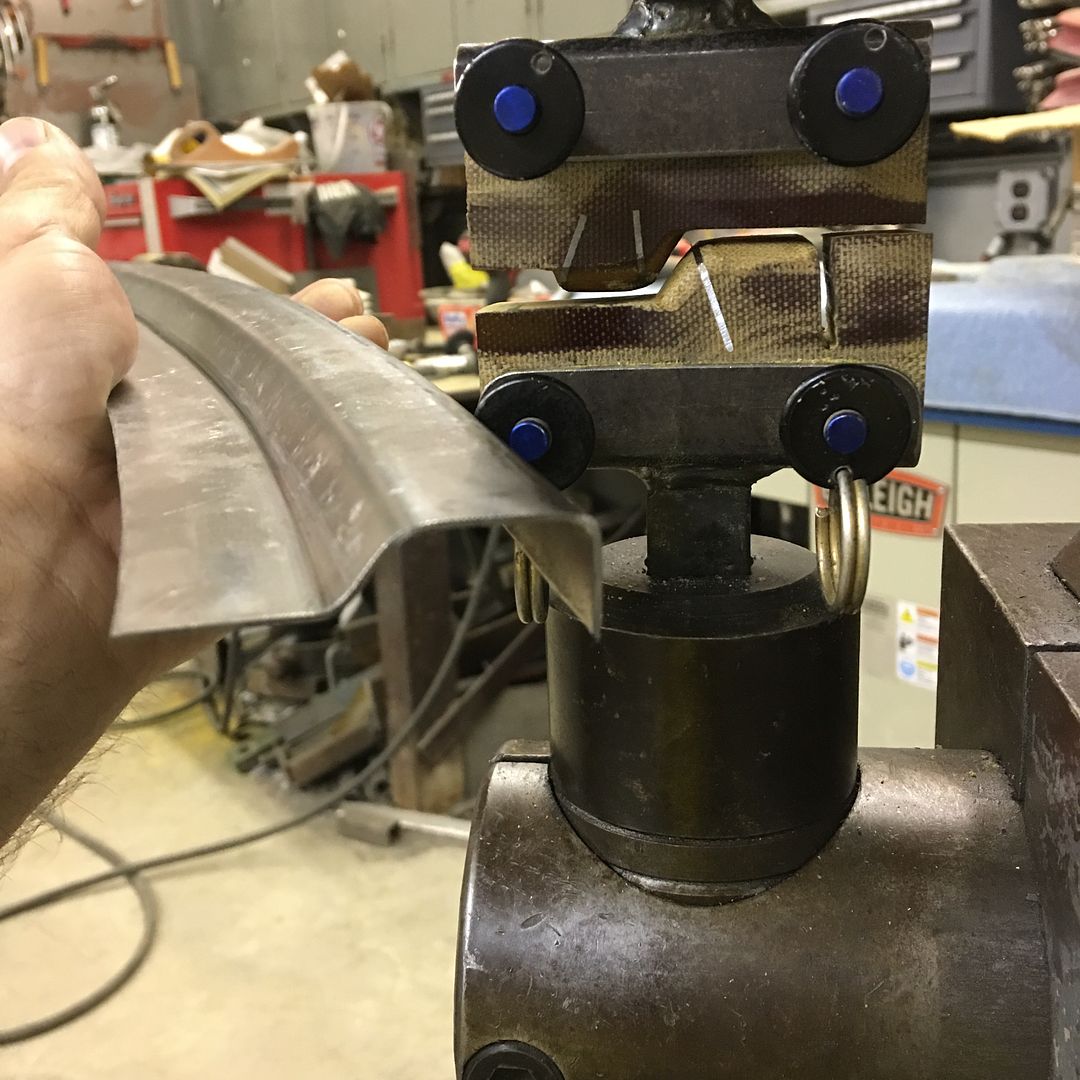
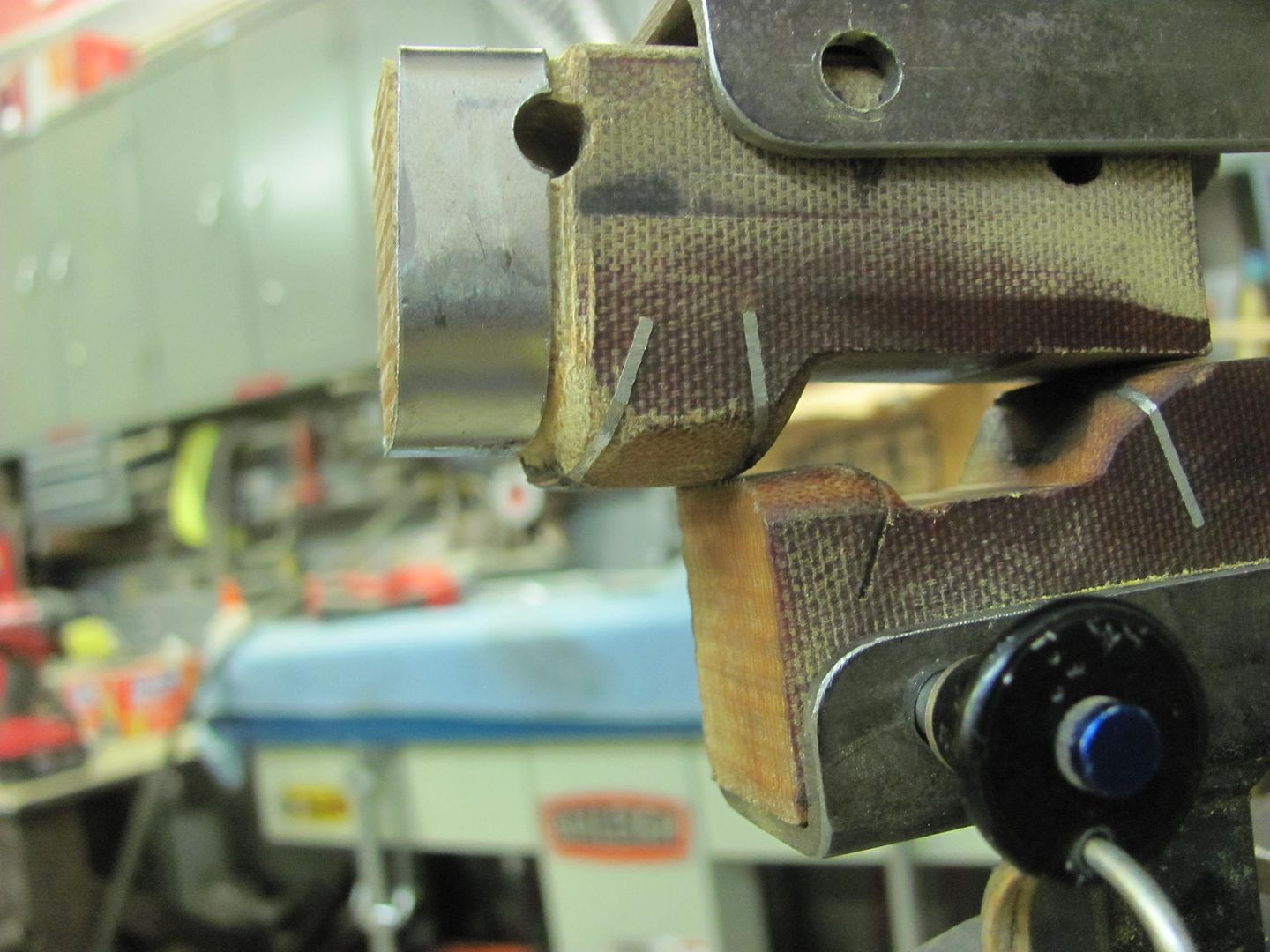
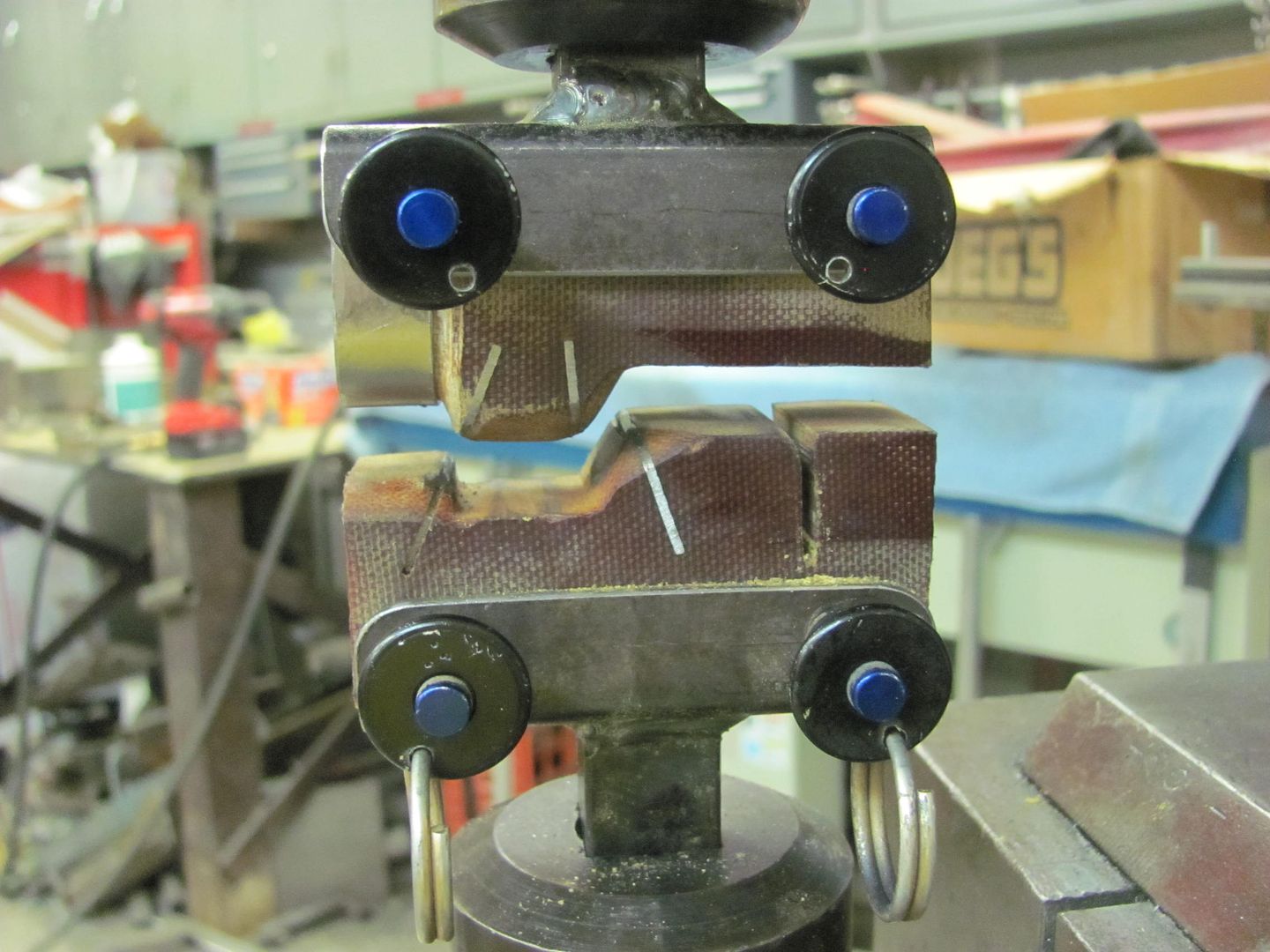
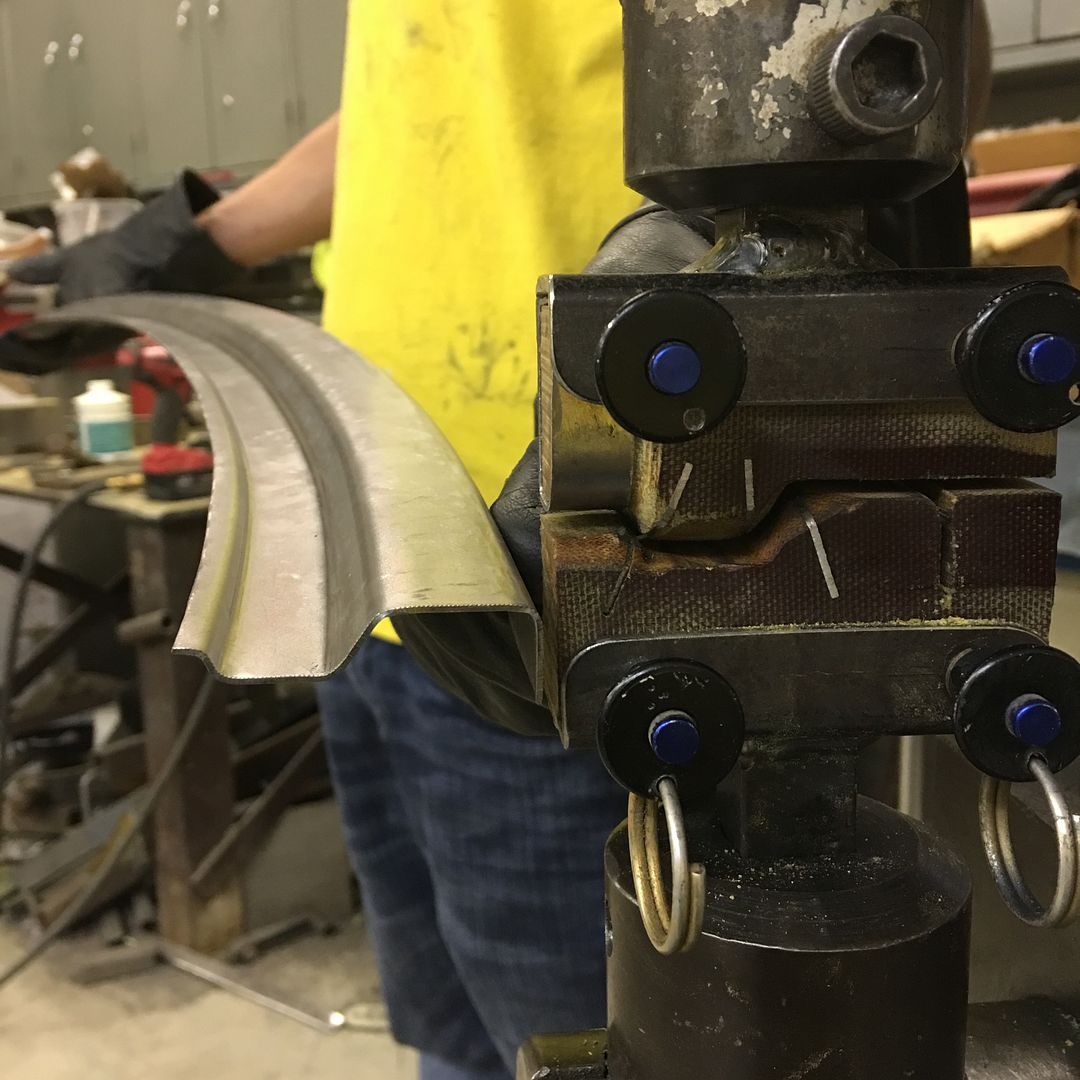
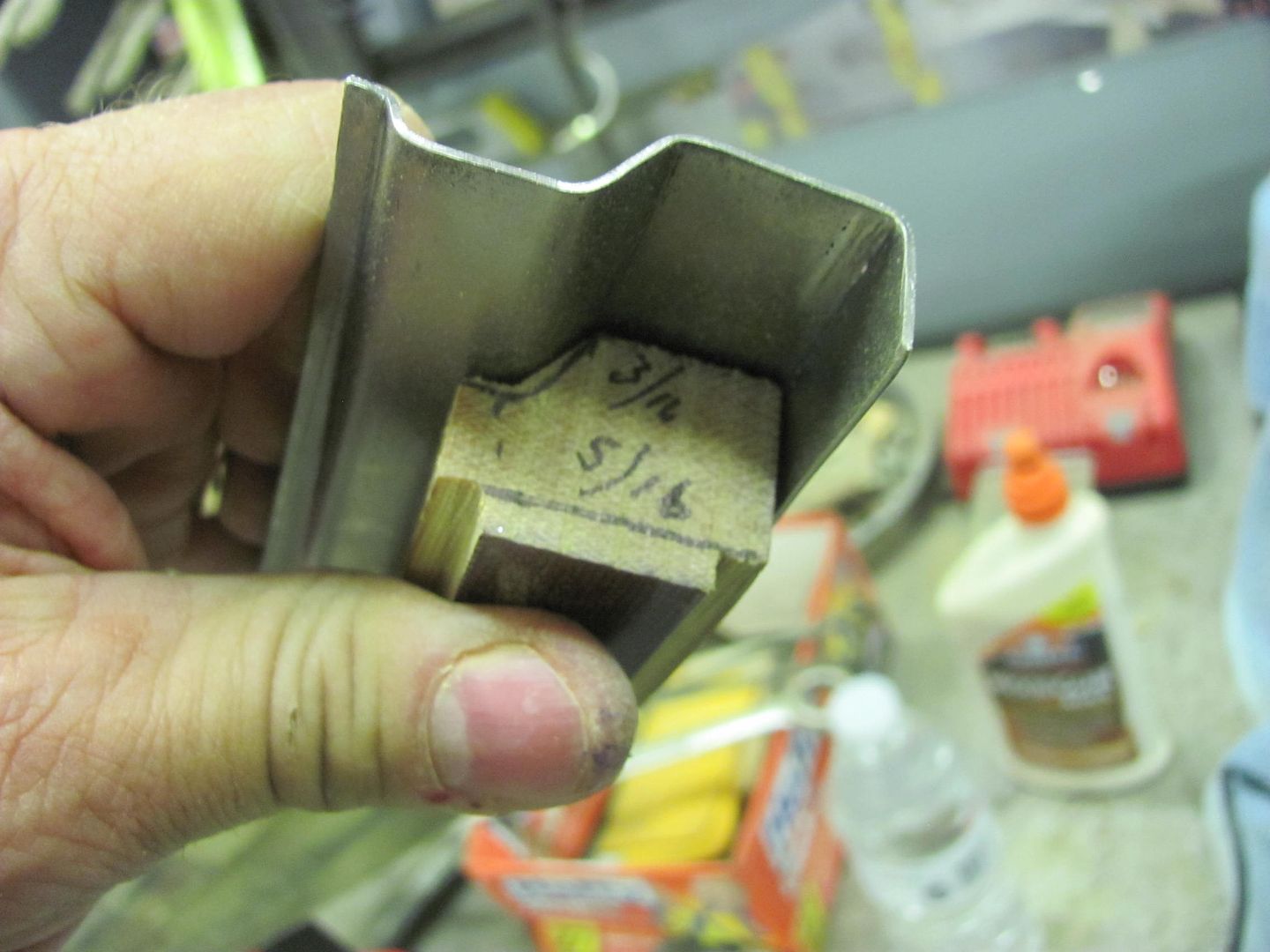
Time to make some dies for the Lennox, here fine tuning the fit..


Picture%204482.jpg


The outside corners will get some steel added for a sharper detail in the bends..


Picture%204483.jpg


The 19 ga steel is a good snug fit for the band saw cuts...


Picture%204484.jpg


Picture%204485.jpg


The front edge of the panel will be tipped prior to running it through the Lennox, the tipped flange will act as a guide in the slot in the lower die..


Picture%204491.jpg


Another test run using a straight piece of scrap


Picture%204486.jpg


Picture%204488.jpg


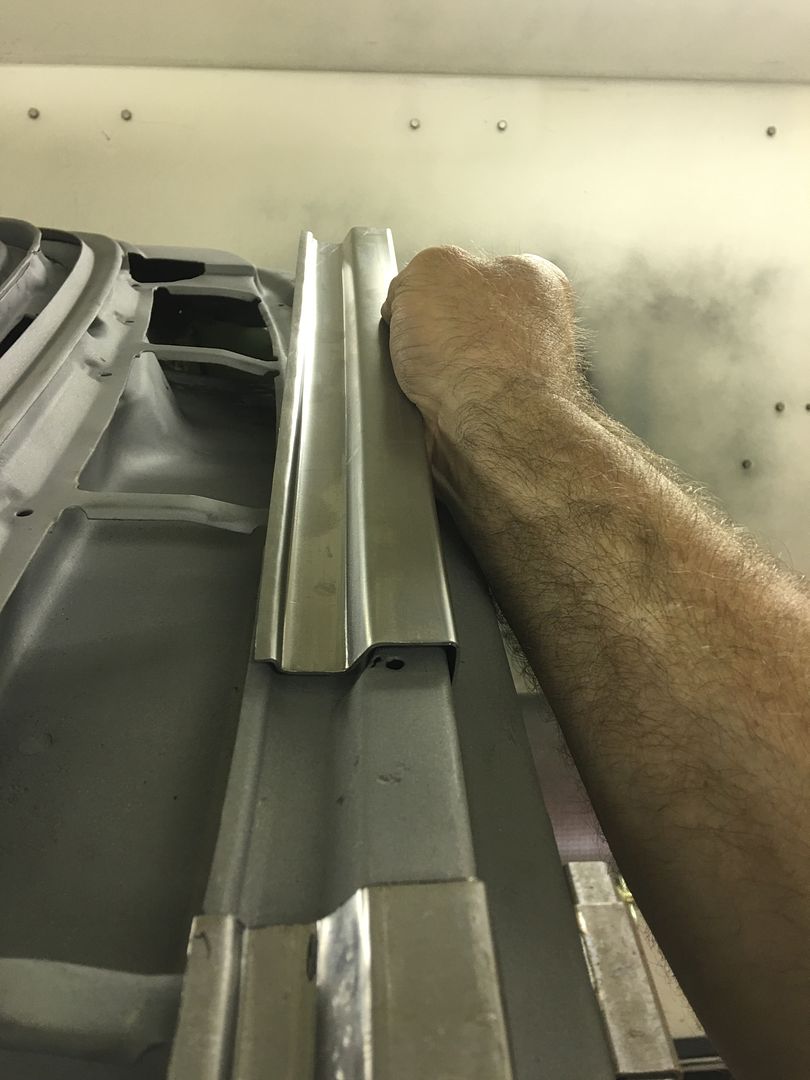
Dimensions looking much better.


Picture%204489.jpg


Enough practice, starting to tip the flange on the good piece.. The tipping wheel on the bead roller bends about 30 degrees and the remaining is done manually with the hand tipping tool..


Picture%204492.jpg


Picture%204493.jpg


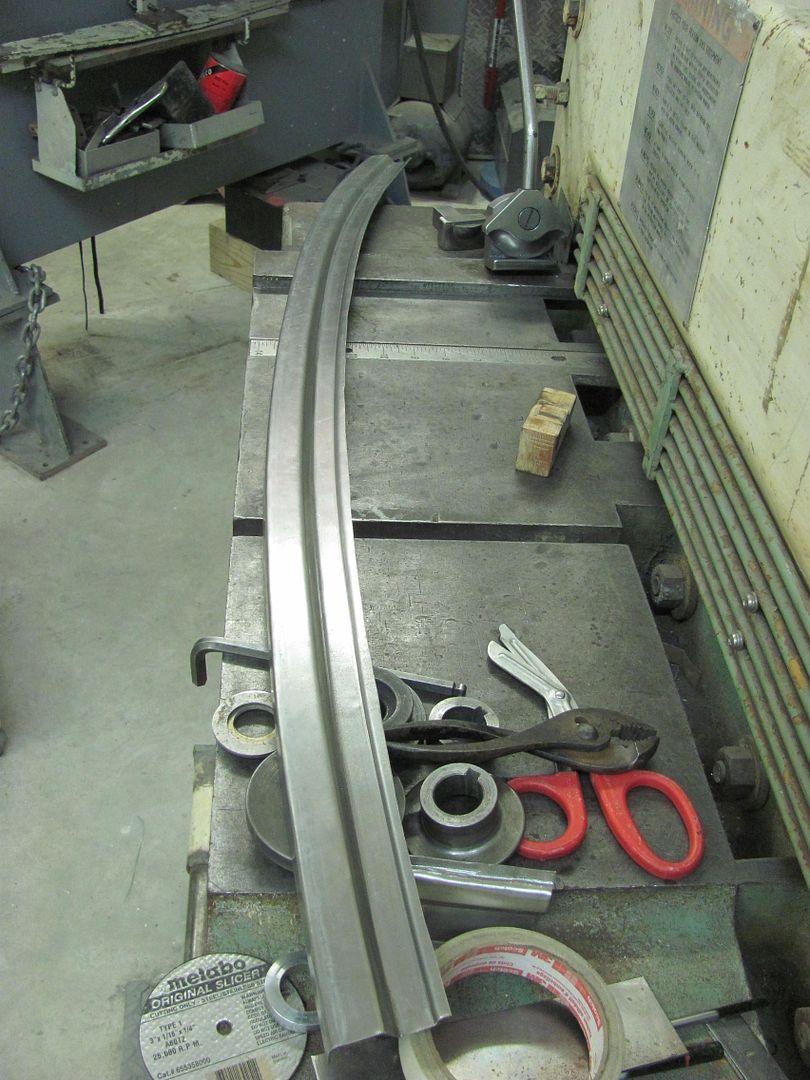
Flange tipped, some kick shrinking to get the right contour, and we're about ready for the Lennox.. As Kyle was off tonight we'll wait until he returns so we can have two people feeding this long piece through the machine..


Picture%204495.jpg


Picture%204496.jpg
 

EdT

Well-known member
Joined
Sep 21, 2010
Messages
1,104
Location
North Georgia
Thanks again for the "how to". How well do the phenolic dies sets hold up? I have some, I've just never tried it for dies. Looks like it would work great for "limited production". Certainly easier than metal for cutting the shapes. Like the steel inserts.
 
OP
M

MP&C

Well-known member
Joined
Oct 21, 2009
Messages
4,396
Location
Leonardtown, MD
The phenolic is easier (quicker) to cut and sand in details over using steel. If you haven't priced it though, you might not care for it due to price. Now if you see some on the used/salvage market, pick it up quick! As you point out, this works well for a one-off or short production run, but someone making a grunch of something would want steel for the longevity.

This is a piece that was destined for the trash bin at my employer approx. 20+ years ago. I couldn't bring myself to throw it away, and have been dragging it around since. Just started using it to make dies for the Lennox a couple/three years back. It is classified as a GRP, and although it is very stout, I believe there is some compression that occurs in those high stress areas like trying to push metal into a corner. So adding a bit of steel in there seems to help that shortfall. I'm down to about a foot square of material left, so I may need to start looking myself.
 

TimeWarpF100

Well-known member
Joined
Aug 21, 2010
Messages
6,784
Location
not here
The phenolic is easier (quicker) to cut and sand in details over using steel. If you haven't priced it though, you might not care for it due to price. Now if you see some on the used/salvage market, pick it up quick! As you point out, this works well for a one-off or short production run, but someone making a grunch of something would want steel for the longevity.

This is a piece that was destined for the trash bin at my employer approx. 20+ years ago. I couldn't bring myself to throw it away, and have been dragging it around since. Just started using it to make dies for the Lennox a couple/three years back. It is classified as a GRP, and although it is very stout, I believe there is some compression that occurs in those high stress areas like trying to push metal into a corner. So adding a bit of steel in there seems to help that shortfall. I'm down to about a foot square of material left, so I may need to start looking myself.

Amazing stuff! I could not come up with the idea's much rather than being able to pull it off.
 

E12-535iTurbo

Well-known member
Joined
Feb 27, 2014
Messages
492
Location
The Netherlands
And here I was hoping you're picking up ideas... :thumbup:

This tool here ANYBODY can make....
Agreed I can make that, but to use that and mold a piece of steel into something I can use. That's just a bridge too far. I'll try though (already did) and I'll start posting when I'll really get into it. It's an amazing skill. Thank you so much for sharing!!
 
OP
M

MP&C

Well-known member
Joined
Oct 21, 2009
Messages
4,396
Location
Leonardtown, MD
As we found with some of the practice pieces, when you try to shove metal too much into a hole it tends to pull in from the edges.

Picture%204501.jpg


So to fix that we'll make up a new bottom die to form the ramp fold fully, then change back to the above die to form the step..

Picture%204500.jpg


Picture%204497.jpg


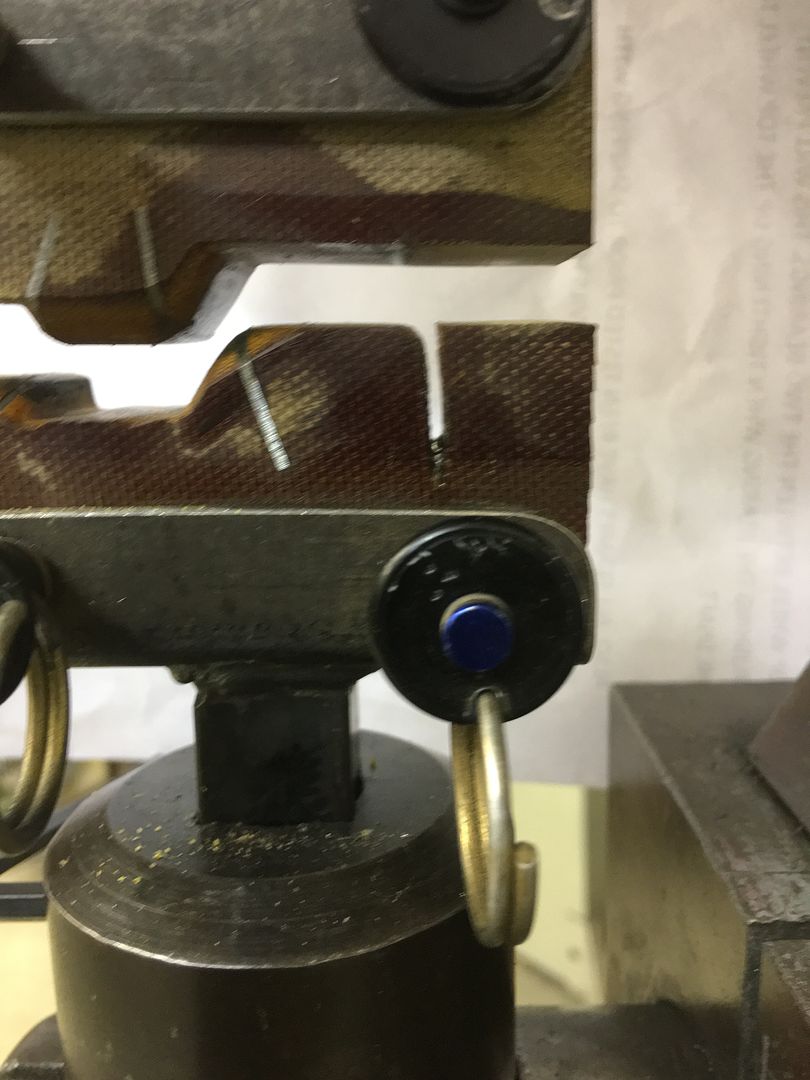
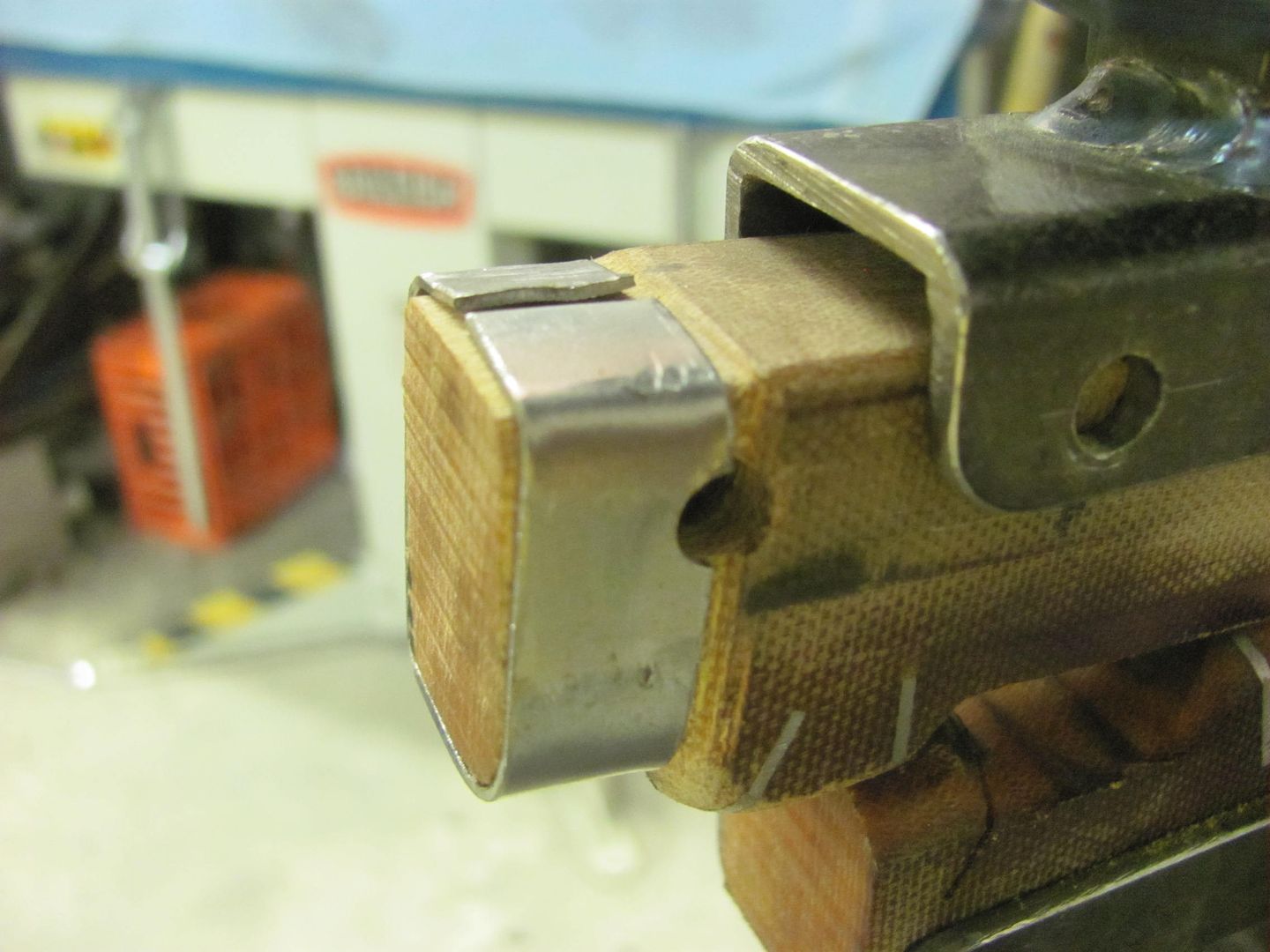
The down side to using phenolic is that it gives a bit where it doesn't make sharp creases well or short reverse folds either. The initial practice pieces wouldn't fold the step down flat, so a wrap of steel was added to the top die to better persuade the step flat...

Picture%204503.jpg


Picture%204504.jpg


The upper die holder helps keep the wrapped steel in place.

Picture%204505.jpg


That did the trick, step is laying down nice and flat..

Picture%204498.jpg


Picture%204499.jpg


The front flange hangs over just a bit too much, some hammer action will bring it back in place. Real pleased with how well this turned out..

Picture%204506.jpg


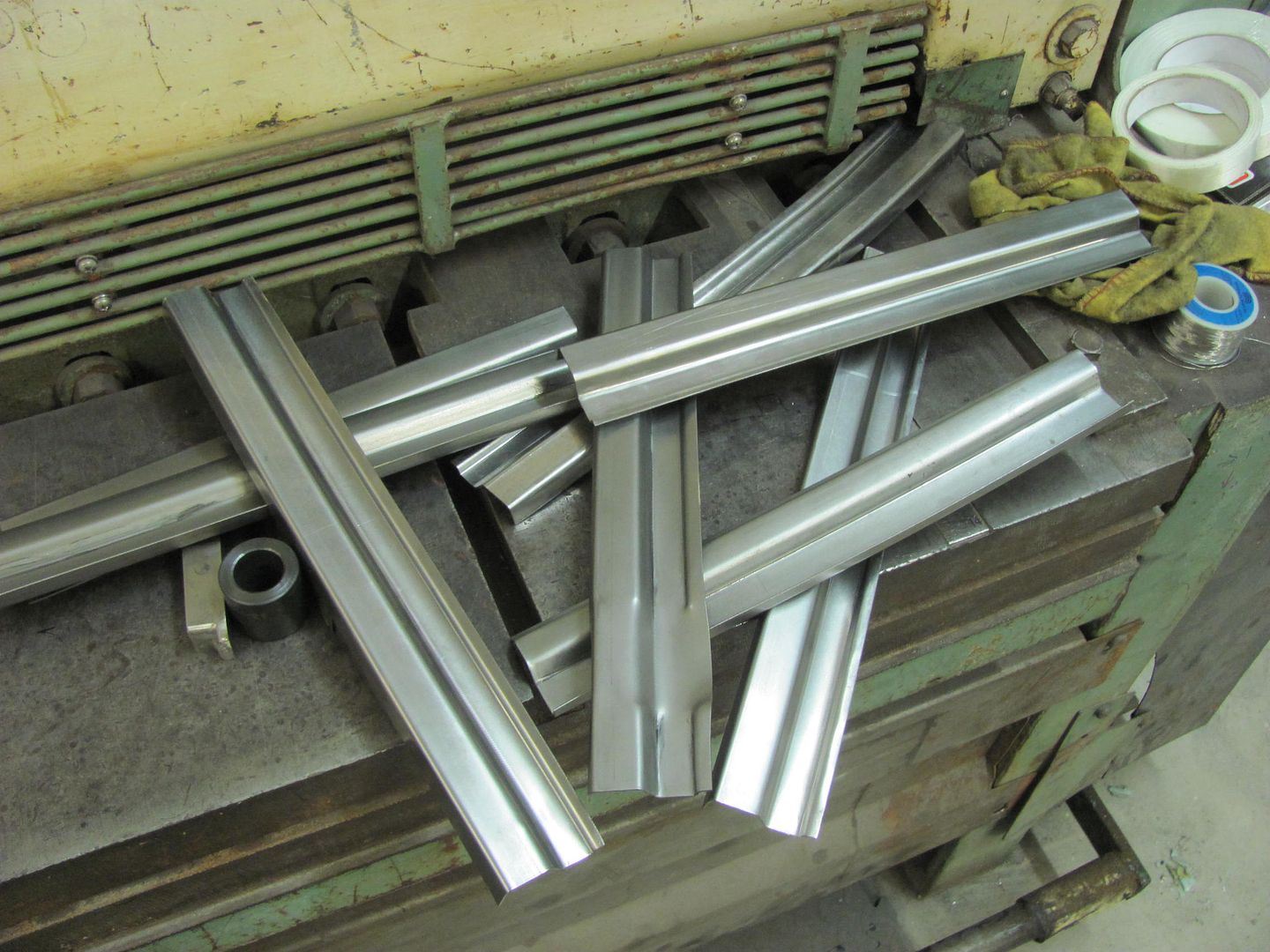
Some of the practice scraps..

Picture%204507.jpg
 
OP
M

MP&C

Well-known member
Joined
Oct 21, 2009
Messages
4,396
Location
Leonardtown, MD
The leading edge of the sharp areas were radiused to help keep from marking the metal from sharp edges.. This is a reciprocating machine, not sure of the cycles per minute but some of the videos on my youtube page show this when we were filming the louver punching..
 

EdT

Well-known member
Joined
Sep 21, 2010
Messages
1,104
Location
North Georgia
Robert,
I think one of the most informative pics lately is the pile of pieces that it took to refine the process 'til it was good. I think folks don't realize how difficult it can be to develop a process that makes a part. Sometimes it goes quickly and other time not so much. I guess the key is the past experience that allows you to see what's wrong and know what it will take to fix it and get it right fairly quickly. Not something that you can learn in an afternoon (or at least I can't). It's not like on TV where the crew goes to lunch and Billy whips up a fender while they're gone and has it bolted on when they return.
 

BORING HOP YARD

Well-known member
Joined
Jan 13, 2007
Messages
1,098
Location
Boring Oregon
Good morning Robert, I would like to ask your opinion.
I’m working on a 56 ford inner fender panel that has been heavly modified from stock.
I have a 8 inch remnant of a factory “V” shaped bead roll that I want to take out.
I would be interested to hear how you would approach this.

I see 3 options,
1) start at one end and hammer and dolly it down, use a shrinking disc to shrink the stretched metal.
2) cut a slit down the ridge, weld hammer and dolly, weld, grind, and shrink.
3) cut out section and replace with a patch panel, weld, hammer and dolly weld grind hammer and dolly and shrink.
I was thinking about this on my way to work and was asking myself what would Robert do?
Great Die work by the way!
Thank you!
Greg
 
OP
M

MP&C

Well-known member
Joined
Oct 21, 2009
Messages
4,396
Location
Leonardtown, MD
My preference with a modification like this is to use welding as a last resort, kind of like the hood peaking job we did earlier in this thread although that went the other direction. Welding adds a whole nuther set of challenges in keeping panel straight that I would opt for the options exactly how you have them numbered. If hammering doesn't work, you can always slit and weld. If neither work, you can always cut and add a flat section. If ALL else fails, you can make a new section or new panel.

For option one, the bead detail already has some stretch added to the area so any hammer and dolly should be off dolly or hammer and shot bag. Any On-dolly at all is only adding to the stretch, further adding to your issues. Adding some heat with a torch may help to both flatten and shrink. Not sure how deep the VEE is, so the exact method may be dictated by the size of the VEE.
 

stsmytherie

Well-known member
Joined
Dec 16, 2005
Messages
171
Location
VT
Great stuff Robert. Thanks for sharing your expertise.

FWIW you've given me the knowledge and confidence to try some small fab projects of my own and they're coming out OK. Already busted one of those cheap HF metal brakes (worked well enough for $20 until I pushed it beyond what it could reasonably do). Now on the lookout for a proper Pexto, Diacro, etc.
 

DatsunLover

Well-known member
Joined
Dec 1, 2010
Messages
52
Location
Woodbridge, VA.
I have to agree with EdT. I learned more from your mistakes pile then i did from the finished product. It also brings this type of work into Perspective, its not just a 1 time and done kind of project. Its a work at it and keep working at it. Keep up the Amazing work!!
 
OP
M

MP&C

Well-known member
Joined
Oct 21, 2009
Messages
4,396
Location
Leonardtown, MD
Great stuff Robert. Thanks for sharing your expertise.

FWIW you've given me the knowledge and confidence to try some small fab projects of my own and they're coming out OK. Already busted one of those cheap HF metal brakes (worked well enough for $20 until I pushed it beyond what it could reasonably do). Now on the lookout for a proper Pexto, Diacro, etc.


Many of my machines came from online and local auctions...... sadly quite a bit from the latter. Our local BOE took all the shop equipment out of middle schools so unless someone picks up a class in VoTech in the high school program these skills are not taught to our up and coming students. This put quite a bit of machinery out there in auctions. I'm quite sure this is not just a local thing, so you may want to check local auctions, auctionzip dot com, or searchtempest for CL searches. Don't forget Racing Junk, they have a tool section as well. One of my Diacro press brakes was on RJ for 250 with no tooling. I couldn't get the money sent fast enough!


Robert,
I think one of the most informative pics lately is the pile of pieces that it took to refine the process 'til it was good. I think folks don't realize how difficult it can be to develop a process that makes a part. Sometimes it goes quickly and other time not so much. I guess the key is the past experience that allows you to see what's wrong and know what it will take to fix it and get it right fairly quickly. Not something that you can learn in an afternoon (or at least I can't). It's not like on TV where the crew goes to lunch and Billy whips up a fender while they're gone and has it bolted on when they return.


I have to agree with EdT. I learned more from your mistakes pile then i did from the finished product. It also brings this type of work into Perspective, its not just a 1 time and done kind of project. Its a work at it and keep working at it. Keep up the Amazing work!!

I don't always show the scrap pile but as you guys say, it does give some insight into the trials of fine tuning dies being made for metal shaping.. Perhaps I should do that more often to reinforce the fact that we don't need to get it done right the first time, but more importantly we don't need to give up at the first failure..
 
Last edited:

zmotorsports

ALLIANCE MEMBER
Joined
Oct 20, 2009
Messages
21,312
Location
Northern Utah
Damn Robert. Your skillset simply amazes me. Thank you for taking the time and showing such well documented posts. I thought at one time I was pretty decent at body work. Turns out I am still holding my amateur status.:D

Mike.
 
OP
M

MP&C

Well-known member
Joined
Oct 21, 2009
Messages
4,396
Location
Leonardtown, MD
Thanks for the props Mike, but sometimes I see my OCD as a curse. This thing would be done by now if I would have just used filler in many of these places.. :tard:The challenge of the fabrication, I guess.


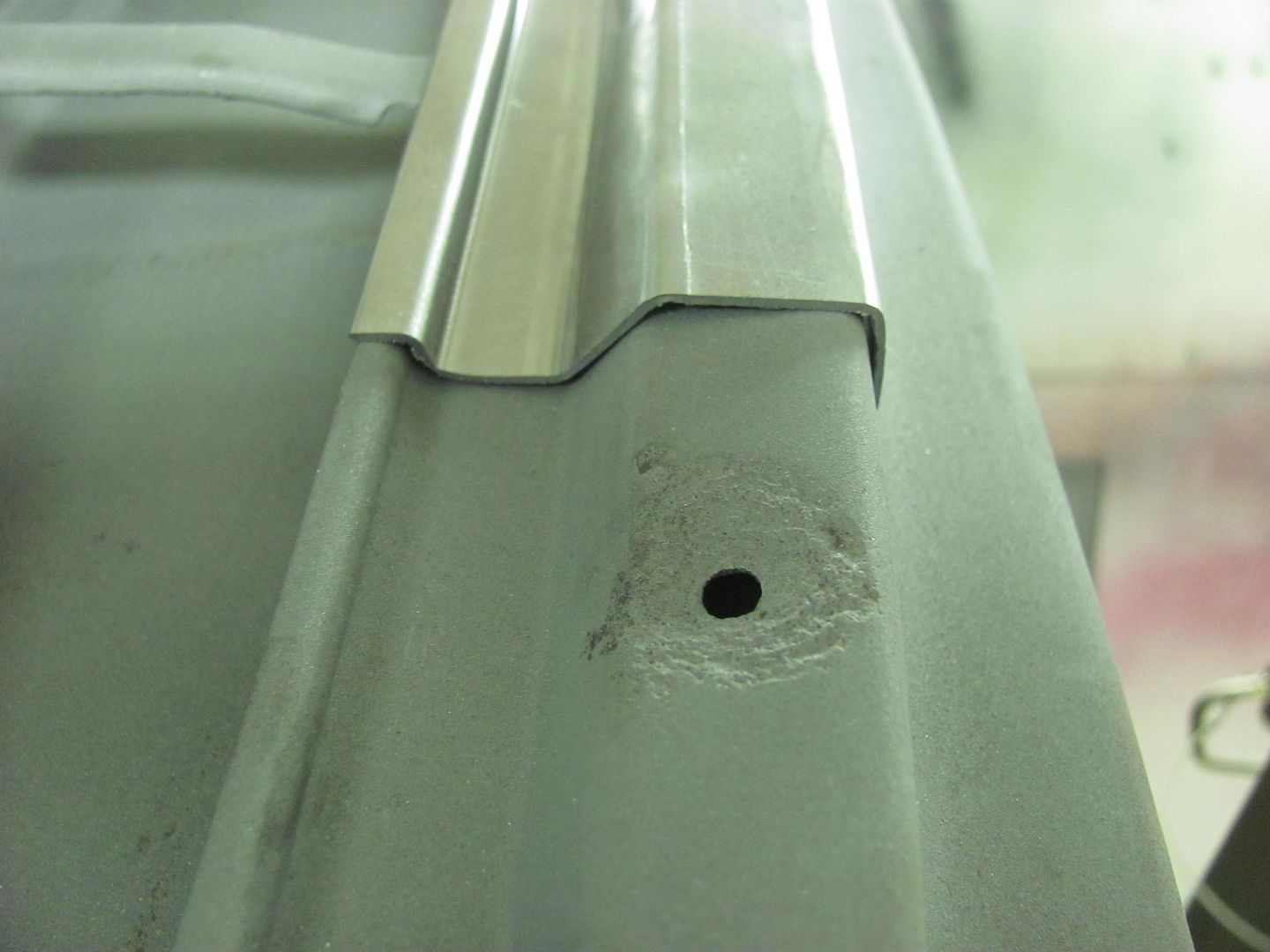
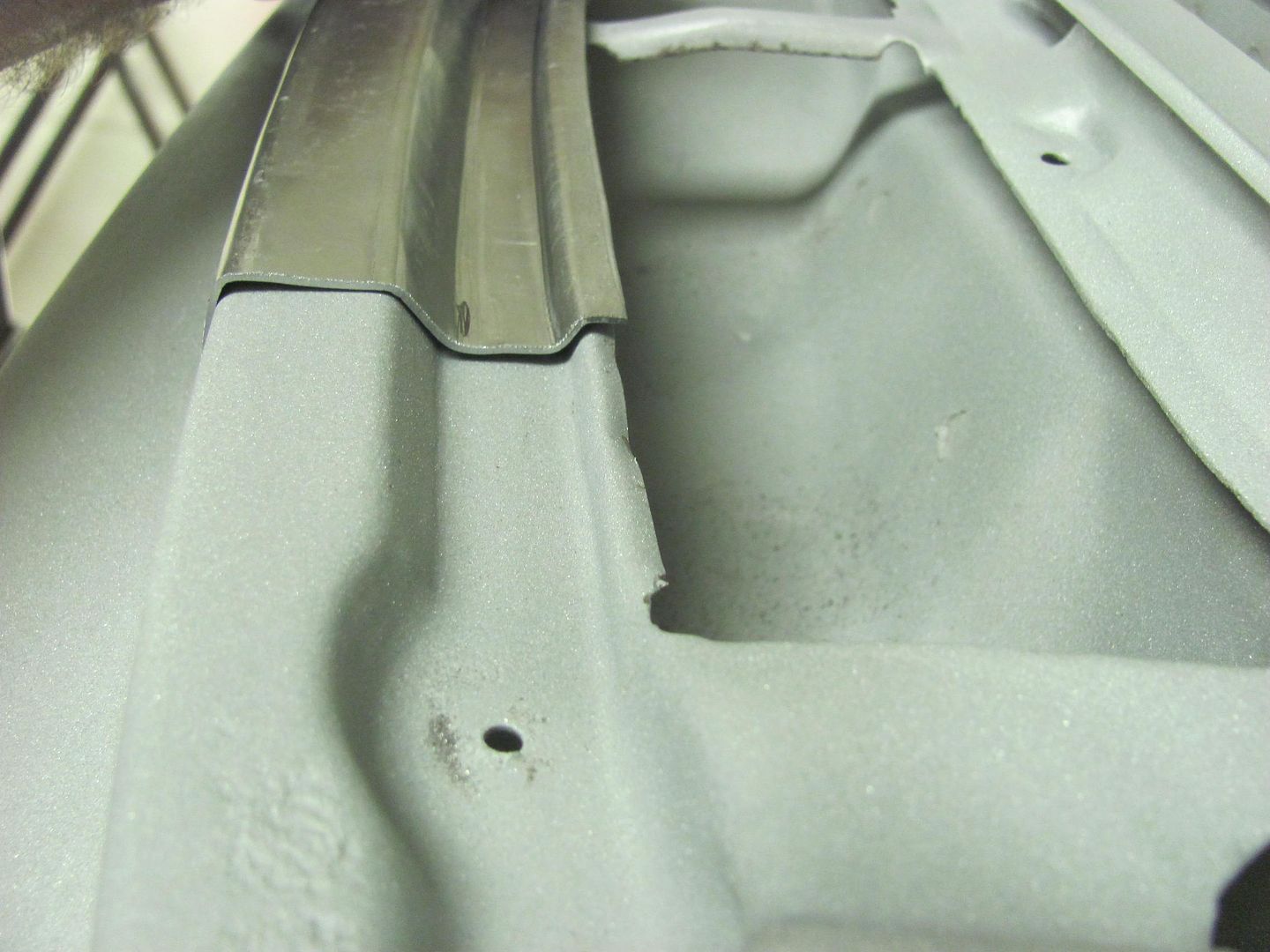
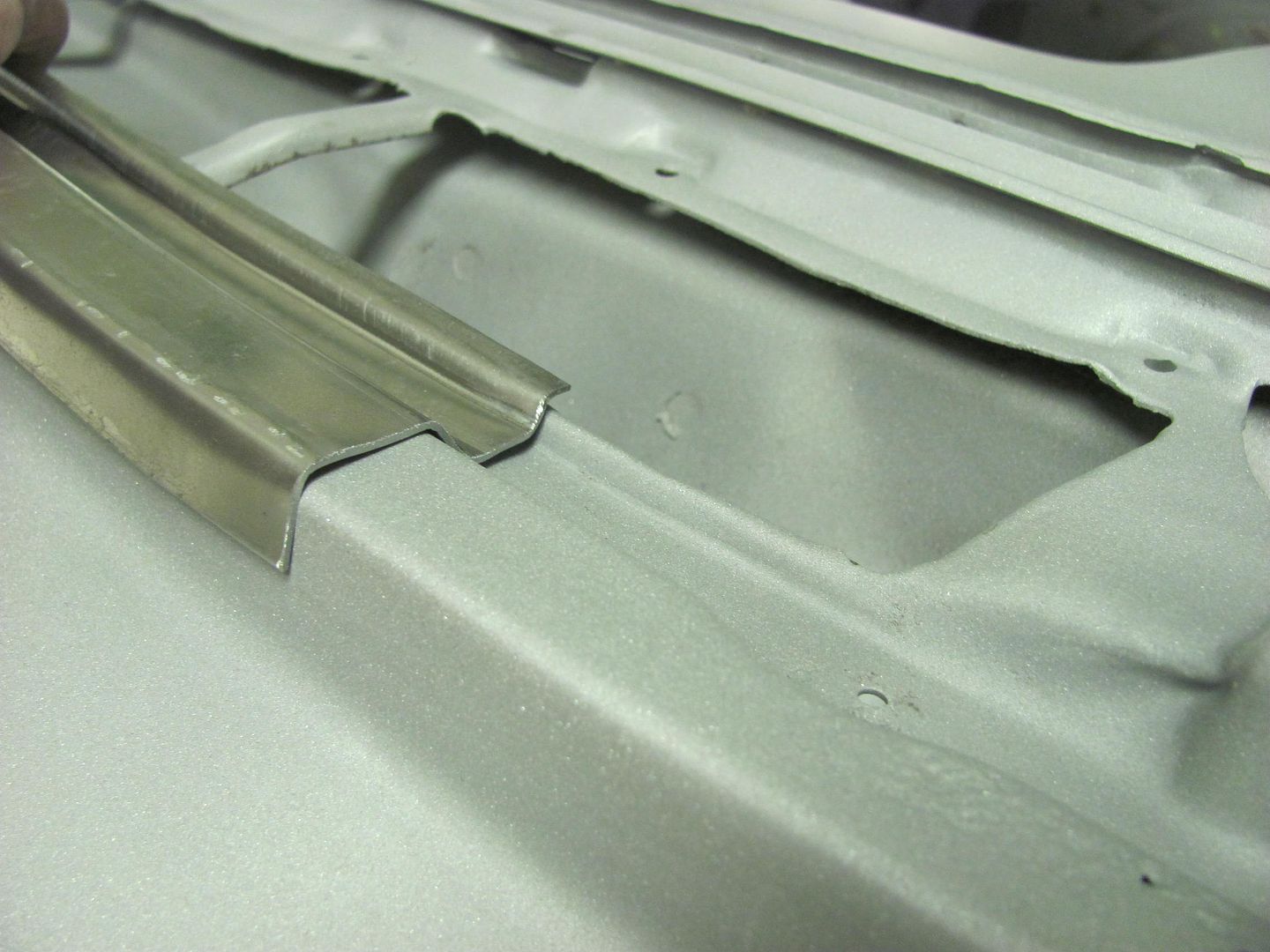
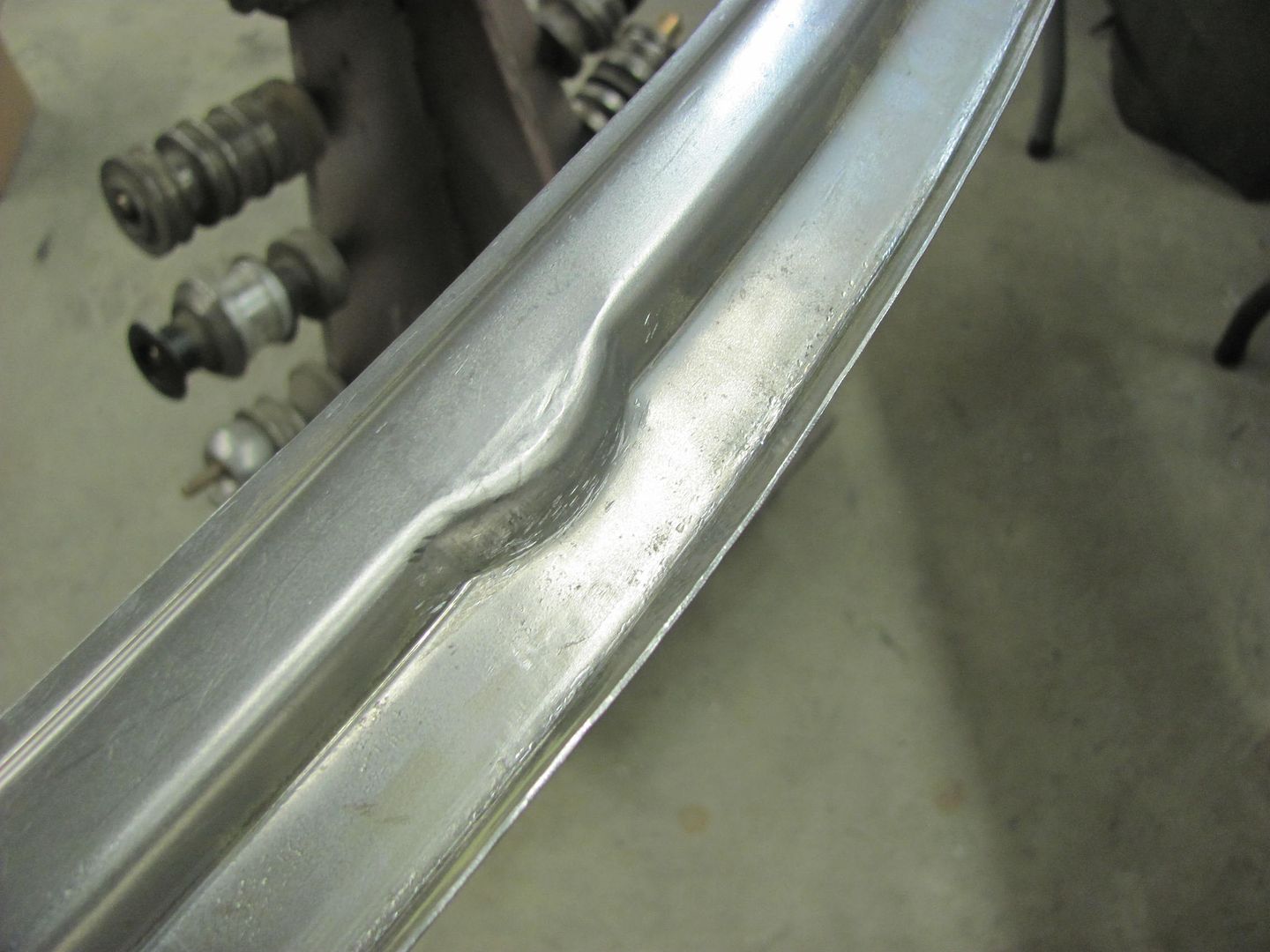
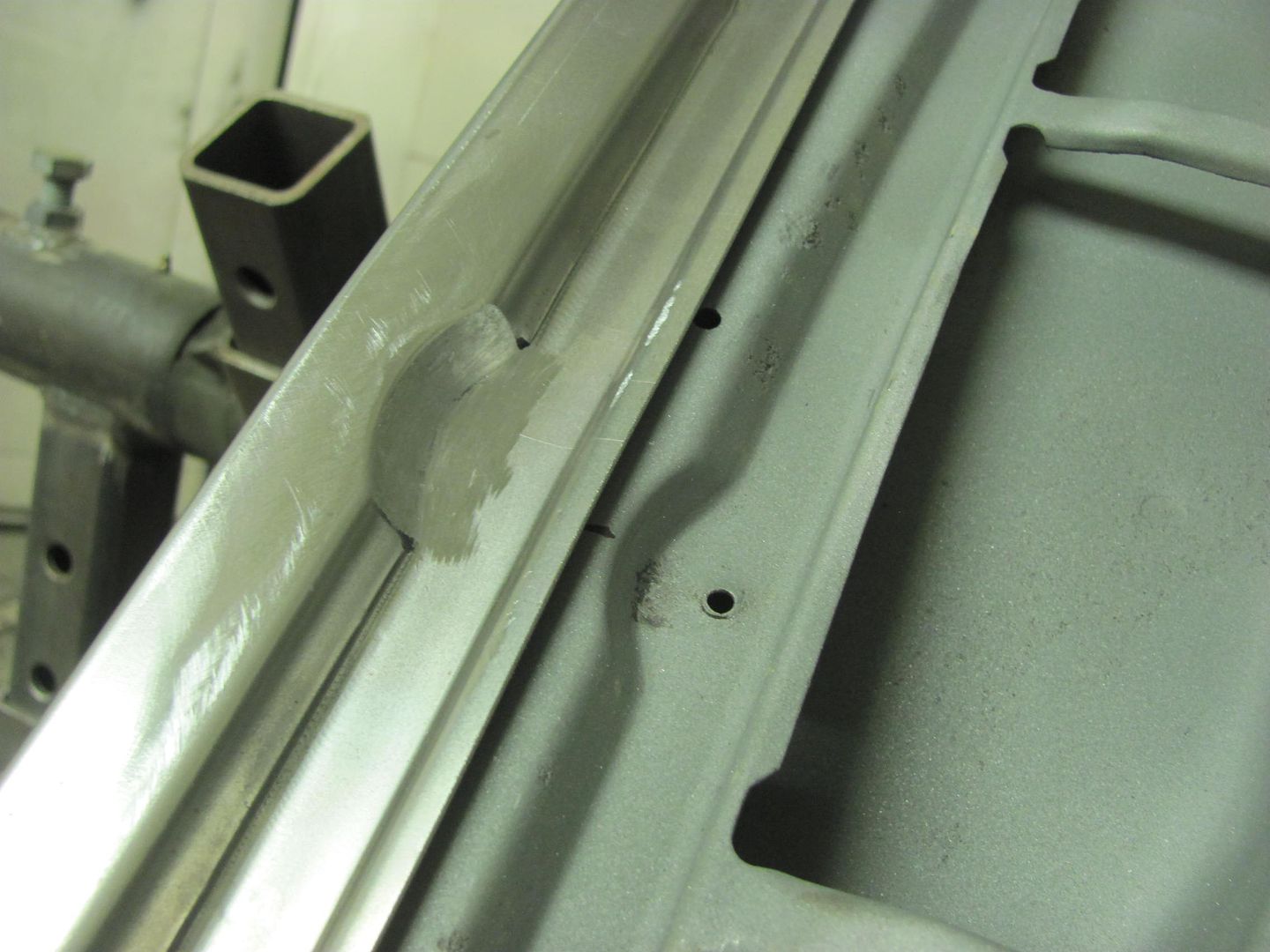
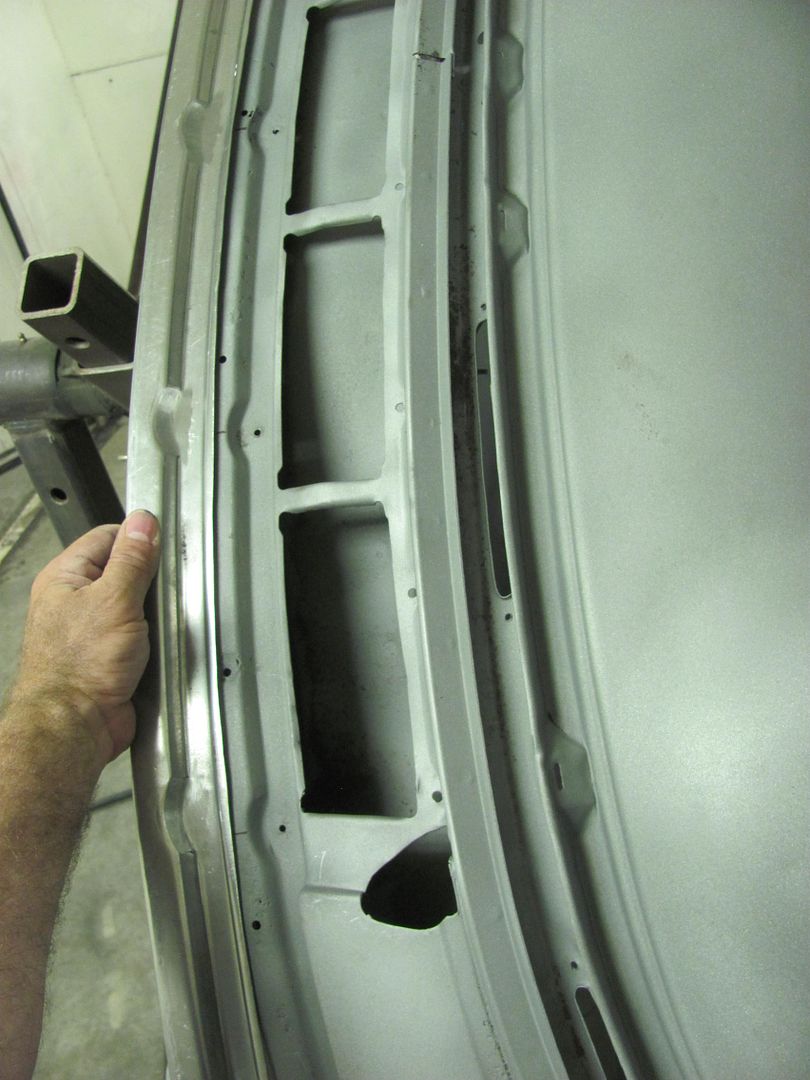
Next task on the list is to add the semi-circular relief areas into the new cowl repair panel..

Picture%204478.jpg


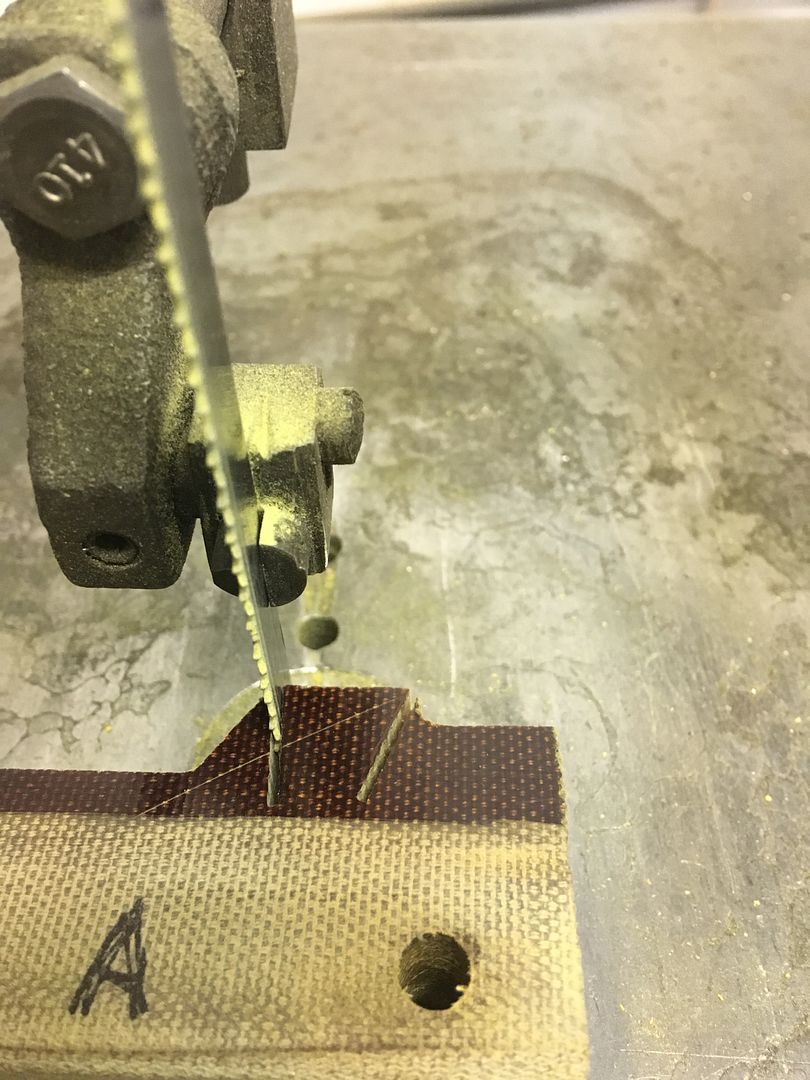
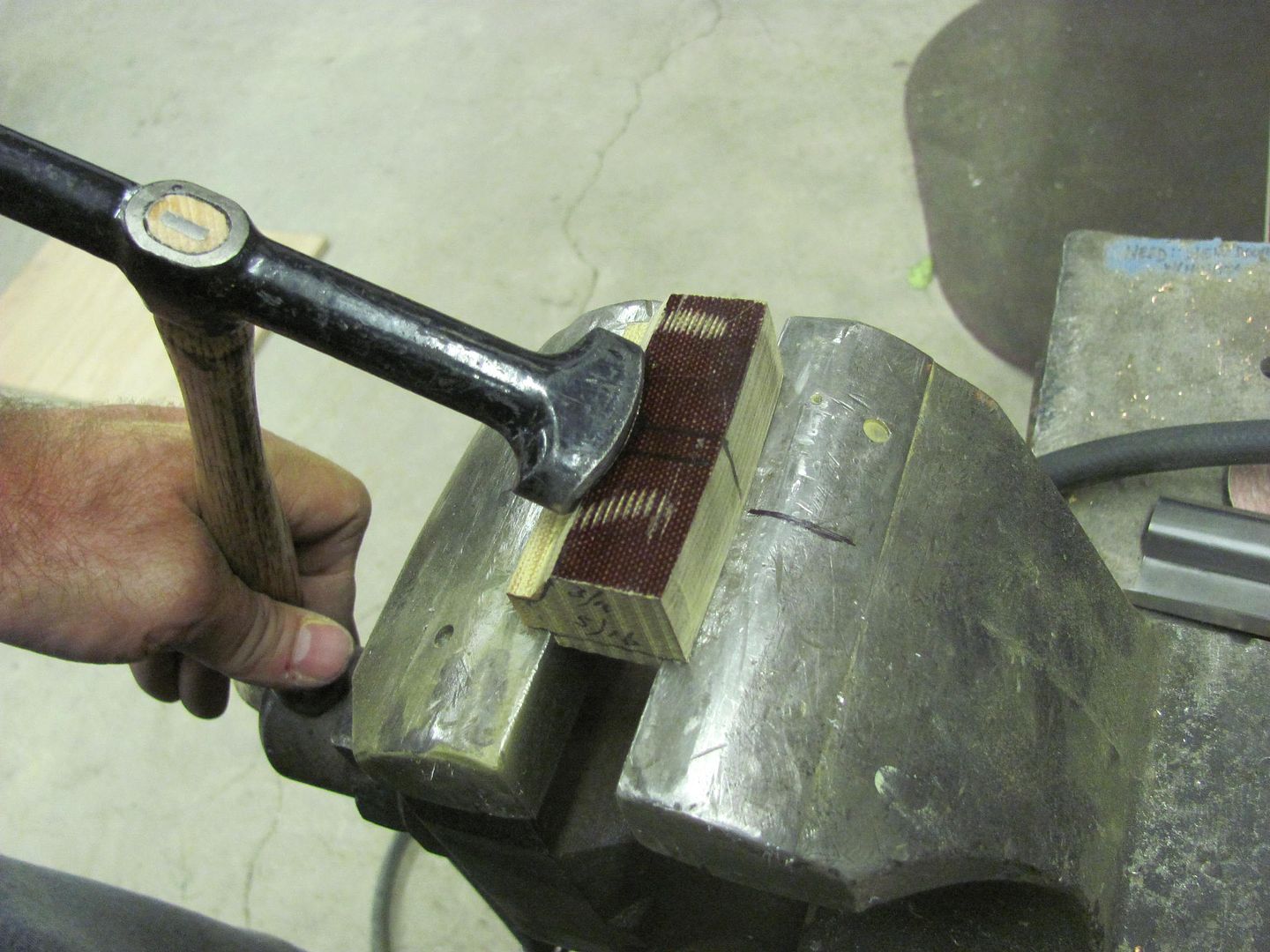
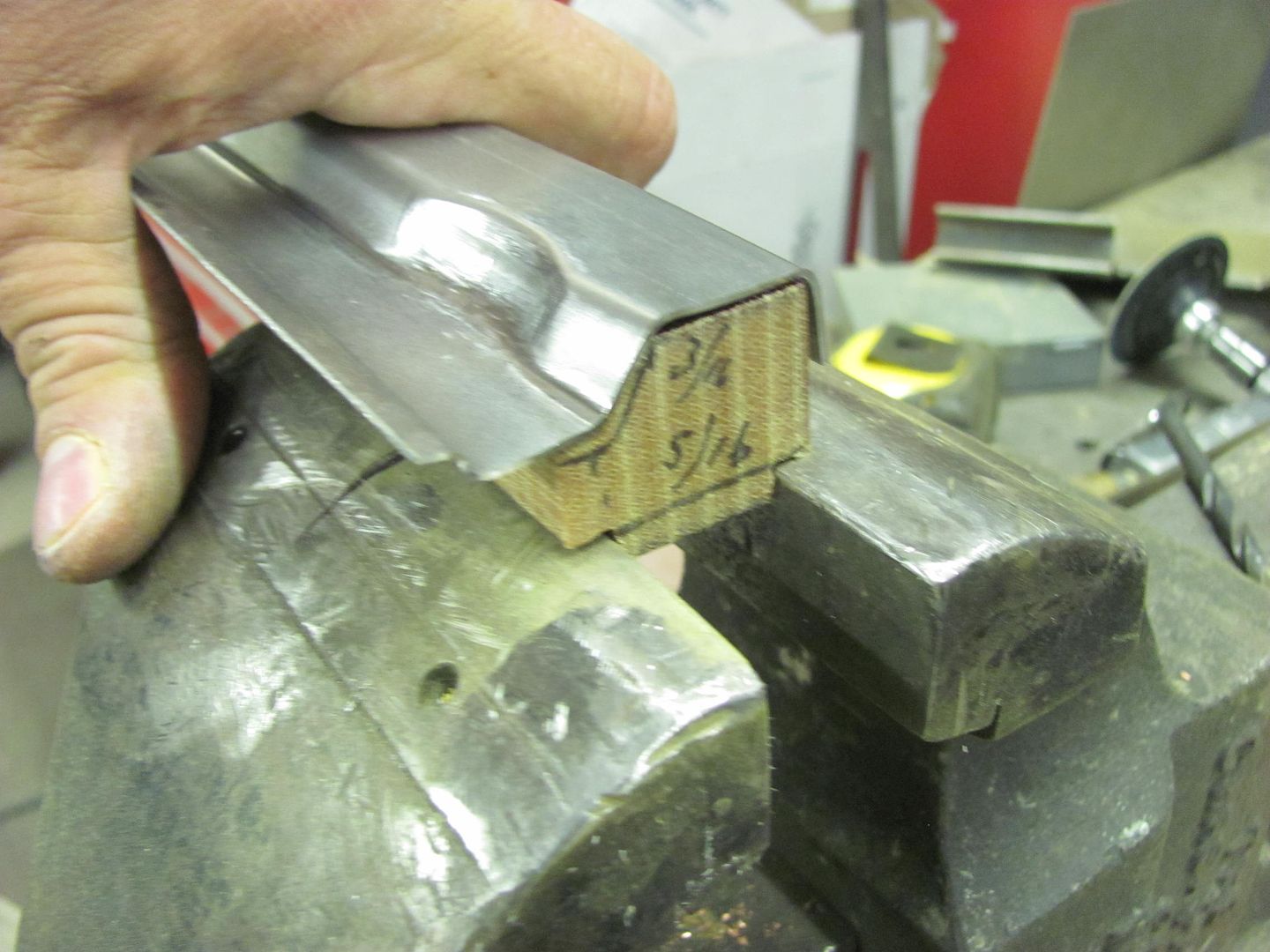
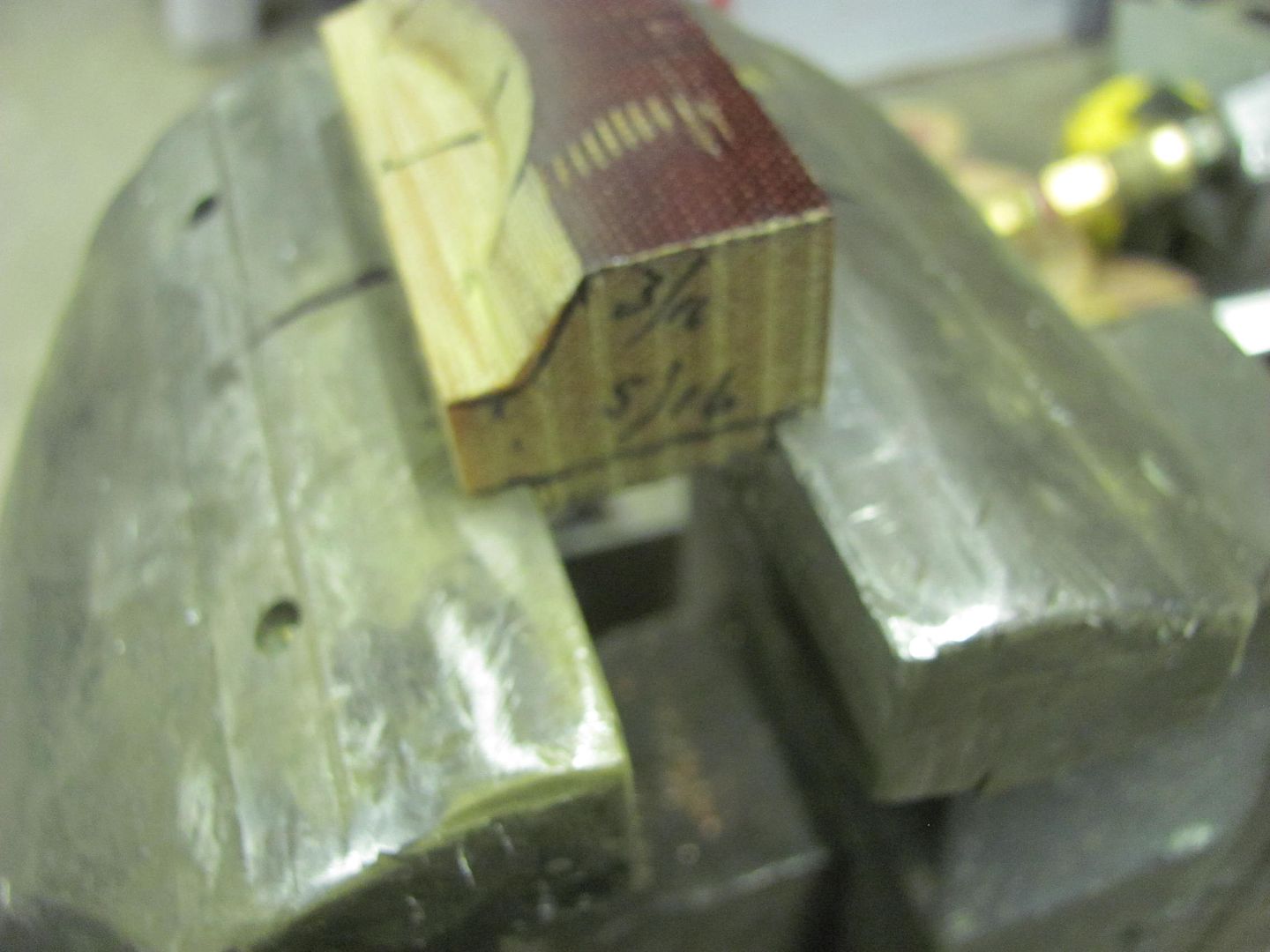
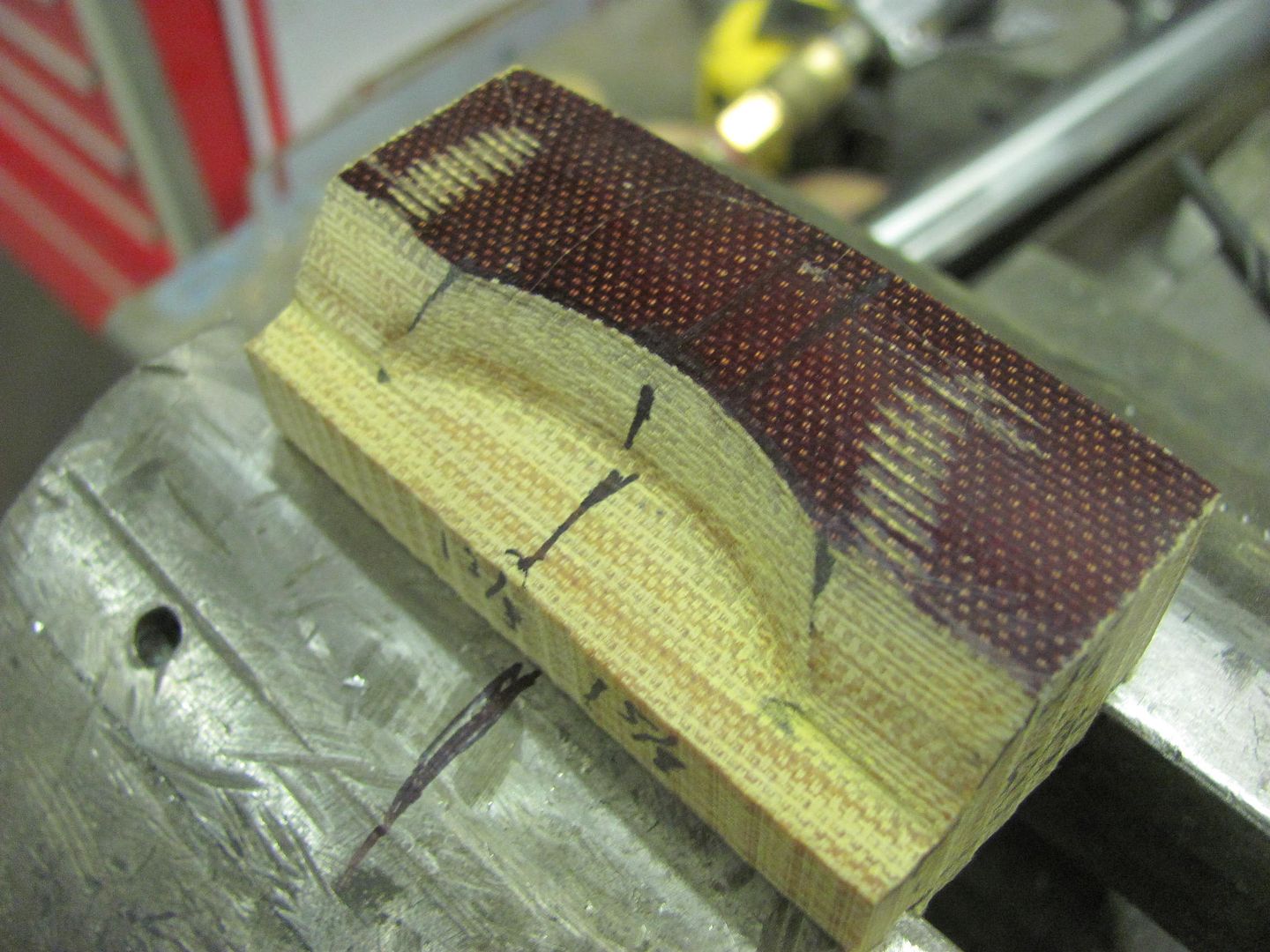
A suitable piece of Phenolic is cut out, notched at the bottom for "vise support", and used a roloc sander and drum sander to add the relief area in the "hammer form".

Picture%204509.jpg


Here's the Vise support shown in action... should remain nice and stable through all the hammer action..

Picture%204510.jpg


Centerline of the hammerform marked, as well as on the vise, to better align our new cowl..

Picture%204511.jpg


Door skin hammer will be used here to provide the radius, this one was touched up as the factory radius was a bit too large.

Picture%204512.jpg


Tried it on one of our scrap pieces first..

Picture%204513.jpg


Back side..

Picture%204517.jpg


Front side and comparison to the factory version

Picture%204516.jpg


Picture%204521.jpg


Action video showing the process:


Last edited:
To avoid these ads, REGISTER NOW!
Top Bottom