Orangestang
Well-known member
Growing up in Chicagoland all the houses i've been in the outlets are horizontal, now what do I do?

I wish they were all "down" as I prefer down. I've run into a few washers and even appliance extension cords that were made for ground up. Means that the cord flops over when plugged into a ground down receptacle.All appliances seem to be made for ground "down" orientation.
I tried that in an outside receptacle with an in-use cover. Had to flip it hot up so that the ground down angled cord would fit and close the cover.Should horizontal outlets be aligned neutral up?
My house was built with ground "up". I hate it.
All appliances seem to be made for ground "down" orientation.
All angled plugs & GFI plugs (such as blow dryers) want to fall out of my receptacles.......

Maybe folks should go off and stick some knives in outlets to experiment and put this to bed??? lol
In the end, all we have to do is look at the box for the most common electrical appliance out there, and the proper way is clearly instructed:

Which direction should the ones in the floor or ceiling point?
Bill

I have yet to encounter a big wall wart style plug designed to work well with a ground up outlet. And while I have seen lots of electrical mishaps, I have yet to see a knife fall and land between an outlet and whatever was plugged into it.
These days I always install ground down.
I have yet to encounter a big wall wart style plug designed to work well with a ground up outlet. And while I have seen lots of electrical mishaps, I have yet to see a knife fall and land between an outlet and whatever was plugged into it.
These days I always install ground down.
Wall warts typically have the same size hot/neutral though, don't they? So they can work either direction.
I have encountered numerous wall warts that have a ground prong. No way to invert the wall wart unless you want to cut off that prong.
I've always thought that duplex receptacles should be built with one facing up and the other facing down so you can fit two wall warts on them.
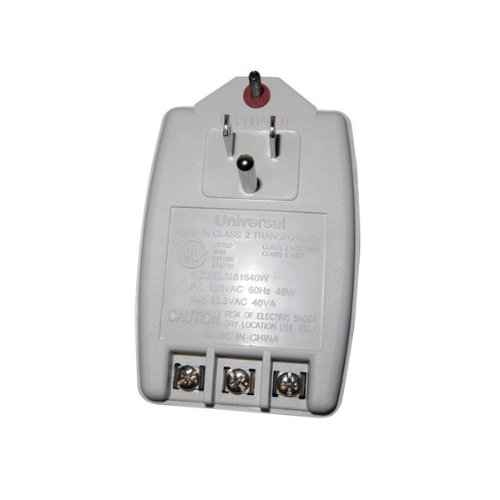
What are they used for? I don't think I've ever seen one with a ground prong.
I have seen them on alarm systems, video game consoles, and a laptop charger.
4 pages & nothing settled, now anyone viewing this thread can see what a utter waste of time discussion of receptacle orientation is.

Still boils down to personal preference, or job specs, not any code.

OH NO!!!
I did it WRONG!
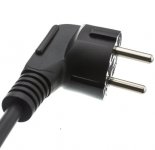
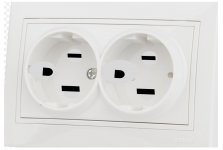
And NEMA'tized versions of Schuko would make it all a non-issue and eliminate the present shock risks we all live with day-day.
It's just a protected pin and sleeve concept.
So you want to have 250V rated devices with a 120V supply? No thanks.
Vertical of course,same with panel cover screws!Wall plate screws. Vertical or horizontal??
Discuss.....

Nope. You missed the point entirely.
Im talking about the concept of recessing the receptacle socket so the plug blades are covered before being energized.
Would be very easy for many sizes.
You can buy them already, used one behind my wall mounted TV, the Brit 13A plugs have insulating material for a short distance after the prongs emerge from the plug body, the ground prong (their lingo "earth" pin), also opens the safety shutters on the receptacle it's a more robust version of the required tamper resistant receptacles.
https://www.worldstandards.eu/electricity/plugs-and-sockets/g/
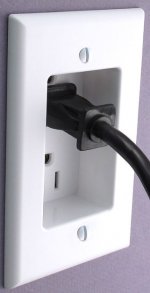 ..................
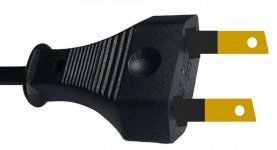

So you want to have 250V rated devices with a 120V supply? No thanks.
My extension cords say the insulation is 600V rated. I don't see the issue.
Then please refrain from doing wiring, electrical manufacturers make devices for every voltage, ampere rating, mixing them creates a dangerous condition, 125V, rated are used for 120 volts, 250V, for 208,240 volts.
What are you talking about?
Sjoo, thhn etc is either going to have a 300 or 600v (I think there's a higher one too) rating. I've never seen a wire rated at just 125v.
You are the one discussing wire, that was never part of the discussion, DEVICES and their rating is the topic.
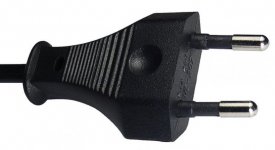
someone was talking about euro-style outlets above. do you consider those devices?