Yeah, I am going to do this with them. Sorry Robert, caught me in a bad moment. Again, no offense intended or received (chalking it up to internet lack of tone). Would you like to see their results?
My plan is as follows:
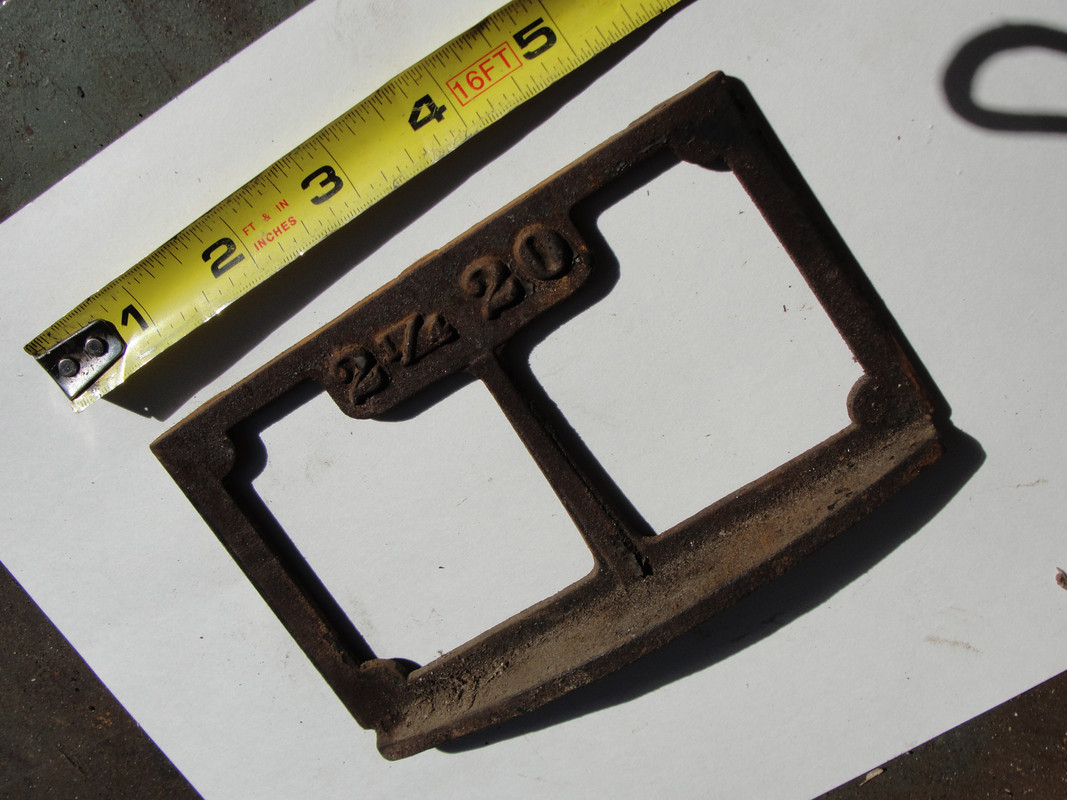
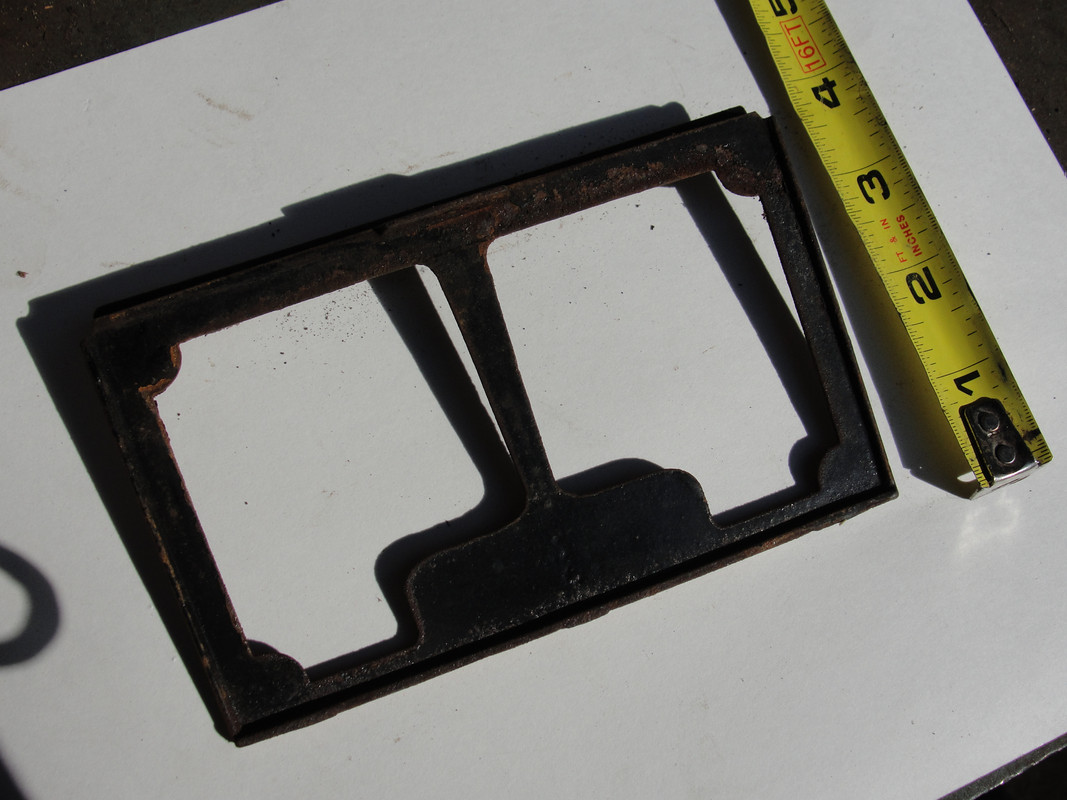
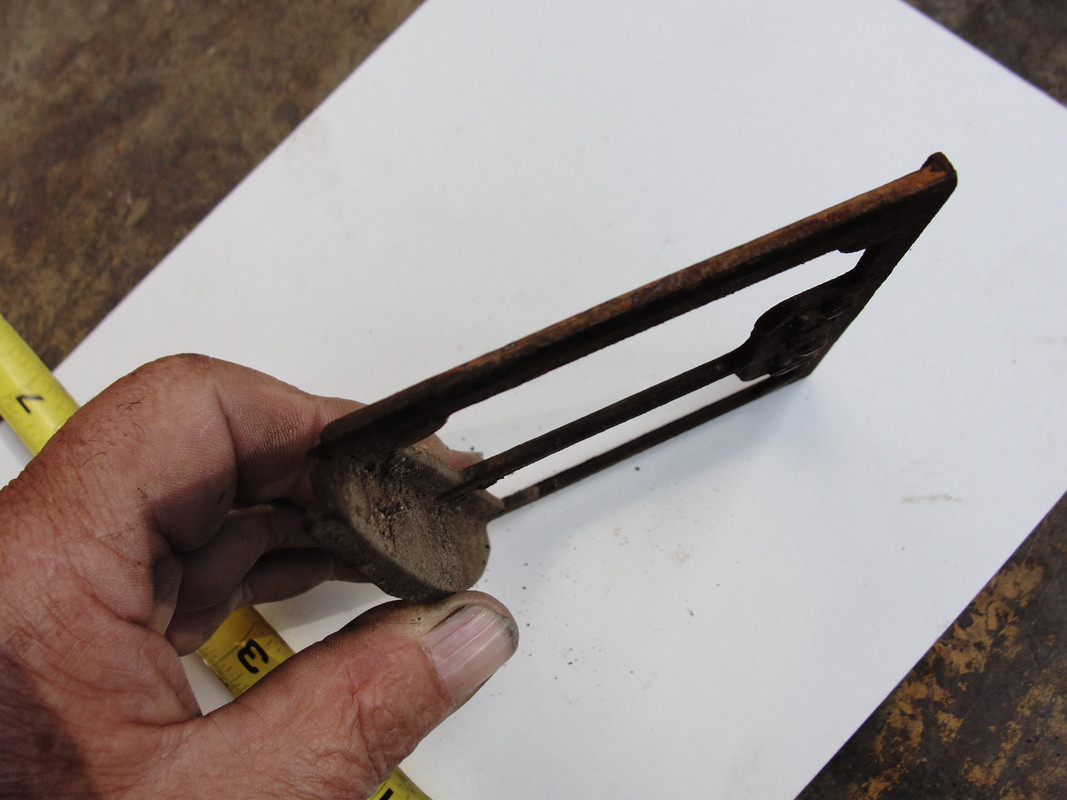
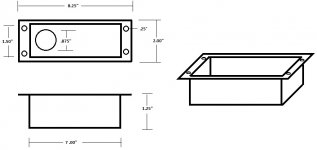
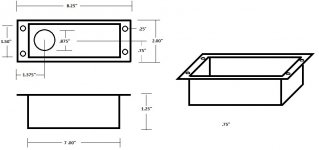
Show them drawing as received
Ask them to identify missing components (list form or measurement markings with ?) or incomplete information (hole in bottom measured off the outside or inside to center of circle)
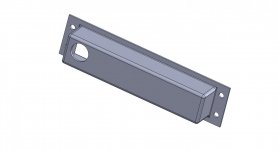
Make list of optional improvements (bevel/chamfer, rounded/fillet, etc), I noticed some were already implemented in proposed rendering
Redo drawing to drafting specifications (measurements centered on holes, grouped, etc)
Start showing them 3D CAD software with this as the model
I am teaching 7/8th graders and we just started a week or two ago, diving into basic orthographic drawings and about to transition to basic 3D.
Robert, btw, the models 3D printers use are a watertight shell. So if I were to design something with essentially thickness, it would not even be able to be rendered as an .Stl. The average (plastic) 3d printer has a nozzle width of about .4mm and a layer height down to .05mm. I would never recommend going that thin for anything durable, but those are the tolerance limits for most "home-shop" 3d printers.
You may also want to think about the amount of stress (or lack thereof) this part may be under. ABS and PLA (the two most common 3d plastics) behave very differently.
Sent from my Phone 2 using
The Garage Journal mobile app