
Serial #3 is still available!
Chad, that's a hell of an endorsement coming from a Snap-On man, thank you. I know you know your tools, after all it is your business!
I had to pull out Adobe Illustrator and re-familiarize myself with it. It's been a while!
MD11,
In 1929, a horrible year to start a business, two men set out to build an electric hedge trimmer. Apparently, it worked. Yet, because of the climate of the time, the business failed. Not to be deterred the two men cut their losses, re-invented themselves and set out to build a vertical milling attachment for the horizontal mills common at that time.
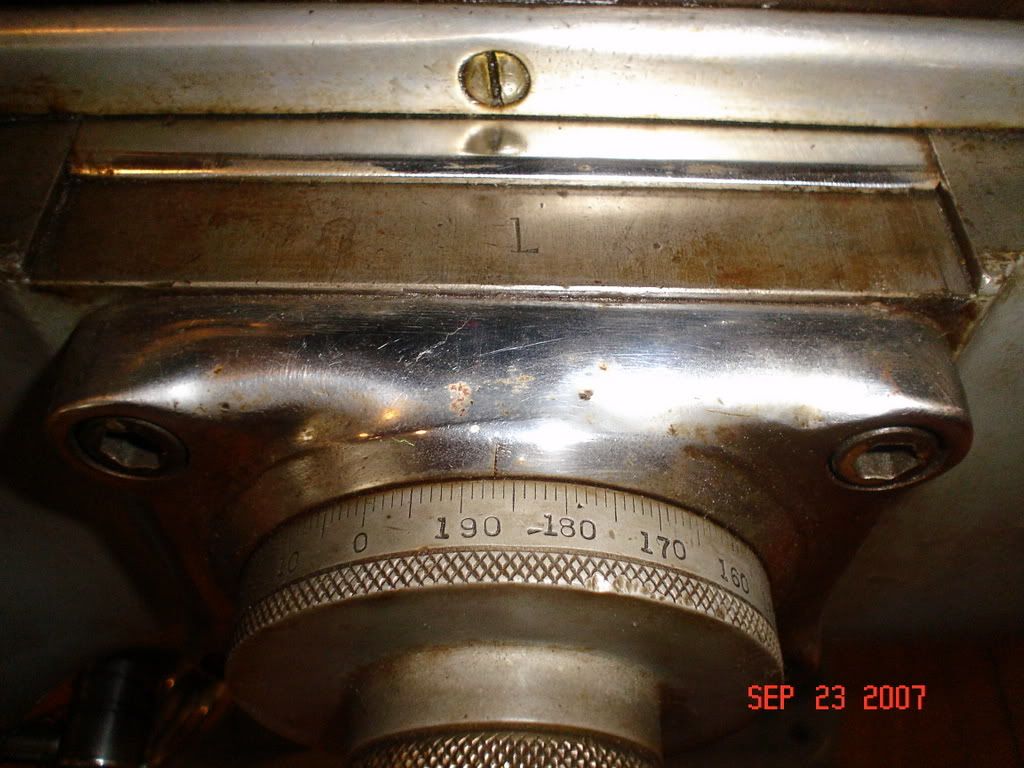
The two men delivered their first vertical milling attachment in 1932. By 1938 there was such a high demand for their milling attachment they decided to build an entire machine around it. It was built by hand in their shop and painstakingly aligned to master references by hand scraping. They called their machine "The Bridgeport". Little did they know their little machine would change the course of machining history and it's name, the city in which it was built, would become synonymous with machine tool.
Today, most tools are serialized by automatic methods. These machines are designed to mark millions of parts with a unique serial number (or not). As a consequence, they have lots of extra, unnecessary zeros. Laser etching and pin marking machines have default settings placing lots of zeros in front of the number. Maybe tool companies think it makes them look bigger. Maybe they're too lazy to change the default settings.
Regardless, the first marked hammer will be numbered the same way the first Bridgeport was marked in 1938, with a number stamp, a steady hand and a good hammer: 1


That's a cool story A_P.. I like the way you think.. translates into your product as well.


