OP
lilscorpion
Well-known member
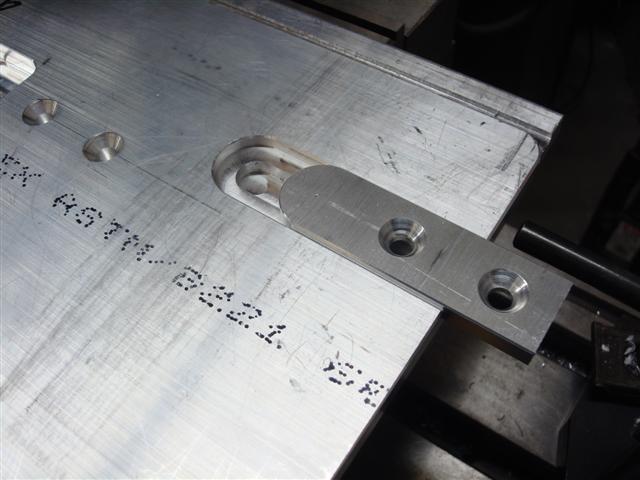
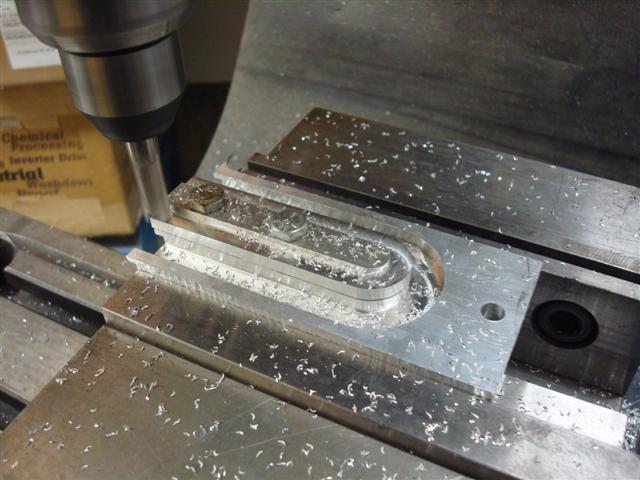
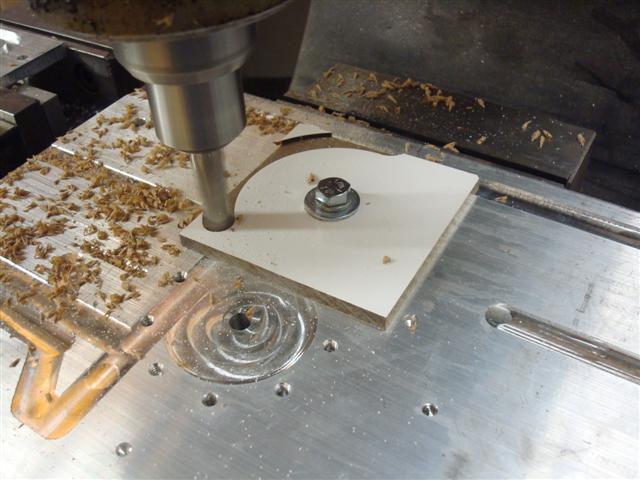
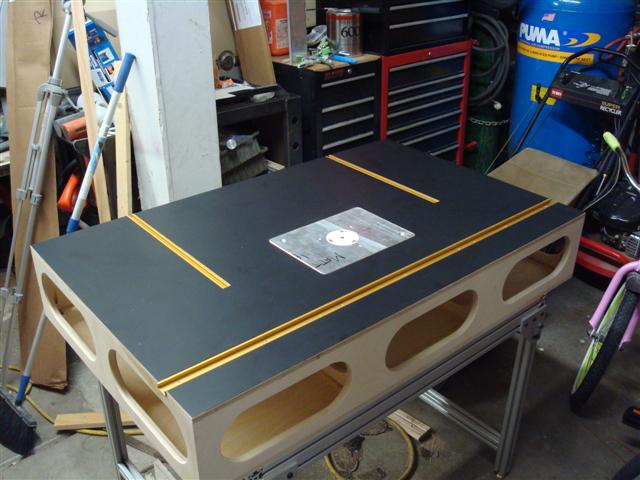
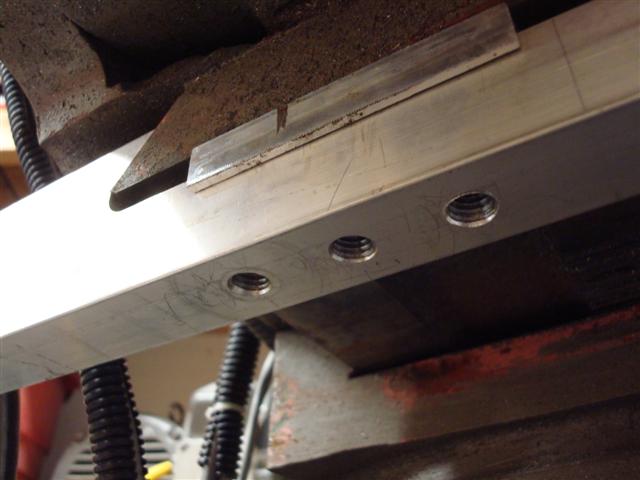
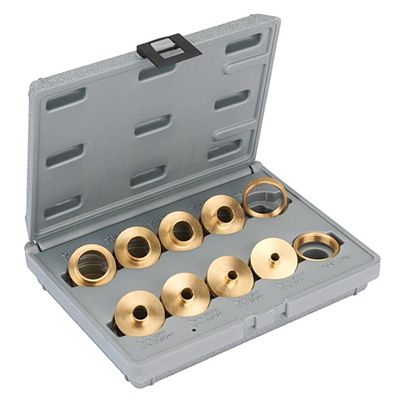
Moving along on the router table I need to cut some 1/2-inch wide slots for the aluminum extrusion that the fence will attach to. Since I had as many problems as I did attempting to use a guide bit to trace a template I decided to order a set of guide bushings and see if they're a little easier to use. After a few tests, I found that the primary difference between using a bushing and a template router bit was that the template only needed to be as thick as the guide bushing height which, for the most part, was my entire problem.
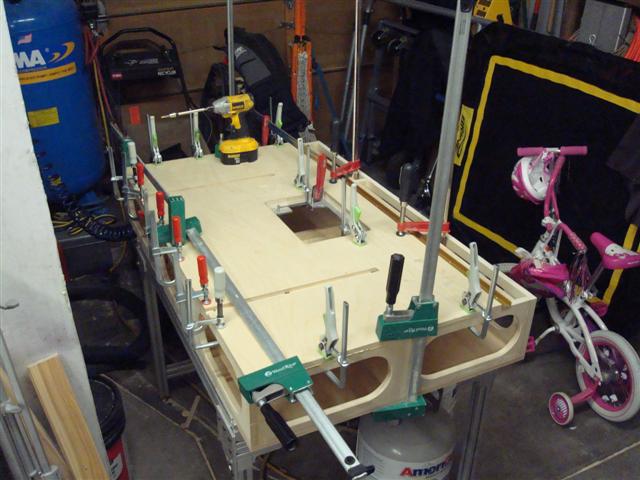
Now I need to cut some 1/2-inch wide slots for the aluminum extrusion that the fence will attach to using the guide bushings. One of the tricks I picked up while following Ron Paulk's video series on uTube was how he made fixtures to cut slots and I wanted to try to make one like his and try it out. Basically he uses four boards that have pocket holes drilled on one end. One fixture could make many different width slots.
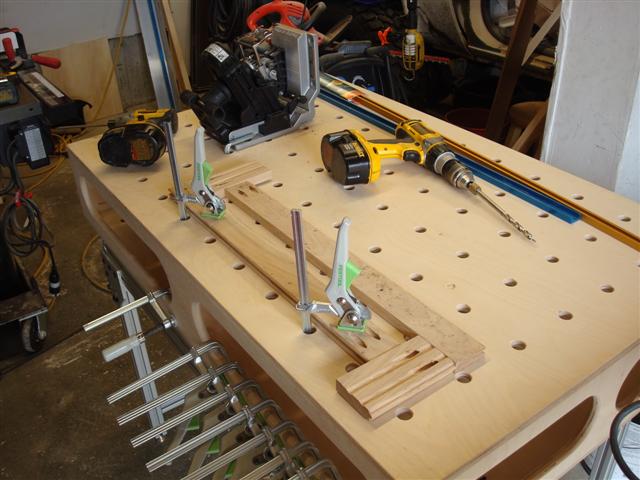
Though it seems simple (and maybe it should be), the wood I tried to use (left over hardwood) didn't screw together nicely using pocket screws and the pieces of wood ended up a little out of alignment which would result in a bad routing experience. Maybe what I should do is make one out of aluminum. I'll save that idea for a later time but to get it done I decided to fall back on the "how would I do it" approach.
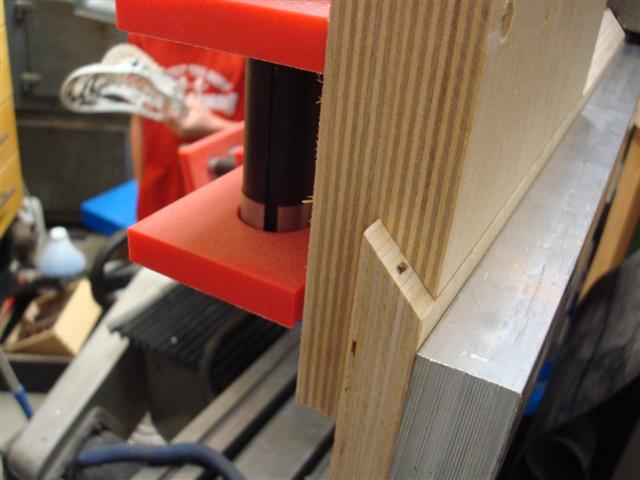
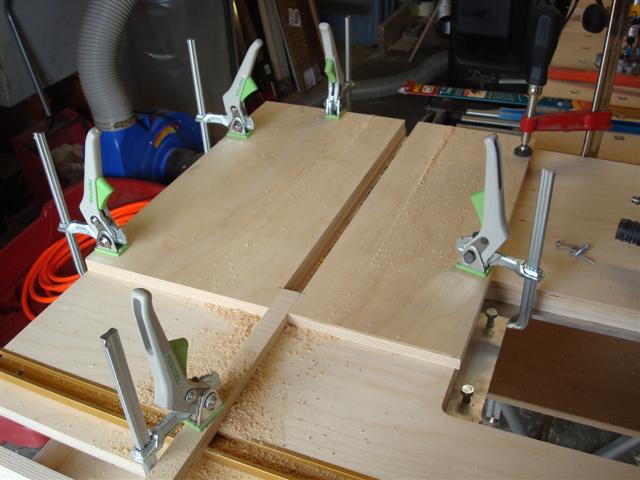
I cut two boards that were a couple inches longer than the slot and one of the boards to the desired inset width. I then trimmed a piece of wood that would result in the correct slot width based on the router guide (I was using a 5/8-inch wide one with a 1/2-inch bit) and then clamped the boards around it.
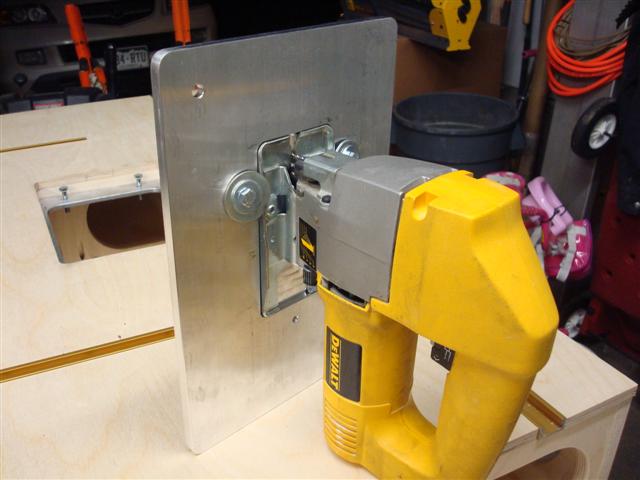
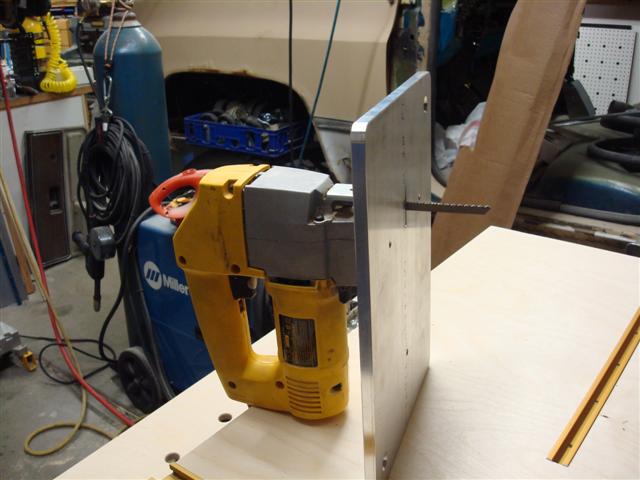
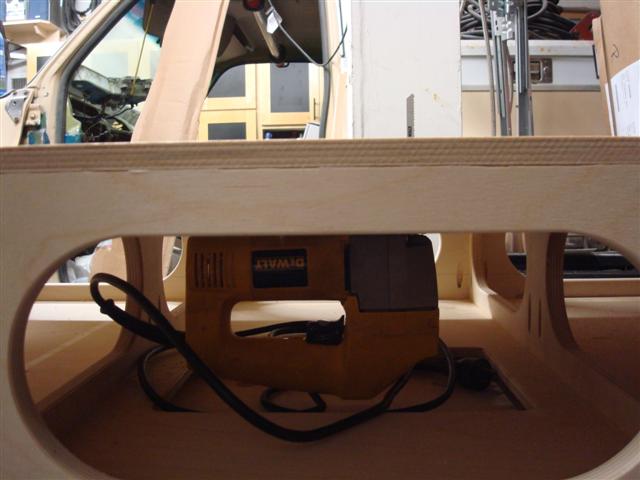
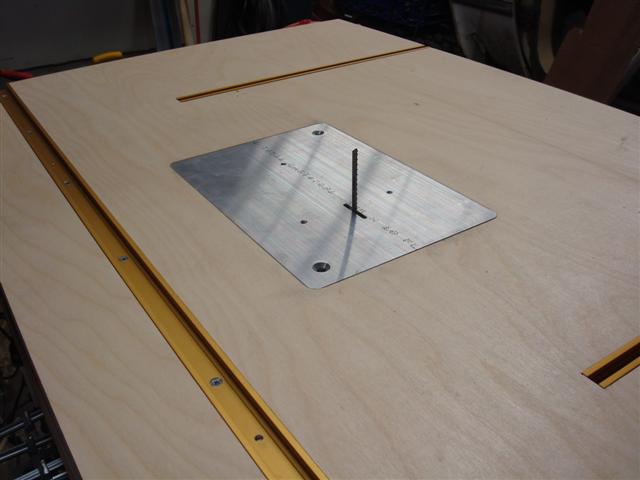
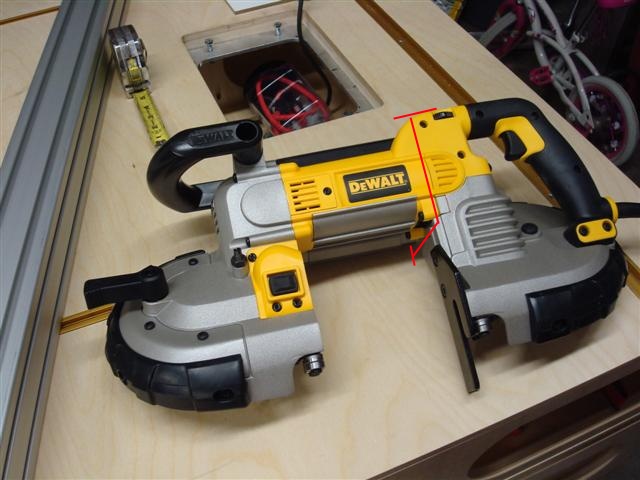
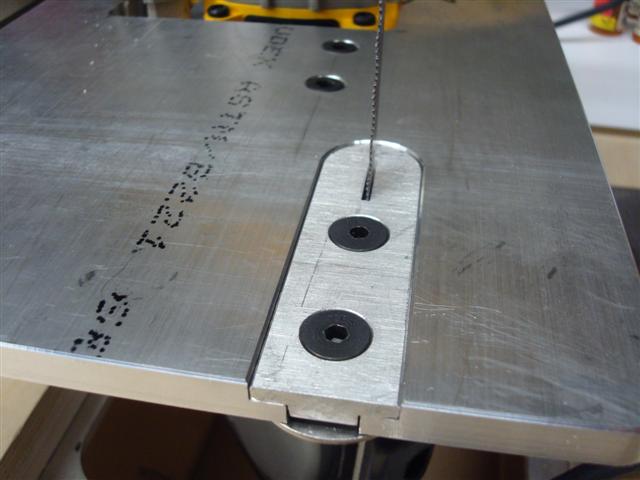
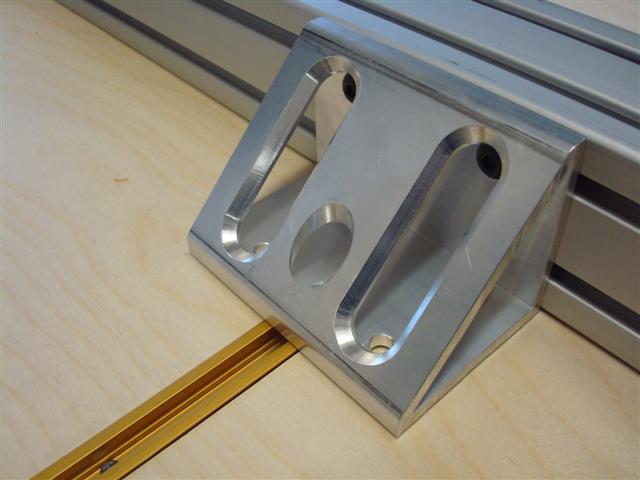
I used the jigsaw to square the corners and test fit the extrusion into the slots.
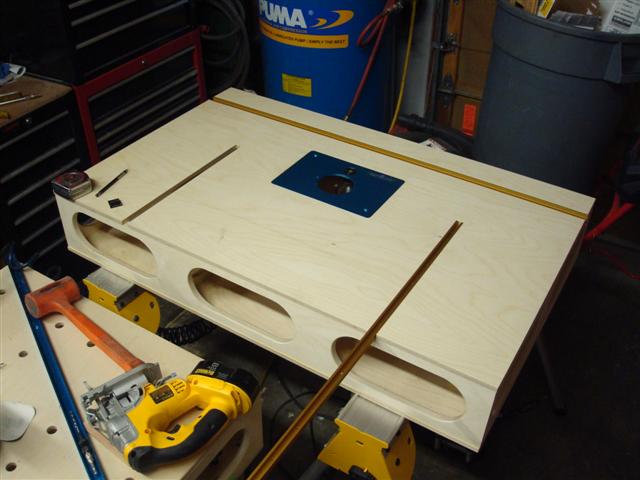
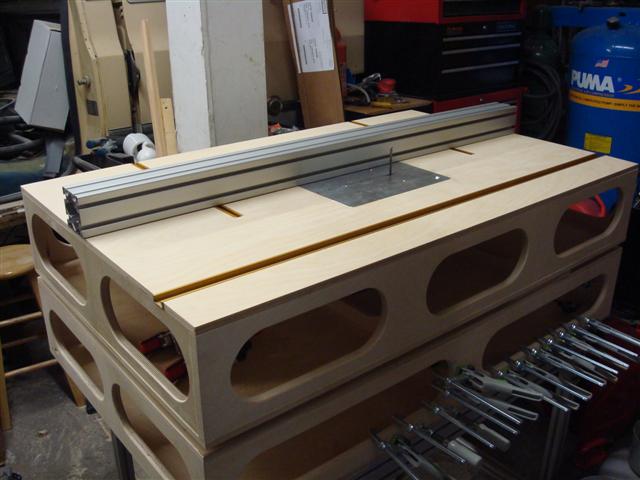
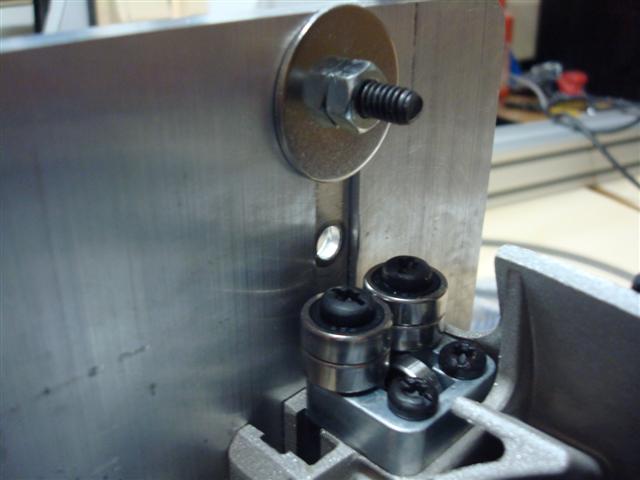
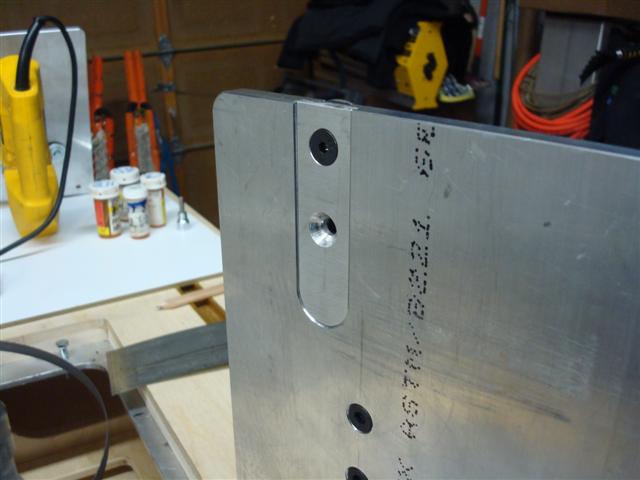
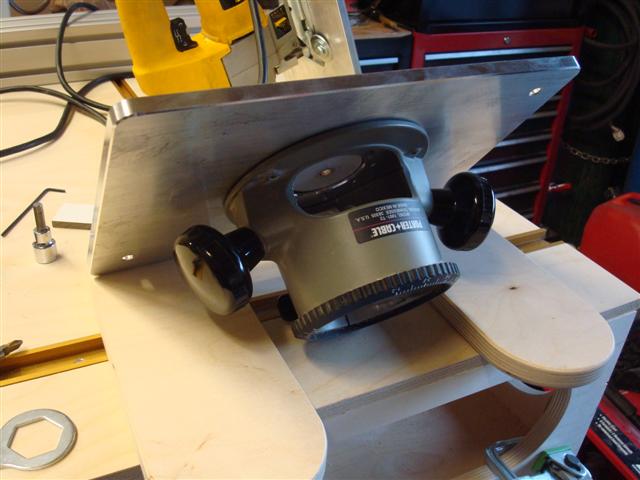
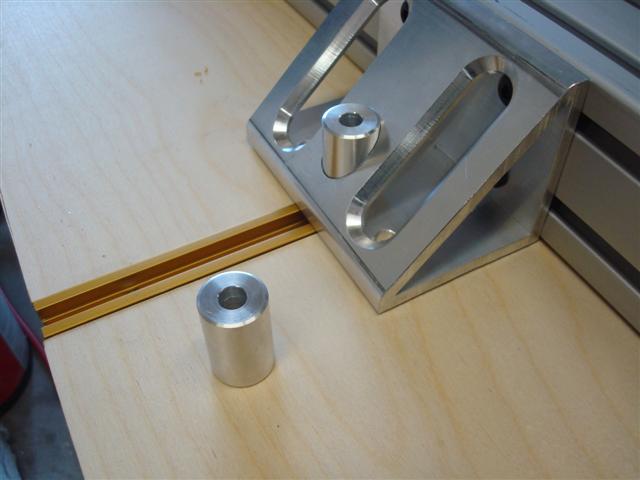
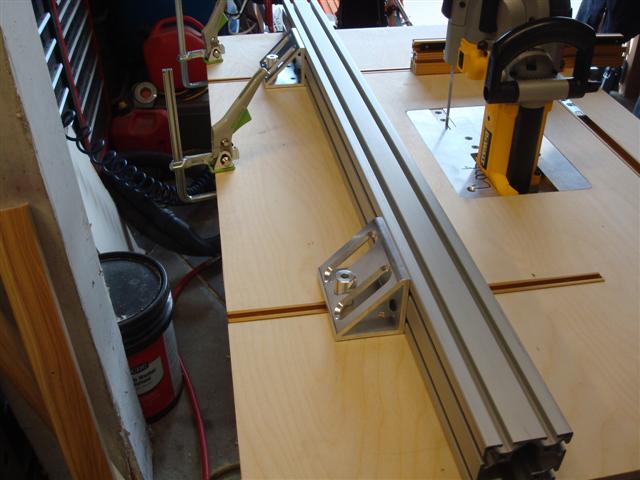
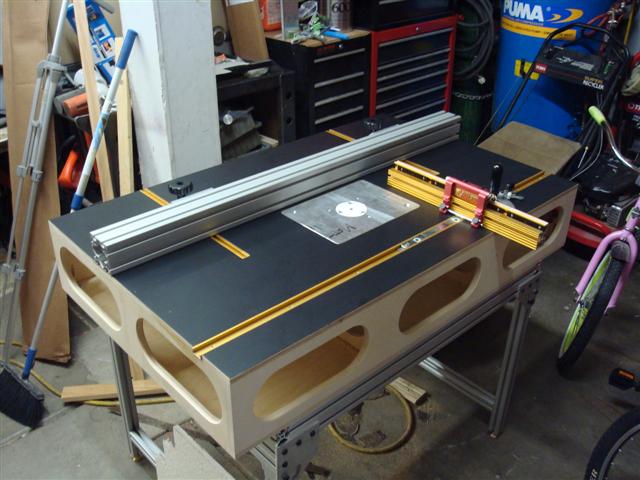
This perspective shows how much adjustment I'll have in the fence which should open up the options during fabrication.
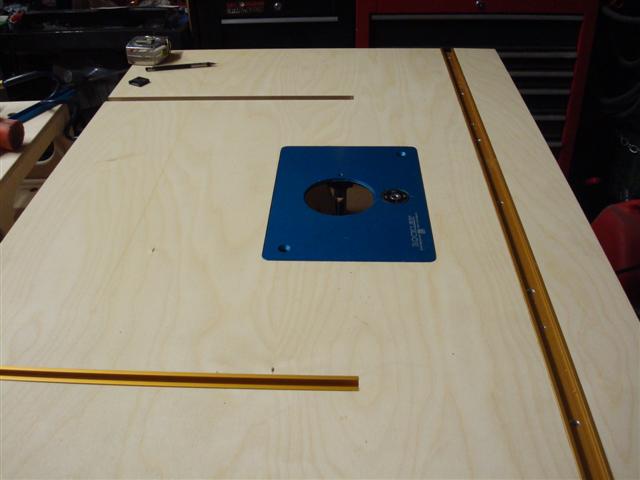
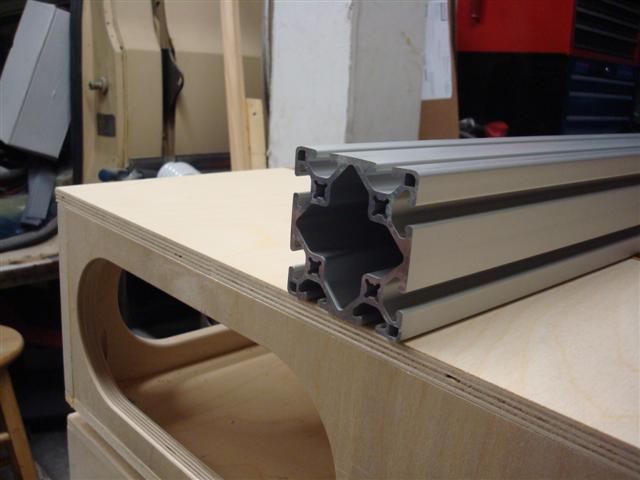
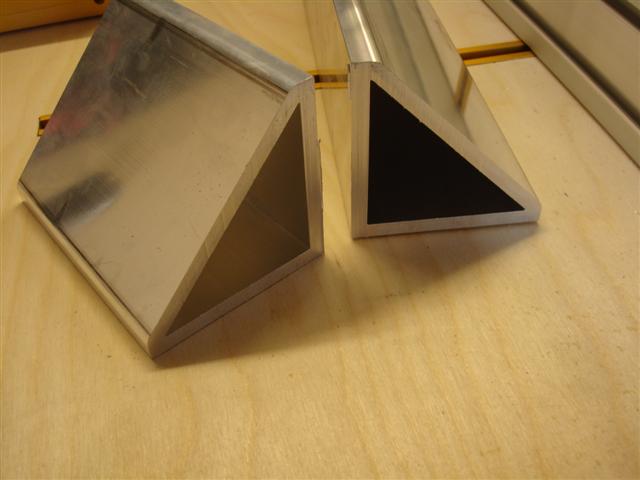
My plan is to use a 3 x 3-inch 80/20 extrusion for the fence. I really want a 3 x 6 but I've been unable to find an over-stock one on ebay. Either way, the fence will be 3-inches thick which will give me the ability to run a cutter width of up to 9-inches. Probably a bit over-kill since my biggest is maybe 3-inches. Not sure I'd want to cut with one much bigger or that I'd find a reason to.
Now I need to cut some 1/2-inch wide slots for the aluminum extrusion that the fence will attach to using the guide bushings. One of the tricks I picked up while following Ron Paulk's video series on uTube was how he made fixtures to cut slots and I wanted to try to make one like his and try it out. Basically he uses four boards that have pocket holes drilled on one end. One fixture could make many different width slots.
Though it seems simple (and maybe it should be), the wood I tried to use (left over hardwood) didn't screw together nicely using pocket screws and the pieces of wood ended up a little out of alignment which would result in a bad routing experience. Maybe what I should do is make one out of aluminum. I'll save that idea for a later time but to get it done I decided to fall back on the "how would I do it" approach.
I cut two boards that were a couple inches longer than the slot and one of the boards to the desired inset width. I then trimmed a piece of wood that would result in the correct slot width based on the router guide (I was using a 5/8-inch wide one with a 1/2-inch bit) and then clamped the boards around it.
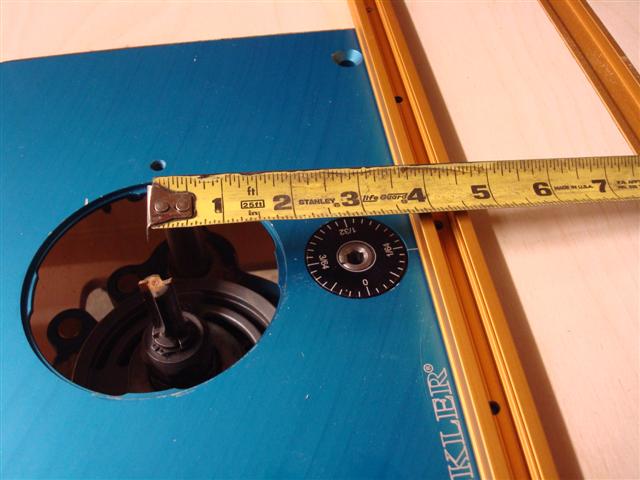
I used the jigsaw to square the corners and test fit the extrusion into the slots.
This perspective shows how much adjustment I'll have in the fence which should open up the options during fabrication.
My plan is to use a 3 x 3-inch 80/20 extrusion for the fence. I really want a 3 x 6 but I've been unable to find an over-stock one on ebay. Either way, the fence will be 3-inches thick which will give me the ability to run a cutter width of up to 9-inches. Probably a bit over-kill since my biggest is maybe 3-inches. Not sure I'd want to cut with one much bigger or that I'd find a reason to.