Thanks everybody, Here I'm back with the promised update about the big old
stabble (7.00*26.00 meters) and the terribly expensive works necessary to turn it into a real Citrogarage atelier. The possiblitity to use in complete safety this big room is still far in november 2012, this will be the second winter that vehicles have to accommodate outdoor and a really bad surprise is coming on for Cristhmas.
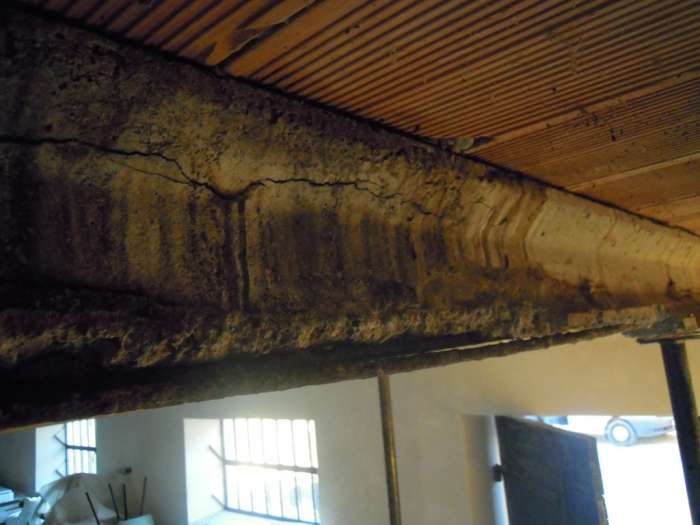
The fall of a large piece of plaster from the ceiling leads to further testing of the slab that is quite curved (we noted the horizontal crack in front), especially in a couple of places including one next to south door where the plaster falled. A survey is imposed:
First, the break will help you understand the nature of the floor is brick and concrete, and especially of the first types to use precast concrete elements and hollow flat blocks, a system popular in Italy since the post-war recostruction (a concrete substitute of wood or iron structures) and called "
Solai Varese" originally built by SIPC haedquartered near Milano:
http://www.sipcsolaivarese.it/AZ_storia.htm.
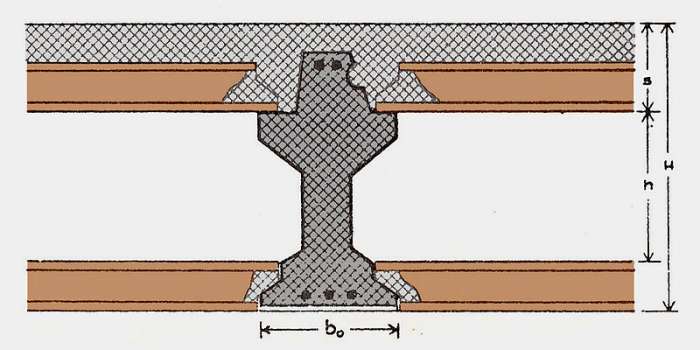
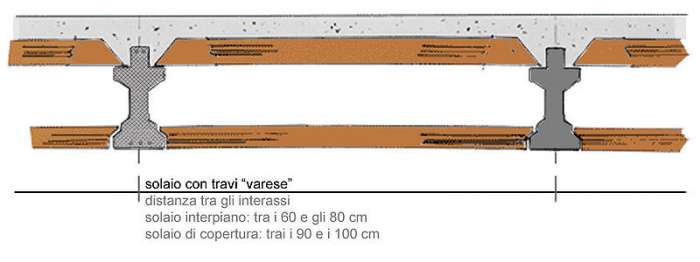
Here we have a section of a "Solaio Varese" type:
Between a joist and the next joist, the highest hollow flat blocks high serve as formwork for the composite casting while the lower one carry only the plaster which allows to obtain a smooth flat ceiling. The system is an evolution of a wooden floor and is certainly pejorative than the arches and vaults of which this old stable (probbly built in tha last decades of XVII century) was originally equipped (in the walls could be distinguished bricks chiselled in the points where the arcs started) but on the other hand, if you want to raise the ceiling, hte arcs demolition prevailed and this kind of floor was chosen. Presumably in 1961, judging from the date of a newspaper clipping used to fill a hole. In this detail is better described the joist with the position of the iron bars:
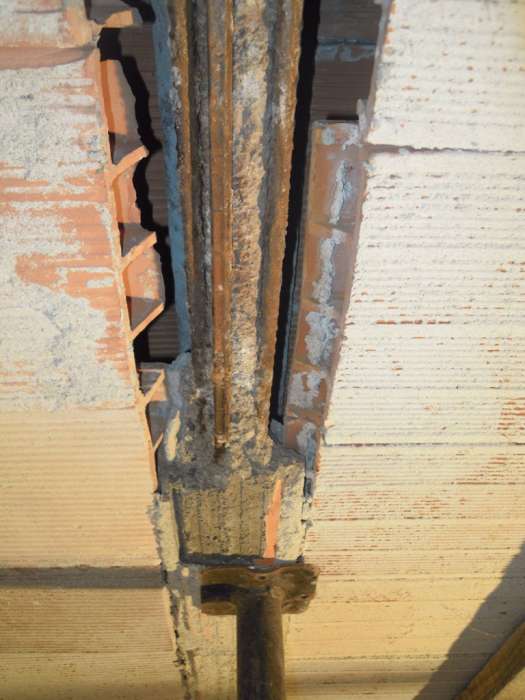
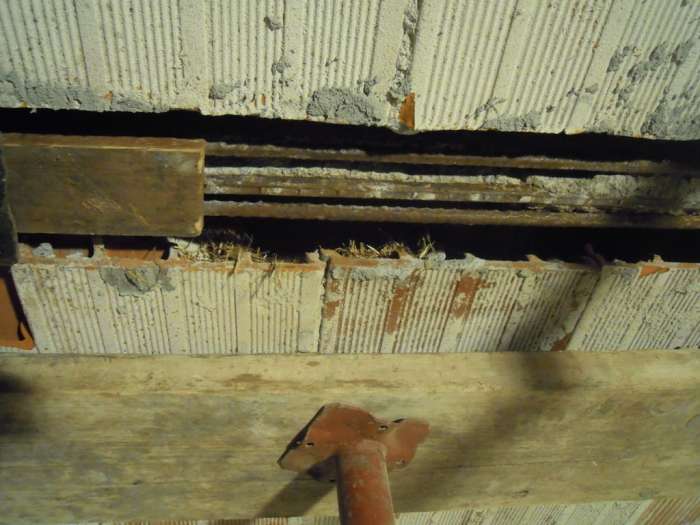
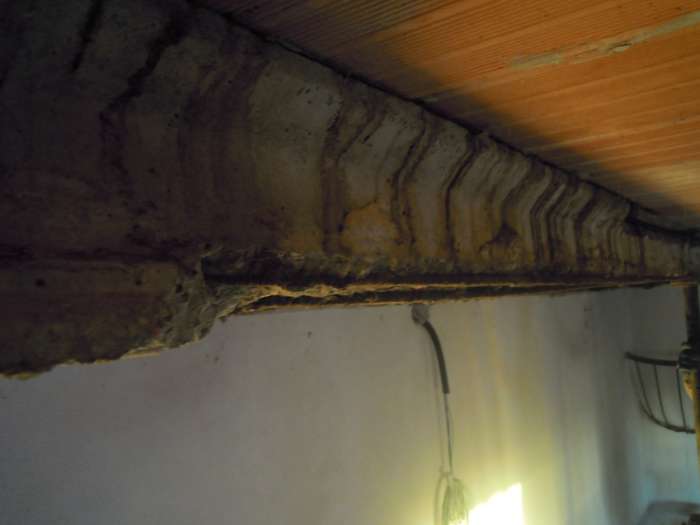
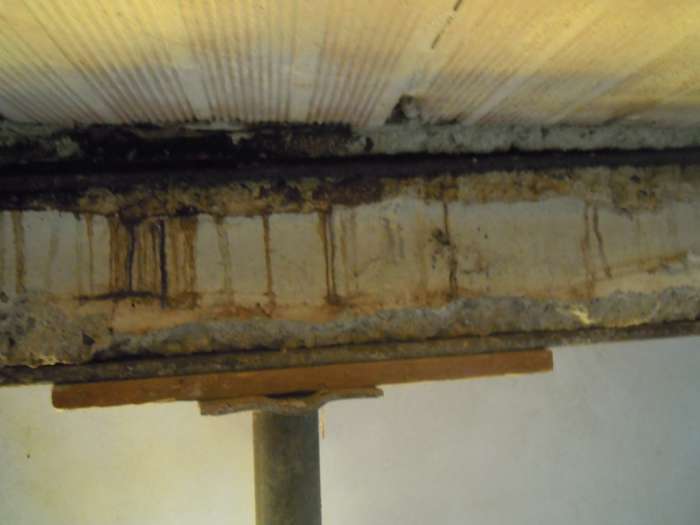
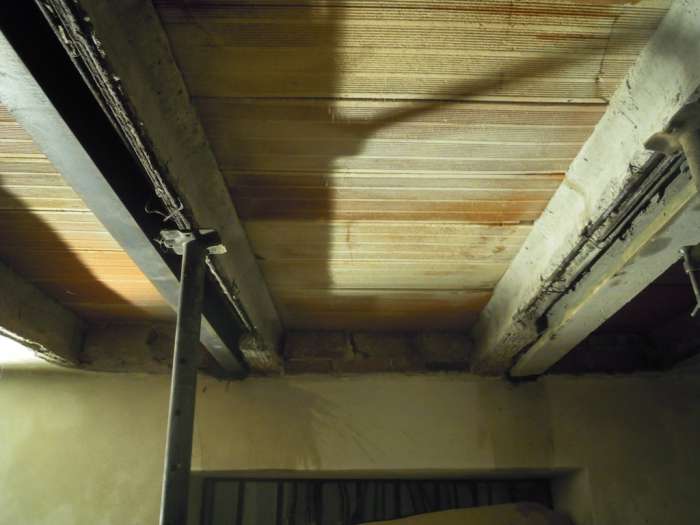
I do not know exactly what went wrong with this floor but in some places the precast joists have not passed the test of time. Maybe joists were undersized since the beginning (compared to the load of the barn in the most intense years of operating the farm) or perhaps the rain infiltration from the roof (or the subsequent frost) in the successive years abandonment or the corrosive moisture condensation exhaled by livestock crammed in the stable.. or allthese elements together.. the fact is that the irons lower -rusting superficially- inflated and broke the concrete joist and -leaning more- crumbled in some points the concrete until the joist find a new balance:
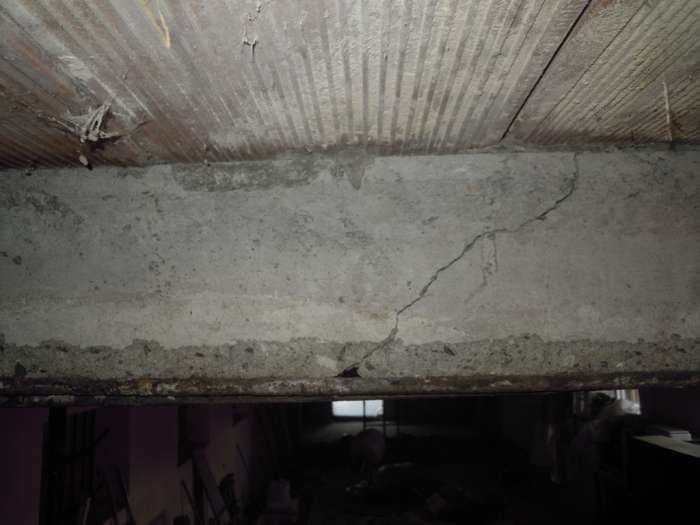
Balance totally unsatisfactory, unfortunately. In a couple of points the soul of the beam has some cracks.
Specific materials called "
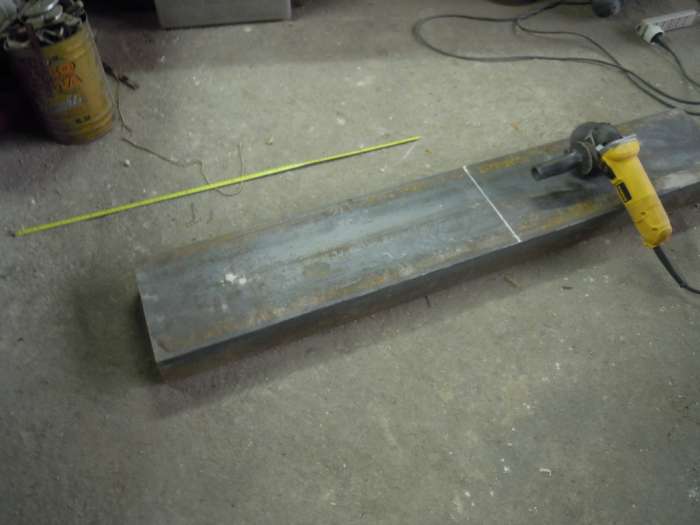
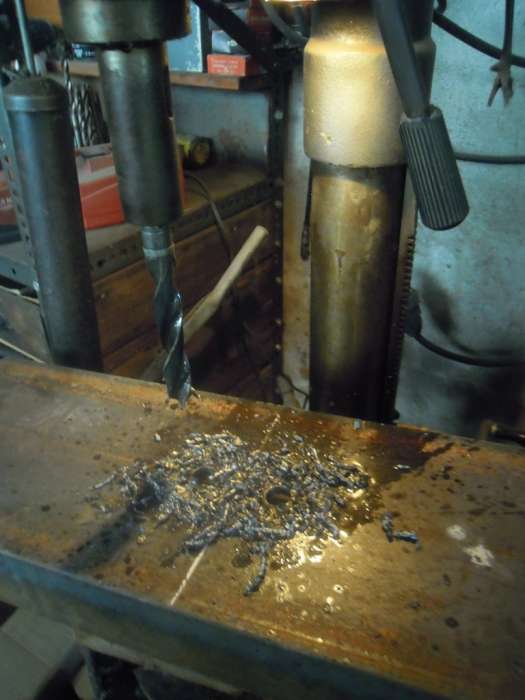
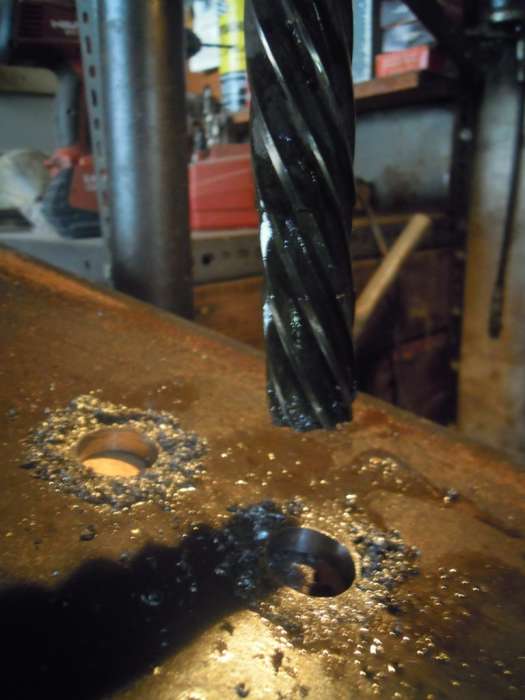
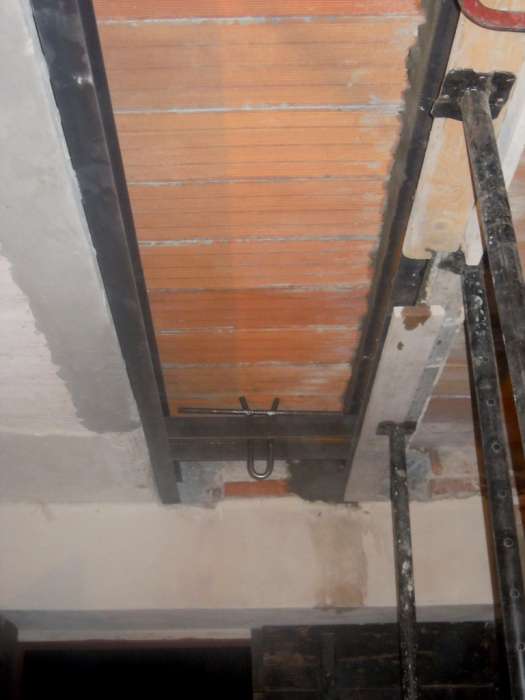
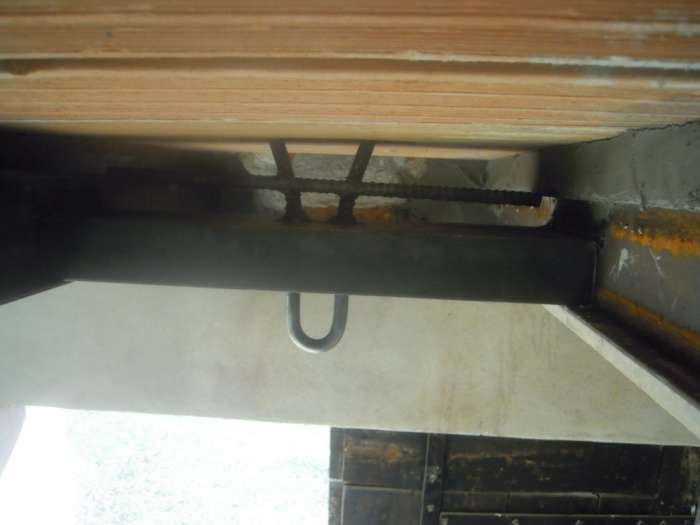
geomalte" are now available to recover the deteriorated concrete (almost all highway viaducts made in the 60 and 70 are the subject of such interventions) they're a mix of cement and synthetic minerals that convert rust, have a little pick-zero and three-dimensional internal armor (a kind of hair-cat) with which you can repair any concrete product. But not in any condition. To Rebuild -with care- the flap of the joist may be sufficient where it is to hold only the hollow flat blocks below, but another issue is to restore the functionality of the joists more deteriorated. In these cases we will choose finally to support each one a beam in appropriately sized iron, cement bagging all the space between the two elements and above the beam. On the opposite side by assisting the flap is reconstructed with the
geomalta.
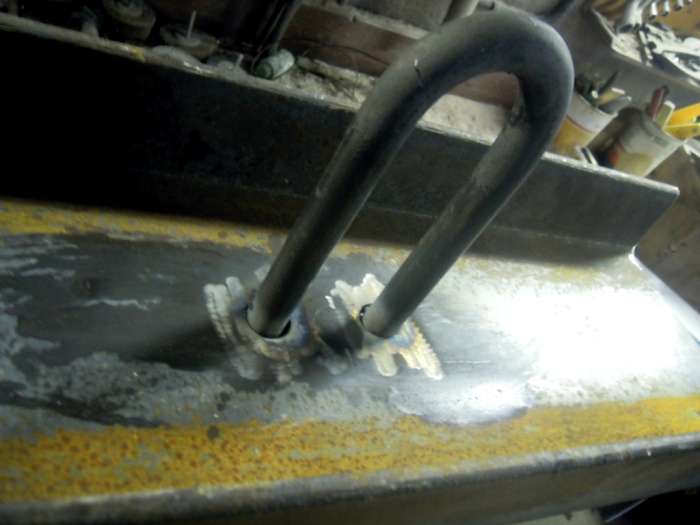
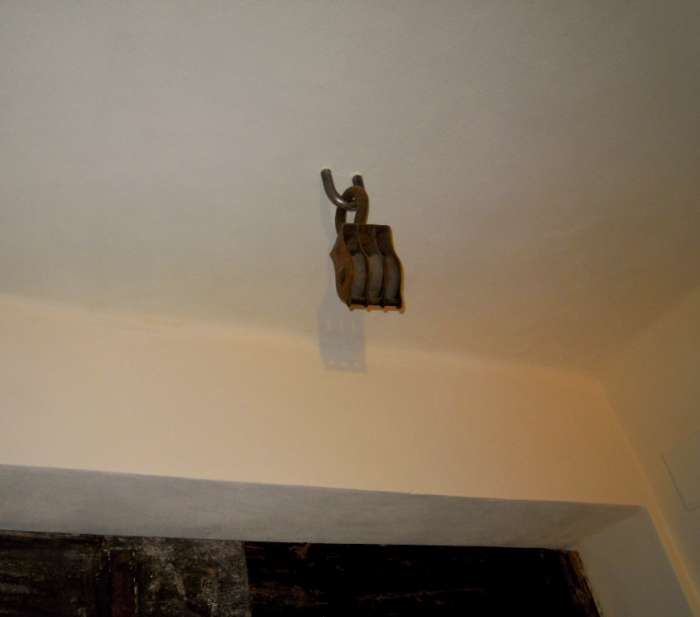
It is worth to take advantage of the opportunity to place a big iron ring, integral with the structure, make it possible to hook a chain for lifting engines, frames or other car elements in perfect security..

 you have been busy

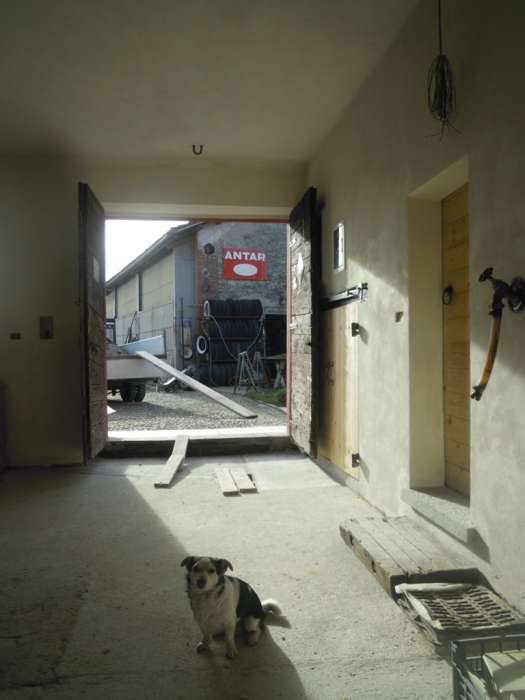
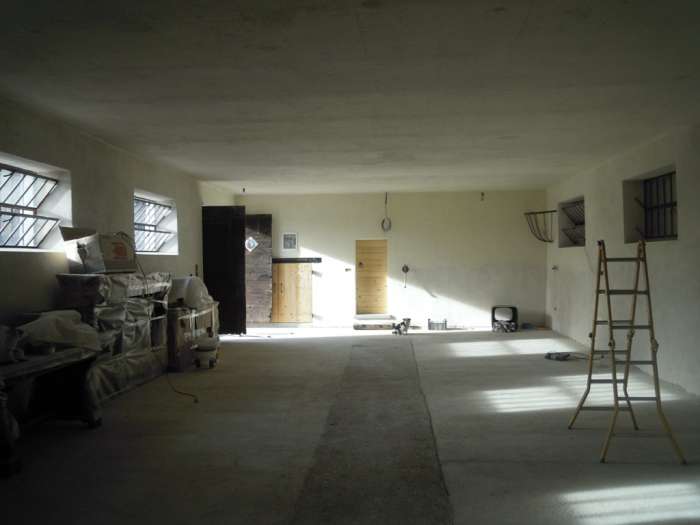
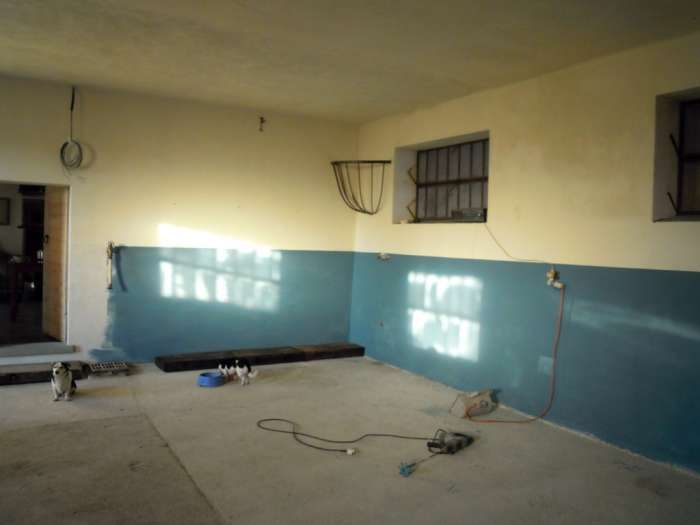
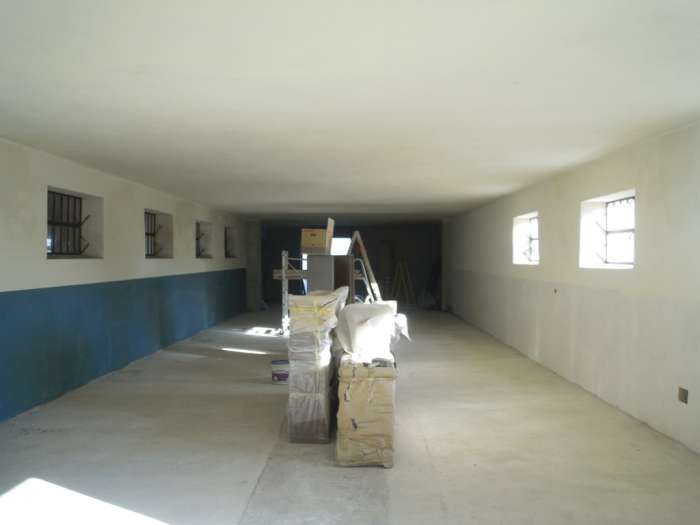

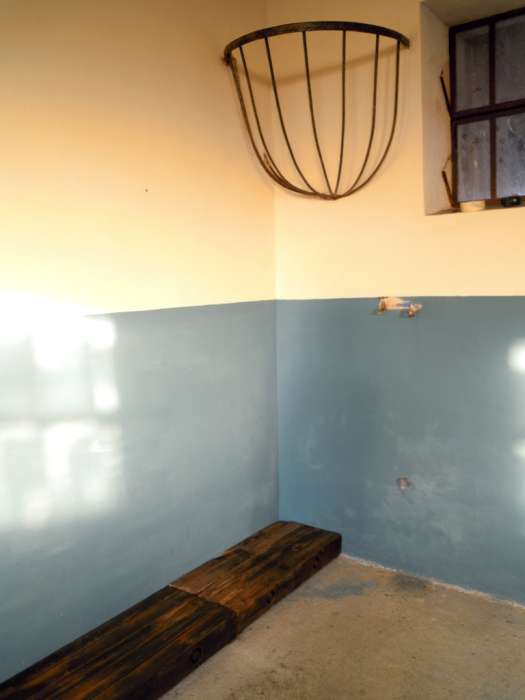
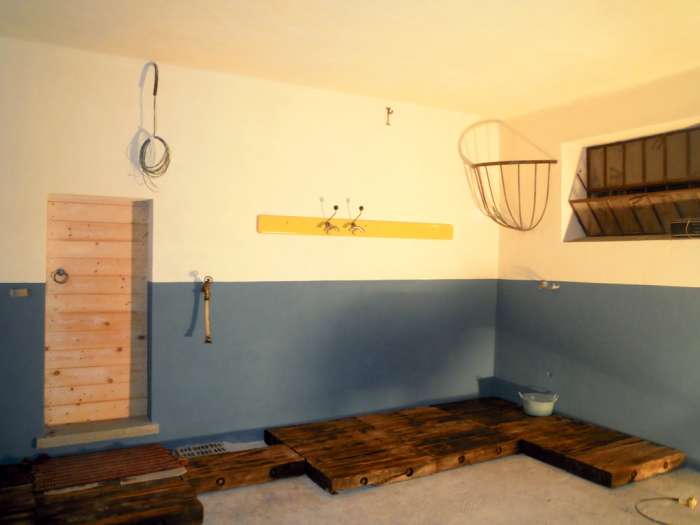
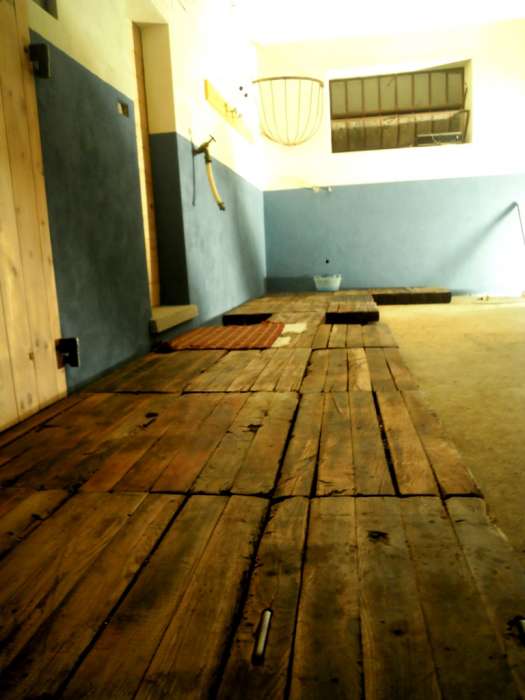


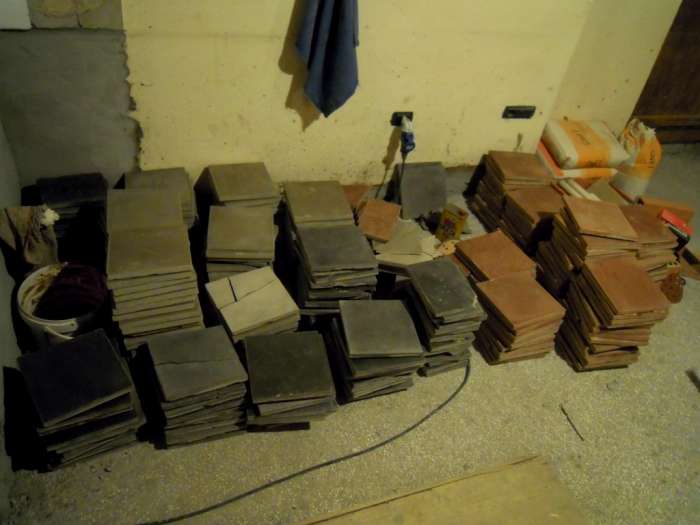
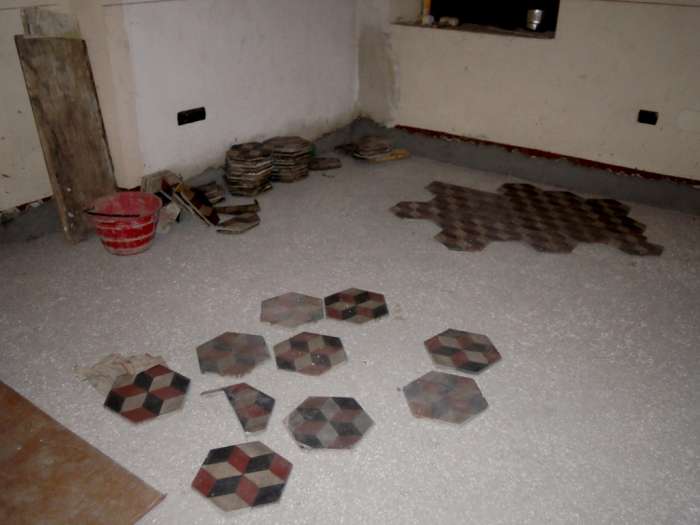
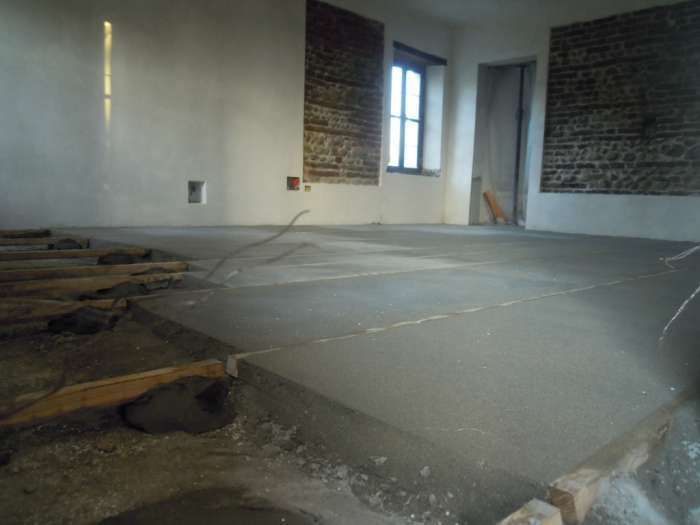
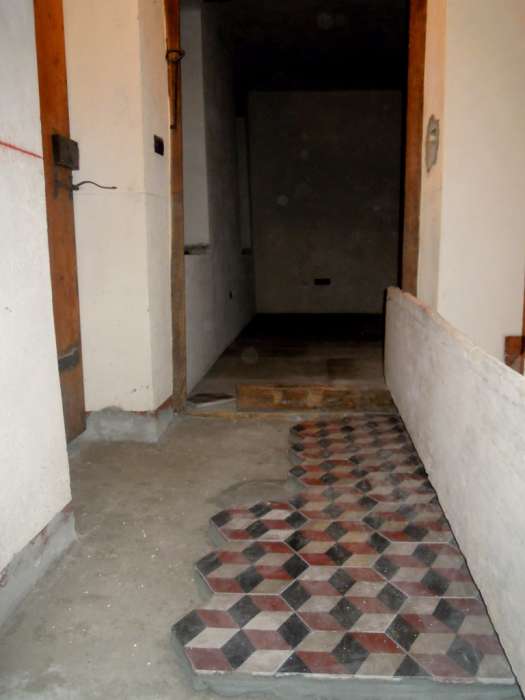
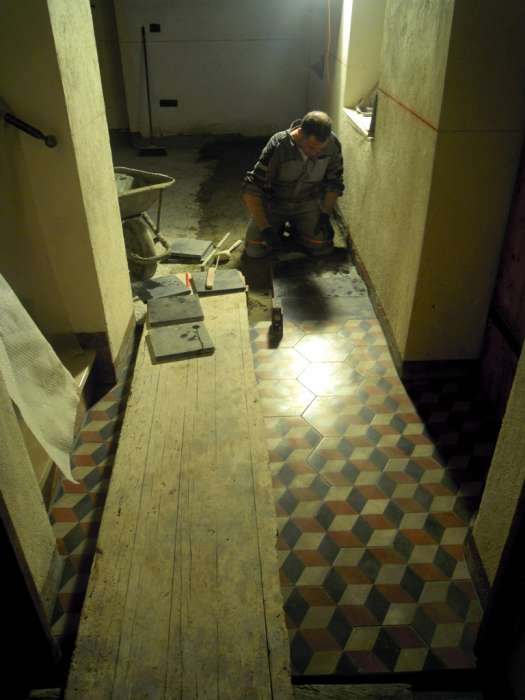
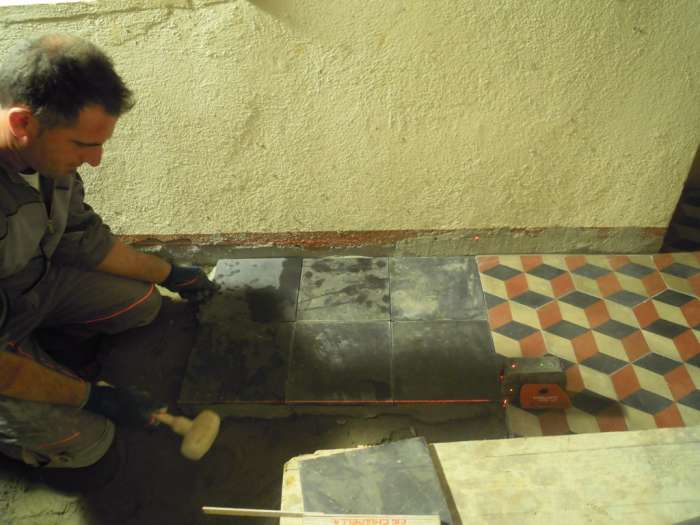
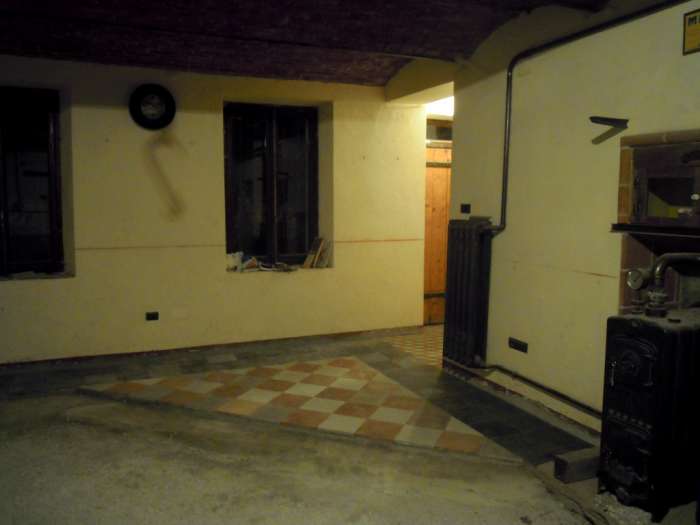
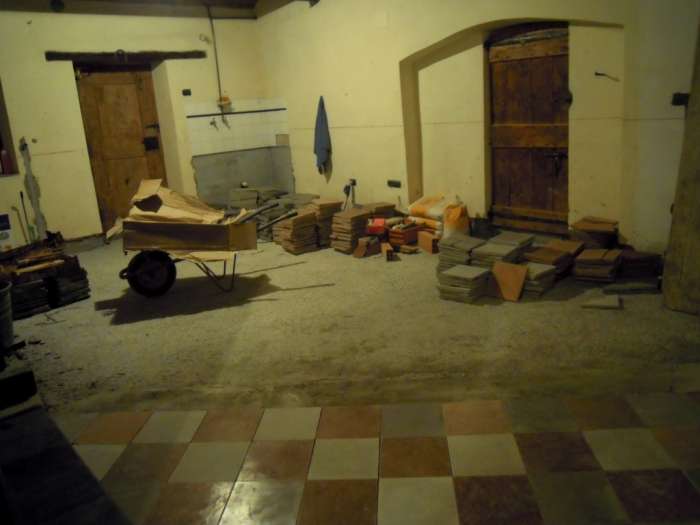
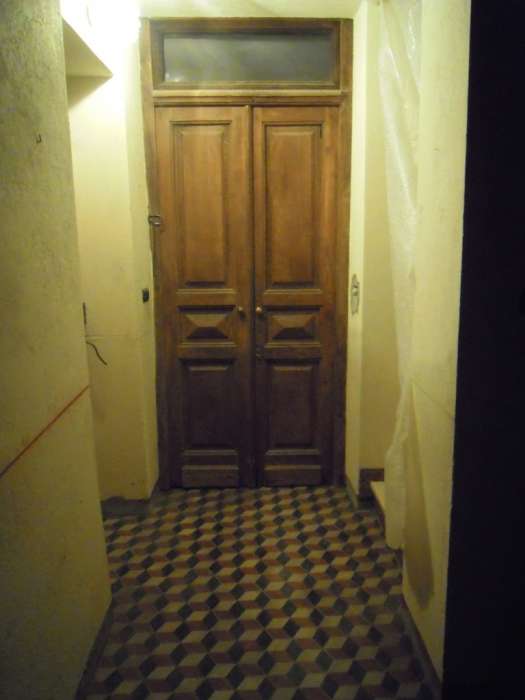
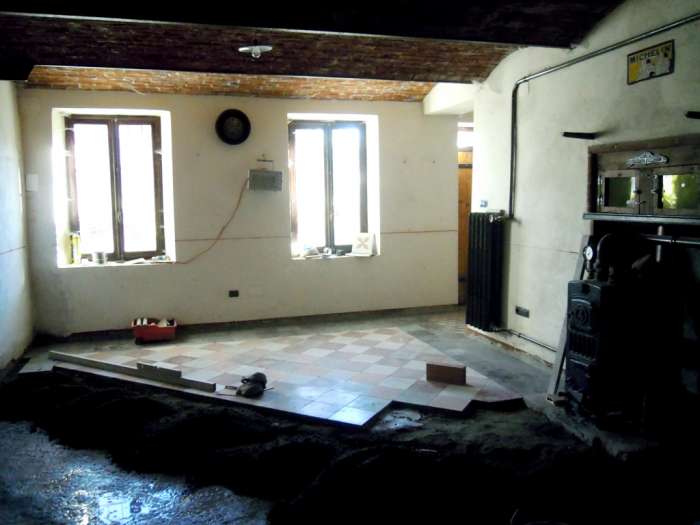
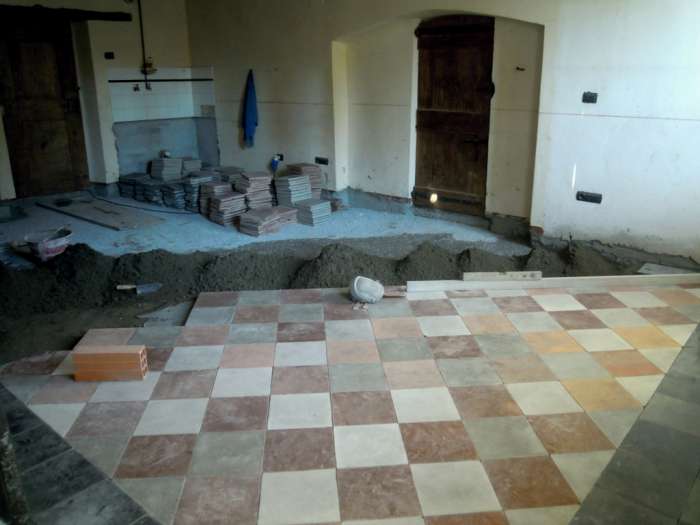
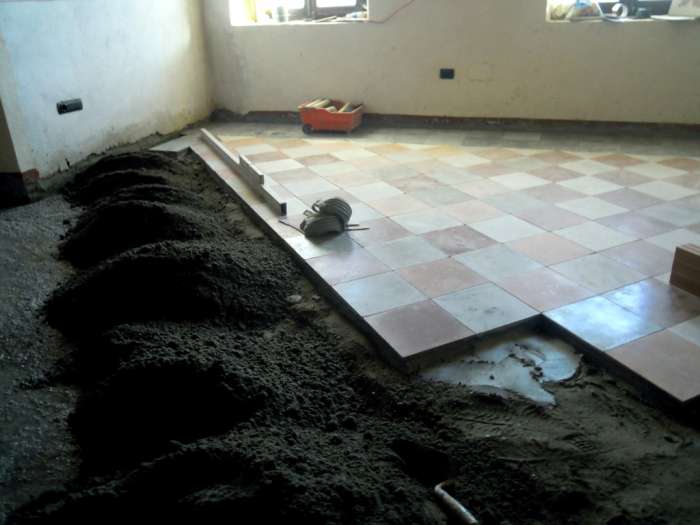
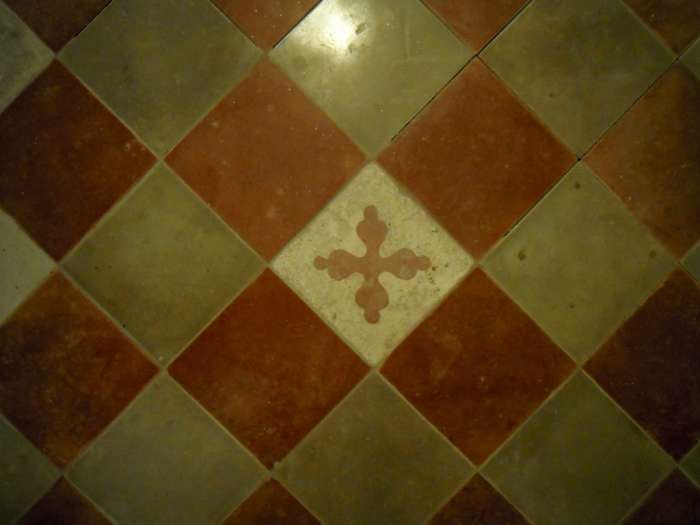
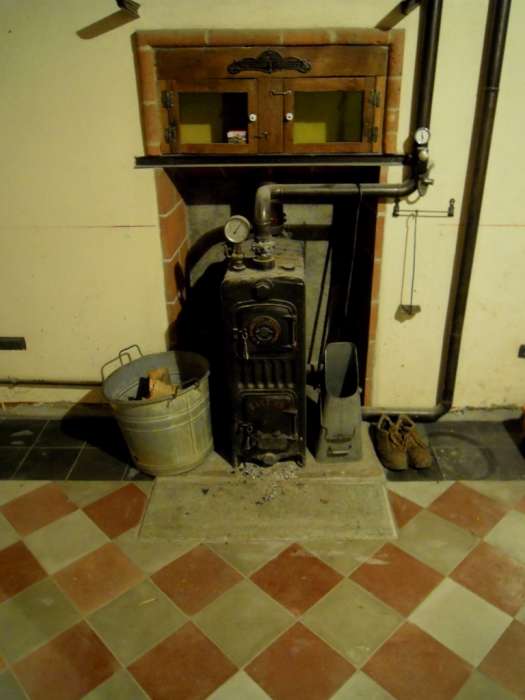

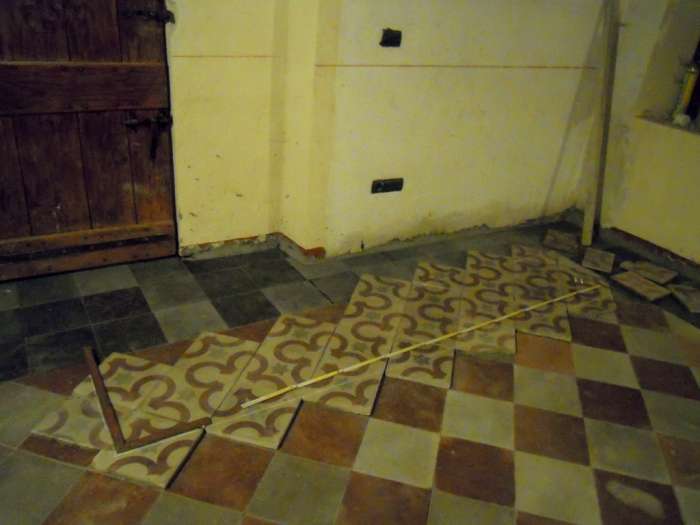
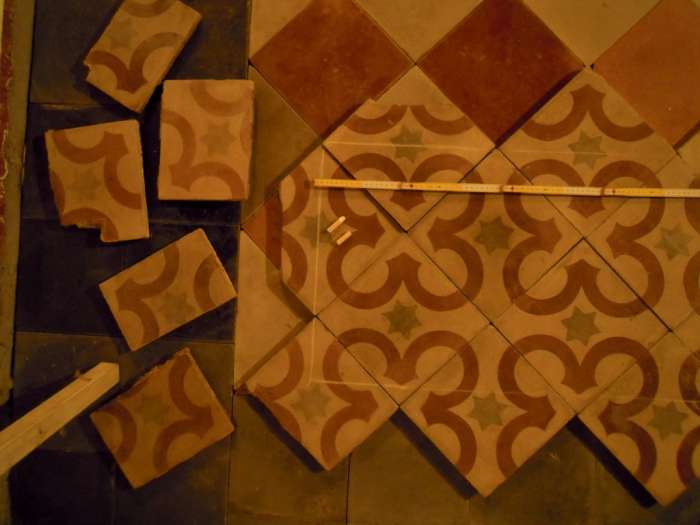
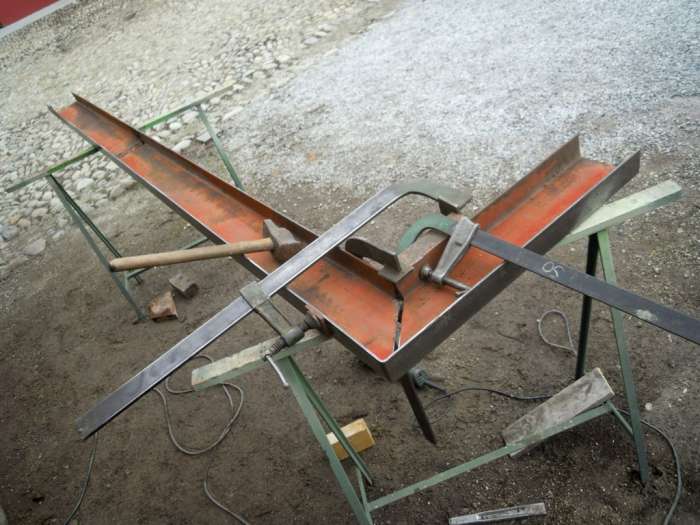
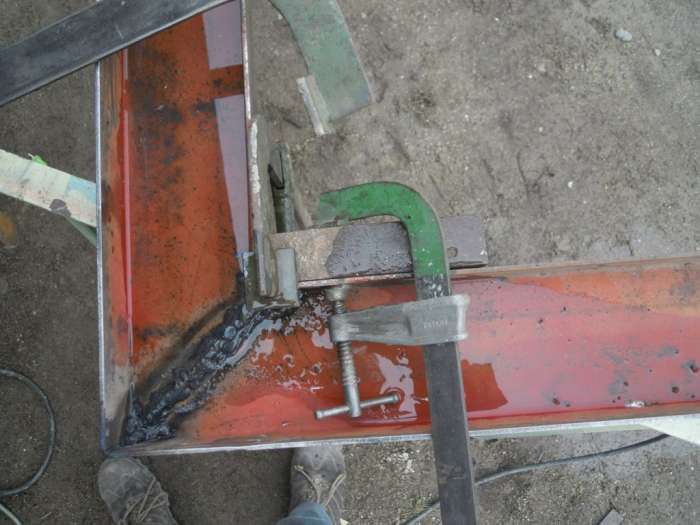
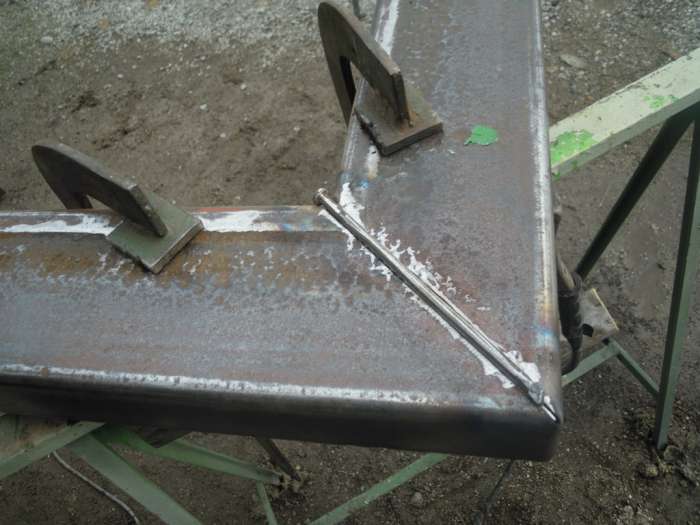
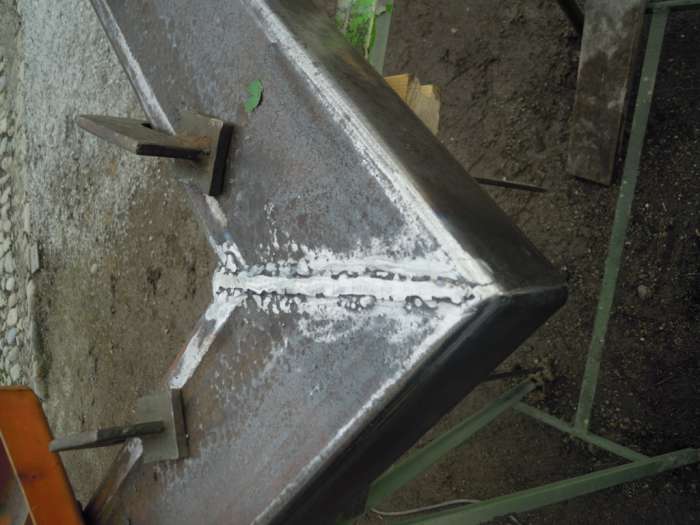
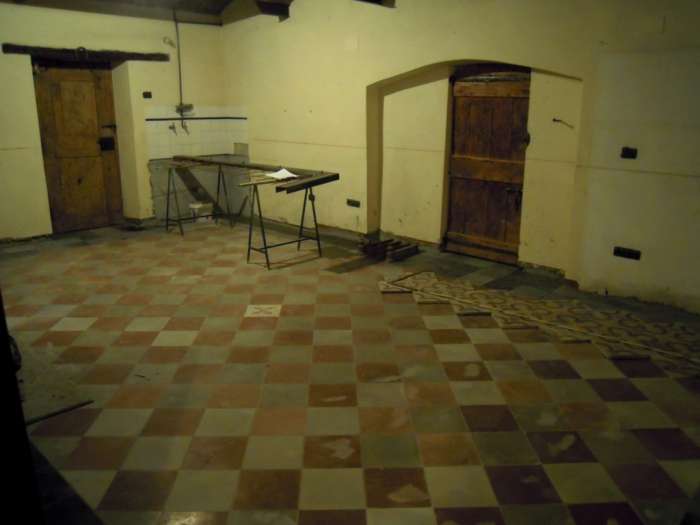
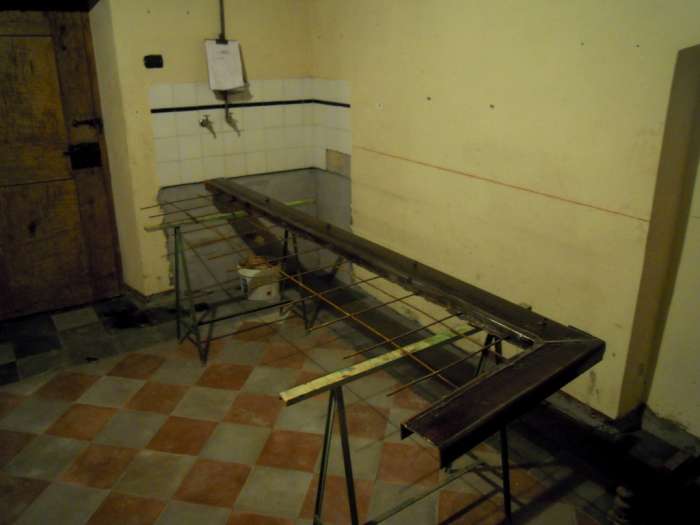
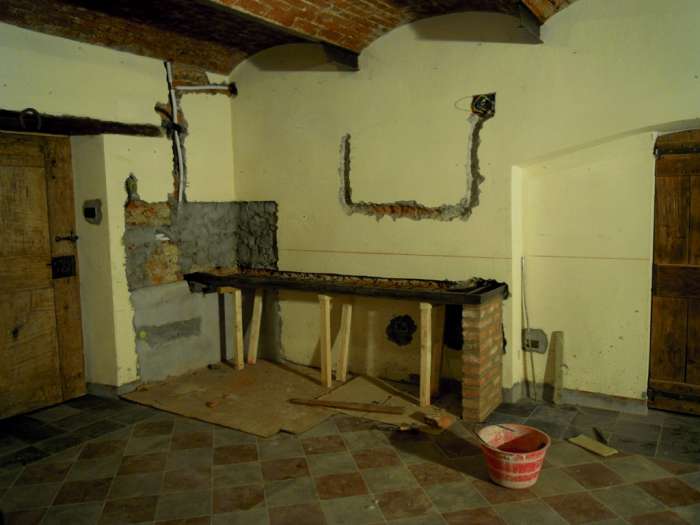
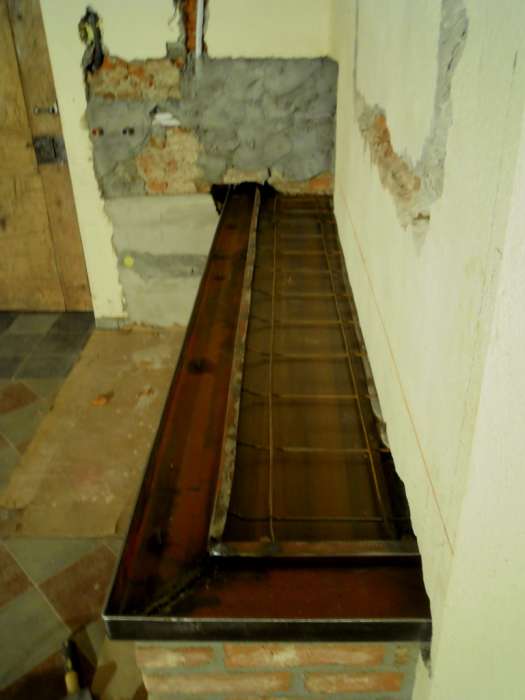
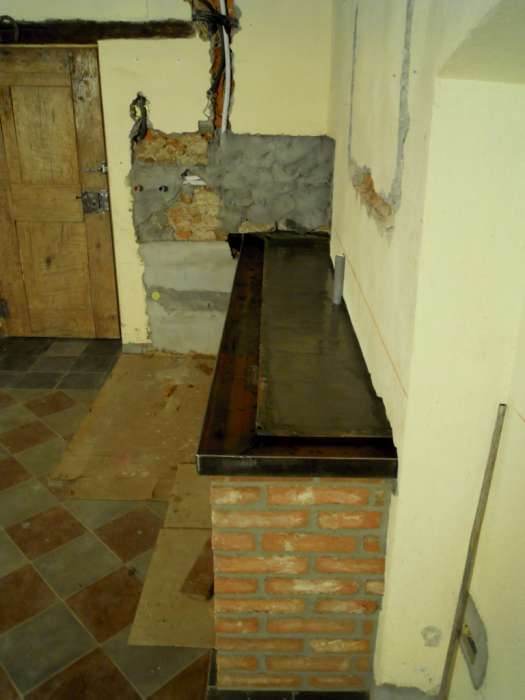
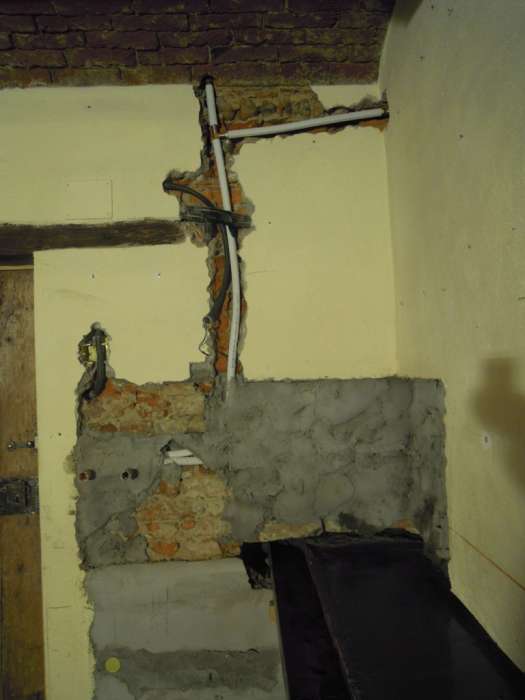
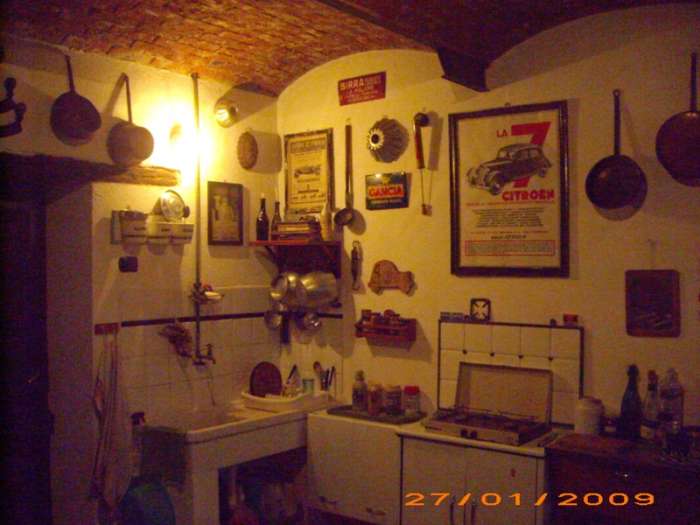

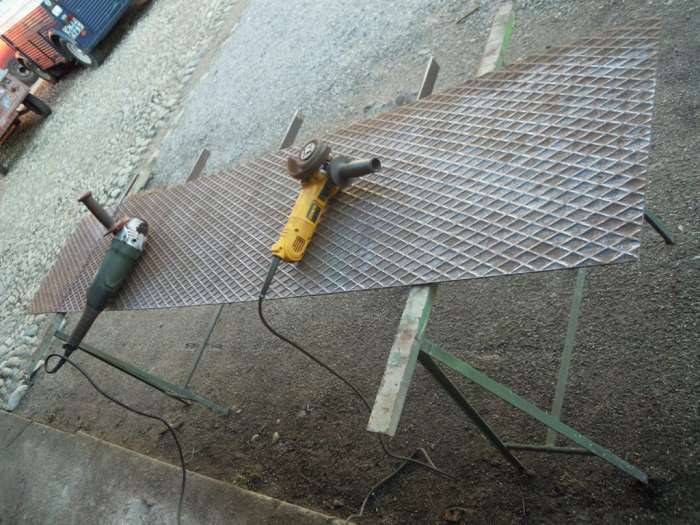
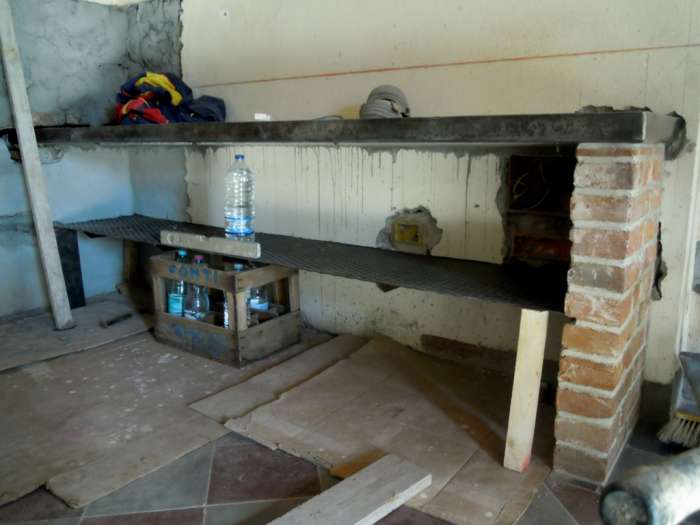
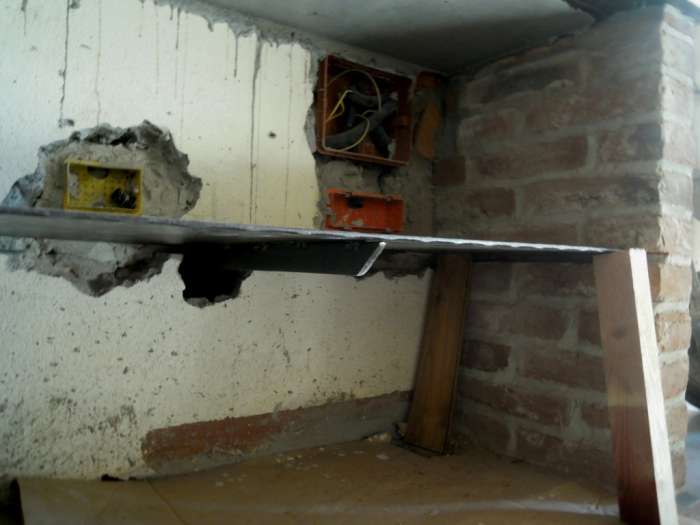
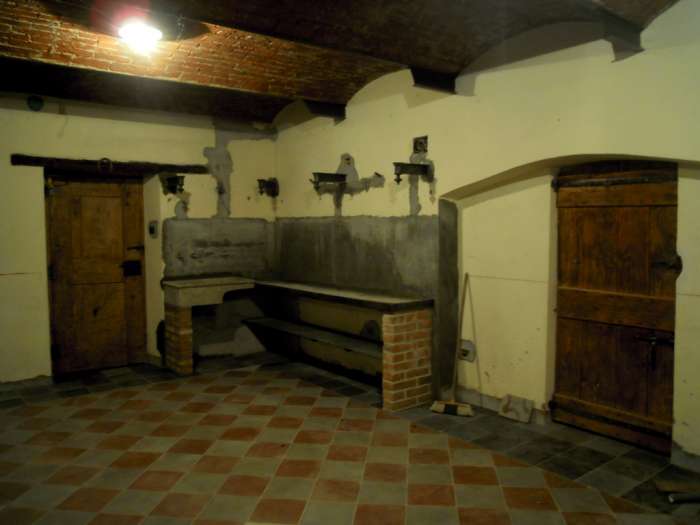
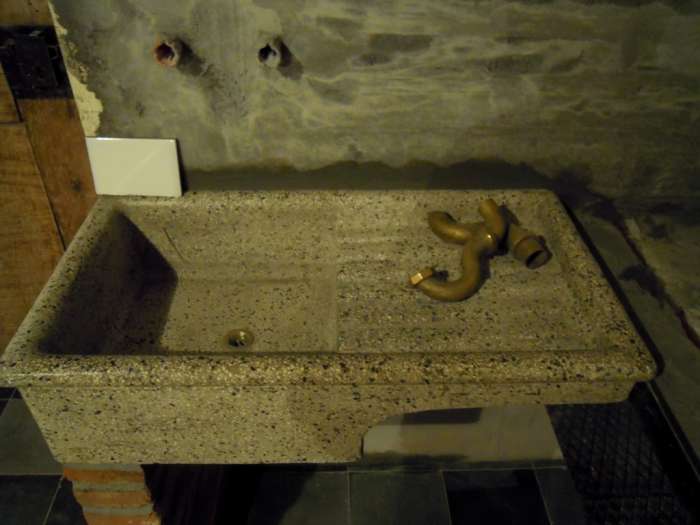
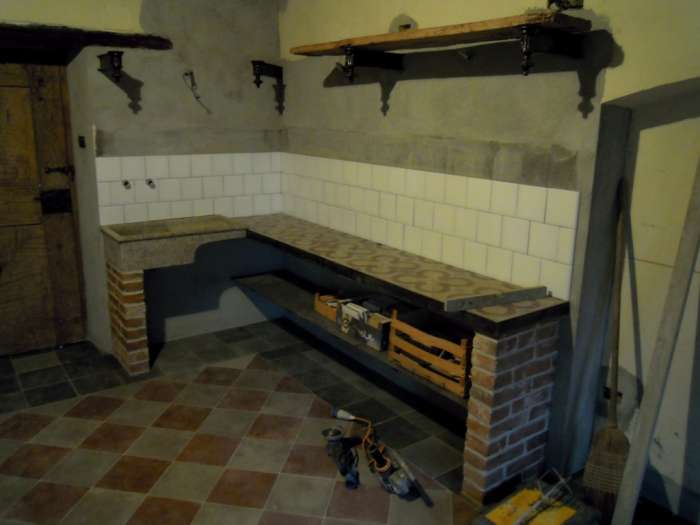
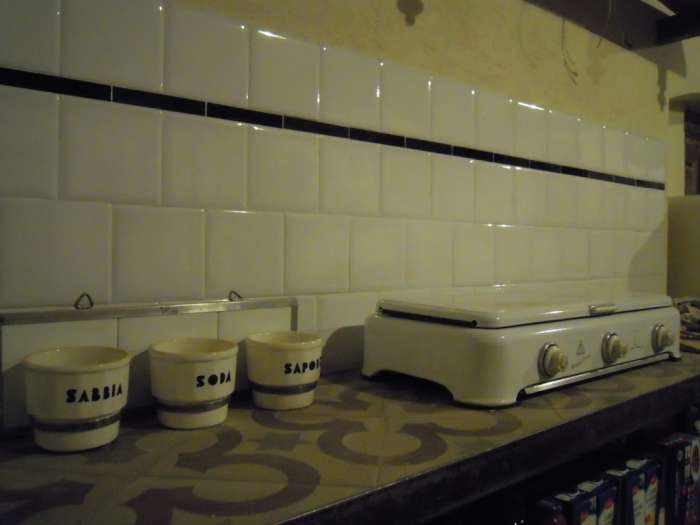
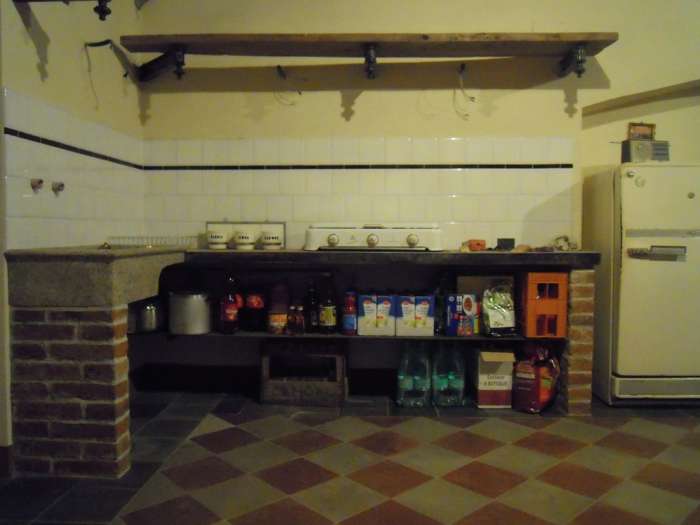
 Yes Magnus I have separate place for dirty and flaming works: my intention is in fact to store in this dry, clean, healthy and charming room restored vehicles, or unrestored ones waiting to fix it, with the hope to find both not in worse conditions ten years after. A garage, in short


