aggiegrads
Well-known member
A while back on bikeforums.com, I decided to take some good photos of various hex key tips to try and help me articulate why I prefer some keys over others. I also think that some on this forum might find this useful or interesting.
The tip really highlights the differences between manufacturers, and for me is the clear indicator of overall quality (that's where the work is done, after all).
I have many hex keys, more than any reasonable person should have. I have accumulated various hex keys over the years and they are spread across my workbench, my travel kit, my car, my son's tool kit, etc.
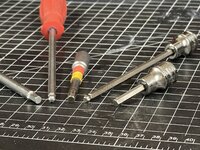
Here is the gang:

From left to right: Beta, Wera, Wiha, Silca (Included with Pump), Bondhus, Elkind, Ikea, Proto (socket), and Park (folding).
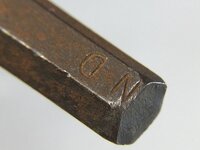
First up is typical Ikea/furniture assembly garbage. Only including to show what truly bad tools are. You can see how the end is sheared off and minimal cleanup was done. On the lower right, you can see where the edge is bent over during the shearing process. The metal is often soft and they strip easily. This means that you are likely to deform fasteners, even if you use these when new.

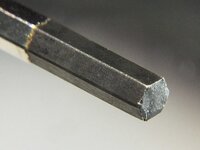
Next up is Elkind. You can see that it has also been sheared, and is not square on the edges. This is typical of big-box store keys like you generally see at Home Depot and Lowes in the US. I don't recommend these, even for people on a budget because unlike Ikea throw-aways, these are hardened and even more likely to do damage to fasteners.

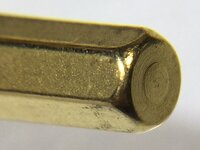
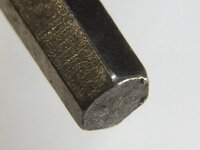
Next is Bondhus GoldGuard. For me, this is the minimum level of quality. First off, you notice that the edges are chamfered to get rid of any burrs in the separation process.
The finish isn't great (You can see how course the grinding wheel was that was used for finishing), but everything is square, and the chamfer should help align the tool in the fastener.
At $14 bucks for a nine-piece set, I cannot in good conscience recommend anything below this level given how much they are used.
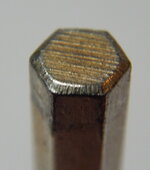
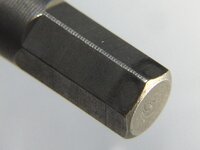
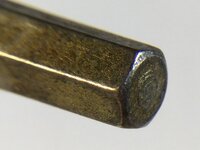
Here is the end of the Park key. This is on the folding set. It looks like the chamfering was done before a nice, thick oxide coating. The chamfer looks ground (instead of machined), but is consistent.
‘this key has not been used much at all. It resides in my car and has only been used a few times when I needed to help someone fix a minor issue.
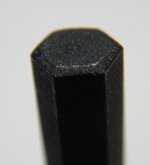
Here is the Wiha. This has the best finish so far, although the chamfer is a little bit off center. You can tell that this end was turned because the end face is round instead of hexagonal.
This wrench has actually been used quite a bit, but shows no sign of wear whatsoever.
At roughly the same cost of a Park-branded set, I definitely recommend these over Park.
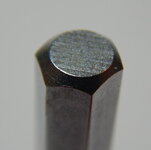
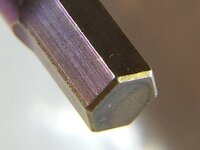
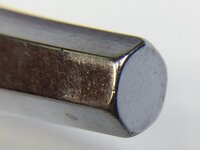
Now we start getting to the premium stuff. This is the Silca. It has a clean chamfer and a mirror polish that makes it pretty hard to photograph. I cannot speak to the durability because I only have two sizes that were included with an unbelievable, albeit overpriced pump. According to a source at Silca , they use the same hex stock as PB swiss, but Silca does their finishing in Taiwan instead and coats with a polymer for better grip and durability that you get with paint. Everything seems a bit more "rounded", so the wrenches probably spend more time in the shaker or at the polishing wheel. I expect that these are the exact some quality as PB Swiss and the only difference is finishing.

Wera uses a different shape that works really well. They grind down from round stock and the finish is excellent. There is a slight "star" to the pattern so that the tool grips on the flats of the fastener as opposed to contacting at the corners. I see the logic in this approach, as no matter the tolerances that the wrenches are built to, the fasteners will generally be built to a lesser tolerance. You can see in the photo that the machining is excellent.
I was able to get these for $25 a set before this past Christmas, and at that price, this is my clear value winner.

Next is a Proto bit socket. I understand that Proto builds and tests to a higher spec due to several aerospace contracts (including NASA). They are a high-end industrial brand made in the USA. This bit is machined down from 1/4" stock to its final dimension and the machining is excellent. I have these on short sliding t-handles and the bits show almost no wear after several years of use. There is a much larger chamfer on these guys, and it does make it a bit easier to find the fastener in practice. This bit gets used a lot because it is the bit that I use in my torque wrench.

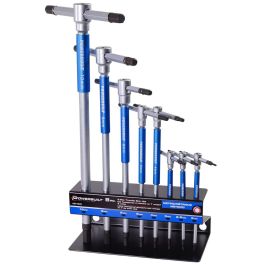
The last tools are the Beta sliding t-handles, and they are also a favorite of mine. I have probably used these more that any other hex key. They are machined down from round stock, and the level of machining is impressive. You can see six separate facets in the "tip" of the tool, as well as machining marks on each face. The oxide finish is not as thick as on some of the other brands. These are my "largest" sets, and every so often these will not fit into a fastener.
Because some of the bits are oversized, I wouldn't recommend these to someone due to their cost unless they were specifically looking for Sliding T handles. There are definitely times when a sliding t-handle is the best tool, because it allows the user to apply torque very close to the fastener. It can also help get the shaft out of the way when there is interference (like bottle cage bolts).

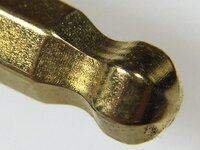
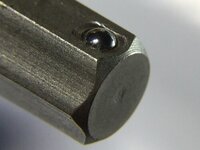
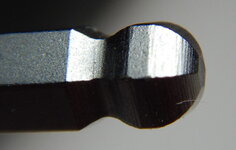
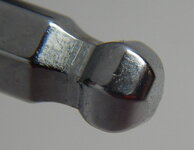
I am not a big user of ball-ends. They are fine, but they don't work well at all in button-head fasteners and deform socket head fasteners if you use them at too high of a torque. I use them to "run-in" a screw, but use a square end for any reasonable amount of torque.
If you are looking for hex keys, I hope that you find this helpful.
The tip really highlights the differences between manufacturers, and for me is the clear indicator of overall quality (that's where the work is done, after all).
I have many hex keys, more than any reasonable person should have. I have accumulated various hex keys over the years and they are spread across my workbench, my travel kit, my car, my son's tool kit, etc.
Here is the gang:
From left to right: Beta, Wera, Wiha, Silca (Included with Pump), Bondhus, Elkind, Ikea, Proto (socket), and Park (folding).
First up is typical Ikea/furniture assembly garbage. Only including to show what truly bad tools are. You can see how the end is sheared off and minimal cleanup was done. On the lower right, you can see where the edge is bent over during the shearing process. The metal is often soft and they strip easily. This means that you are likely to deform fasteners, even if you use these when new.
Next up is Elkind. You can see that it has also been sheared, and is not square on the edges. This is typical of big-box store keys like you generally see at Home Depot and Lowes in the US. I don't recommend these, even for people on a budget because unlike Ikea throw-aways, these are hardened and even more likely to do damage to fasteners.
Next is Bondhus GoldGuard. For me, this is the minimum level of quality. First off, you notice that the edges are chamfered to get rid of any burrs in the separation process.
The finish isn't great (You can see how course the grinding wheel was that was used for finishing), but everything is square, and the chamfer should help align the tool in the fastener.
At $14 bucks for a nine-piece set, I cannot in good conscience recommend anything below this level given how much they are used.
Here is the end of the Park key. This is on the folding set. It looks like the chamfering was done before a nice, thick oxide coating. The chamfer looks ground (instead of machined), but is consistent.
‘this key has not been used much at all. It resides in my car and has only been used a few times when I needed to help someone fix a minor issue.
Here is the Wiha. This has the best finish so far, although the chamfer is a little bit off center. You can tell that this end was turned because the end face is round instead of hexagonal.
This wrench has actually been used quite a bit, but shows no sign of wear whatsoever.
At roughly the same cost of a Park-branded set, I definitely recommend these over Park.
Now we start getting to the premium stuff. This is the Silca. It has a clean chamfer and a mirror polish that makes it pretty hard to photograph. I cannot speak to the durability because I only have two sizes that were included with an unbelievable, albeit overpriced pump. According to a source at Silca , they use the same hex stock as PB swiss, but Silca does their finishing in Taiwan instead and coats with a polymer for better grip and durability that you get with paint. Everything seems a bit more "rounded", so the wrenches probably spend more time in the shaker or at the polishing wheel. I expect that these are the exact some quality as PB Swiss and the only difference is finishing.
Wera uses a different shape that works really well. They grind down from round stock and the finish is excellent. There is a slight "star" to the pattern so that the tool grips on the flats of the fastener as opposed to contacting at the corners. I see the logic in this approach, as no matter the tolerances that the wrenches are built to, the fasteners will generally be built to a lesser tolerance. You can see in the photo that the machining is excellent.
I was able to get these for $25 a set before this past Christmas, and at that price, this is my clear value winner.
Next is a Proto bit socket. I understand that Proto builds and tests to a higher spec due to several aerospace contracts (including NASA). They are a high-end industrial brand made in the USA. This bit is machined down from 1/4" stock to its final dimension and the machining is excellent. I have these on short sliding t-handles and the bits show almost no wear after several years of use. There is a much larger chamfer on these guys, and it does make it a bit easier to find the fastener in practice. This bit gets used a lot because it is the bit that I use in my torque wrench.
The last tools are the Beta sliding t-handles, and they are also a favorite of mine. I have probably used these more that any other hex key. They are machined down from round stock, and the level of machining is impressive. You can see six separate facets in the "tip" of the tool, as well as machining marks on each face. The oxide finish is not as thick as on some of the other brands. These are my "largest" sets, and every so often these will not fit into a fastener.
Because some of the bits are oversized, I wouldn't recommend these to someone due to their cost unless they were specifically looking for Sliding T handles. There are definitely times when a sliding t-handle is the best tool, because it allows the user to apply torque very close to the fastener. It can also help get the shaft out of the way when there is interference (like bottle cage bolts).
I am not a big user of ball-ends. They are fine, but they don't work well at all in button-head fasteners and deform socket head fasteners if you use them at too high of a torque. I use them to "run-in" a screw, but use a square end for any reasonable amount of torque.
If you are looking for hex keys, I hope that you find this helpful.






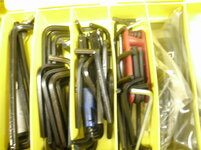


 ) to take a chance with garbage keys. Low to no chamfer, name brand (Snap on, Bondhus, Wera, PB or nothin). Hammering in Lisle splined extractors loses its charm pretty quick on the rounded out ones