To avoid these ads, REGISTER NOW!

MP&C Shop Projects

To avoid these ads, REGISTER NOW!
OP
M

MP&C

Well-known member
Joined
Oct 21, 2009
Messages
4,396
Location
Leonardtown, MD
Thanks for the comments guys, yeah I pretty stoked, can't wait to see some of the stuff this brake will do. Worst part was I had to sweep the floor! Then ended up swapping locations of the welding table and mag brake, so more sweeping.. :willy_nil
 
Last edited:
OP
M

MP&C

Well-known member
Joined
Oct 21, 2009
Messages
4,396
Location
Leonardtown, MD
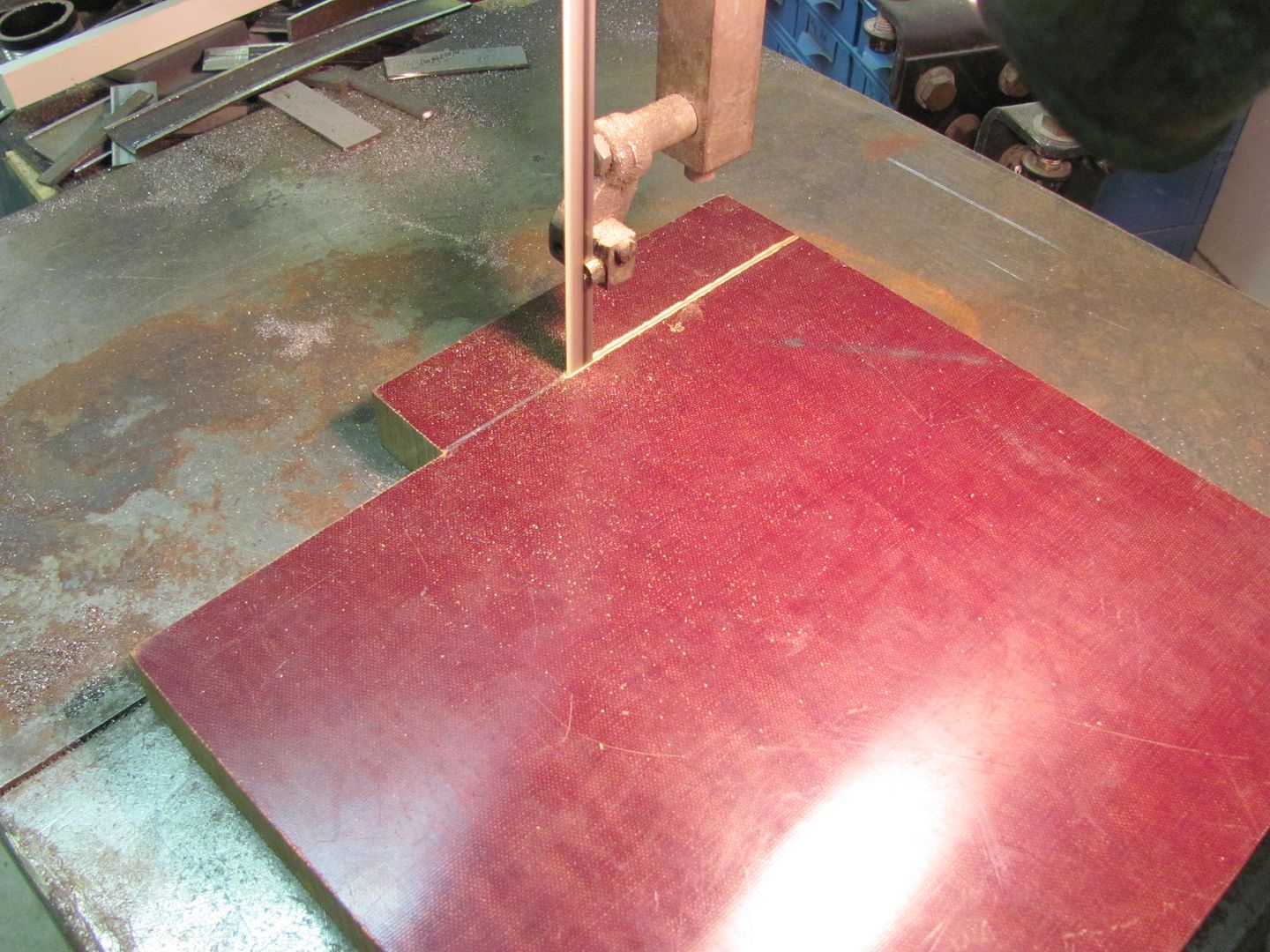
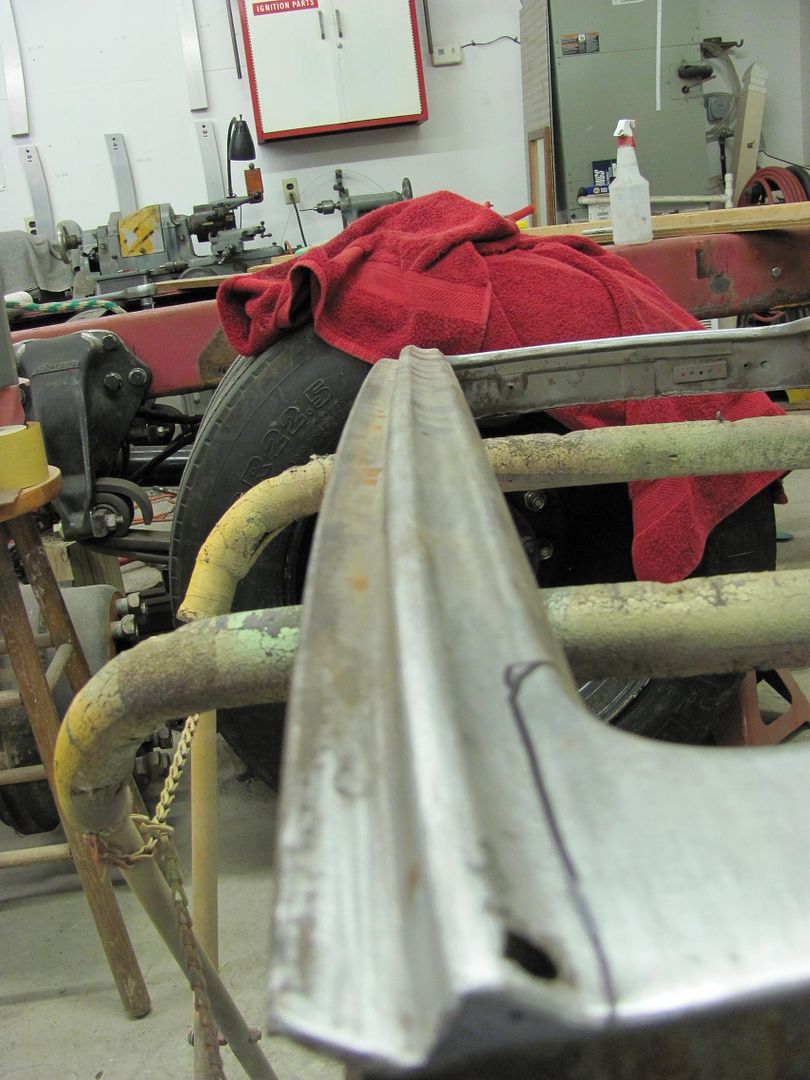
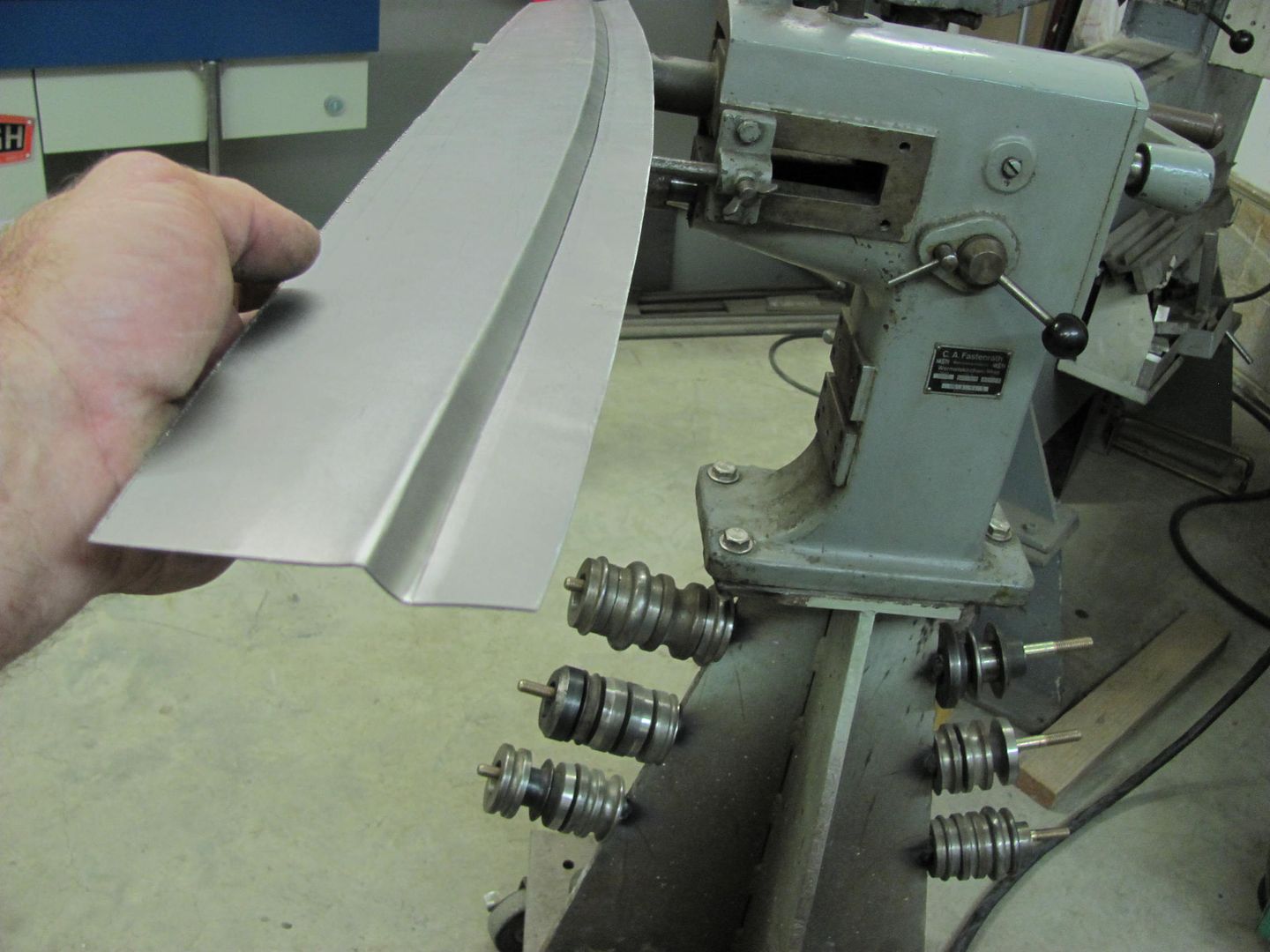
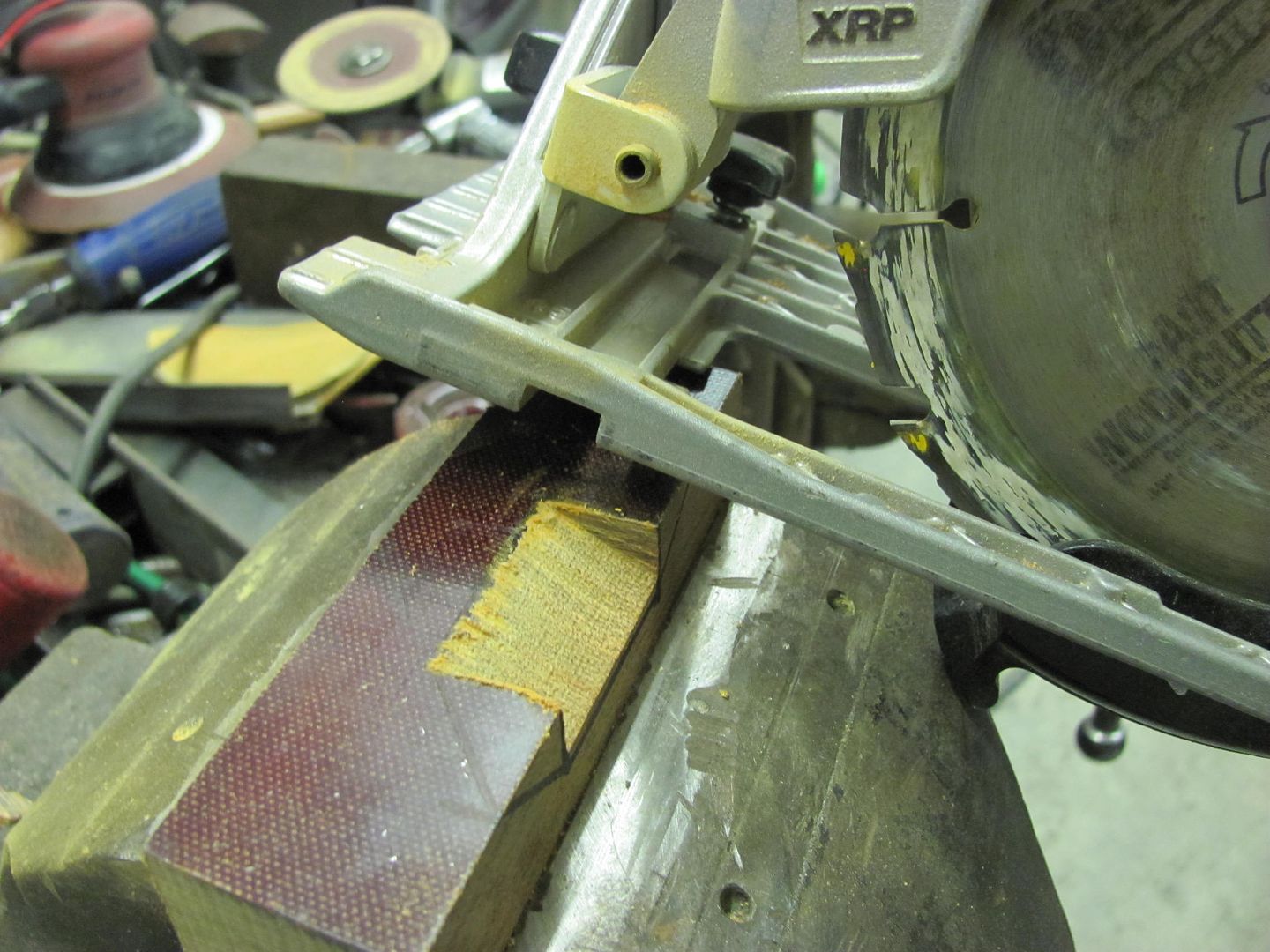
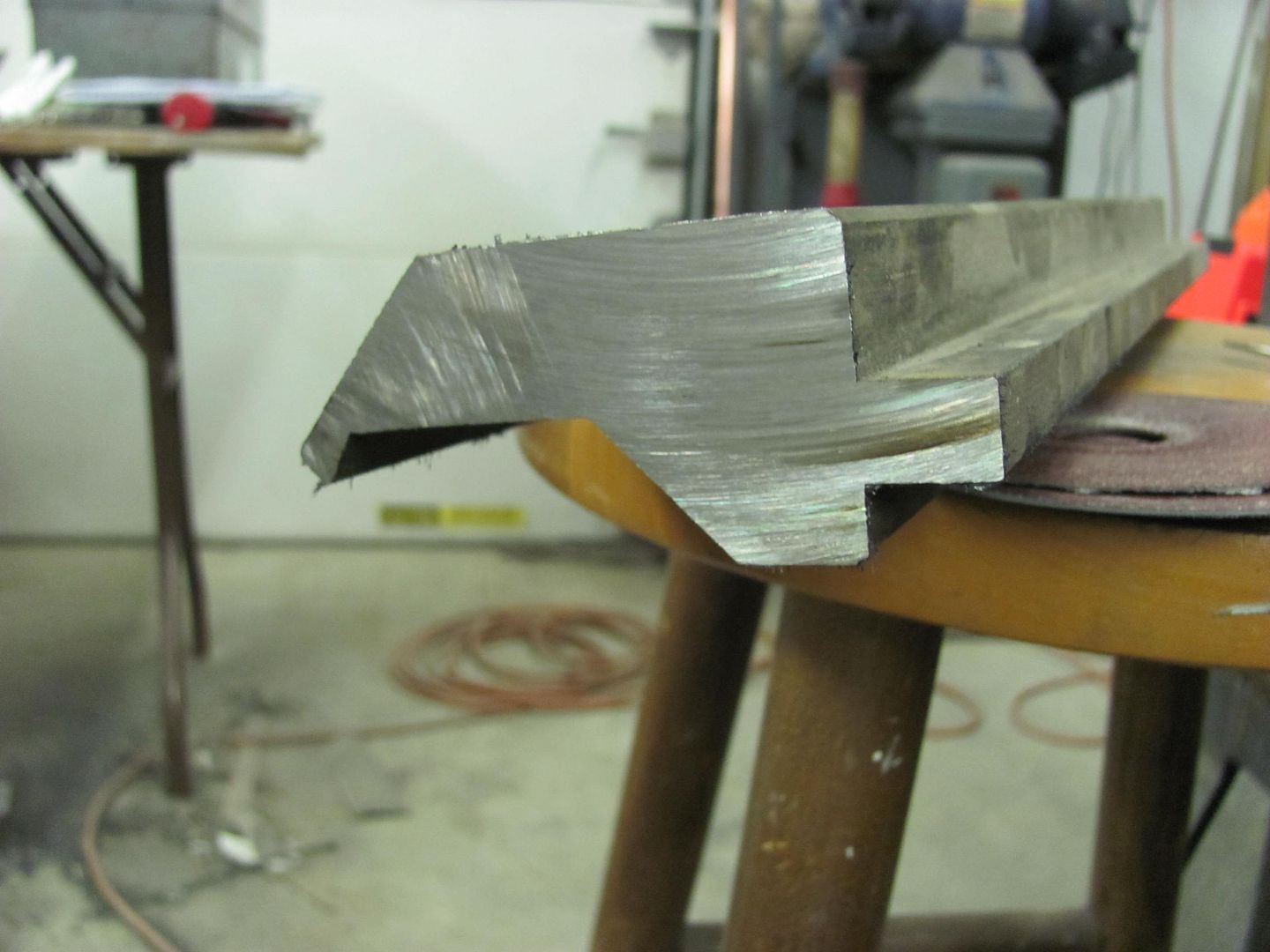
Well the sandblasting effort on the upper tailgate was in vain, it turned up enough deep pits inside and pin holes going through that I wouldn't be satisfied with trying to weld them closed. Time to attempt some dies for the Lennox. Tonight's choice is some 1" thick phenolic sheet...


Picture077-2.jpg


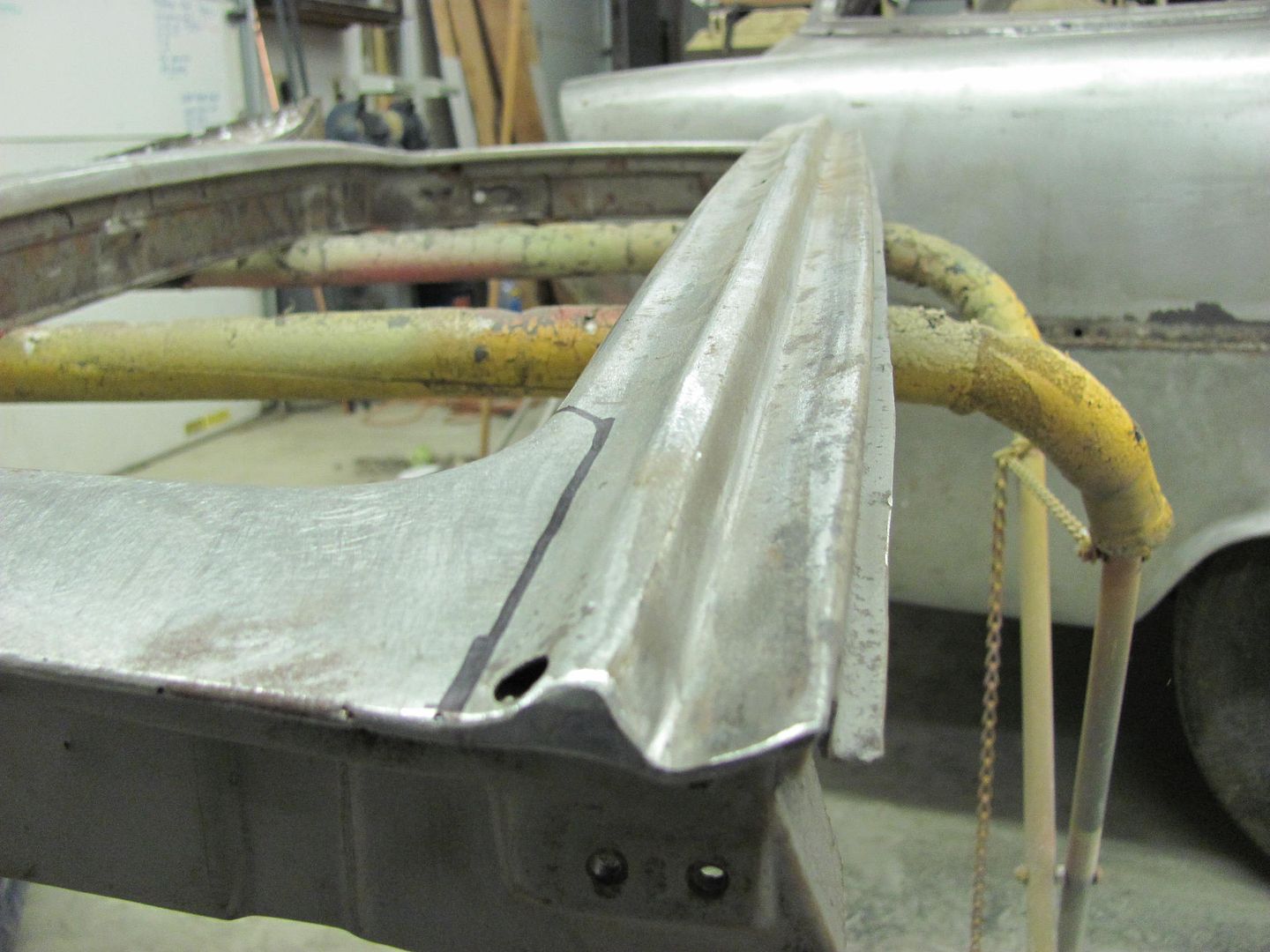
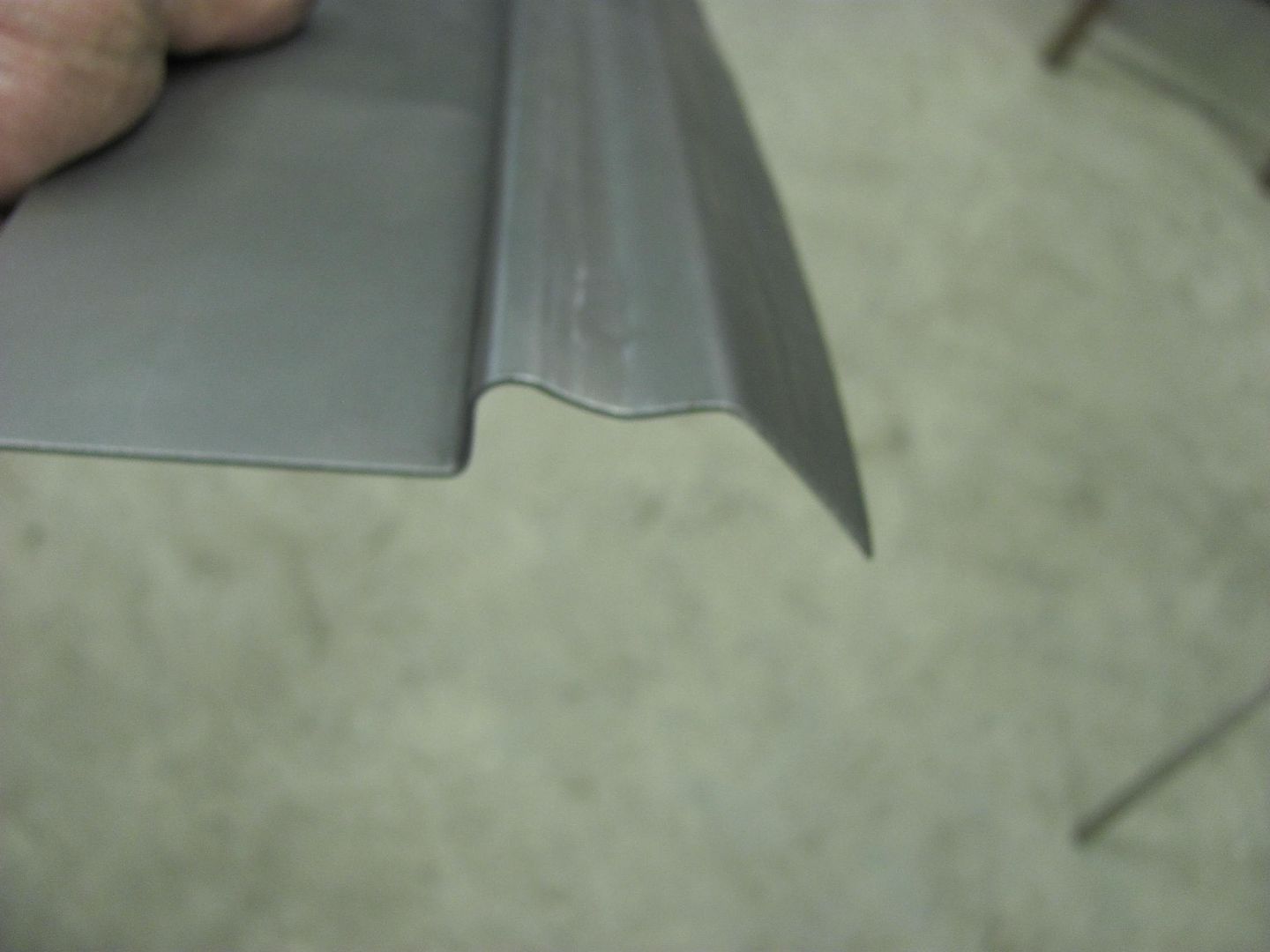
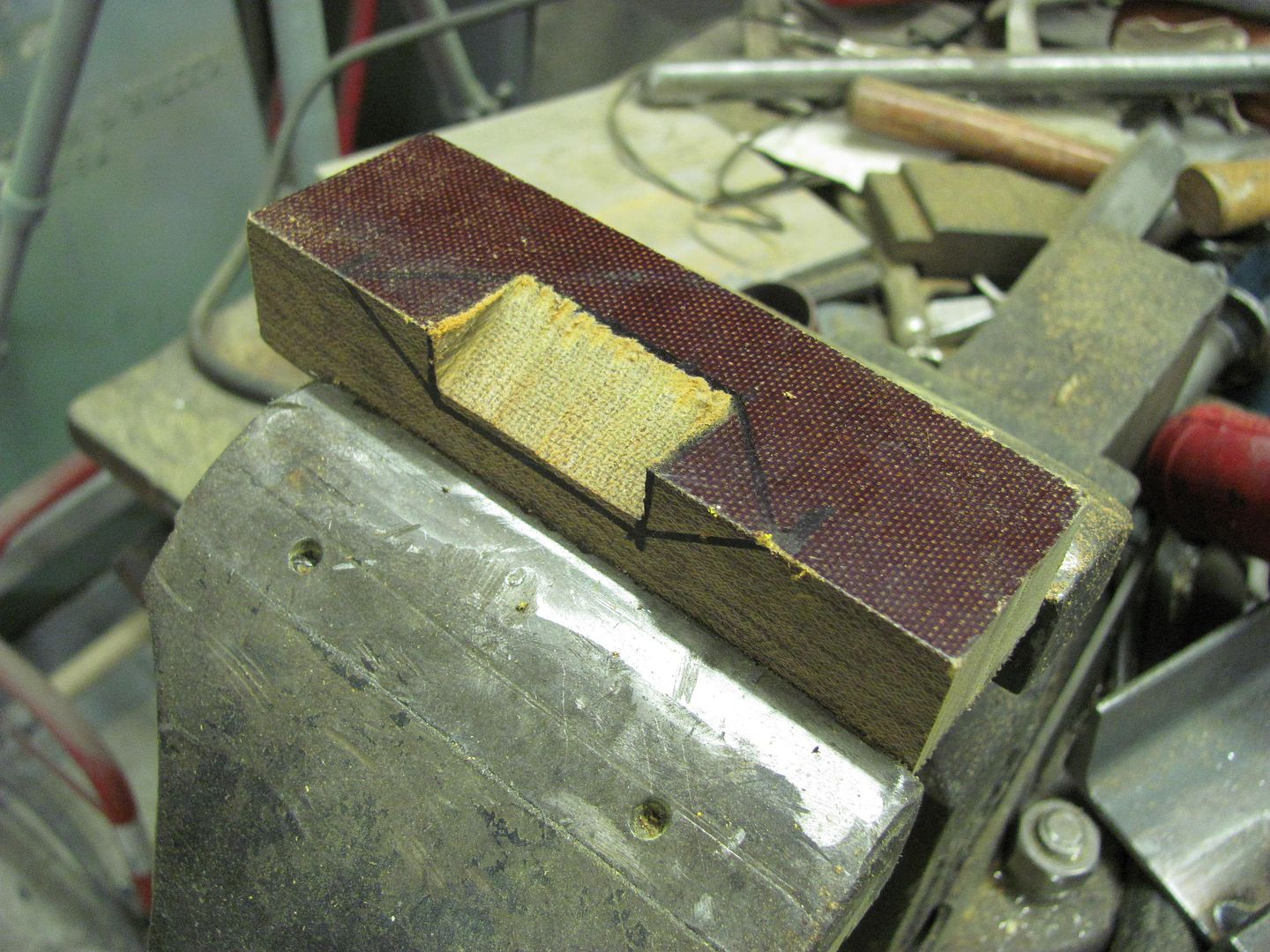
Here's the profile we're looking for...


Picture079-2.jpg


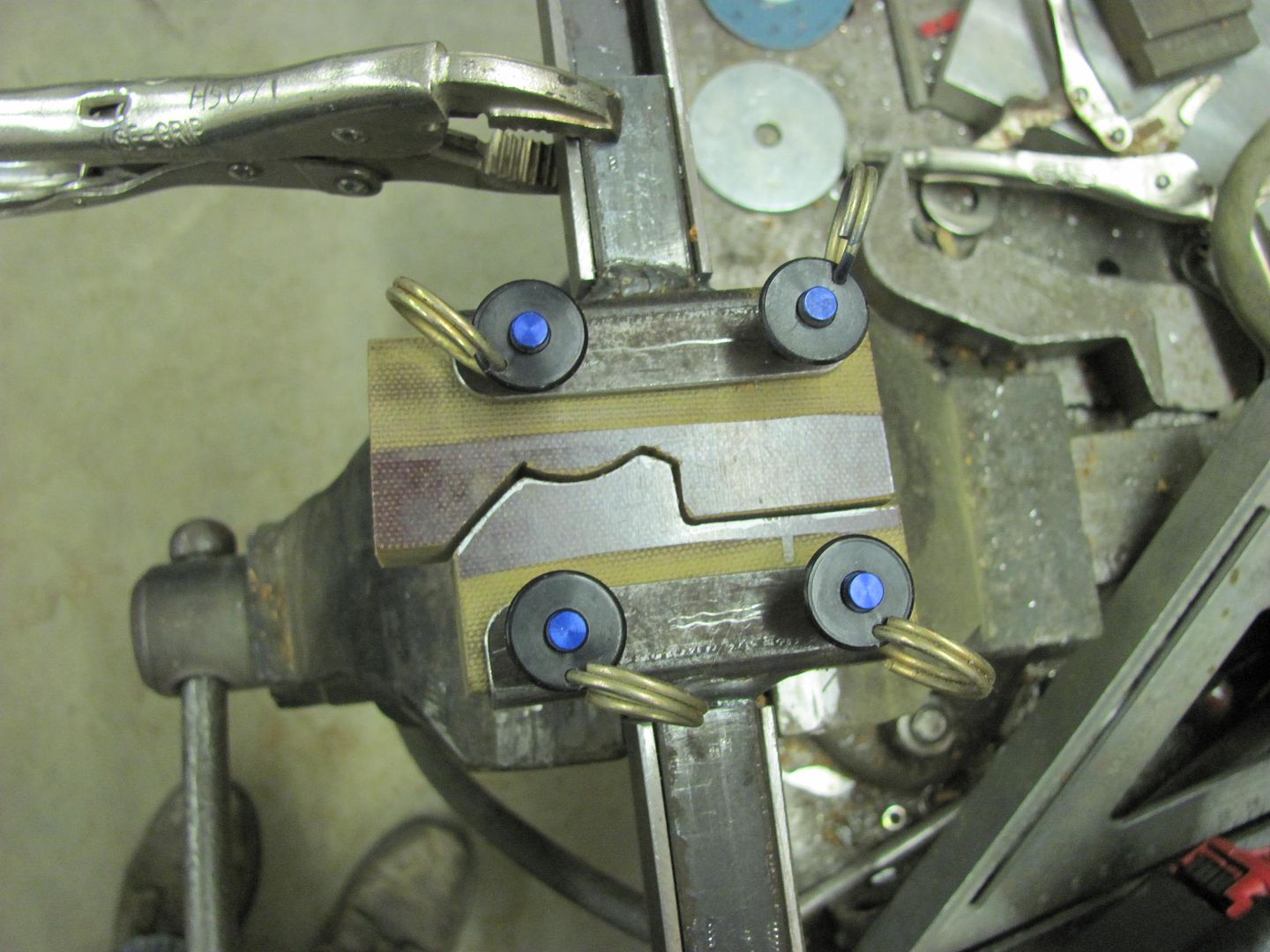
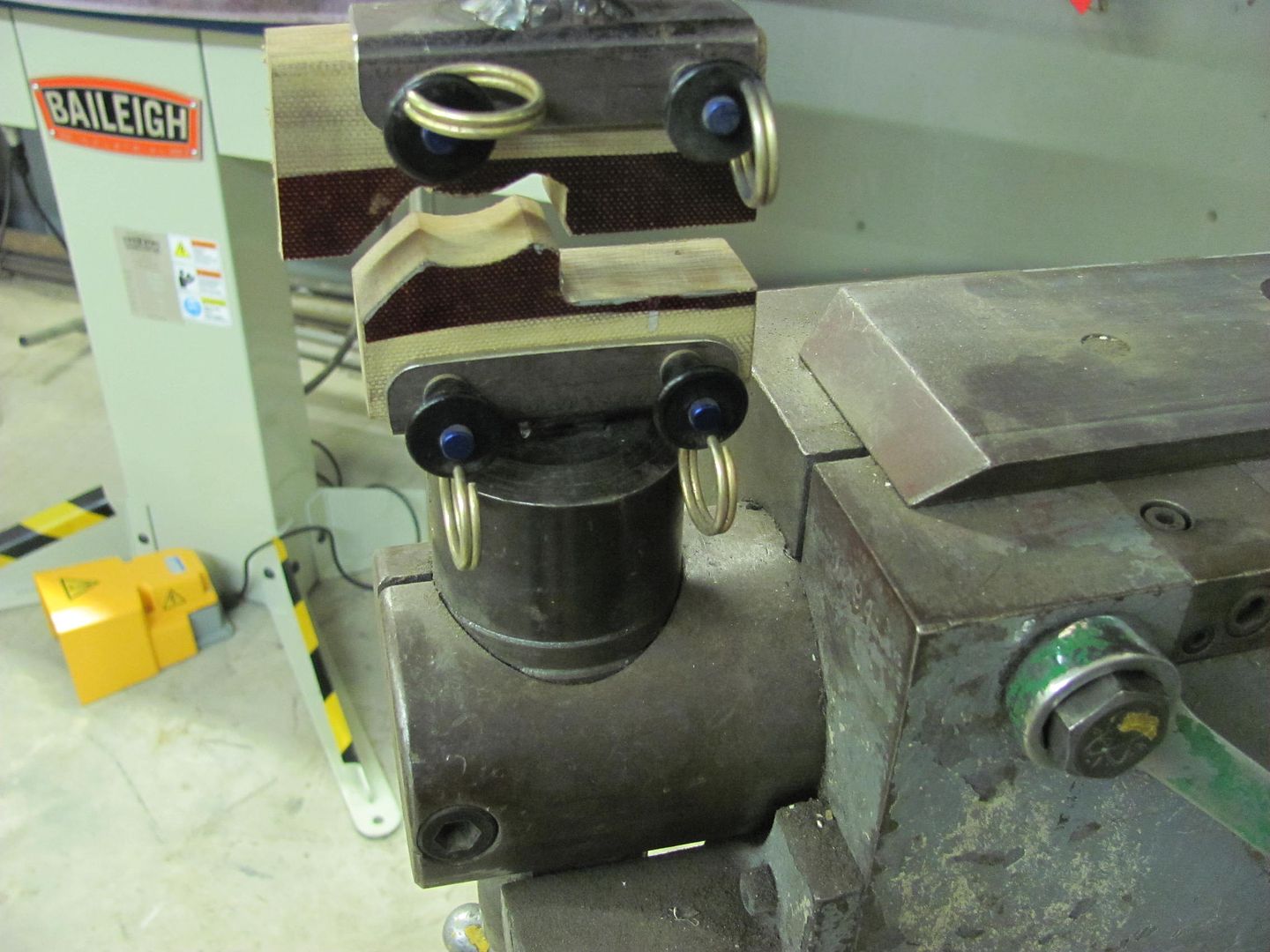
The dies installed in the holders....


Picture080-2.jpg


Picture081-2.jpg


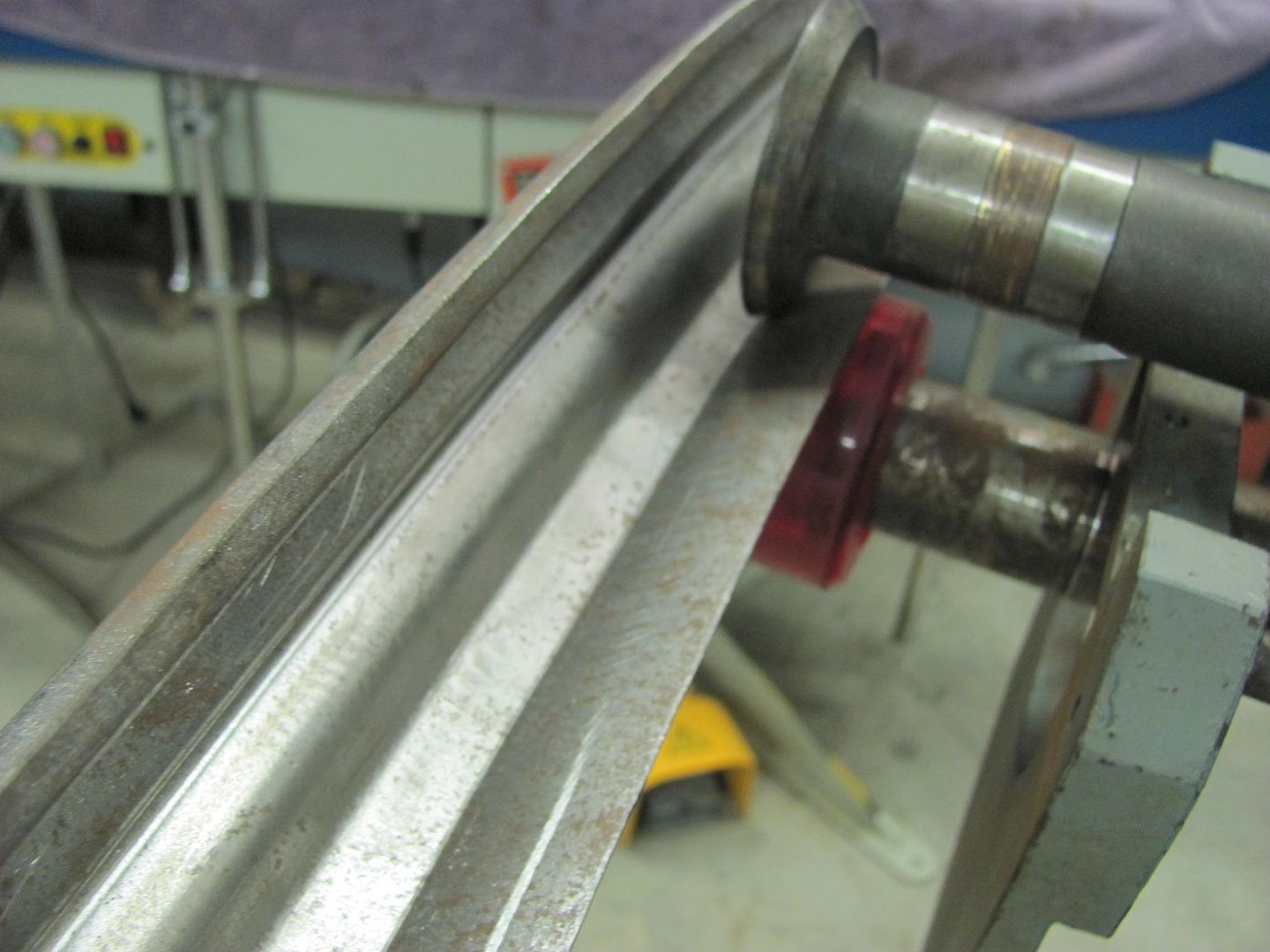
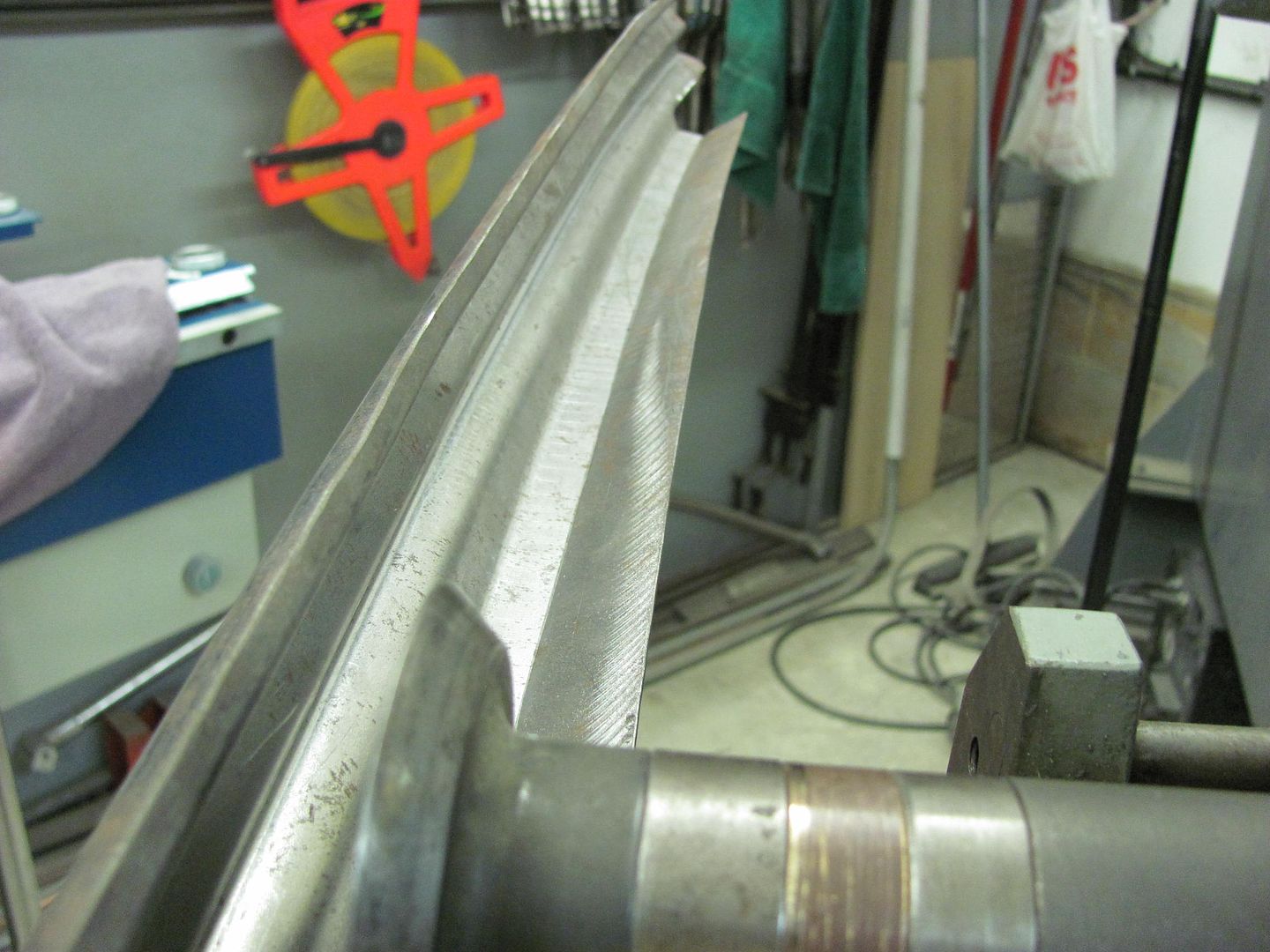
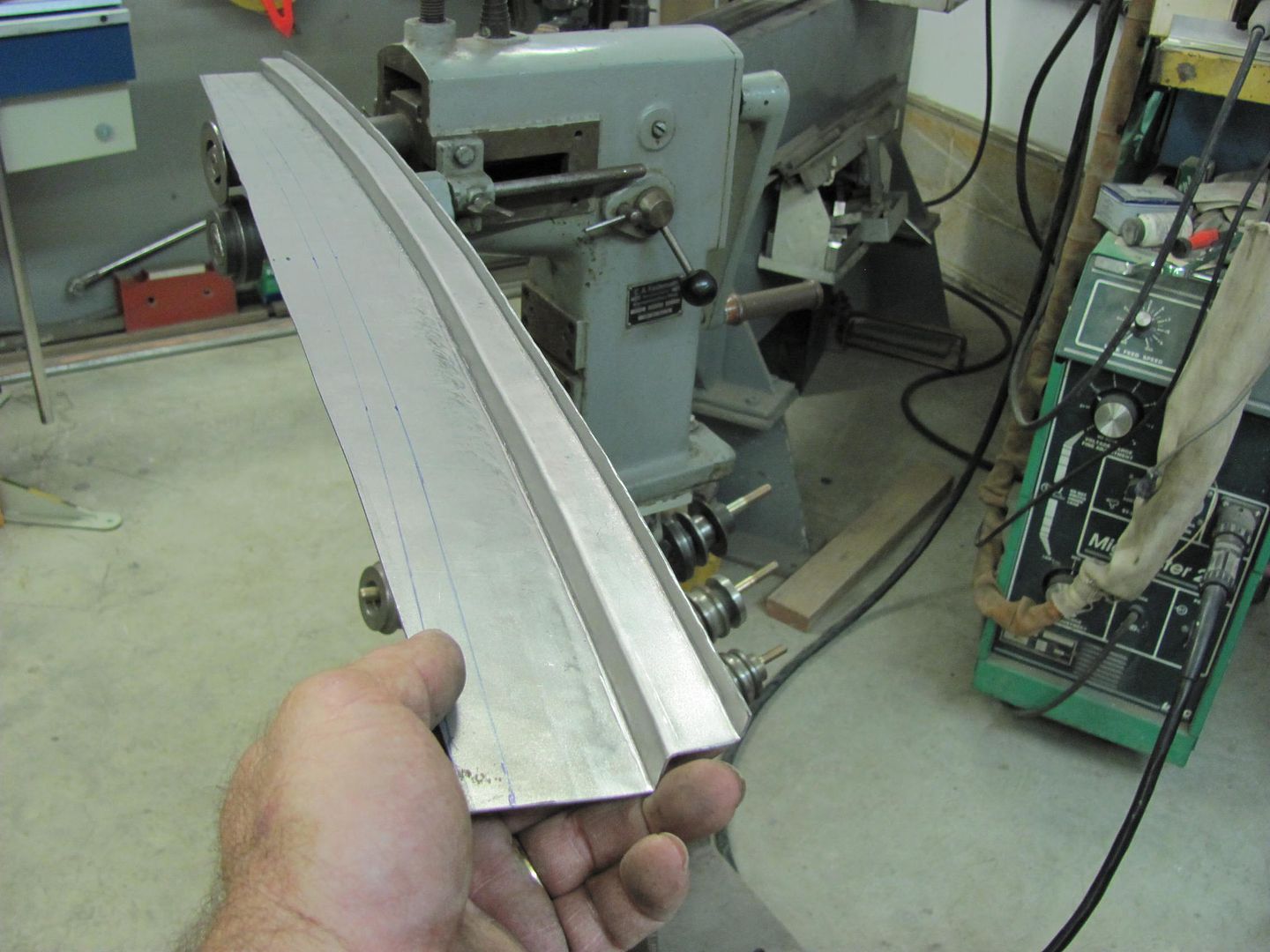
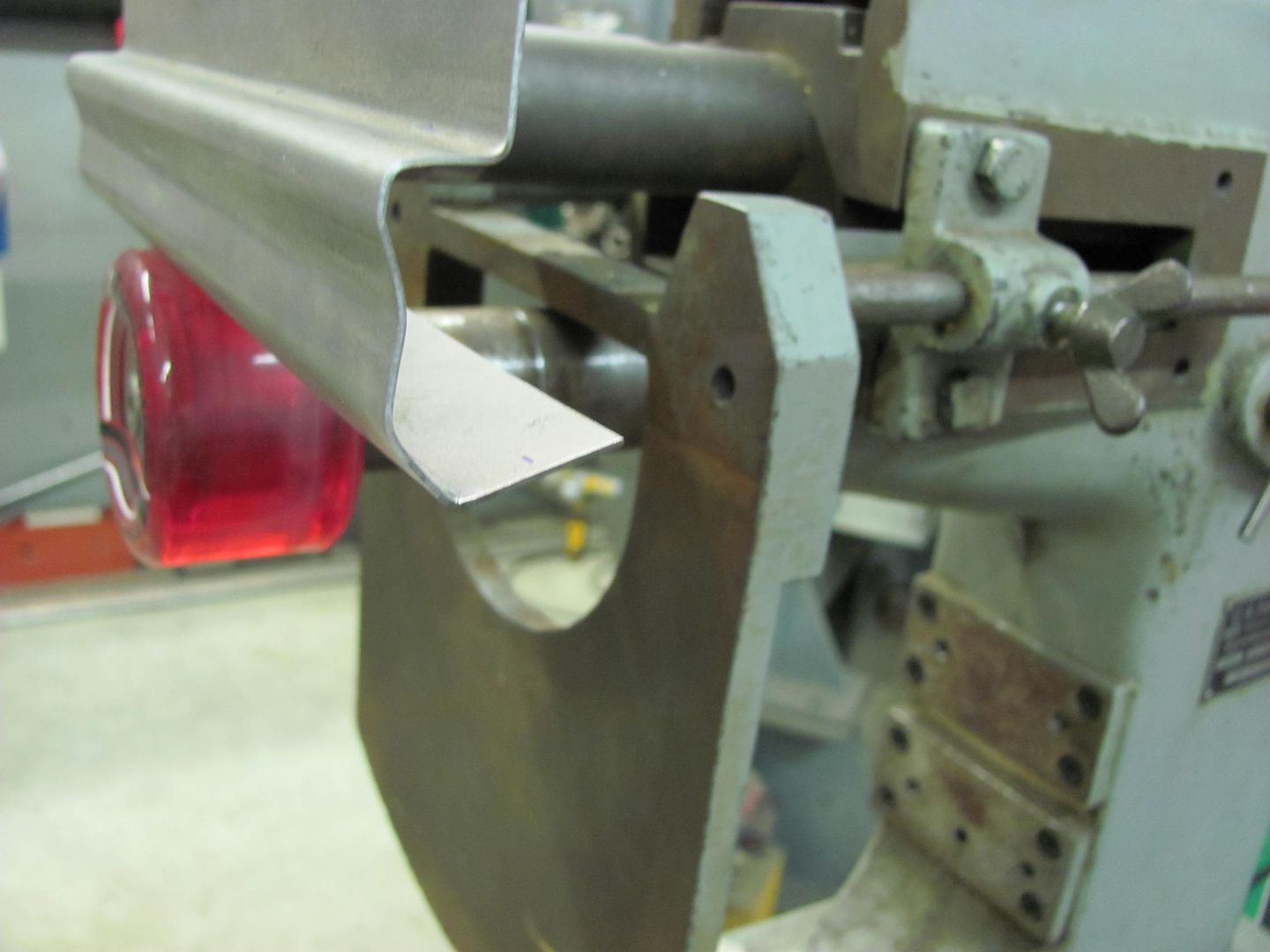
An offset bend was added to the sample 19ga in the brake, then the first of three passes.....


Picture083-2.jpg


Final pass.....


Picture084-2.jpg


Dies held up well....


Picture085-2.jpg


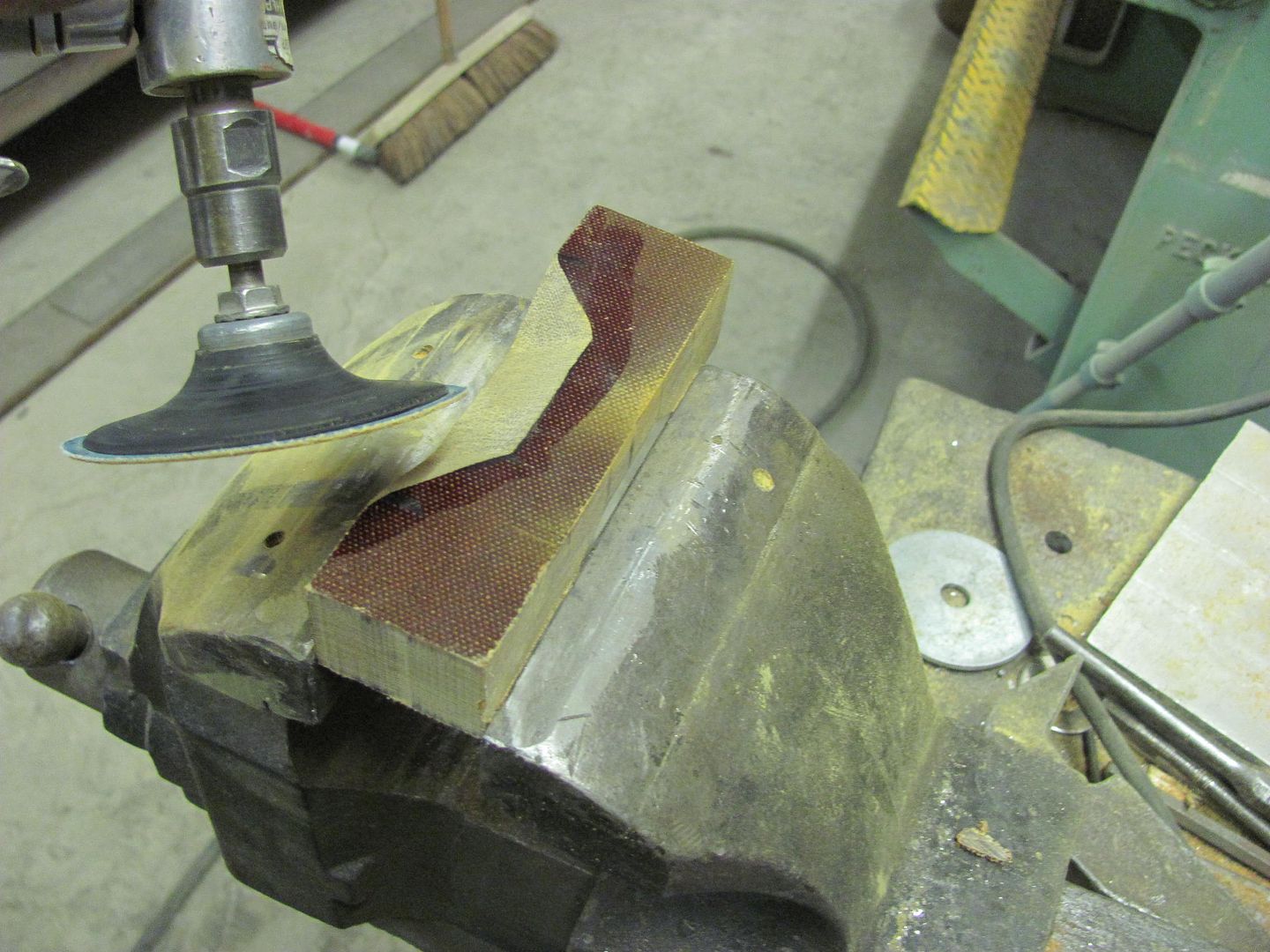
Picture087-2.jpg


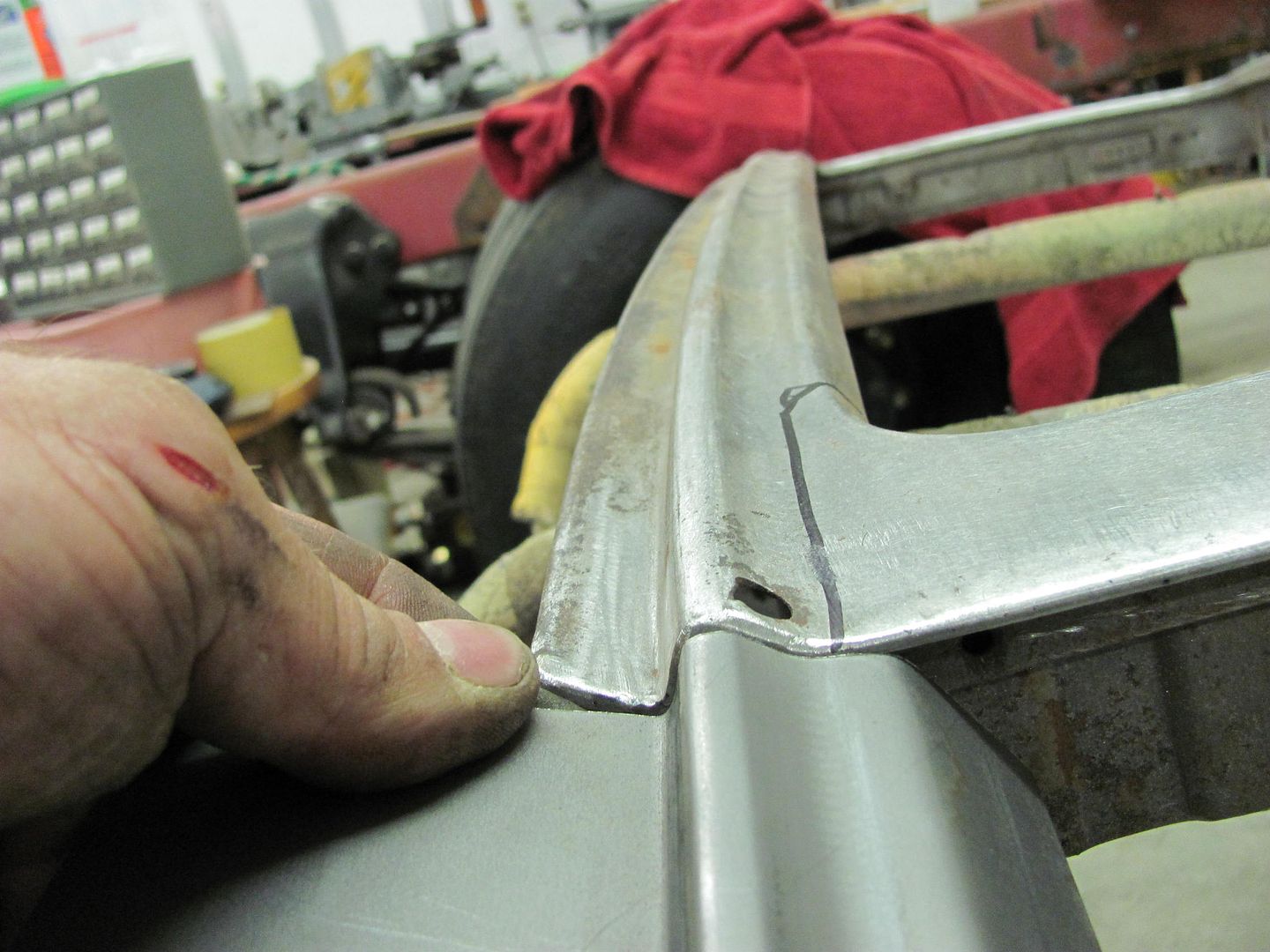
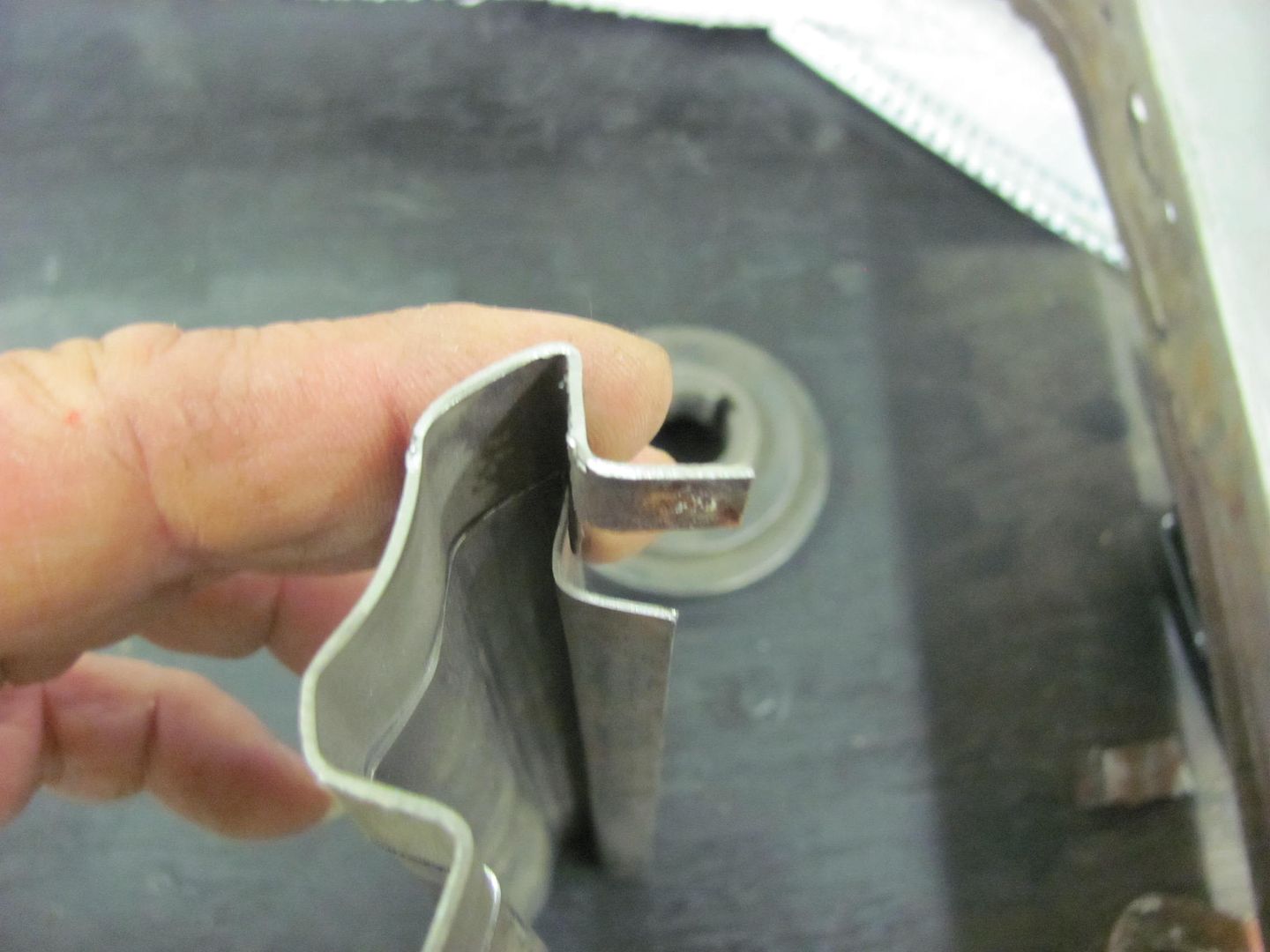
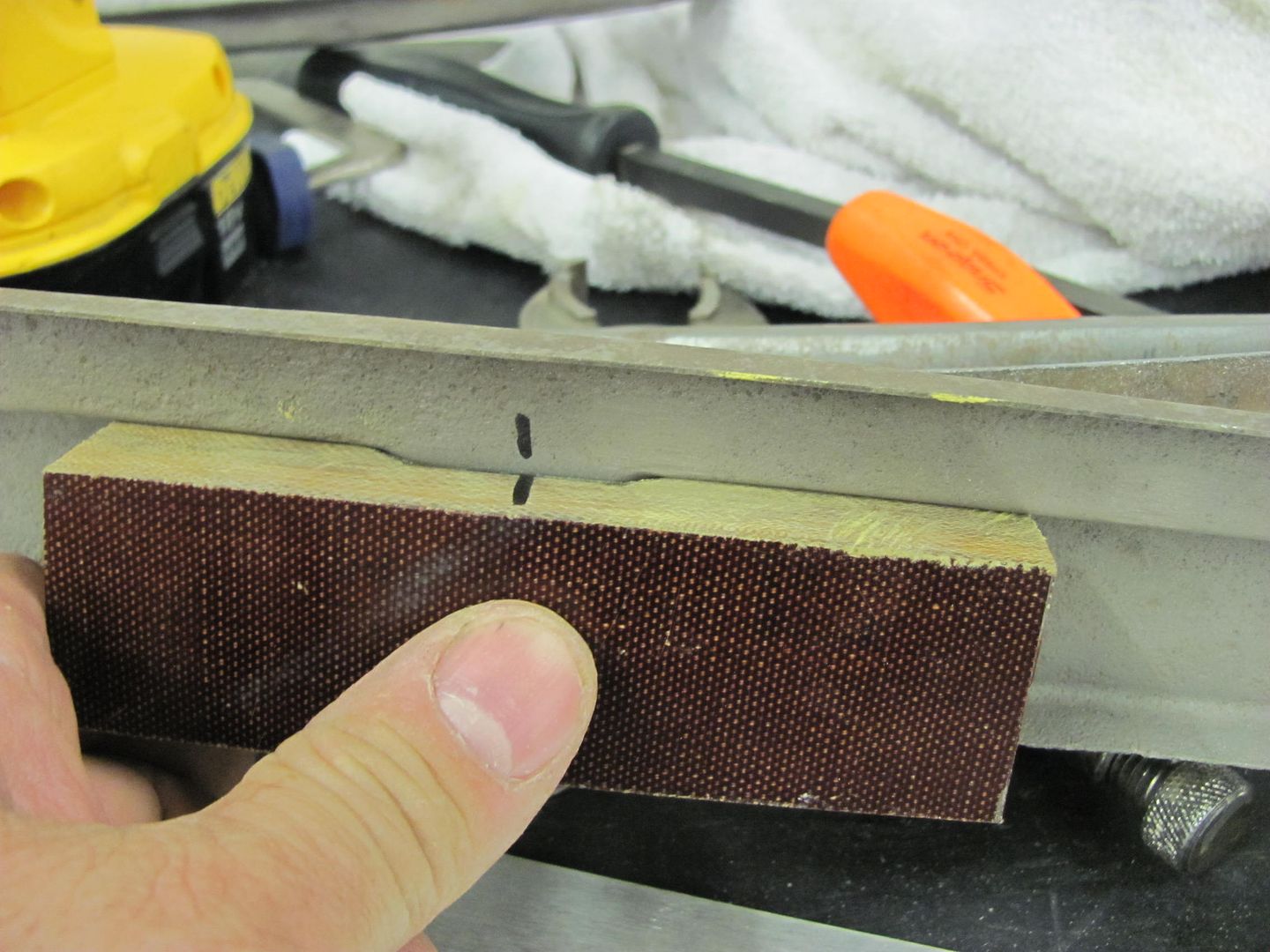
Safety tip of the day, 3" roloc discs do a good job of shaping phenolic, so skin is no match.... (note thumb in above pic)


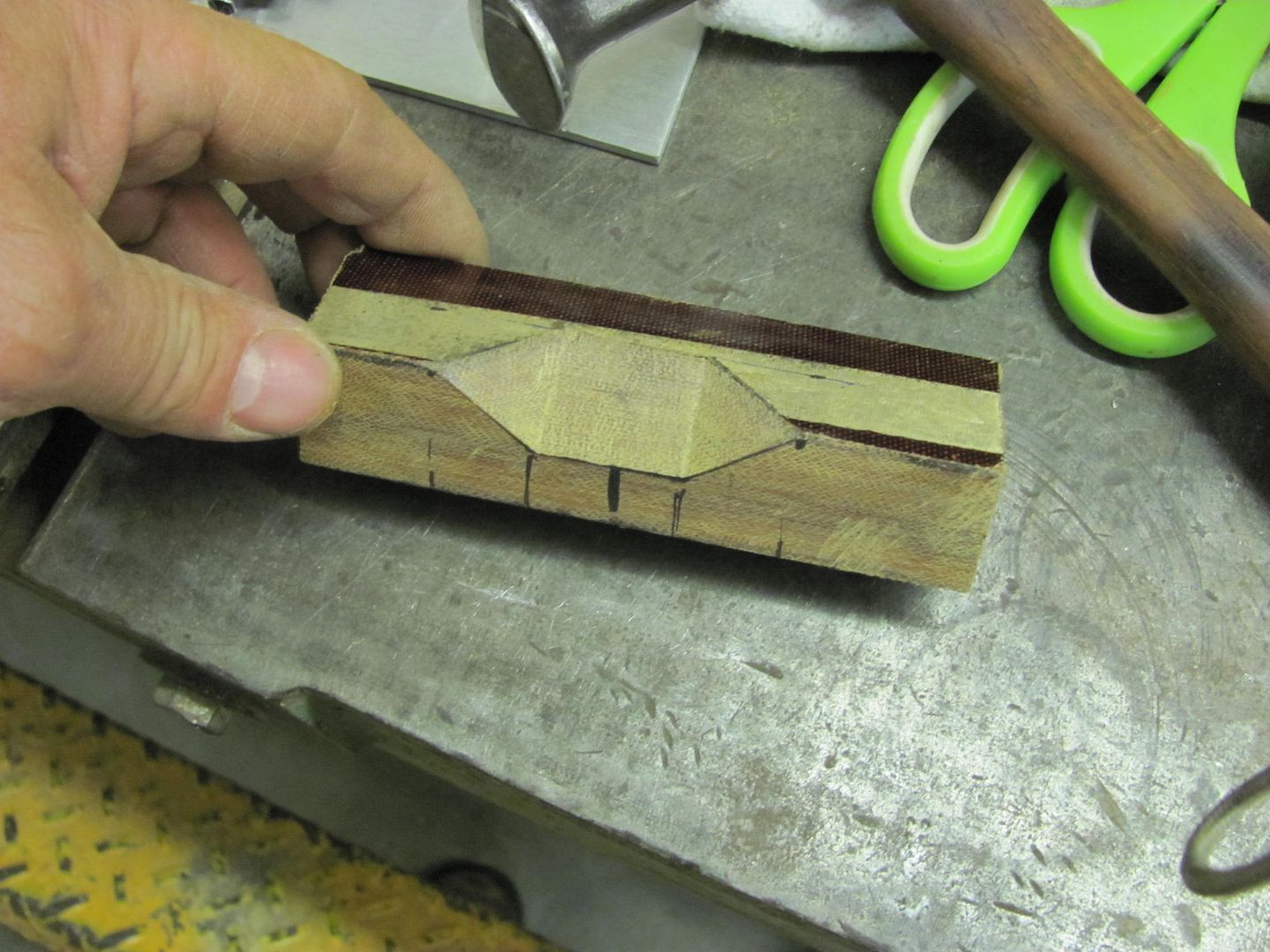
Where my "test sample" was made initially with straight bends in the brake, the actual piece on the lift gate is not straight, so the bends on the "good" piece will need to be bent using the tipping wheel.


Picture090-2.jpg


Picture089-2.jpg


The profile needs just a bit of tweaking, and I may try using a piece of metal inserted in a band saw blade cut to sharpen up some of the details.


Picture091-2.jpg
 
OP
M

MP&C

Well-known member
Joined
Oct 21, 2009
Messages
4,396
Location
Leonardtown, MD
Sitting here in the airport at Green Bay, just spent yesterday at Baileigh Industries for a metalshaping class. Thanks to Shane and Baileigh for putting on this event, good to try out all the equipment, especially the power hammer!

Here's the training agenda:


Picture092.jpg


Chris Rusch shows some of the features of the power hammer...


Picture099.jpg


Kyle Yocum (Yocum Signature Hot Rods) shows fabricating a tank side...


Picture103.jpg


Picture109.jpg


Mike Wagner (Cornfield Customs) shows some fancy bead rolling...


Picture113.jpg


Picture114.jpg


Picture115.jpg


Austin Paruch demonstrates wheeling techniques...


Picture118.jpg


Mark Gerish Demonstrates shrinking and planishing dies in forming a fender on the power hammer...


Picture119.jpg


Picture121.jpg


....and using the linear stretch dies...

Picture122.jpg


Picture124.jpg


Quite a bit of material packed into one day, well presented info by all the instructors. Good to meet a bunch of guys from all over the world (Aussie's in the house!) with like interests.
 
Last edited:
OP
M

MP&C

Well-known member
Joined
Oct 21, 2009
Messages
4,396
Location
Leonardtown, MD
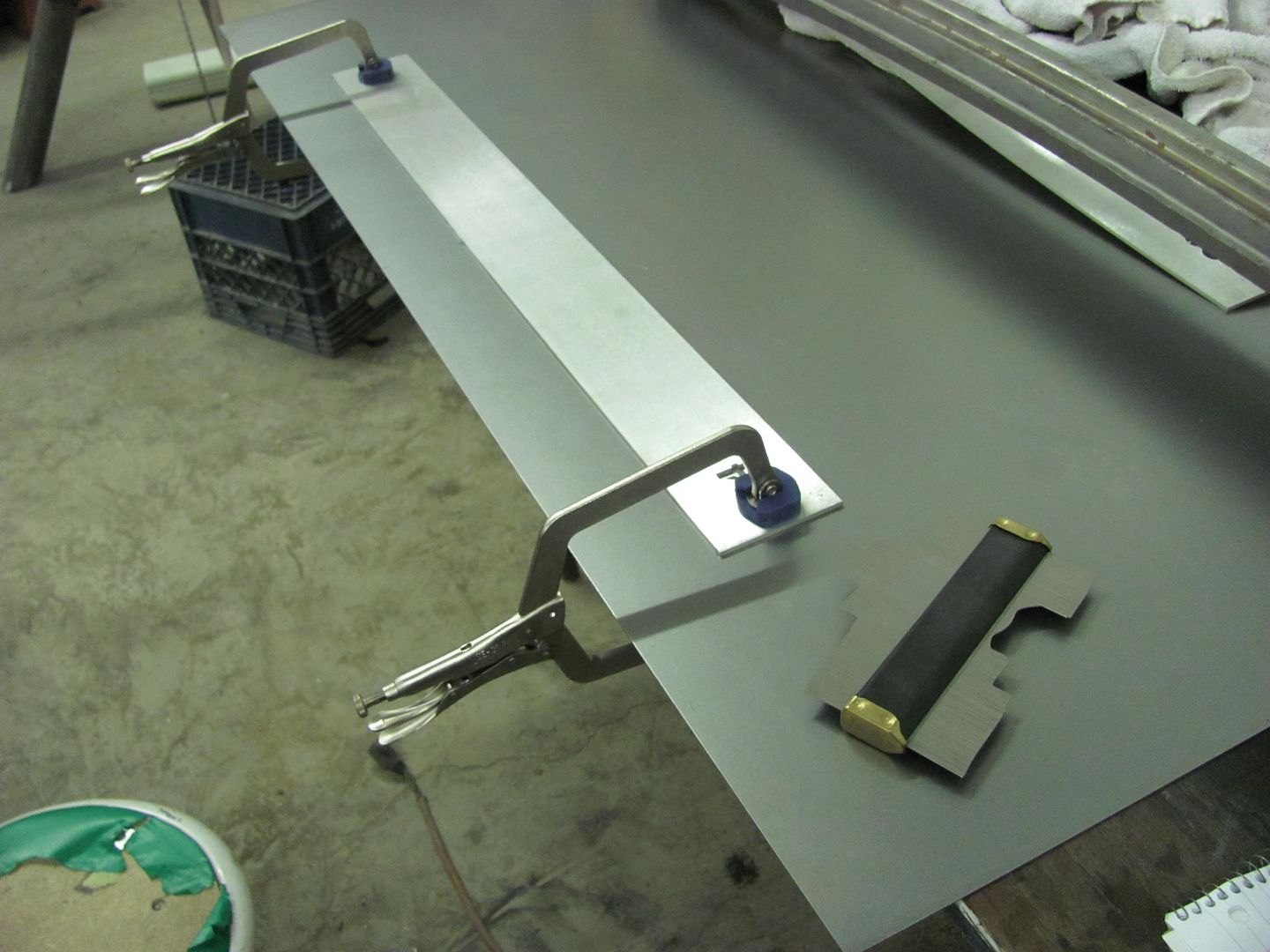
Hopefully this one will be a keeper.... Checked the lower profile of the upper gate with radius sweeps to lay out the new piece...


Picture125-2.jpg


Picture126-2.jpg


Picture127-2.jpg


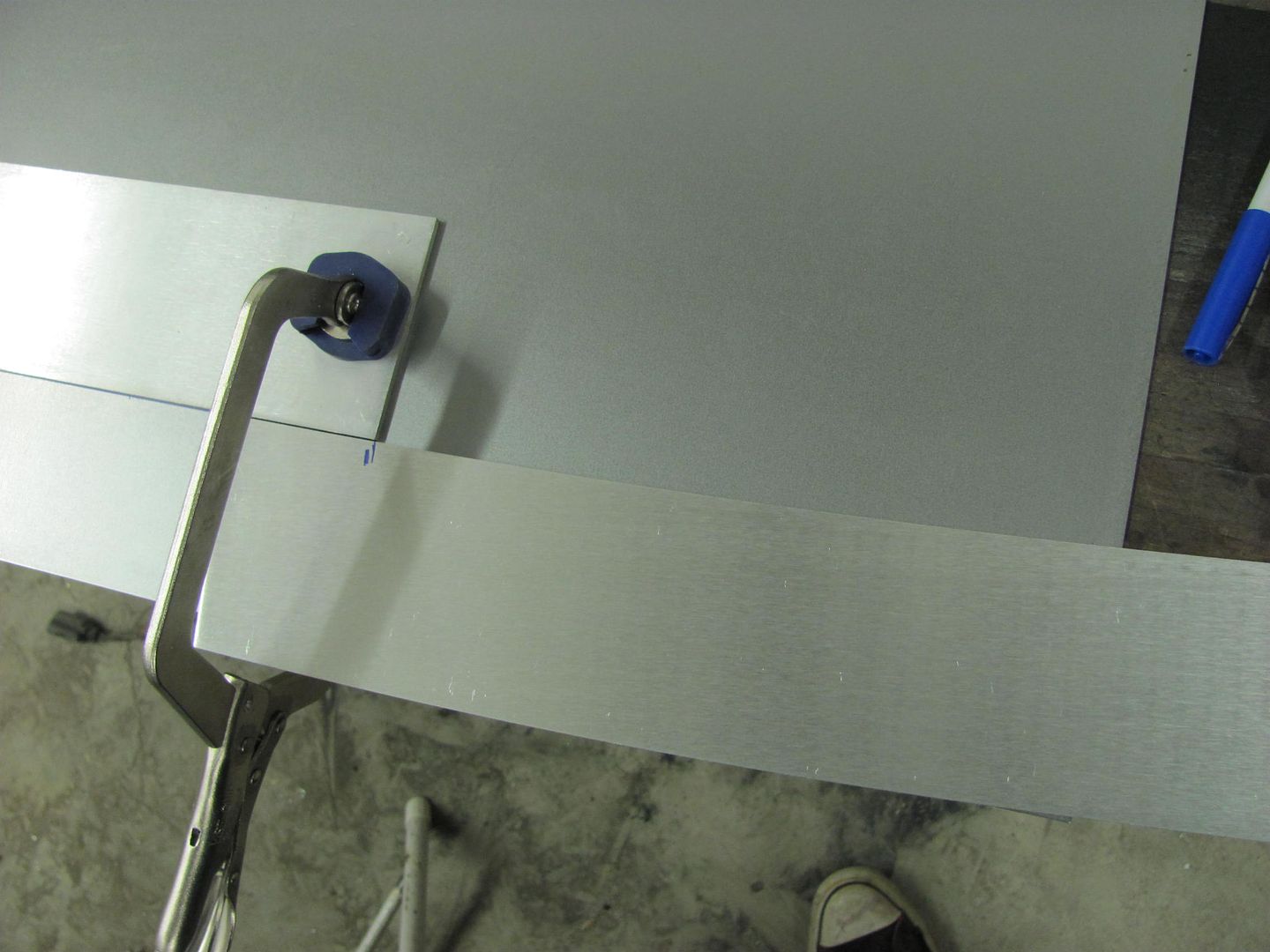
Laying out the pattern on 19ga steel....


Picture128-2.jpg


Picture129-1.jpg


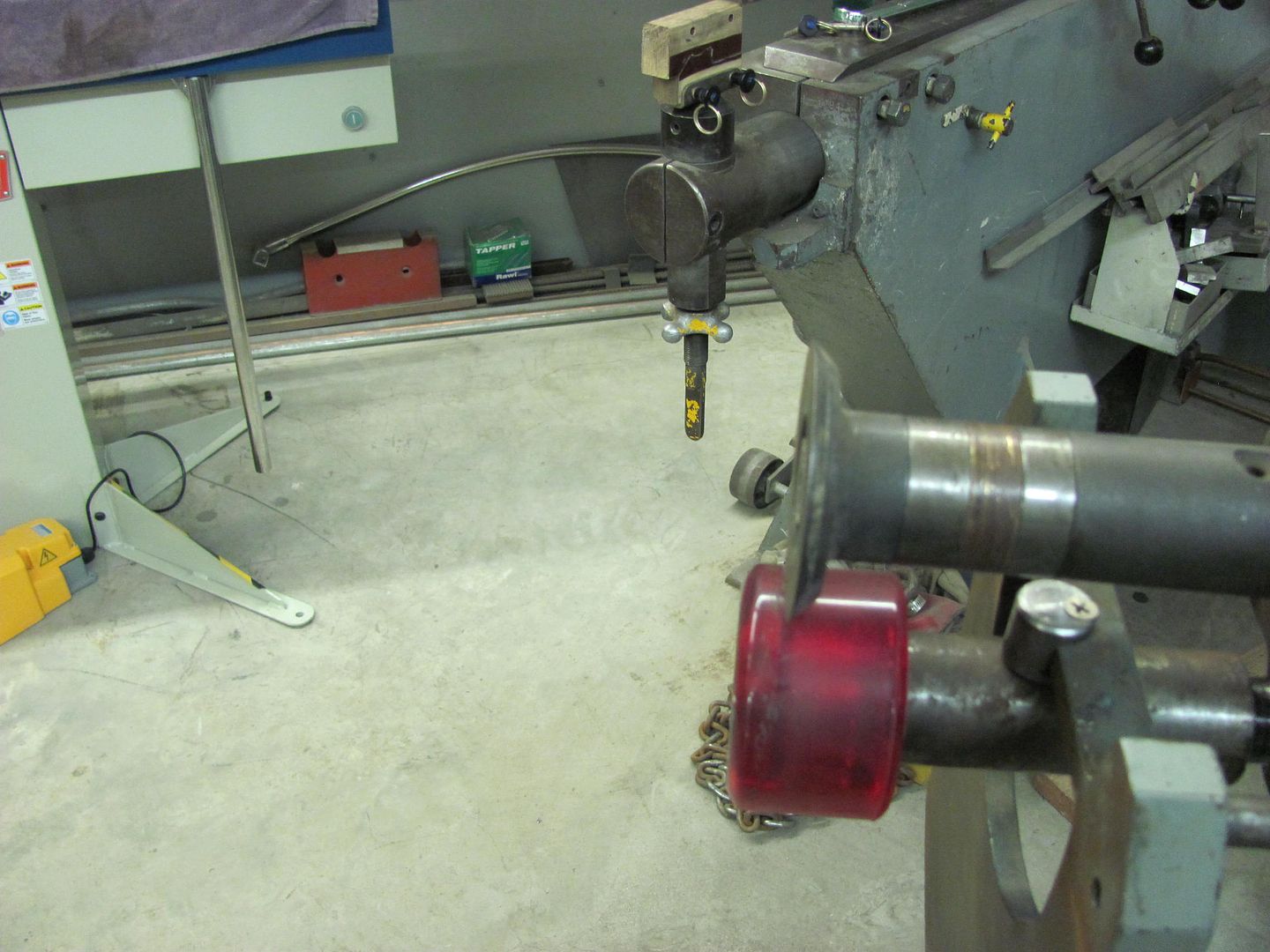
Tipping wheel in the bead roller...


Picture130-2.jpg


......and a newly modified back stop, much better than the flat one.....


Picture131-2.jpg


Offset added with the tipping wheel......


Picture132-2.jpg


Then run through the Lennox.....


Picture081-2.jpg


Picture084-2.jpg


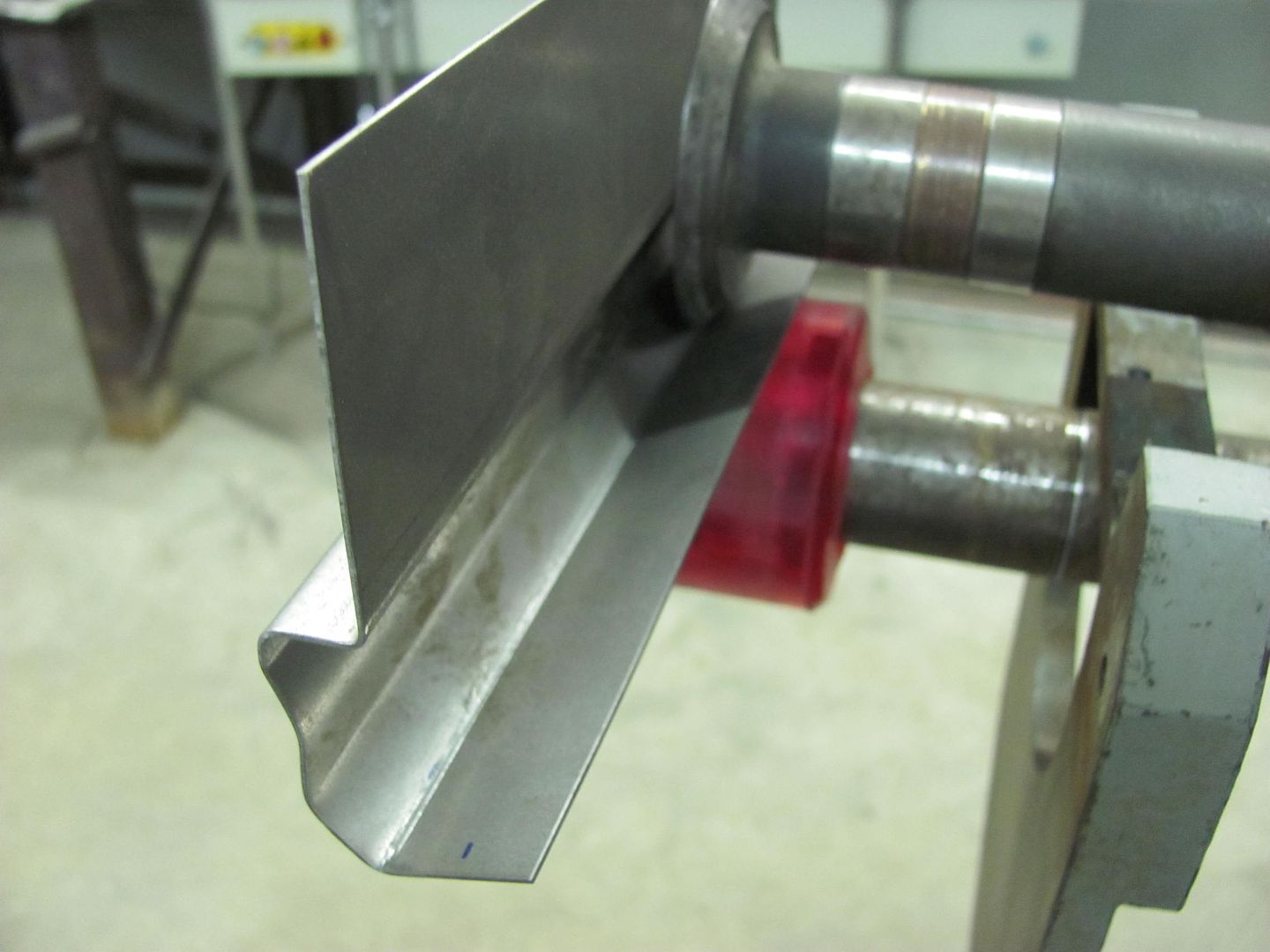
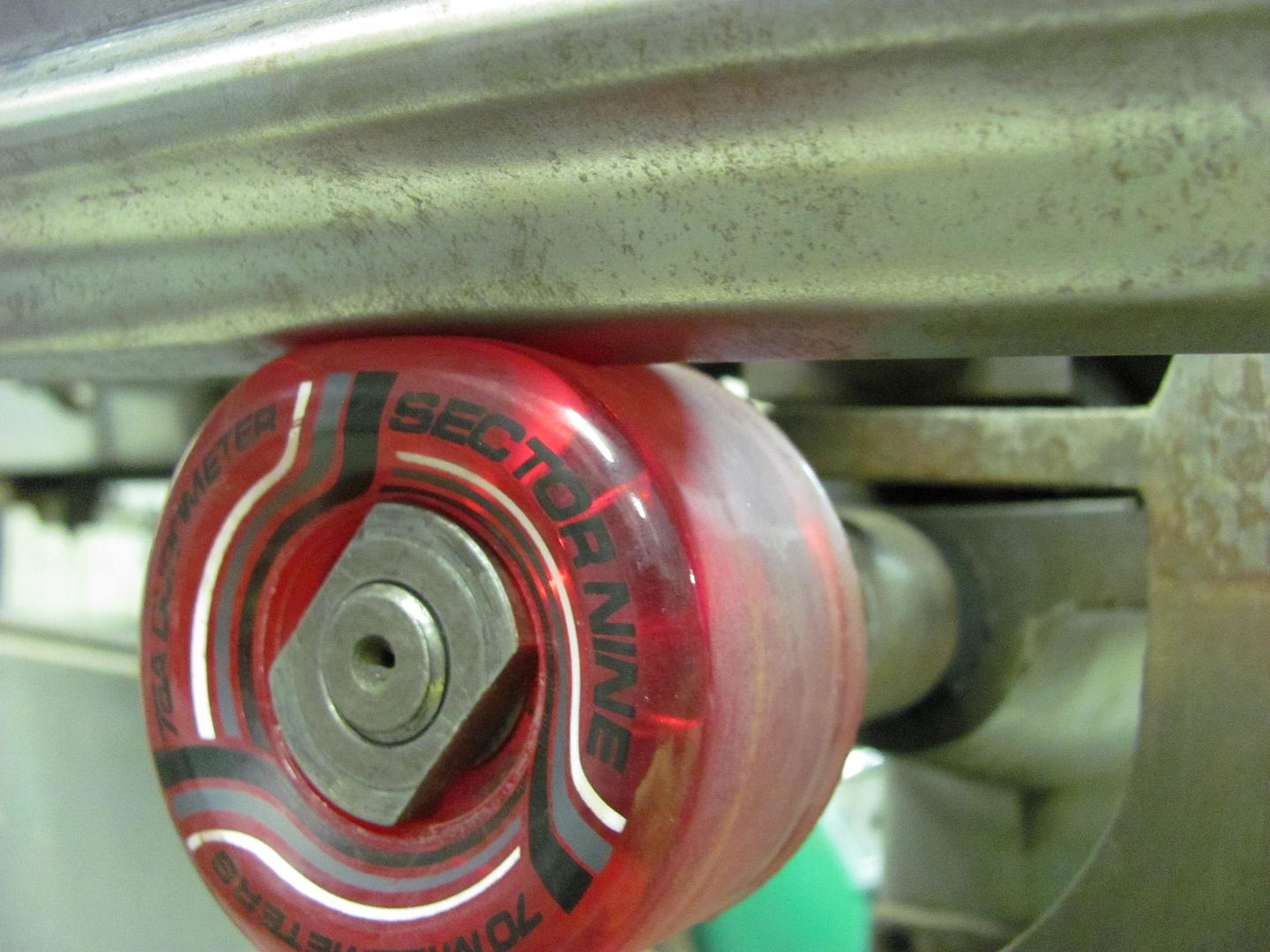
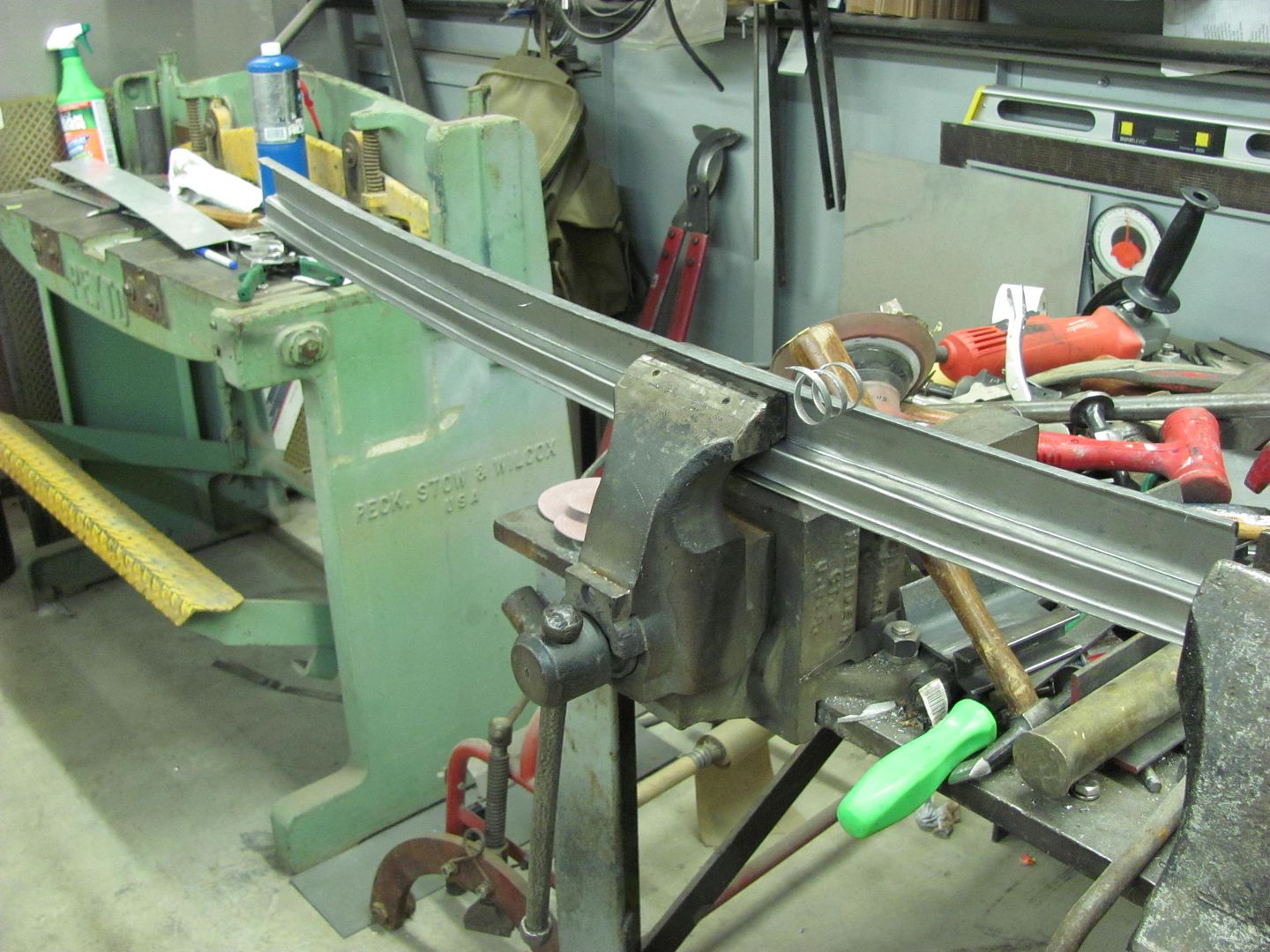
More tipping, then the step die used in place of skateboard wheel with the tipping wheel for the lower 1/4" fold...


Picture134-2.jpg


Picture136-2.jpg


Picture137-2.jpg


Still need to fold the top in the window opening, until next time...
 
OP
M

MP&C

Well-known member
Joined
Oct 21, 2009
Messages
4,396
Location
Leonardtown, MD
Tonight I made a small sample to test the fold of the window opening. Well actually, a few samples, as I started off by producing a small pile of scraps.....about three tries unsuccessfully, then this one, beginning with using the bead roller tipping wheel....


Picture139-2.jpg


Picture140-2.jpg


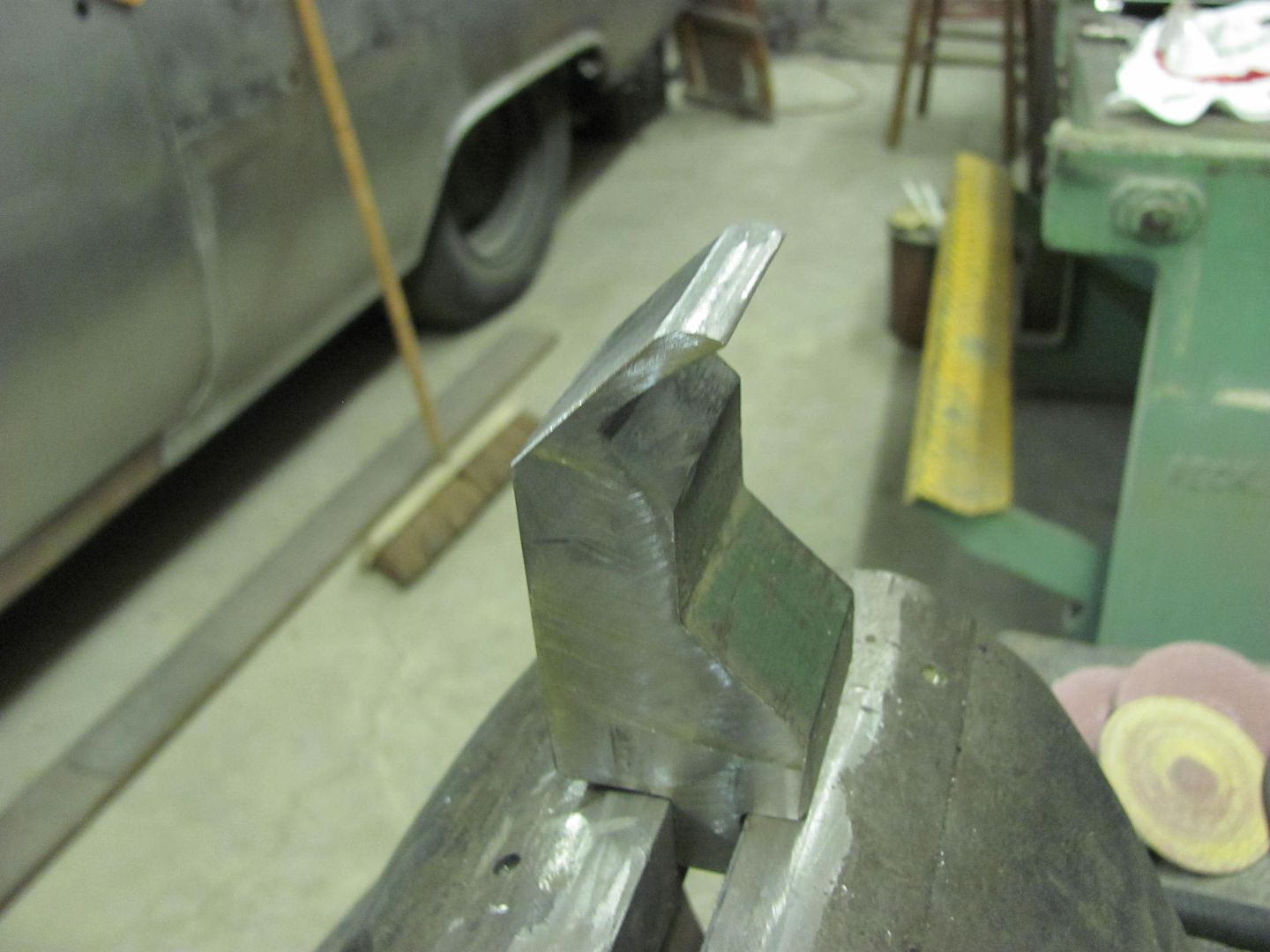
This is about as far as it would go, and with the good piece already having bends at the bottom, would be a bit less once tried on that piece. This will require a custom made "anvil" for some hammer action...

The donor:


Picture142-2.jpg


As modified:


Picture143-2.jpg


Picture144-2.jpg


Picture145-2.jpg


Picture146-2.jpg


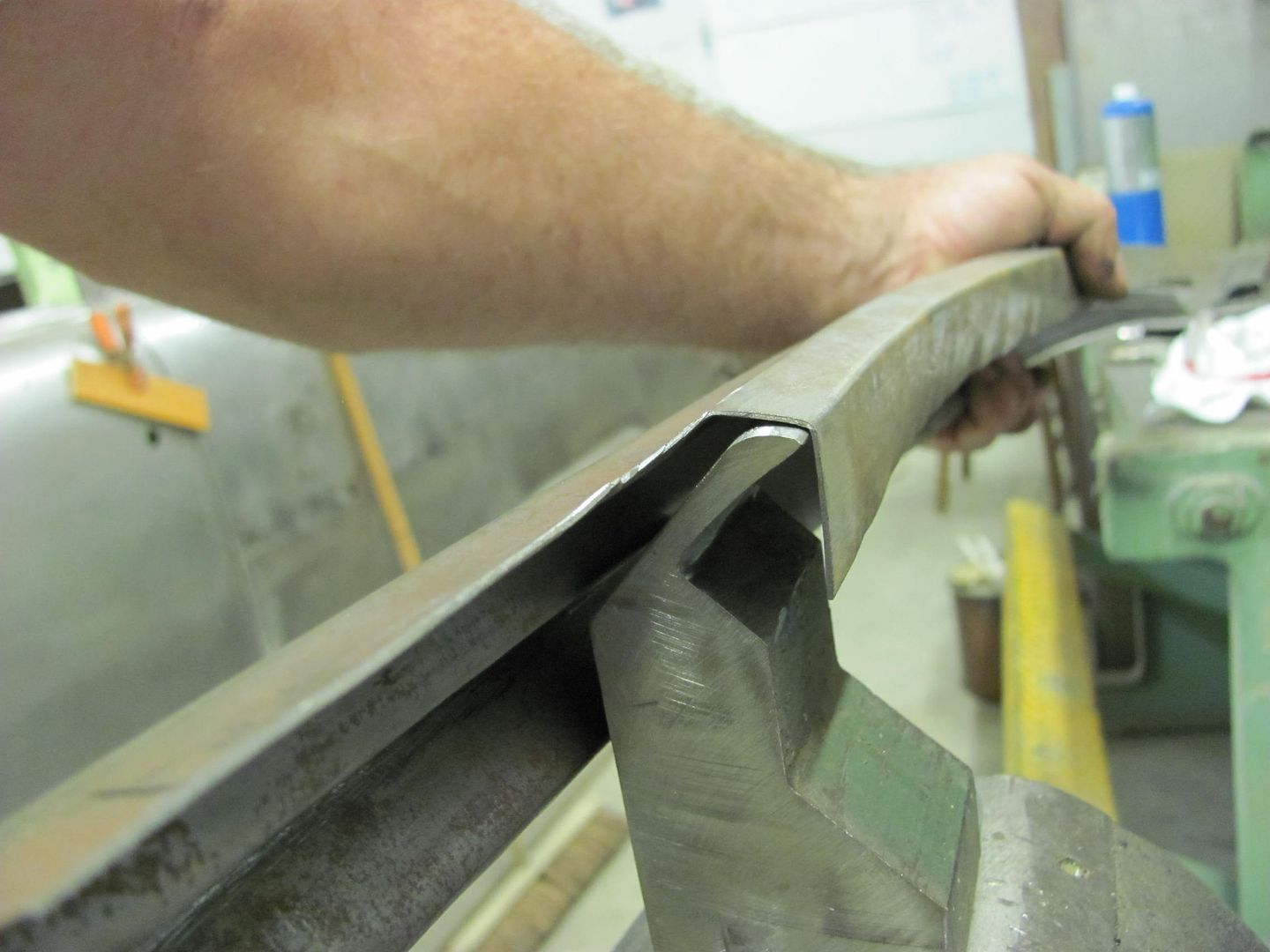
.....then for some manual tipping...


Picture147-2.jpg


Picture148-2.jpg


Picture149-2.jpg


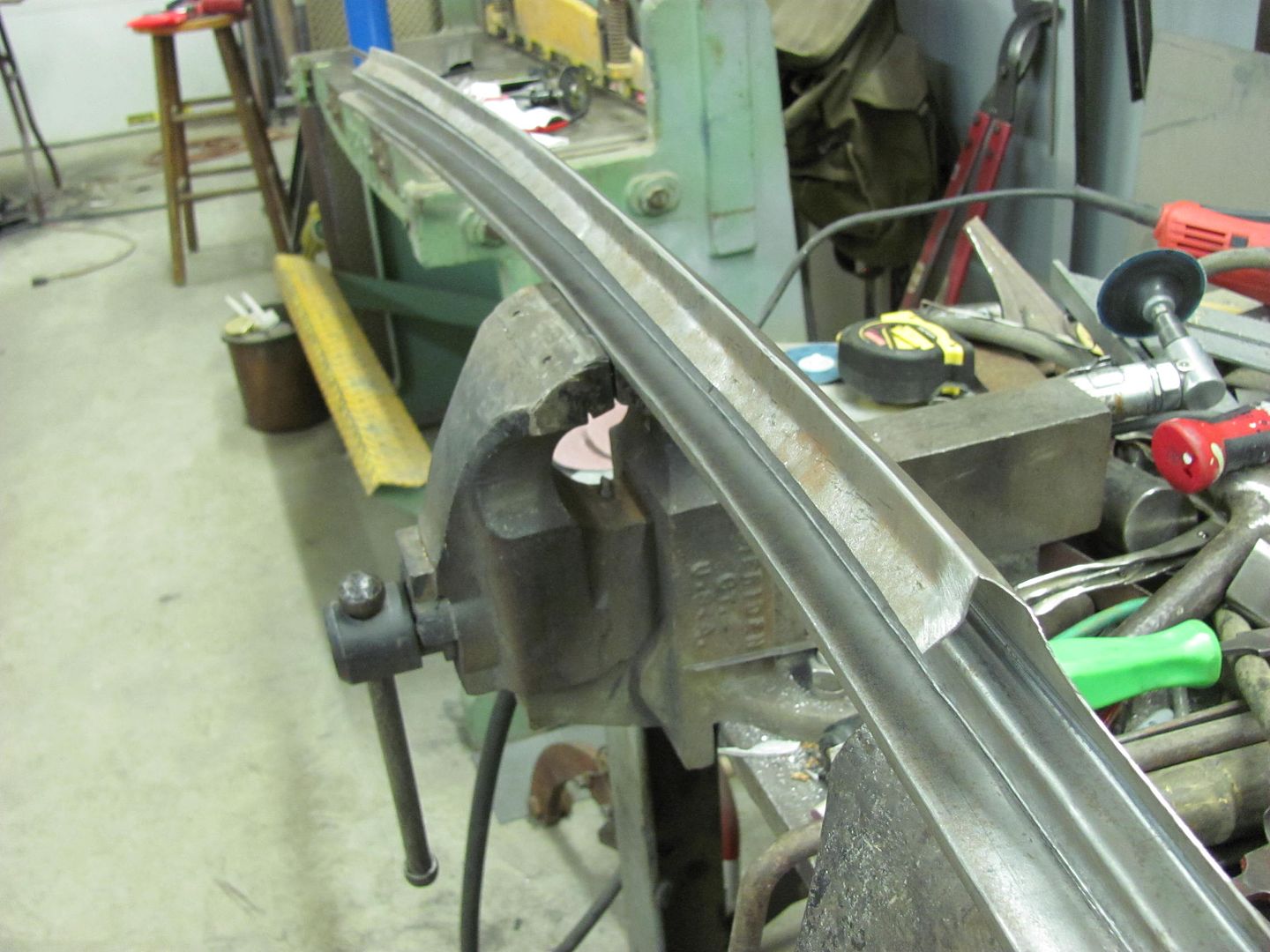
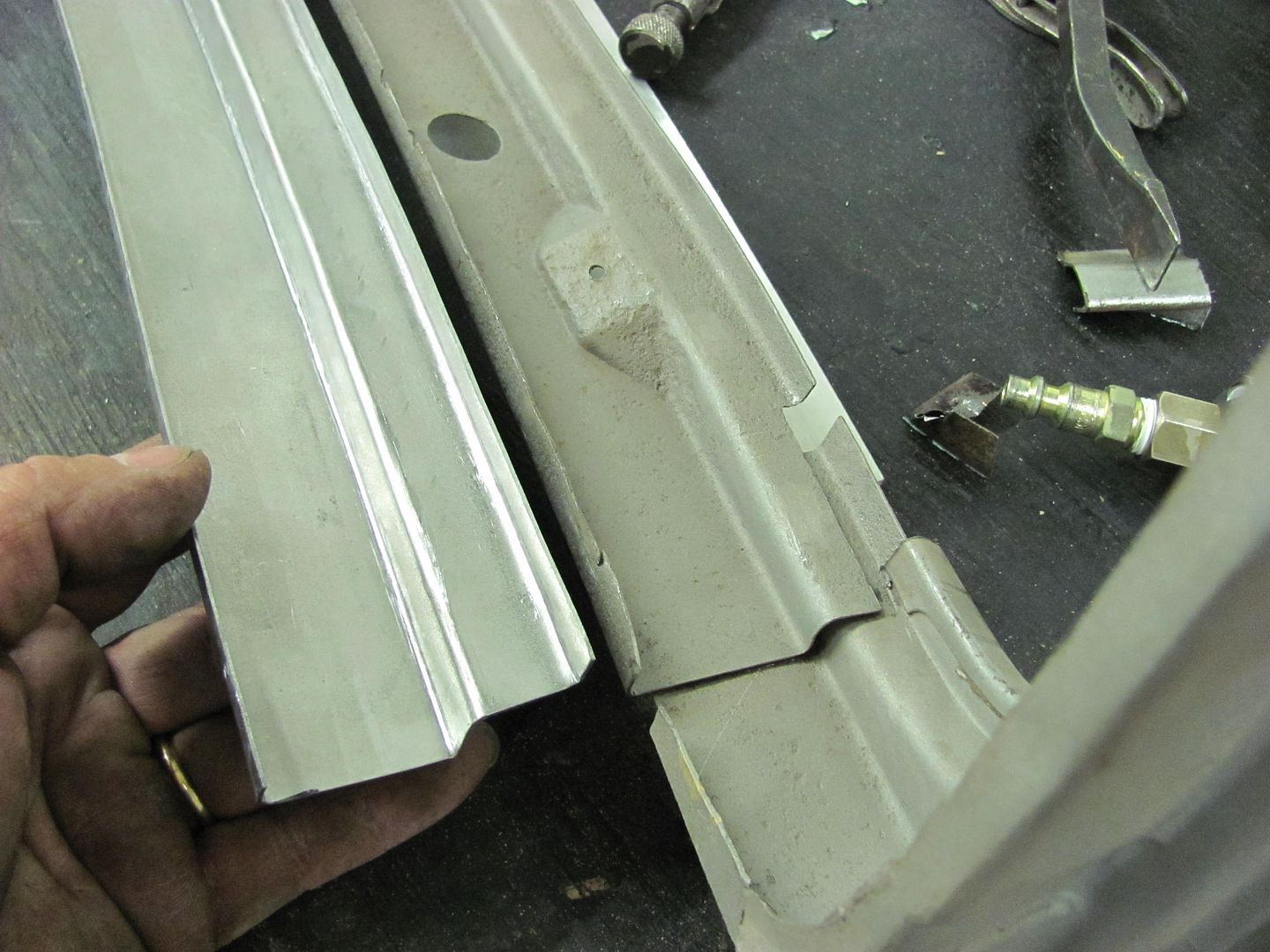
Comparison to the original....


Picture150-2.jpg


Picture151-2.jpg


This looks close, next task will be to cut a sample out of the original and see how close we actually are...
 

oldsfan442

Active member
Joined
Nov 15, 2011
Messages
36
I should unsubscribe. I don't think I am allowed to view such amazing craftsmanship.

I can't wait to see when this car is done. I may cry.

Bryan
 
OP
M

MP&C

Well-known member
Joined
Oct 21, 2009
Messages
4,396
Location
Leonardtown, MD
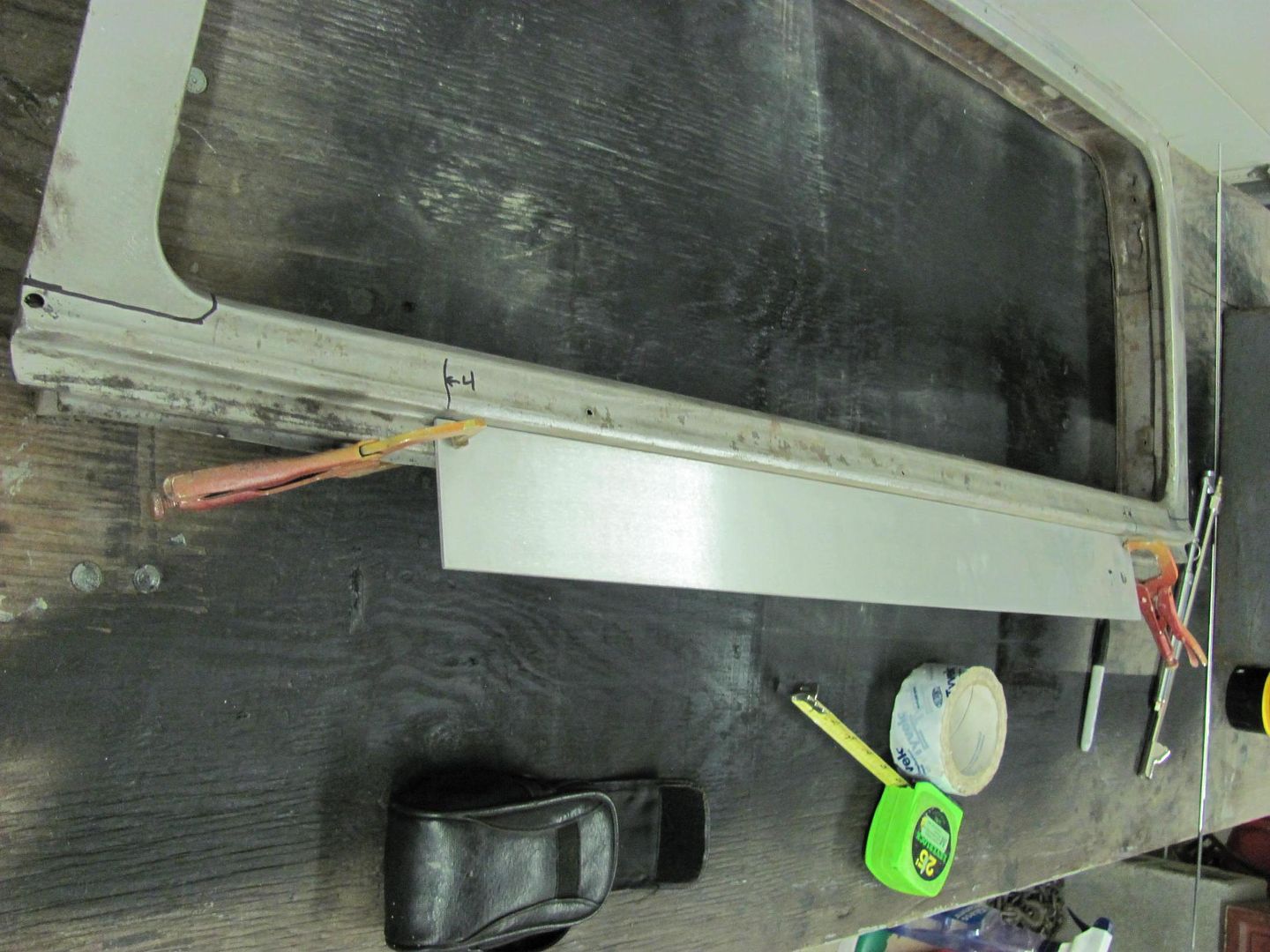
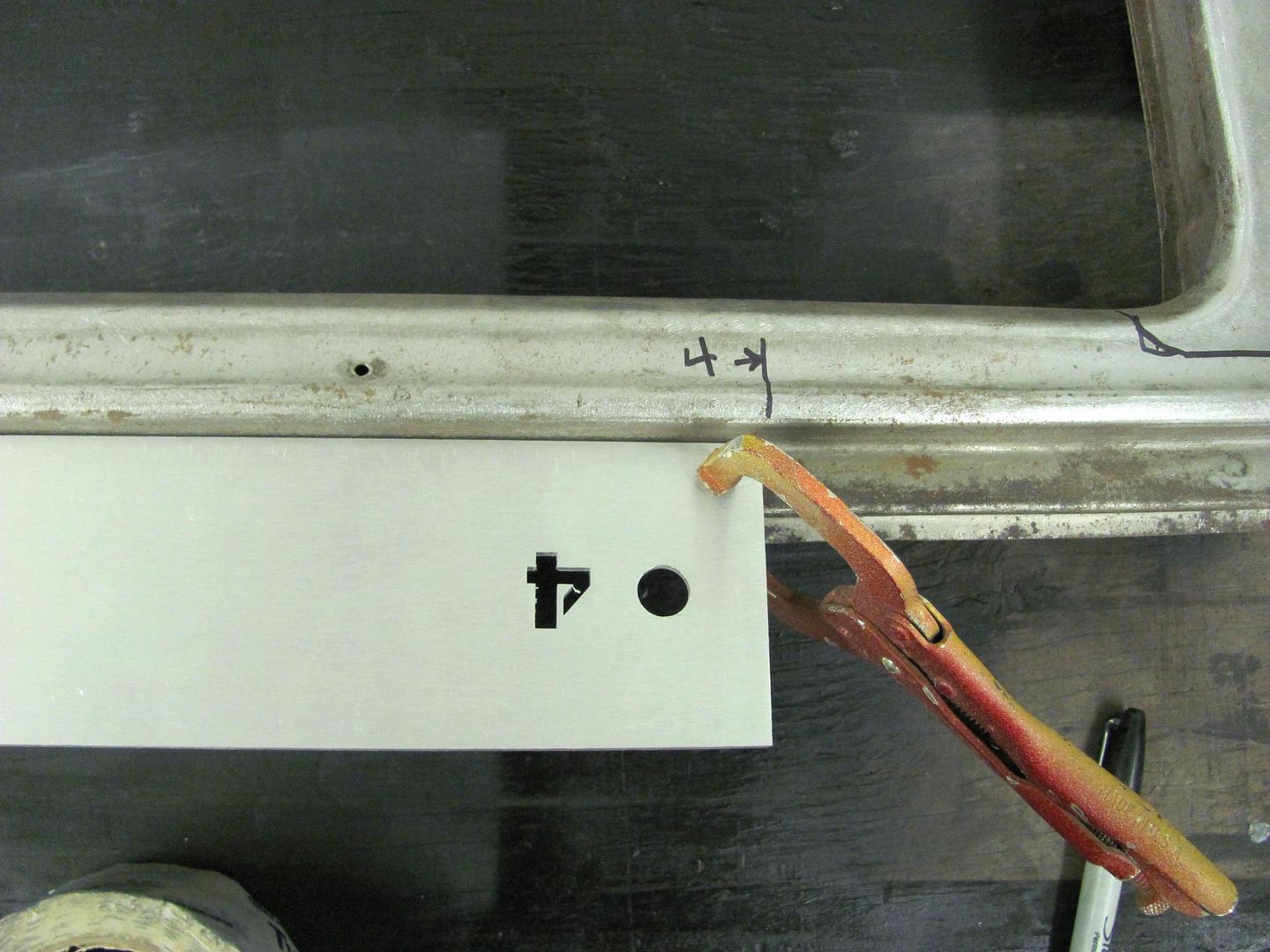
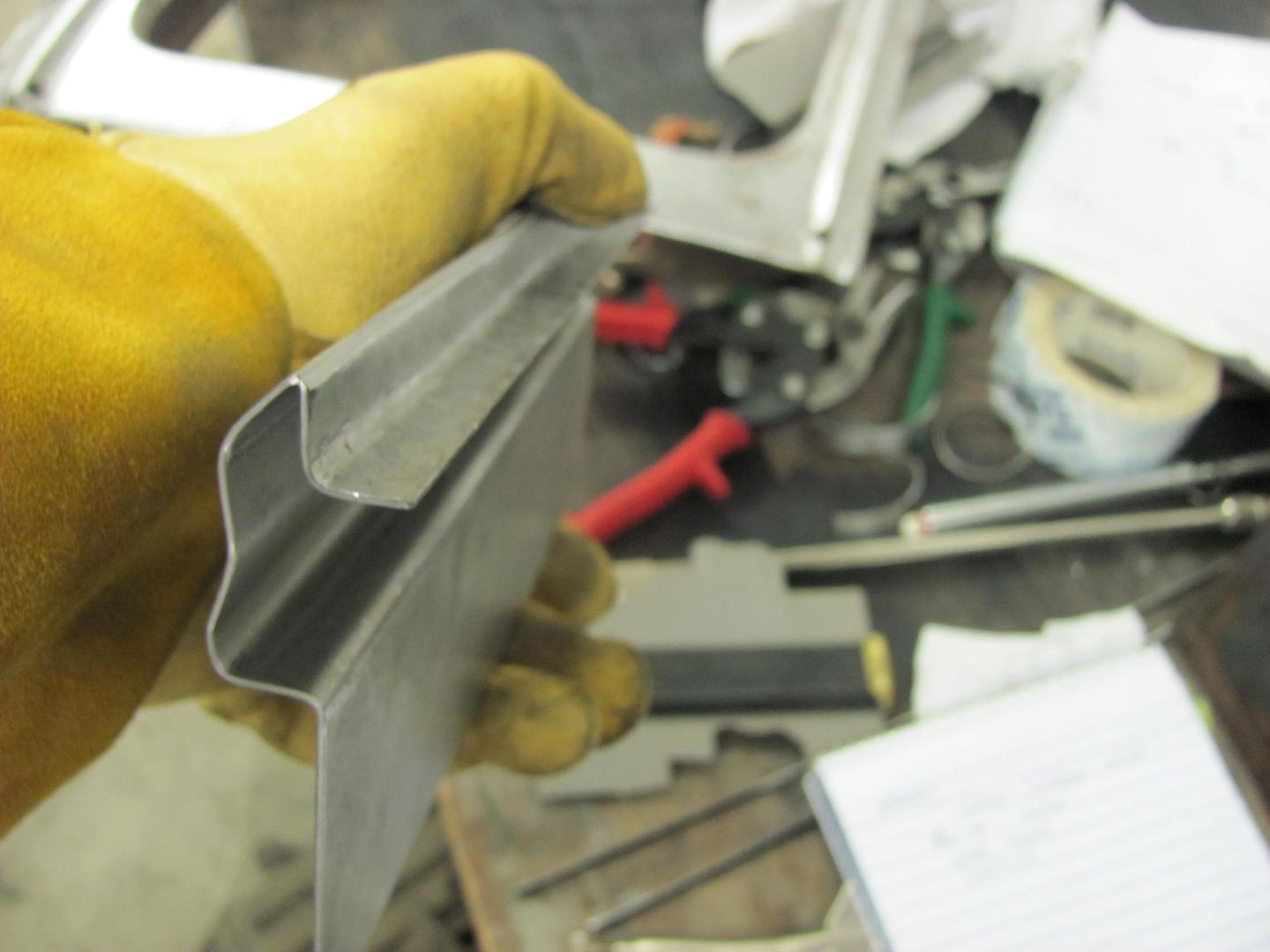
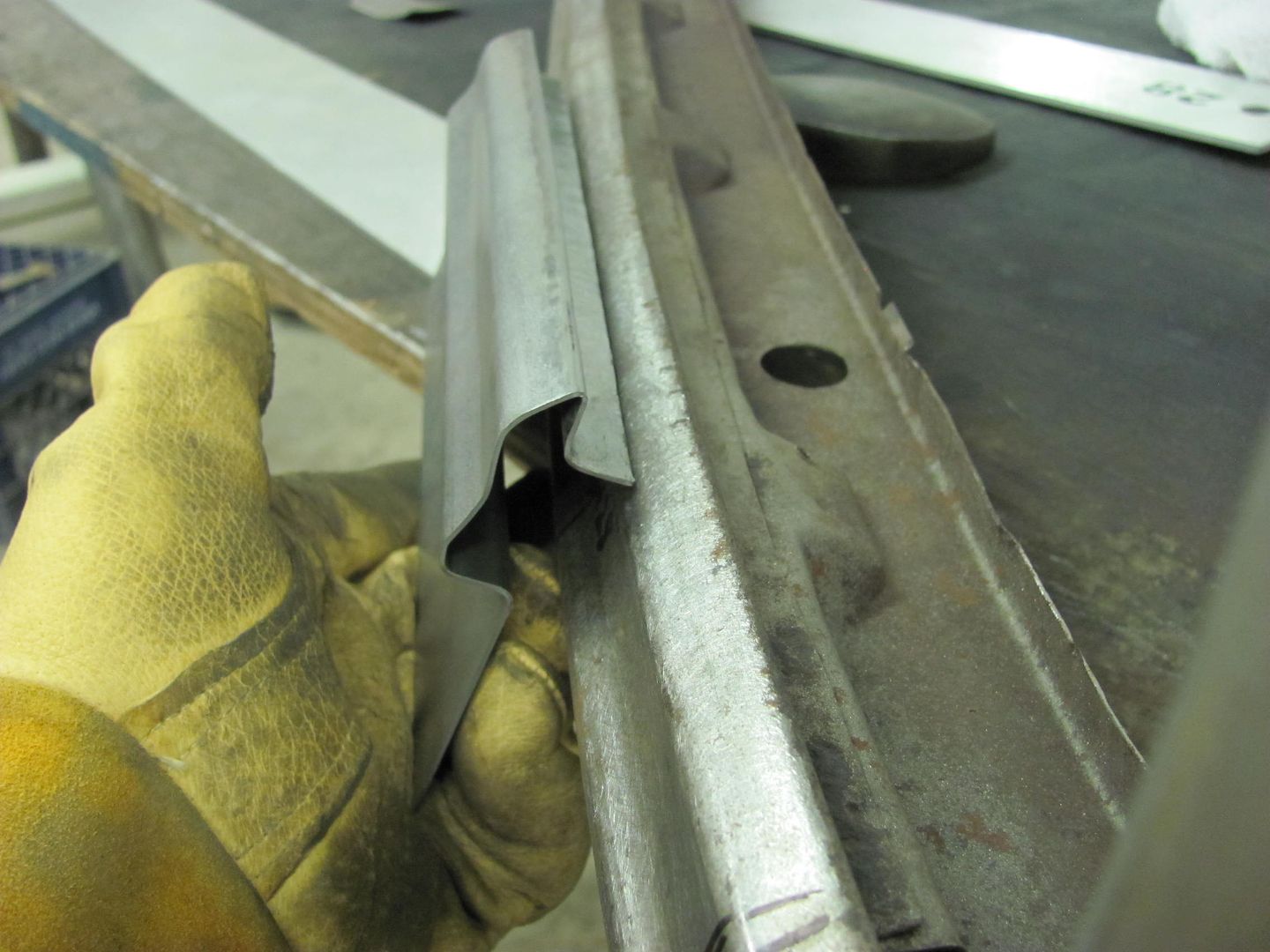
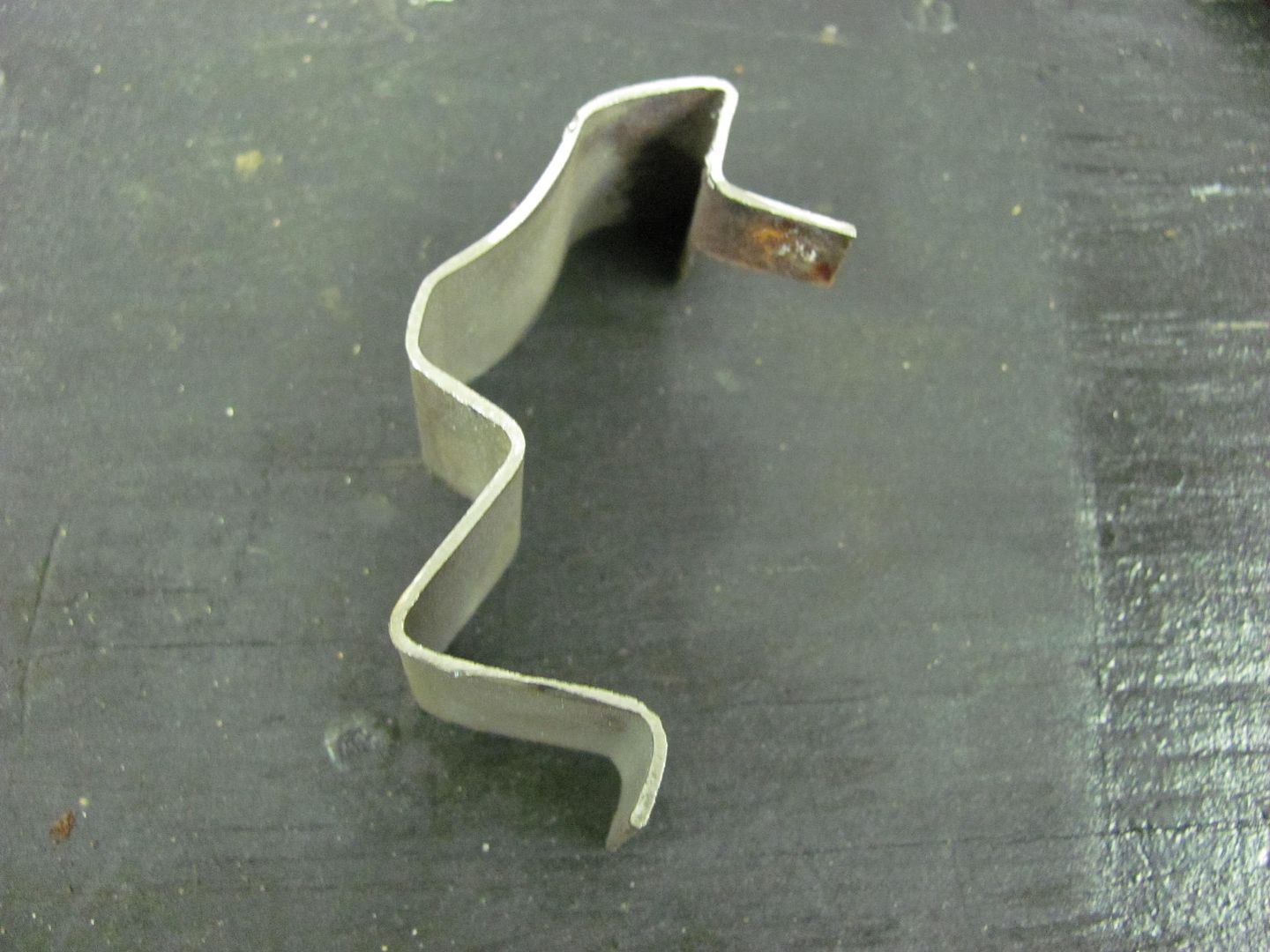
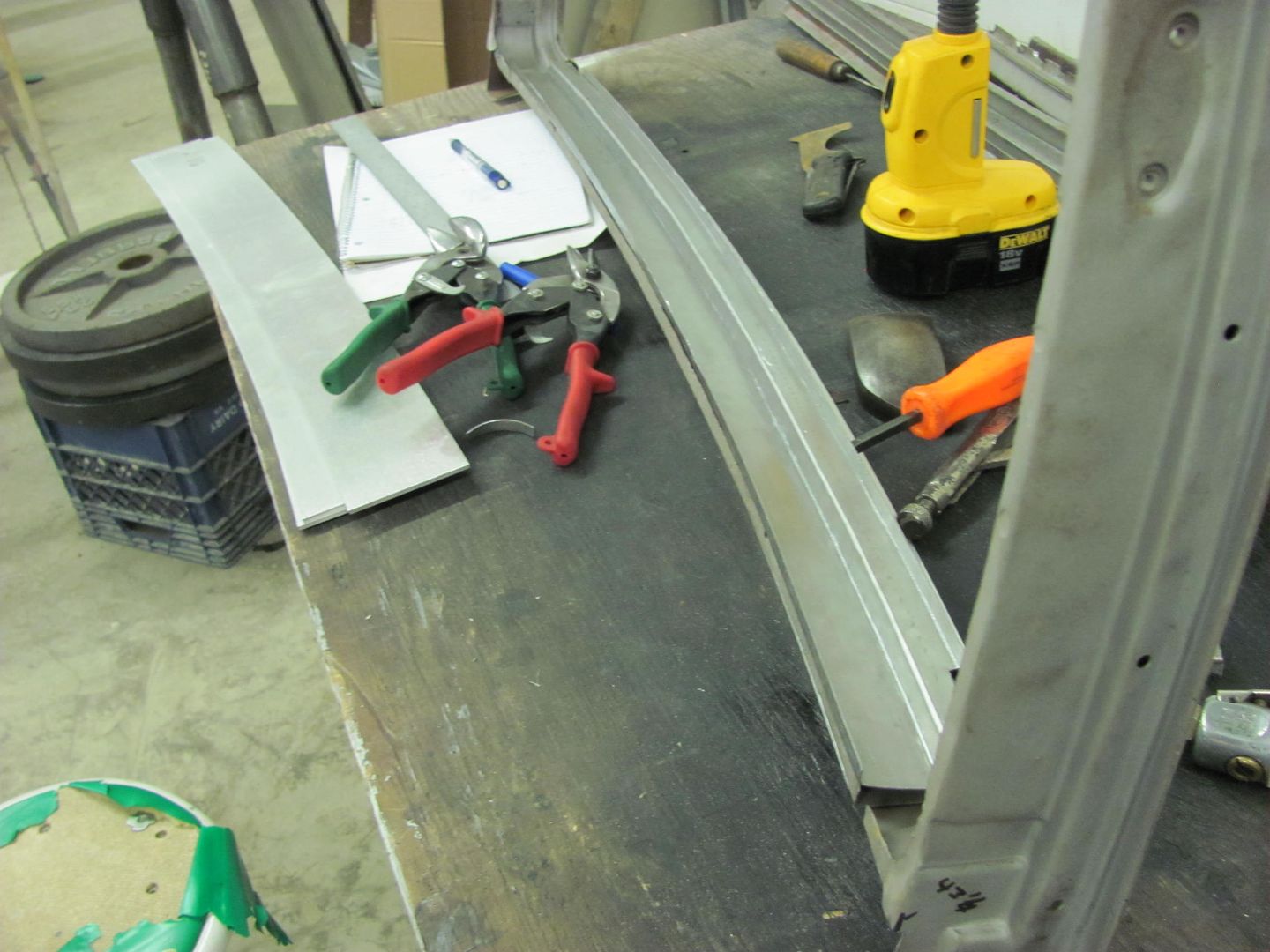
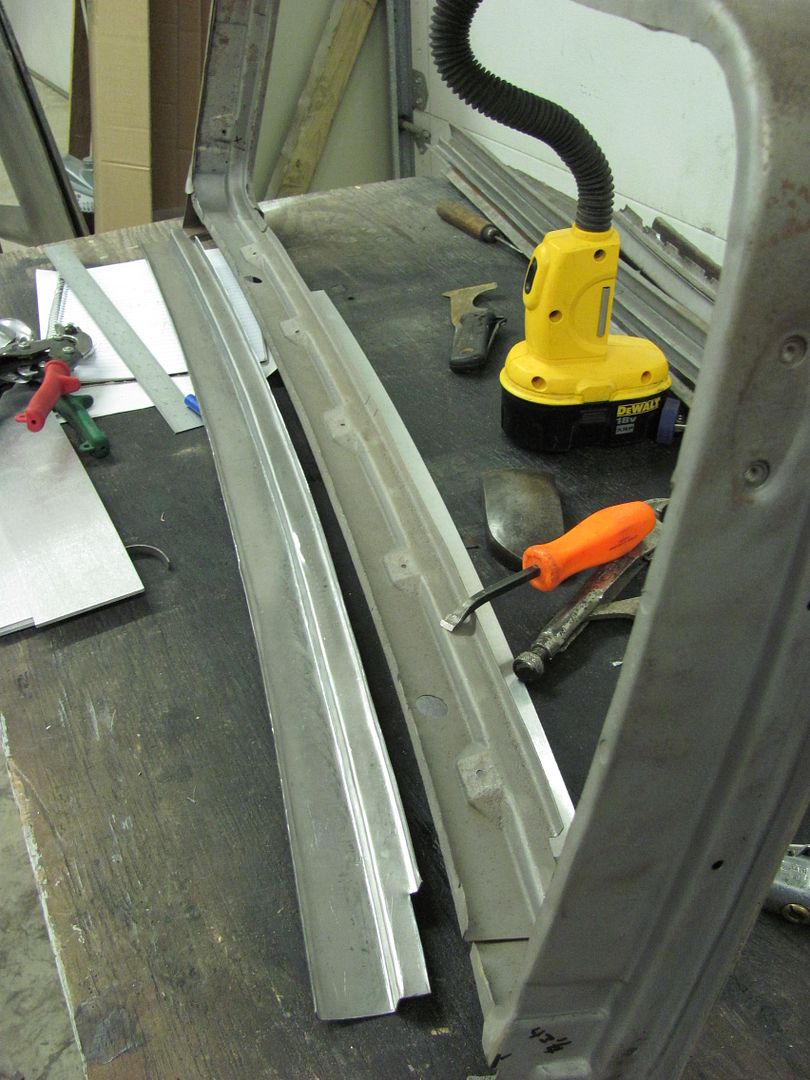
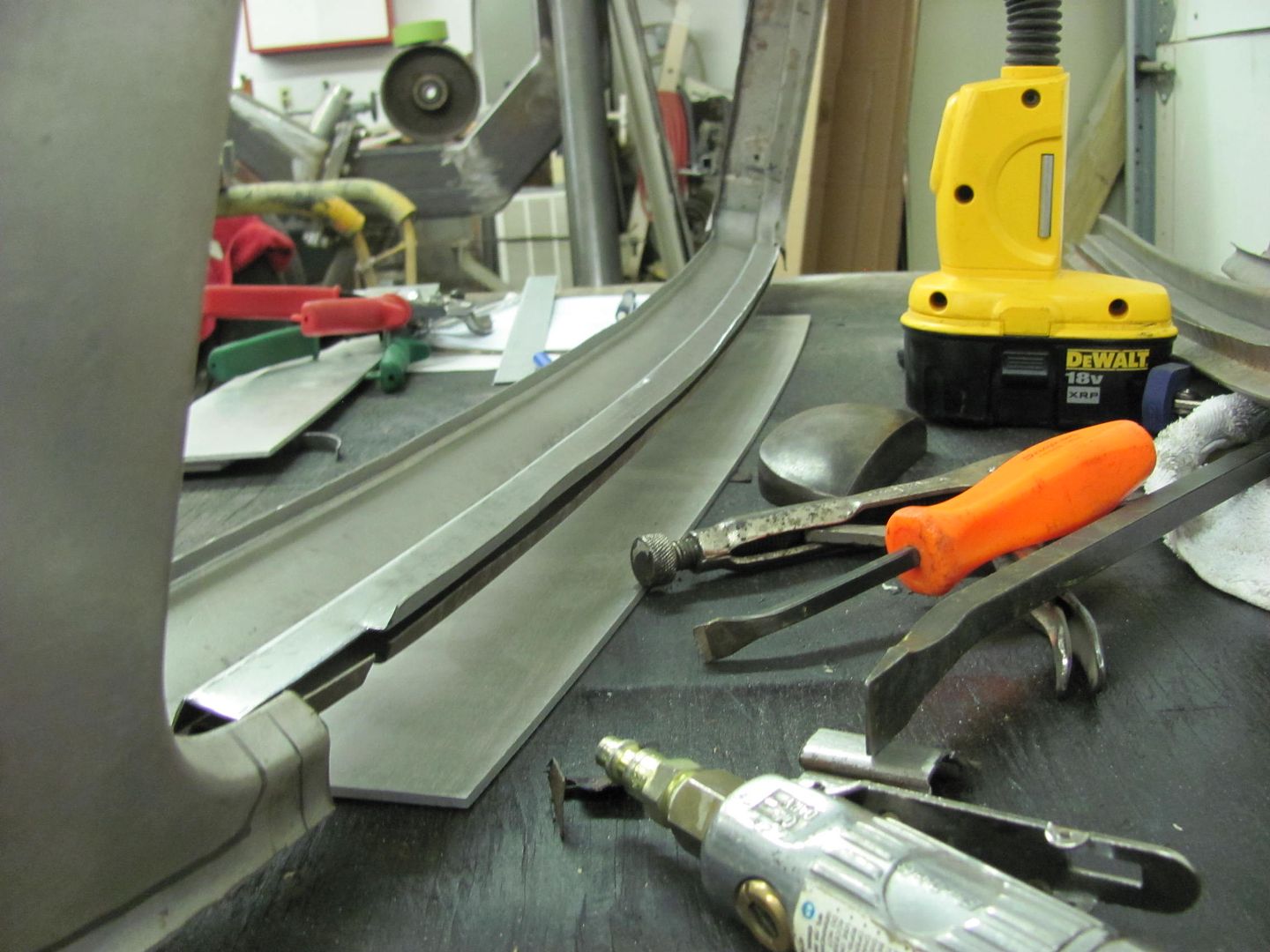
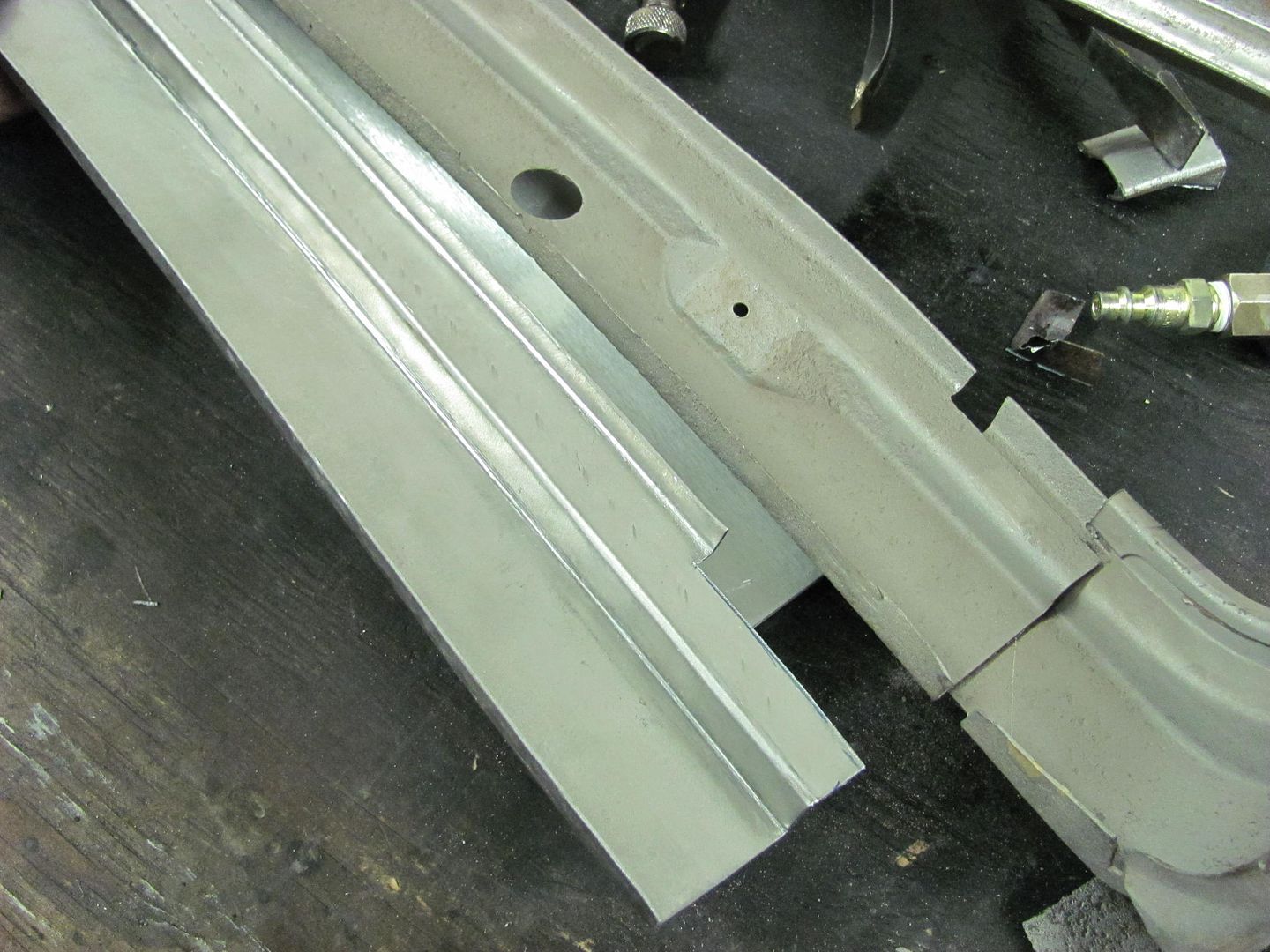
OK, enough of the practice pieces, time to finish the rest of the bends. Just to make sure we don't need any "tweaking", I'll cut a profile sample out of the center. This spot weld one the inner flange is far enough away so I won't need to grind out a spot weld, and still have enough of that flange for a good measurement. In other words, removed with minimal effort where it still holds it's shape accurately.


Picture152-2.jpg


Picture153-2.jpg


Picture154-2.jpg


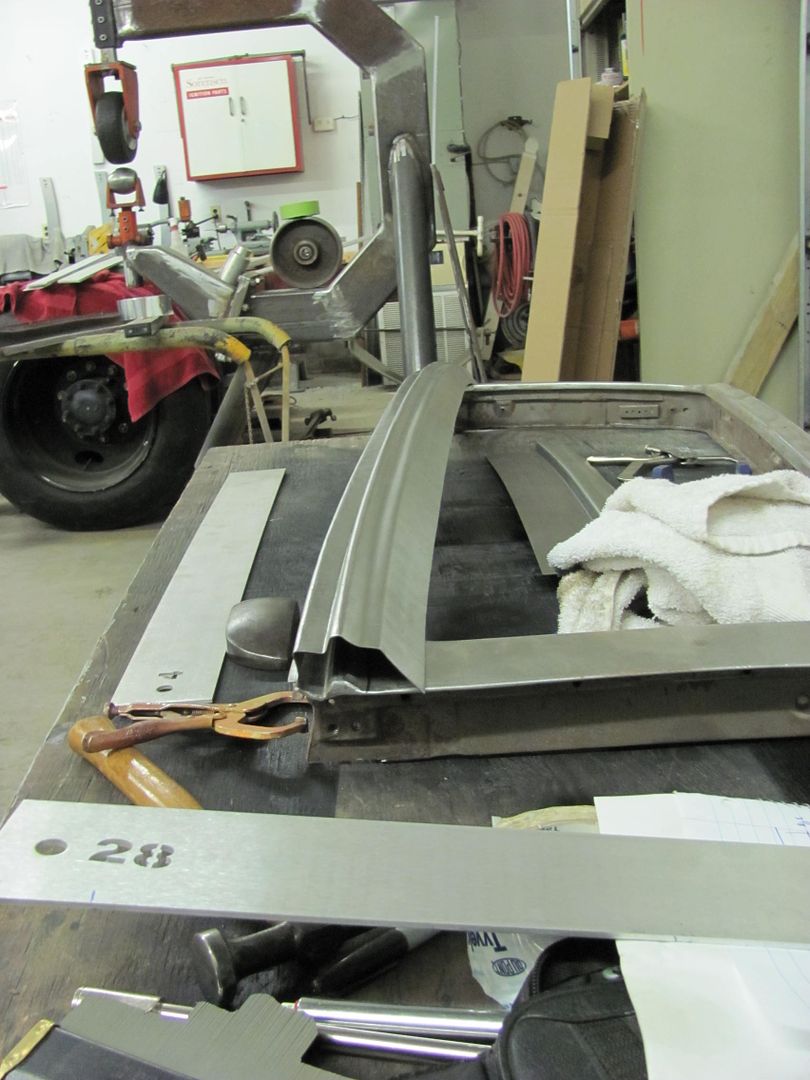
Our profile template:


Picture155-2.jpg


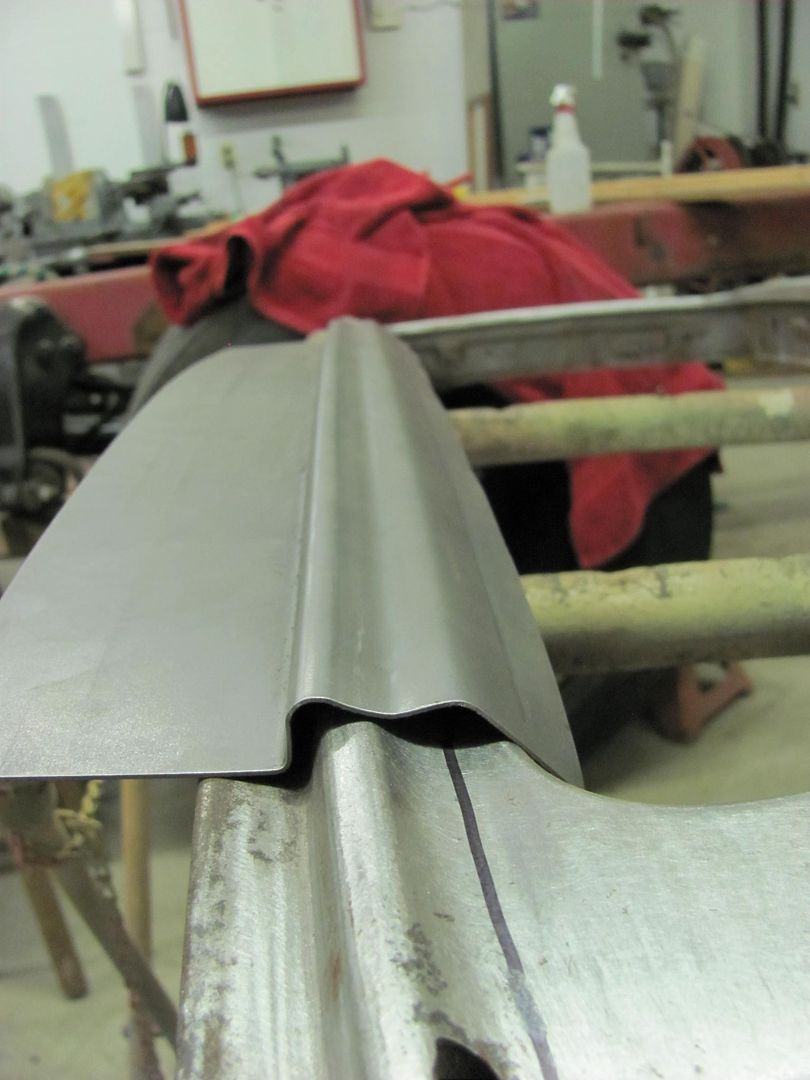
Just to compare to our test sample, looks like the inner flange was bent down a bit much in the manual hammering, will have to ease up a bit...


Picture157-2.jpg


Outside profile looks good enough to leave alone!


Picture158-2.jpg


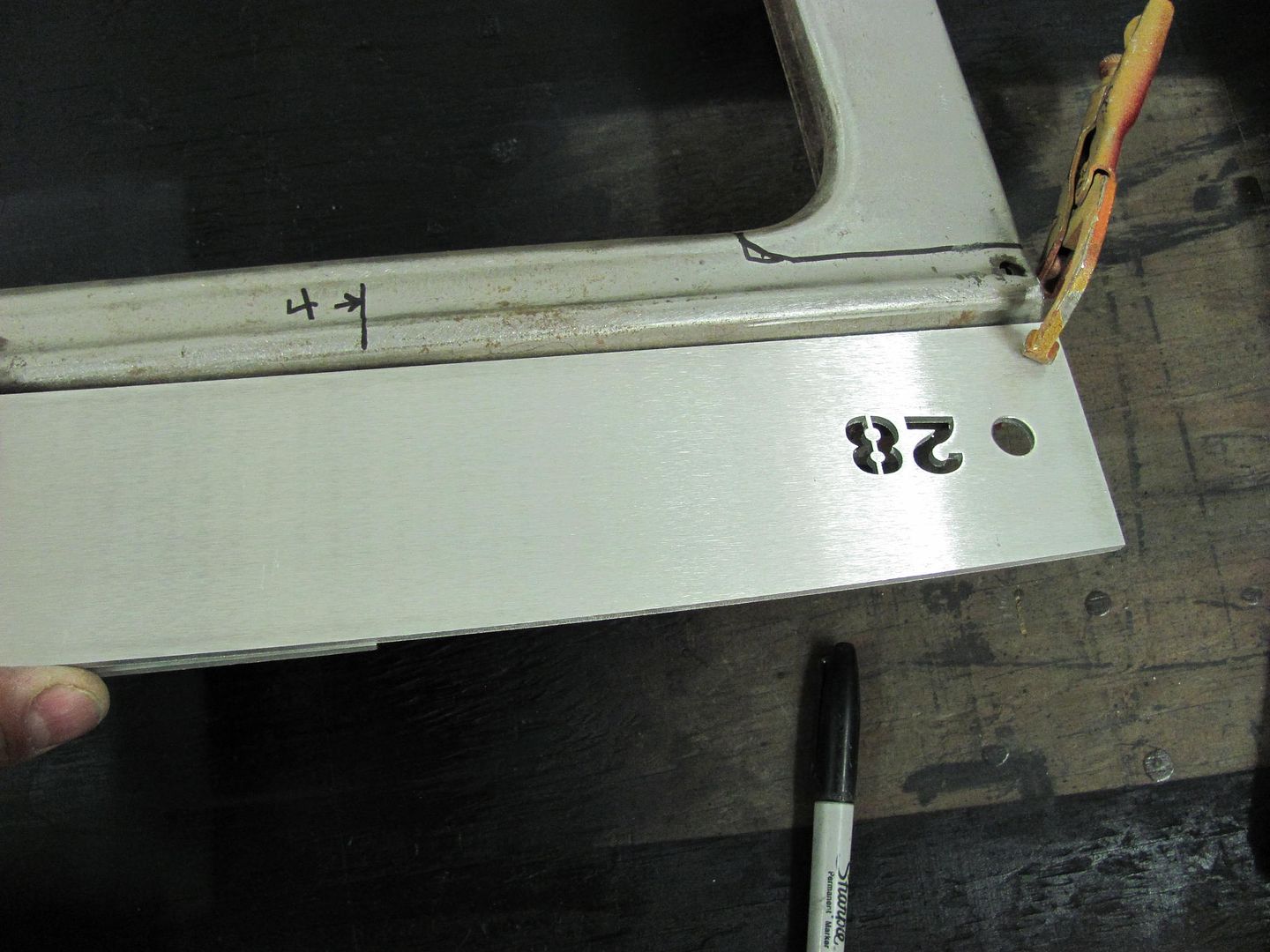
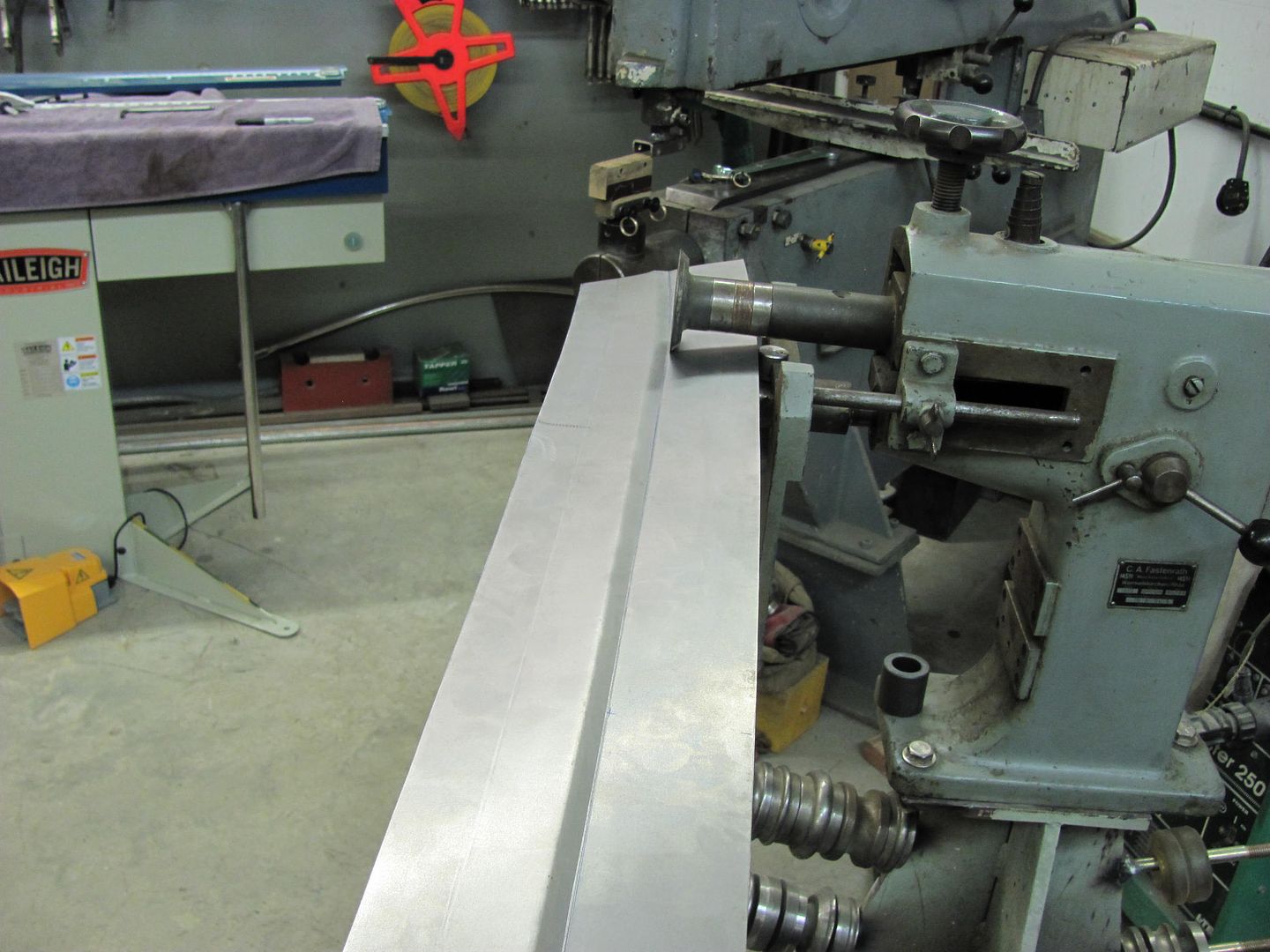
Following the measurement used on the test sample, the panel is run through the bead roller's tipping wheel nice and slow to give us an initial mark for the bend, then repeated to tip the flange downward...


Picture159-2.jpg


Picture160-2.jpg


This looks about all we'll get without distorting and pulling, so then it's off to the custom anvil...


Picture162-2.jpg


Picture163-2.jpg


Picture164-2.jpg


Picture165-2.jpg


Then for some manual tipping...


Picture168-2.jpg


Picture169-2.jpg


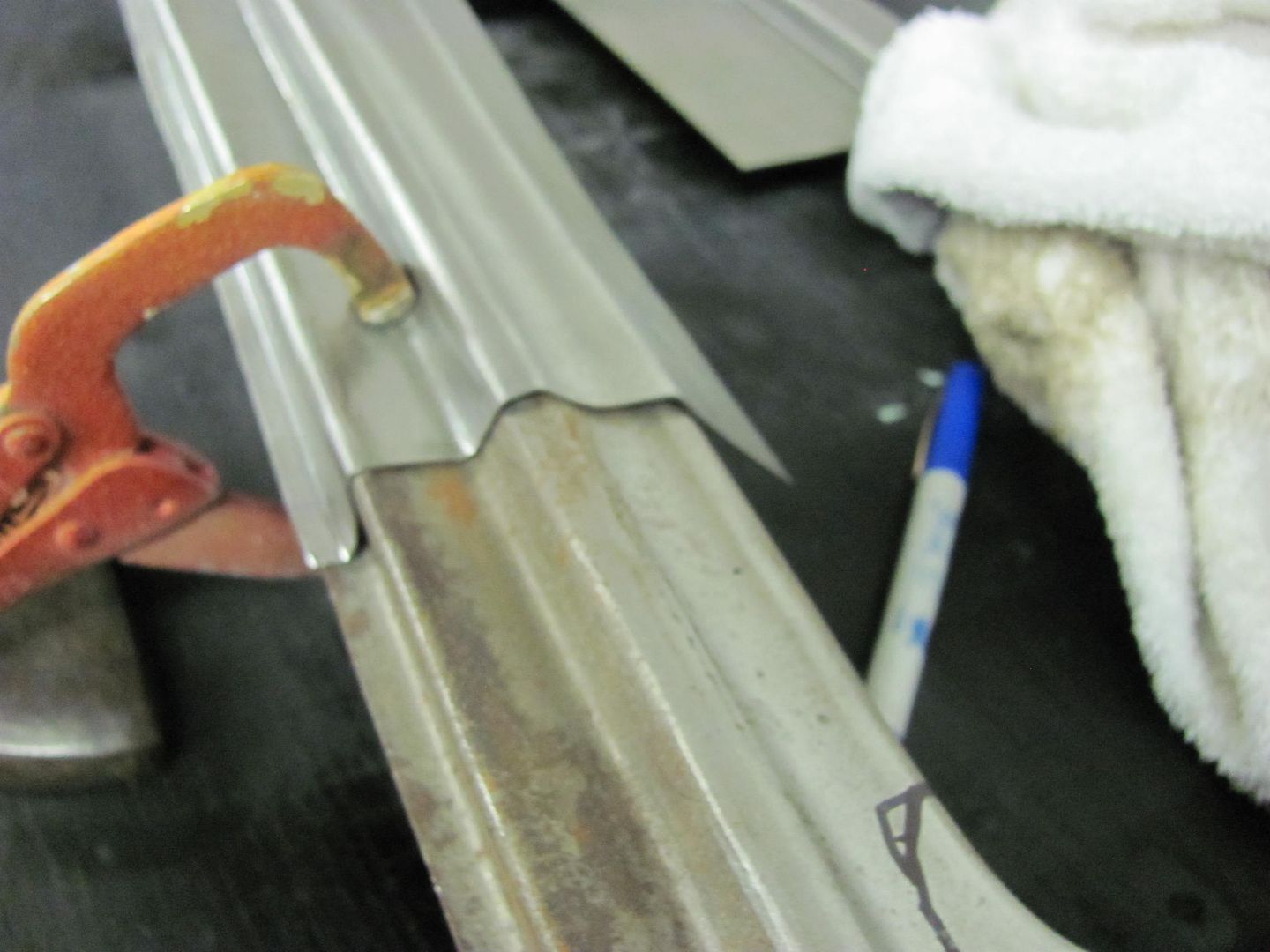
...and comparing to our profile sample......


Picture172-2.jpg


Ready to cut off the old next time...


Picture174-2.jpg


Picture175-2.jpg
 
OP
M

MP&C

Well-known member
Joined
Oct 21, 2009
Messages
4,396
Location
Leonardtown, MD
Kevin, they are body sweeps, or basically radius gauges. I have a set, #1-60, they are 30" long and have the same radius on both sides, for an inside/outside profile. For sizing, basically a #1 has an arc center height that is 1/32 up from straight-line. The #60 would be 60/32. Where they come in handy, they do have limitations in that most of your body profiles don't use one particular radius throughout, there is a transition between sizes. Another option is a flexible radius gauge, that is adjustable to match your panel's profile. This type would be especially handy in comparing a known good panel to one in need of repair.


attachment.php
 

Attachments

  • Flex radius gauge.jpg
    Flex radius gauge.jpg
    34.9 KB · Views: 2,158
Last edited:
OP
M

MP&C

Well-known member
Joined
Oct 21, 2009
Messages
4,396
Location
Leonardtown, MD
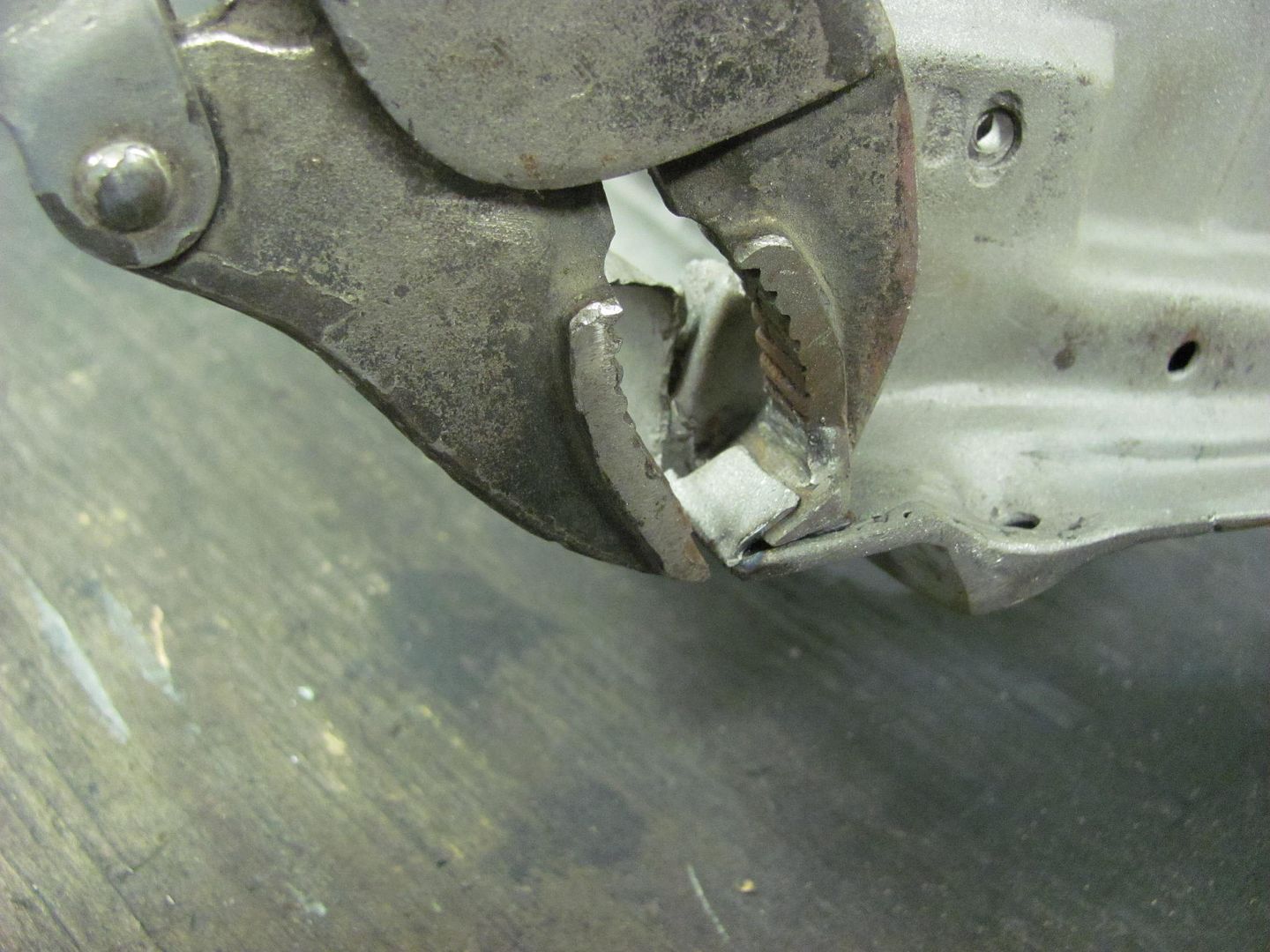
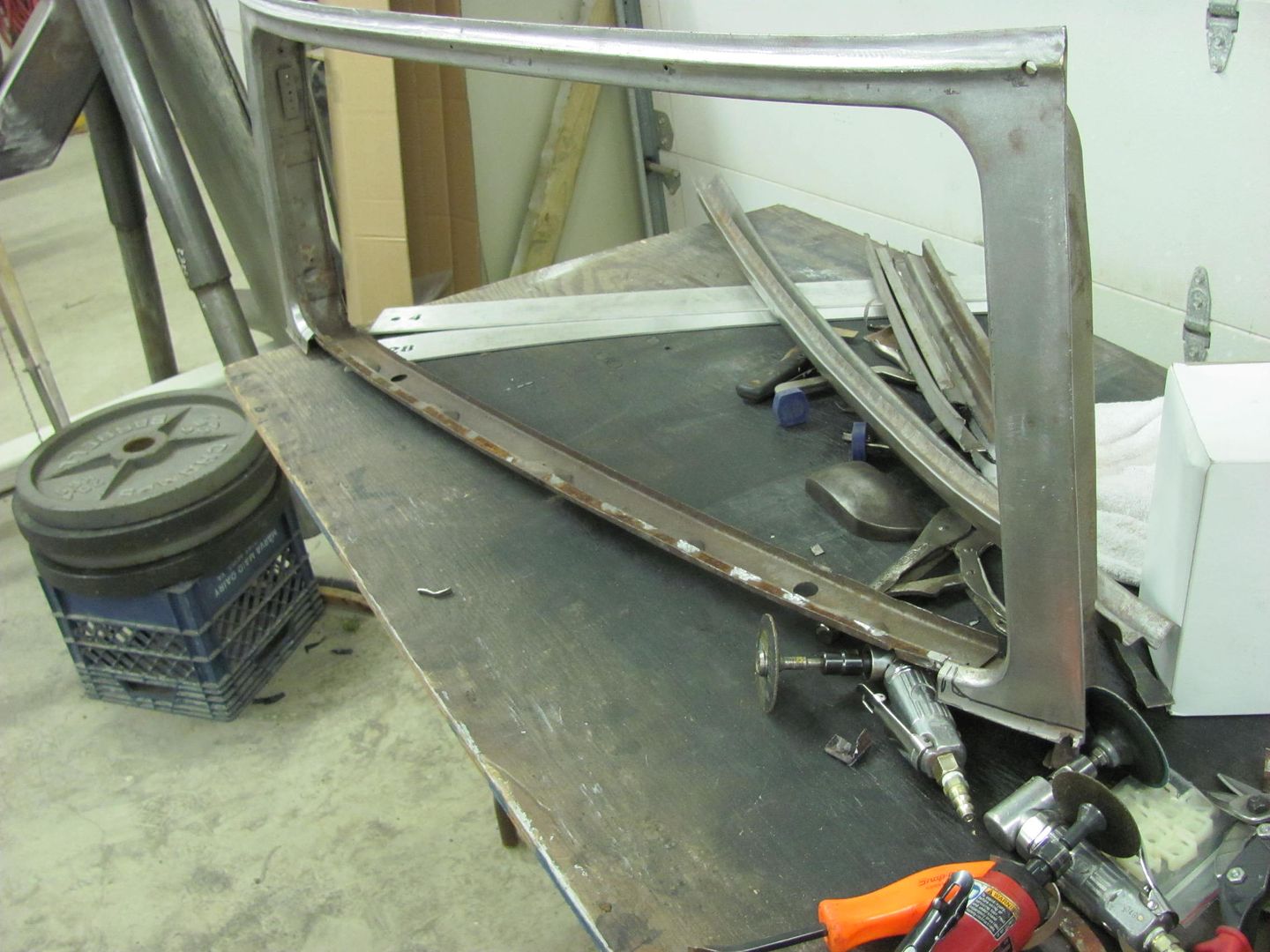
Well tonight's task was to remove the bottom detail of the lift gate and sandblast the remaining structure in prep for epoxy primer. The lower edge did have a flange folded up, so a slit was cut along the edge and the door skin vise grips were put to use...


Picture177-2.jpg


Picture178-2.jpg


Picture179-2.jpg


Next, the spot welds inside were ground out.....


Picture180-2.jpg


Picture182-2.jpg


Picture183-2.jpg


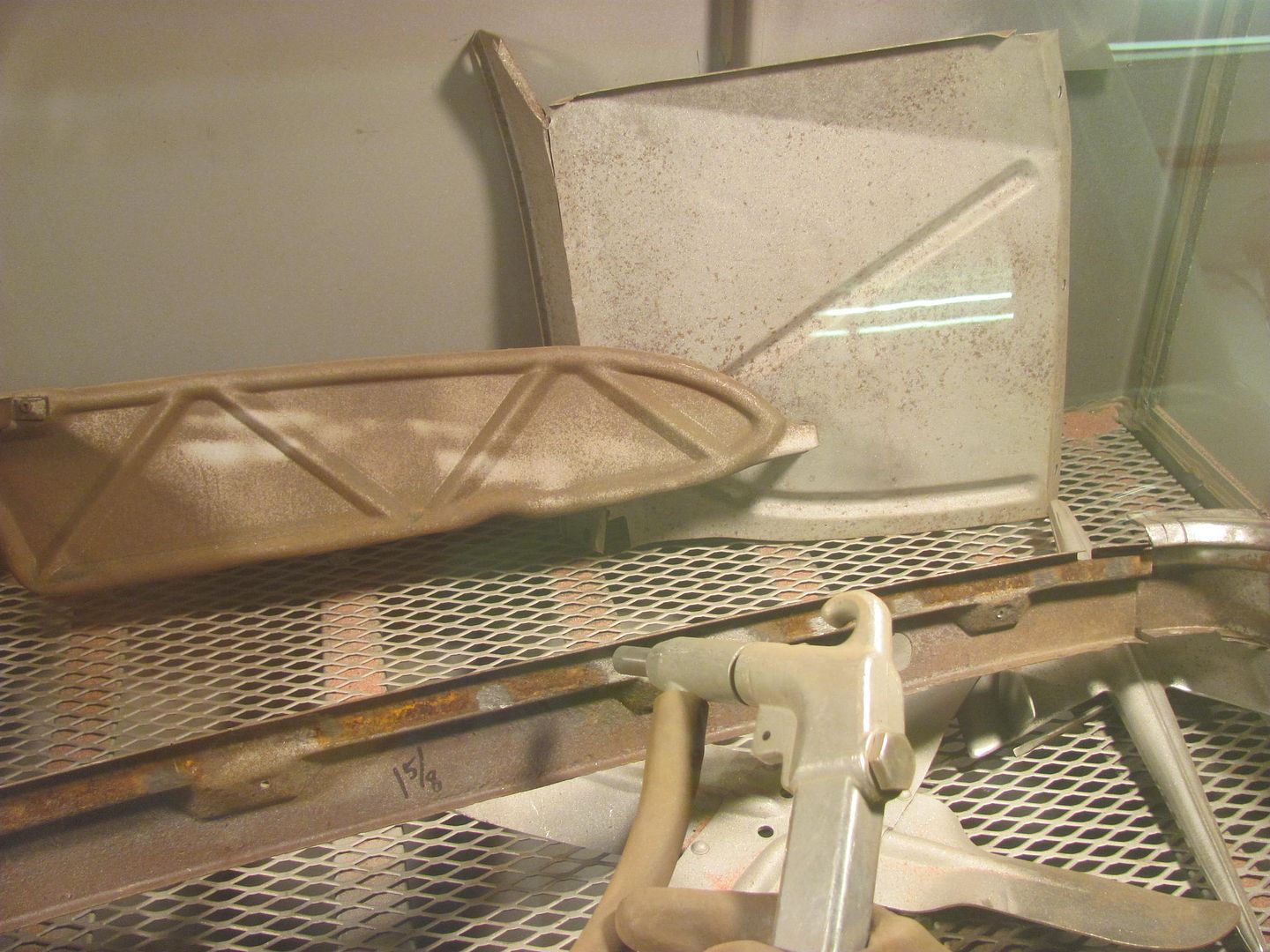
Media blasting..... nice to finally see through the glass!

Picture184-2.jpg


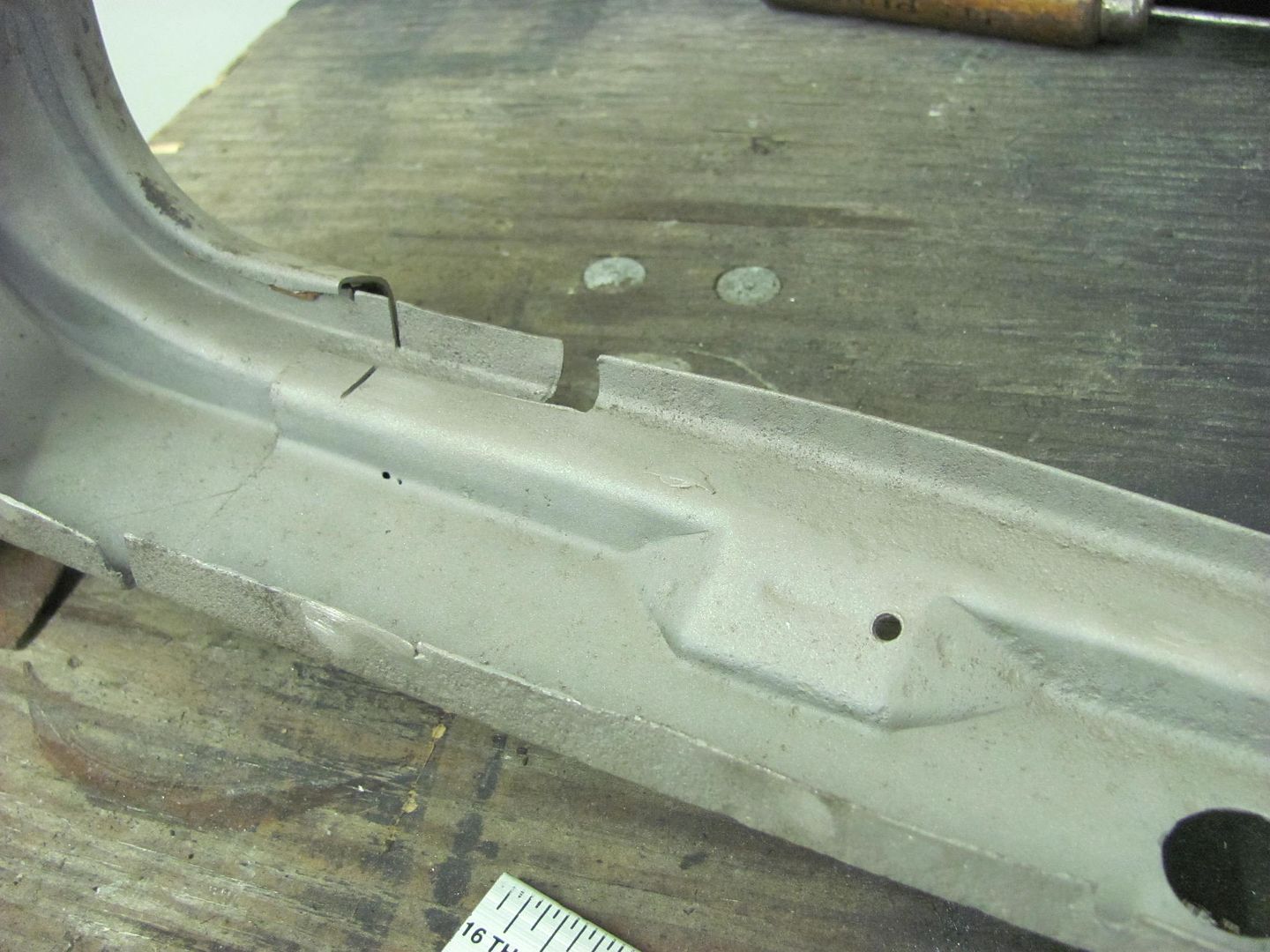
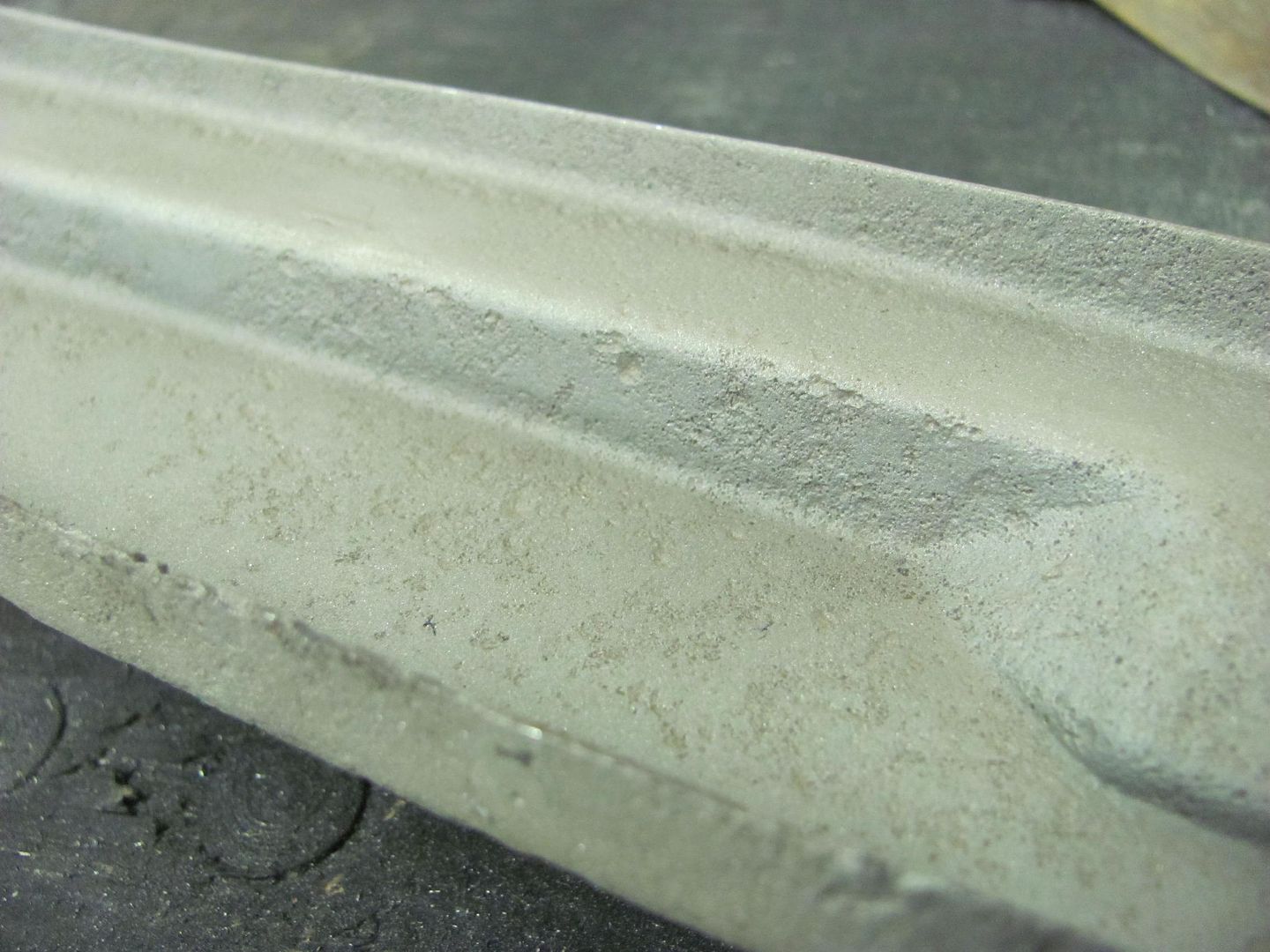
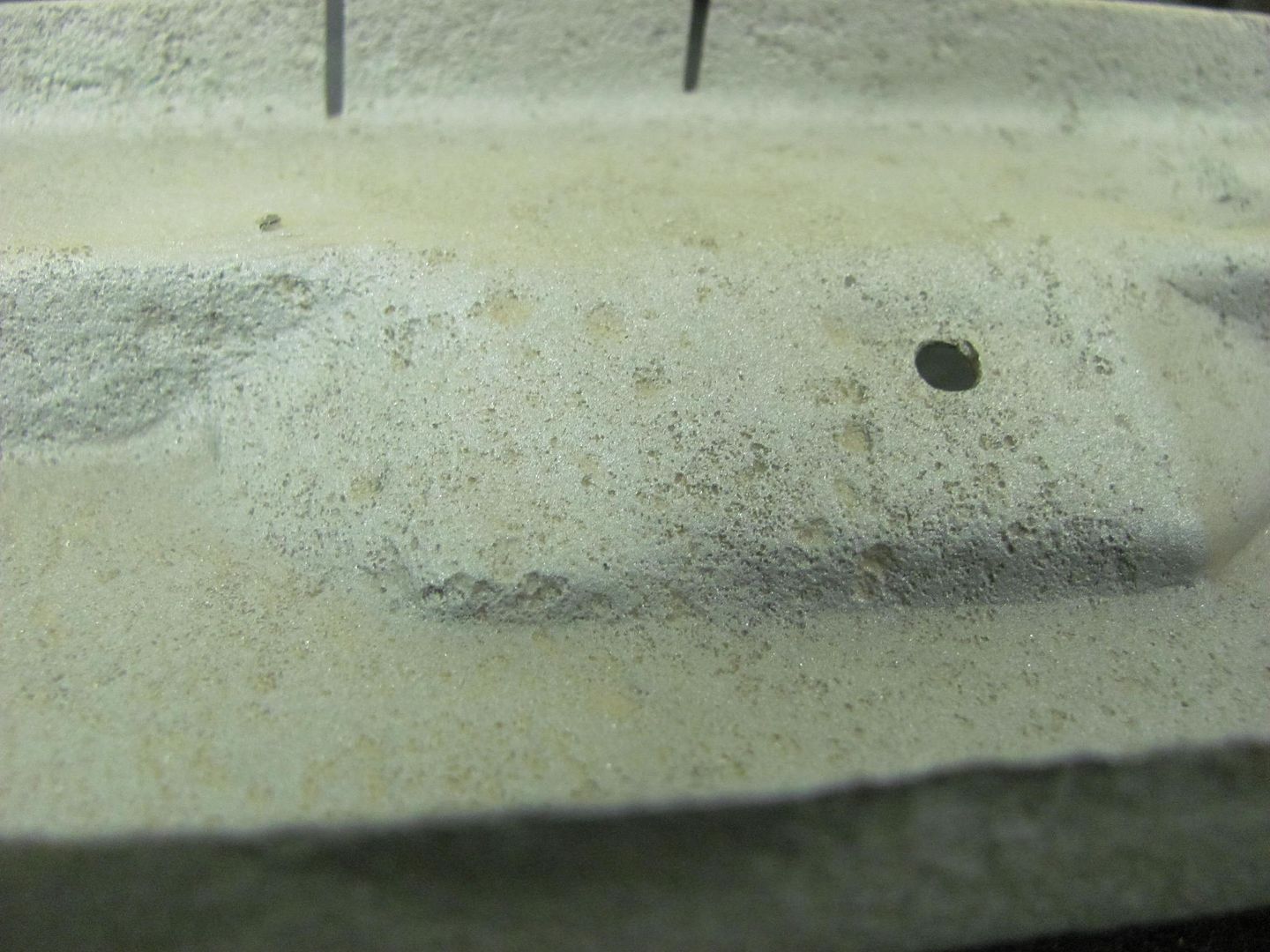
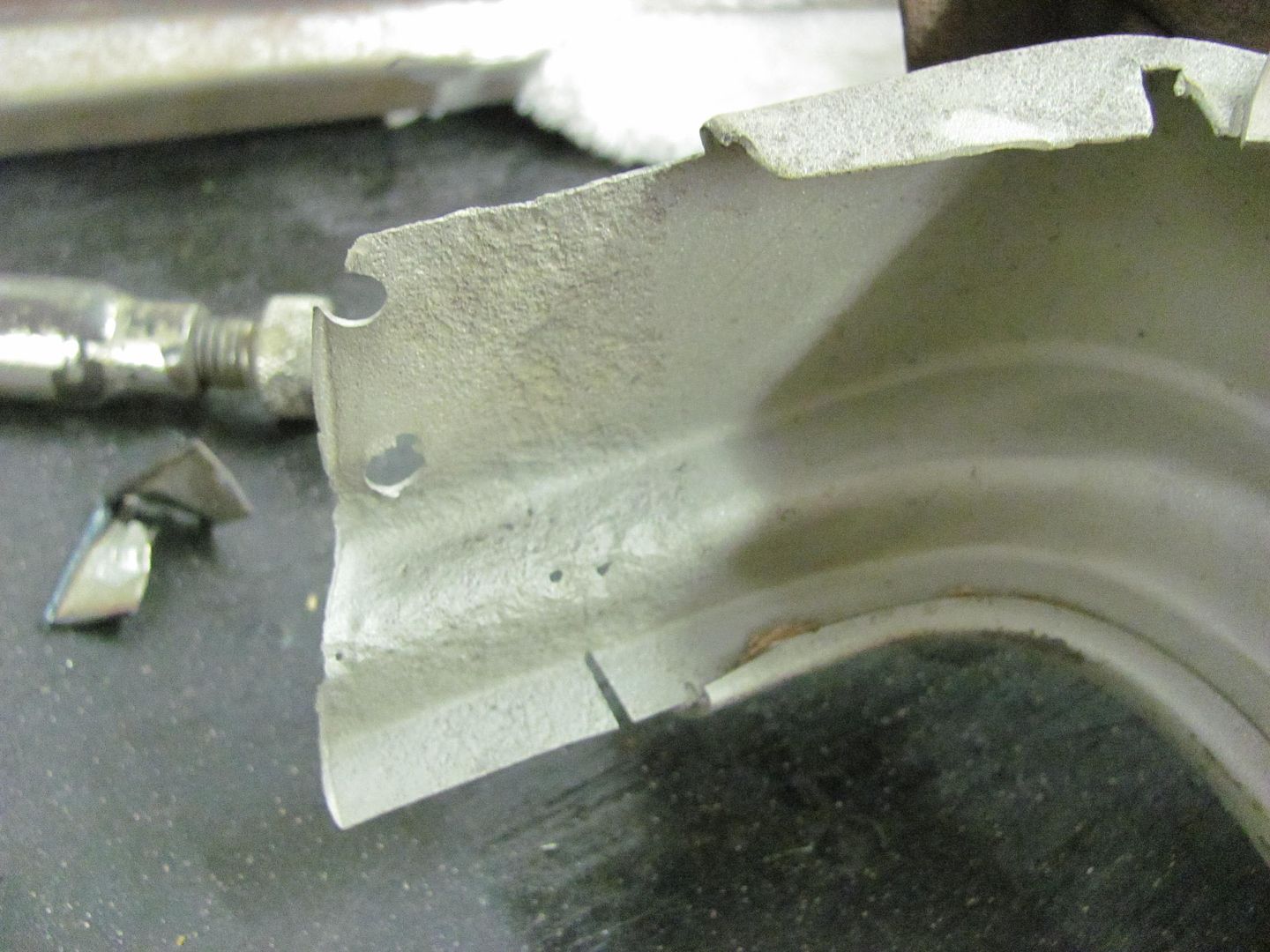
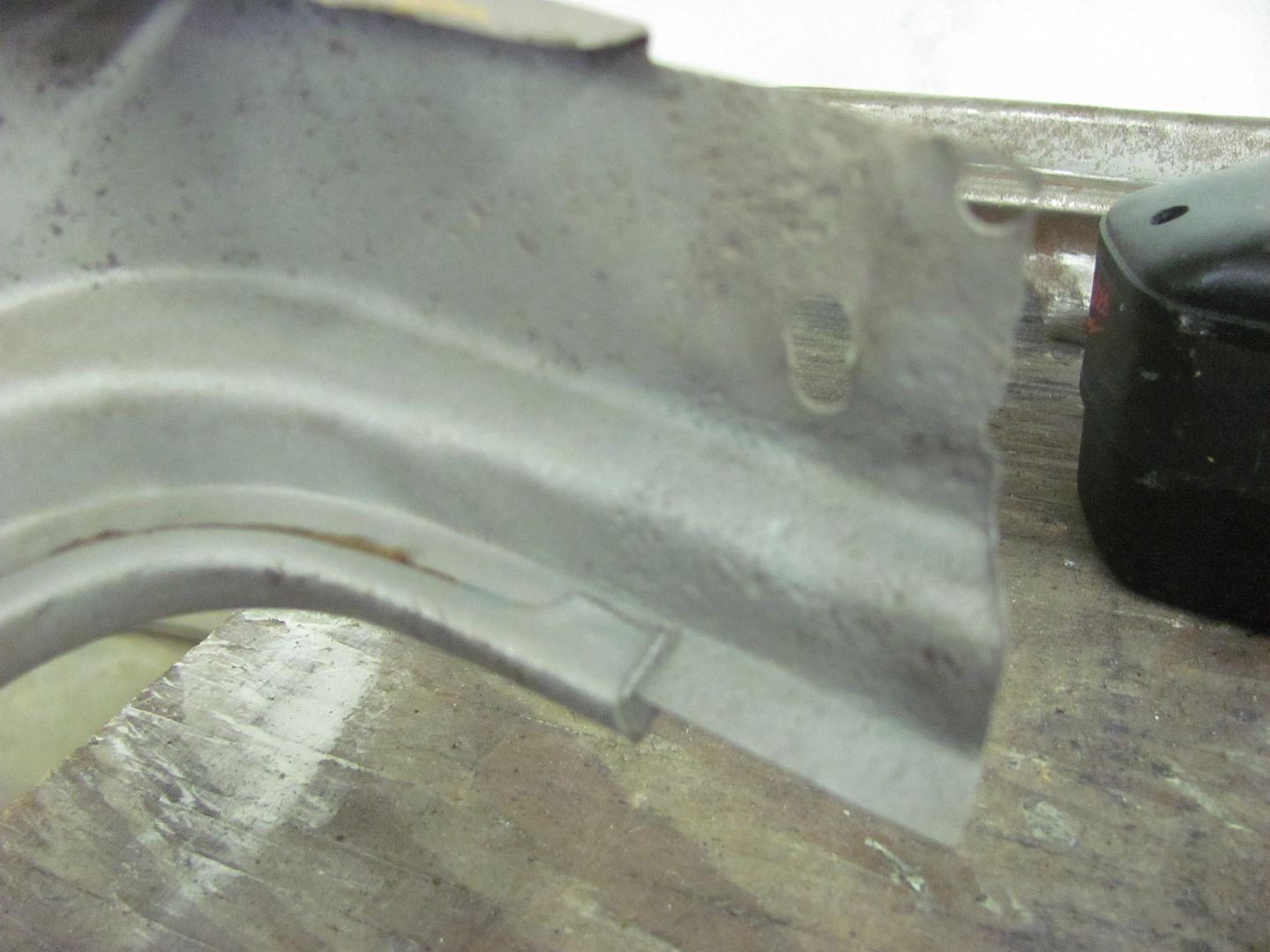
The media blasting revealed a few more holes, and numerous pits, many of them close to breaking through.


Picture185-2.jpg


Picture186-2.jpg


Picture188-2.jpg


With all the other new metal going in the bottom, there's only one thing to do. Using the tipping wheel..........


Picture189-2.jpg


Picture191-2.jpg


Picture193-2.jpg


Picture194-1.jpg


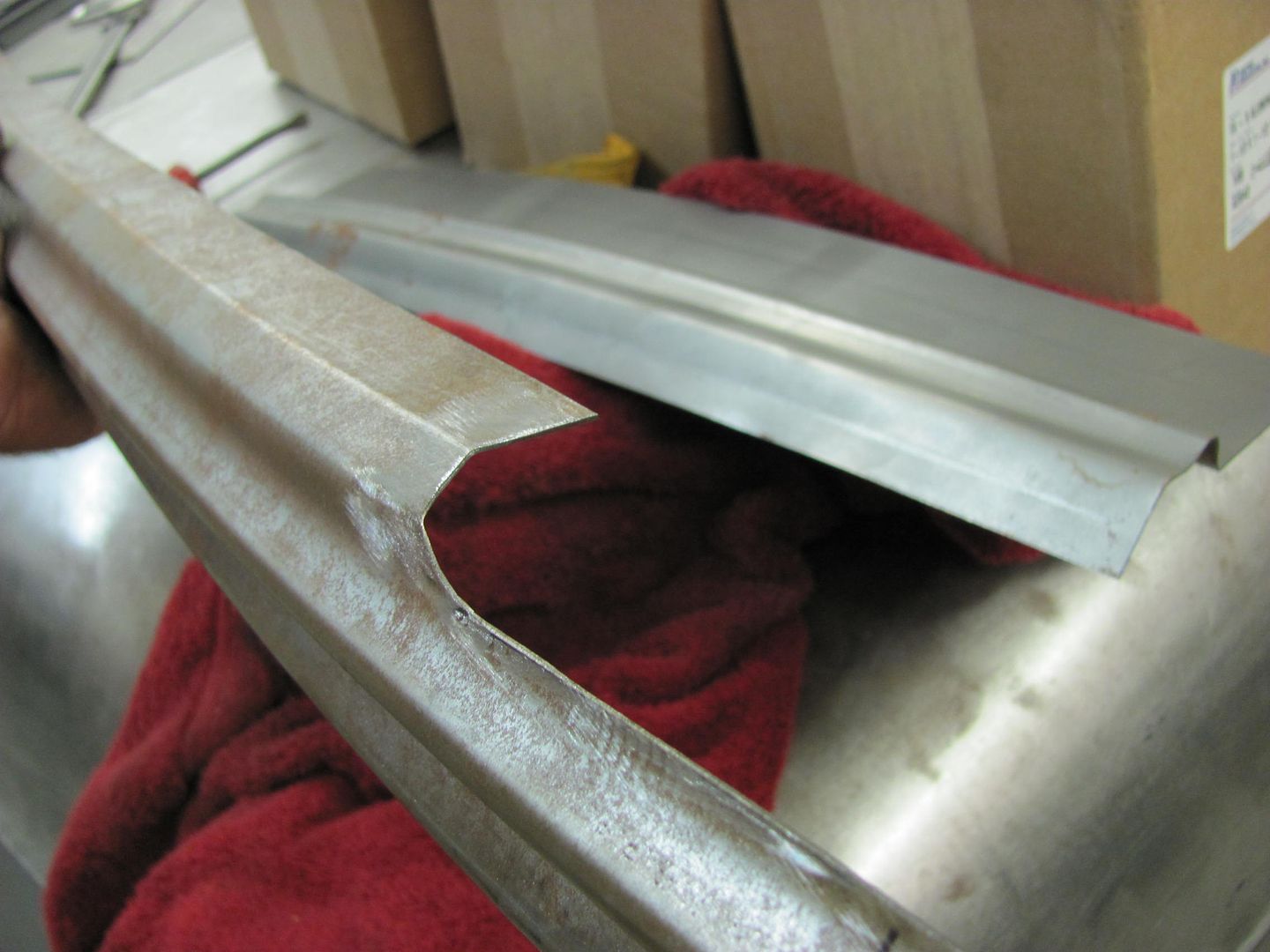
Comparing to the pitted version.....


Picture195-1.jpg


Picture197-1.jpg


Picture198-1.jpg


Picture199-1.jpg


Picture201-1.jpg


Picture202-1.jpg


Next we'll need to do some corking to add the trim hole pad details.
 
OP
M

MP&C

Well-known member
Joined
Oct 21, 2009
Messages
4,396
Location
Leonardtown, MD
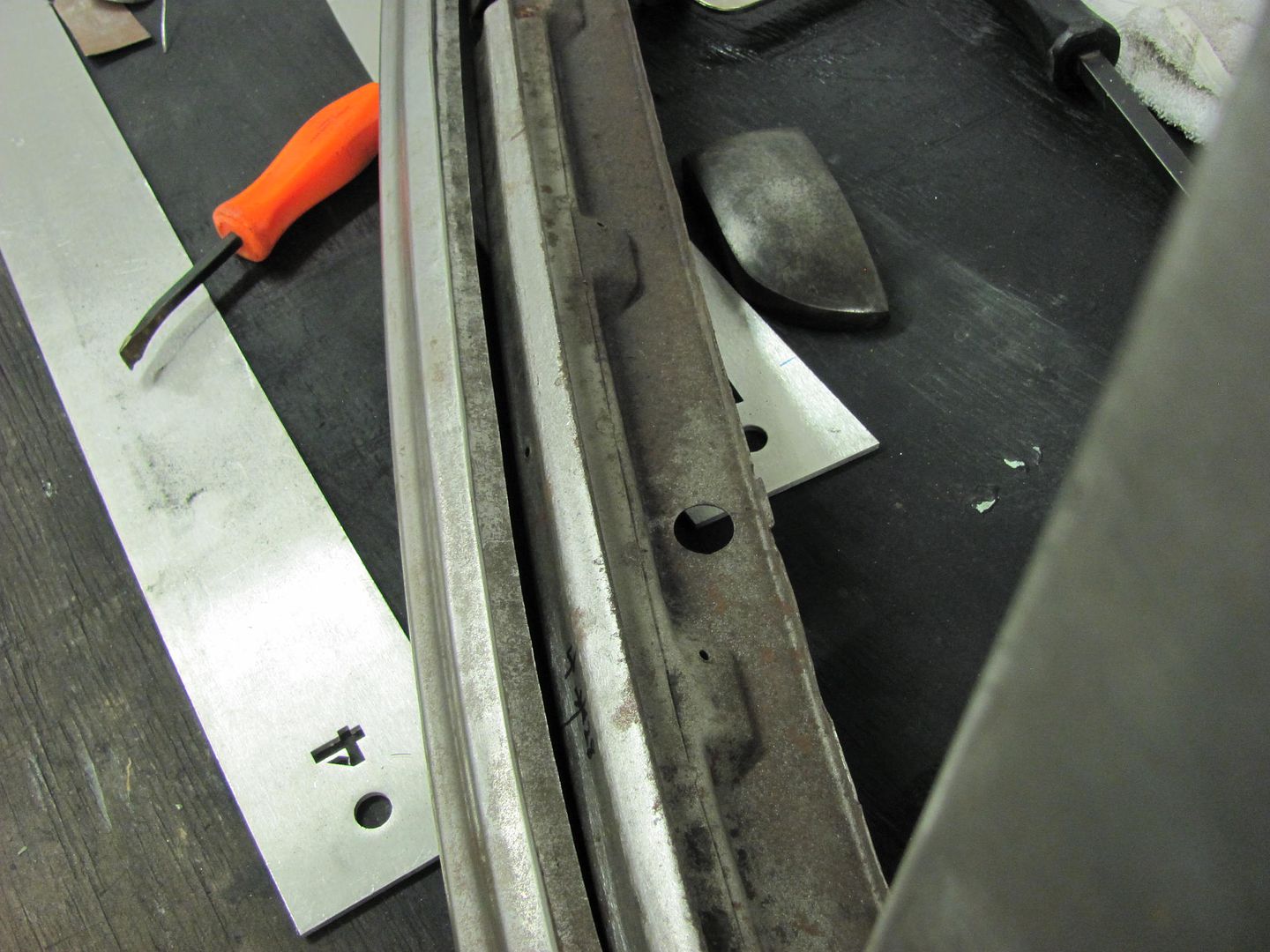
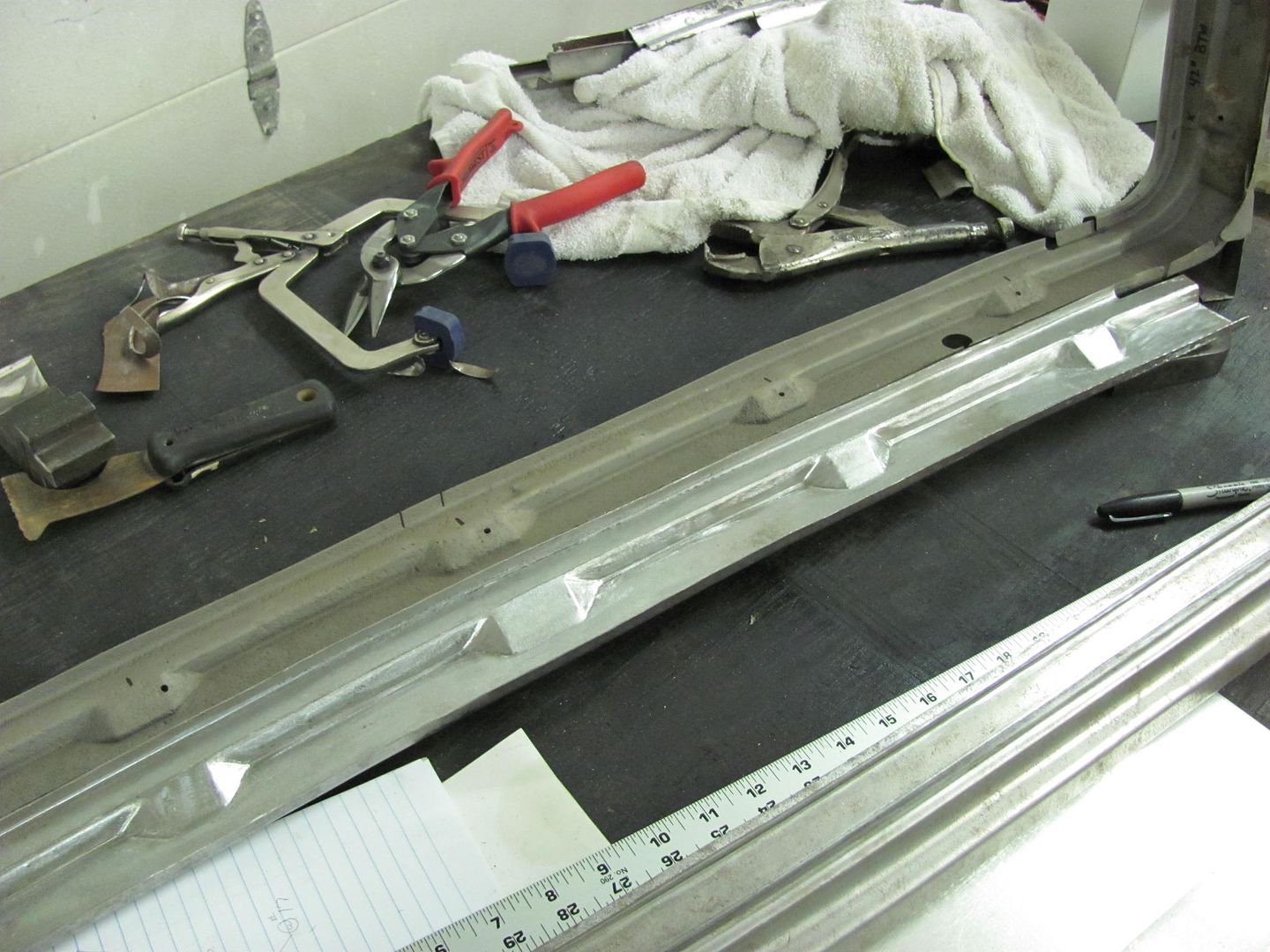
Now to address the mounting pads for the window molding....


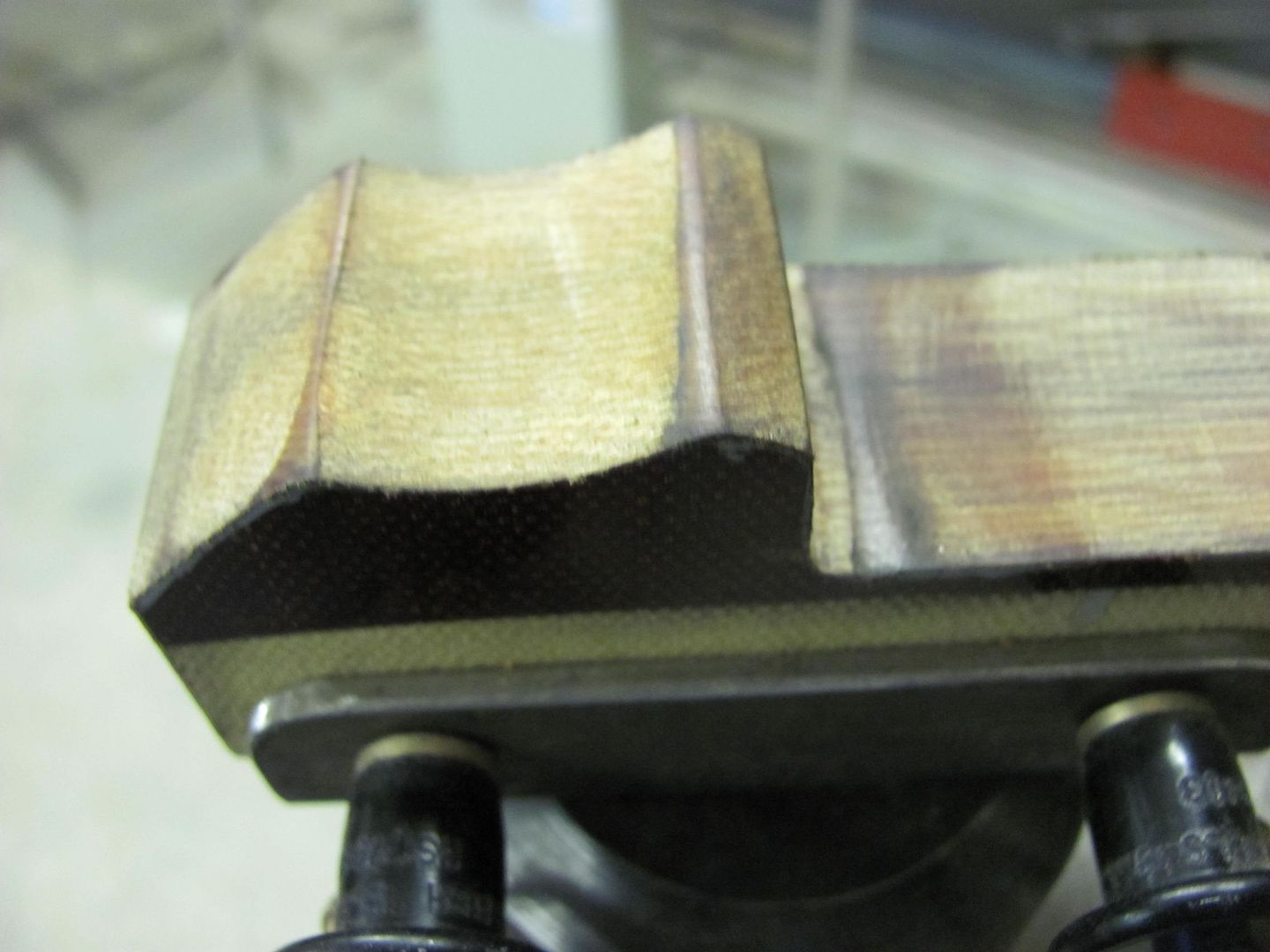
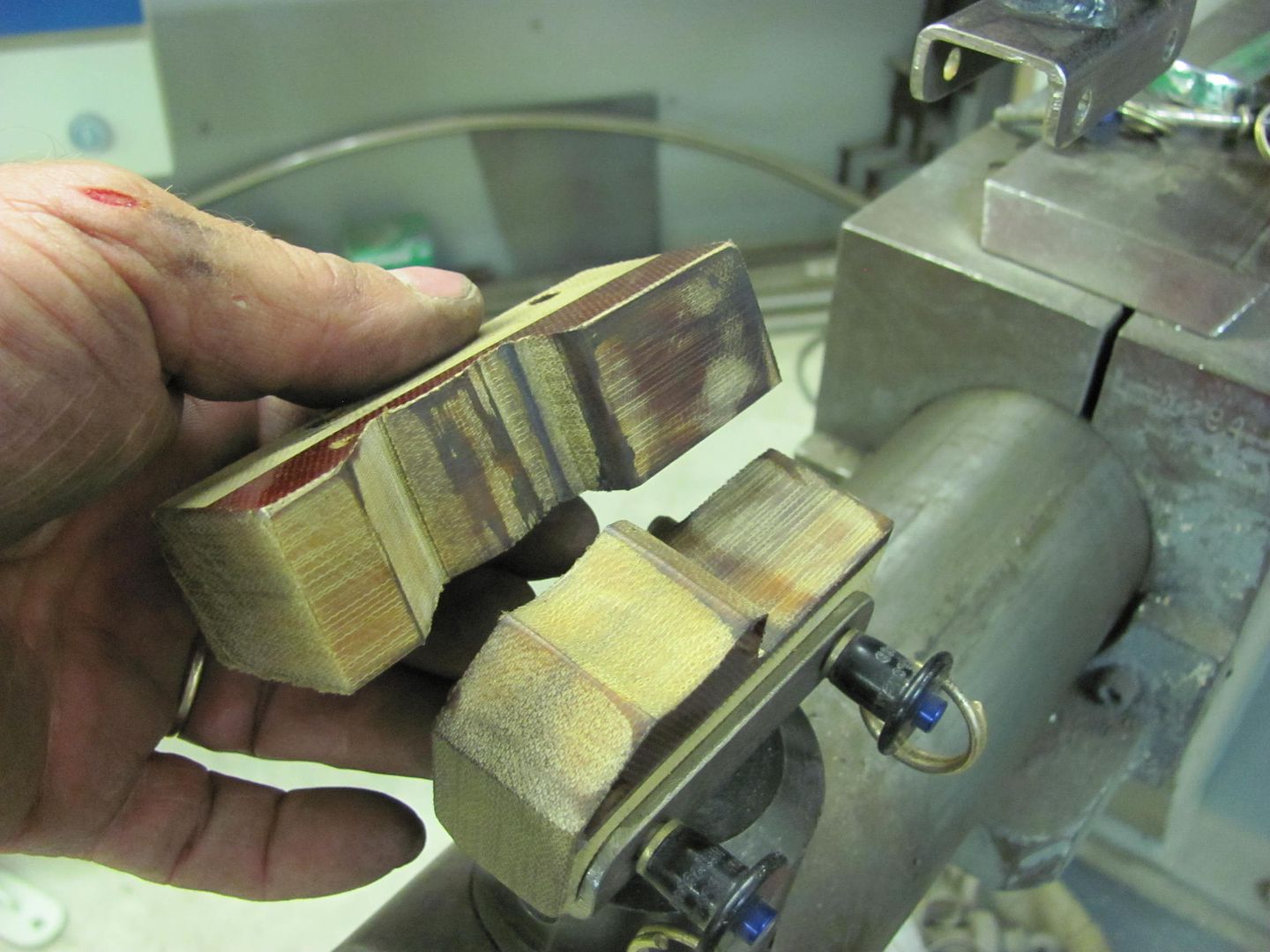
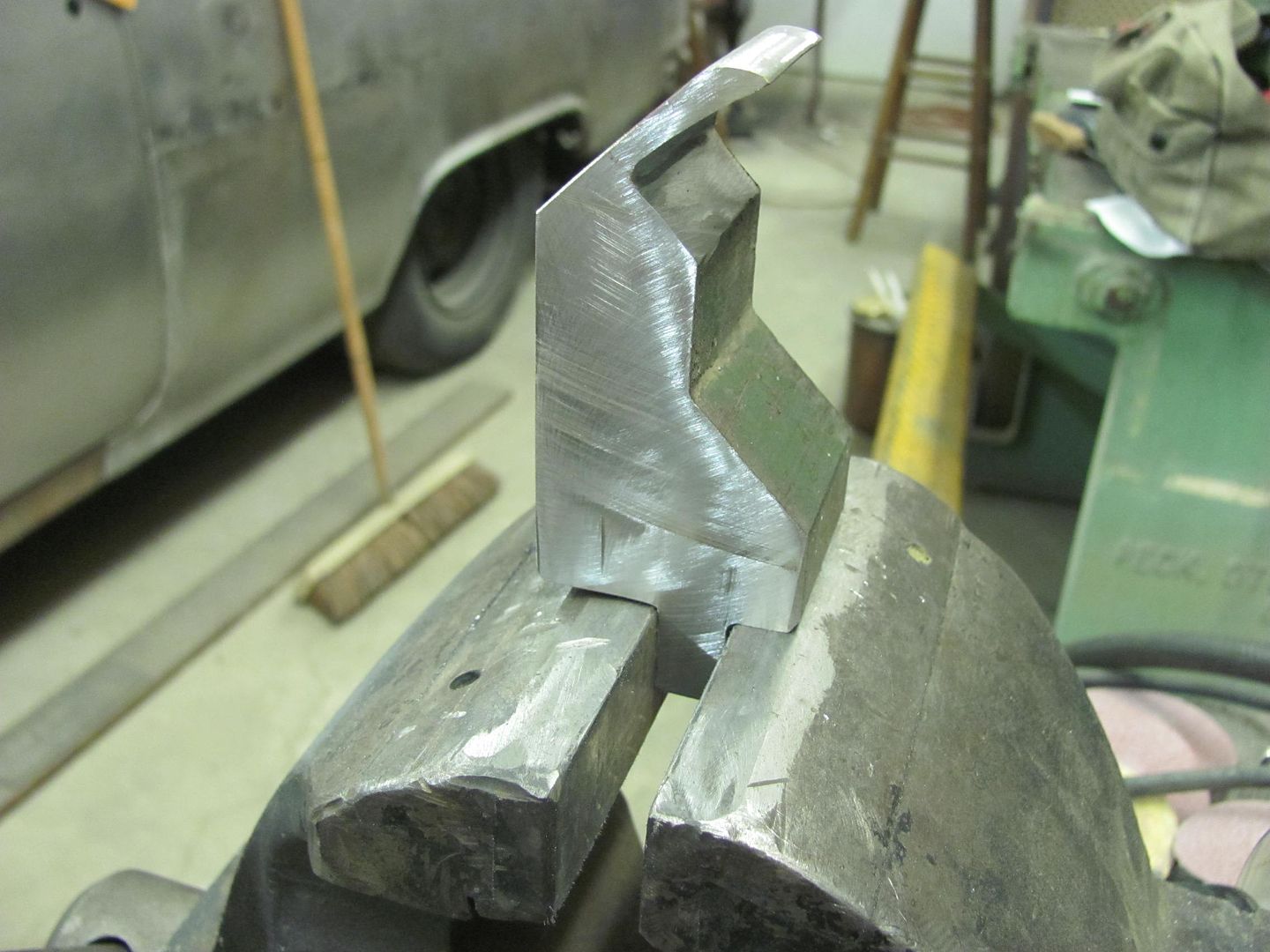
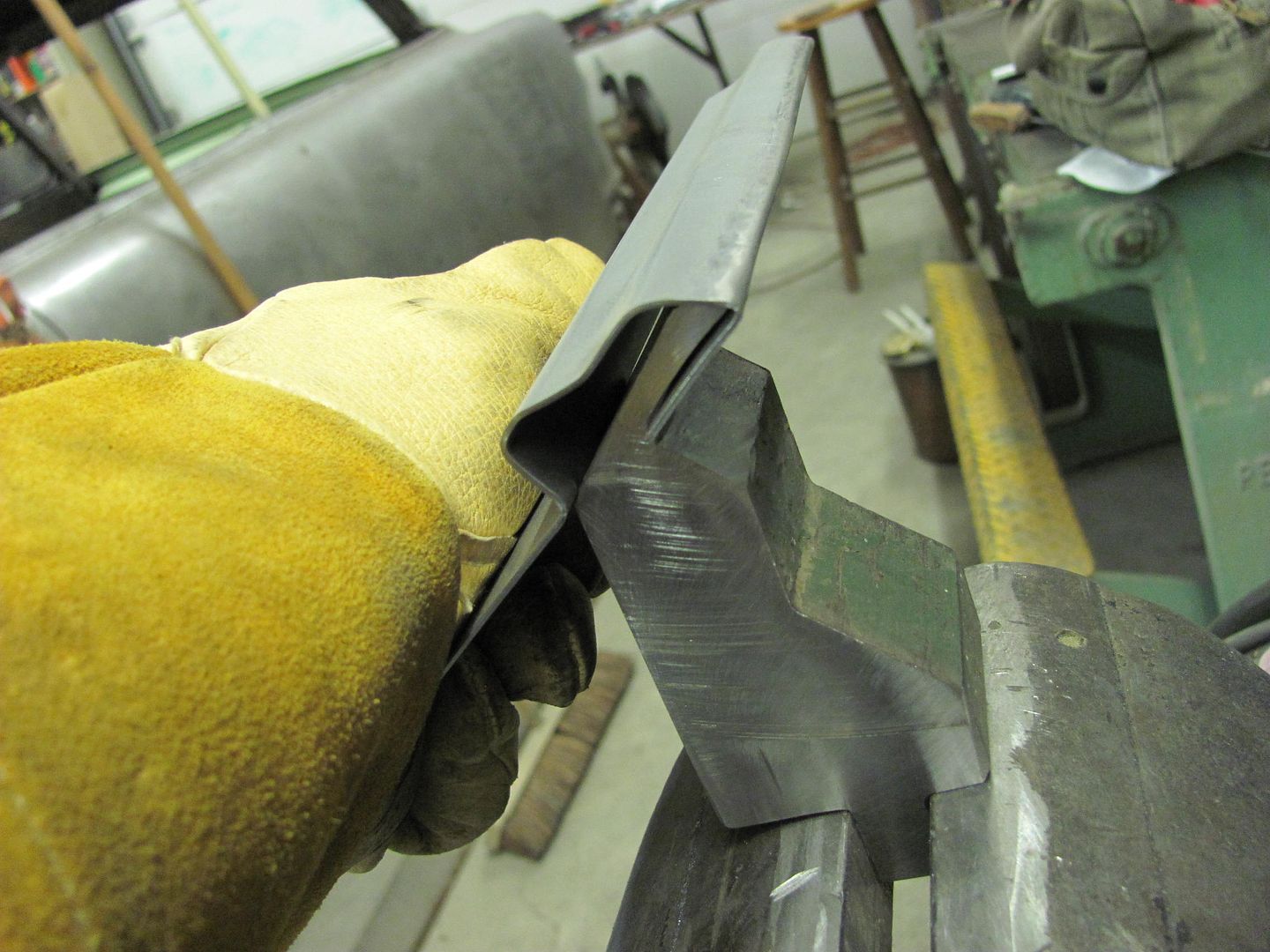
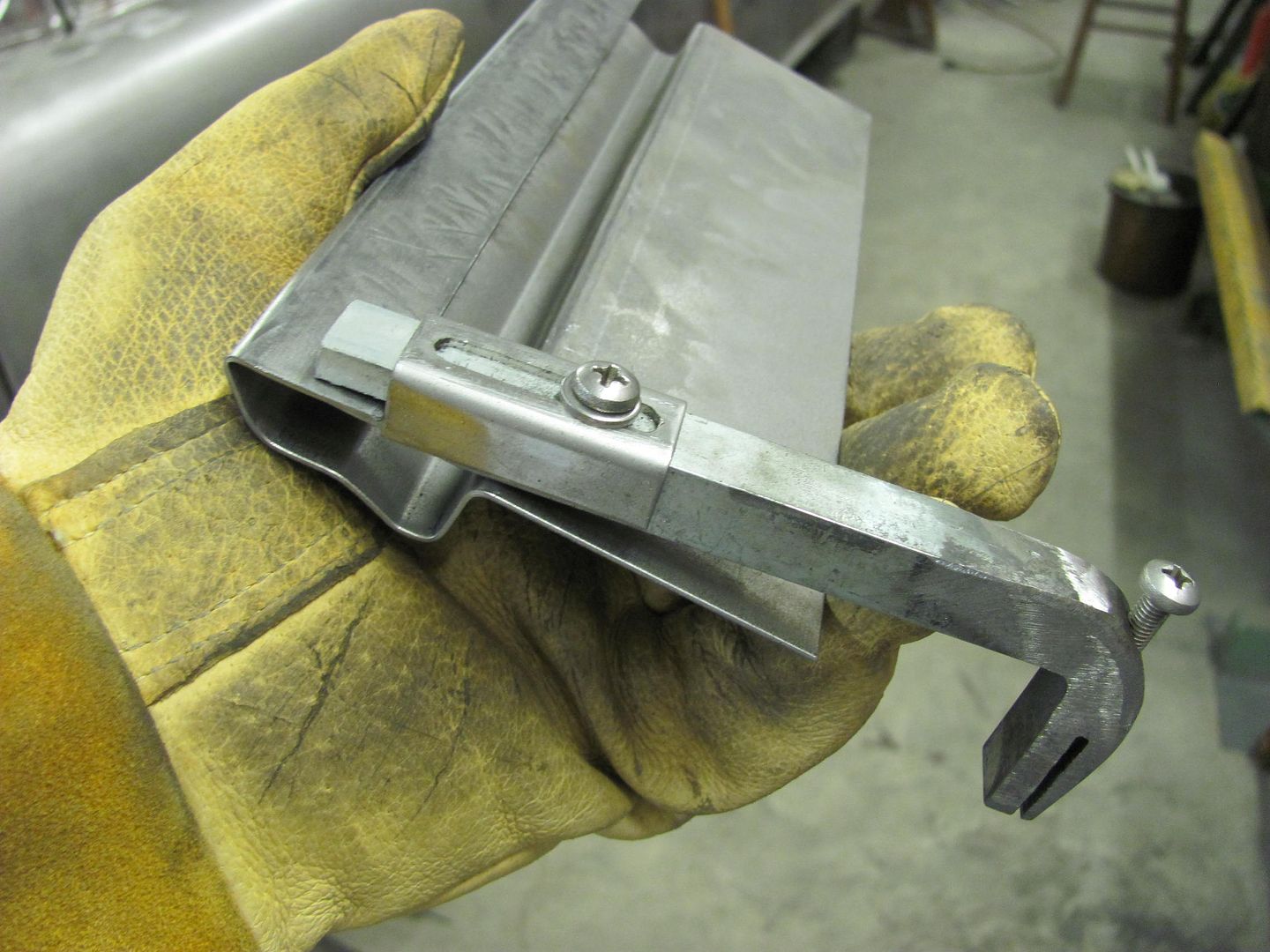
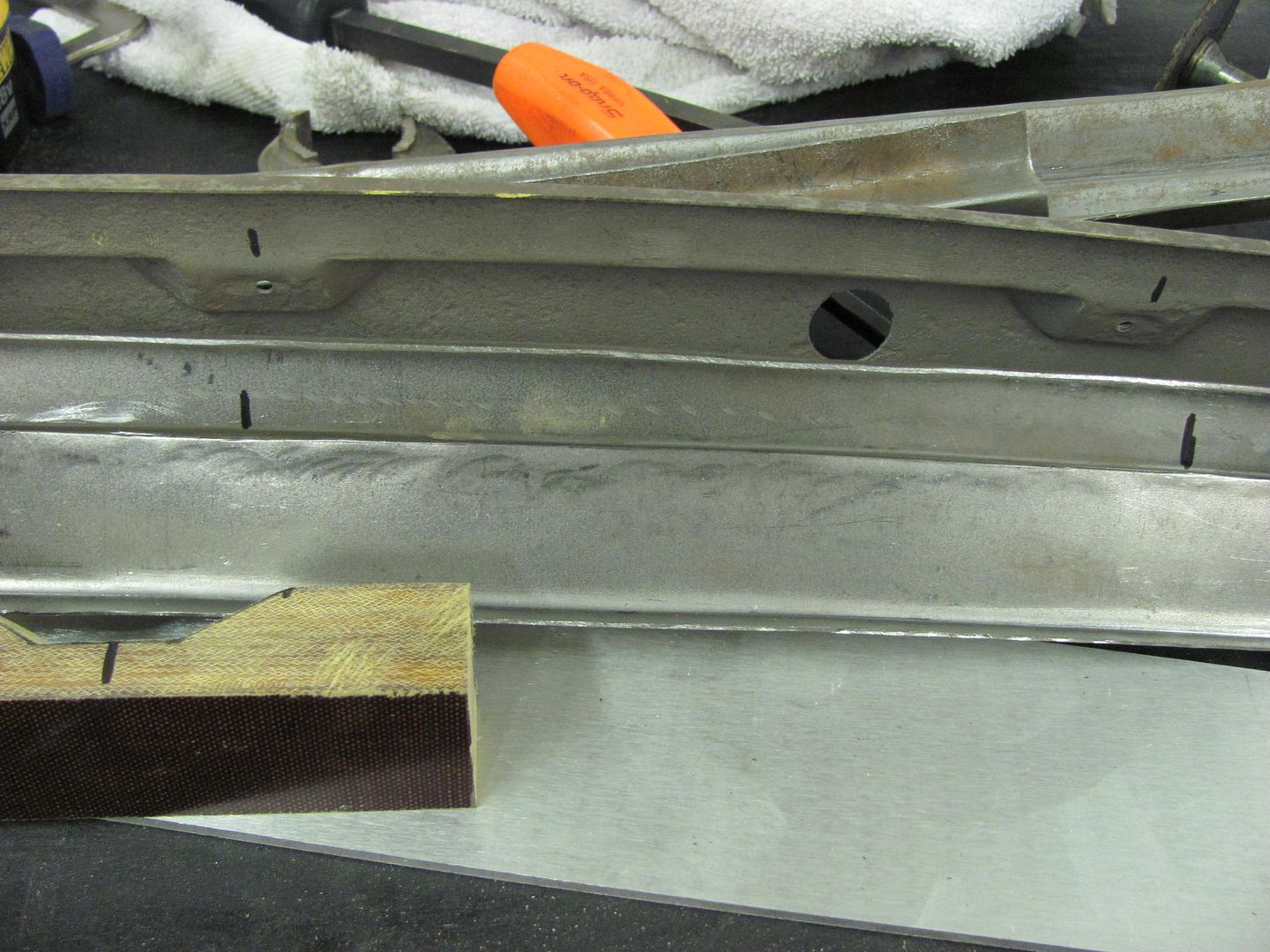
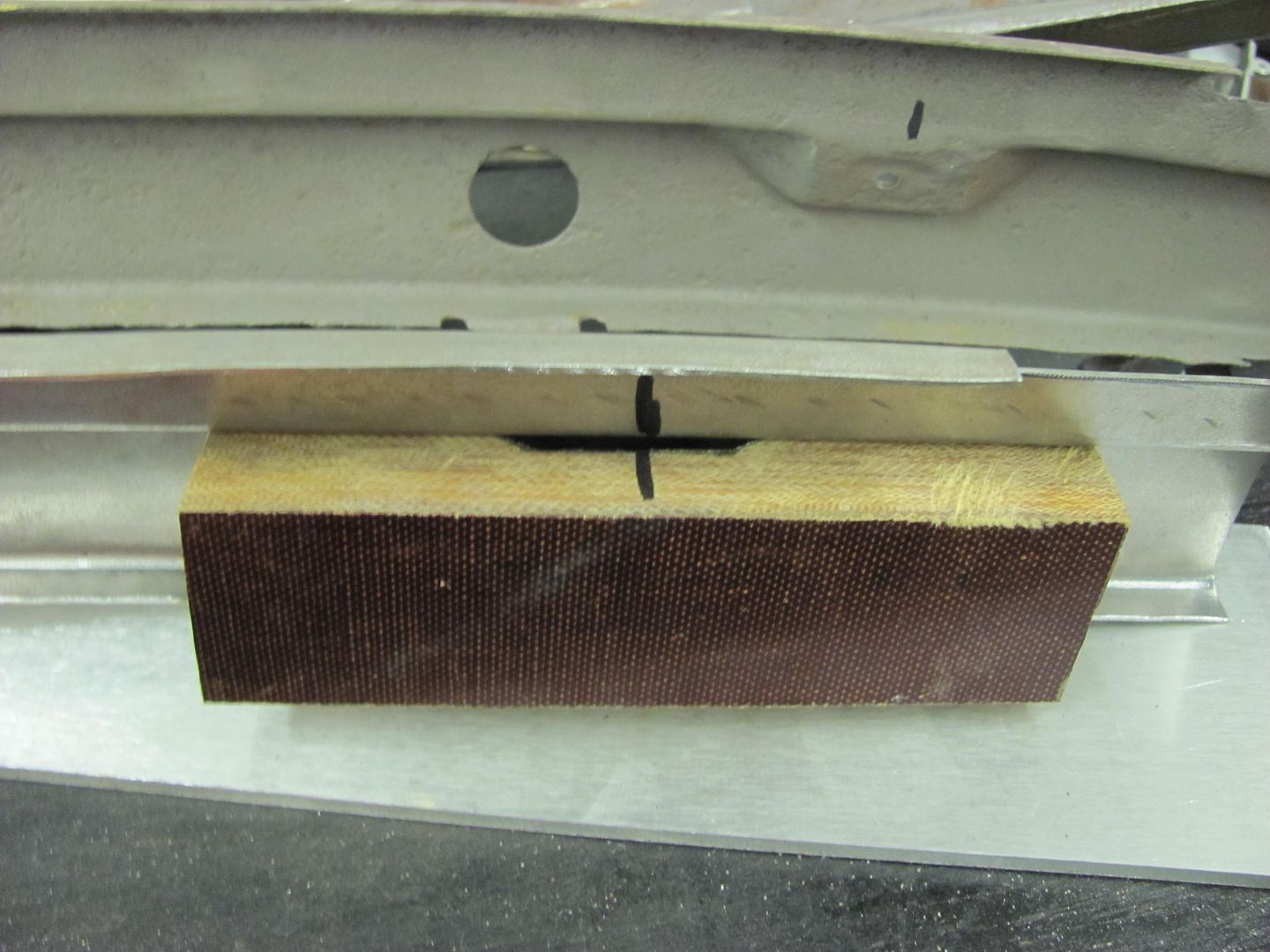
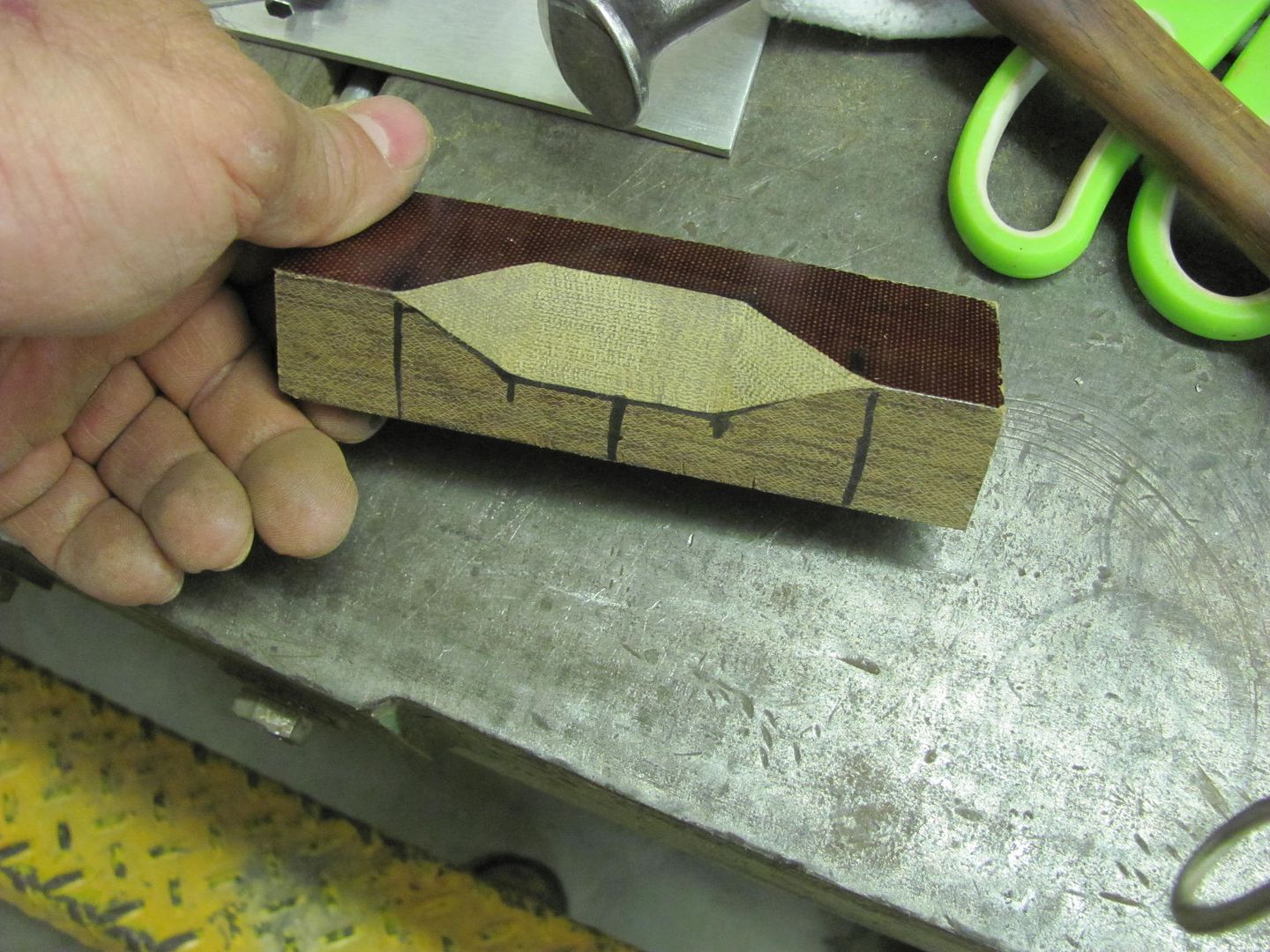
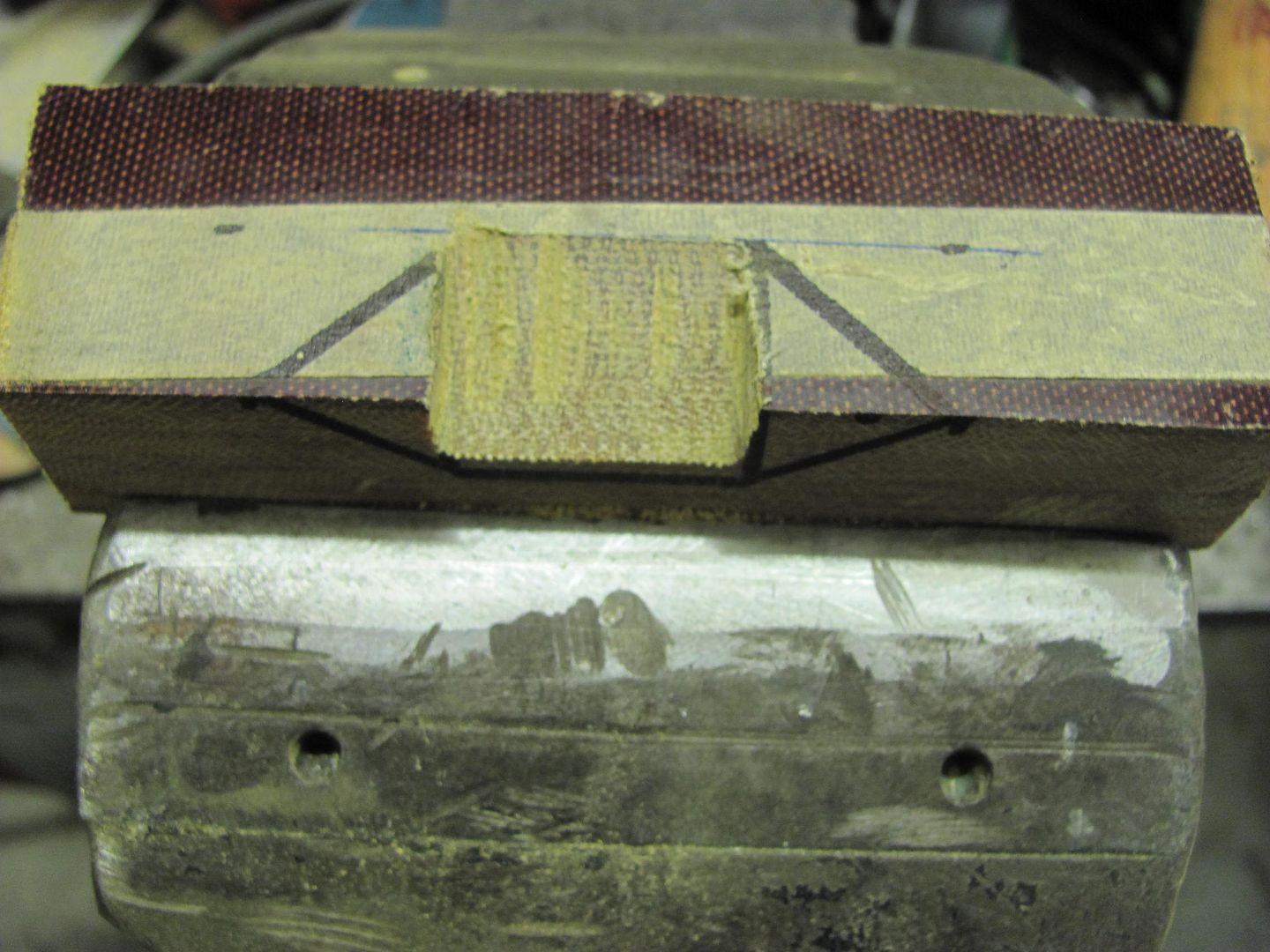
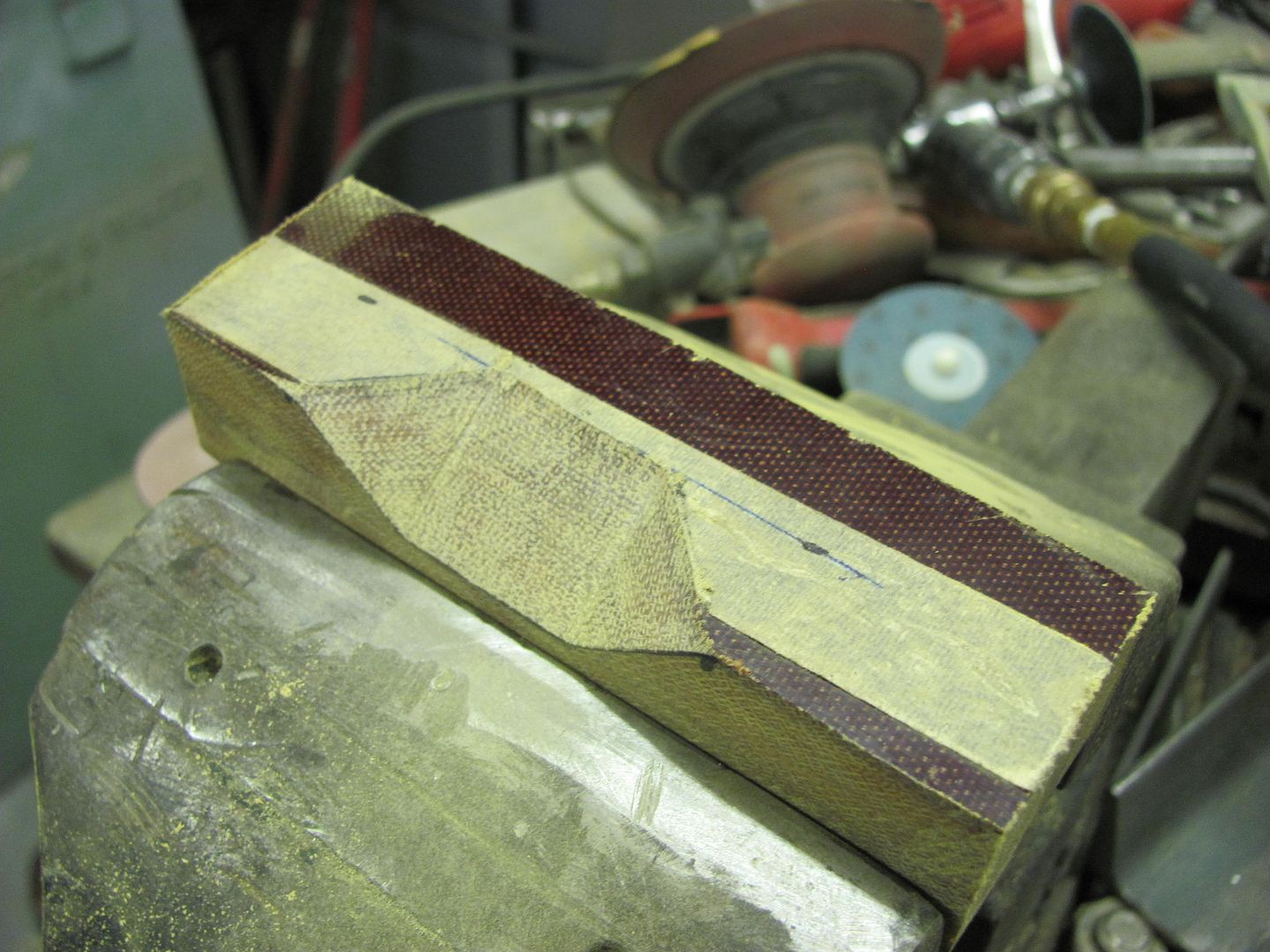
Here's the new "anvil", made from some phenolic sheet.....


Picture207-1.jpg


Picture208-1.jpg


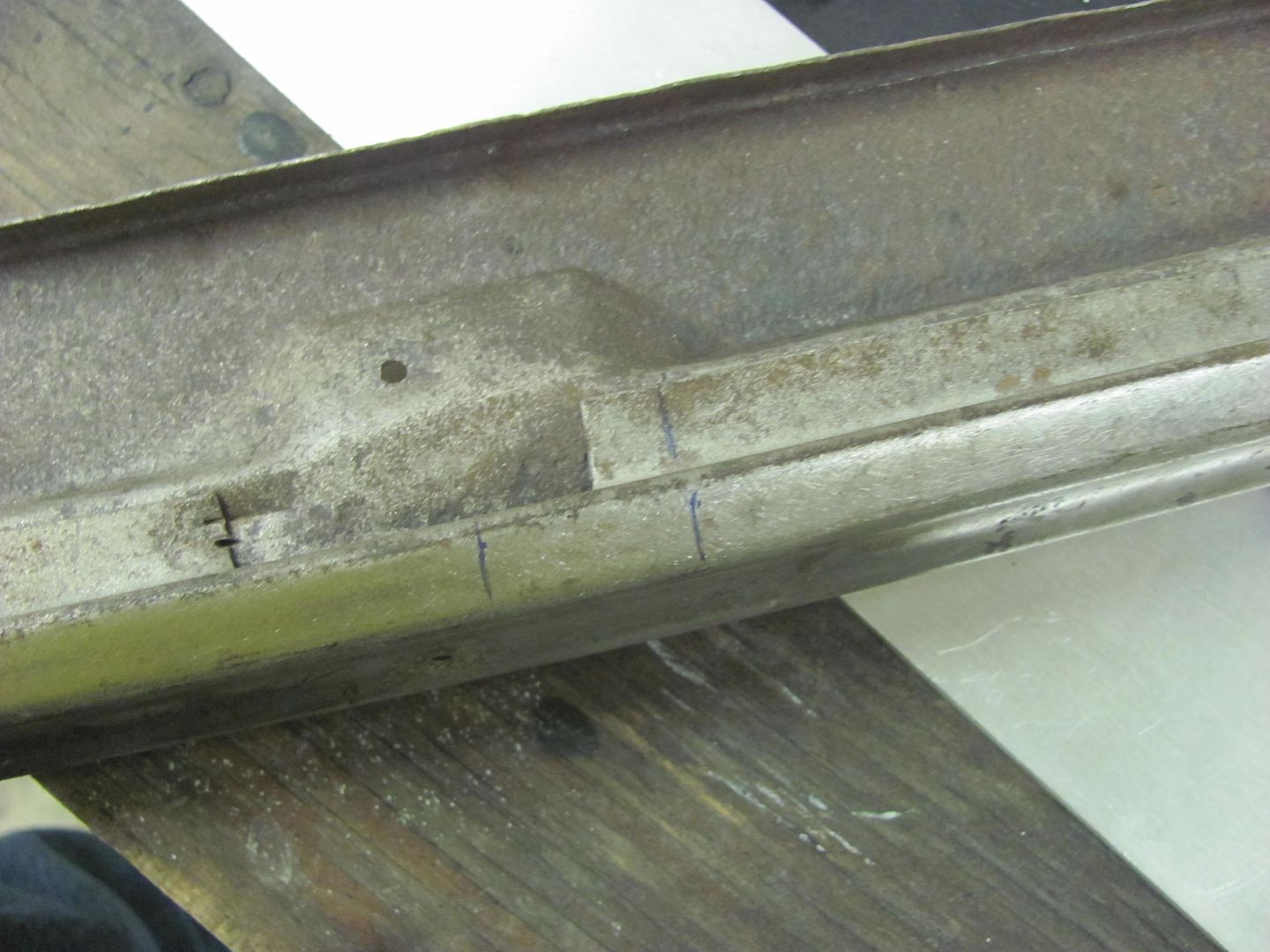
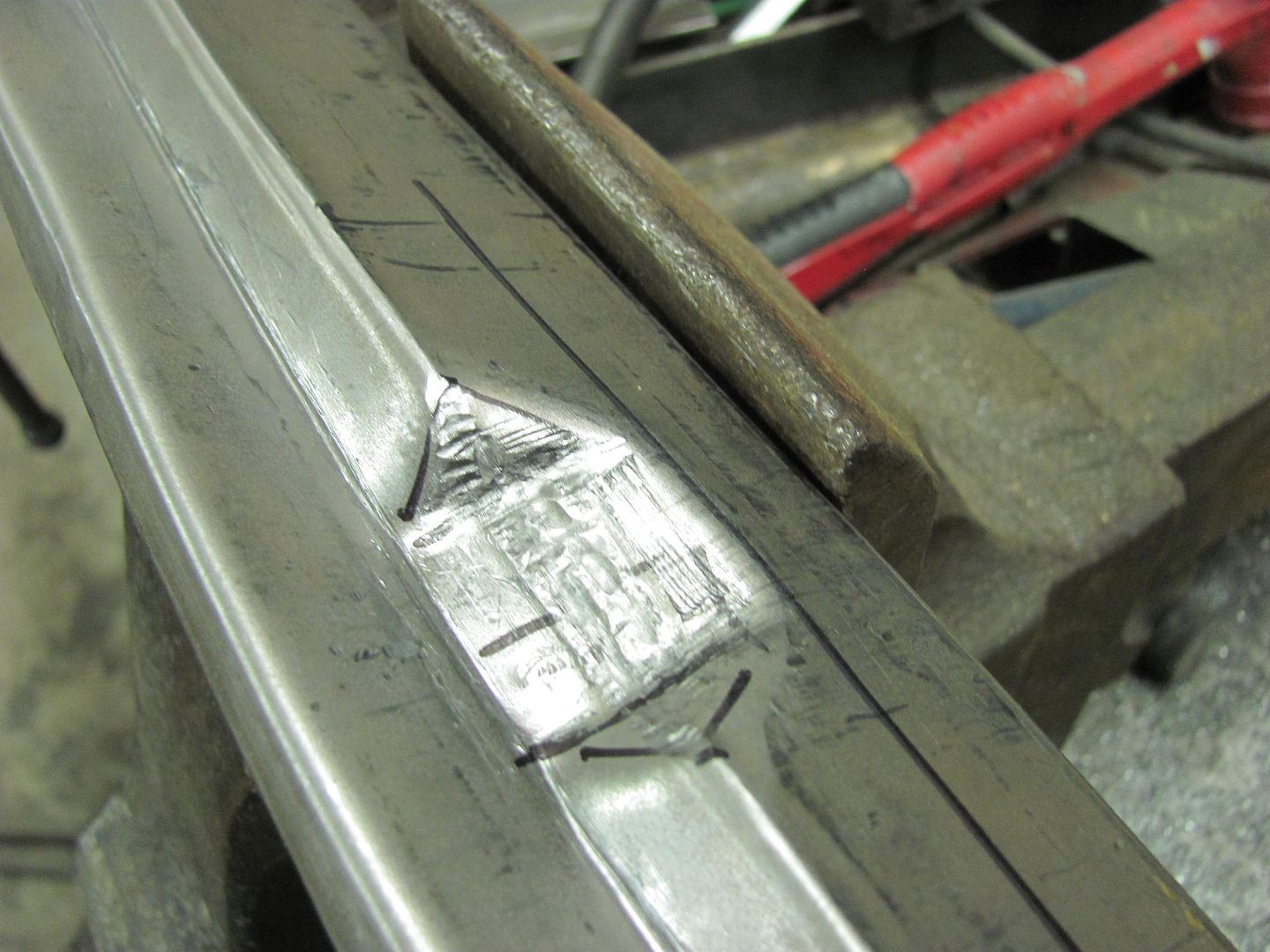
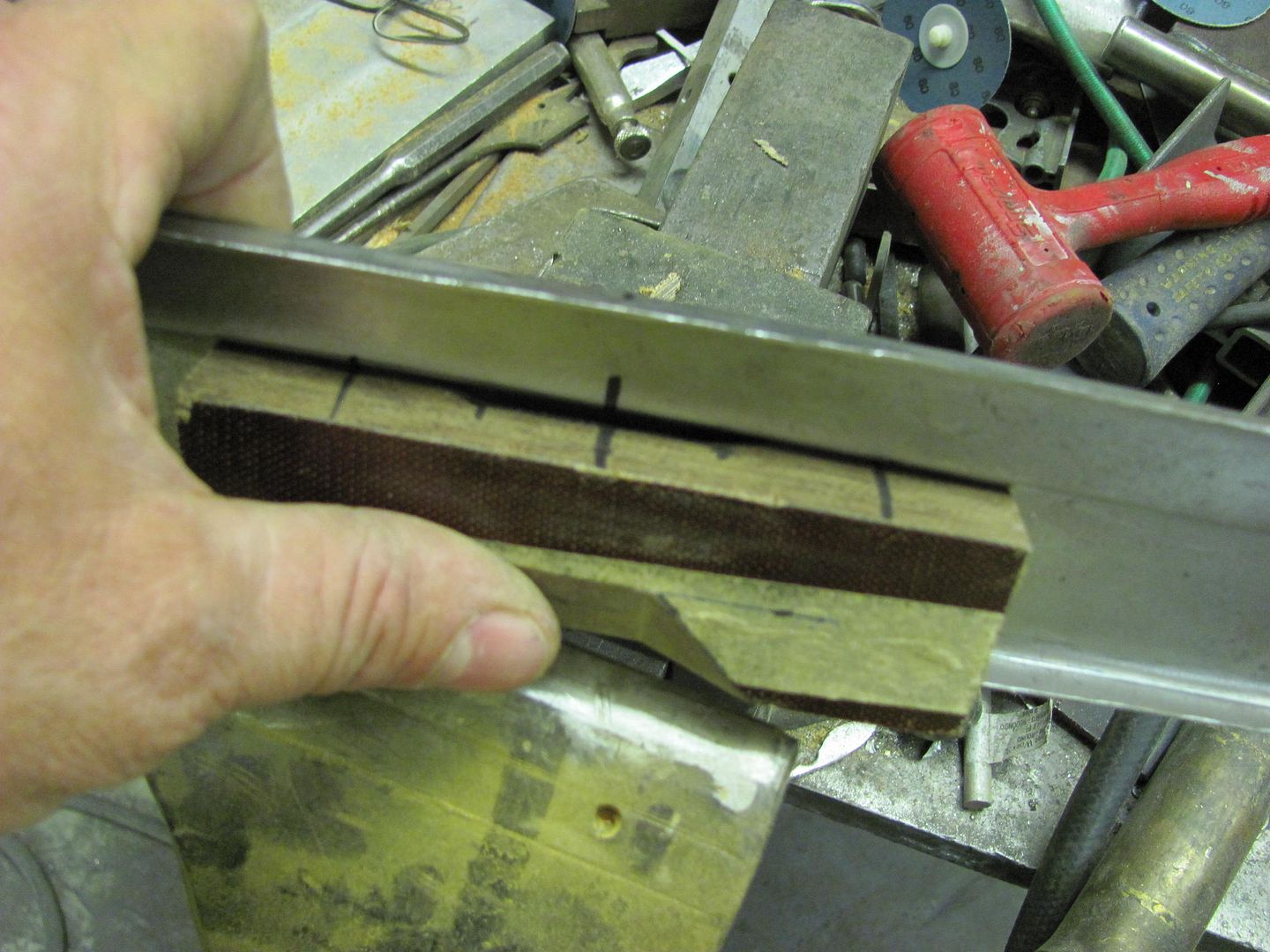
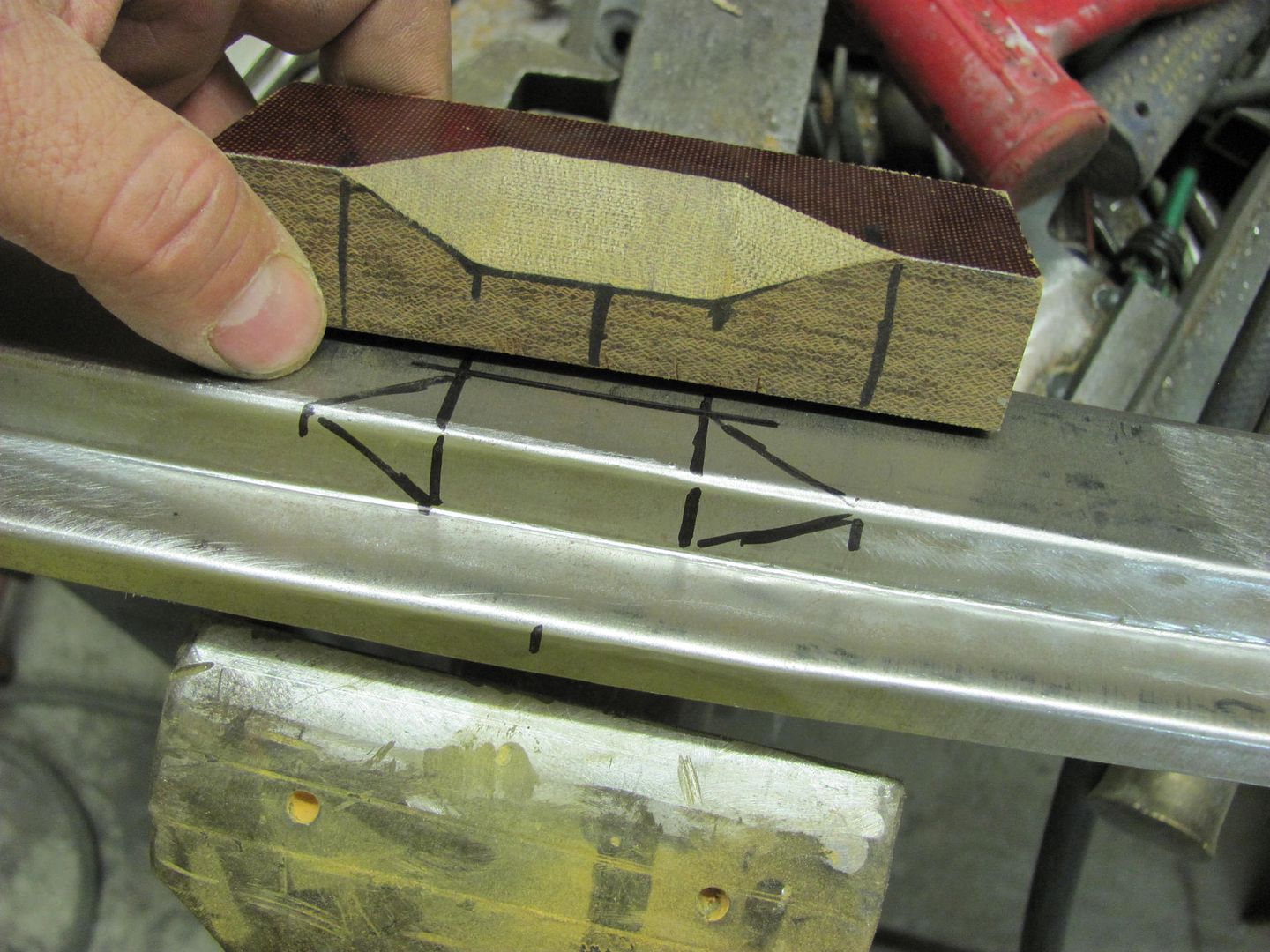
Put an alignment mark on the anvil, fitted it to the originals, and added the mark there as well. Then transposed those marks to the new piece...


Picture209-1.jpg


Picture210-1.jpg


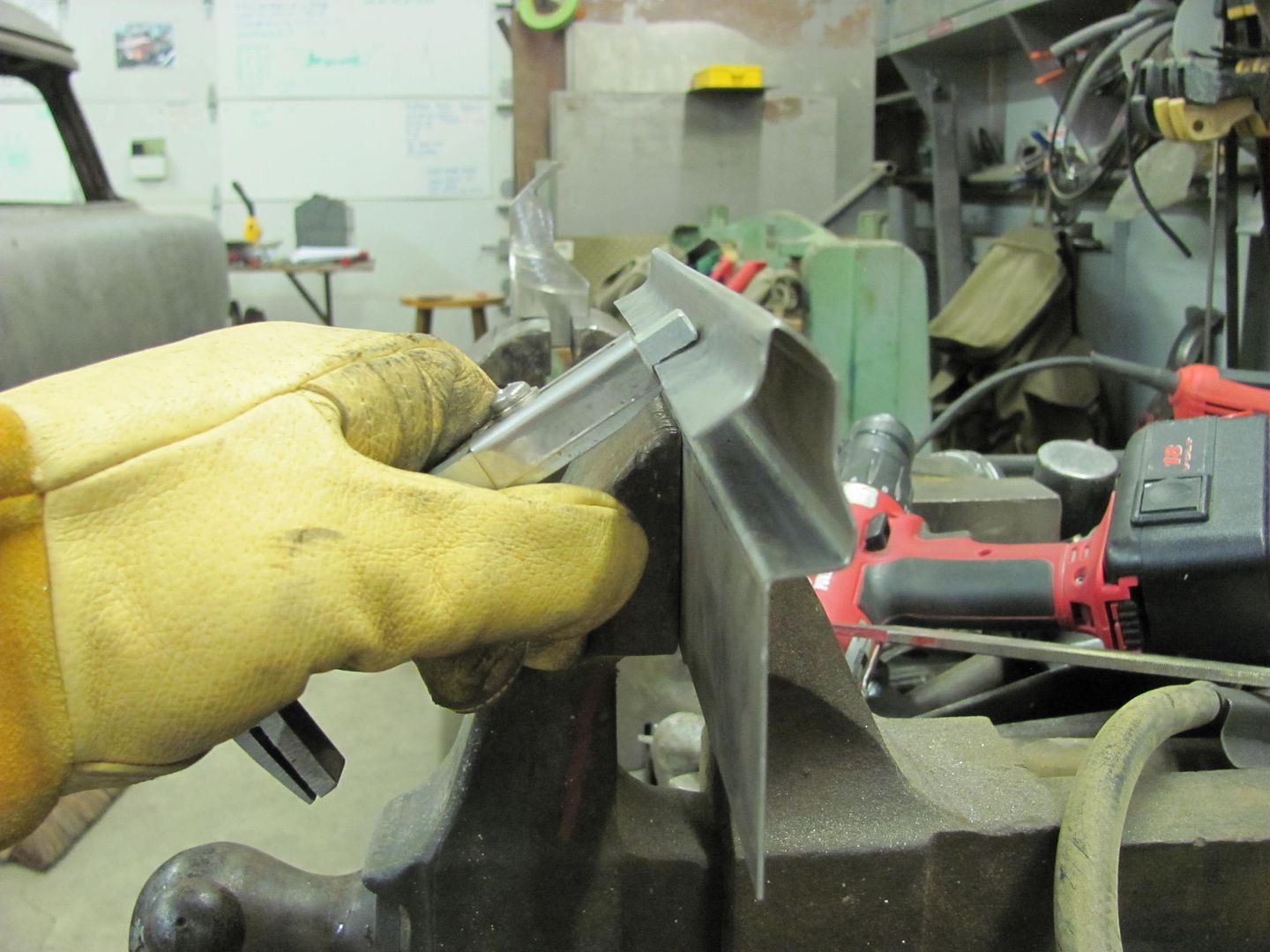
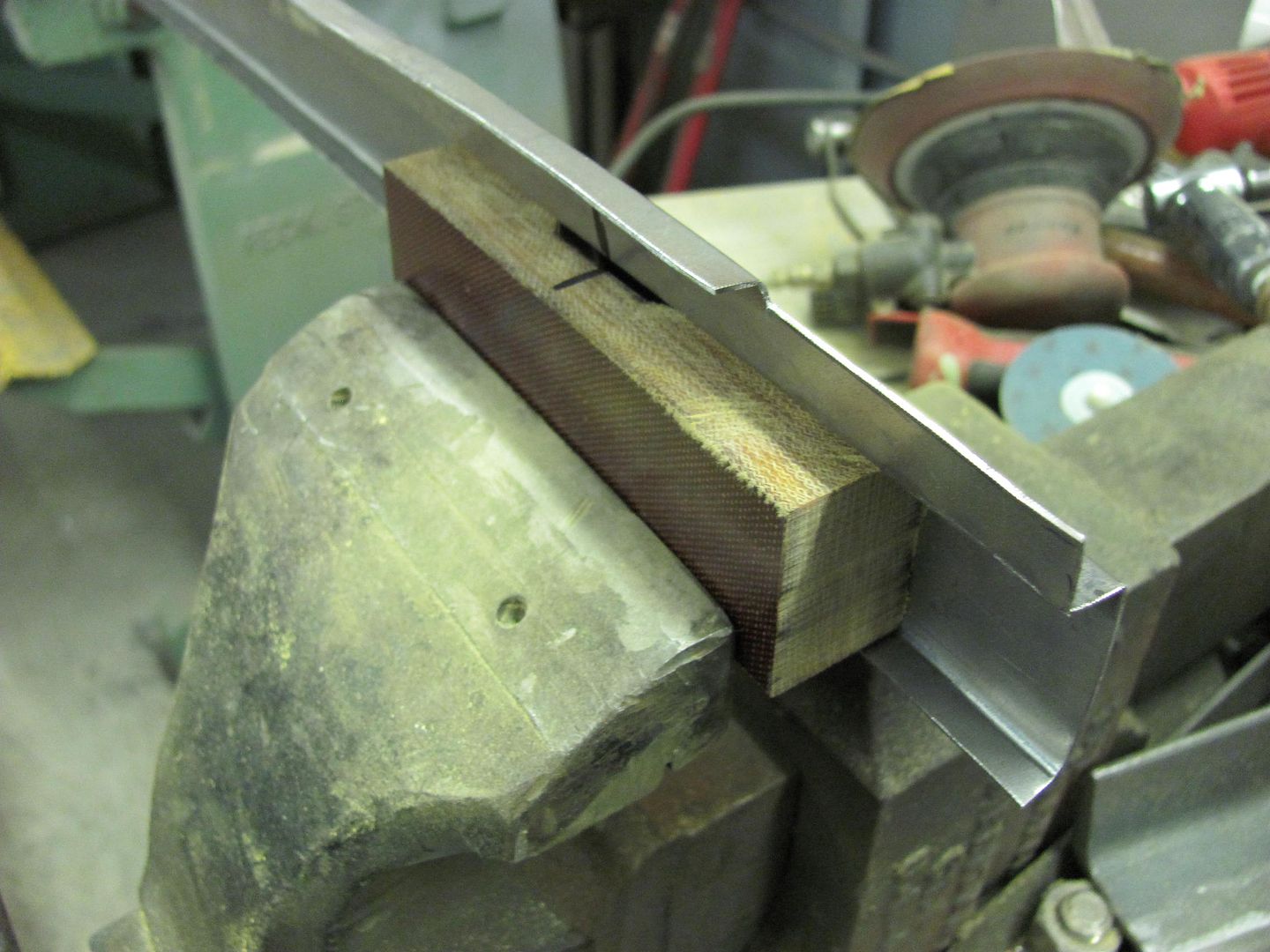
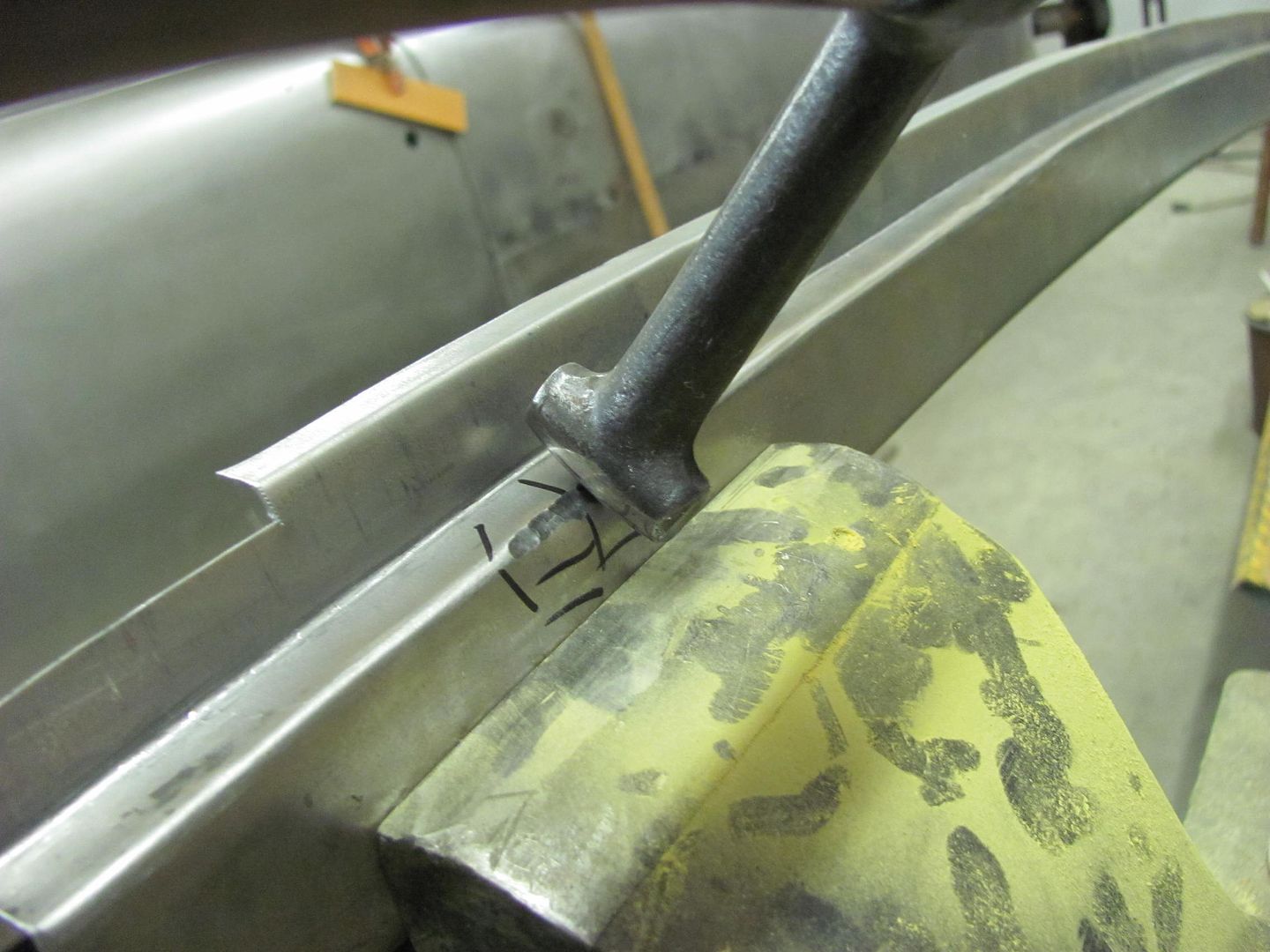
Anvil was located, and clamped in the vise to hold it's location


Picture211-1.jpg


Picture213-1.jpg


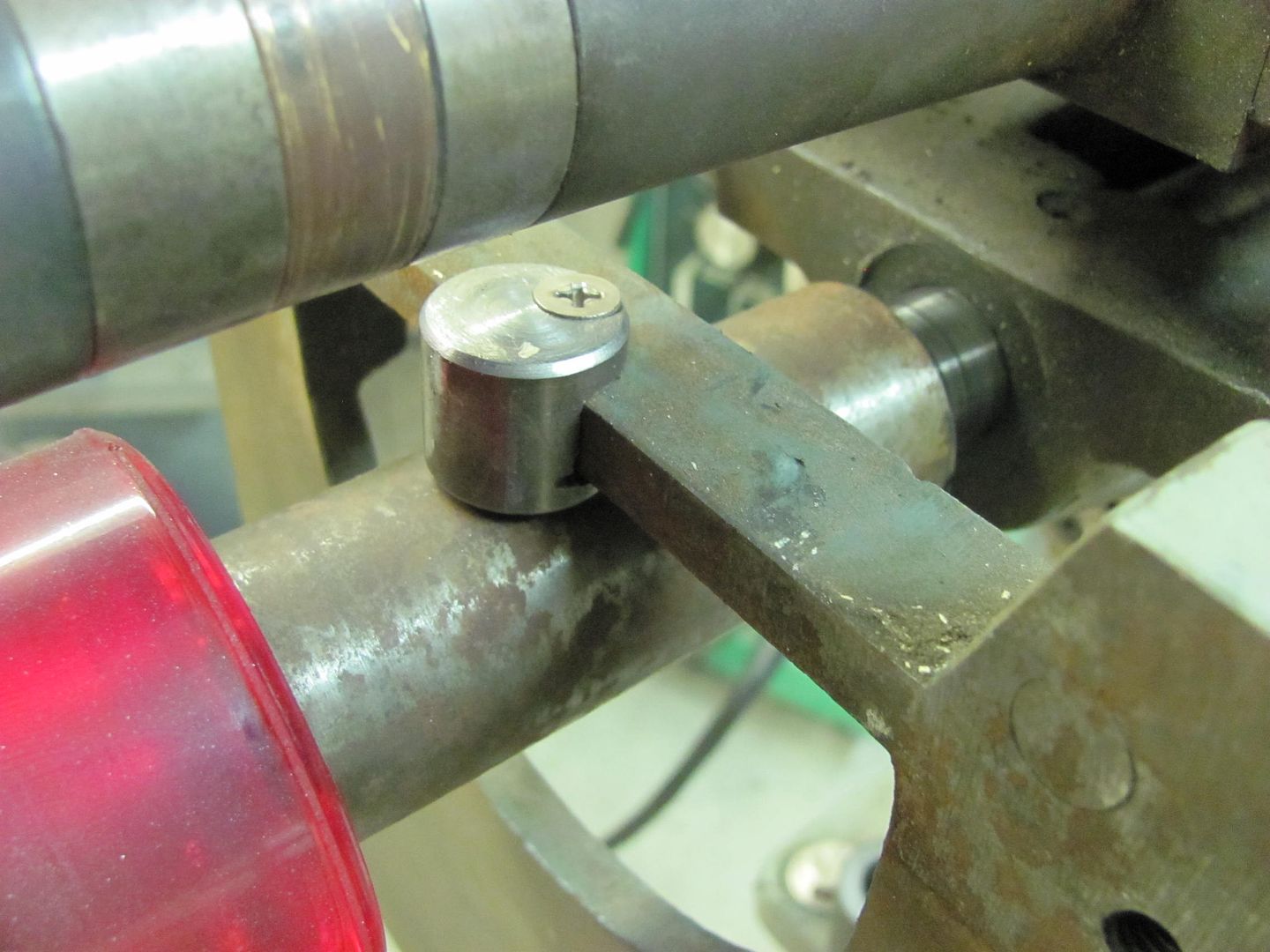
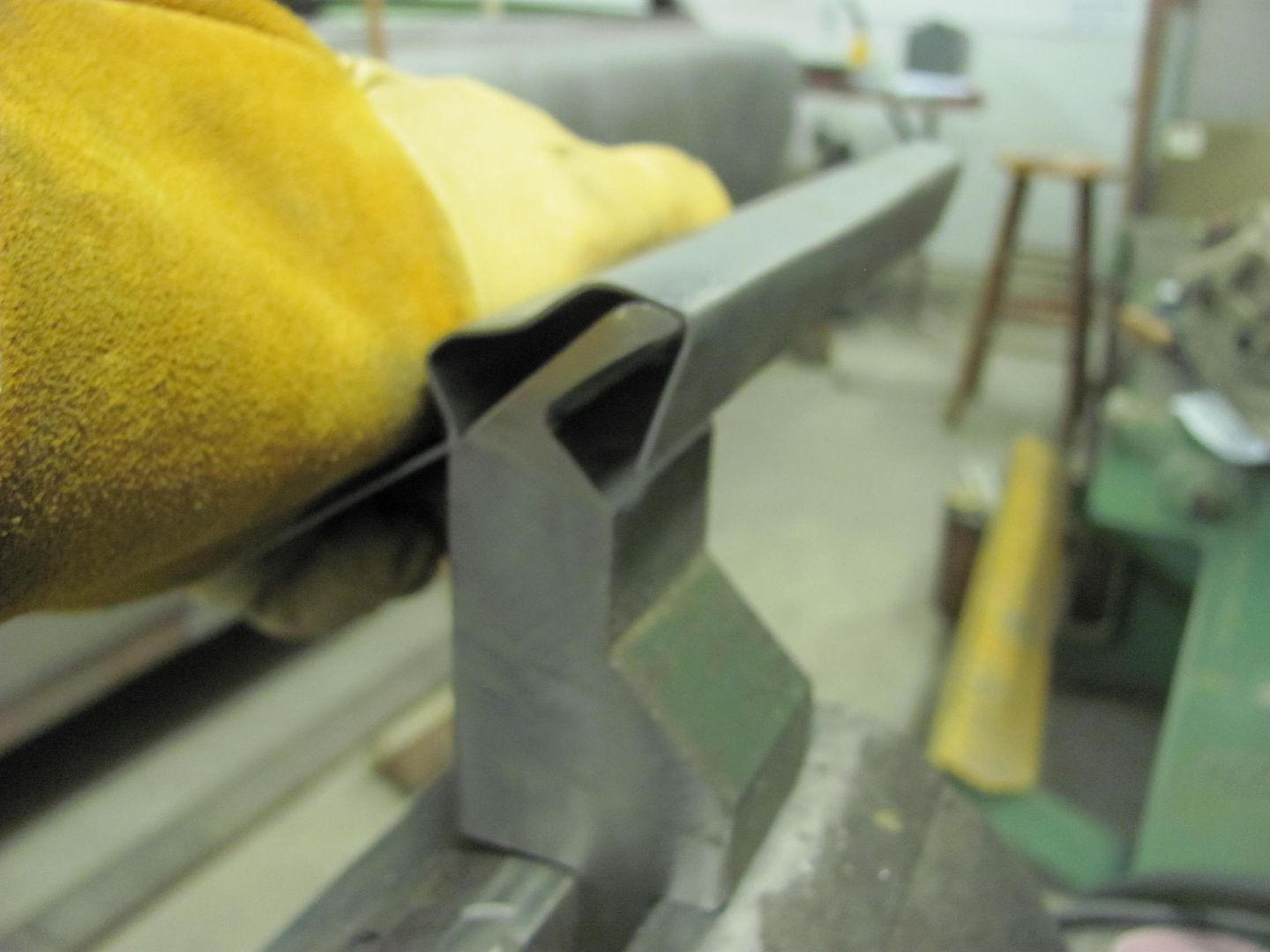
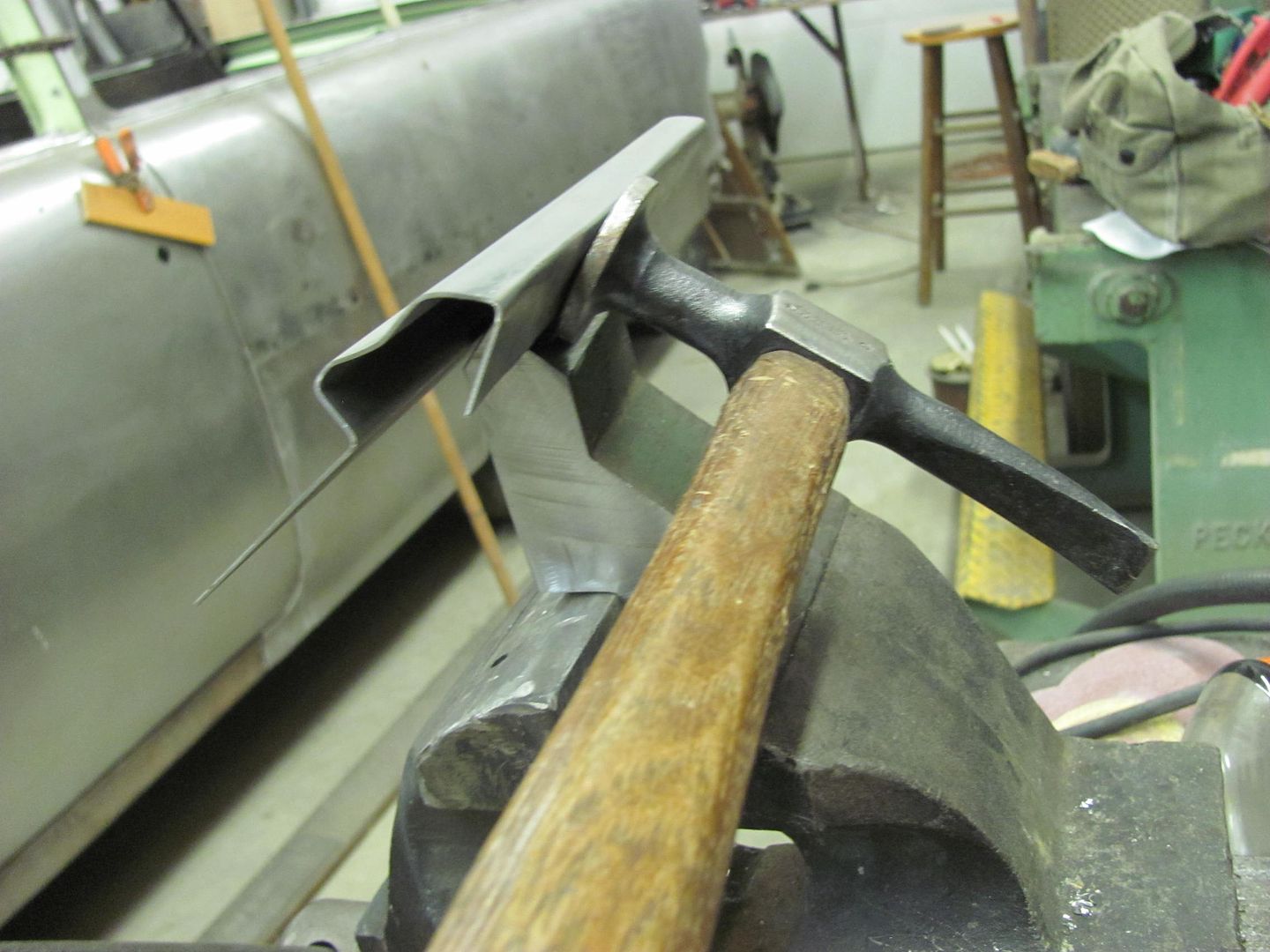
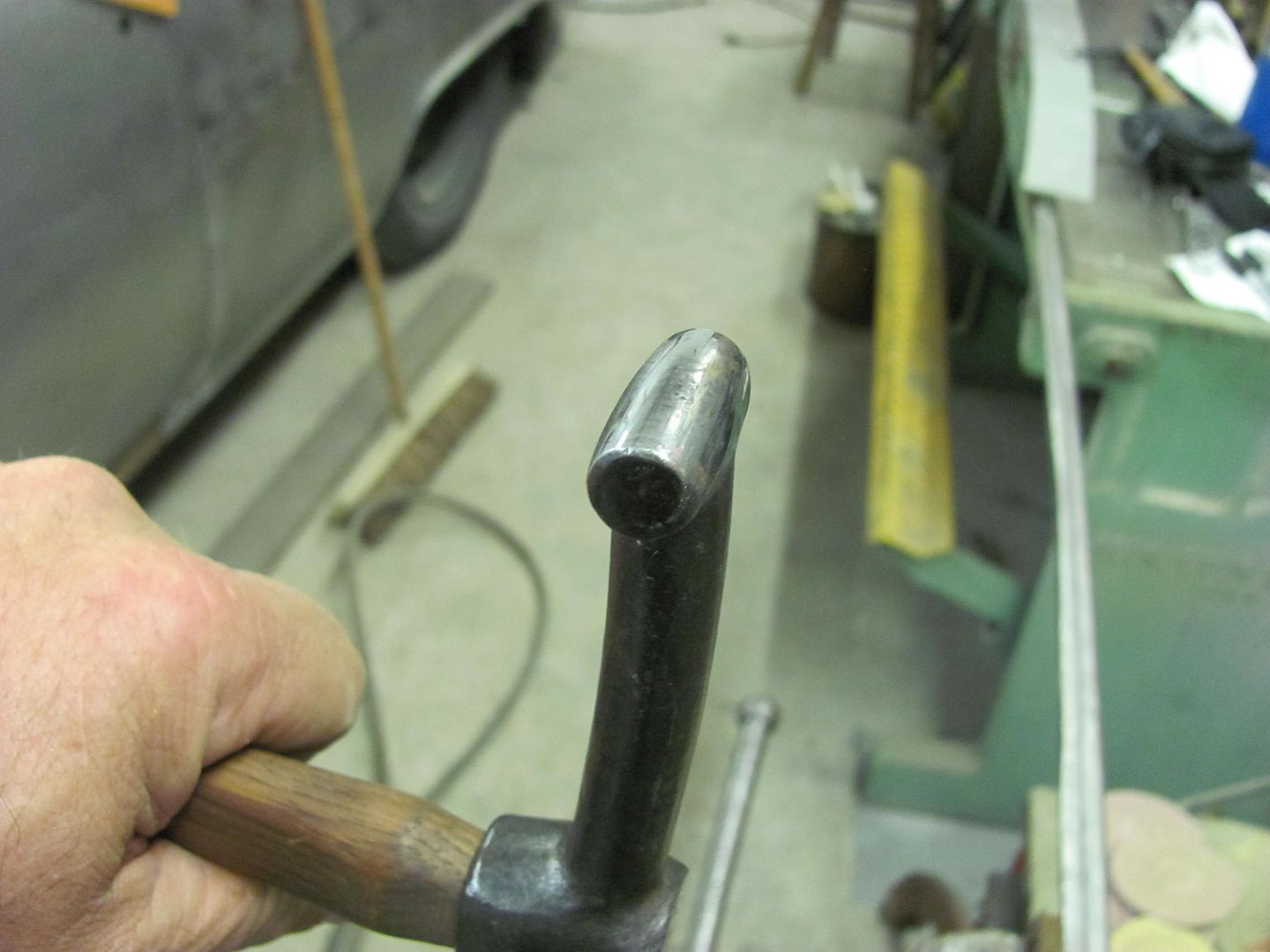
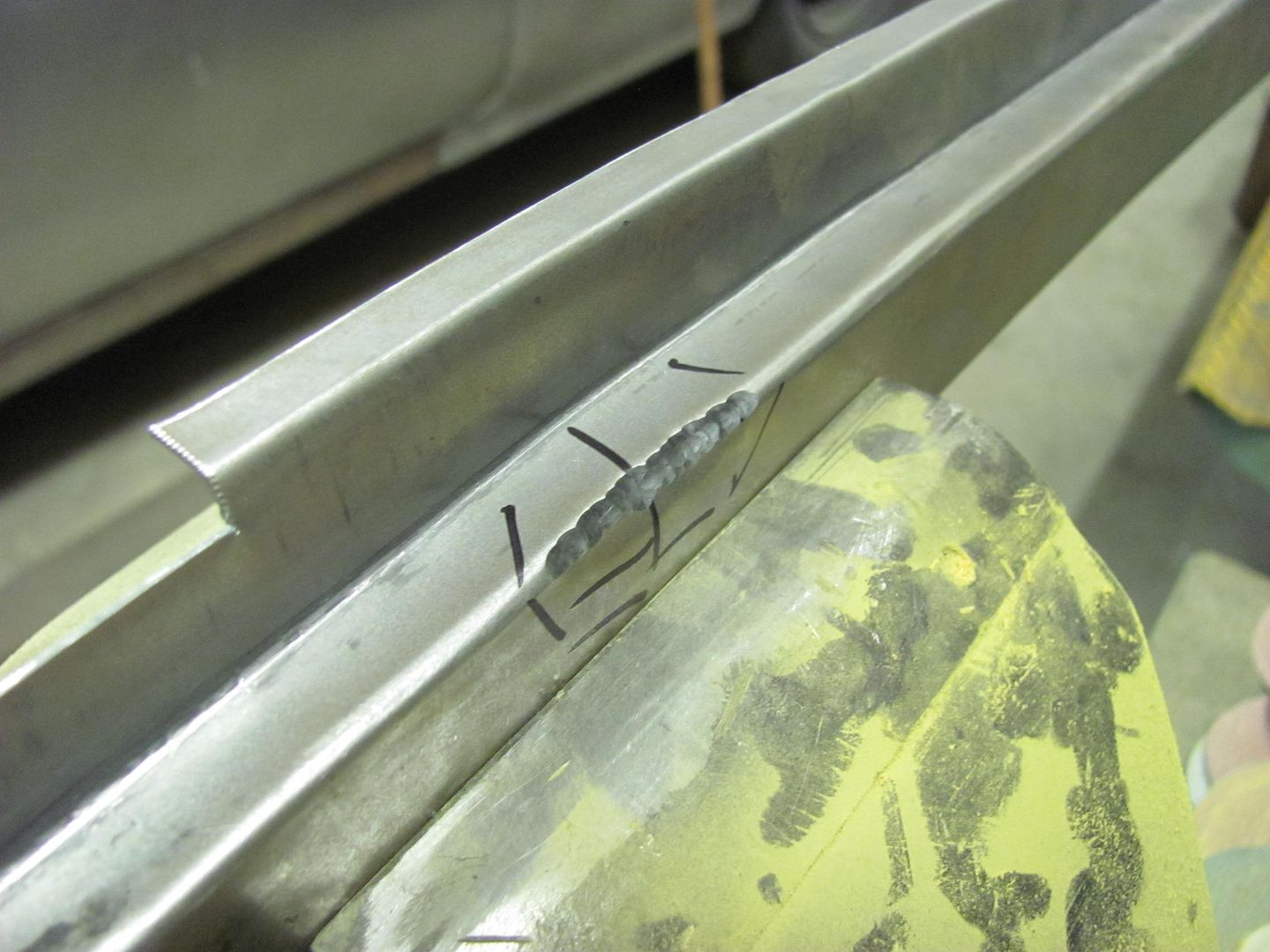
Started with the barrel end hammer.....


Picture216-1.jpg


Picture217-1.jpg


Picture218-1.jpg


Picture219-1.jpg


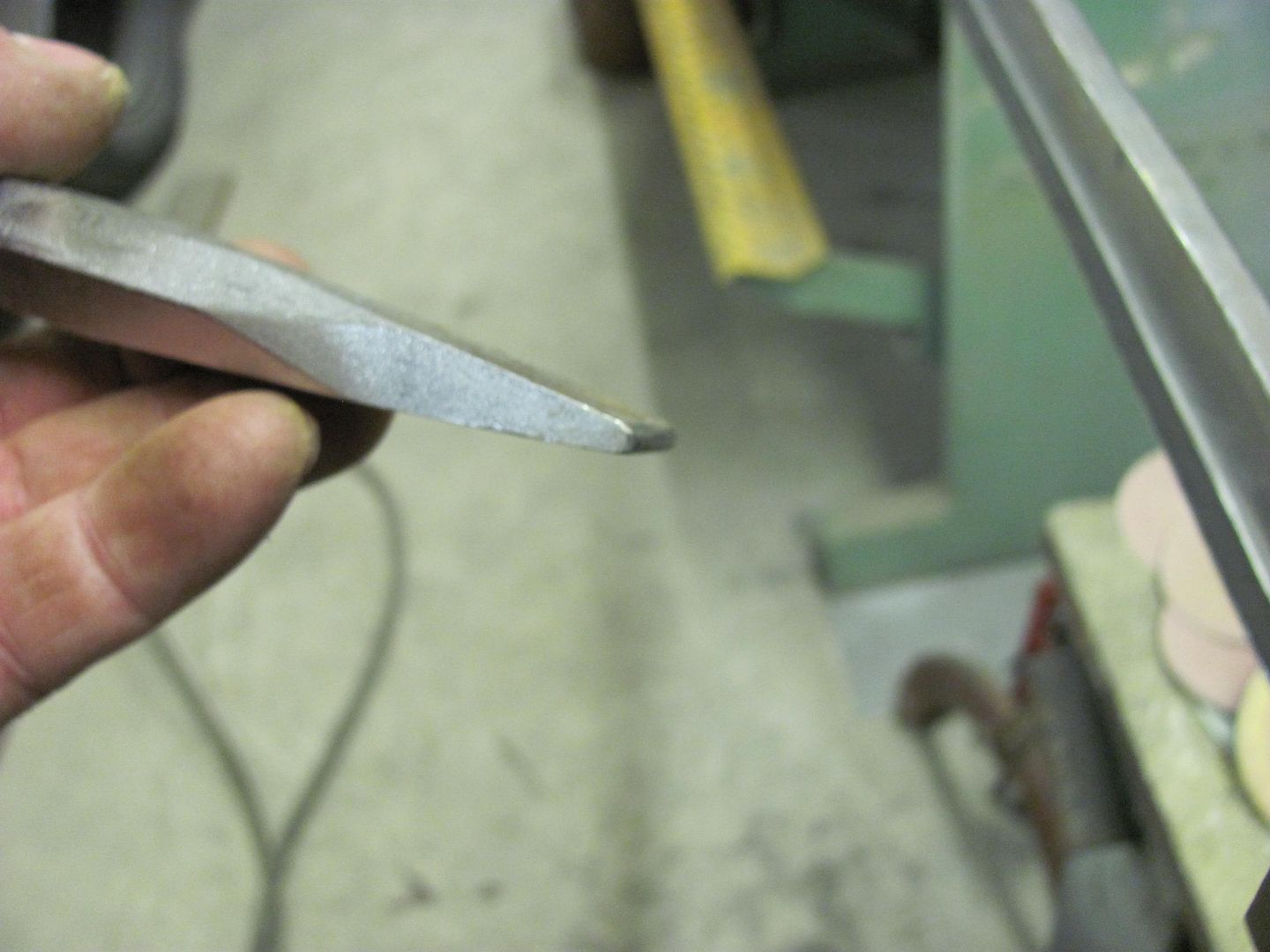
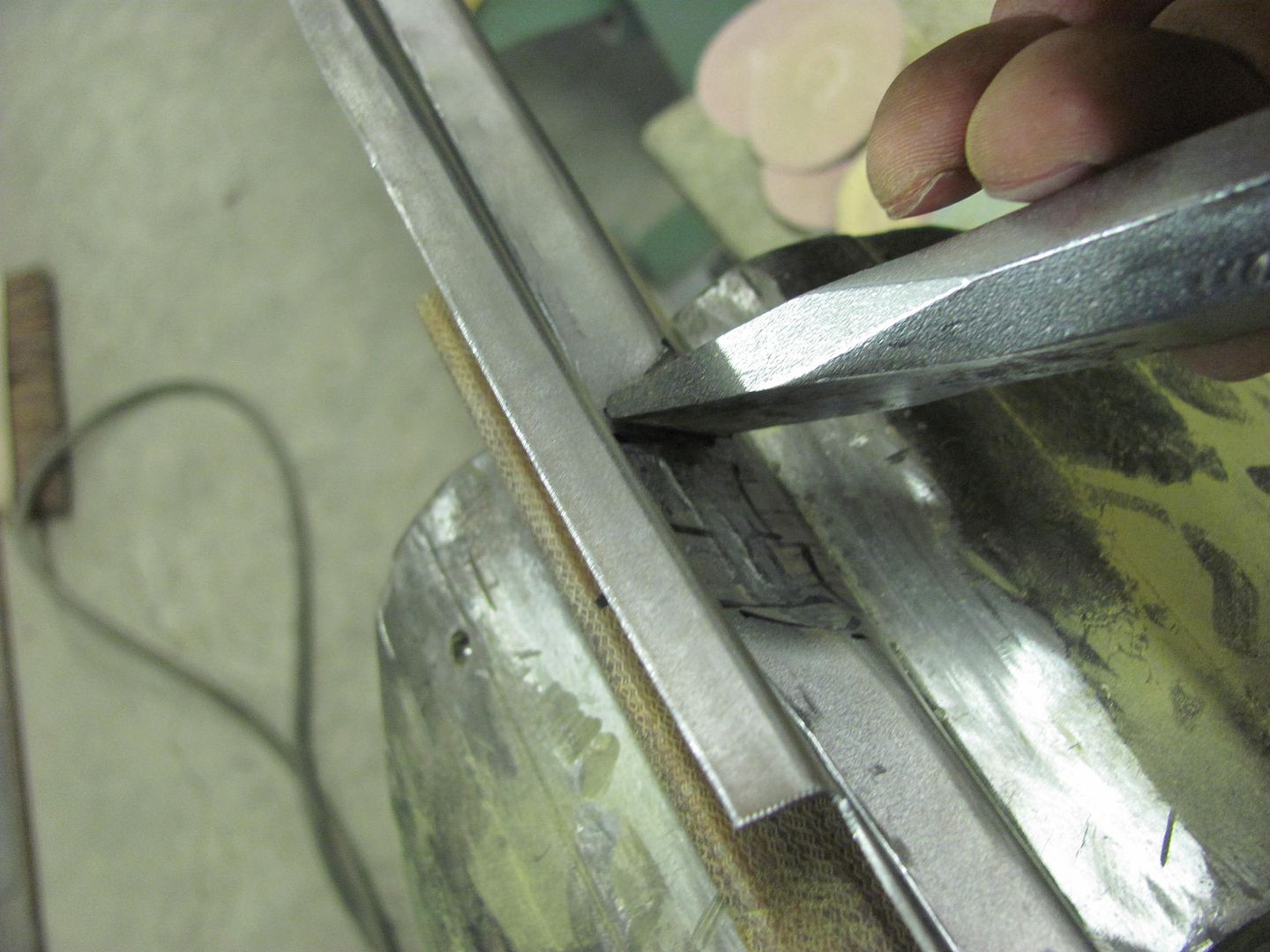
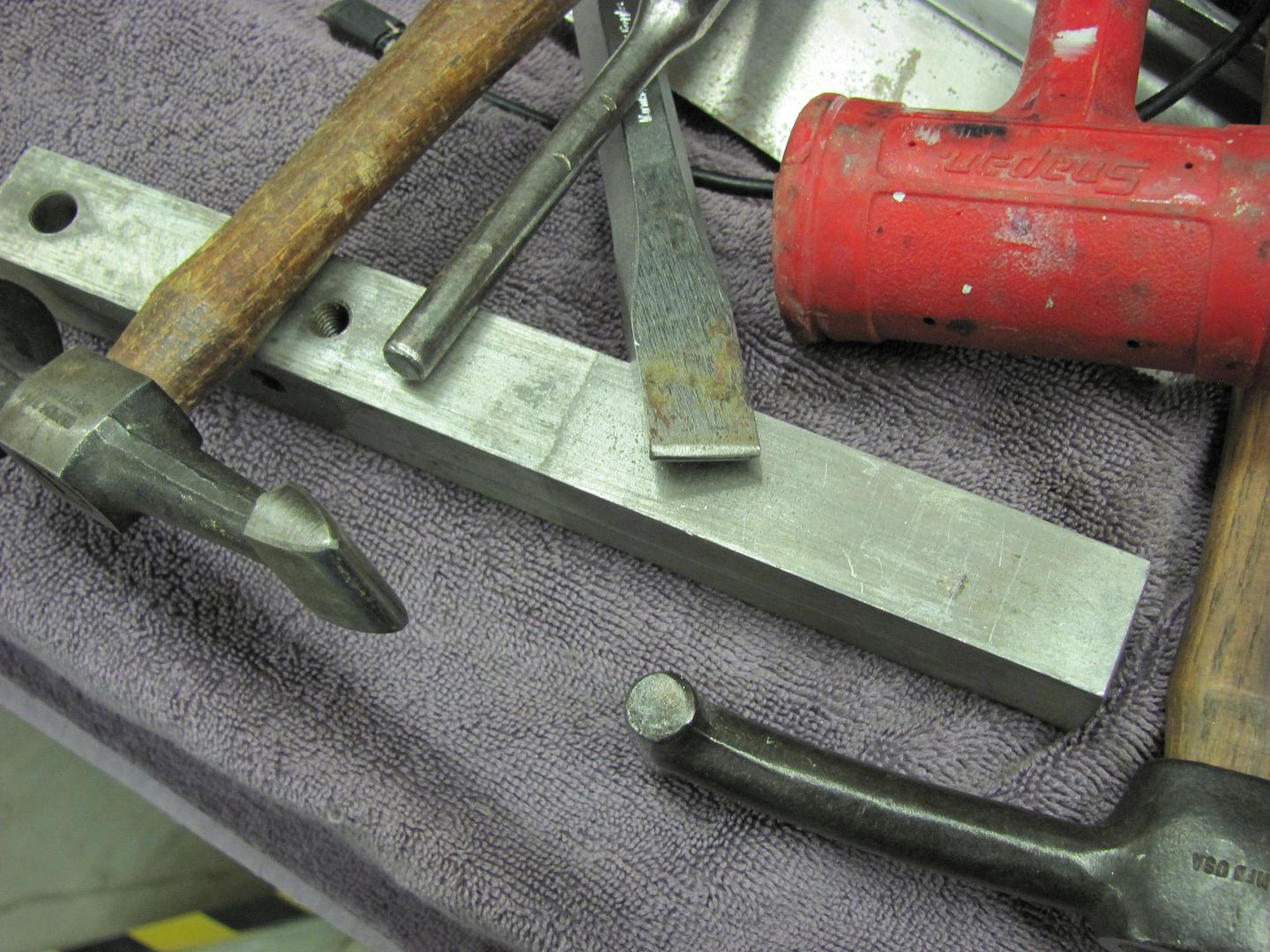
For the ends, I used a rounded tip chisel....


Picture220-1.jpg


Picture221-1.jpg


....and then another "anvil" to clean up the hammer marks a bit...


Picture222-1.jpg


Picture223-1.jpg


Picture224-1.jpg


Here's all the tools used....


Picture225-1.jpg


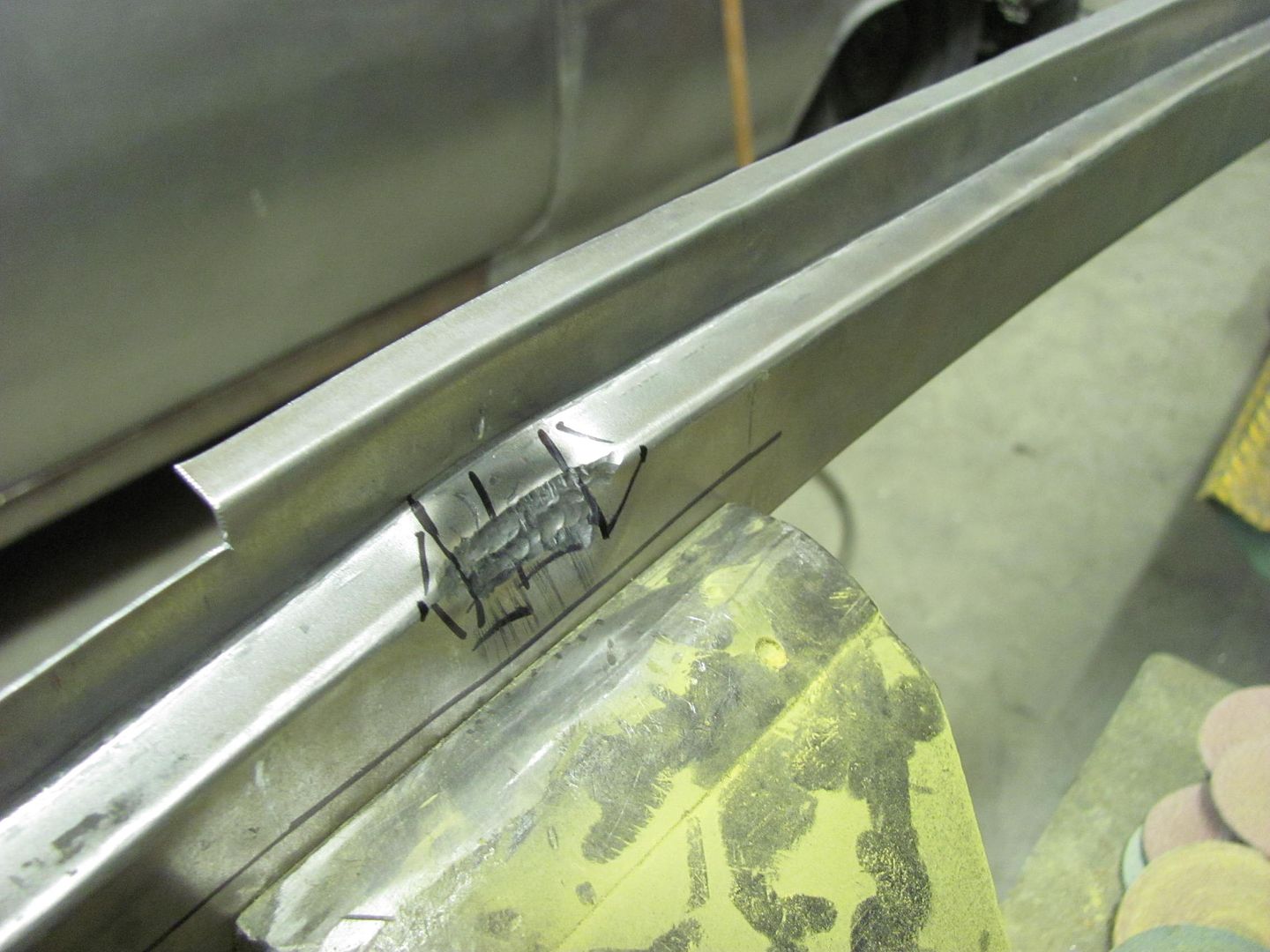
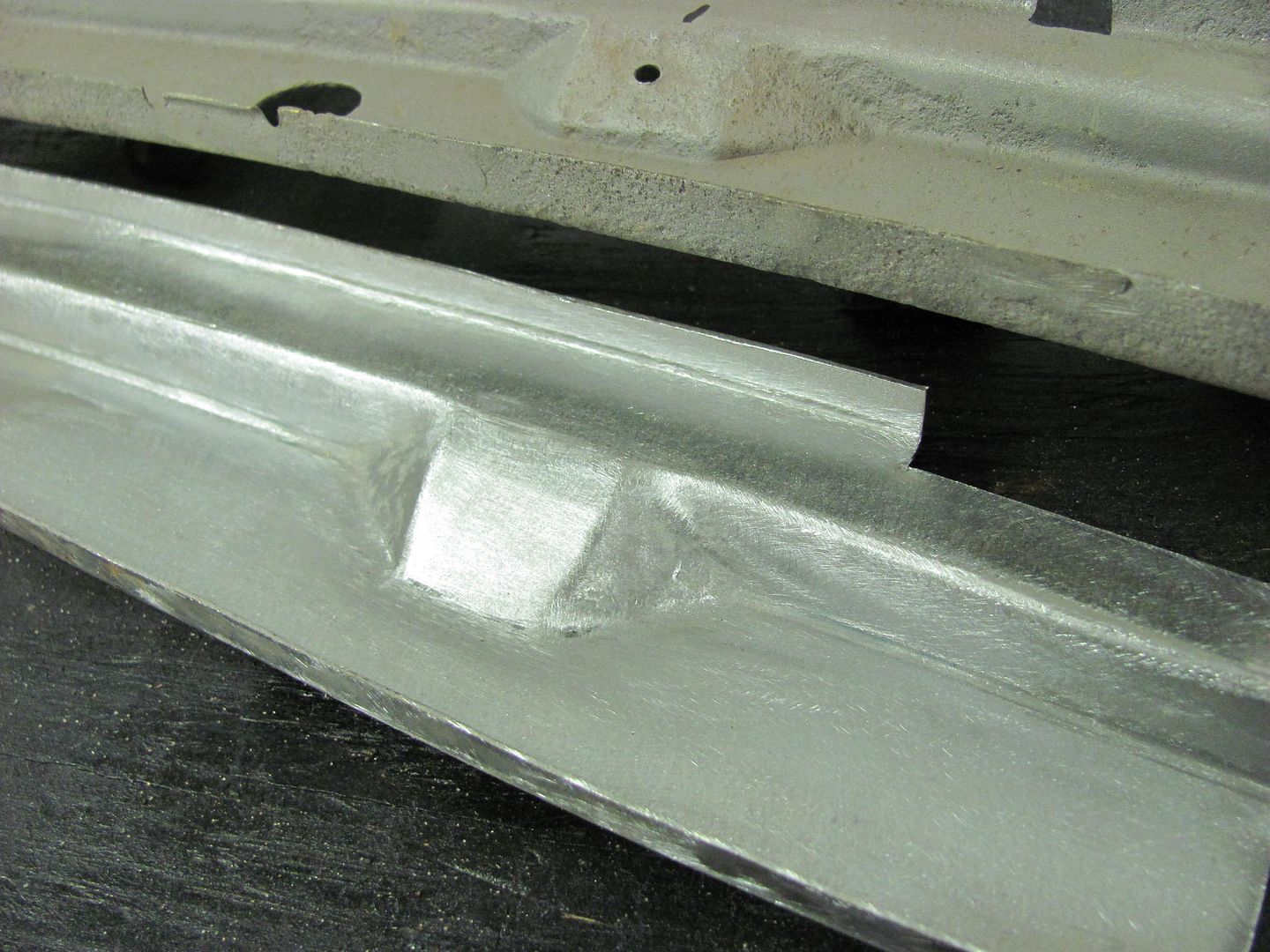
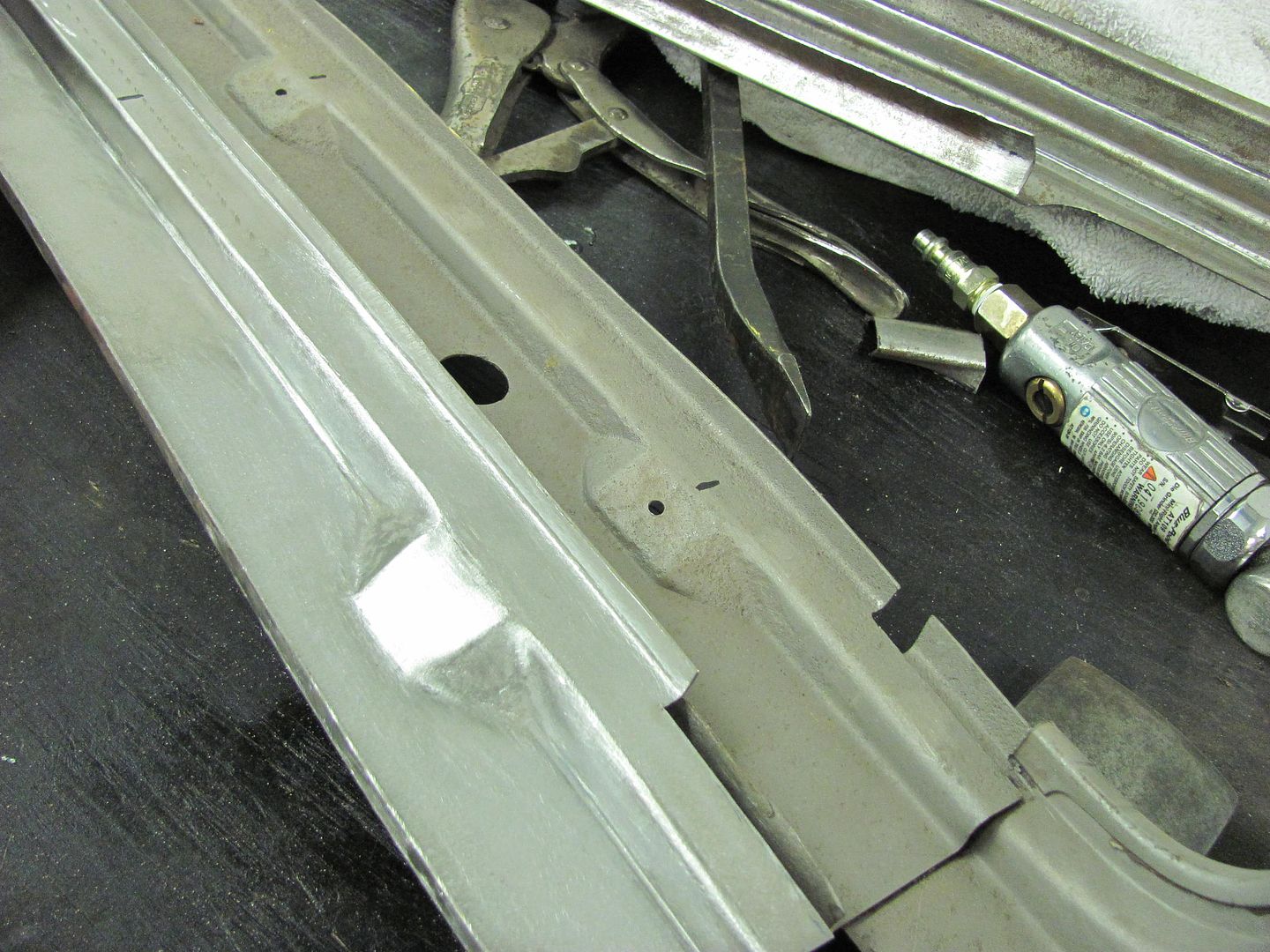
Touched up a bit with a sanding disc, looks close enough.... One down, 4 to go...


Picture226-1.jpg


Picture228.jpg
 
To avoid these ads, REGISTER NOW!
e-tek

Well-known member
Joined
Dec 19, 2007
Messages
10,690
Location
Saskatoon, SK
The work speaks for itself, but the camera work really makes this thread special! What are you using? Based on the many blurry shots in my thread ;), I'm guessing you're using a tripod?

I see you are really getting into the metal fab and going to lessons too. That is something I'd like to do when I have more time, but then you do a lot more fab than me - while I need to turn out finished cars - LOL!! Was the Baleigh course part of the contest you won? Did you get your winnings yet?

That "kid" Kyle - I'm pretty sure he's the guy on the show FantomWorks - no? I wonder if he still works at FantomWorks, or if he jumped onto his own after the TV exposure? (Funny he always wears that hat - it MUST be filthy!!)

Anyways, like many, I come here for inspiration and lessons - so THANK YOU for the great quality of your photo's and sharing some of what you're learning by attending those lessons.

Maybe when I'm truly retired, I'll have you out here to put on some lessons in my shop for us Canucks!

Cheers!!
 
Last edited:
OP
M

MP&C

Well-known member
Joined
Oct 21, 2009
Messages
4,396
Location
Leonardtown, MD
Thanks for the comments guys...


Ed, responses in blue..

The work speaks for itself, but the camera work really makes this thread special! What are you using? Based on the many blurry shots in my thread ;), I'm guessing you're using a tripod?


Canon SX120is. I've had better luck with the Canon point and shoots in taking the "occasional" bounce on the shop floor. This one's probably going on 3-4 years old, so that's about a record here in camera life.. :lol_hitti I've also had a few blurry shots with it, no tripod here but I am getting better at the one-handed camera operation. ;)


I see you are really getting into the metal fab and going to lessons too. That is something I'd like to do when I have more time, but then you do a lot more fab than me - while I need to turn out finished cars - LOL!! Was the Baleigh course part of the contest you won? Did you get your winnings yet?


I've been wanting to go to a few, but the scheduling stars never aligned. I went to Gatormeet this year (finally) and picked up some new skills that I would have been reluctant to try otherwise. That's the good part of a meet like that, you have projects to work on, everyone can jump in and give a hand, and those that have the experience are there to guide you along. Most of the meets run from one day to up to a week long. I did get an invite to the Baileigh training, it was a one day event but I showed up a bit early and got to meet some of the guys the day before. Shane suggested I look at all the different machines before making my decision on what to get for the contest prize. They go through some of the benefits of one machine over another, show the various features, and have a hands on training for you to try them out. I found it a good experience, especially if you're in the market for some metalshaping machinery it gives you a good opportunity to "kick the tires" and get some training to boot. Should be a short flight for you to Green bay, and about a 1/2 hour drive south from there. PM Shane Henderson on the Hamb and ask him about the next class.
That "kid" Kyle - I'm pretty sure he's the guy on the show FantomWorks - no? I wonder if he still works at FantomWorks, or if he jumped onto his own after the TV exposure? (Funny he always wears that hat - it MUST be filthy!!)


Having shown up early, I got to go out to dinner a couple nights with Kyle and some of the other instructors. Kyle is a real down to earth guy, and is very well versed in metalshaping, and is a much better instructor than he would have you believe. He is no longer with Fantomworks, he has his own shop in Suffolk, VA: http://www.yocumsrodshop.com/ Funny you mention the hat, it was brought up at dinner one night that he should have some of those embroidered with his shop name and sell them on his web site. :rocker:


Anyways, like many, I come here for inspiration and lessons - so THANK YOU for the great quality of your photo's and sharing some of what you're learning by attending those lessons.


That's the hope, that my posts will be inspirational to help others make the jump into metal shaping or even just improve their skills on a hobbyist level. By sharing the knowledge, the art of metal shaping is carried on to future generations.


Maybe when I'm truly retired, I'll have you out here to put on some lessons in my shop for us Canucks!


You never know where my travels take me! :lol_hitti In the meantime, keep your eye on the calendar of events on Metalmeet and Allmetalshaping and you may find some local meets to attend.


Cheers!!
 
Last edited:
OP
M

MP&C

Well-known member
Joined
Oct 21, 2009
Messages
4,396
Location
Leonardtown, MD
Last night I worked to finish up the pad details on the inner structure of the lift gate.... The center one was wider, so I used the same phenolic and just added a wider detail to the opposite side. I missed showing this earlier, but a handy-dandy battery saw works well to remove the bulk of the material, sawing parallel cuts and then just working the saw side to side to clear out the remaining....


Picture235-1.jpg


Picture236-1.jpg


Once cut out, the sanding disc is used to cut down the angled sides and touch up the bottom..


Picture237-1.jpg


This compares the two, showing the difference in width...


Picture238-1.jpg


Picture239-1.jpg


Alignment marks transposed from the original, and guide marks indicate the area in need of hammering...


Picture242-1.jpg


Picture243-1.jpg


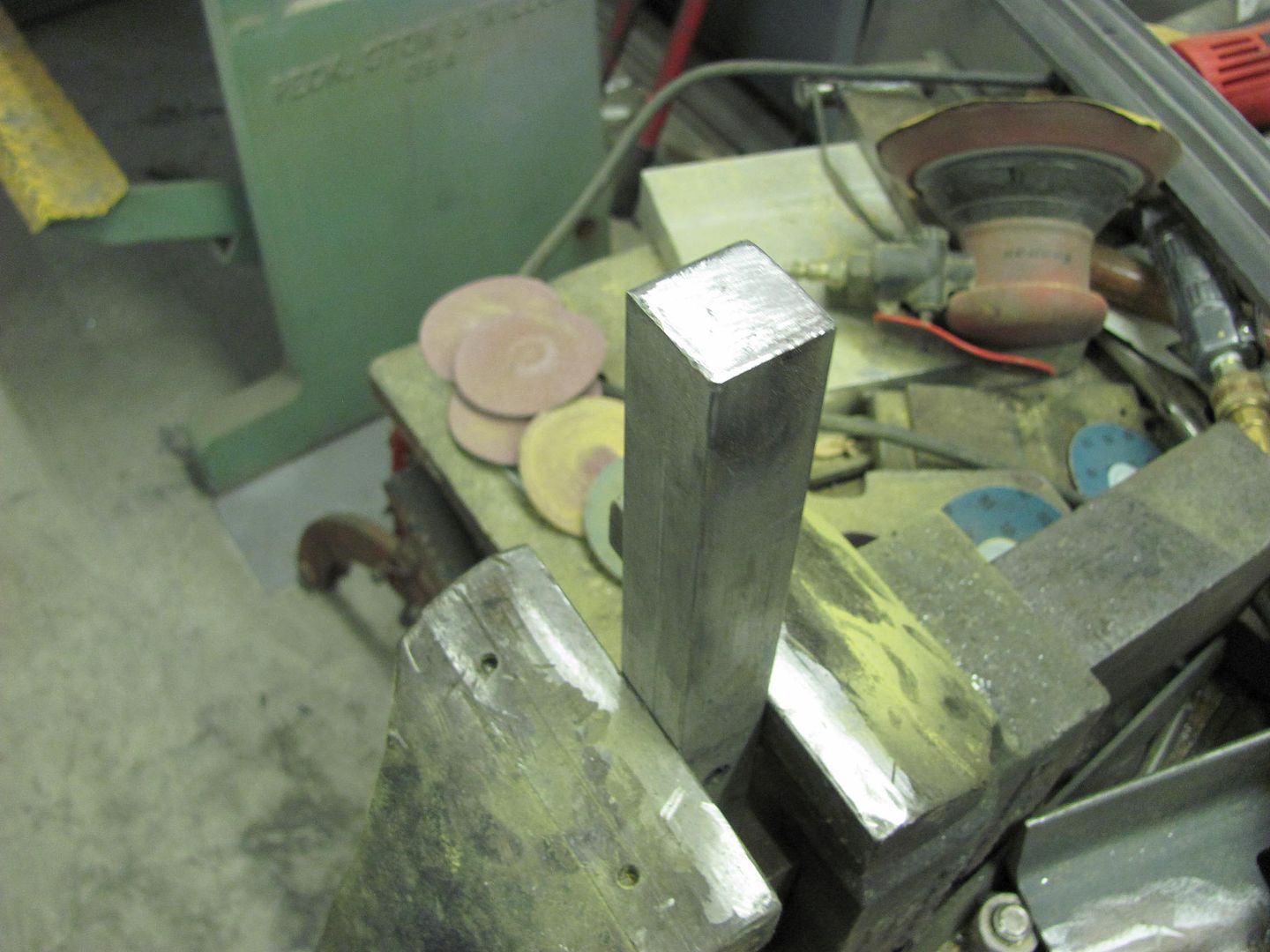
I had a request to show the hammering procedure, so here's another video attempt. The first one is using the phenolic anvil clamped against the work piece in the vise, the second uses 1" square stock as an anvil to clean up the hammer marks a bit...


http://s5.photobucket.com/user/rmccartney/media/1955%20Chevy%20Wagon%20Restoration%20Album%203/Video232.mp4.html


http://s5.photobucket.com/user/rmccartney/media/1955%20Chevy%20Wagon%20Restoration%20Album%203/Video233.mp4.html


...also sounds like I have a loose hammer handle, something for another day.... ;)


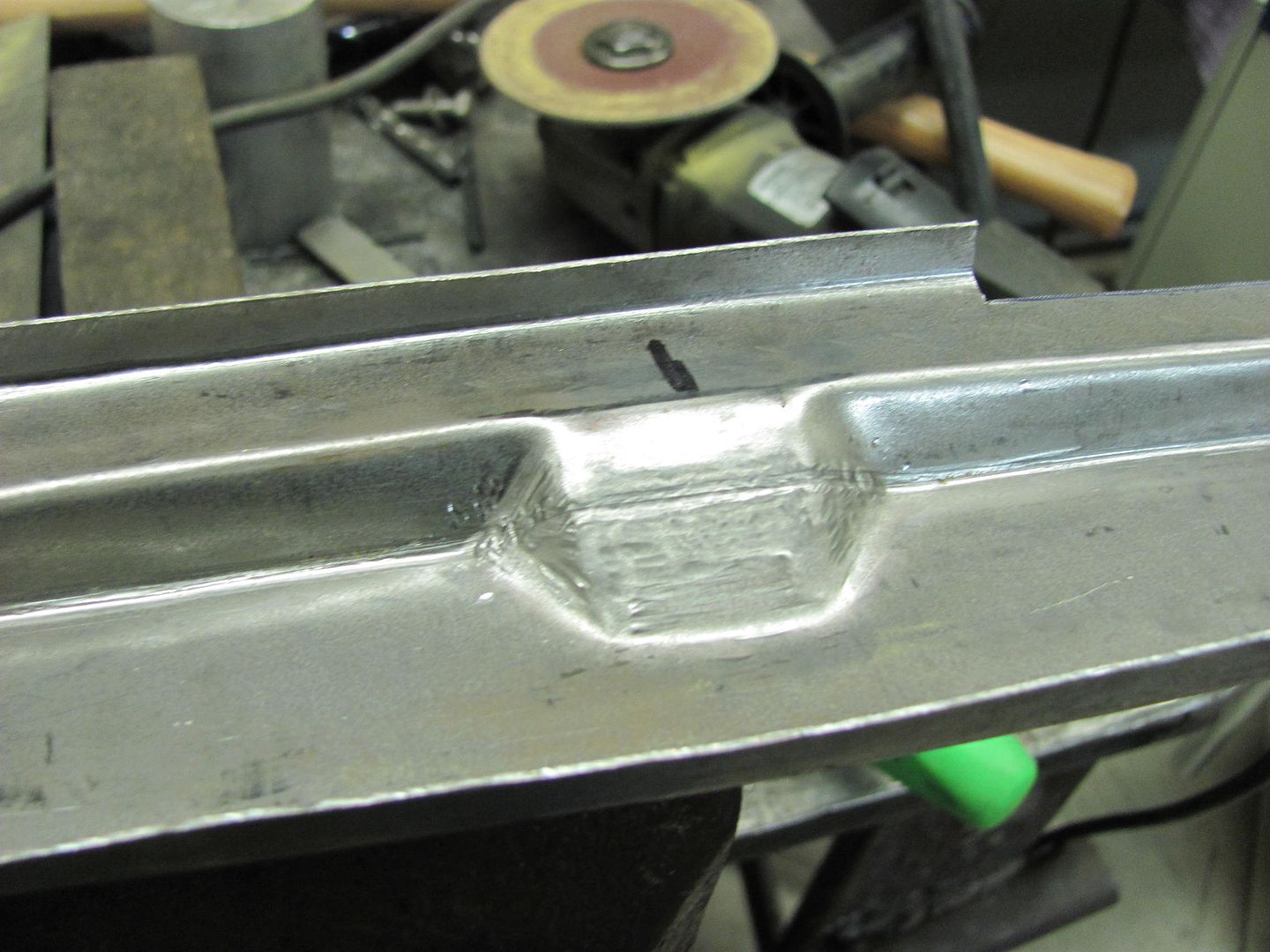
Then the sanding disc was used for final cleanup. Here's the finished piece, just needs a couple holes drilled....


Picture245-1.jpg


Picture246-1.jpg
 

e-tek

Well-known member
Joined
Dec 19, 2007
Messages
10,690
Location
Saskatoon, SK
I imagine many of us use the same method for forming items like that, but i often wonder, do you subtract the time it takes to make it from what you charge out? It's often less than an hour to do a new form, but I always struggle with the time and cost of making something vs what it would cost to purchase said item (assuming it was even available). I guess either way it's a 'shop tool' (even if never used again) and thus a shop expense...what do you think?

Oh ya - GREAT vids! I keep saying: you're moving towards professional tutorials - when's the first DVD planned?!
 
OP
M

MP&C

Well-known member
Joined
Oct 21, 2009
Messages
4,396
Location
Leonardtown, MD
I've made tooling for the bead roller (made on the lathe) that were used on this car that are a universal application and will likely be used again elsewhere, so that IMO would be my time. The phenolic anvil took all of about 5 minutes to make, and more of a specific to this car. Even though I'll keep it in the "55 tooling" drawer, I think this one falls more in line to stay on the clock...
 

PCO6

Well-known member
Joined
Dec 25, 2008
Messages
4,573
Location
Newmarket, Ontario
Nice work. That's really looking great. :thumbup:

Making good tooling usually speeds up the actual job plus it improves the accuracy if you have to repeat it several times like you have on this job. I think the time spent is well worth it.
 
OP
M

MP&C

Well-known member
Joined
Oct 21, 2009
Messages
4,396
Location
Leonardtown, MD
Oh ya - GREAT vids! I keep saying: you're moving towards professional tutorials - when's the first DVD planned?!


Ed, here's the tripod I used last night, I had modified it with the tubes to hold HD front fenders for painting. The packing tape still there is the optional camera restraint device to keep it from concrete bouncing. Note the distance to the vise is about 3-4'.


photobucket-5980-1382057493266.jpg


So one of my co-workers has a background in the TV production studio setting, having worked at the largest TV station in Alaska. I asked his thoughts on a "jib boom" for my camera so I could get it close to the action and miss all the floor obstacles. He lives close by and came back after lunch with this:


photobucket-5985-1382057525816.jpg


He told me to try it out and see if it sparked any ideas for modifying my tripod with similar attachments. So I'm going to use it for the next couple videos and see if we can get some nice close ups of the metal forming!


Making good tooling usually speeds up the actual job plus it improves the accuracy if you have to repeat it several times like you have on this job. I think the time spent is well worth it.

Couldn't have said it better :thumbup:
 
OP
M

MP&C

Well-known member
Joined
Oct 21, 2009
Messages
4,396
Location
Leonardtown, MD
This one's more of a home repair, but something that may help someone else out... We have a fixer up home we've been working on, getting down to the final details, and the contractor we had hang all new interior doors had performed a modification to a set of bifold doors. The floor wasn't totally level, so one side along the bottom of the bifold was trimmed to better fit parallel to the floor. This left the area with the hinge pivot a bit thin, and not wanting to support all the weight of the door, so the pivot had started to go up inside the door...

Picture248.jpg


In order to help spread the load and provide support, used a piece of 16 ga stainless to fab up this piece to go on the bottom of that corner of the door. The inside was media blasted so some construction adhesive might hold, as was the outside for paint adhesion. I used stainless as regular cold rolled steel and latex paint will no doubt cause some rusting in the nice white paint... Here's the fix:


Picture250.jpg


Picture251.jpg


Picture252.jpg
 
Last edited:

Kevin54

MEMBER EMERITUS
Joined
Jan 12, 2005
Messages
29,341
Location
Urbana, Ohio
Robert......In putting that many indentations into the formed piece of metal, dit the original form of the metal change any after putting all of the indentations in? I would think that it would pull your radius some what. Or did the other creases and bends in the part hold it to shape and the indentations were all stretched into shape?

Interestingly enough, that's the difference in mentality between a toolmaker and a sheet metal /Bodyman. I would have ended up spending a few hours and making a punch and die to put the indentations in only to arrive at what you did in a very short amount of time.
 
OP
M

MP&C

Well-known member
Joined
Oct 21, 2009
Messages
4,396
Location
Leonardtown, MD
Kevin, forcing the metal into the phenolic anvil did create a bit of distortion around that detail, but a hammer and flat anvil cleaned it up nicely. I think press tooling would have resulted in less of this issue, but I didn't have that capability. Have to get you on retainer.....:D

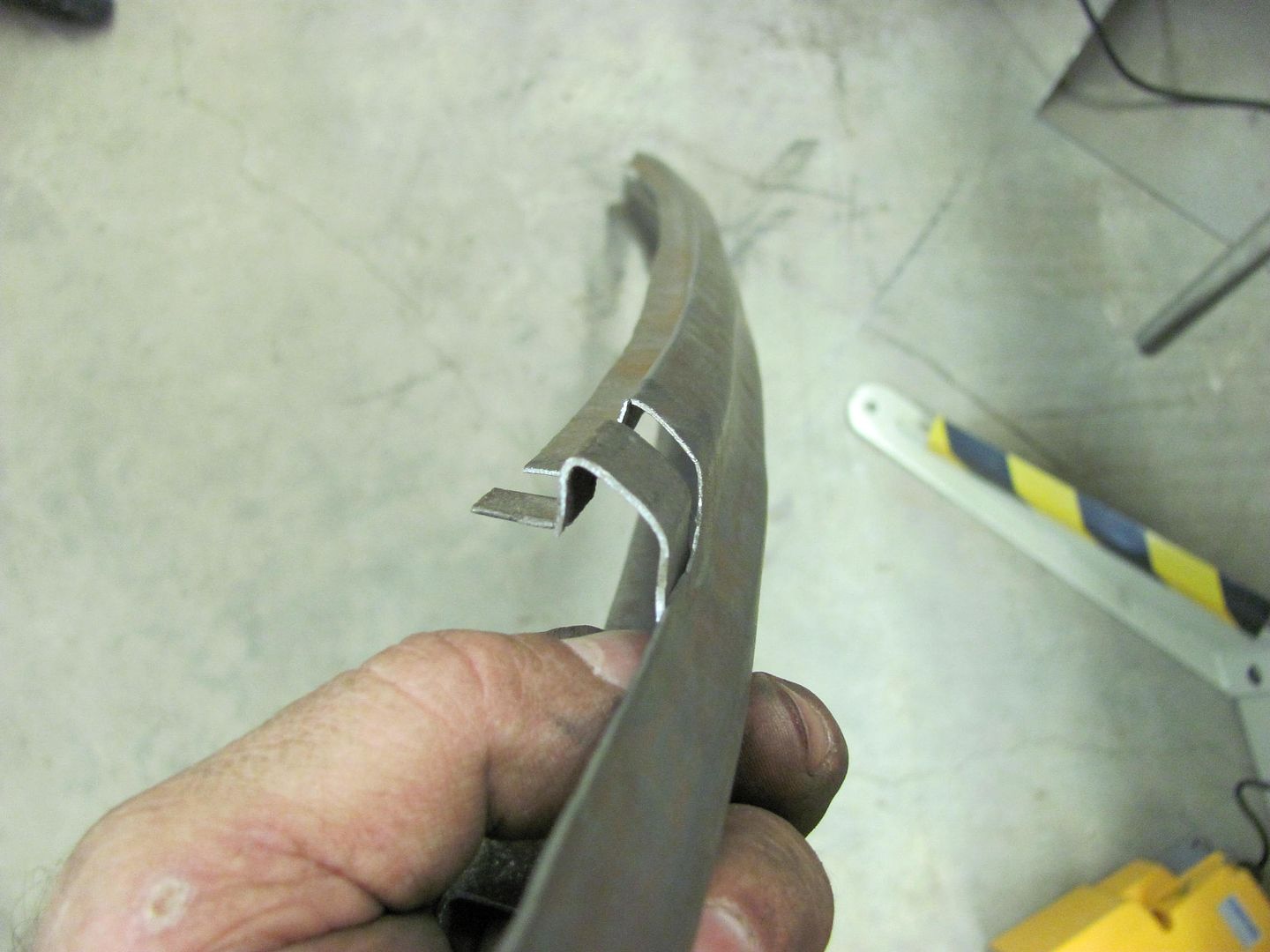
The folded edges along both sides did help to control any other changes in the shape of the panel. I didn't notice much change in the radius, but if needed it can be tweaked on the single fold flange where the bottom outer panel spot welds to it, as this is the main critical fitment on this last piece. The multi-stepped fold is less critical as the outer panel's top flange is inside the window opening and is spot welded to the horizontal area behind those pads, which gives more room for error/adjustment ;)
 

MoonRise

Well-known member
Joined
Nov 5, 2010
Messages
4,027
Location
NJ
In order to help spread the load and provide support, used a piece of 16 ga stainless to fab up this piece to go on the bottom of that corner of the door. The inside was media blasted so some construction adhesive might hold, as was the outside for paint adhesion. I used stainless as regular cold rolled steel and latex paint will no doubt cause some rusting in the nice white paint... Here's the fix:

re: stainless vs carbon steel and rust.

Not anything really 'wrong' with using stainless for that piece, but plain carbon steel is used just fine with all sorts of paints.

Just prime it first. :D :spit:

And if you media-blasted that stainless piece in a blast cabinet with used/reused media previously used with rusty steel or even just plain carbon steel, you probably embeded rust and/or carbon steel into the surface of the stainless steel piece.

Stainless steel really is supposed to be 'worked' only with 'dedicated' tools/abrasives (grinders, flap disks, wire brushes, etc, etc) just to avoid that sort of cross-contamination.

For the really 'critical' applications, the stainless is often passivated in an acid bath after all fabrication steps in order to remove any surface 'contaminates' and leave a chromium-rich (and 'free' iron poor) surface to 'enhance' the "stainless" aspect of the stainless steel.

Just an FYI on stainless, in case you didn't realize those things.

And all of that is probably overkill for a stainless metal bracket on an interior bi-fold door. :D

Oh, and nice work btw. :thumbup: :bowdown:
 
OP
M

MP&C

Well-known member
Joined
Oct 21, 2009
Messages
4,396
Location
Leonardtown, MD
Thanks for the info! I was trying to eliminate all the extra steps of priming, hence the use of stainless. Besides, there was a piece of stainless in the scrap pile... :lol:


Test fit:


photobucket-1009-1382438604059.jpg
 
Last edited:

Kevin54

MEMBER EMERITUS
Joined
Jan 12, 2005
Messages
29,341
Location
Urbana, Ohio
Kevin, forcing the metal into the phenolic anvil did create a bit of distortion around that detail, but a hammer and flat anvil cleaned it up nicely. I think press tooling would have resulted in less of this issue, but I didn't have that capability. Have to get you on retainer.....:D

The folded edges along both sides did help to control any other changes in the shape of the panel. I didn't notice much change in the radius, but if needed it can be tweaked on the single fold flange where the bottom outer panel spot welds to it, as this is the main critical fitment on this last piece. The multi-stepped fold is less critical as the outer panel's top flange is inside the window opening and is spot welded to the horizontal area behind those pads, which gives more room for error/adjustment ;)
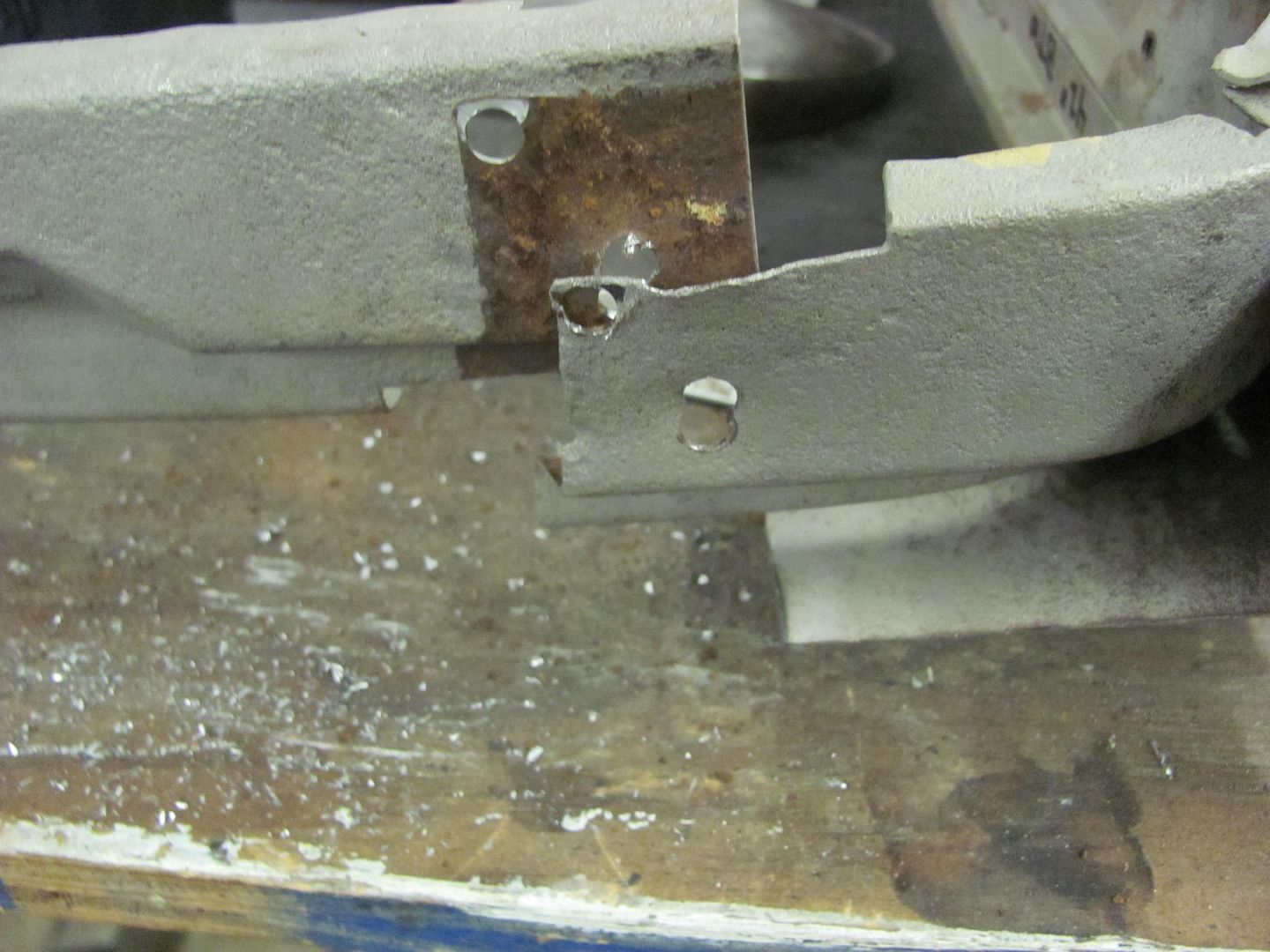
Press tooling can also distort rather badly if not designed correctly. To make press tooling for something like that would, in my mind, involve putting everything on a die shoe. You would then have to have a pressure pad come down first that is backed up by heavy springs to put pressure on the area around what you want to form. This keeps everything in place. Then after the pressure pad makes contact, your punch comes through the pad and the metal gets stretched to conform to the female portion. A lot of times even with a die shoe, once everything is put in place, you can still have distortion and the complete part would then need to be restruck to get it back to the shape needed. Almost two completely different worlds just to arrive at the same place in the end :lol:
 
OP
M

MP&C

Well-known member
Joined
Oct 21, 2009
Messages
4,396
Location
Leonardtown, MD
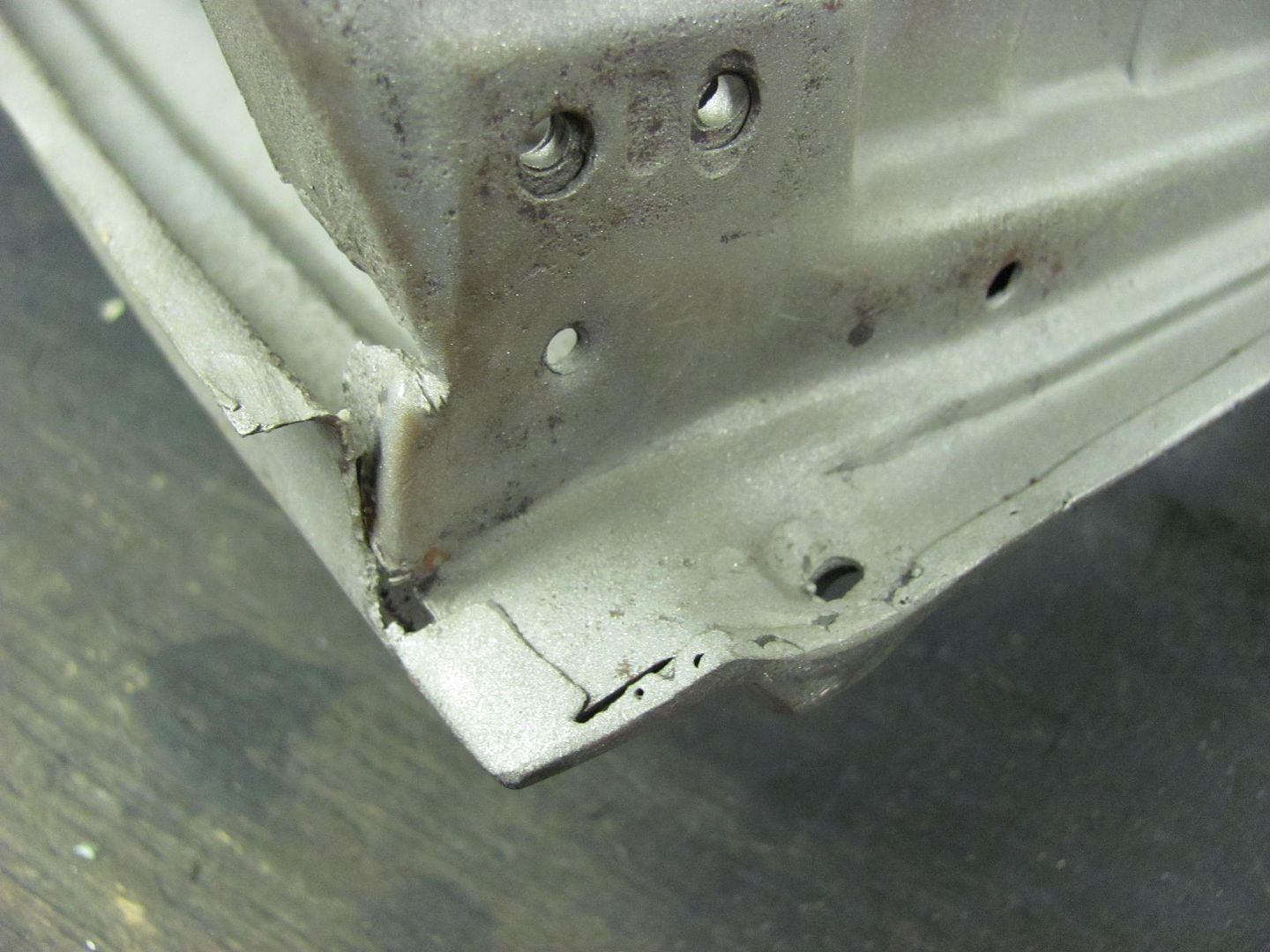
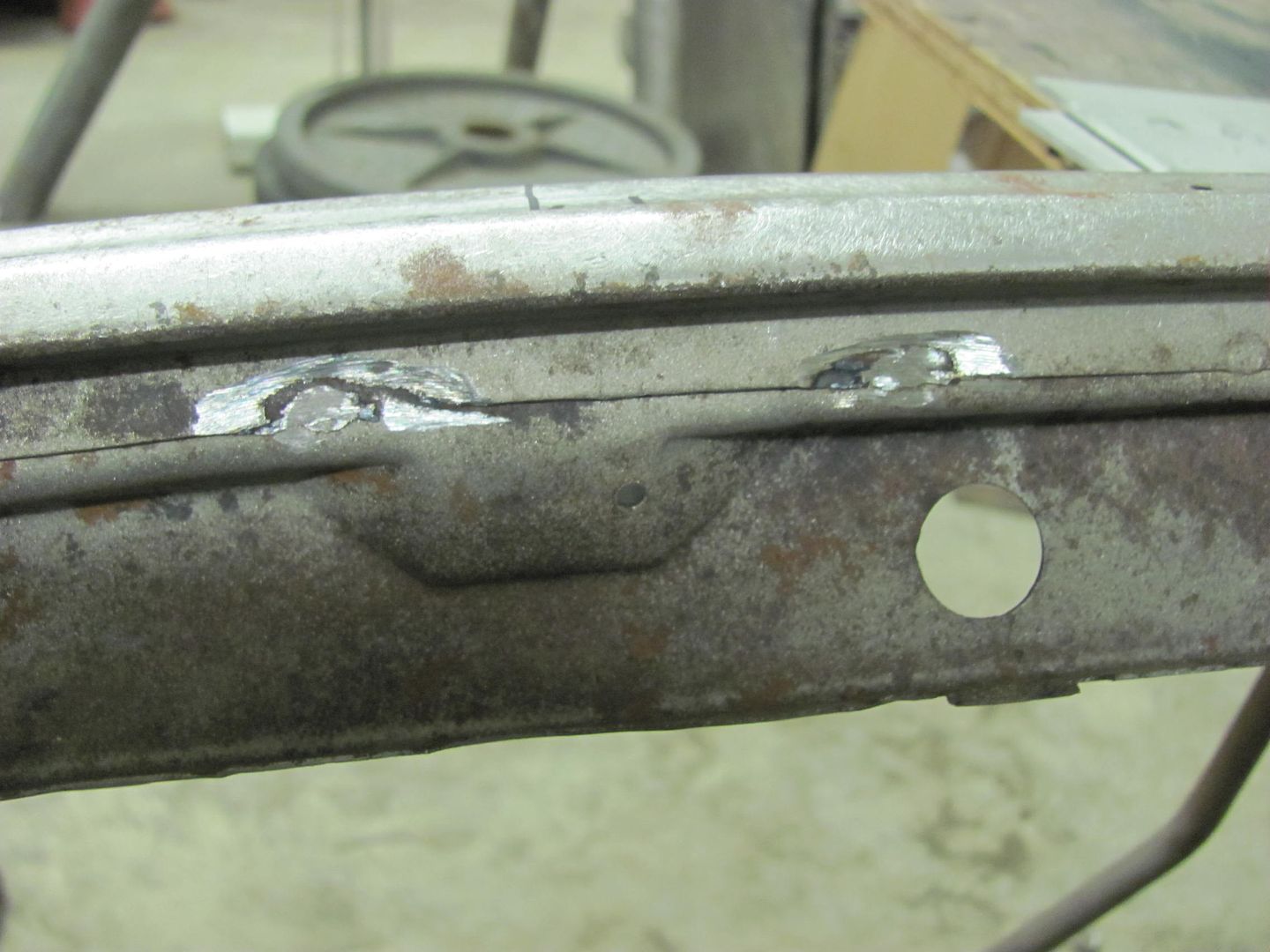
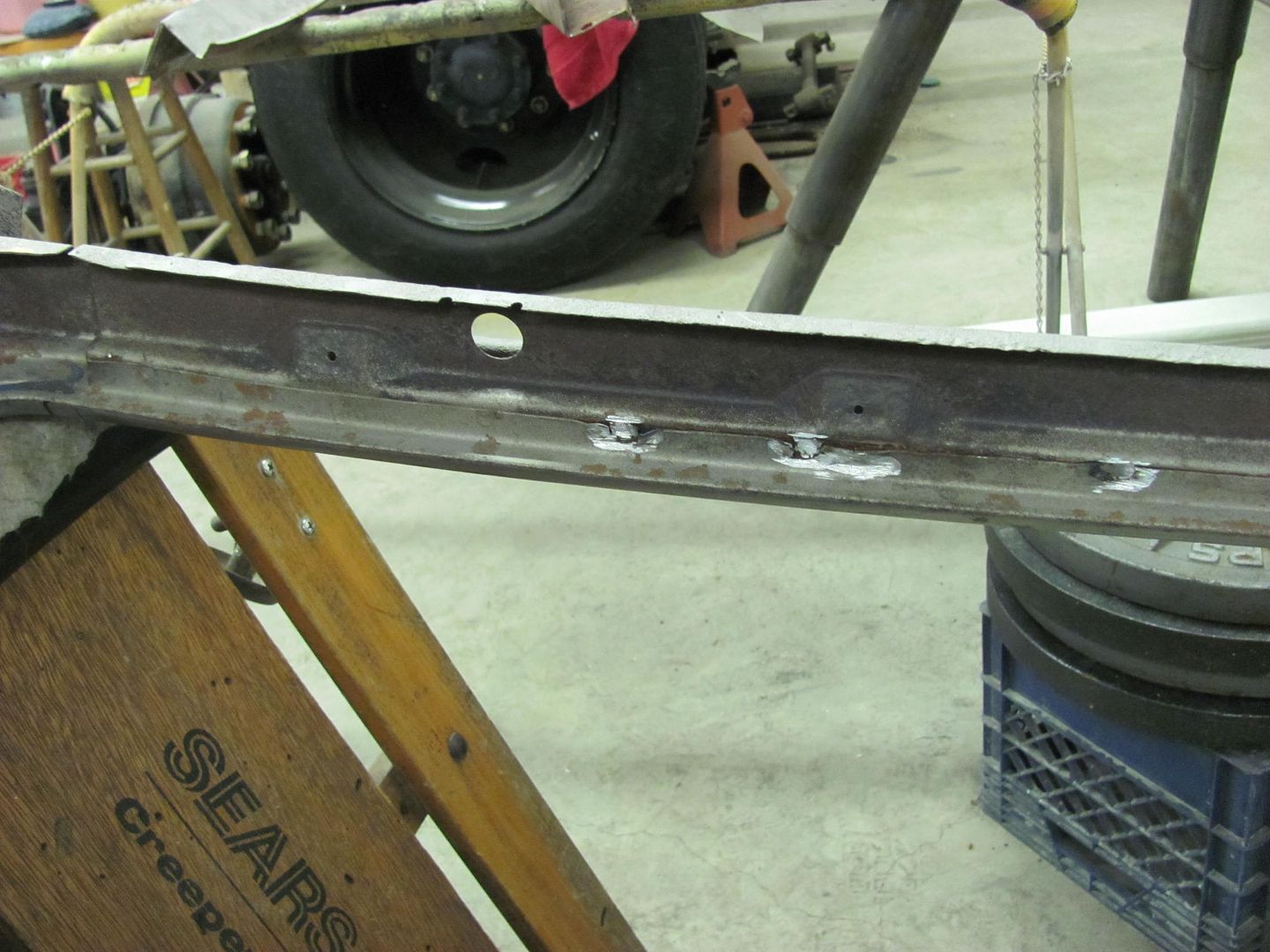
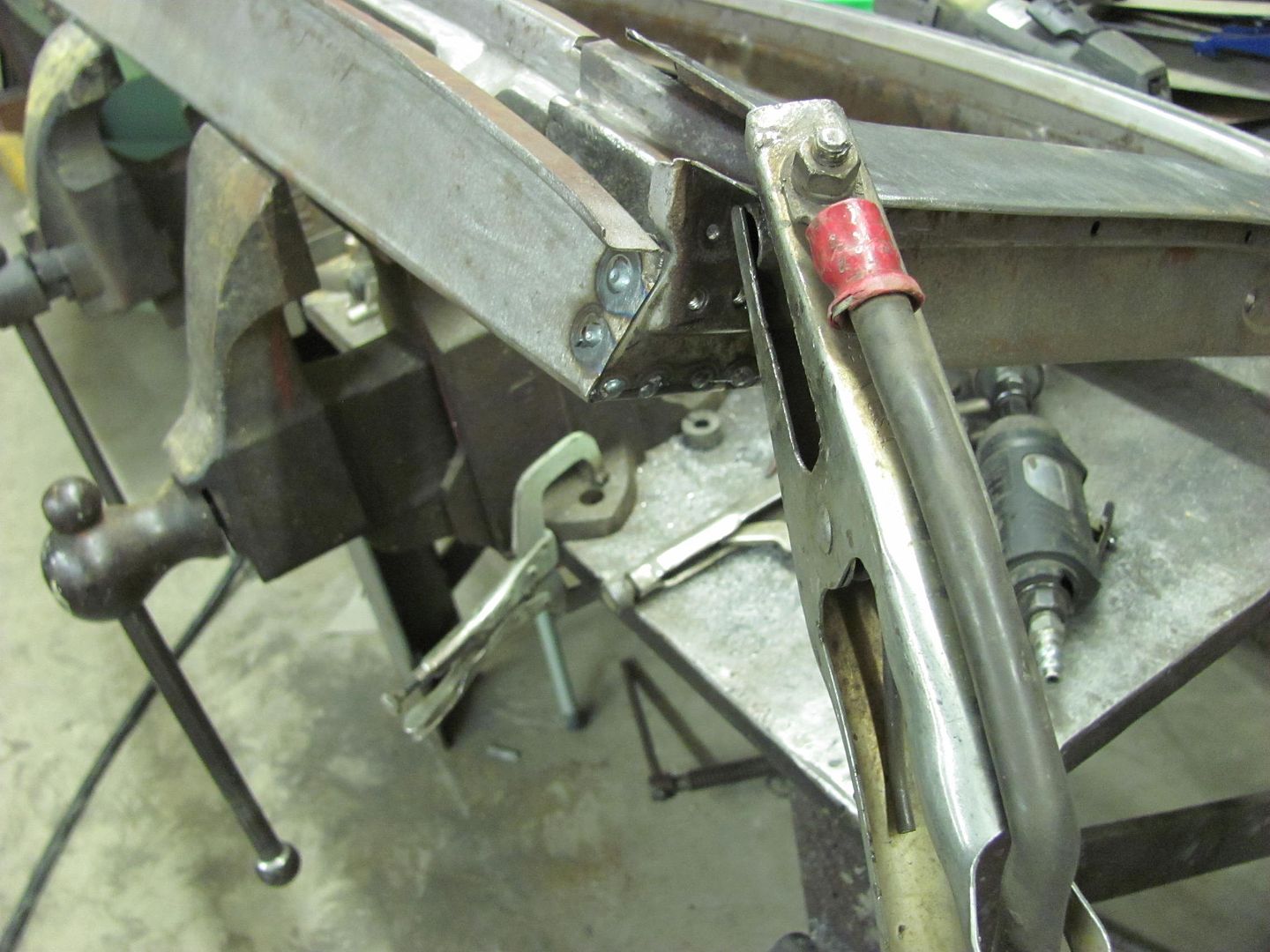
Back to the lift gate, the spot welds in the bottom piece were drilled out. This revealed a couple more pits, which were media blasted and MIG welded.


Picture253-1.jpg


Picture254-1.jpg


Picture255-1.jpg


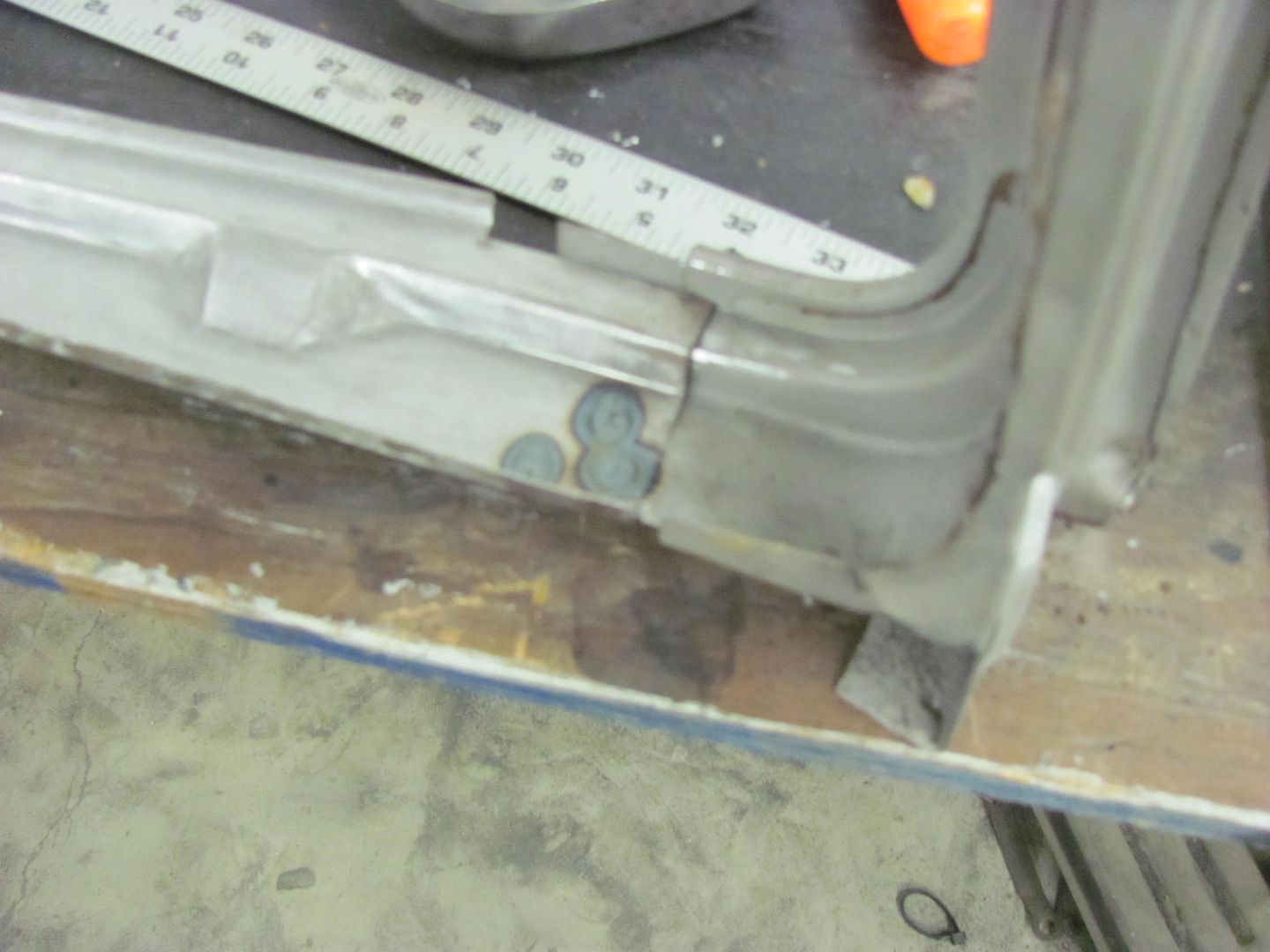
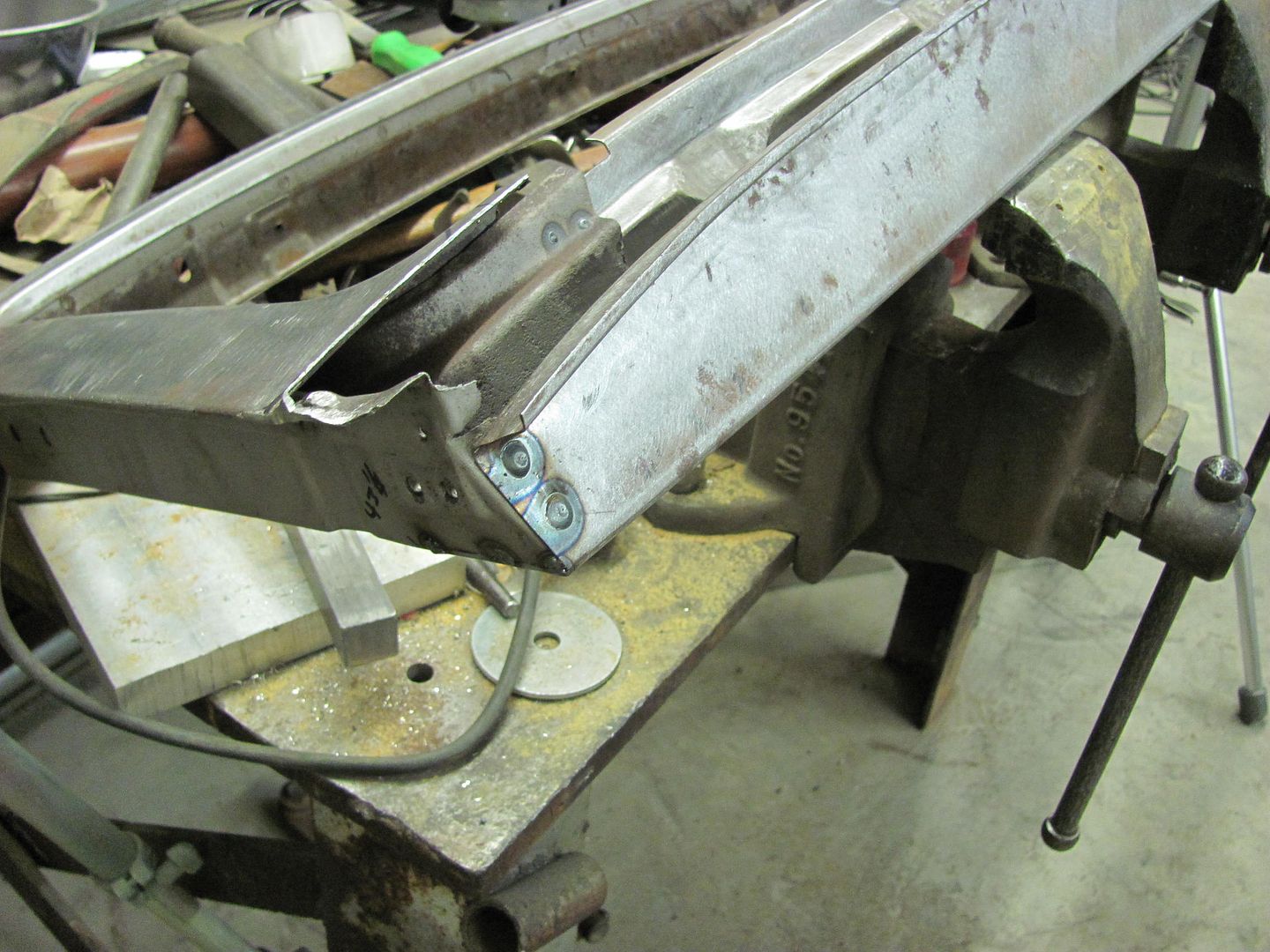
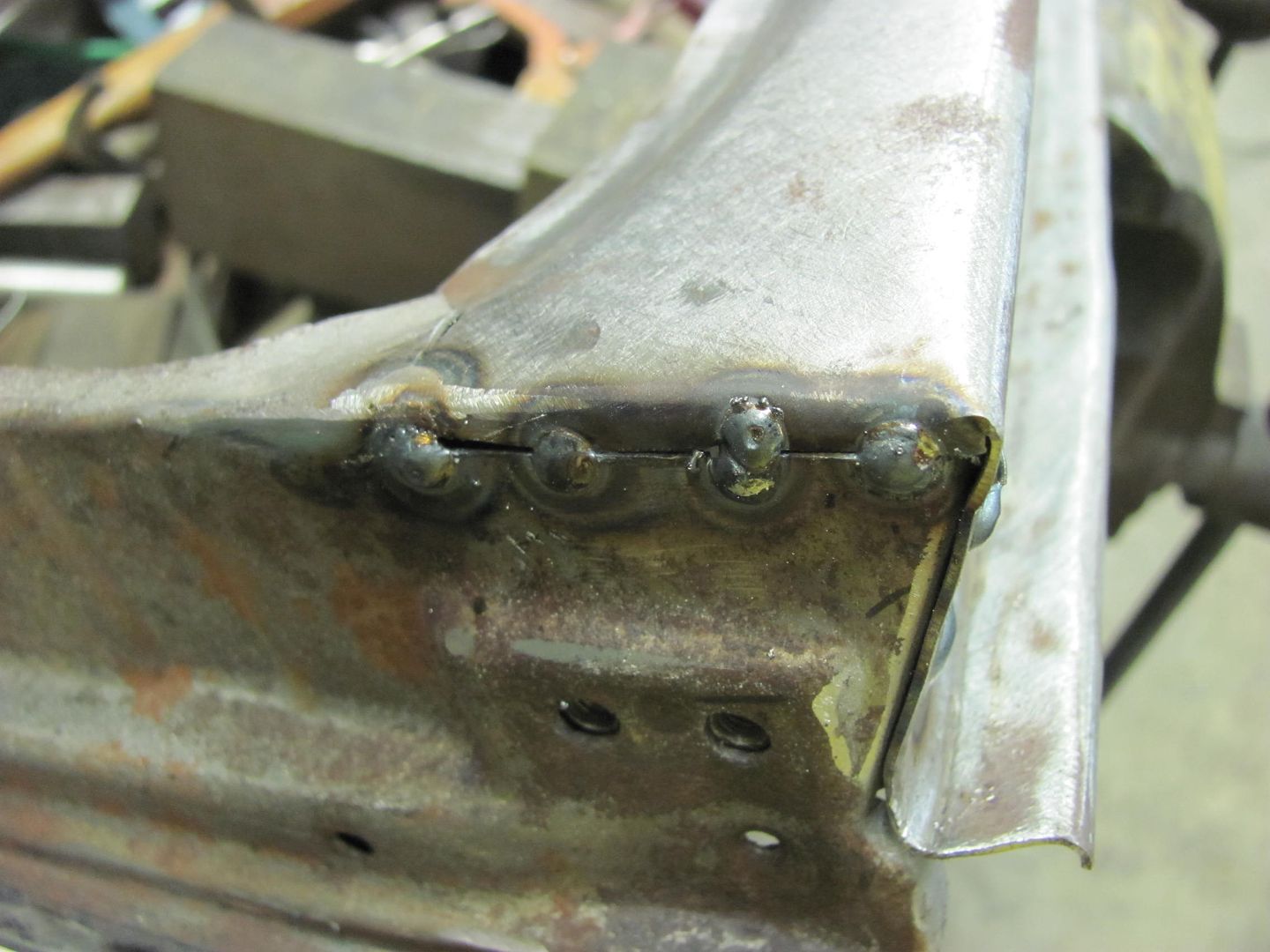
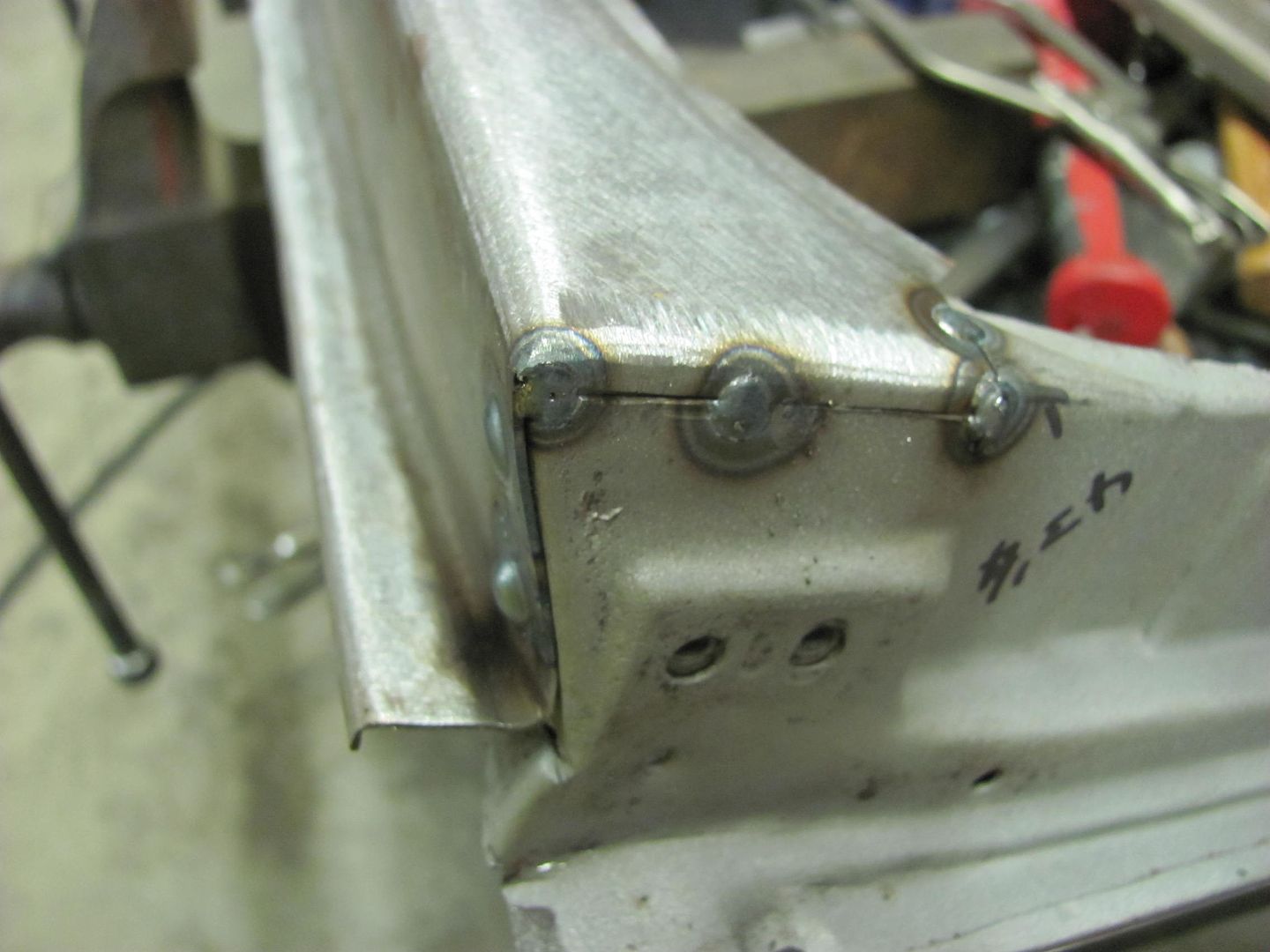
All cleaned up, the new piece is plug welded on....


Picture256-1.jpg


Picture257-1.jpg


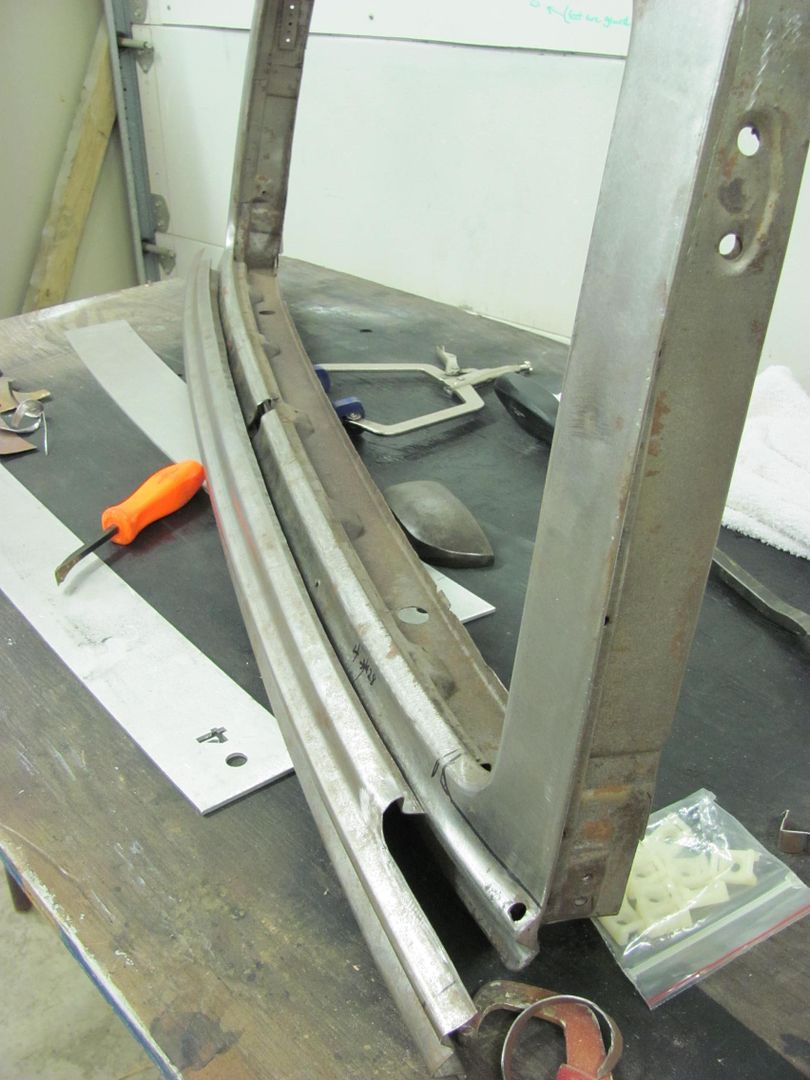
Then the inner panel is fitted up and tacked in place....


Picture258-1.jpg


Picture259-1.jpg


Picture260-1.jpg


Picture261-1.jpg


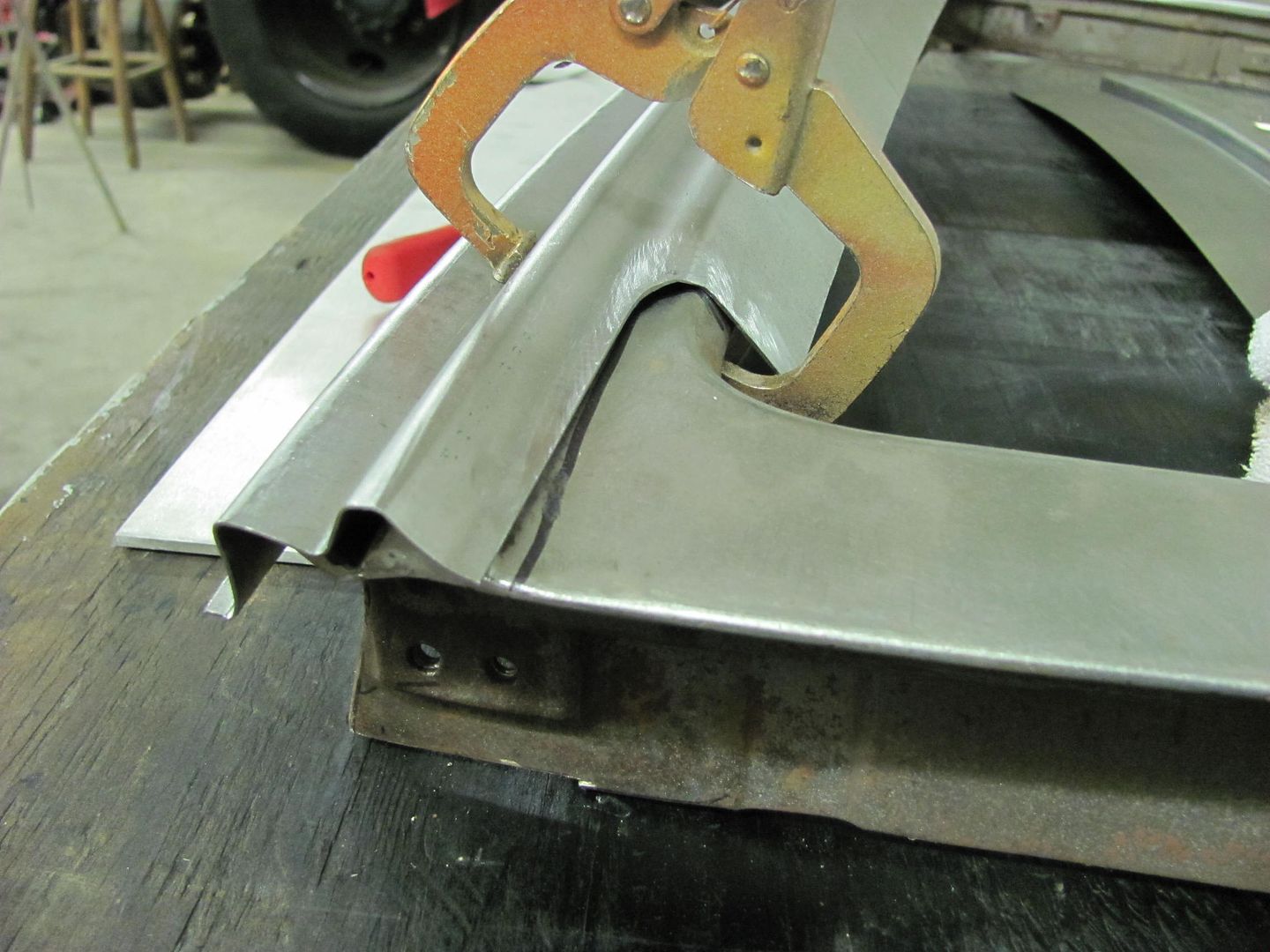
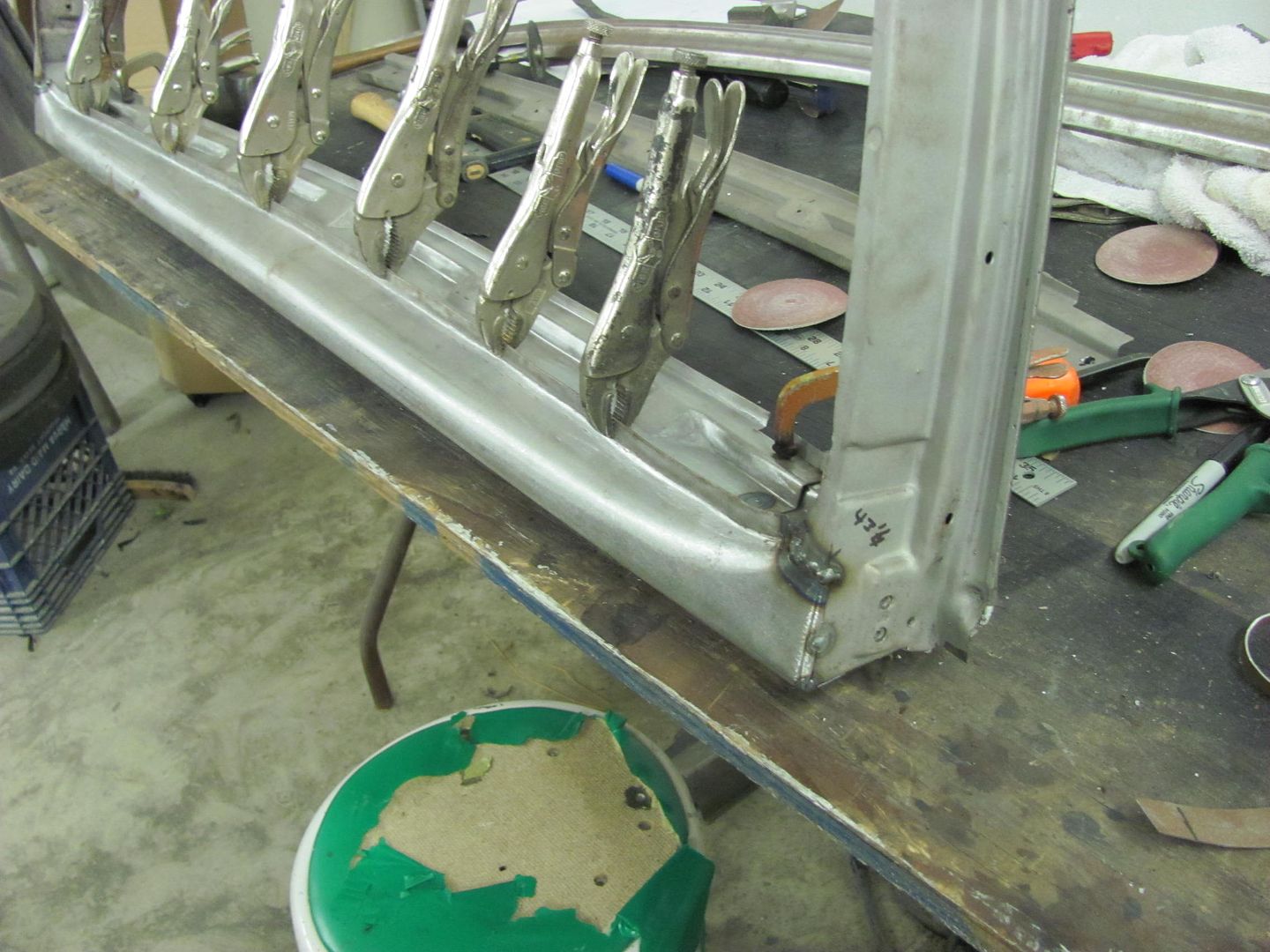
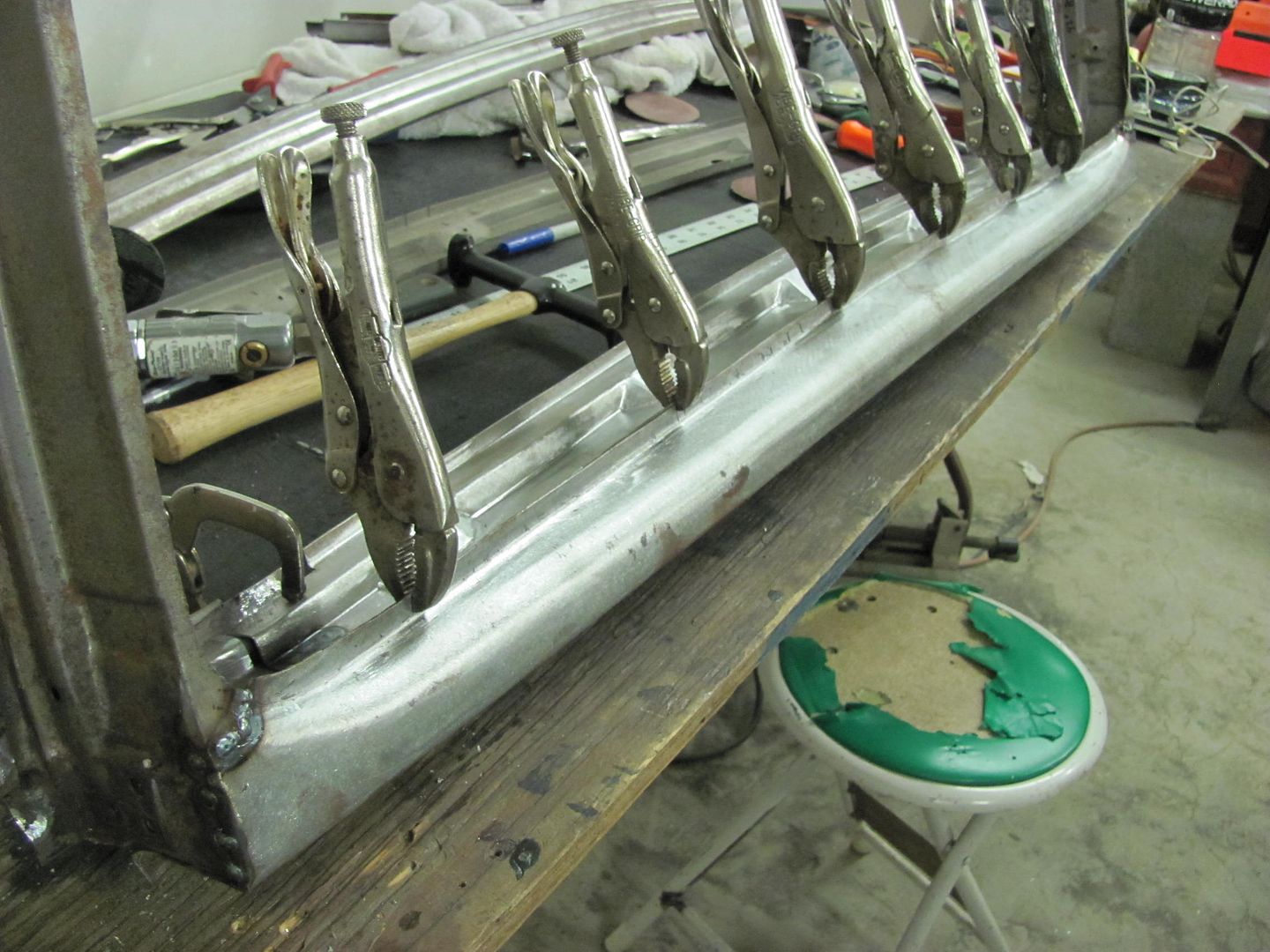
Top flange clamped to check the fit.....


Picture262-1.jpg


Picture263-1.jpg


That's about it until next time...
 
OP
M

MP&C

Well-known member
Joined
Oct 21, 2009
Messages
4,396
Location
Leonardtown, MD
:lol:


FIL had that one and it collapsed sideways once so he got rid of it. I added the "plate" sway brace and have been using it ever since.
 
To avoid these ads, REGISTER NOW!
Top Bottom