Farming.......Who Knew.......Alfalfa to Corn-Part 2
I must admit I'm both a bit surprised and most pleased with the interest shown here about the farming operation. This is Garage Journal after all! What a diverse group we are here!! Farming is right next door and across the road from me plus this is where I grew up. I've got many life long friends who are farmers. For those who think it's boring or low tech.......you have
no idea how high tech it has become, no idea! It never ceases to amaze me each year what Ag engineers are pushing into main-stream farming and what they are working on for the future.
Answers to questions and comments; here goes.
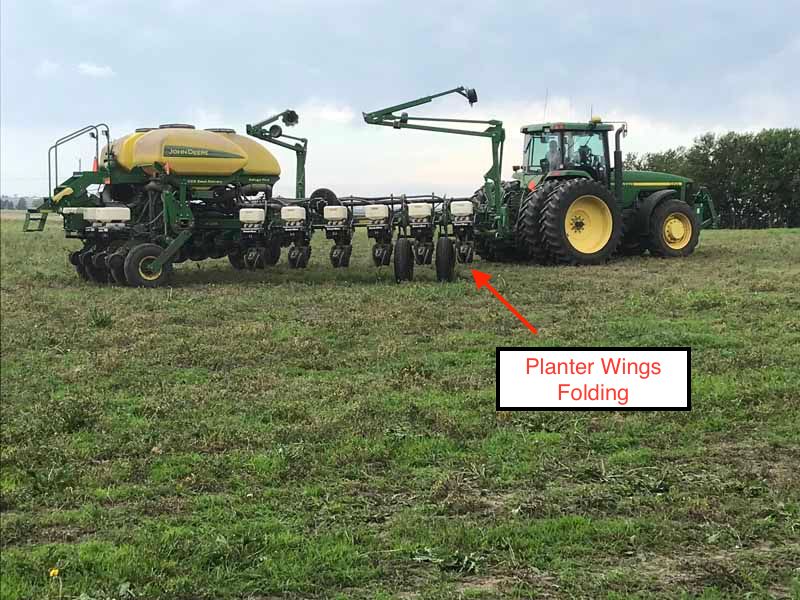
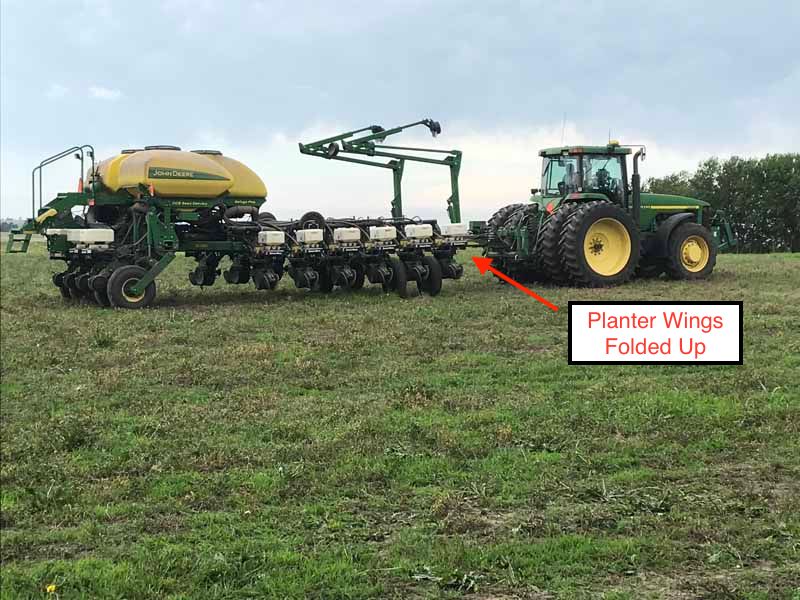
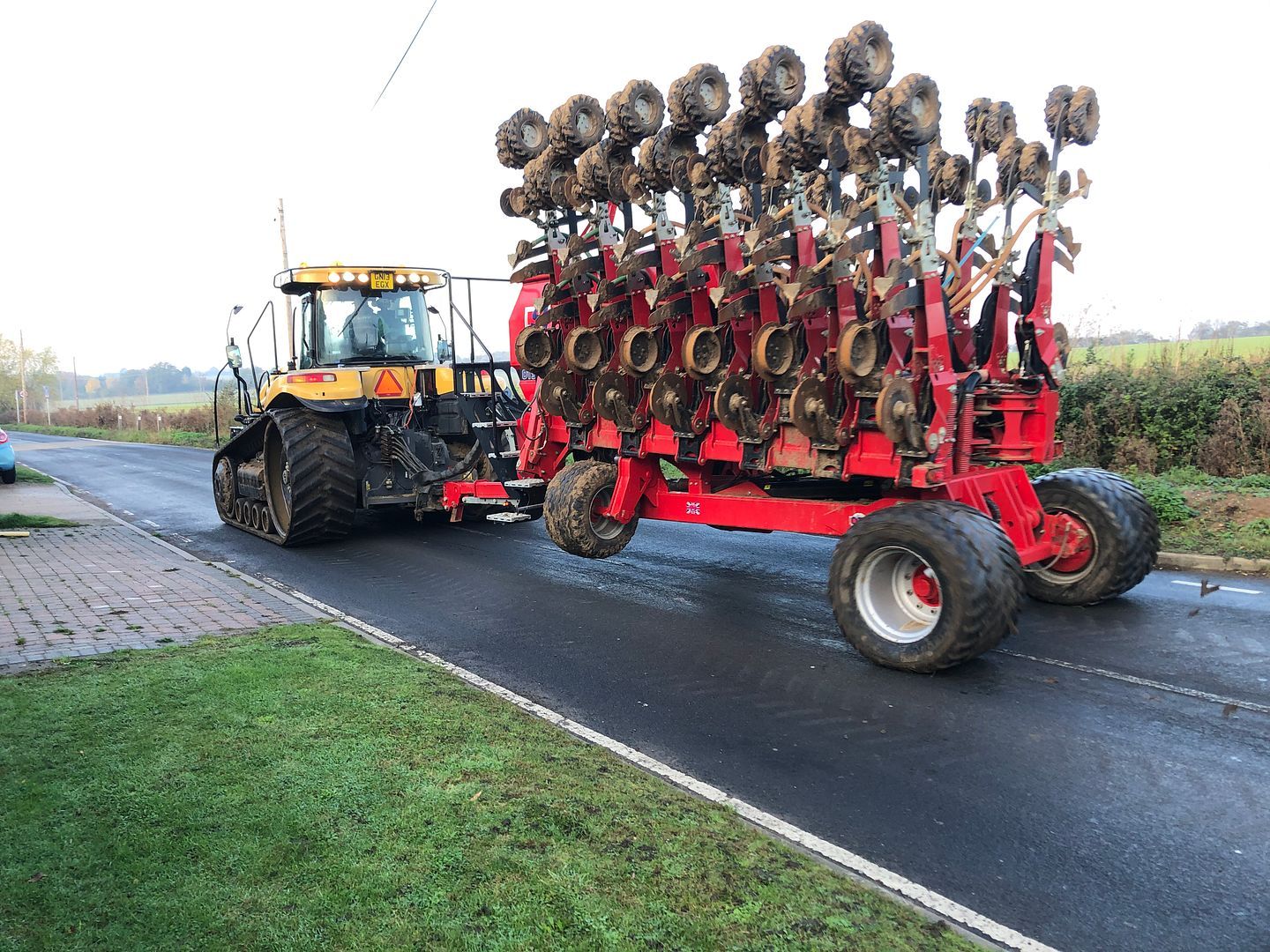
Rian, spring and fall, big farm equipment on the public roads is a common sight around here. Guys are pretty responsible about not dropping a bunch of dirt onto main roads. Country roads, not as much. I just don't know how much wider they can make equipment. One advantage we have is, our main highways are wider than yours and definitely we have wider shoulders. Still it's a problem, but this is farm country and everyone is pretty understanding.
TR6SR650, about what kind of corn was planted? It was Round Up ready hybrid feed corn, not sweet corn if that's your question. As to the manufacture or variety I'd have to check my records, I've slept since it was planted!
MacTexas, when we first started to discuss switching for a year to corn I was thinking about how terrific that field could be. Never had corn in it before, had 6 years of alfalfa, no till, well drained, microbes and earth worms all in place etc. If we had wanted to really push it, we could have gotten some impressive yields. Instead we decided to do minimal work with no additional chemicals or minerals just to see what it would yield with natural management. Last year was a very, very wet spring. That corn didn't get planted until after the first week of June which was
very late for corn around here. We did surprisingly well considering the late start.
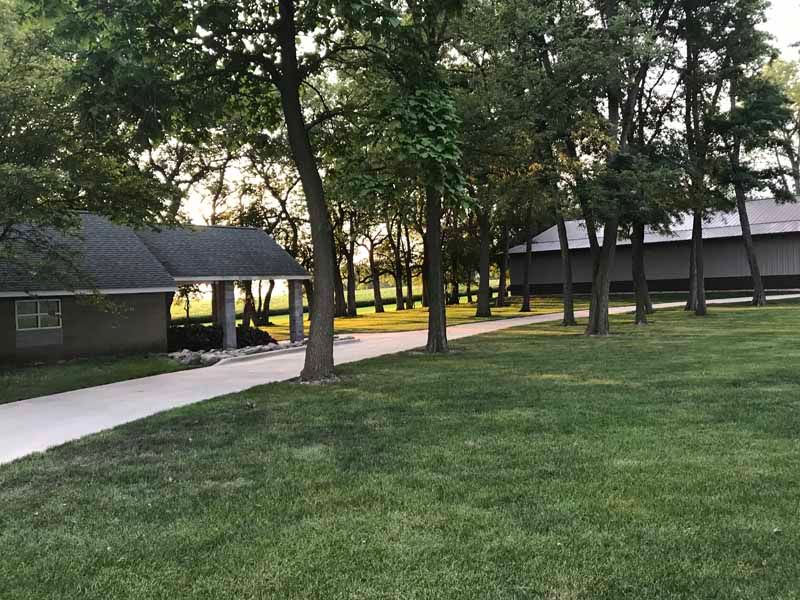
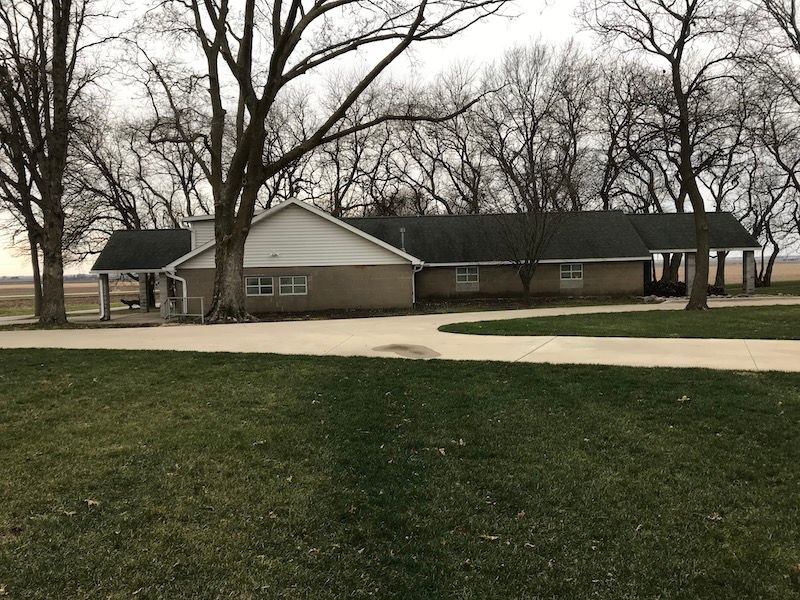
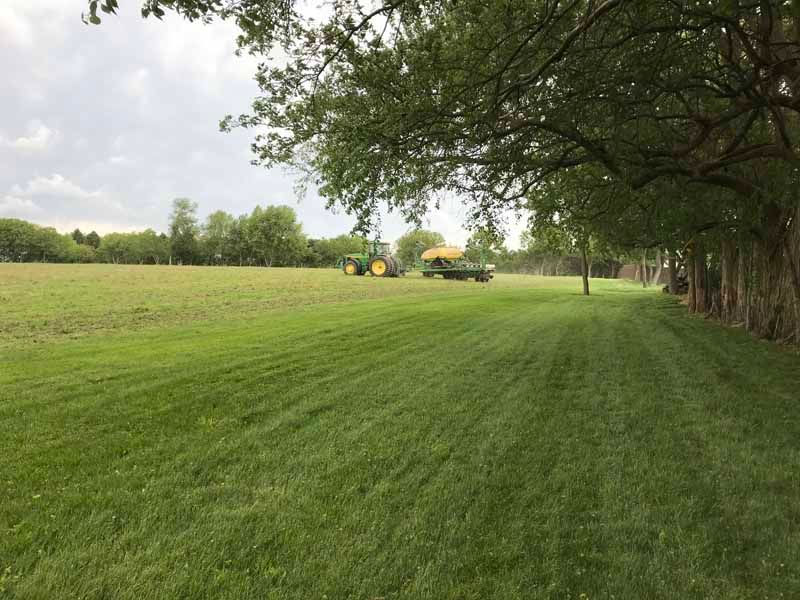
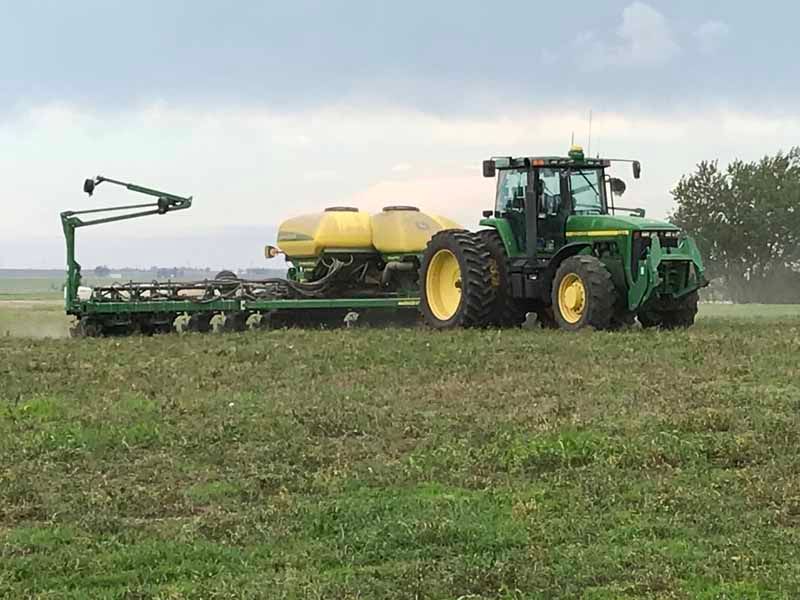
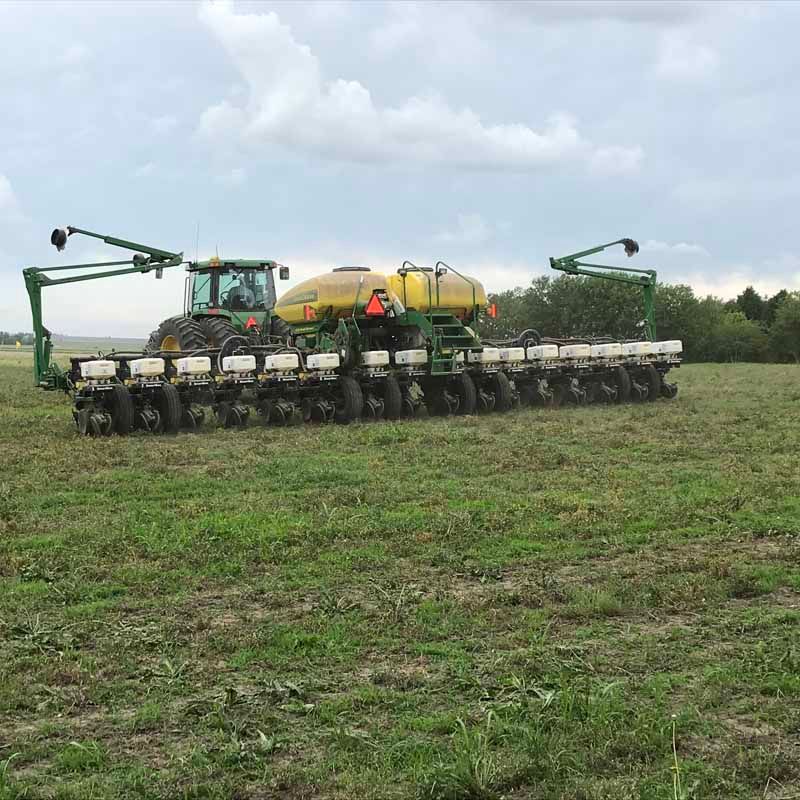
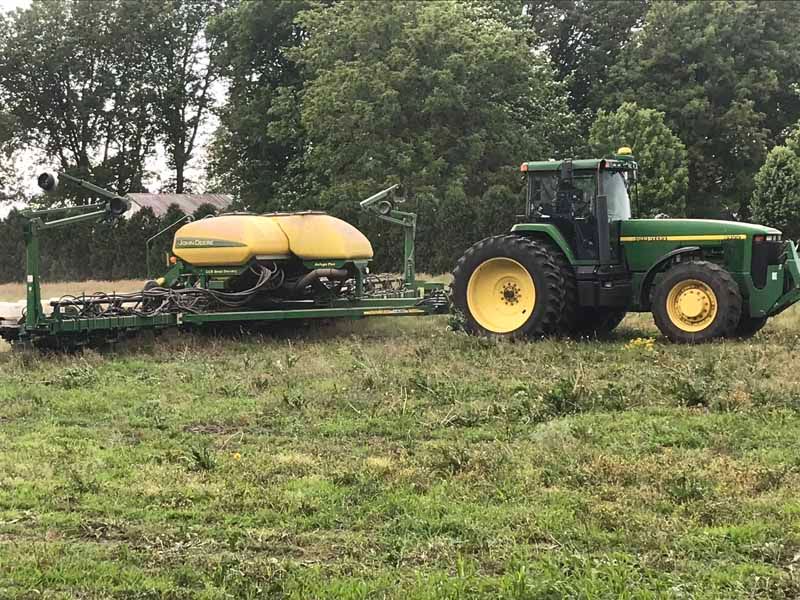
Brian R, regarding how close to the edge of the field do I plant and why. That's an excellent observation and question! Take a look at the following two pictures...

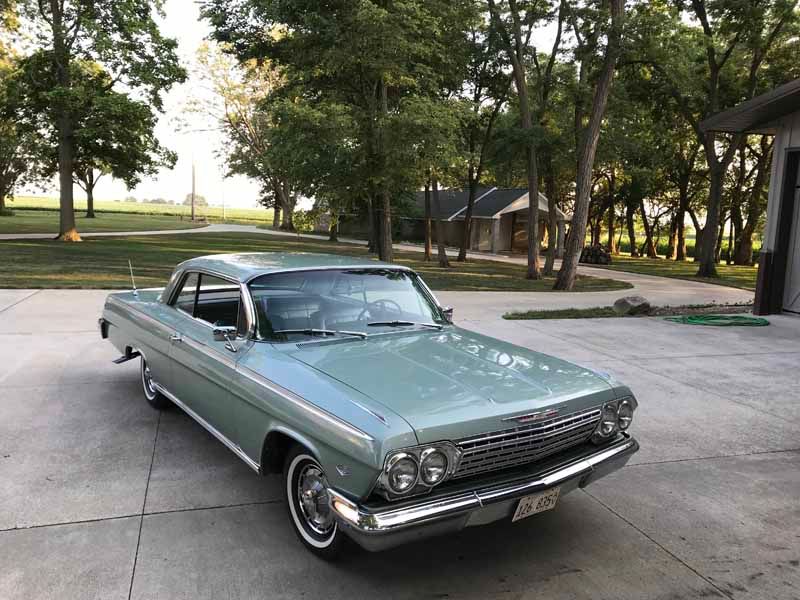
This was taken a few years ago with alfalfa, the crop in the field. Here, I'm standing in the driveway of the old shop, looking next door to the west. Those 3 buildings visible in the background through the trees are ones I demolished last year. You are right about my set-back. I set the edge of the field back from the road around 30'ish. You might recall and if you look closely, I transplanted several walnut trees between the road and the field there. That's the road I normally drive to reach the house and shop and I think it looks better to have some grass space there. Aesthetics are more important to me.

In this picture, it shows the hedge row, with the shop out of frame just to the right. Again, I set the field back from the property line about 30' or so and left some volunteer walnut trees and a fabulous burr oak that were growing in the pasture. Turn of the century, hedge rows were planted among other things, to define property lines and to provide wind breaks to help minimize wind soil erosion. I very much wanted to retain the hedge row when I bought the field. I love the gnarled appearance of those Osage orange trees. Not many hedge rows left around here. Short answer; since this is a residential area, I left some space and I am not concerned with maximizing yields over aesthetics. Most farms around here do plant right up to the road.
stonesg when we have the Garage Journal old shop open house here I agree, we just might need some overflow parking1! Now as to the "Center Of The Universe Classic Cruise/Fly in, BBQ, and Corn Roast" or
COTUCC/FIBBQACR, perhaps we should rethink that title.
 Sifan
Sifan, right you are. New, the tractor alone was north of $350,000 and as you'll see, the combine was right around there as well. This isn't your father's John Deere any more!!
You're also right about the row spacing at 30" as well. I was zipping out that post last night and the 4' slipped by my editing. I have now re-edited that post for correction. Thanks! Pretty sure we're doing about 8" on the plant spacing though. Thanks for the correction. Keep on eye on me!!
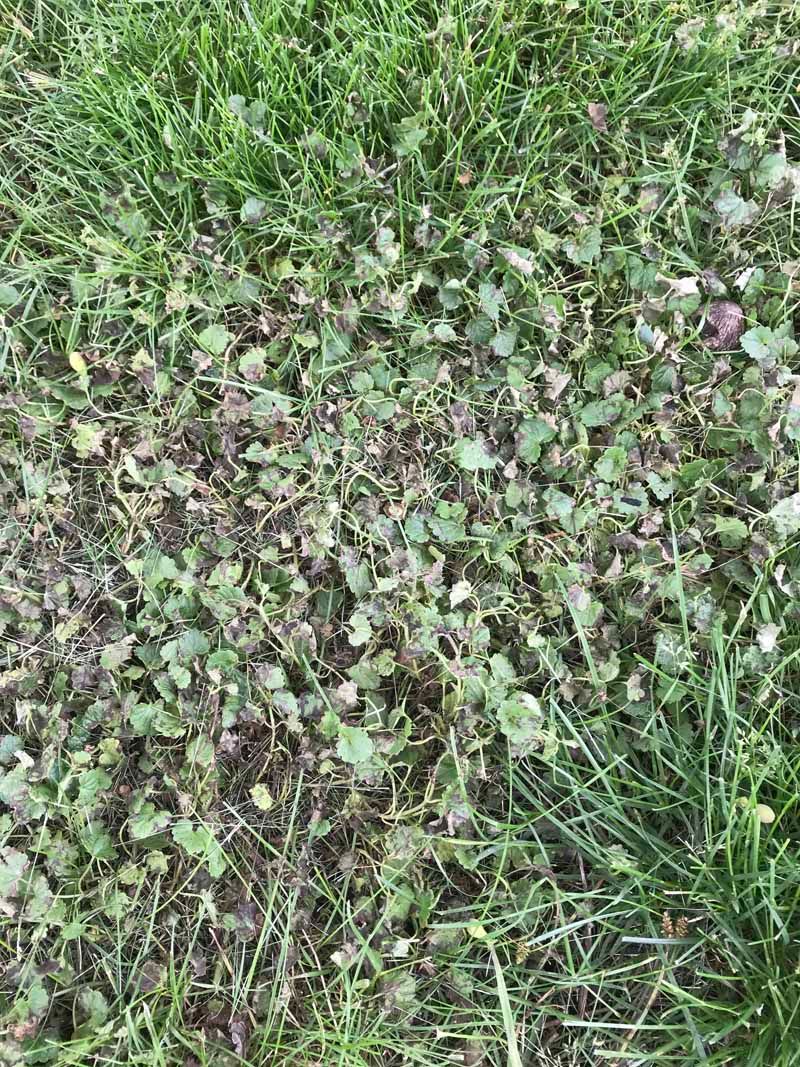
Pete, with no till you have to do something about residual plants. At least we don't use Dicamba! That stuff is
wicked nasty with volatility that's off the charts! I'm not a big fan of chemicals in general, be it fertilizer or herbicide, but used responsibly and with restraint, I think there is a place for them.
XJSuperman, I am a huge believer in no-till and the use of cover crops. Yes, Justin is a 5th generation, traditional farmer and he very much wanted to till that up before planting.

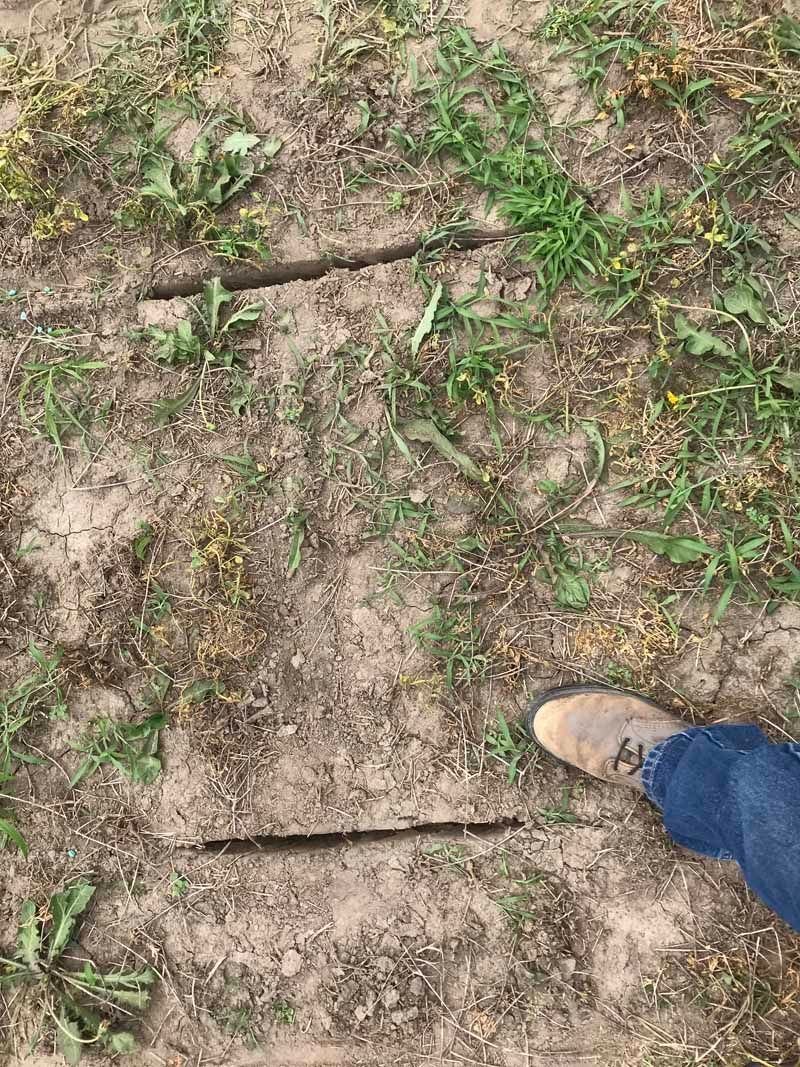
Just look at it, now that's an ugly field to plant into isn't it?! When we first started to farm the field in 2012 I told him the direction I wanted to go in. I assured him he wouldn't be hurt financially if the crop didn't work out. We did do a thorough burn down the day before however, but that could have been done up until a couple days after planting.
I have a good friend who farms 7 miles away. I've know him for 40 years. We drag race together, you've seen his car here before, an all original 1969, SS 396/375 hp, 4 speed Chevelle. He has been doing no-till, cover crop farming for well over 10-15 years with great success. I've been talking with him about that way to farm years before I purchased my field. With his experience, I was confident we could proceed with a no-till program.

Here's a better look at how well the corn emerged from that mess of a field a few weeks earlier. And later still...

...after a few timely rains, it was well on it's way. The hedge row is background right.
As the summer progressed...

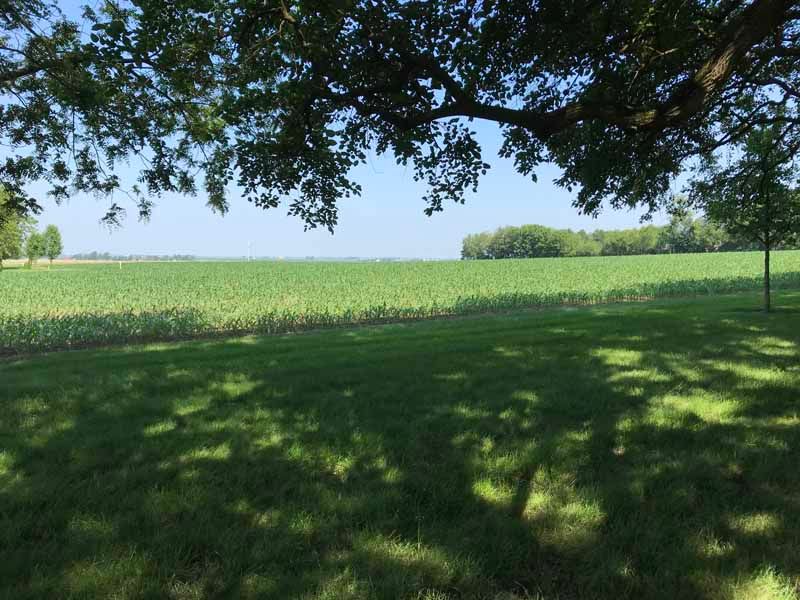

This is where the payoff comes from 6 years of alfalfa growth and then no-tilling the field. All the nitrogen and nutrients that were stored in the ground from several years of alfalfa plants was taken up by the corn. If we had tilled the field, we would have destroyed all that natural nitrogen, nutrients, and microbes.

Then as it started to dry down...

...we could see we had a good crop forming. We added or did nothing to this crop after it was planted. No fertilizer, no side dressing of nitrogen, no insecticides, no additional herbicides, nothing. Planted it and then waited. For those who may not know, typically around here, each corn plant produces only 1 ear of corn.

Once it had all dried down it was harvested. This is the view from the combine cab, looking toward the hedge row in the background. To the right is the lot where I removed the old house, barn and outbuilding a few months before this picture was taken. See page, 589, post # 11,774 and page 596, post # 11,907.

This is the business end of the combine. It has an 8 row corn header on it.

Seen from the cab, looking at the hedge row, old shop beyond.

Look closely at the bottom and you'll see the header going through the corn rows.

Around here, it's very common to harvest "on the fly". That is, the combine never stops. When the bin on the combine is near full, an auger cart is pulled along side, the cart matches speed with the combine and then grain is discharged from the combine into the auger cart while the combine continues to harvest. When the auger cart is full, it moves off to discharge it's load into a waiting grain truck. It's like a ballet if you will. The combine sets the pace and everything else adjusts to it. Continuous harvesting, the auger cart moving off to empty it's load and then returning to the combine for another load. As the waiting grain trucks get full, they move off to empty their loads either at an elevator or grain bin on the farm. On and on, over and over, day after day until the crop is in. I have a CDL and I've driven semi grain trucks for friends, max load is 80,000 lbs (36,287 kg) but my favorite thing is pulling an auger cart. Before I retired from flying, I'd come home after flying at 550 mph for 10 hours and a few hours later I'd be out in a field, pulling an auger cart at 6 mph and loving every minute of it.

Here's an auger cart. You can see the combine discharge chute on the left and the auger cart has it's own chute to empty into grain trucks or wagons. Auger carts like this are powered by the tractor PTO, Power Take Off. The PTO powers the discharge and hydraulics control the spout.

Here is whole outfit, the combine, tractor and auger cart. Combines are equipped with GPS and they can locate and log where on a field, the crop is being harvested and just what that crop yield is in a certain spot. They do this continuously while harvesting and can then produce a yield map. That map will show the field in small grids and what the yield was in that part of the field. Someone here can respond on how small an area a yield map can measure. The ones I've got show a several foot area per grid but I don't know the precise size they measure.
We had a very late planting last year, 2019 due to wet spring weather. That hurt our yield. Looking at the individual ears you could see they were damaged by a drought in August, just as the ears were filling out. Had we been able to plant 2-3 weeks earlier, the ears would have been largely formed by the time the drought hit and we would have had a much higher yield. As it is we averaged 175 BPA, Bushels Per Acre. Some areas of the field had a 220 BPA. Considering it was just plant and then harvest with no additional expense or labor we felt that was respectable. I'd say our no-till program is working.
Many, many thanks to you all for letting me share my farming experience. I've really enjoyed forming ideas and then putting them into practice next door and then seeing the results, much like tackling the old shop restoration. Now, I wonder what mistakes I made in this post.

It covered a lot of ground, so to speak!
Thomas


.jpg?width=1920&height=1080&fit=bounds)