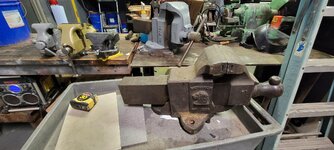
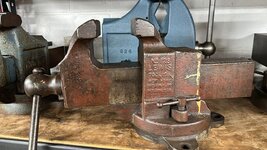
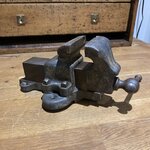
This is a very rare size machinist vise from the
Oswego Tool Co. that I picked up several years ago, unrestored and in original condition.
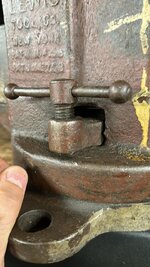
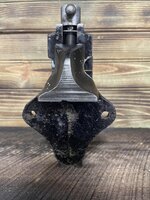
Oswego Tool no. 12-1/2 machinist vise
jaw width.......2-1/2"
jaw opening...3-1/2"
weight............17 lbs.
circa...............(1925-1935)


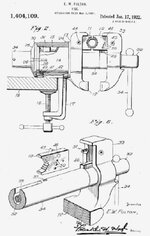
While, the Oswego Tool Co. had many different exceptional leaders over their existence, this vise is a product from possibly my very favorite "vise-man",
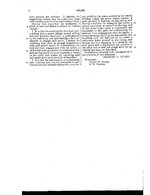
Edwin W. Fulton.
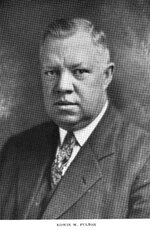
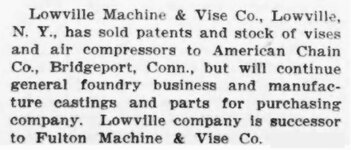
He already had a storied career, starting with the Bagley & Sewall Co. and later the Fulton Machine & Vise Co. in Lowville, NY. and others before coming to Oswego in 1924 with all of his famous models of vises, including his most famous Nutyp vise. His distinguished reputation preceded him and the local newspapers reflected this. The Oswego newspapers celebrated his arrival with great fanfare, while the Lowville newspaper viewed his departure as a local tragedy.
It was all going so well in Oswego NY, when in 1928, the untimely death of
William J. Henry changed the future of the company forever. Henry was the owner at the time, as well as the owner of the foundries in Auburn, NY which the Oswego Tool Co. had been using for years.


The Henry family owned most of the stock for the Oswego Tool Co., which would force a reorganization of the company in 1930 by Edwin W. Fulton and H. W. Stone in which they incorporated the new
International Nutyp Tool Corp. The timing couldn't have been any worse as the "Great Depression" gripped the country and would ultimately force the new company to shutter their doors by 1935.
While the Nutyp vises would bear the casting of the new company from (1930-1935), the machinist vises continued to cast "Oswego Tool Co." or so I thought, until this even more rare no. 12-1/2 vise showed up on eBay a while ago.


In June of 1935, W. J. Sawyer, of the Sawyer Foundry, purchased the vise patterns and exclaimed that production would start immediately on the previous line of vises and tools under his name. There would be one more owner before a spectacular fire in 1960 destroyed amongst many things, the vise patterns and ended a proud lineage of vises and tools produced in this very special New York town.
This is just a sliver of information about the Oswego Tool Co. and I'd encourage anyone interested in early American history to continue reading more about this towns special history. It really is all about the location of this town as it sat on the banks of the Oswego Canal leading to Lake Ontario.
The following early drawings of the canal are a great reminder of what our country's immigrants were able to achieve, given the opportunities and difficulties at the time.


Long live Oswego NY and may she continue to prosper, now and into the future!